Garden Blog - Top Tropicals

Date: 11 Jul 2024

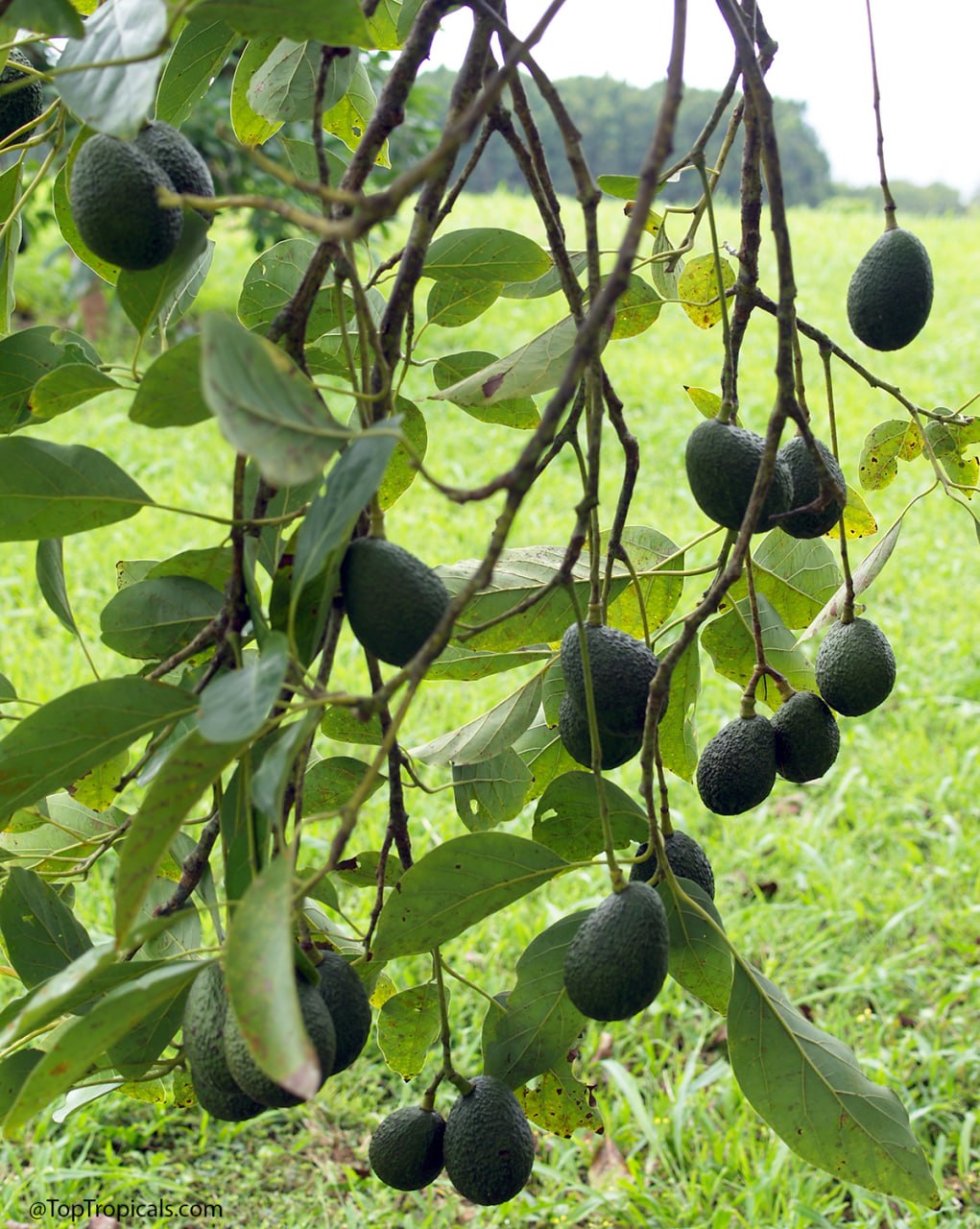
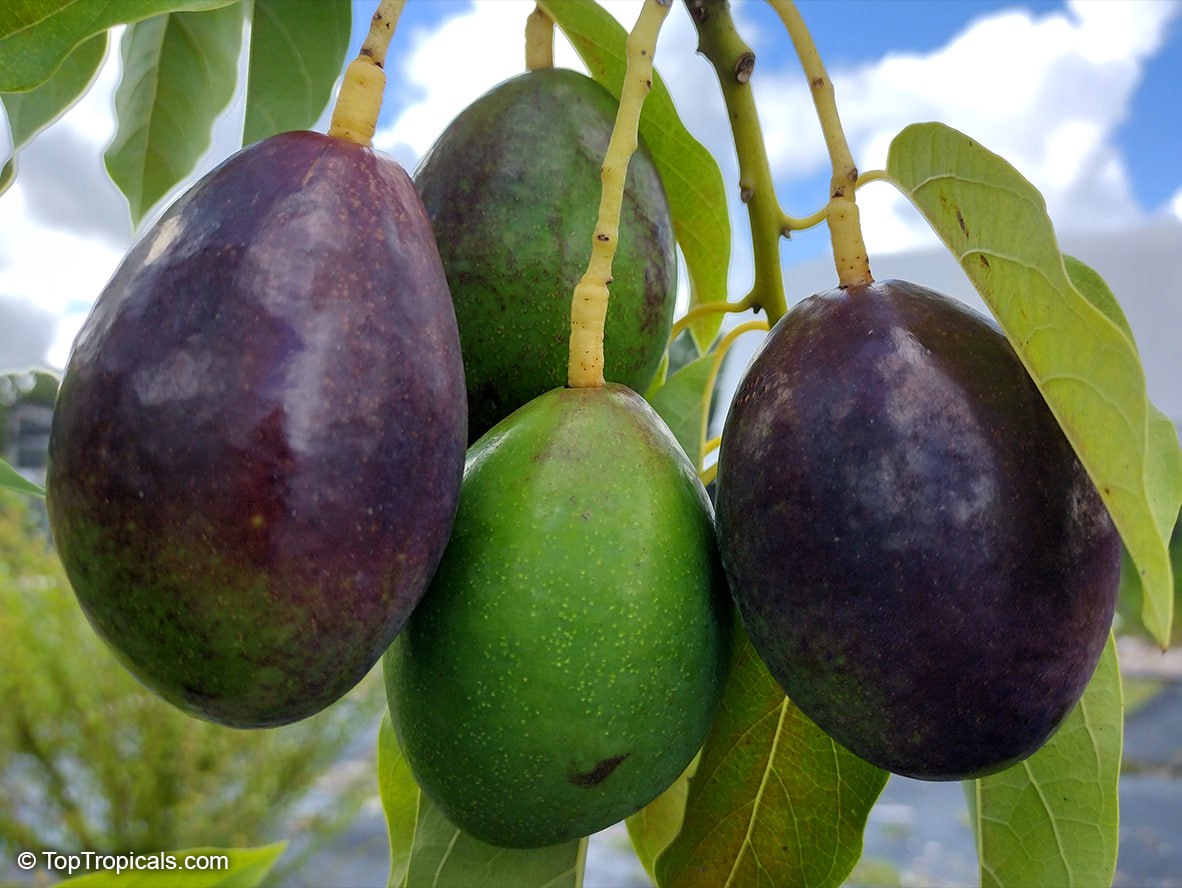
Avocado  fruit  on  a  tree

Five most popular Avocado varieties

Food Forest

"What is the best variety of Avocado?"
"Do you have the one with small black fruit and bumpy skin?"
"I have avocado with very large green fruit, what variety is it?"

These are frequently asked questions we get from our customers. This basic "classification" by black/green doesn't encompass all the wonderful qualities avocados have to offer. There are numerous hybrids in cultivation, and once you plant your first tree and taste the REAL fruit (not from the grocery store), you'll be eager to explore other varieties. While it's true that avocado fruit can vary in "butter" content, most superior varieties are equally delicious. First comes first -

The most popular Avocado varieties this year are:

1. Brogdon - red-purple pear-shaped fruit, 7-15 oz. Skin is very thin, yellow buttery flesh. Fruit ripens in late summer-fall. Very cold hardy.

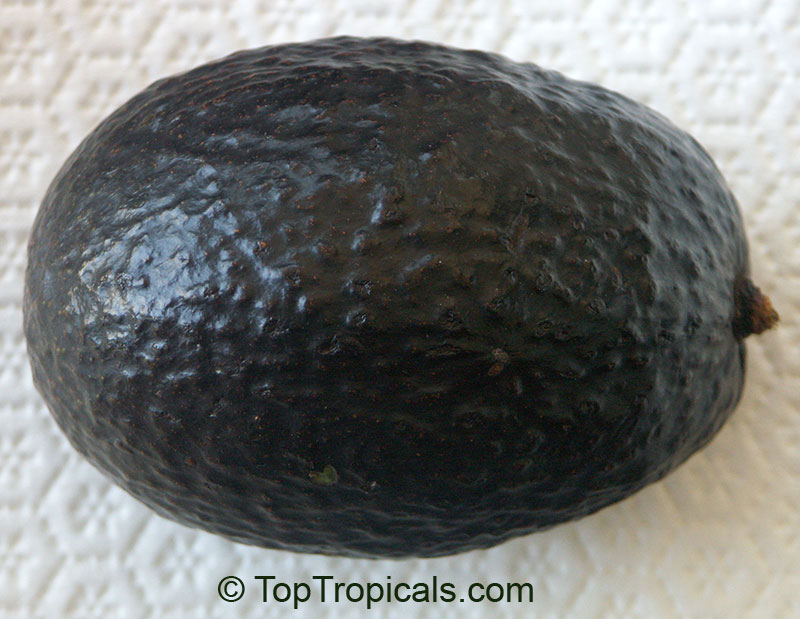
2. Hass - probably the most popular, but this tree prefers drier climate (Florida is humid, so we plant adaptable Florida Hass here). The fruit is dark-colored with a rough and bumpy skin, turns black when ripe.

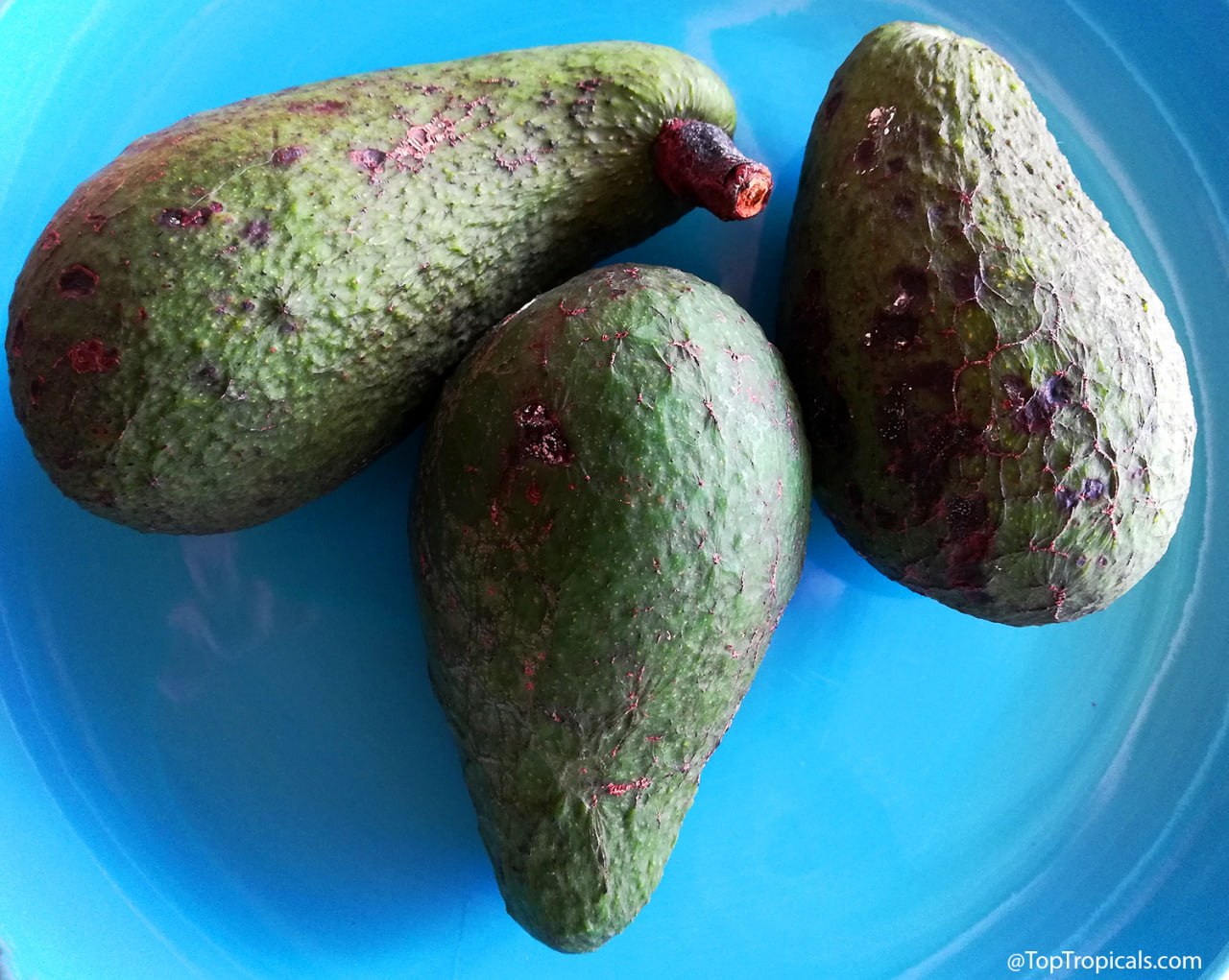
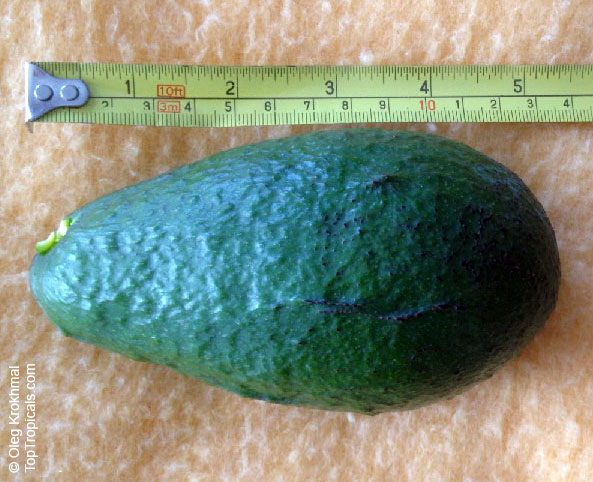
3. Fuerte - a dwarf and a very cold hardy variety. Everybody's favorite "Condo Avocado": perfect for container culture and small yards. The mature tree in the ground is under 15 ft; 6-7 ft in containers.

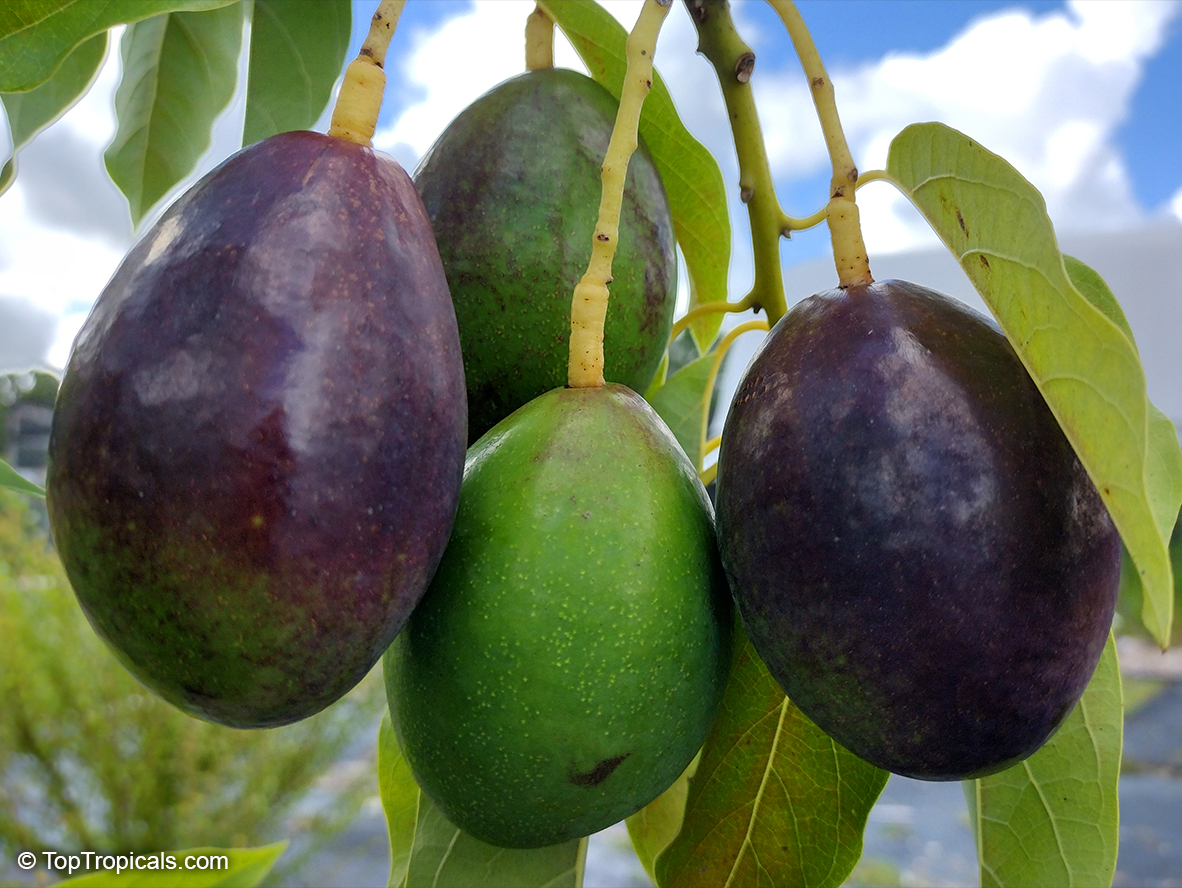
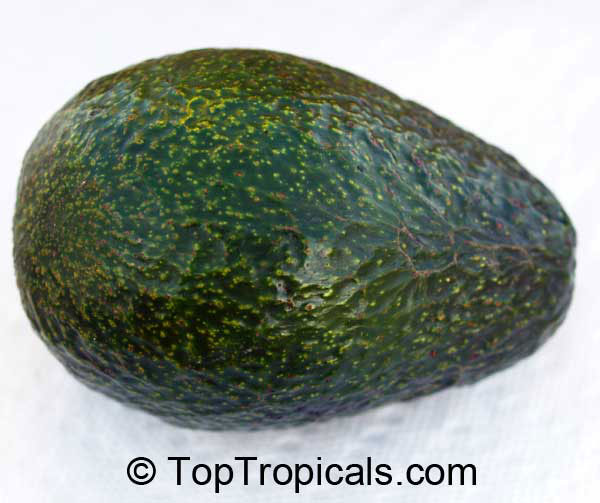
4. Oro Negro - Oro Negro means "black gold" in Spanish, which is an incredibly appropriate name for this fruit. This Monroe hybrid (with big size fruit) is crossed with a Mexican type which would explain the black skin. The flesh is rich and buttery with a creamy texture.

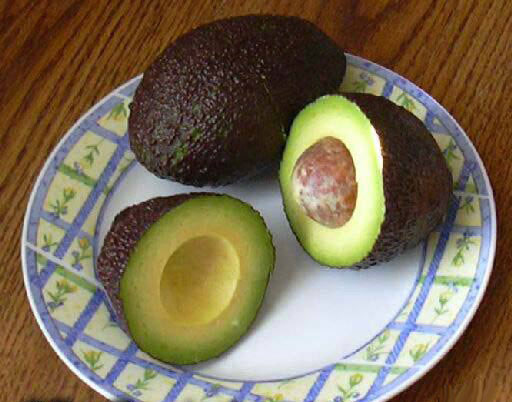
5. Winter Mexican - one of most cold hardy varieties, Guatemalan x Mexican origin. Mature trees may withstand temperatures in the mid 20s. Oblong fruit, 12-18 oz, thick green skin. Very vigorous tree, bears heavily and regularly in December-January.

Learn more: Avocado Variety Guide - check this out for interactive chart of Avocado varieties and sort them by flower type A or B, tree habit, fruit shape and quality, cold hardiness, origin, season and more!

Avocado  Hass

Photo above: Avocado Hass

Avocado  Fuerte

Photo above: Avocado Fuerte

Avocado  Oro  Negro

Photo above: Avocado Oro-Negro

Avocado  Winter  Mexican

Photo above: Avocado Winter-Mexican

Date: 3 Jun 2026

Avocado Fuerte: the hidden world beyond green and black

Avocado Fuerte: the hidden world beyond green and black Avocado Fuerte: the hidden world beyond green and black

Avocado Fuerte: the hidden world beyond green and black


Before Hass became the world's dominant avocado, Fuerte was considered the gold standard. This historic Mexican-Guatemalan hybrid produces medium-sized pear-shaped fruit with exceptionally smooth, buttery flesh and outstanding flavor. Cold-hardy and productive, Fuerte remains one of the finest eating avocados ever developed; and it's one of the very few dwarf varieties suitable for containers.

· Botanical name: Persea americana 'Fuerte'
· Origin: Guatemalan x Mexican hybrid
· Cold hardiness: Tolerates temperatures around 20°F and is one of the more cold-hardy classic avocado varieties
· USDA zones: 9a-11
· Flower type: B
· Tree size: Approximately 15 ft x 20 ft
· Growth habit: Compact to semi-dwarf, making it easier to manage than many traditional avocado varieties, well suited to home gardens and containers
· Foliage: Dense evergreen foliage with an attractive, spreading canopy
· Fruit size: 12-14 oz
· Fruit shape: Pear-shaped
· Fruit color: Green to green-black
· Skin: Medium-thin, smooth, and easy to peel
· Flesh: Creamy, buttery, and rich in oil
· Flavor: Rich, nutty, and widely regarded as one of the finest-tasting avocados
· Season: November-June
· Best use: Fresh eating, slicing, salads, and gourmet dishes
· Special feature: Historic variety that dominated the avocado industry before Hass became popular
· Why growers love it: Fuerte combines exceptional flFuerte combines exceptional flavor, good cold tolerance, and a compact growth habit that makes it easier to fit into smaller landscapes. One of the few avocado varieties considered suitable for container culture, it has long been a favorite among collectors and home gardeners who appreciate its rich buttery flesh, manageable size, and extended harvest season. 👉 More

💡 Avocado tip: Prune for width, not height
When a branch grows 10-12 inches, trim the tip. This encourages multiple side branches and creates a stronger, more productive tree.

🛒 Explore cold hardy Avocado varieties

📚 Learn more:


· Avocado Variety Guide: Snack or Guacamole? Collector's inspiration
· Avocado Florida Hass: the hidden world beyond green and black
· Avocado Brogdon: the hidden world beyond green and black
· Avocado Joey: the hidden world beyond green and black
· Avocado Fantastic: the hidden world beyond green and black
· Avocado Fantastic Quick Facts
· Cold-hardy avocado survival groups - what the numbers really mean
· How to protect Avocado from cold and how hardy is it?
· Avocado that laughs at frost: Mexicola Grande for cooler climates
· Cold hardy Avocado Joey - you eat it with the skin

📖 Our Book: Avocado Variety Guide, Snack or Guacamole?
·
Hard copy · PDF File Download

#Food_Forest #Avocado #Discover

🟢 Join 👉 TopTropicals

Date: 6 Jun 2026

Avocado Ulala (Super Hass): the hidden world beyond green and black
Avocado Ulala (Super Hass): the hidden world beyond green and black Avocado Ulala (Super Hass): the hidden world beyond green and black

Avocado Ulala (Super Hass): the hidden world beyond green and black


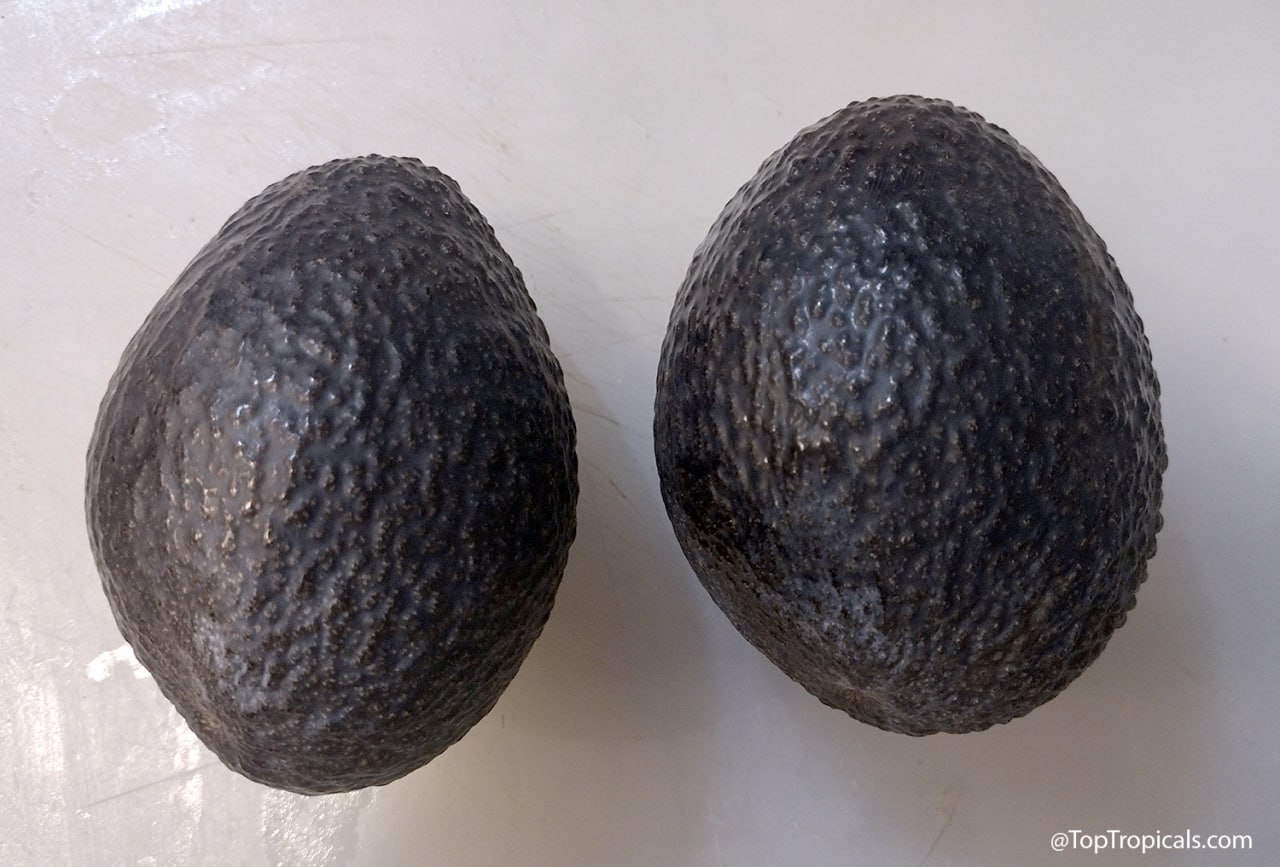
Avocado Ulala (also spelled "Ooh La La" or "U-La-La") , often marketed as Super Hass, produces attractive dark purple-black fruit reminiscent of Hass but on a smaller tree. The flesh is rich, creamy, and high in oil, making it an excellent fresh-eating avocado. Its combination of cold tolerance, manageable size, and premium fruit quality has earned it a loyal following.

· Botanical name: Persea americana 'Ulala' (Super Hass)
· Origin: Louisiana
· Cold hardiness: Tolerates temperatures around 20°F
· USDA zones: 9a-11
· Flower type: A
· Tree size: Approximately 25 ft x 15 ft
· Growth habit: Upright and moderately vigorous, with a narrower canopy than many traditional avocado varieties
· Fruit size: 6-10 oz
· Fruit shape: Pear-shaped
· Fruit color: Purple-black when ripe
· Skin: Thick and easy to peel
· Flesh: Creamy, smooth, and rich
· Flavor: Buttery, nutty, and excellent for fresh eating
· Season: November-February
· Best use: Fresh eating, slicing, and premium guacamole
· Special feature: Produces dark-skinned Hass-like fruit while offering better cold tolerance than traditional Hass
· Why growers love it: Ulala combines the appearance and flavor that made Hass famous with improved cold hardiness and a productive tree. The attractive purple-black fruit, rich flesh, and winter harvest season make it a favorite among avocado enthusiasts. 👉 More

💡 Avocado tip: The best fertilizer is consistency


Avocados prefer small, regular feedings rather than large doses. Light feeding throughout the growing season often produces better results than occasional heavy fertilization. We recommend SUNSHINE C-Cibus - Amino-Acid Crop Booster - safe to apply with every watering, year around.

🛒 Explore cold hardy Avocado varieties

📚 Learn more:


· Avocado Variety Guide: Snack or Guacamole? Collector's inspiration
· Avocado Fuerte: the hidden world beyond green and black
· Avocado Florida Hass: the hidden world beyond green and black
· Avocado Brogdon: the hidden world beyond green and black
· Avocado Joey: the hidden world beyond green and black
· Avocado Fantastic: the hidden world beyond green and black
· Avocado Fantastic Quick Facts
· Cold-hardy avocado survival groups - what the numbers really mean
· How to protect Avocado from cold and how hardy is it?
· Avocado that laughs at frost: Mexicola Grande for cooler climates
· Cold hardy Avocado Joey - you eat it with the skin

📖 Our Book: Avocado Variety Guide, Snack or Guacamole?
·
Hard copy · PDF File Download

#Food_Forest #Avocado #Discover

🟢 Join 👉 TopTropicals
Date: 8 Dec 2025

Avocado miso toast-up: quick-n-fun exotic recipes

Avocado miso toast

Avocado miso toast

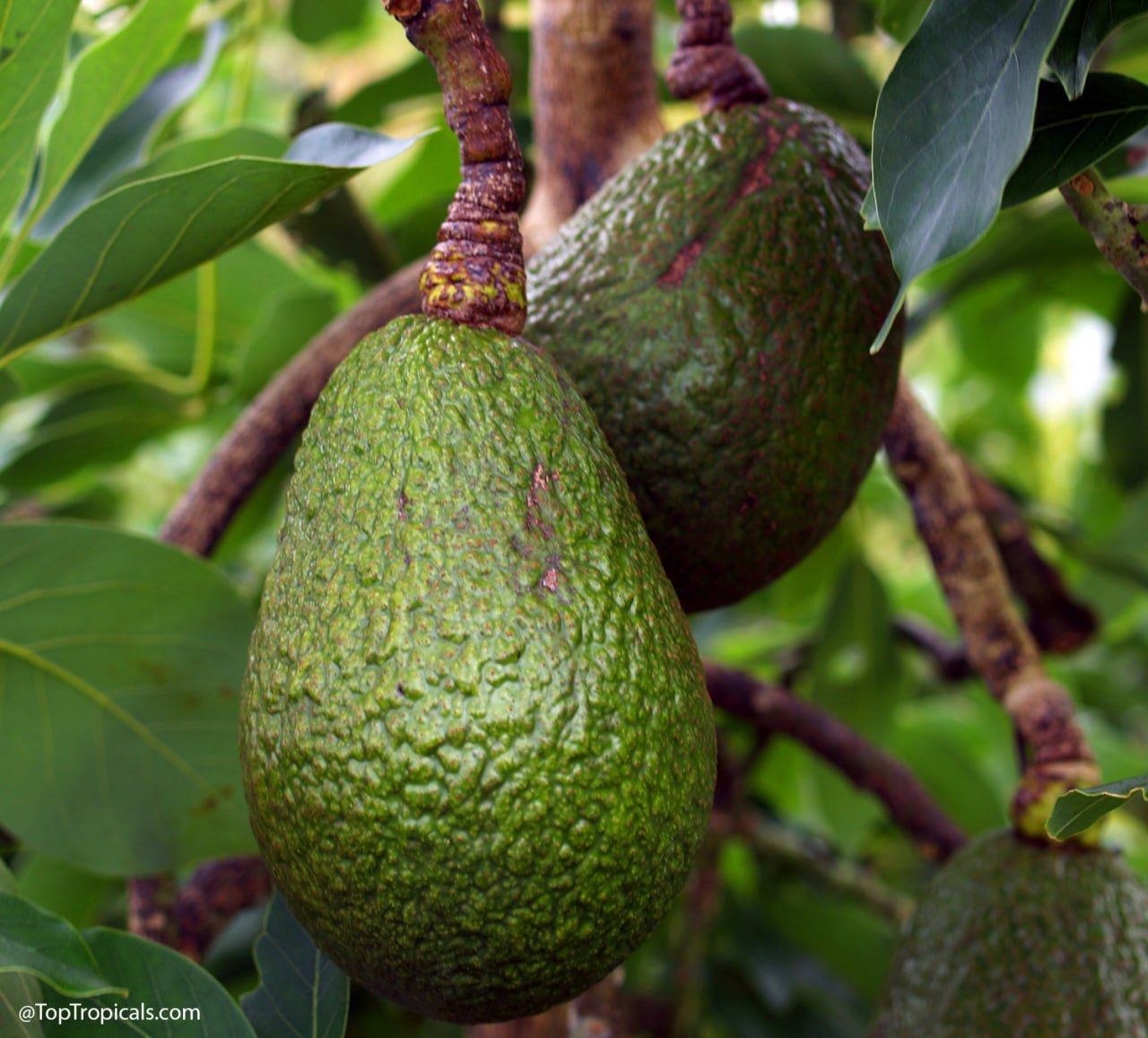
Avocado fruit

Avocado fruit

🍴 Avocado Miso Toast-Up

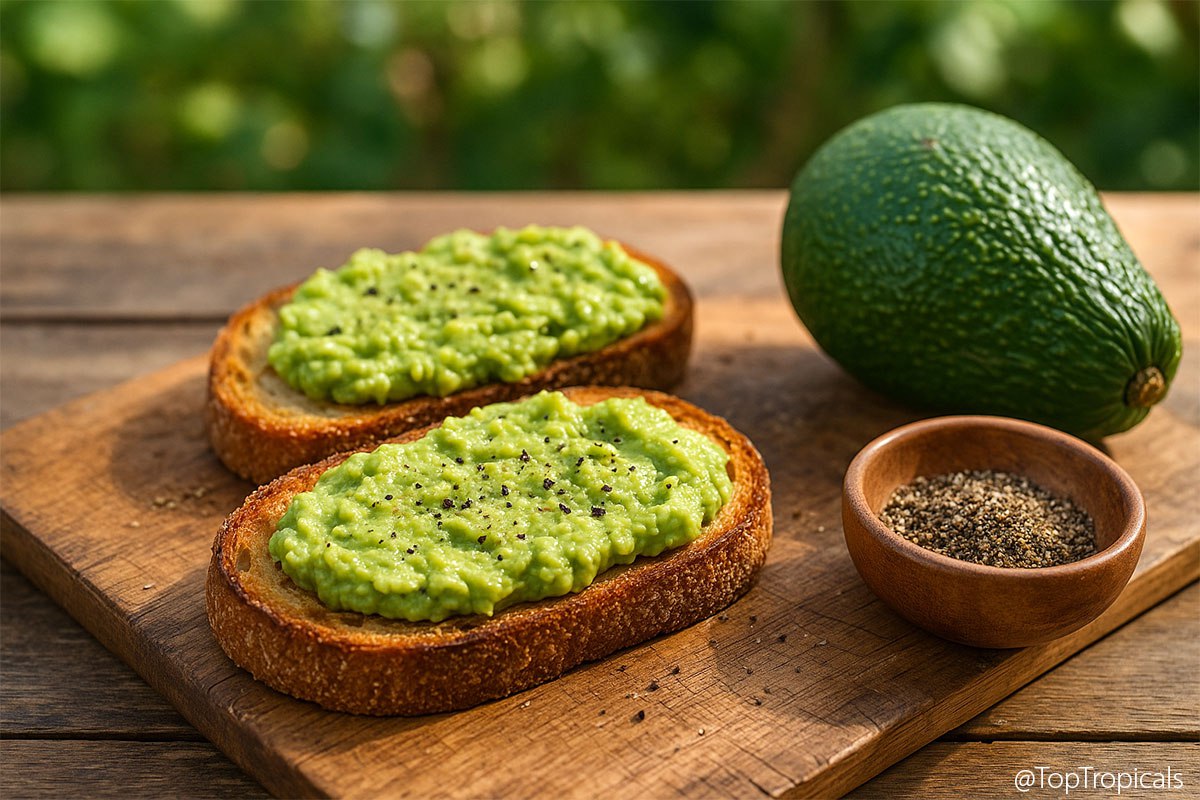
A fast, savory avocado toast with a subtle umami kick. Creamy ripe avocado is mashed with a small touch of miso, spread on warm toast, and finished with cracked black pepper. Simple, unexpected, and deeply satisfying.

Ingredients

  • 1 ripe avocado
  • 1/4 teaspoon white or light miso paste
  • 2 slices bread, toasted
  • Freshly crushed black pepper, to taste

Instructions

  1. Scoop the avocado flesh into a bowl.
  2. Add miso and mash until mostly smooth.
  3. Spread evenly on warm toast.
  4. Finish with crushed black pepper and serve immediately.


🛒 Plant several varieties and always have Avocado in season

📚 Learn more:

Avocado Plant Facts

Botanical name: Persea americana, Persea gratissima
Also known as: Avocado, Alligator Pear, Aguacate, Abacate
USDA Zone: 9 - 11
Highligths Large tree taller than 20 ftSmall tree 10-20 ftFull sunWatering: Regular. Let topsoil dry slightlyEdible plantSubtropical plant. Mature plant cold hardy at least to 30s F for a short time
Get personalized tips for your region

· Avocado Variety Guide
· Posts about #Avocado
· Avocado tree (Persea americana) in Plant Encyclopedia

#Food_Forest #Recipes #Avocado

🟢 Join 👉 TopTropicals

Date: 10 Feb 2026

Cold-hardy avocado survival groups - what the numbers really mean

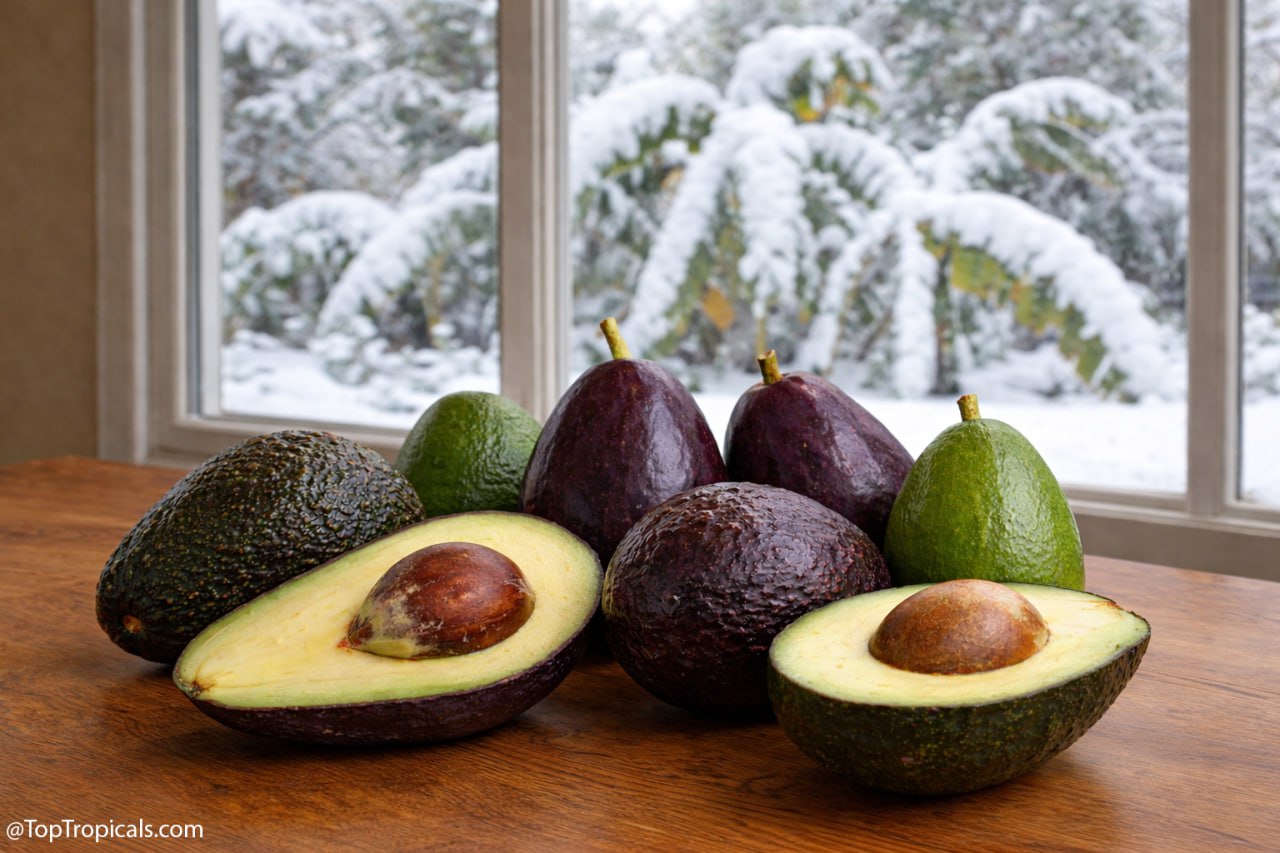
Different varieties of Avocado fruit on a table

Different varieties of Avocado fruit on a table

Cold-hardy avocado survival groups - what the numbers really mean


Avocado cold hardiness is often misunderstood. Temperature numbers do not mean a tree stays untouched - they describe survival, not appearance. Leaf burn, twig dieback, and temporary setbacks are normal even on hardy varieties. The difference is whether the tree recovers.

Avocado Plant Facts

Botanical name: Persea americana, Persea gratissima
Also known as: Avocado, Alligator Pear, Aguacate, Abacate
USDA Zone: 9 - 11
Highligths Large tree taller than 20 ftSmall tree 10-20 ftFull sunWatering: Regular. Let topsoil dry slightlyEdible plantSubtropical plant. Mature plant cold hardy at least to 30s F for a short time
Get personalized tips for your region

Below are cold-hardy avocado varieties grouped by minimum reported survival temperatures, along with what growers typically observe after a freeze.

🌡 Hardy to 15F:


Brazos Belle (Wilma), Fantastic, Joey, Lila (Opal), Day.
Best freeze survivors. Minor leaf burn possible, but trees usually recover quickly with little structural damage. These are among the most cold-tolerant avocado varieties when fully established and exposed to short-duration freezes.
What to expect: Trees in this group often survive temperatures near 15F with little to moderate leaf damage. Some tip dieback is possible, but major limb loss is uncommon. Recovery is usually strong once warm weather returns, especially in dry winter conditions.

🌡 Hardy to 20F:
Bacon, Brogdon (Brogden), Fuerte (Dwarf), Mexicola, Miguel, Ulala (Super Hass), and Waldin.
Reliable survivors in cold-prone areas. Expect leaf damage and some setback, but established trees typically rebound.
These varieties perform well in marginal climates and are commonly grown where freezes are expected but not extreme.
What to expect:
Leaf burn is common at or below 20F, and young shoots may be damaged. Trees typically survive, but may need a full growing season to regain canopy density. Established trees usually rebound well with good drainage and protection from wind.

🌡 Hardy to 25F:
Black Prince, Choquette, Hall, Hardee Red, Lula, Marcus Pumpkin, Mexicola Grande, Nishikawa, Oro Negro, Poncho (Pancho), Tonnage, Winter Mexican, Wurtz (Dwarf) and Yamagata.
Moderate cold tolerance. Leaf drop and branch dieback are common after freezes, though trees usually survive.
This group includes moderately cold-tolerant avocados that handle light freezes but are more easily damaged during prolonged cold.
What to expect:
Expect noticeable leaf drop and some branch dieback when temperatures fall near 25F. Trees usually survive but may look rough for weeks or months. Proper placement and drainage greatly influence recovery speed.

🌡 Hardy to 30F:
Bernecker, Catalina, and Florida Hass (Haas).
Frost-tolerant only. Damage occurs quickly, and repeated freezes can cause serious stress without protection.
Actual results depend on tree age, freeze duration, wind, moisture, and microclimate. Lower numbers do not mean damage-free - they mean the tree lived to grow again.
These avocados are best suited to areas with only occasional frost and minimal freeze exposure.
What to expect:
Leaf damage occurs quickly near 30F, and unprotected trees may suffer significant canopy loss. Survival is possible during brief cold events, but repeated freezes can cause lasting damage. These varieties benefit most from proactive protection.

❗️ Important reminder


All temperature figures are approximate and experience-based, not guarantees. Survival depends on tree age, duration of cold, wind, moisture, and microclimate. Cold tolerance improves significantly as trees mature, while young trees remain vulnerable across all groups.
Understanding the difference between survival and damage is the key to choosing the right avocado for colder climates.

🛒 Explore cold hardy Avocado varieties

📖 Our Book: Avocado Variety Guide, Snack or Guacamole?
·
Hard copy · PDF File Download

📚 Learn more:


· Avocado Variety Guide
· How to protect Avocado from cold and how hardy is it?
· Avocado that laughs at frost: Mexicola Grande for cooler climates
· Cold hardy Avocado Joey - you eat it with the skin
· Cold-hardy avocados: how cold-hardy are they?
· Cold-hardy avocado varieties - what freezing they really survive

🎥 These Avocados survived 25F hard freeze 3 nights of Florida Record Freeze

#Food_Forest #Avocado #Discover #How_to

🟢 Join 👉 TopTropicals