Date: 26 Jan 2026
Why Turmeric was named the 2026 Herb of the Year
Turmeric - Curcuma
🌷 Why Turmeric was named the 2026 Herb of the Year
🌷 Harvesting and using Turmeric
As the season ends, turmeric naturally goes dormant and the leaves yellow and dry. This signals harvest time. Dig the rhizomes, clean them, and dry them in a cool, shaded place.
Rhizomes can be:
Some healthy rhizomes can also be saved and replanted the following season, making turmeric both productive and renewable.
Compact, bold, and useful, turmeric proves that tropical plants can thrive well beyond the tropics - especially when grown in pots.
🛒 Plant Curcuma for both flowers, spice and herb
📚 Learn more :
#Food_Forest #Container_Garden #Remedies #Discover
🟢 Join 👉 TopTropicals
- 🌷 Turmeric was named the 2026 Herb of the Year by the International Herb Association, and it is easy to see why gardeners are paying attention. This tropical plant from the ginger family is best known for its bright orange underground rhizomes, used for centuries as a spice, natural dye, and traditional remedy.
- 🌷Native to India, Turmeric (Curcuma longa) is closely related to Ginger and Cardamom. Its rhizomes are a staple in curry and widely used in Asian, African, and Caribbean cuisines. In recent years, turmeric has also gained attention for potential anti-inflammatory properties.
- 🌷Herb, spice or flower?
- • Botanically, turmeric is a spice, since it comes from the plant’s rhizomes rather than its leaves. In the kitchen, however, it often functions like an herb. Fresh turmeric can replace powdered turmeric in most recipes and delivers brighter flavor and color.
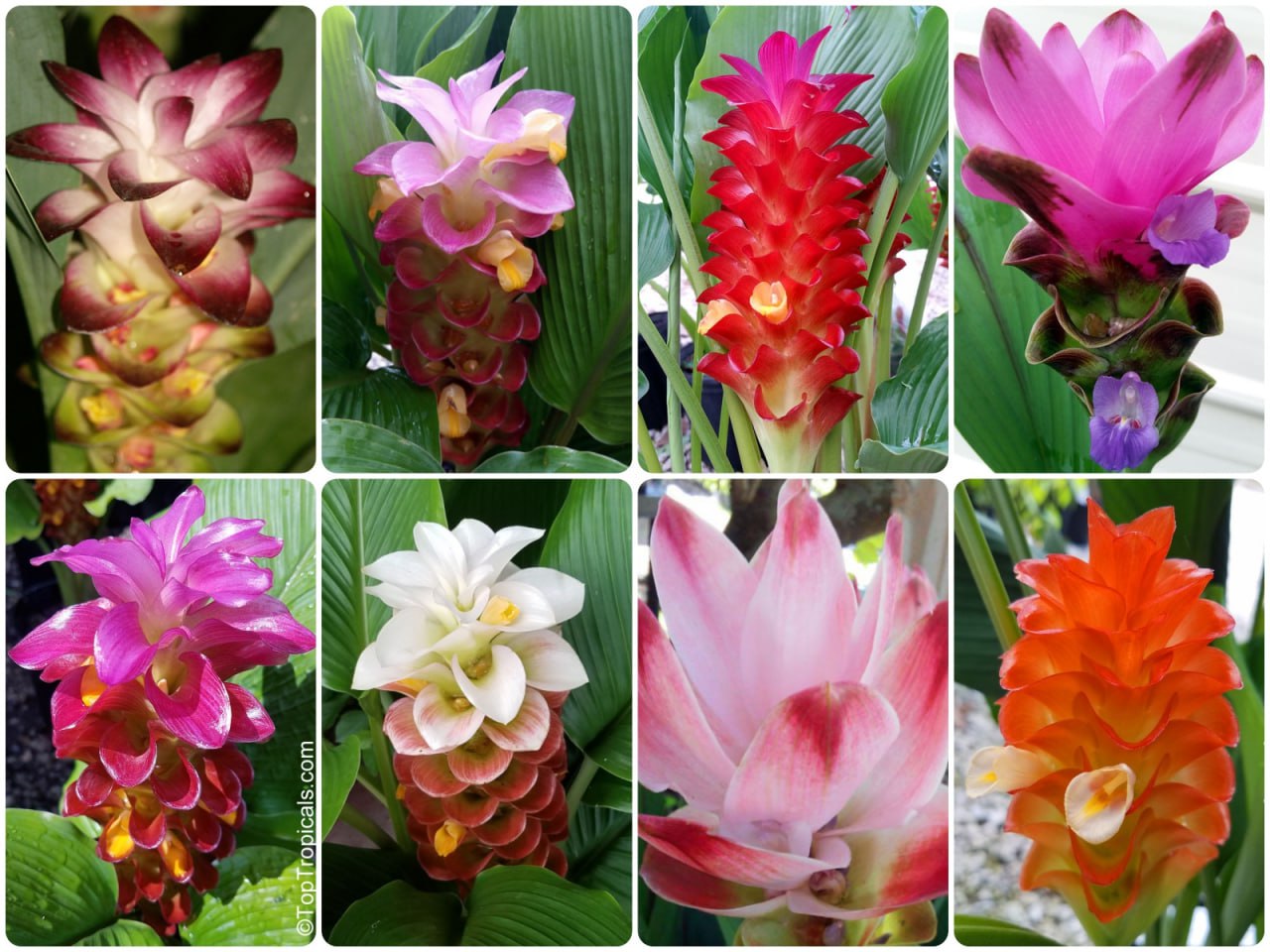
- • Beyond edible Turmeric, there are many Curcuma hybrids grown purely for ornament. These selections produce striking, long-lasting flower spikes in shades of pink, white, orange, red, and purple, rising above lush tropical foliage. Ornamental curcumas are popular as patio plants and indoor accents, adding dramatic color and texture even where they are grown strictly in containers.
- 🌷 Growing turmeric anywhere - even in cool climates
- 🌷 How to grow Turmeric
Although Turmeric is a tropical perennial, it grows very well in containers, making it suitable for gardeners everywhere. When grown in pots, turmeric is treated as a warm-season plant that can be moved indoors as temperatures cool.
Turmeric is a compact, but bold plant, reaching 3-4 feet tall and wide, so it needs a roomy container. It prefers:
- • Rich, well-drained soil
- • Slightly acidic conditions (around pH 6–6.5)
- • Consistent moisture
- • Warm temperatures and bright, indirect light
The plant produces flowers that do not set seed, so turmeric is grown entirely from rhizomes.
🌷 Harvesting and using Turmeric
As the season ends, turmeric naturally goes dormant and the leaves yellow and dry. This signals harvest time. Dig the rhizomes, clean them, and dry them in a cool, shaded place.
Rhizomes can be:
- • Boiled, dried, and ground into powder
- • Frozen whole and grated as needed
- • Pickled for long-term storage
Some healthy rhizomes can also be saved and replanted the following season, making turmeric both productive and renewable.
Compact, bold, and useful, turmeric proves that tropical plants can thrive well beyond the tropics - especially when grown in pots.
🛒 Plant Curcuma for both flowers, spice and herb
📚 Learn more :
- ▫️Turmeric (Curcuma) in Plant Encyclopedia
- ▫️ Curcuma - the tropical tulip with a secret spice twist
- ▫️ Curcuma: one plant, two powers - color and spice!
- ▫️ How Curcuma Turmeric keeps blood pressure in balance.
- ▫️ Turmeric Curcuma: Grow Your Own Brain Boosters
- ▫️ The most interesting edible gingers?
#Food_Forest #Container_Garden #Remedies #Discover
🟢 Join 👉 TopTropicals