Dragon Fruit Plant Care – Tips
from the Garden Expert
Dragon fruit is one of those plants that look exotic but are surprisingly
easy once you know the basics. Here is what works best in the garden:
Soil: They hate wet feet. A sandy, fast-draining soilless-mix
is
your friend. If water sits around the roots, rot comes fast.
Watering: Deep watering is better than frequent sips. Let the
soil dry between
waterings. In rainy season they cope well, but in pots you need to be
careful.
Sunlight: Full sun is great, but in very hot places a touch of
afternoon shade keeps them happy.
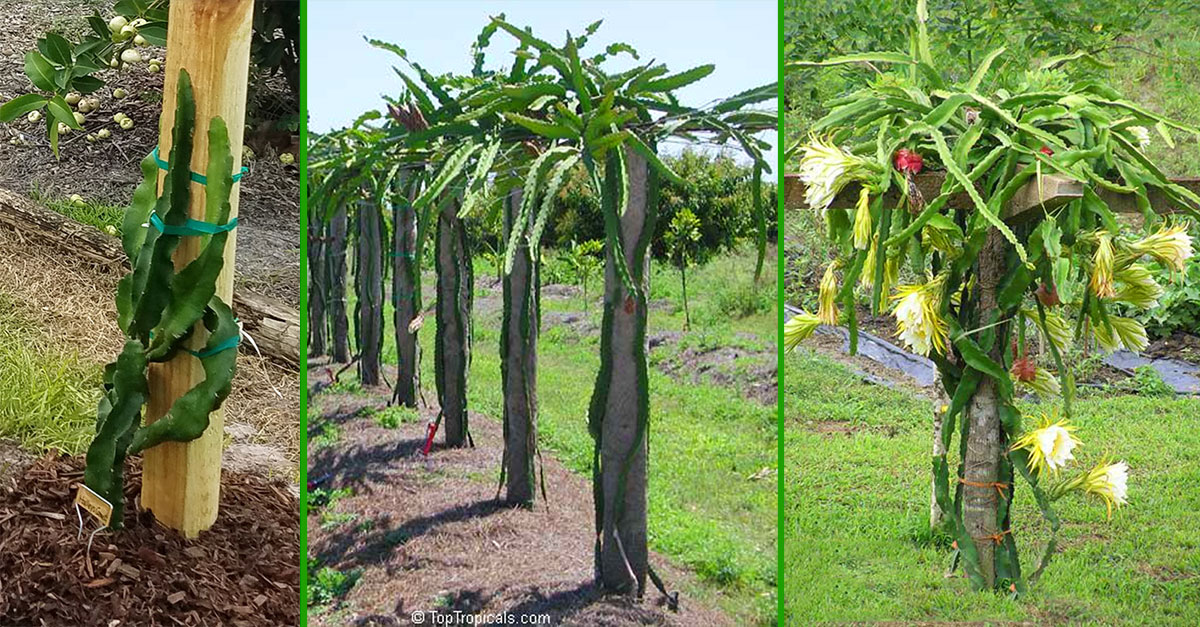
Support: They are natural climbers. A wooden post, concrete pole,
or trellis will give them something to grab and makes harvest easier.
Fertilizer: Feed lightly but often. A gentle liquid like Sunshine
C-Cibus liquid booster with every watering, or Green
Magic controlled release fertilizer
every 5-6 months. It encourages strong roots, lush growth, and lots of
flowers.
Pruning: Trim off tangled or weak stems. This guides energy into
strong branches that will flower and fruit.
Think of it as training a cactus vine into a small tree. Once it settles
in, it almost takes care of itself — and pays back with fruit you
can’t buy in stores.
🌱 Dragon Fruit
Plant Care – Outdoors and Indoors
Outdoors: Dragon fruit thrives in USDA Zones 10–11
year-round. In warm
regions like Florida, Texas, California, and Hawaii, you can grow it outside
in the ground. Give it fast-draining soil, full sun with a little afternoon
shade in the hottest months, and
a sturdy trellis or post to climb. Deep watering with drying periods in
between keeps roots healthy. A yearly pruning shapes the plant and boosts
flowering.
Indoors or Patio Pots: Gardeners in cooler zones can still enjoy
dragon fruit in containers. Use a large pot with sandy, well-draining mix or
soilless-mix
and a pole for support. Place the pot in the brightest
spot — a greenhouse, sunroom, or patio that gets 6+ hours of light
daily.
Move pots inside when temperatures drop below 40F. Even indoors, a healthy
plant can bloom and fruit if it has enough light and warmth.
❓
Dragon Fruit FAQ
How soon will a dragon fruit start producing?
Cuttings can flower and fruit in as little as 2–3
years. Seed-grown plants take longer, often 4–6 years. Large developed
specimens can start flowering and fruiting within a year or even the same
season.
Do I need more than one plant for pollination?
Some varieties are self-fertile, others need a second plant
for cross-pollination. Even self-fertile types usually set more fruit with a
partner nearby.
How big do they get?
In the ground, dragon fruit can climb 15–20 ft if you
let it. With pruning and a trellis, you can keep it shaped like a small
tree, 6–8 ft tall.
Can I grow it in a pot?
Yes. A large container with sandy mix or soilless-mix
and a pole for climbing works well. Indoors it will need
bright light or a grow lamp.
What does a dragon fruit taste like?
Sweet and juicy, like a blend of blackberry and raspberry.
Varieties differ: flesh can be white, pink, deep red, or purple, wrapped in
skins of red, pink, or yellow. White flesh is mild and refreshing, red flesh
is sweeter, and yellow flesh is the sweetest with a honey-pineapple flavor.
What zones can I grow dragon fruit outside?
USDA Zones 10–11 are best for year-round outdoor
planting. In cooler areas, grow it in containers and bring inside for
winter.
How often should I water?
Deep water, then let the soil dry. Too much water causes
root rot. Think “desert cactus with a taste for rain.”
Is dragon fruit easy to grow?
Yes. Pitayas grow like cactus trees on strong supports, but
they are easy to care for — little water, sun or semi-shade, and they
thrive.
How long do they live?
A healthy dragon fruit cactus can produce for 10 years or
more with proper care.
What are the health benefits?
Dragon fruit is high in fiber, supports digestion, and is
low in calories. It is rich in antioxidants and vitamin C, making it good
for immunity and overall wellness. Many gardeners enjoy it as a healthy
snack or in smoothies.
If you only know dragon fruit from the grocery store, you probably think
it looks pretty but tastes bland. That is because most commercial fruit is
picked early, shipped far, and loses its sweetness. The truth? Homegrown
dragon fruit is juicy, sweet, and full of flavor. The best of all is the
yellow
variety, Palora
(Selenicereus megalanthus), a cactus fruit from Ecuador that bursts
with tropical taste.
🌵 Pitaya or Dragon fruit – what is the difference?
Both names describe the same climbing cactus. In Latin America it is
called Pitaya, while Asia and English speakers say Dragon fruit. There are
three
main kinds:
Some hybrids give purple or magenta flesh. All are beautiful, all are
easy to grow at home.
⚡️ Do
red, white, and yellow taste different?
Yes. White types are mild and refreshing. Reds are sweeter and juicier.
Yellows are the sweetest of all.
⚡️
Flowers from a fairy tale
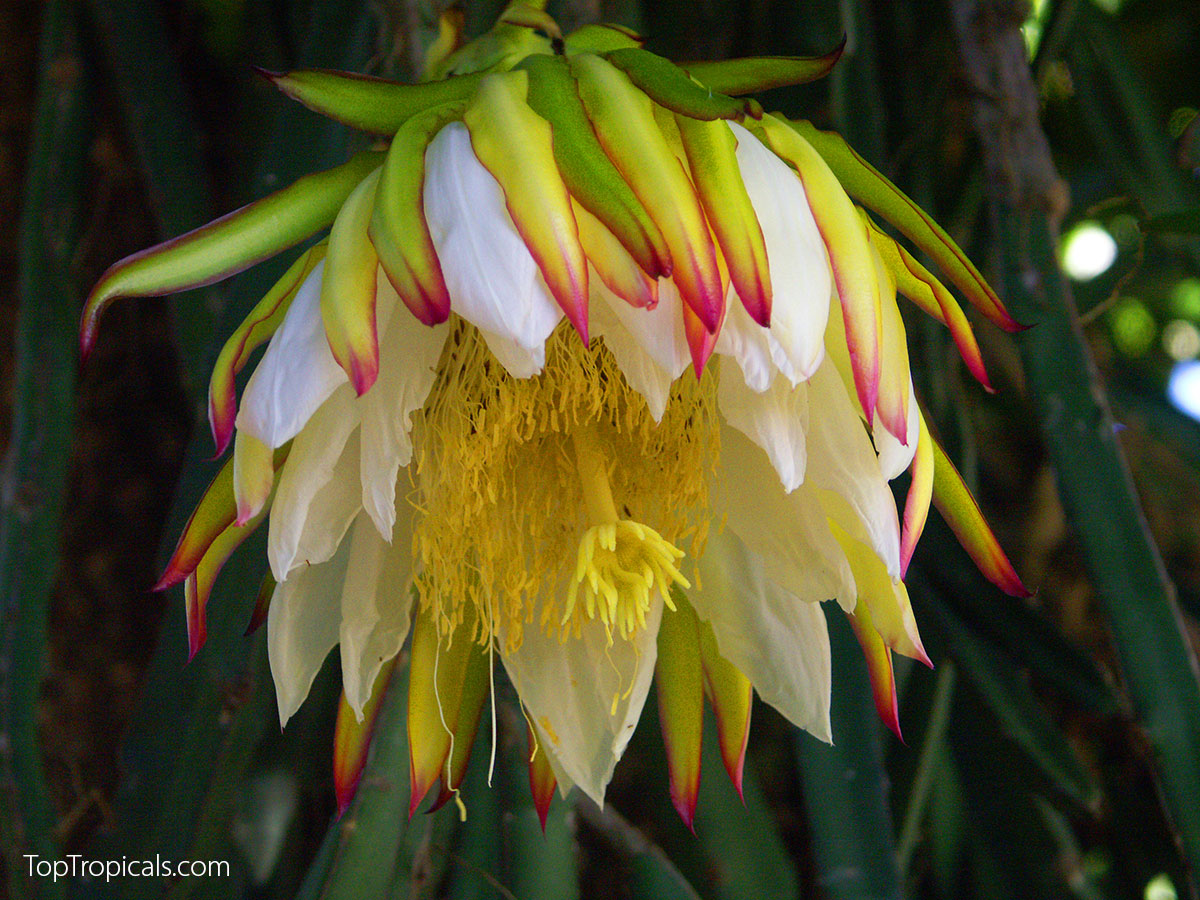
Dragon fruit flowers are among the most spectacular in the plant world.
They open at night, glowing under moonlight, with pale petals and a sweet
fragrance. Each flower can be a foot wide. Seeing one bloom feels like
stepping
into another world.
⚡️ Top
Dragon Fruit Health Benefits
High in fiber for digestion and gut health
Low in calories but full of vitamins
Great for weight management
Adds color and freshness to smoothies and salads
🍹
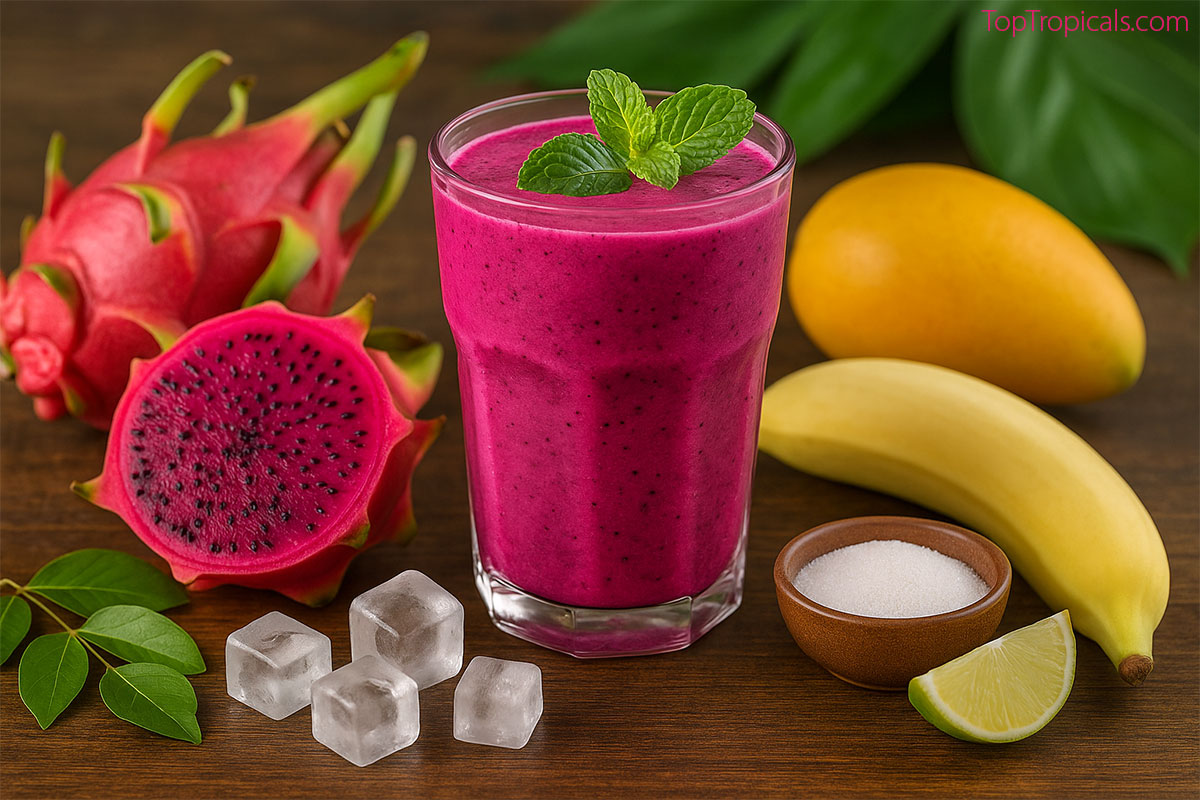
Dragon Fruit Smoothie recipe
Blend together:
2 dragon fruits, peeled
1/2 cup mango pulp
1 banana
1 cup milk of your choice
2 tbsp sugar
1/2 tsp lime juice
Ice cubes to taste
Top with mint for a refreshing tropical treat.
Watch
Dragon Fruit short videos:
💲
Special Offer – 25% off Dragon Fruit Pitaya Plants!
Get 25% OFF Pitaya plants with code
DRAGON2025
Min order $100. Excluding S/H, valid online only,
cannot be combined with other offers.
Besides Jewish New Year 5786, Macaron is celebrating his birthday - he is 5 years old today!
He may not share his toys, snacks, or shelf space… but today we'll share the spotlight with him.
Five years of glorious independence!
🐈📸 From the very first car ride from the shelter, Cat Macaron made it clear: rules are for humans! He showed his "don’t tell me what to do" attitude the moment he joined TopTropicals PeopleCats.Garden
🌵Dragon Fruit (Pitaya) is one of the most rewarding exotic fruits to grow. Sweet pulp, striking looks, and plenty of health benefits make it a favorite. You'll see it in three main types: white-fleshed (Hylocereus undatus), red-fleshed (Hylocereus costaricensis), and yellow-skinned (Hylocereus, or Selenicereus megalanthus).
🌵Don't want to wait years for fruit? Here’s the good news: unlike many tropical trees that test your patience, dragon fruit is a fast-fruiting, easy-going cactus. With the right care, you can harvest in just 1-2 years from a cutting - or even the same season if you plant a well-established specimen.
🌵 How to get Dragon Fruit faster
Give it strong support - trellis, fence, or post. This cactus loves to climb.
Smart watering - water deeply in hot weather, then let the soil dry. Dragon fruit loves water during active summer growth, but remember it's still a cactus - don’t keep soil soggy.
Pollination matters - flowers open at night. Some varieties are self-fertile, but planting a few different types boosts fruit set. This is why it helps to keep several varieties close together.
Feed well - use organic liquid fertilizers like Sunshine Boosters C-Cibus with every watering, or Green Magic controlled-release fertilizer every 6 months.
 Dragon Fruit Plant Care – Tips
from the Garden Expert
Dragon Fruit Plant Care – Tips
from the Garden Expert