Garden Blog - Top Tropicals
Date:
Cats in the
Garden.
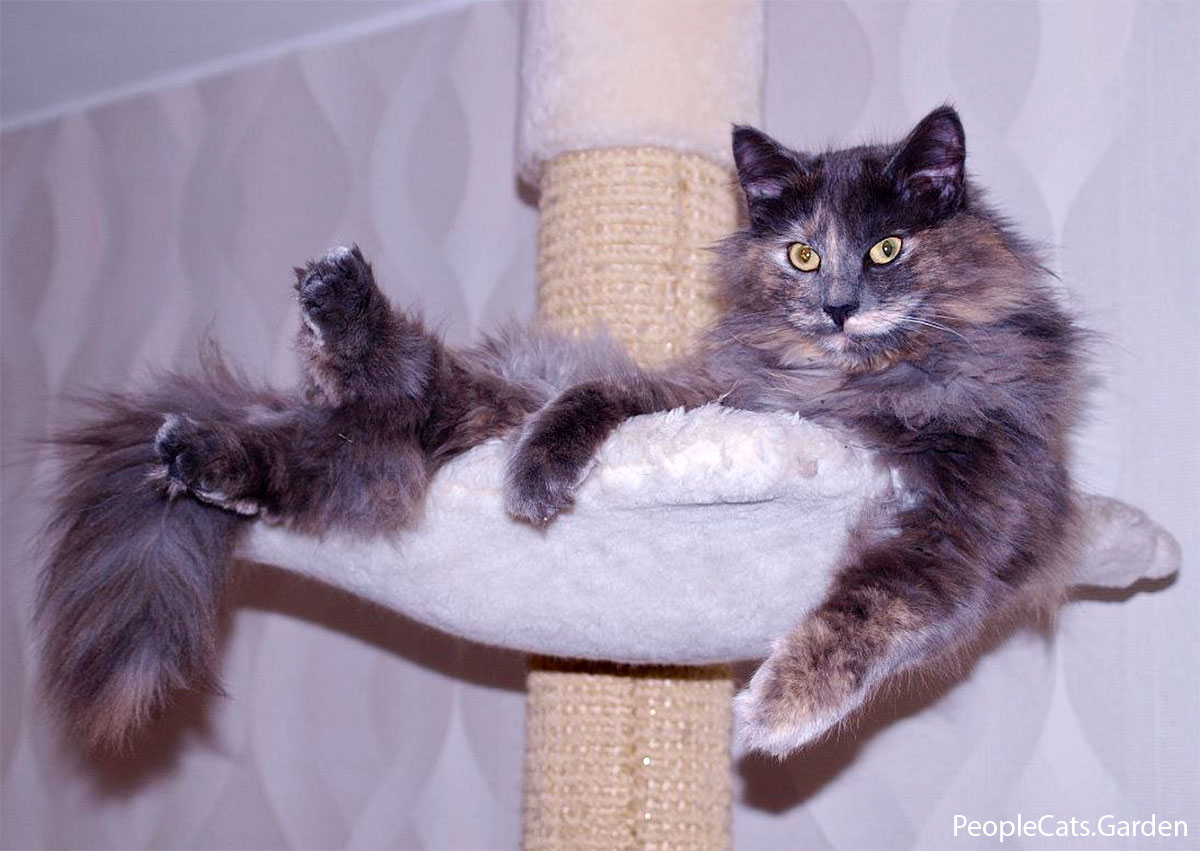
Cat Breed: The Norwegian Forest Cat - Skogkatt
By Alex Butova, the Witch of Herbs and Cats
Meet the cats around us - they're our friends, protectors, and magical
mascots. They keep us healthy and can even save us in emergencies...
Winter brings a special time called the Solstice. It's when the earth
pauses its yearly cycle and starts a new one. This magical moment marks the
beginning of something enchanting...
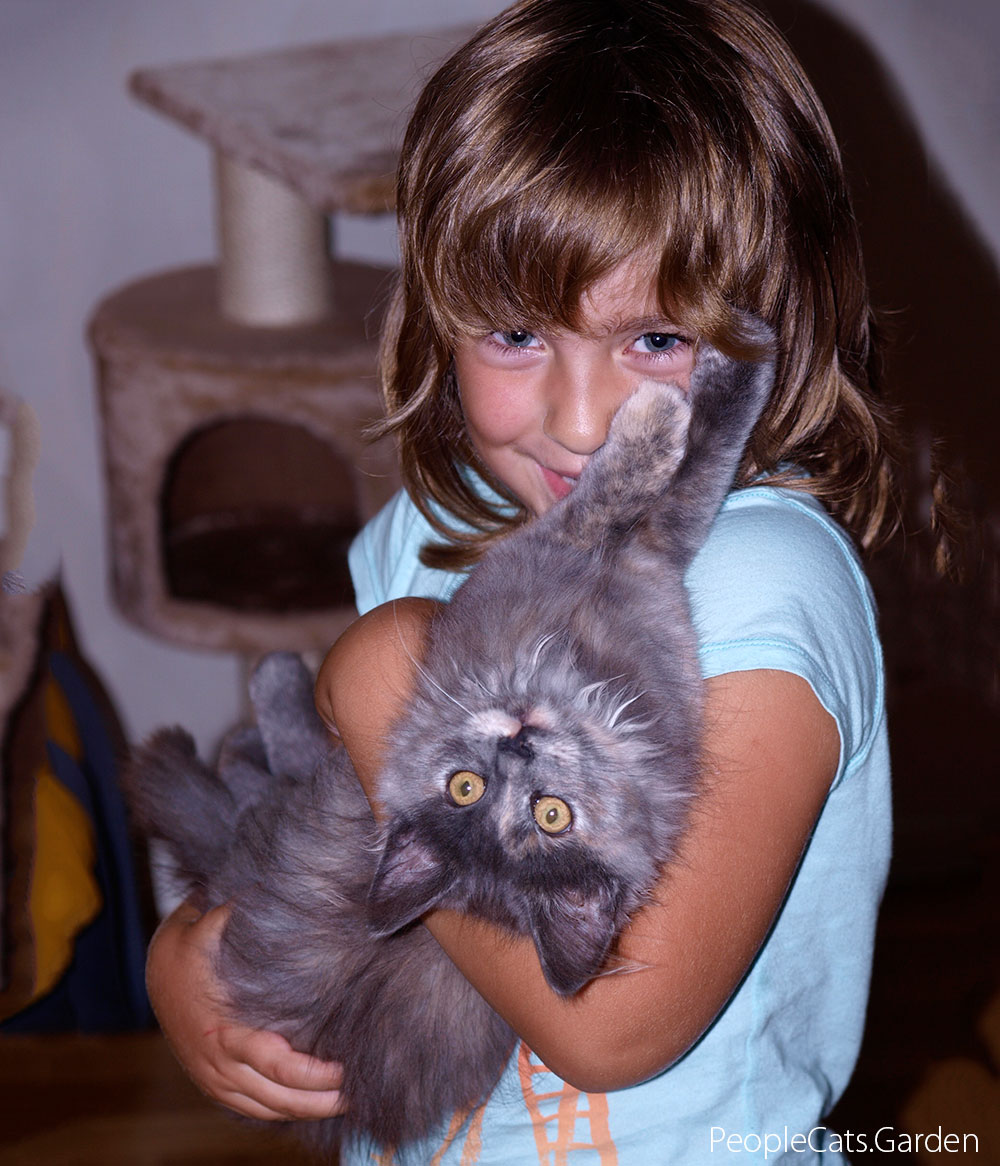
Let's begin with the Norwegian Forest Cat. It's a mysterious and northern
feline friend, also called Skogkatt. It's like the wildcats in Scandinavian
fairy tales...
Skogkatt's favorite flower
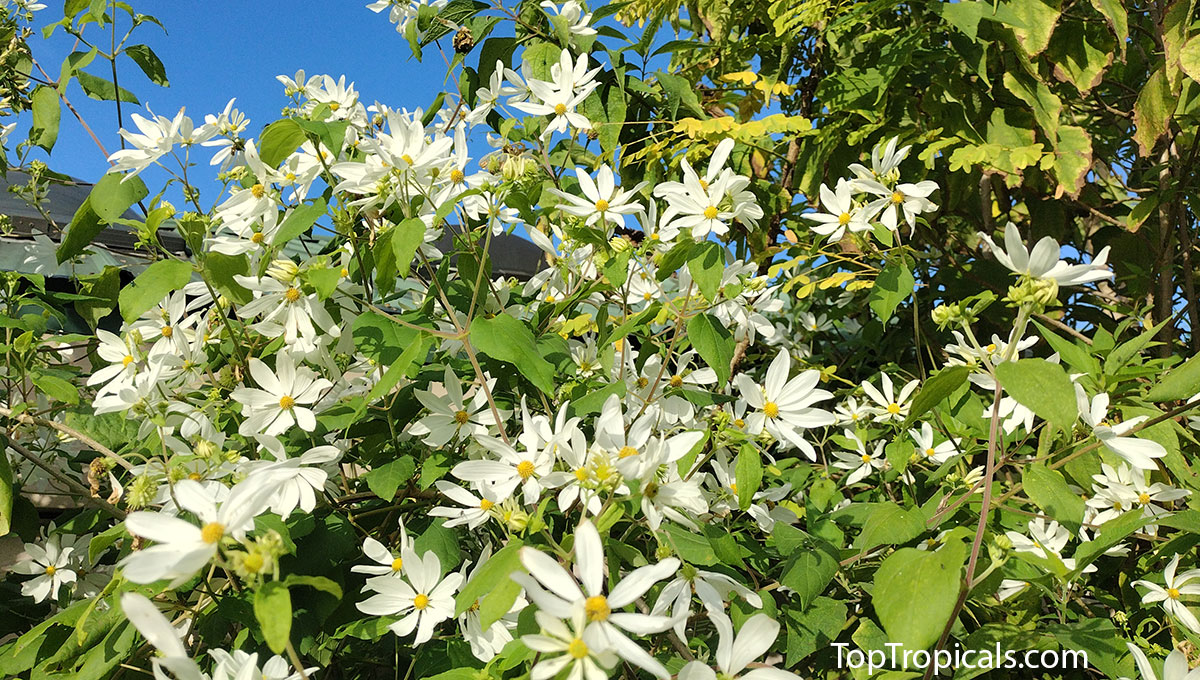
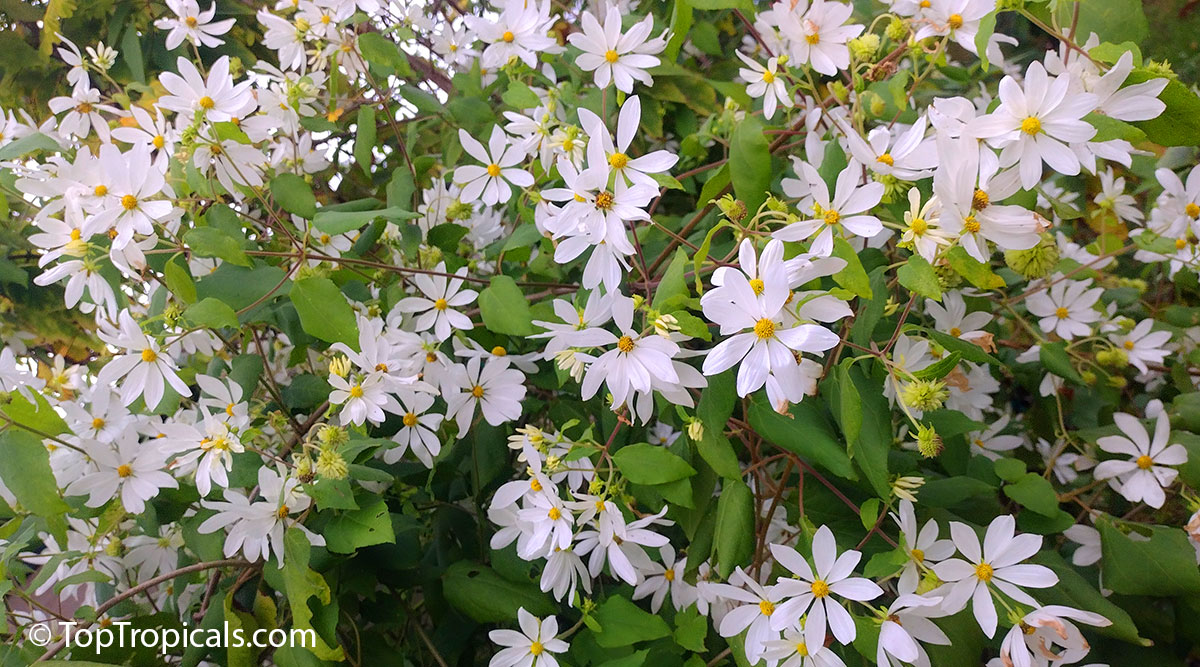
What's Skogkatt's favorite flower in their homeland? Viking Poms, small yellow daisies. But in more southern regions, Daisy Trees - Montanoa - serve as substitutes, reminding them of their distant Northern homeland.
Montanoa atriplicifolia - Tree Chrysanthemum, Tree Daisy - one of the most impressive winter bloomers.
Date:
Cat of
the Month:
Winter Adventure of Lisa the Cat
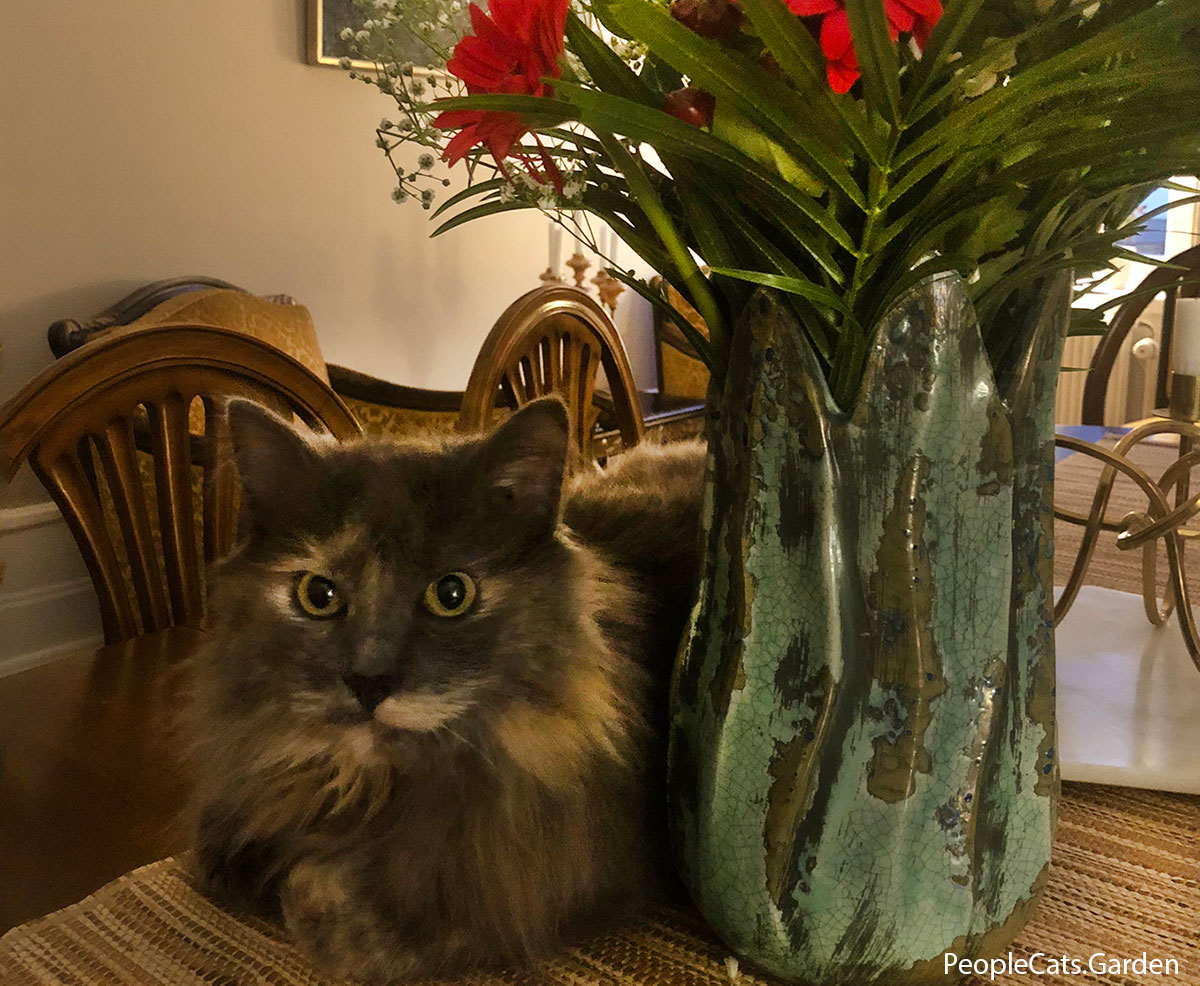
After publishing the story about Skogkatts - Norwegian Forest Cats, we received inquiries about Lisa, if she is available for adoption? Luckily, Lisa now has her wonderful sweet home in Sweden, so unfortunately for those who fell in love with her, she is not adoptable. But Lisa's life story wasn't all that sweet and simple! Rather thrilling and adventurous. So we decided to share her story with you...
By Alex Butova, the Witch of Herbs and Cats
"...Lisa, who illustrated our story about Skogkatt Cat Breed, lives with my daughter Vanda, along with her family: husband Vitaly and two children - Max and Maria. They live in Sweden. Lisa is 13 years old now. About 10 years ago, Lisa had a heartbreaking adventure almost ended with a tragedy... But luckily, she made it through. However, since then, she can't jump high and sometimes walks funny, sways and limps... And here's what happened..."
Date:
Meet PeopleCats of TopTropicals. Cat of the Day: Sonya, the Co-Author
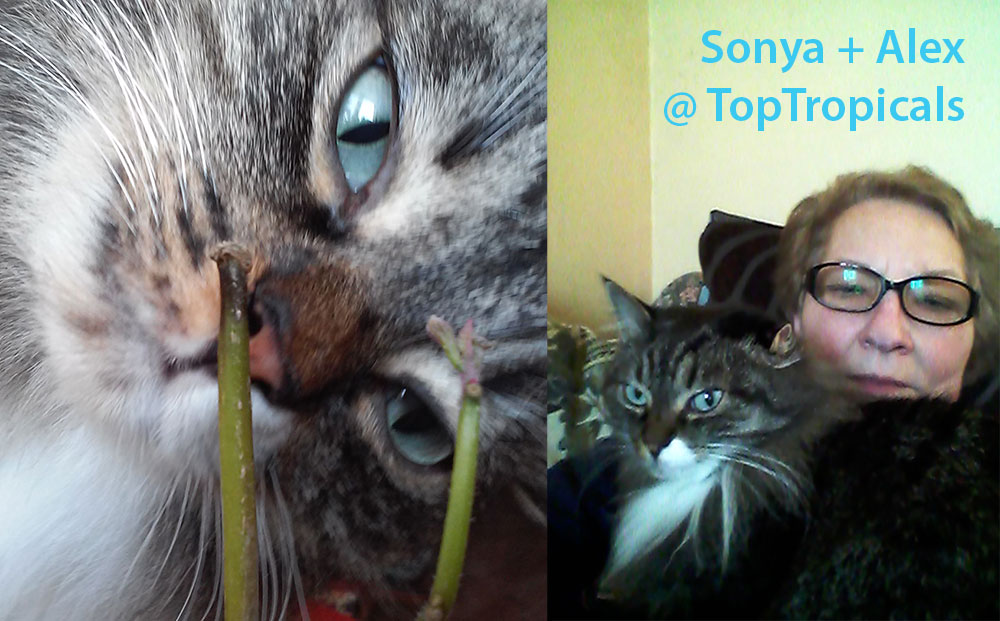
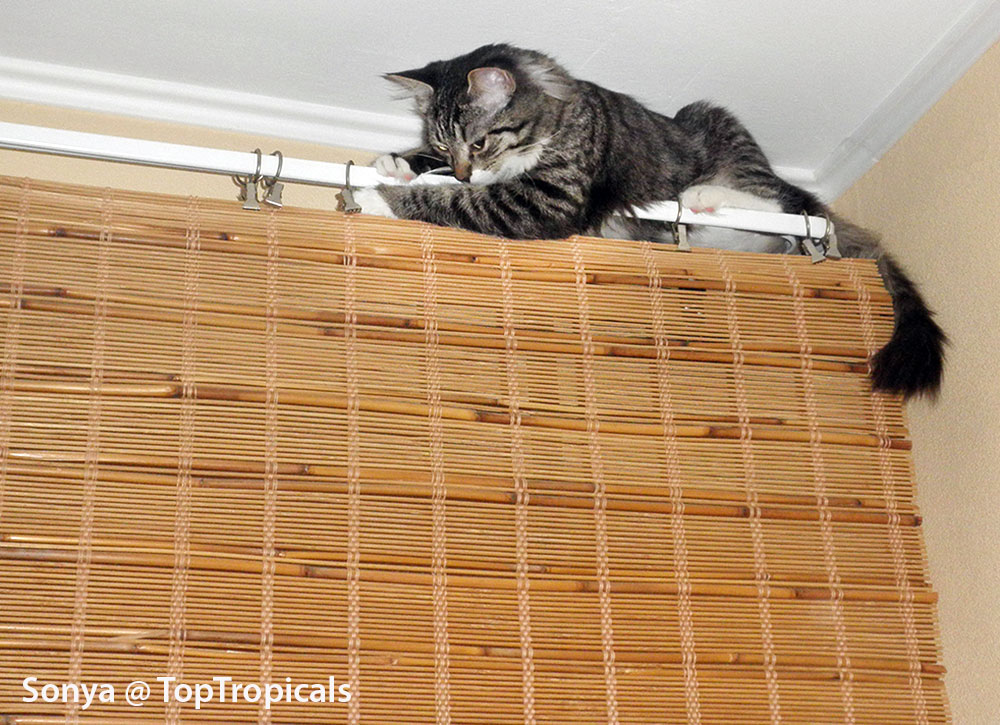
In our previous newsletter, you met our editor/photographer tandem - Tilda & Marina. Today we introduce our columnist assistant - Sonya. For the past decade, this True Norwegian Forest Cat has been a great helper and inspirational co-author for Alexandra, TopTropicals website writer and social media blogger.
Alex has been with TopTropicals since Day One (2003). In 2011, she got Sonya, a 3-month old kitten that someone kicked out: at that young age she already had quite a temper of a real Wild Cat. No one wanted to adopt her and Sonya was doomed to suffer a street life... So Alex invited her in the house... and it took her many months to teach Sonya some good manners! And Sonya turned into a beautiful and affectionate Purrrson as well as became the Boss in the house (what a surprise, duh) and Alexandra's dearest life companion. Sonya also discovered her talent in writing plant stories for TopTropicals, sitting on Alex's shoulder and whispering into her ear while she is typing Sonya's horticultural tips. And when Alex stares at monitors for more than 5 hours, Sonya lays on her keyboard saying: "Now get up and get some stretch lady! Let's go re-pot some plants for a change!"
We will be following up on Sonya's creative work, and you will hear from her again soon...
Check out and more Cat of the Day stories.
Date:
PeopleCats Botanical Garden Grand Opening
Guided tour with Mark Hooten
Top Tropicals Garden Center is pleased to invite you to visit our new PeopleCats Botanical Garden on the grounds of Top Tropicals in Ft
Myers. It is named in honor of the relationship with our beloved Cats, who we treat like People. You'll see our Garden PeopleCats roaming the property. As a matter of fact, they rule
the garden!
The Garden has many mature trees and plants so you can see what they look like before your purchase them in our Garden Center. And of course, our
PeopleCats will be guiding you in the Gardens!
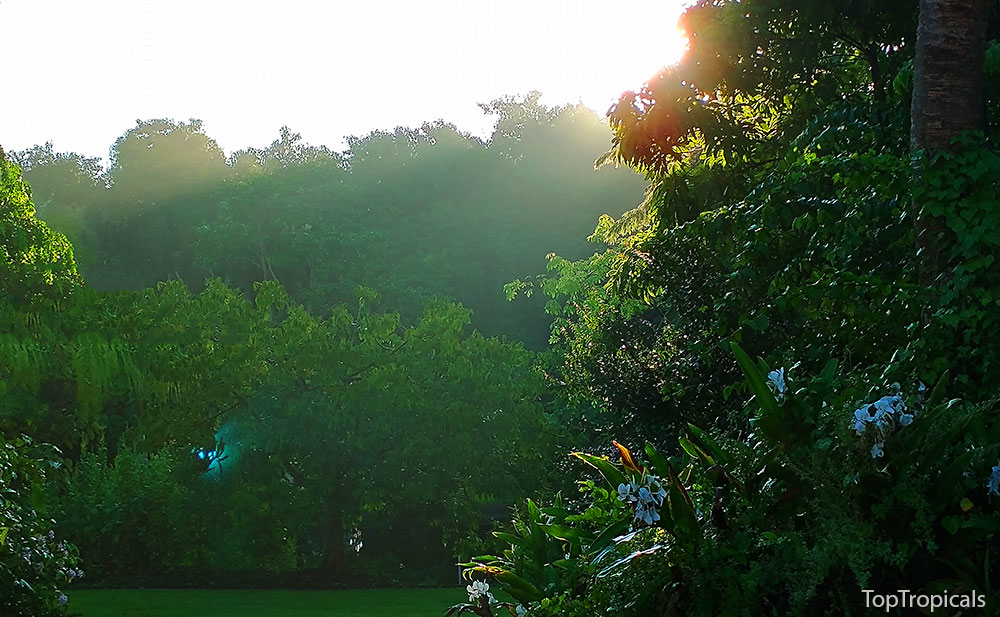
Photo above: blue light in the forest - TopTropicals Garden Ghost, the spirit is always watching!
Date:
Benefits of growing your own tropical fruit
"The fruit of the mango tree is no longer forbidden.
Indeed, it has been recommended to me by the physicians as an antidote to the
plague."
- Louis IX, King of France -
Q: Why do you want to grow your own tropical fruit tree?
A: Growing your own tropical fruit tree can have many benefits. Here are a few reasons why someone might choose to grow their own tropical fruit tree:
1. Fresh, flavorful fruit: When you grow your own tropical fruit tree, you have access to fresh, flavorful fruit that you may not be able to find at your local grocery store. Tropical fruit, like avocado, mangoes, papayas, and passionfruit, jackfruit, Dragon Fruit, Annona have a short shelf life, and the fruit you find at the store may have been harvested weeks ago. When you grow your own fruit tree, you can pick the fruit when it's fully ripe and enjoy it at its peak flavor. Besides, some rare fruit like Akee or Sapodilla simply never offered from the store.
2. Environmental benefits: Growing your own fruit trees can have environmental benefits. Trees absorb carbon dioxide from the air and release oxygen, which can help reduce your carbon footprint. Additionally, growing your own fruit trees reduces the need to transport fruit long distances, which can help reduce greenhouse gas emissions.
3. Cost savings: Depending on where you live and the availability of tropical fruit, growing your own fruit tree can be a cost-effective way to enjoy your favorite tropical fruits.
4. Gardening and outdoor hobby: Growing a fruit tree can be a fulfilling and rewarding outdoor hobby. It can also be a great way to teach children about where their food comes from and the importance of taking care of the environment.
Overall, growing your own tropical fruit tree can be a great way to enjoy fresh, flavorful fruit, reduce your carbon footprint, save money, and enjoy a fulfilling outdoor hobby.
In the photo: Mango tree in Top Tropicals garden.
Date:
Growing Dreams and Happiness:
A Decade at Top Tropicals
By Kristi VanBenschoten,
Top Tropicals Manager
"The purpose of agriculture is not the production of
food,
but the perfection of human beings"
- Masanoby Fukuoka -
Working with Top Tropicals for the past decade, I frequently hear heartwarming comments from customers like, "Oh, wow, this place is breathtaking," "You must adore working here," "Isn't it marvelous to be in harmony with nature every day?"
The truth is, yes, all these sentiments hold true, and I genuinely cherish every single one of these comments; however... If you were to inquire about my most cherished aspect of working here, I would have to say that my absolute favorite part is when a husband calls and says:
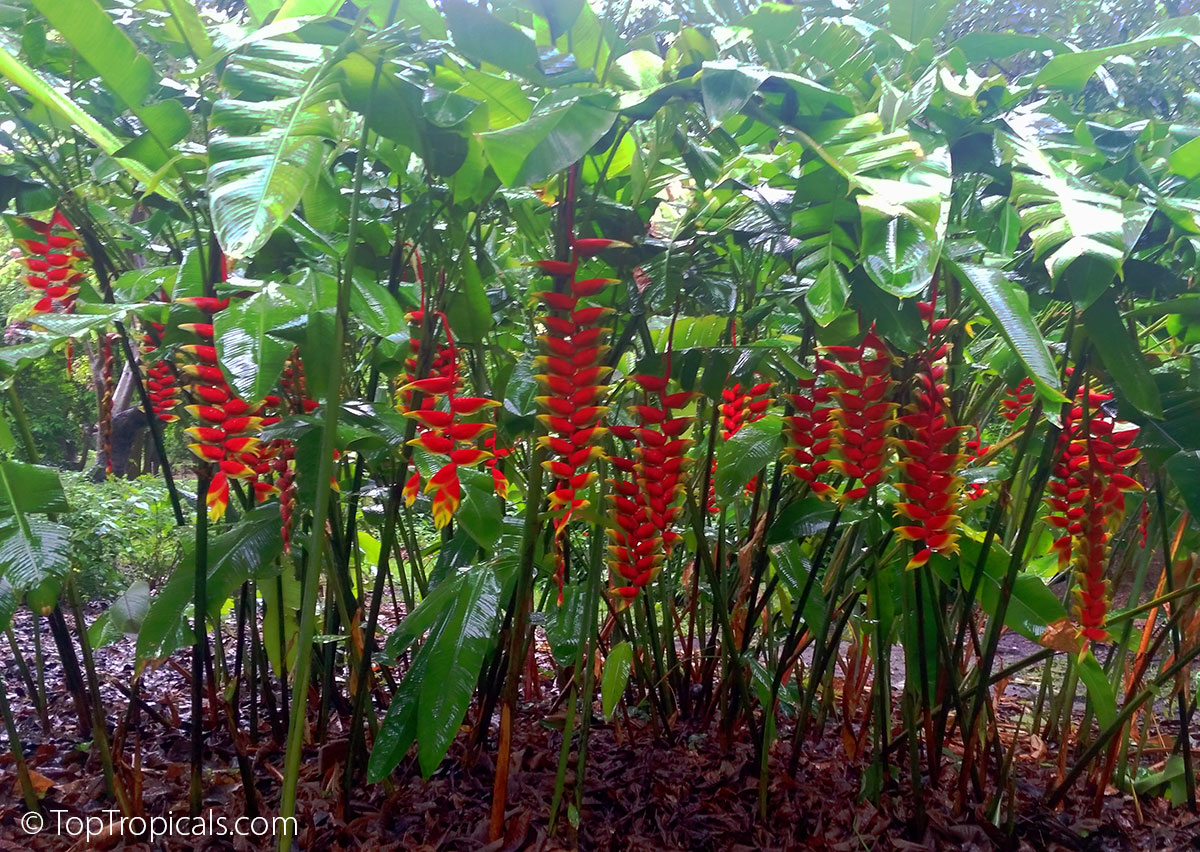
"My wife and I embarked on a honeymoon five years ago, and we stumbled upon this exotic wonder called Helicona Lobster Claw. My wife was captivated by it. I would love to surprise her with one for our upcoming anniversary. Do you happen to have them?.."
...Or when a bereaved wife sends an email, expressing:
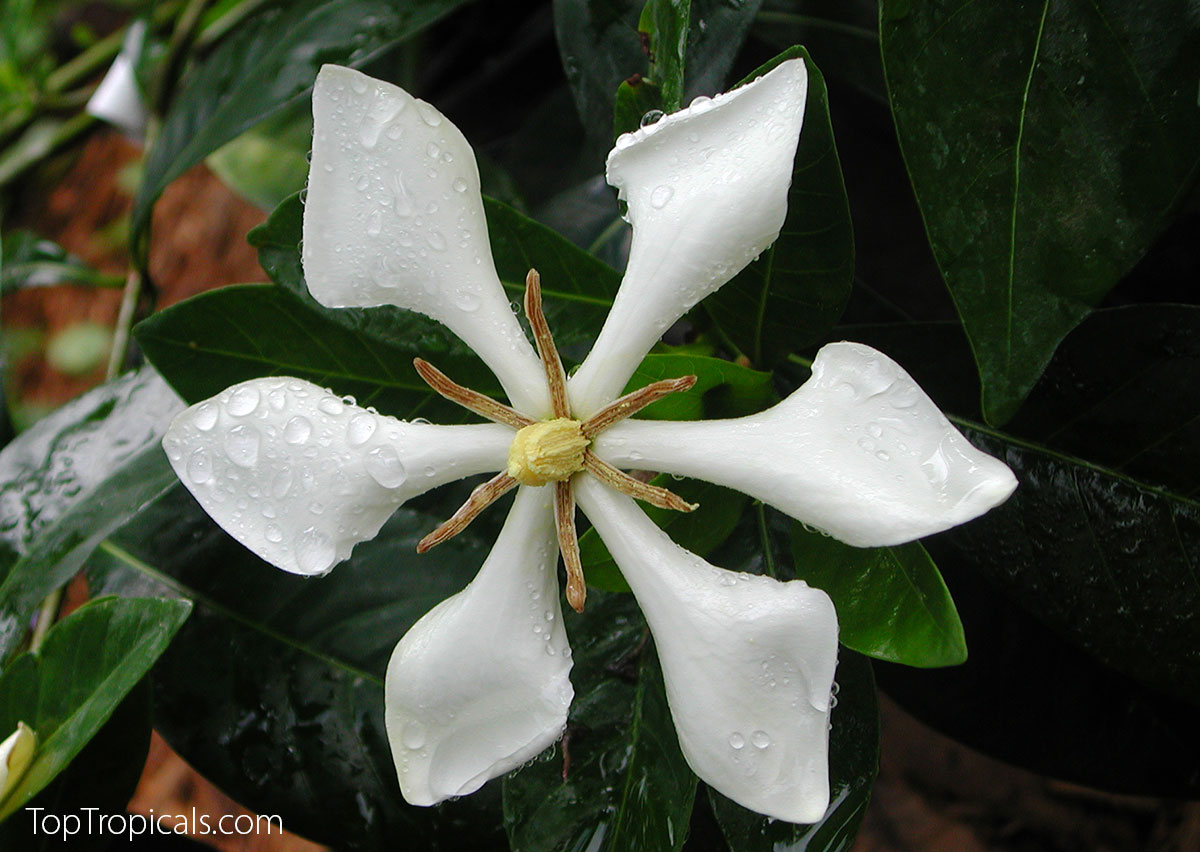
"My beloved husband recently departed, and he held a deep affection for Gardenias. I wish to plant one in our front yard as a living tribute to his memory. Could you kindly recommend one?..."
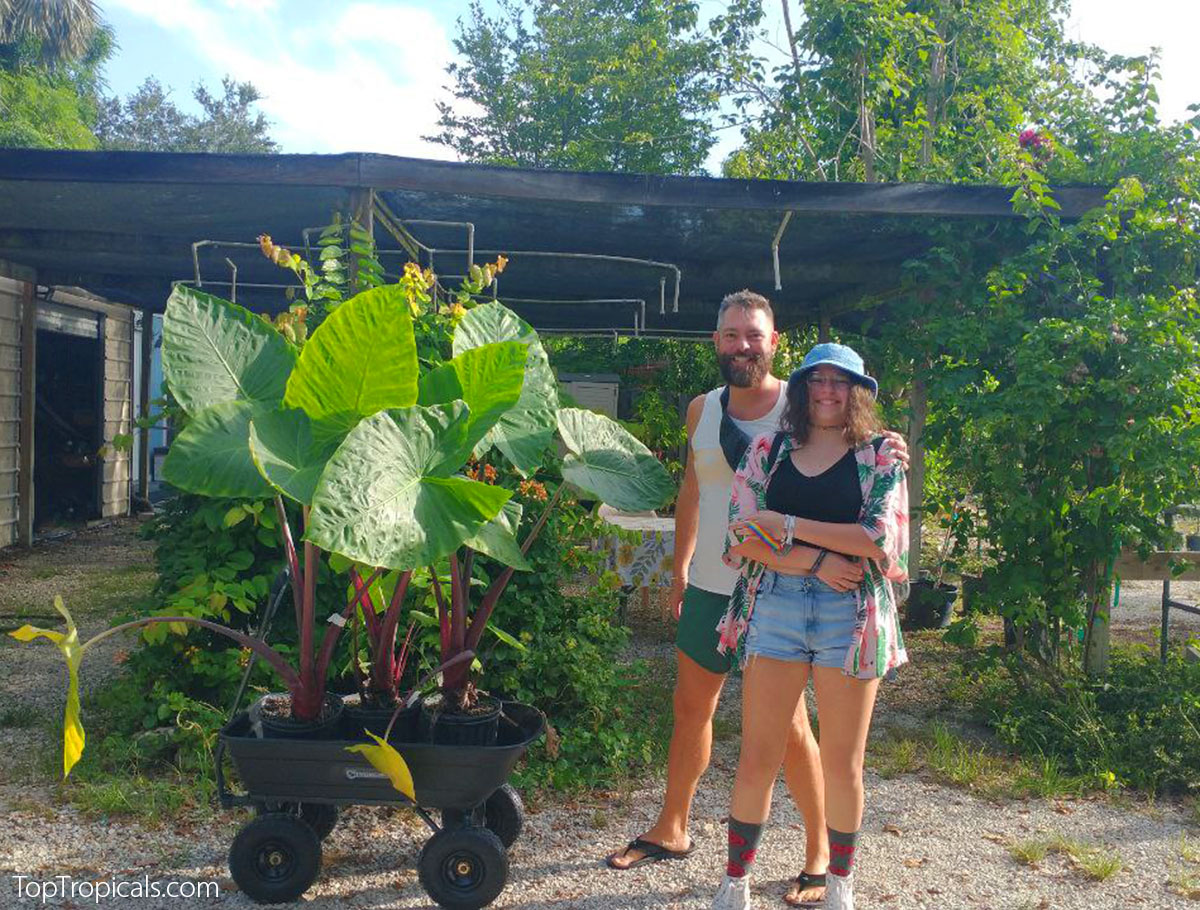
Or, it could be the heartwarming scene of a new father visiting with his young son, exclaiming:
"I have a dream of creating a bountiful food forest for my children with fruit and other edibles. I want them to experience the enchantment of watching food grow and to impart the wisdom of cultivating it. Can you guide me in this endeavor?"
Or the passionate plant collector who has spent years on a quest to acquire that one elusive specimen, the final piece of their adored collection. We spare no effort in locating it, and when we succeed, it fills me with an indescribable joy!
You see, here at Top Tropicals, we don't merely sell plants; we trade in precious memories, lofty aspirations, and vivid visions for a brighter future. We deal in dreams. These dreams are nurtured in pots with a touch of fertile soil and an abundance of love. This is the essence of what makes Top Tropicals so special to me:
We Grow Happiness…
Top Tropicals is now in Telegram!
TopTropicals.com - the World's leading authority on tropical plants - is now in Telegram. If you grow a tropical garden or indoor collection of rare plants, this is your channel!
Join to get exclusive updates on tropical gardening:
Fun Facts and Nature Wonders
🌺 How to make your plants flower and stay happy
How to get the biggest fruit crop
🏆 Sweepstakes and Contests
Butterfly and Container Garden
Food Forest
⚜️ Perfume Plants
🍲 Exotic Recipes and Remedies
...and of course, your favorite -
🐾 PeopleCats in the Garden!
JOIN and share with friends! 👇
🏵 TopTropicals
We Grow Happiness
Date:
Top 5 favorite Mango varieties
and Top 10 Condo Mango trees
How to chose the right variety of a Mango tree?
Q: The most Frequently Asked Question about fruit trees: What is your favorite Mango variety? Which mango varieties are the best? Help me to make a choice!
A: As we mentioned on our Introduction to Mango Varieties page, there are thousands of named mango cultivars available. Similar to the classification of avocados (see our Avocado Variety Guide), mango trees can be selected based on your specific needs. These needs can include tree size and growth habit, disease resistance and hardiness, and most importantly, fruit characteristics such as taste, texture, size, color, storage ability, juice and sugar content.
We are currently working on a comprehensive Mango Variety Guide and will be sharing it
with you soon. In the meantime, below are a few tips on selecting the right mango tree.
NOTE: all of the Mango varieties we offer are FIBERLESS!
Top 5 Favorite Mango we just love!
1. Alphonso - the best Indian cultivar in terms of sweetness and
flavor. One of the rarest varieties and sought after - sweet large juice fruit. Coconut-like flavor.
2. Maha Chinook - Many
consider it the best mango had ever tasted. Very rare mango variety from Singapore. This variety is semi-dwarf and great for pot culture. Nam Doc Mai close relative.
3.
Fralan - Super reliable producer and hardy tree. Green fruit, sweet and
juicy. Fralan means "Thunder" - as the fruit cracks when peeled.
4. Fruit Cocktail -
Flavor is an amazing palette of different fruit, with citrus, pineapple, and guava notes.
5. Nam Doc Mai - It's not just us, everyone loves this Mango!
The most popular variety: semi-dwarf and great for pot culture. Eaten green or ripe, a Thailand favorite. It is hands down the most sought after of the Asian mangoes and for good
reason.
Top 10 Dwarf "Condo" Mango
1.
Mallika - condo mango native to India. Among the best of the new generation of Indian dessert mangos. Intensely sweet, rich and highly aromatic flavor with hints of citrus and melon.
2. Ice Cream - far and away the most popular of the "condo mangoes." Flavored like the name. The tree can easily be maintained at a height of just six feet (!) making it ideal for container growing.
3. Julie - the most popular variety in Jamaica and many other Caribbean islands because of
its rich, sweet, coconut/pineapple-like flavor. It is a dwarf cultivar, great for containers, but keep in mind it's very cold sensitive, don't plant it in the ground if you get freeze in winter.
4. Okrung - Thai compact cultivar,
fruit eaten while green. The fruit is traditionally served in Thailand in combination with sticky rice. One of the most popular varieties in Thailand. The fruit is very sweet, with the highest sugar content.
5. Pickering - great for pot culture. It has a bushy, compact growth habit, and can be maintained in a container at just six feet (!). The fruit has a firm
flesh with a fantastic coconut/mango flavor.
6. Nam Doc Mai - The most popular variety for pot culture, we already mentioned in our favorites above.
7. Cogshall - an ultra compact grower. Suitable for container growing on a balcony, or planting in a suburban backyard. It can easily be maintained at just eight feet tall, and it will still produce a good size crop year after year. The fruit is very colorful and has a mild, sweet flavor. It is also fungus resistant.
8. Carrie - the flavor
is by far the most outstanding. It has absolutely no fiber and extremely rich in flavor, sweet, aromatic and a pure pleasure to eat. You will savor every mouthful! Its compact size makes it an excellent dooryard tree.
9. Diamond - It has a great taste very similar to Nam Doc Mai. Very compact, of a dwarf habit, great as condo mango.
10. Keitt - the best all-around late mango. It is very productive, good-flavored, and disease resistant. It also has a very long and late season. The compact tree is semi dwarf that bears 4-5 pound goliath fruit!
Photo above: Pim Seng Mun mango tree is a reliable and heavy producer.
Top 5 recommended vigorous growers and reliable producers
1. Glenn - Excellent eating quality, consistent production, and effortless to grow.
2. Pim Seng Mun - extremely productive mango.
3. Sweet Tart - New patented variety - exclusive offer.
4. Fruit Punch - Multi fruit flavor, delicious!
5. Orange
Sherbet - One of the best new varieties for backyard growing. Flavor is sweet citrus-orange and less lemony than Lemon Meringue mango. The tree is moderately vigorous.
Top 5 exotic varieties for rare fruit collection
Now that you have decided to collect them all but have limited space, these are the top 5 of the most interesting rare cultivars:
1. Kar Lon Long -
rare and unusual, native to India. Fruits that can weigh up to 5 lbs each! The unique flavor that has been described as being a cross between a mango and a pineapple.
2. Mun Kun Si - similar to Nam Doc Mai but much bigger. Rare variety, very popular
among Thai and Vietnamese people. The fruit are extremely sweet, fiberless and somewhat crunchy ("Mun" means crunchy). Very late producer, fruit may still be on a tree as late as January.
3. Pina Colada - very sweet, has rich flavor with a hint of coconut and pineapple.
4. Ugly Betty - awesome mango, great sweet flavor, while the fruit is real ugly! Slightly mis-shaped at the top - hence the name.
5. Giselle - from Zill's breeding program and was a seedling of a mango called Tower. It was described as a juice mango and is named after Gary's wife.
Photo above: preparing mango seeds for planting - growing seedlings for future grafting.
Date:
Hedges
with Benefits
Reference Chart
Large and fast growing
Tithonia diversifolia - Sunflower tree
Acacia farnesiana
- Sweet Mimosa
Calliandra
surinamensis - Powderpuff
Aloysia virgata
- Almond Bush
Dombeya x wallichii - Tropical Hydrangea
Cornutia grandifolia - African lilac
Gmelina
philippensis - Parrots Beak
Hibiscus
mutabilis Cotton Candy - Mallow Hibiscus
Senna alata -
Empress Candle, Candelabra Plant
Medium or easy-trim
Acalypha hispida - Cat tail, Chenille plant
Bauhinia galpinii - Pride of De Kaap
Cestrum nocturnum
- Night blooming jasmine
Dombeya seminole
- Tropical Rose Hydrangea
Gardenia thunbergia - Forest
gardenia
Hamelia patens - Fire Bush
Hibiscus variegated
Snow Queen
Jasminum sambac
Maid of Orleans
Ochna integerrima
- Vietnamese Mickey Mouse, Hoa Mai
Odontonema callistachyum - Lavender Butterfly Bush
Odontonema cuspidatum - Firespike, Red
Rondeletia
leucophylla - Panama Rose
Tecoma stans - Yellow Elder
Short or slow growing
Aglaia odorata - Chinese Perfume Plant
Allamanda
schottii - Dwarf Allamanda Bush
Brunfelsia pauciflora Compacta - Dwarf Yesterday-Today-Tomorrow
Clerodendrum
incisum - Musical Note
Calliandra schultzii -
Dwarf calliandra
Gardenia
vietnamensis - Vietnamese Gardenia
Leonotis leonurus
- Lions Ears
Neea psychotrioides - Pigeon Plum, Hoja de Salat
Plumbago auriculata Imperial Blue
Garden Specimens
Combretum constrictum Thailand, Ball of Fire
Caesalpinia
pulcherrima - Red Dwarf Poinciana, Bird of Paradise
Clerodendrum
quadriloculare - Winter Starburst
Euphorbia
leucocephala - Snows of Kilimanjaro, Pascuita
Gardenia nitida - Shooting Star Gardenia
Hibiscus schizopetalus - Coral Hibiscus
Jatropha integerrima compacta
Kopsia fruticosa - Pink Gardenia
Malvaviscus x penduliflorus
Variegata - Summer Snow
Mussaenda philippica
x flava - Calcutta Sunset (Marmelade)
Plumeria pudica - Bridal Bouquet
Semi-Shade to Shade
Clerodendrum bungei - Glory Bower
Clerodendrum
paniculatum - Pagoda Flower
Eranthemum pulchellum - Blue Sage, Lead Flower
Clerodendrum
speciosissimum - Java Glorybower Mary Jane
Justicia carnea
- Pink Brazilian Plume, Jacobinia
Magnolia figo -
Banana Magnolia
Megaskepasma erythrochlamys - Brazilian plume
Thunbergia erecta - Kings Mantle
Tibouchina lepidota - Ecuador Princess, Jules Dwarf
Edible Hedges
Eugenia uniflora - Black Surinam Cherry Lolita
Camellia sinensis
- Tea Leaf
Hibiscus
sabdariffa - Flor de Jamaica, Karkade Sorrel
Laurus nobilis - Bay Leaf
Manihot esculenta
- Yuca Root
Nashia inaguensis
- Moujean Tea, Bahamas Berry
Sauropus androgynus - Katuk, Tropical Asparagus
Sauropus Variegata - variegated Katuk
Date:
Save Coffee from extinct!
The most popular kind of coffee for commercial production, Coffea arabica, is already on the endangered species list. According to research, Coffea arabica plant could become extinct in as little as 60 years.
Coffee requires a forest habitat for its survival. With so much deforestation going on around the world, wild coffee species are being impacted at an alarming rate. Coffee plants grow in very specific natural habitats, so rising temperatures and increased rainfall brought by climate change can make coffee impossible to grow in places the plants once thrived.
Read the whole article
See video: Top Tropicals Showcase: Coffee plant
To reserve a cup of coffee for yourself and your children, plant the Coffee tree now!