Date: 31 Oct 2018
Featured Plant. Flacourtia indica - Governors plum
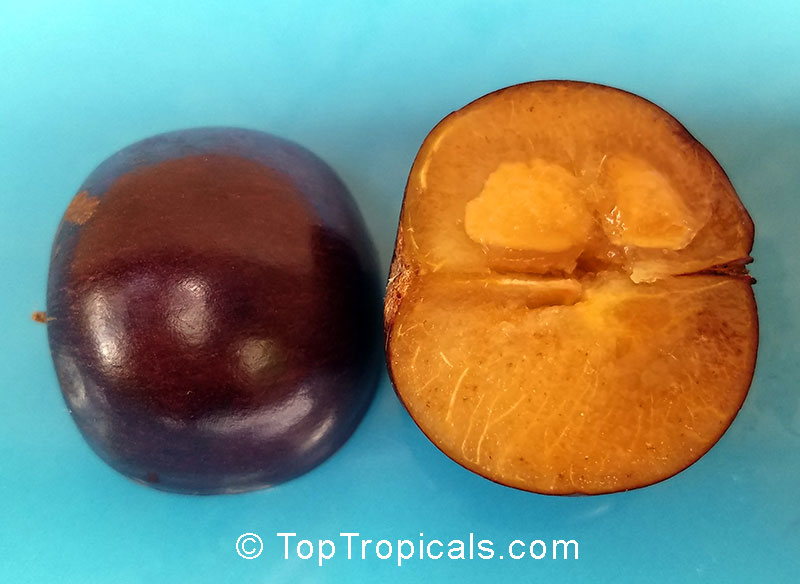
Flacourtia indica - Governors plum
Governors plum, Madagascar Plum, Batoko palm - is a tropical or
subtropical small shrubby tree. It is cultivated in tropical regions as a hedge plant
and for its deep red acid fruits resembling small plums. The fruits are
about one inch wide and can be eaten fresh or made into preserves. They are sweet
and sour, with a texture and flavor similar to a plum. Fruits mature after
one to two months from flowering.
The tree is easy to grow, self-fertile and doesn't require much care,
not fussy about soil and very forgiving if you forget to water it.
Seeds germinate readily, but it takes a while until the seedling is
ready to be transplanted into a big pot or in the ground. If you plant them now,
by spring you have a chance to get the little tree ready to go!

Date: 31 Oct 2018
Lighting for overwintering tropical plants indoors
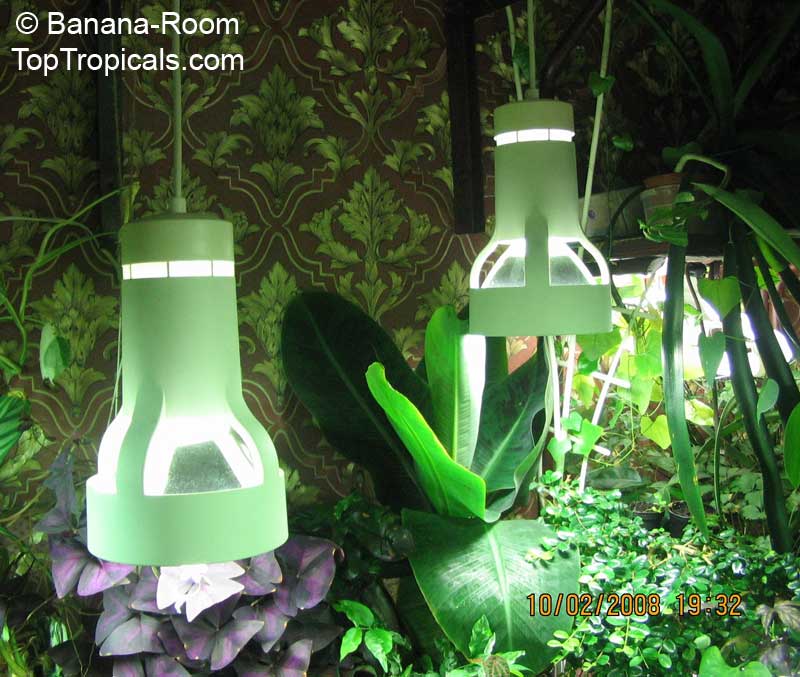
Q: Days are getting shorter and darker... I brought my tropical plants indoors for overwintering (I live in Atlanta, GA). Could you give me some advice on what lamps should I use for additional lighting of my plants?
A: Indoor
plants are very unlucky: they have to grow in"caves,"and everybody knows
that plants don't grow in the caves. The luckiest plants win sunny windowsills,
but even there they dwell rather like in underbrush under tall trees, where
the sun illuminate them only early in the morning or in the evening, and its
light is diffused by foliage.
Usually domestic plants are in desperate lack of illumination not only
in winter, but also in summer. No light - no growth, no flowering. So, plants
need extra light to compensate the lack of illumination in the"room-cave"
conditions.
Before you will start any practical actions to help your plants, you
need first to decide whether you are going to set an additional illumination,
or provide full lamplight. In the case of just additional illumination, rather
inexpensive luminescent lamps will do, and you don't have to think about
their spectrum. Continue reading...
Date: 26 Oct 2018
Improving cold hardiness before winter: fertilizer and micro-elements

Q: I live in New Jersey and it is getting cool here, with temperatures in the upper 40s, but my tropical plant collection is in a heated sunroom (still around 70s). Should I continue fertilizing my plants? And if yes, my second question about deciduous Sugar Apple tree. Should I continue fertilizing it until it drops leaves?
A:
First of all, even though you live outside tropical
climate, your plants enjoy warm temperatures year round,
and can be treated like if they were in a Southern
garden.
Plant nutrients, both macro-elements (regular
fertilizer) and micro-elements (such as iron, manganese,
magnesium, copper, and other elements) play an important
role not only in overall plant health but also in plant
hardiness.
The rule of thumb is, even in warm climates we cut off
any fertilizer by the end of October. You still have
time for the last treatment this year (next will be in
March, or when your plants start showing new growth).
You may apply just a bit of slow-release granulated
fertilizer, or water-soluble by foliar spray, diluted
1/2 of label strength, to all evergreen species in your
collection.
The most important application before winter is
micro-elements and other plant boosters that will help
you plant collection survive winter months with a
shorter daylight and cooler temperatures. Now it is a
perfect time to make these simple steps:
1) Miscro-element applications, any one of: Superfood, Iron Supplement, Greenleaf.
2) Sunshine-T application: for
improving cold hardiness, plus immune system resistance
to insects and deceases.
3)
Sunshine-Honey application for all fruit trees to
encourage bigger and sweeter fruit next year.
Regarding your second question. Deciduous tropical plants like Annonas, Adeniums, Plumerias, etc - do not need regular fertilizer at this time, however, go ahead and apply microelements Superfood complex, as well as Sunshine-Honey, while leaves are still green. These two will give a kick-start to provide better flowering in spring, and production of sweeter fruit later.
Check out SUNSHINE boosters - all with free shipping!
Date: 26 Oct 2018
Alyogyne: Blue Hibiscus with prismatic effect of peacock feathers...
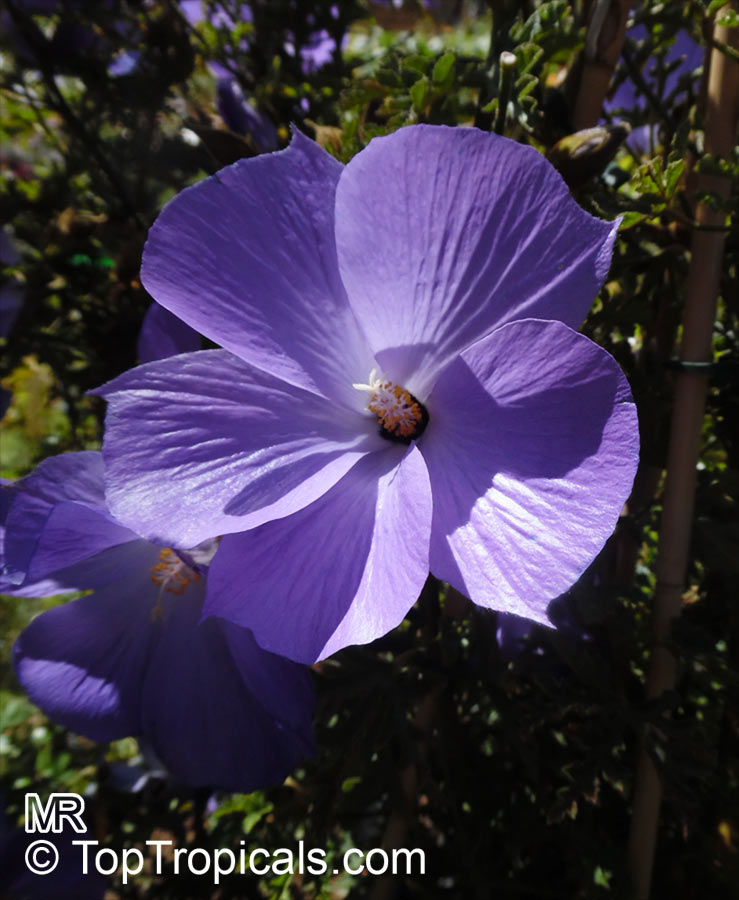
By Mark Hooten, the Garden Whiz.

Certain plant families contain many members which I consider outstanding and requiring much admiration. One of these families is the Malvaceae, known as the"Hibiscus (or Mallow) Family". This group contains many members whose ease of growth and visual impact is undeniable. Among those which really stand out is a group of species from far-off Western Australia called Alyogyne. They are especially special! Continue reading...
Date: 20 Oct 2018
Featured Plant. Bilimbi, Cucumber tree, Tree Sorrel
Bilimbi, Cucumber tree, Tree Sorrel
Ethnic names are: Kamias, Belimbing Asam, Belimbing
Buloh, Bimbiri. This rare exotic fruit is very popular
in Thailand, Malaya and Singapore. In India, where it is
usually found in gardens, the bilimbi has gone wild in
the warmest regions of the country. Outside native
habitat, Bilimbi is hard to find plant, very few growers
produce them, although it is not so hard in cultivation.
The bilimbi is closely allied to the carambola but quite
different in appearance, manner of fruiting, flavor and
uses. The only strictly English names are"cucumber
tree"and"tree sorrel"."Bilimbi"is the common name in
India and has become widely used. Many people are more
familiar with the close ralative - Averrhoa carambola - Star
Fruit, which foliage looks very similar to bilimbi. The
bilimbi leaves and taste of fruit are quite similar to
those of the
Phyllanthus acidus - Otaheite Gooseberry),
although these plants are not related.
Continue reading...