💐 Brunfelsia? People often ask: what can you plant in a shady spot that blooms year-round and smells amazing? The answer is Brunfelsia, known as Lady of the Night.
💐 This Brazilian beauty is a compact, shade-loving shrub that thrives in low light and rewards you with creamy white flowers. As the sun sets, the blooms release a sweet, unforgettable perfume that lingers through the night. It’s like nature’s way of setting the mood for evening strolls.
💐 Brunfelsia is more than just fragrance. Its flowers attract butterflies and hummingbirds, turning shaded corners into lively little stages. Low-maintenance, pollinator-friendly, and elegant, it’s the answer to your prayers: shade, flowers, and fragrance all in one plant.
💐 The most fragrant Brunfelsias are the creamy-white varieties, often called Lady of the Night.
Popular species include: B. americana, B. isola, B. nitida, B. lactea, B. manaca, B. densifolia, B. gigantea.
Do you already grow Brunfelsia? What kind do you have in your garden?
⭐️ Ylang-Ylang (Cananga odorata, Chanel No 5 Tree) is the tree behind the worlds most famous fragrance - Chanel No. 5. Its golden, star-like flowers drip from the branches with a scent so powerful you can smell it from yards away.
⭐️ Native to Indonesia and Southeast Asia, this tropical evergreen can reach impressive heights, yet it blooms almost year-round, covering itself in clusters of perfumed flowers. This is one of the most beautiful, fast growing and beneficial flowering trees for Southern landscapes.
⭐️The fragrance shifts as the blooms age, from green to lemon yellow to deep golden, each stage producing an intoxicating scent prized in perfumery and aromatherapy. Even without flowers, its tiered branches and glossy leaves create a striking, almost Christmas-tree effect.
⭐️For smaller spaces, a dwarf form, Cananga fruticosa, brings the same beauty and scent in patio-friendly size. Whether towering or compact, Ylang-Ylang is more than a plant - it's living perfume in your garden.
Plant for birds: feast for wildlife and people from a tiny vine!
Passiflora suberosa - Corkystem Passion Vine
Plant for birds: feast for wildlife and people from a tiny vine!
Passiflora suberosa - Corkystem Passion Flower: did you know this Florida native passion vine is more than just a butterfly host? Birds love it too - they’ll happily snack on the little fruits and sing you thank-you songs all day long!
And yes, the fruit is edible for people as well! The berries are small, but they make a fun and exotic treat.
The plants has a tiny flower and a tiny fruit – both only about half an inch – but together they create a mighty native habitat.
It's a triple win: butterflies, birds, and people can all enjoy something from this charming little plant. Plus, it’s the larval host for Gulf Fritillary, Zebra Longwing, and Julia butterflies, and its tiny greenish flowers provide nectar all year long. Fast-growing, easy, and full of life – a real gem for any Florida garden.
This vine is delicate and compact, perfect for a medium trellis or climbing a small tree. Unlike the big, aggressive passion vines that can cover a whole fence, this one stays manageable.
This Passion vine is not just charming and wildlife-friendly, it’s also tough as nails. Cold hardy and easy to grow, this native vine takes whatever Florida throws at it – heavy rains, long droughts and heat, poor sandy soils, even total neglect – and still thrives. A perfect choice if you want beauty, wildlife, and resilience all in one little plant.
🍌 Blue Ice Cream banana you’ll never find in stores!
🔵 The Blue Java Banana, also known as the Ice Cream Banana, is the banana everyone wants - and for good reason.
🔵 First of all… it's blue. Yes, really. When the fruit is unripe, it has a frosty blue-green tint - especially striking in the sun. These short, chunky bananas are only about 4 inches long and grow in beautiful bunches under mauve-colored flowers. The whole plant is a tropical showstopper.
🔵But the real magic happens when the fruit ripens. The blue fades to yellow… and inside? Oh my God - it’s heaven! The texture is soft, smooth, and creamy. And the flavor? Like vanilla ice cream.
🔵That’s how it got the name Ice Cream Banana. And this isn’t just a gimmick - it’s a cold-tolerant, vigorous variety that grows fast, reaches 10-15 feet tall, and produces heavy bunches (up to 60 pounds!) of sweet fruit that you can eat raw or cook with.
Peanut butter fruit smoothie: quick-n-fun exotic recipes
Peanut butter fruit smoothie
🍴 Peanut butter fruit smoothie: quick-n-fun exotic recipes
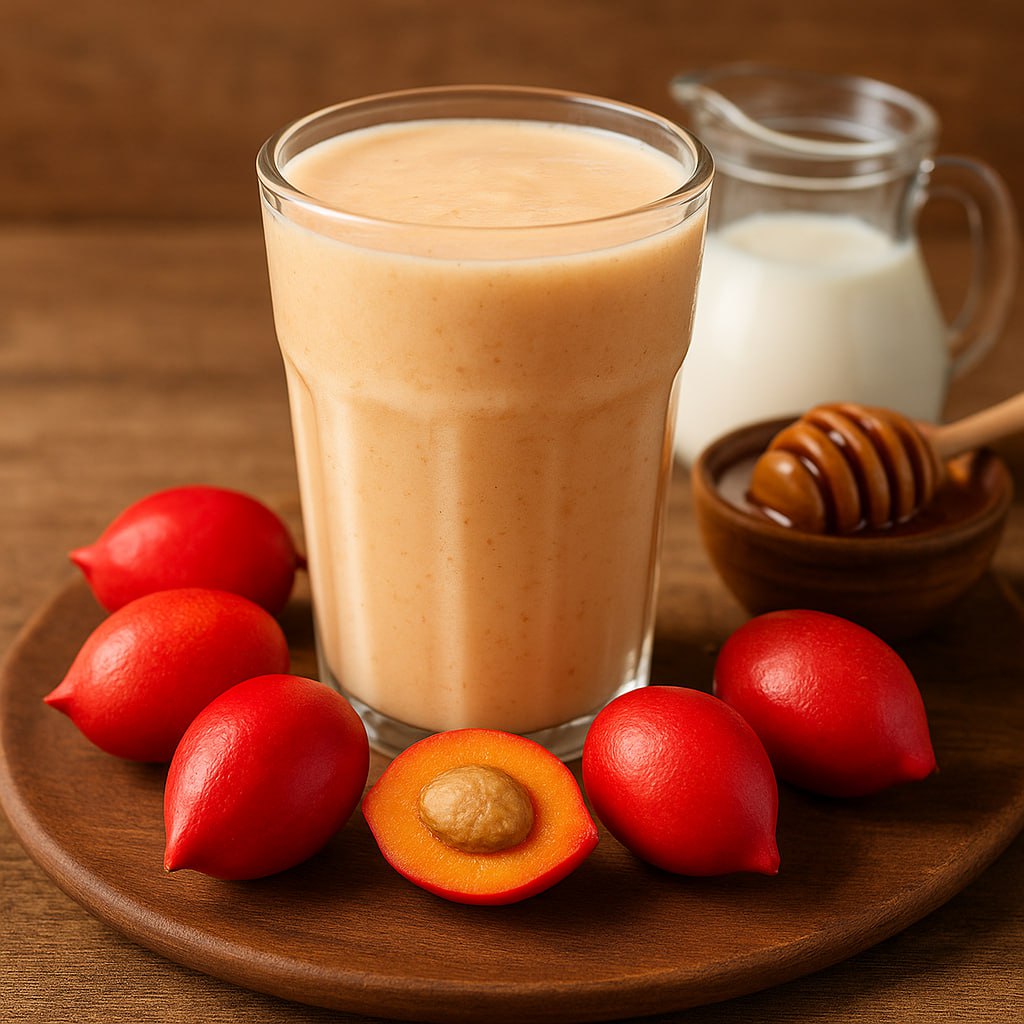
🔴Peanut butter fruit (Bunchosia argentia) makes delicious shake! 🔴Blend ripe peanut butter fruits with milk and honey. 🔴A creamy shake that tastes like dessert straight from the tree!
Peanut Butter Fruit Smoothie
Ingredients
1 cup ripe peanut butter fruit (Bunchosia argentea), seeded
1 cup cold milk
1–2 tablespoons honey
Ice cubes (optional)
Instructions
Remove seeds from ripe peanut butter fruits.
Blend fruits with milk and honey until smooth.
Add ice cubes if desired for a chilled version.
Serve immediately and enjoy a creamy shake that tastes like dessert straight from the tree!