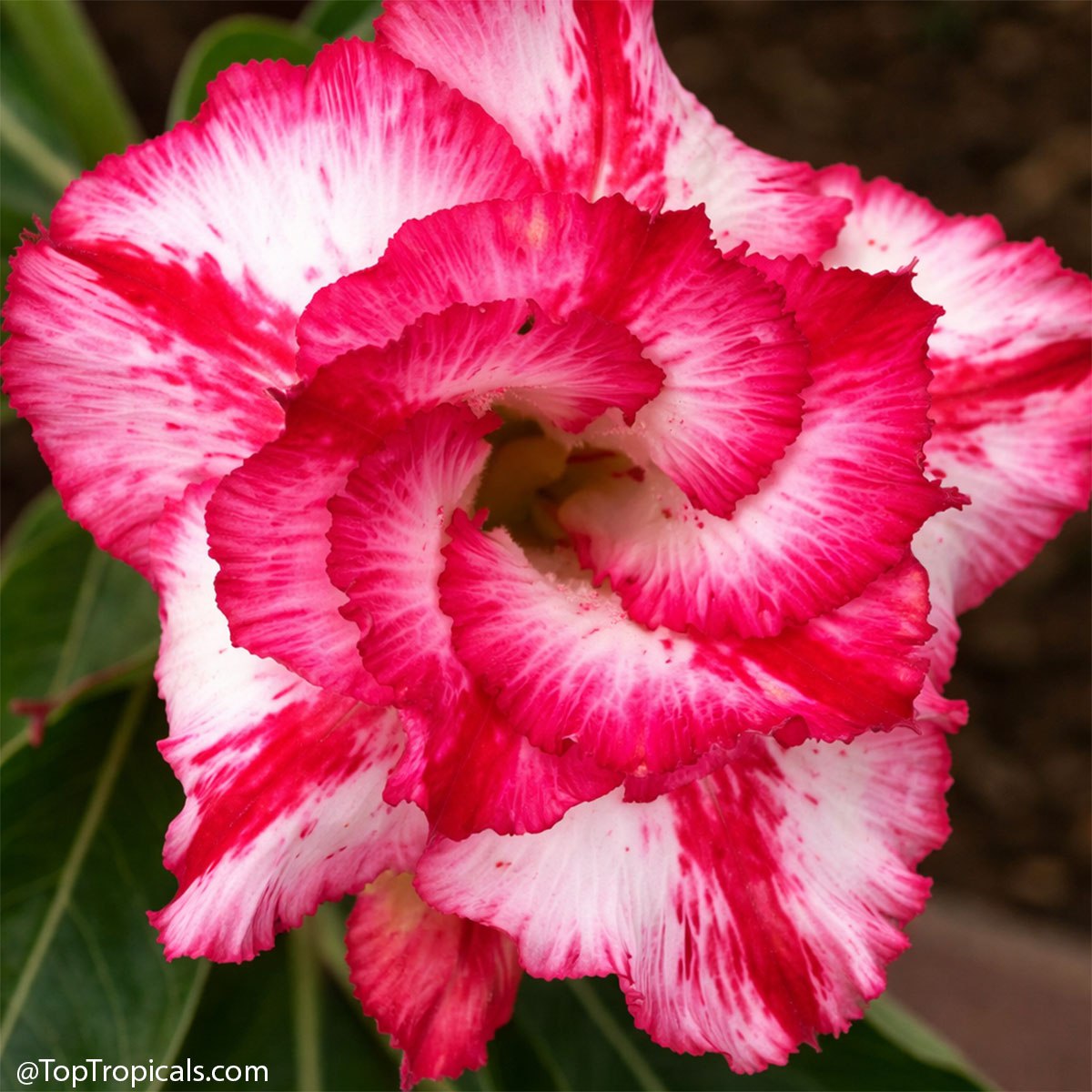
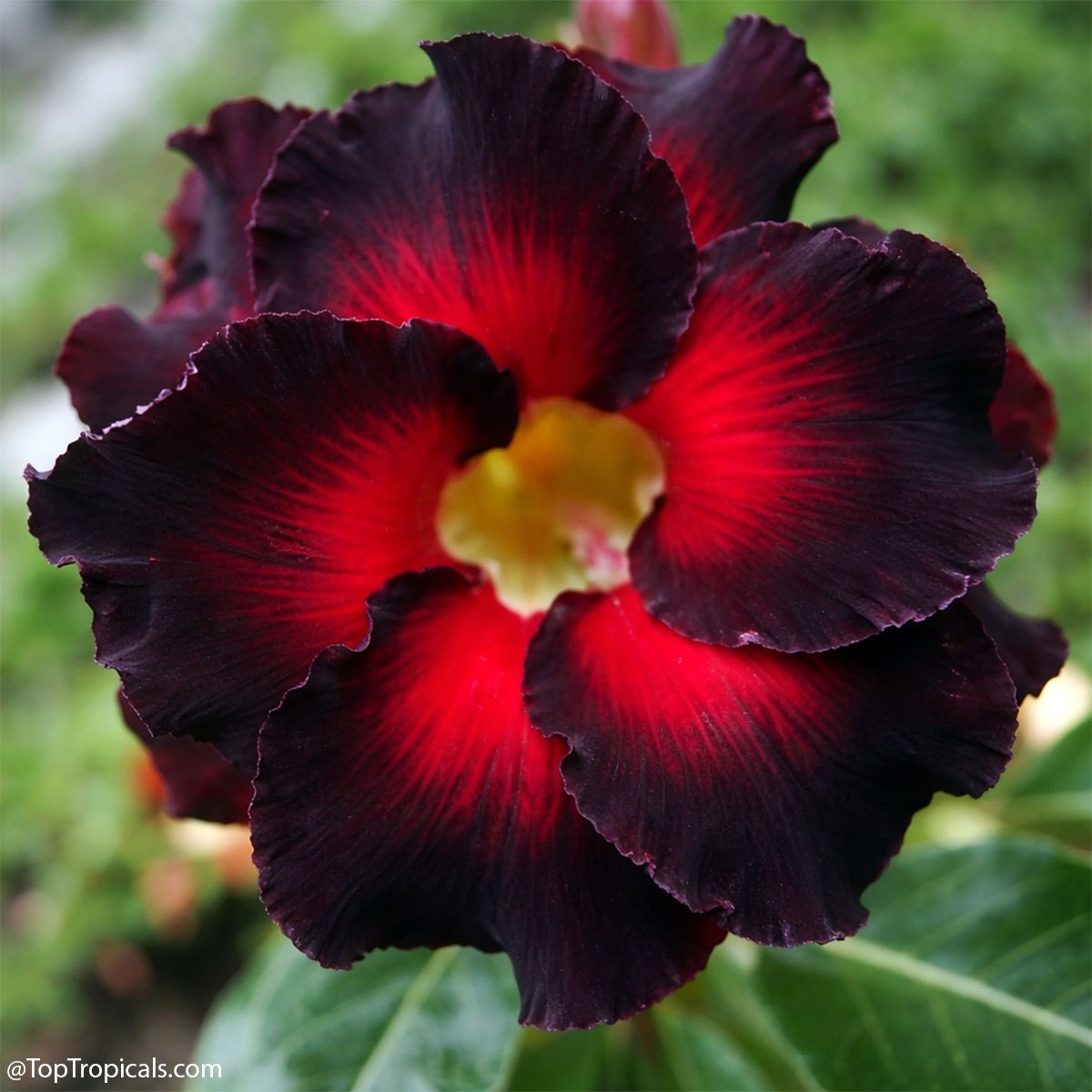
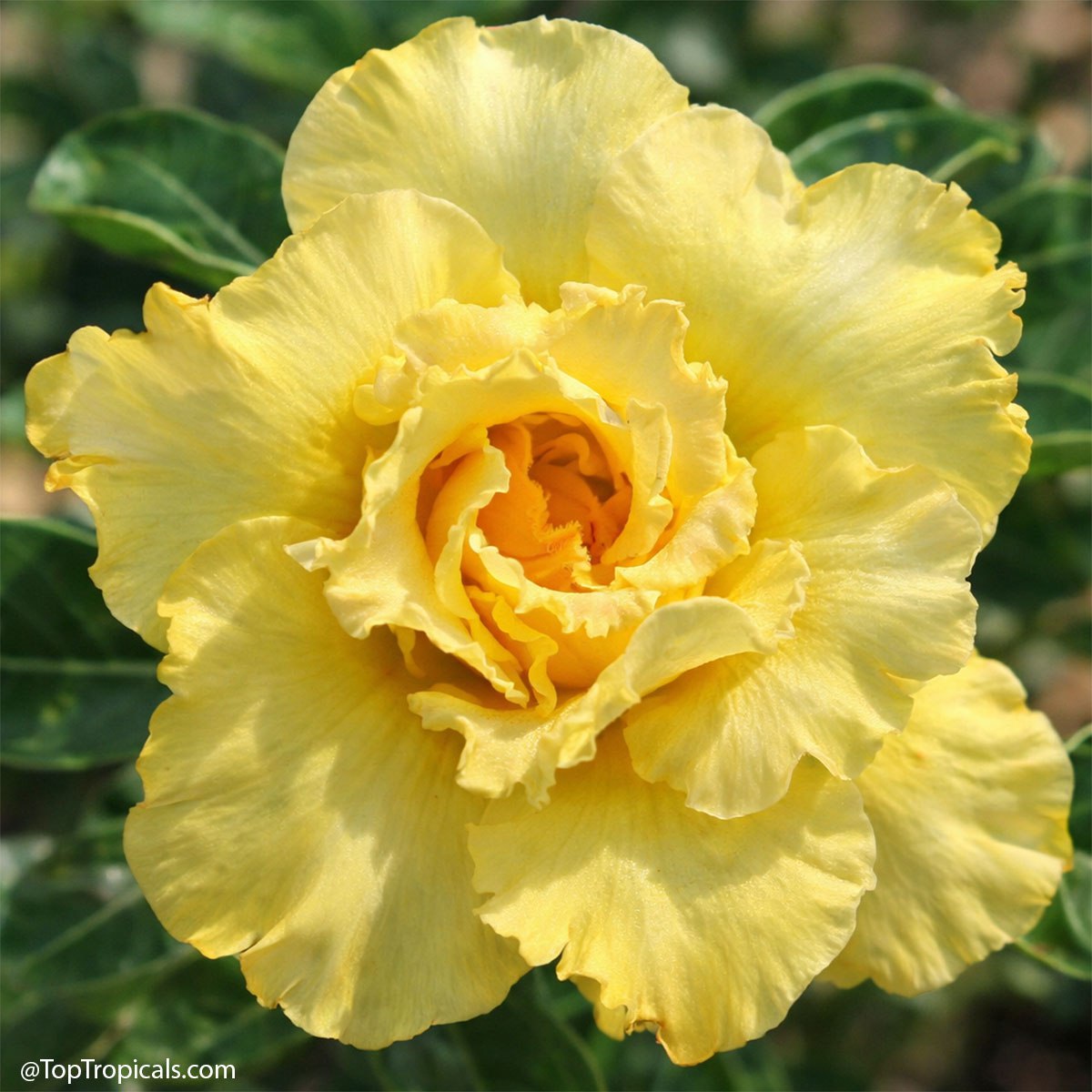
Some adeniums are nice, and some - make you stop and stare.
This batch leans bold, unusual, and a little addictive. If you’re building a collection, this is the kind of mix that makes it feel alive.
💡 Adenium fertilizing tip
Adeniums respond really well to liquid feeding - especially during active growth.
Adenium Plant Facts
Botanical name: Adenium sp. Also known as: Adenium, Desert Rose, Impala Lily
USDA Zone: 9 - 10
Highligths
Bloom booster. Use a fertilizer with a higher middle number (phosphorus). It supports both flowering and caudex development. We use professional Sunshine Megaflor Bloom Booser.
How to apply
Water into the soil
Light foliar spray on leaves
Avoid spraying directly on the caudex
Add Sunshine Superfood: Iron - for rich, healthy leaves Molybdenum & Boron - support longer-lasting blooms
🌸 Today's featured adeniums
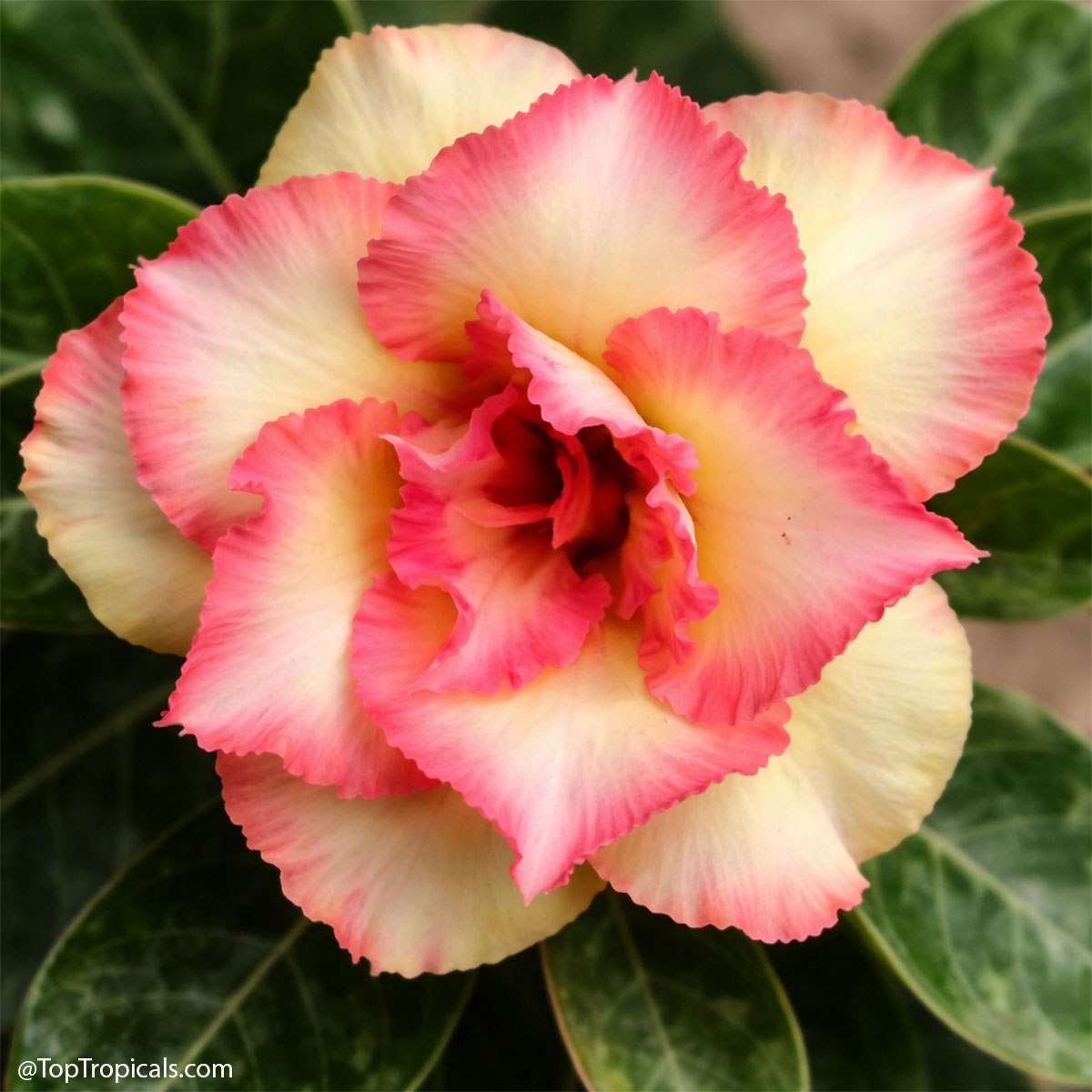
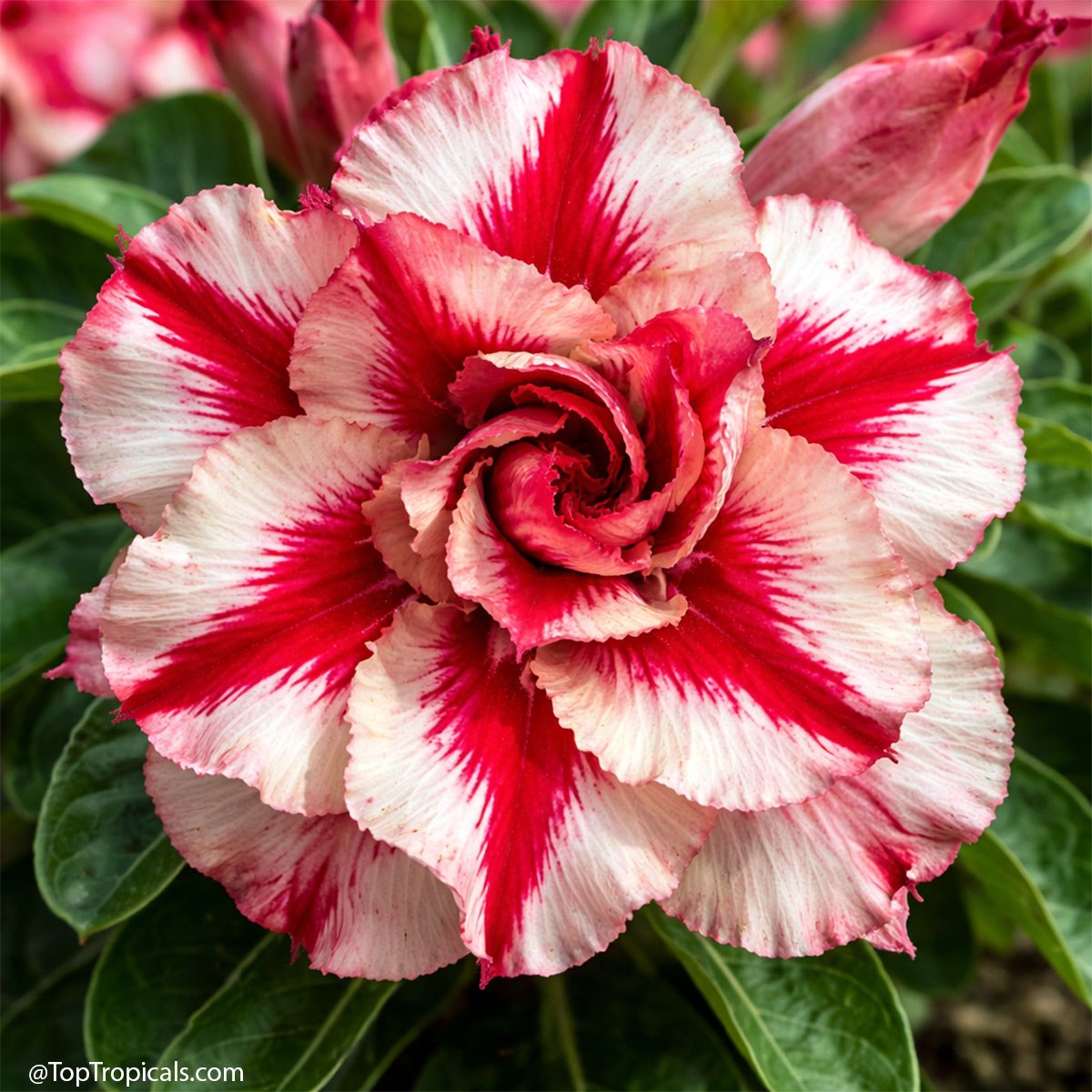
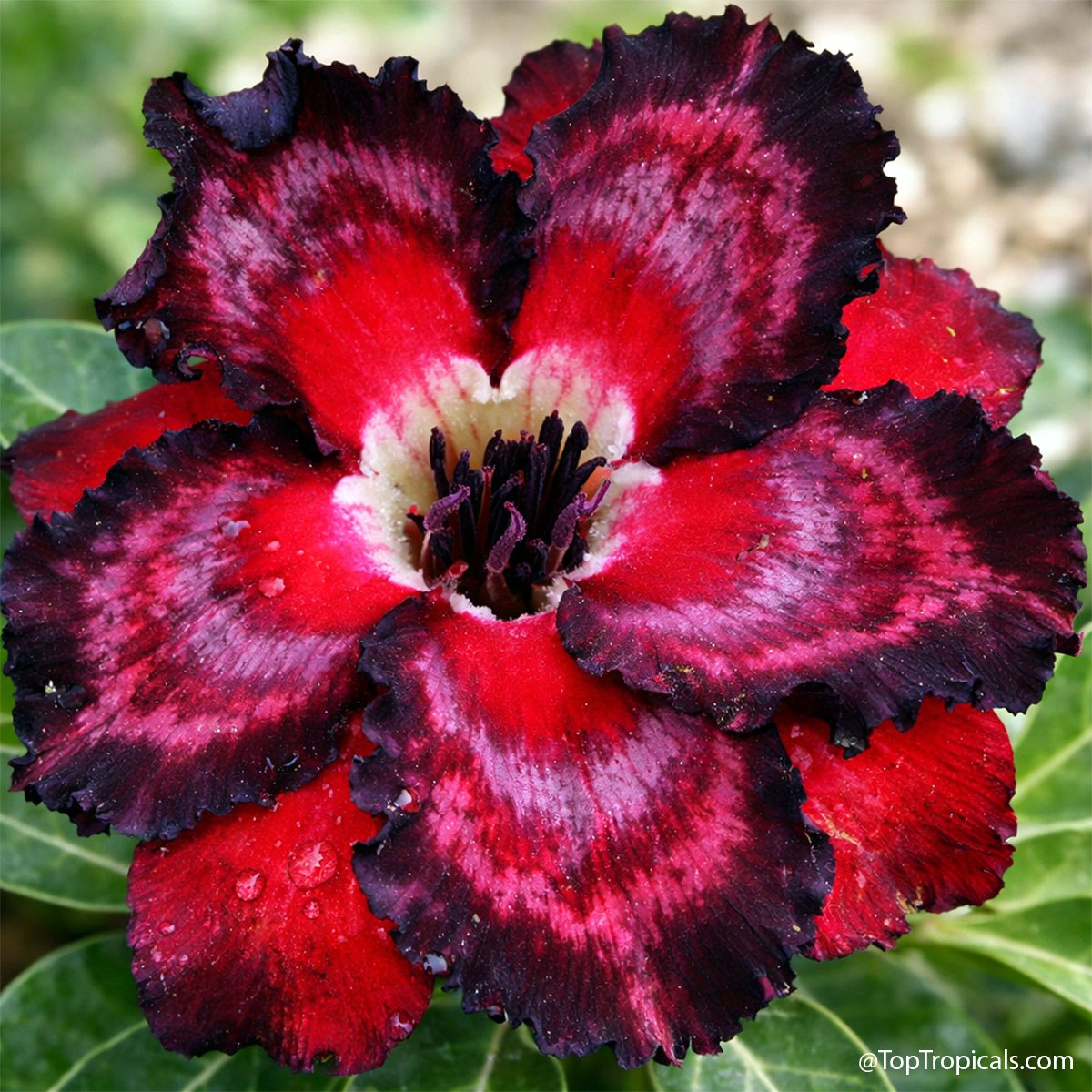
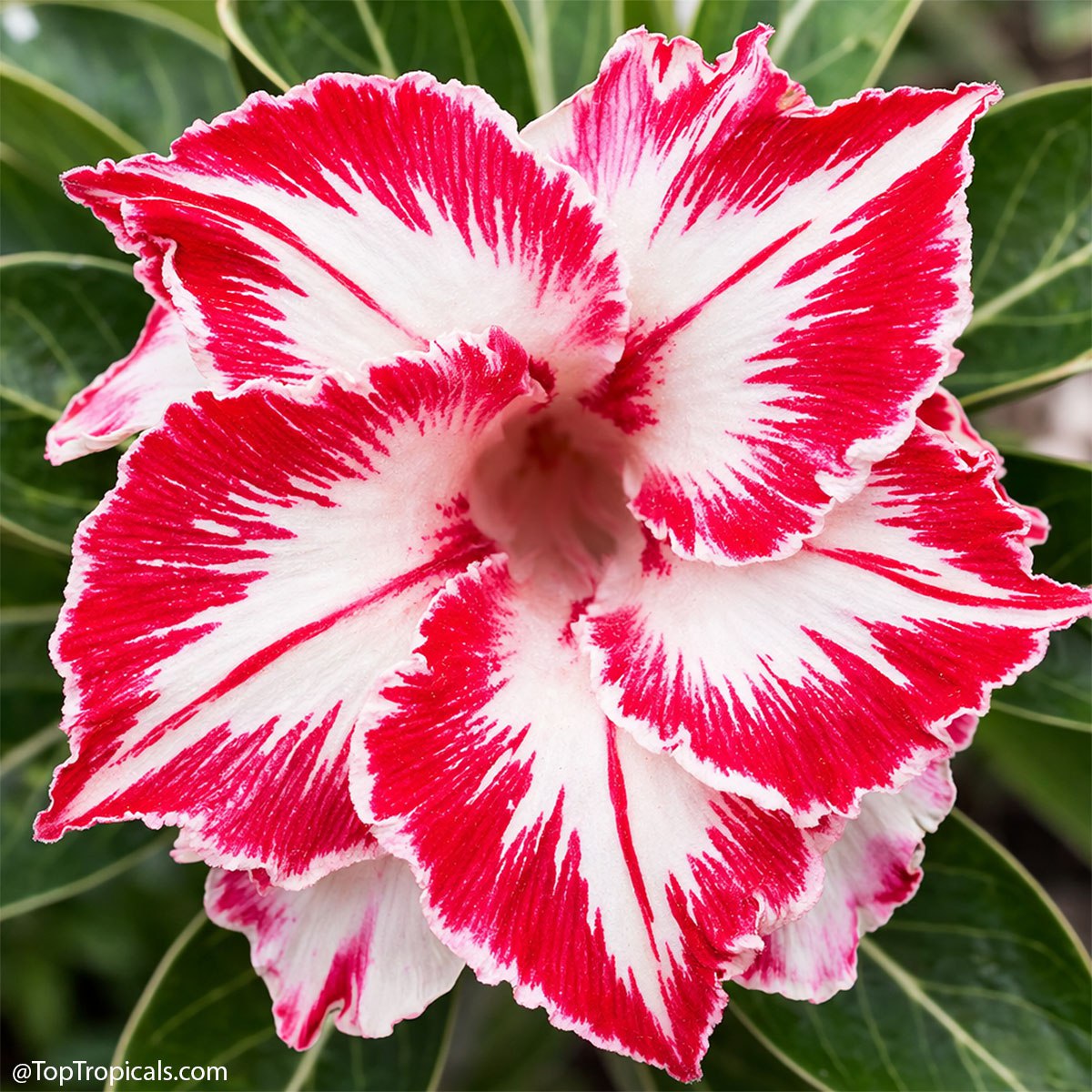
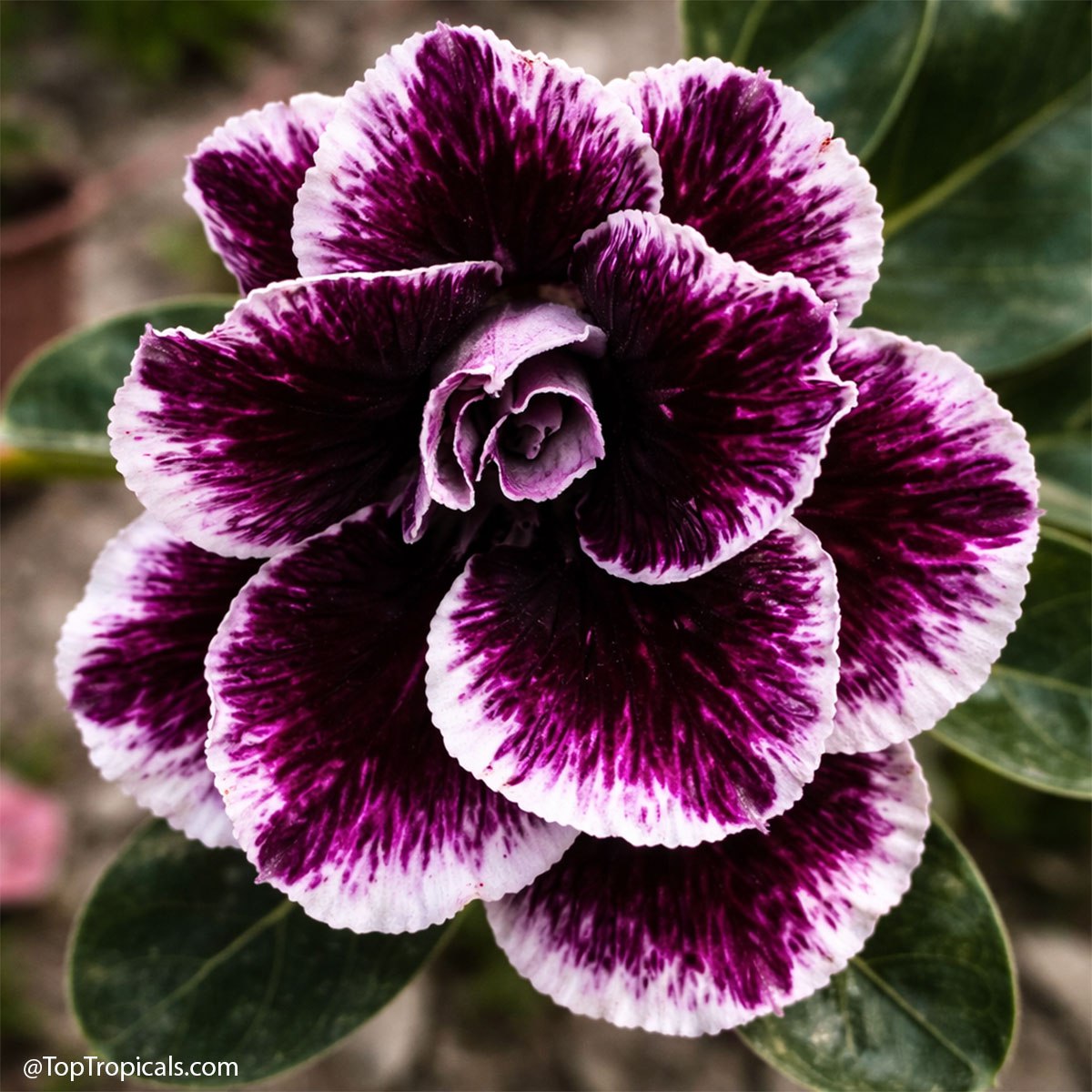
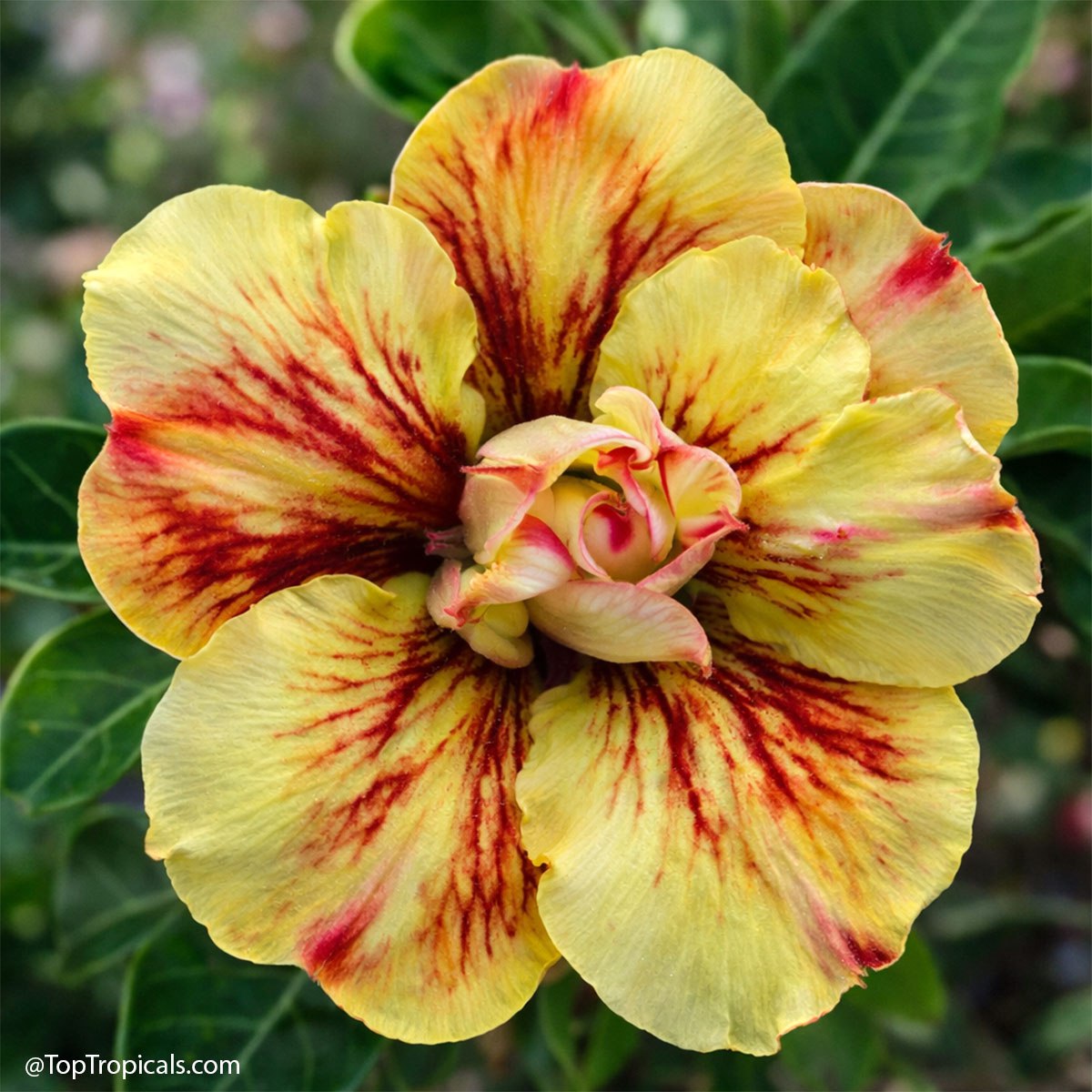
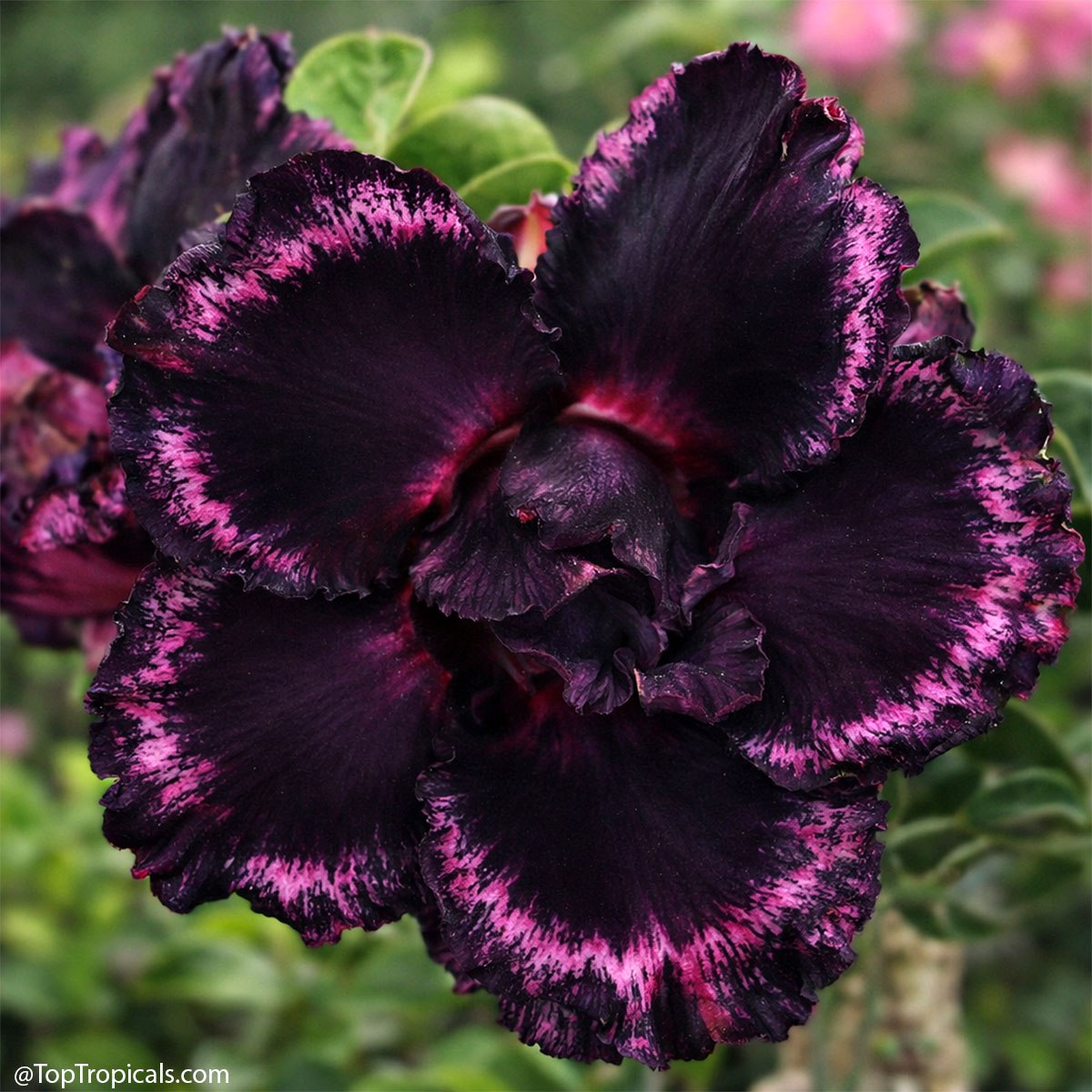
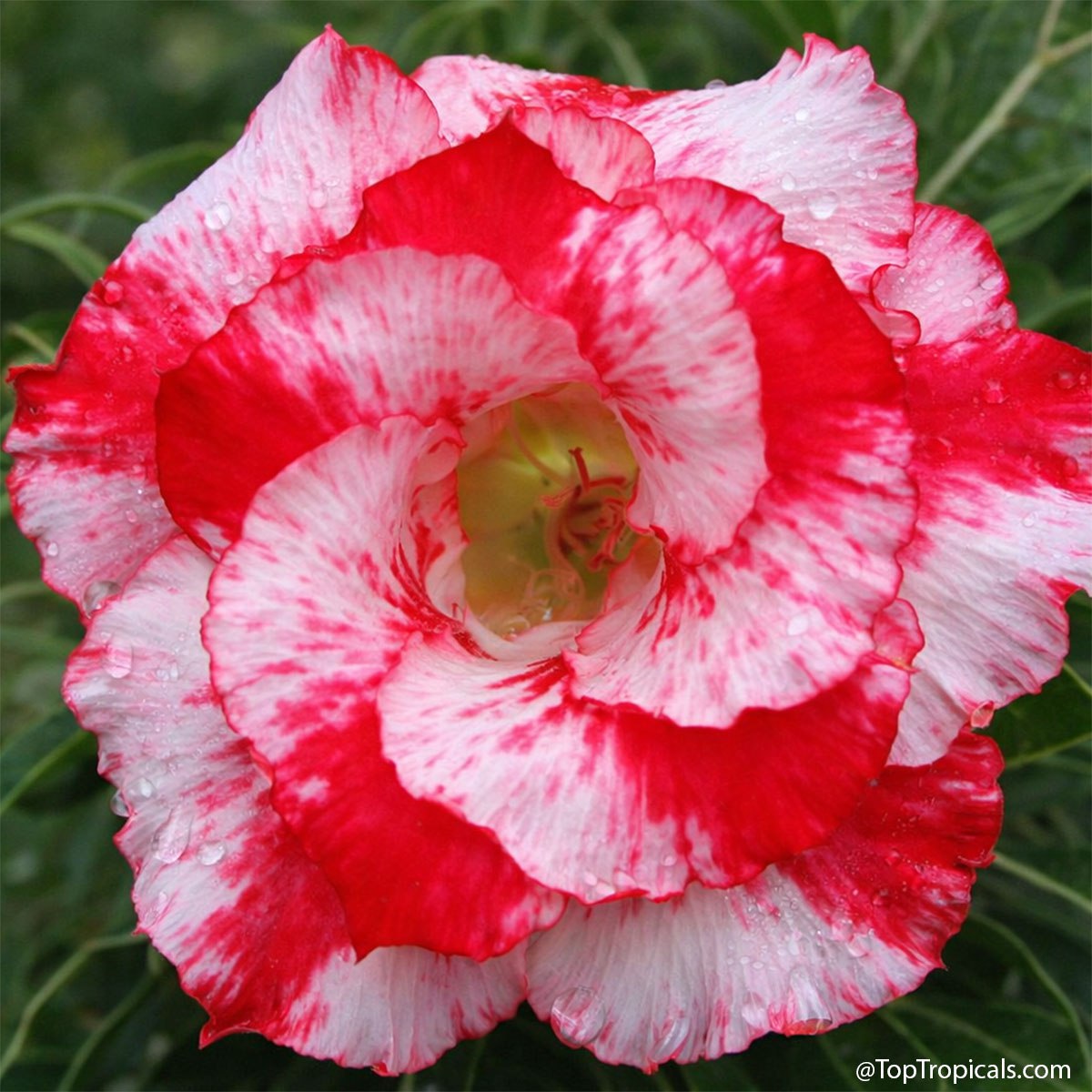
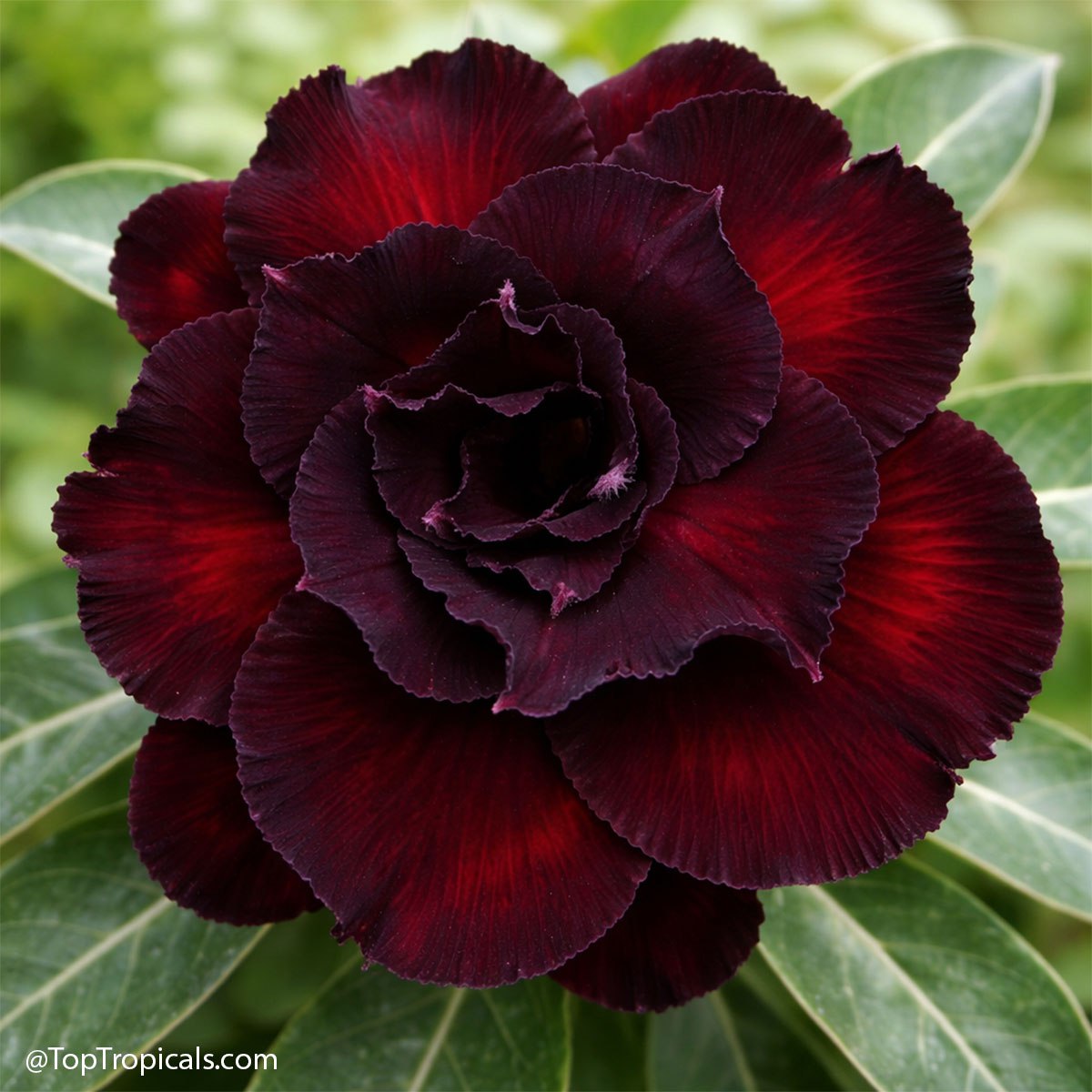
✦ Big Harry: Large, bold presence - one of those varieties that doesn’t go unnoticed. ✦ Black Border: Deep, rich petals with a dramatic dark edge that makes the color pop. ✦ Cheese: Soft yellow shades, warm and creamy - unusual and easy to like.
✦ Cotton Candy: Fluffy pink shades that look almost unreal, like spun sugar. ✦ Chok Am Nuay: A Thai classic tied to luck and prosperity - strong grower with character. ✦ Immortality-2: Layered petals with a refined look - feels a bit more rare and collected.
Pick a mix like this - light, dark, bold, soft - and your collection instantly feels more complete.
And yes… this is how it starts again.
Do Fruit Trees Increase Property Value? Tropical Plants That Pay Off
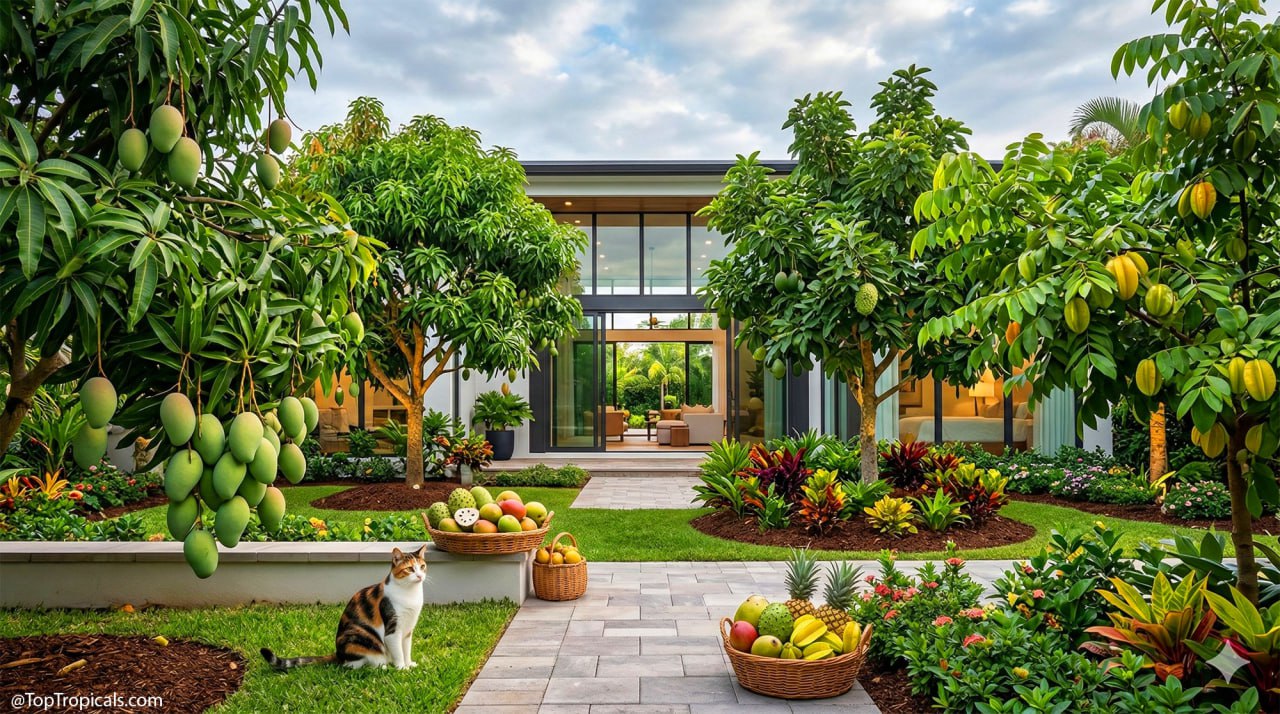
Yard with fruiting tropical trees
Landscaped yard in Florida
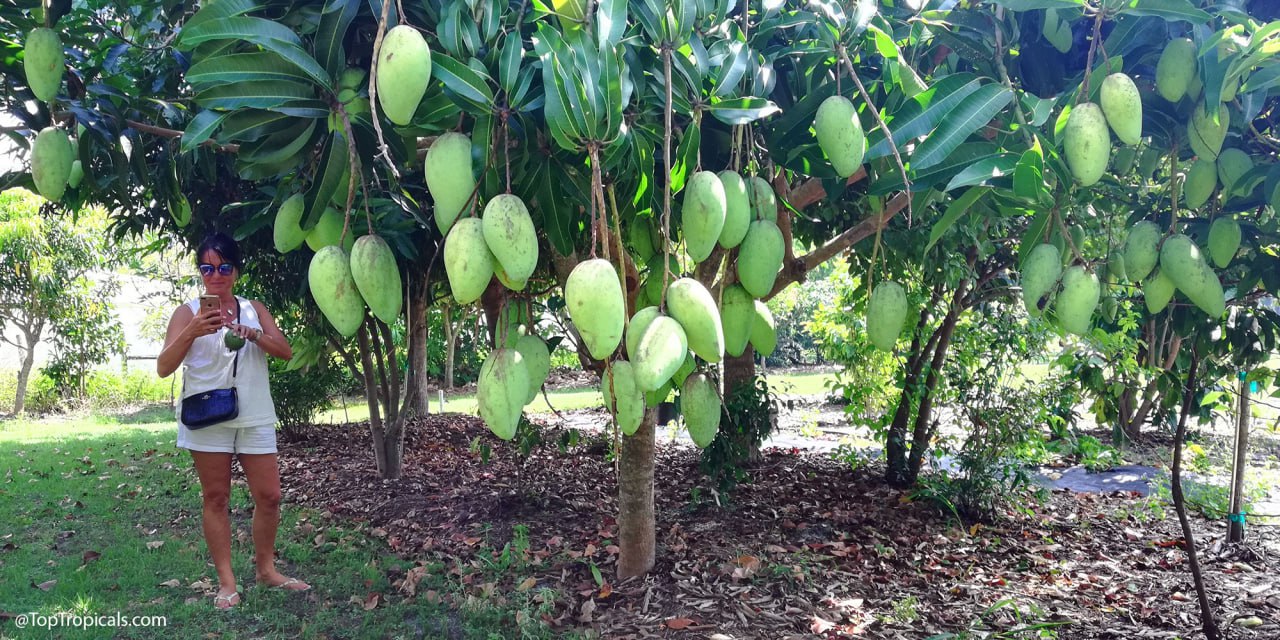
Mango tree fruiting in the garden
Do Fruit Trees Increase Property Value? Tropical Plants That Pay Off 🏡
Can your backyard pay for itself? Learn which 12 tropical fruit trees real estate experts say are the smartest investment for your landscape. Discover how tropical fruit trees like mango and avocado add "edible equity" and curb appeal to your property, making it more desirable to future buyers. Turn your yard into a private paradise that lowers grocery bills and boosts home value.
In warm climates like Florida, a mango tree isn't just landscaping - it’s a food-producing asset. Mature tropical fruit trees offer "edible equity," saving homeowners hundreds in grocery bills while creating a unique, memorable aesthetic for buyers.
Mango Plant Facts
Botanical name: Mangifera indica Also known as: Mango
USDA Zone: 9 - 11
Highligths
🥭 1. Focus on "Instant Recognition" Favorites
Trees buyers already know and love provide the strongest ROI. They signal that the yard is already productive - something new builds can’t offer.
• Top Picks: Mango, Avocado, Papaya, Banana, Guava, and Loquat.
Avocado Plant Facts
Botanical name: Persea americana, Persea gratissima Also known as: Avocado, Alligator Pear, Aguacate, Abacate
USDA Zone: 9 - 11
Highligths
• The Value: A single mature avocado or mango tree can yield hundreds of pounds of fruit annually.
🥭 2. Create a "Memorable Discovery" with Exotic Varieties
Unusual fruits turn a standard yard into a tropical orchard, acting as a conversation piece during home tours.
• The Exotic List: Jackfruit, Sugar Apple, Soursop, Sapodilla, Ice Cream Bean, and Star Fruit.
🥭 3. Strategic Placement for Energy Savings
Large-canopy trees like jackfruit or mango do more than provide food; they act as natural insulation.
• Natural Cooling: Strategic planting reduces afternoon sun exposure and lowers AC costs. • Indoor/Outdoor Flow: Use trees to frame window views, block neighbors, and create private "outdoor rooms."
🥭 4. The Power of the "Mini Orchard"
A collection of 3–5 trees creates a stronger emotional pull than a lone plant. Buyers begin to visualize a lifestyle of smoothies and harvests.
• Winning Combos: Mango + Avocado + Papaya or Guava + Star Fruit + Banana.
🥭 5. Maintenance: Health Equals Value
Fruit trees only add value if they look manageable. A neglected tree suggests a neglected home.
• Pre-Sale Prep: Prune for tidiness, mulch the base, and clear fallen fruit. • Spacing Matters: Avoid overcrowding; ensure buyers can walk comfortably through the yard without feeling "closed in."
🥭 The Long-Term Play
Unlike decorative plants that may need frequent replacement, fruit trees appreciate over time. Because a mango tree takes years to reach peak production, the best time to plant for future resale value is now. By the time you list, your yard will offer shade, privacy, and a harvest that buyers find hard to resist.
How to start your dream collection: Adenium rainbow
Adenium Amaryllis
Adenium Win
Adenium Butterfly Yellow
Adenium Black Butterfly
Adenium Good Morning
Adenium Good Night
How to start your dream collection: Adenium rainbow 🌈
👉 Thinking about adeniums? Read this before you buy one!
How to start an adenium collection without wasting money
If you’ve ever seen a tray of different blooming adeniums, you probably had the same thought: "I want them all." And honestly - we get it.
Adenium Plant Facts
Botanical name: Adenium sp. Also known as: Adenium, Desert Rose, Impala Lily
USDA Zone: 9 - 10
Highligths
But with hundreds of varieties out there (and only so much space on your patio), the real trick isn’t collecting everything… it’s choosing the right ones and growing them well so they actually bloom like the photos.
Let’s make it simple.
💡 Before you start your adenium collection
A few basics that make all the difference:
🔸 Light. Bright light is key. The more light, the better the blooms. 🔸 Water. Water deeply, then let soil dry out. Adeniums hate sitting wet. 🔸 Fertilizer. Adeniums prefer liquid food. Light, regular feeding with Sunshine Megaflor Bloom Booster during active growth = stronger growth, bigger caudex, and better flowering. 🔸 Trimming. Prune after flowering to shape and encourage branching. More branches = more flowers. 🔸 Soil. Fast-draining mix is a must. No heavy, soggy soil. Use Adenium Soilless Mix. 👉 How to grow a happy Adenium
🌸 Today's featured adeniums
A few standout varieties to start (or expand) your collection:
✦ Amaryllis: Large, bold blooms with a classic floral shape - one of those that always catches attention. ✦ Win: Clean, bright blooms with a balanced form - simple and very satisfying. ✦ Butterfly Yellow: Soft yellow tones with a delicate, airy look - light and cheerful. ✦ Black Butterfly: Dark, velvety tones with a winged pattern feel - rich and dramatic. ✦ Good Morning: Bright, fresh tones that feel clean and uplifting - a nice contrast in any group. ✦ Good Night: Dark, moody tones - a completely different vibe from typical bright adeniums.
If you’re just starting, pick a few different styles - light, dark, bold, soft. That contrast is what makes a collection feel alive.
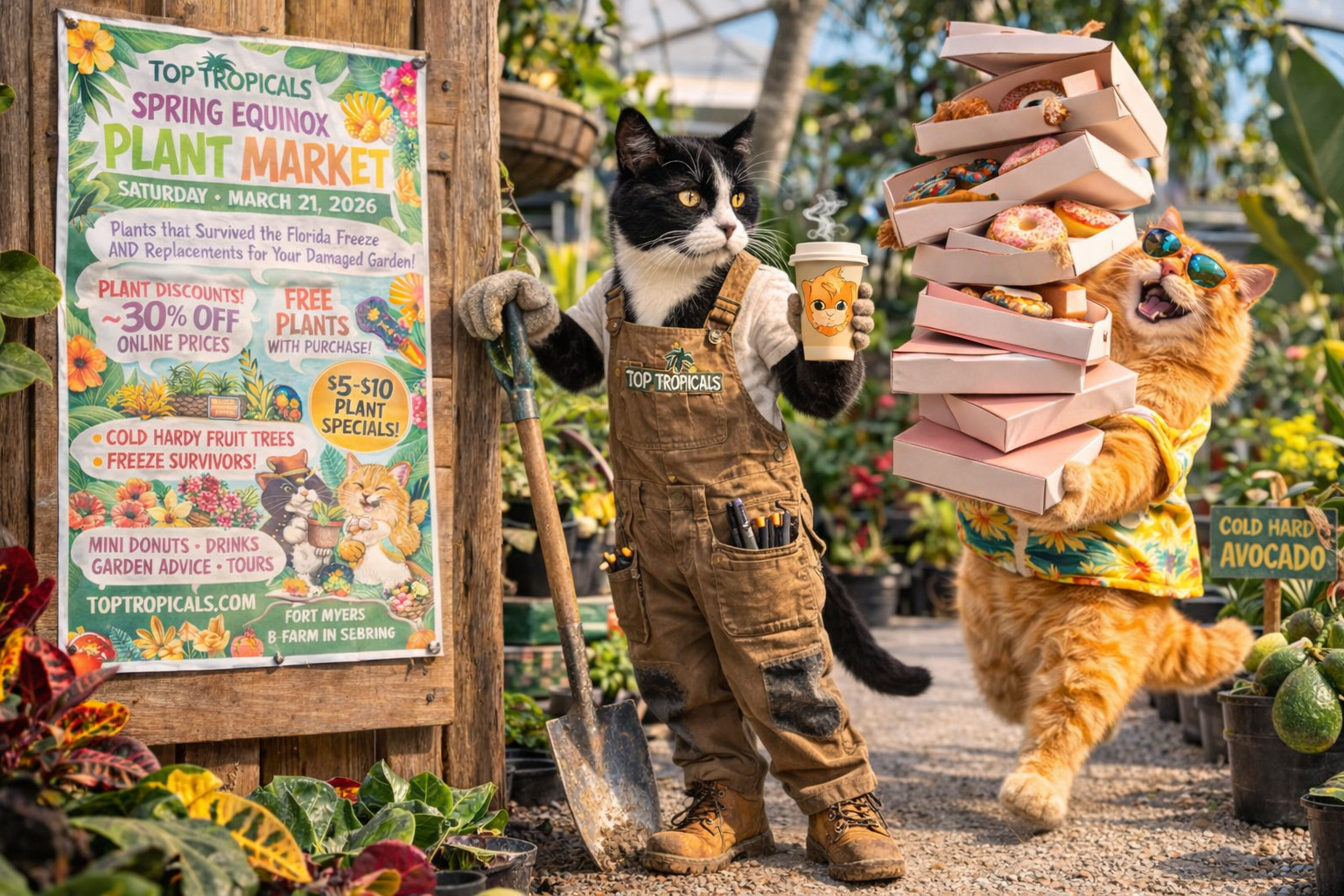
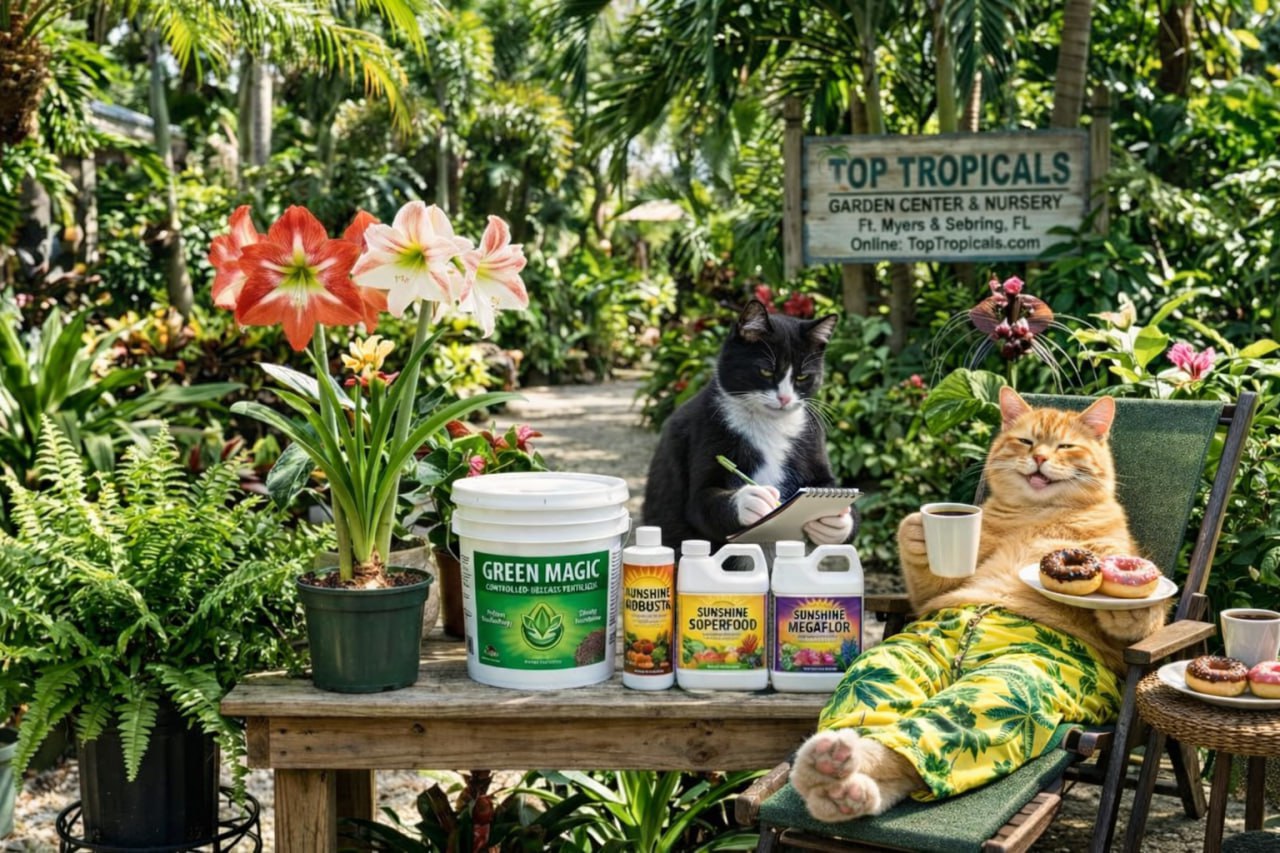
Sunshine:Smokey, hold my coffee. Donuts are coming. Big day
today.
Smokey: Under control. Try not to drop half of them.
Both: Friends, come over today.
Everything is ready for today at our Spring Equinox Plant Festival. The
garden is full and we would love to see you. Come over today and enjoy it
with us.
Just in time for spring: Nun Orchid blooms for months!
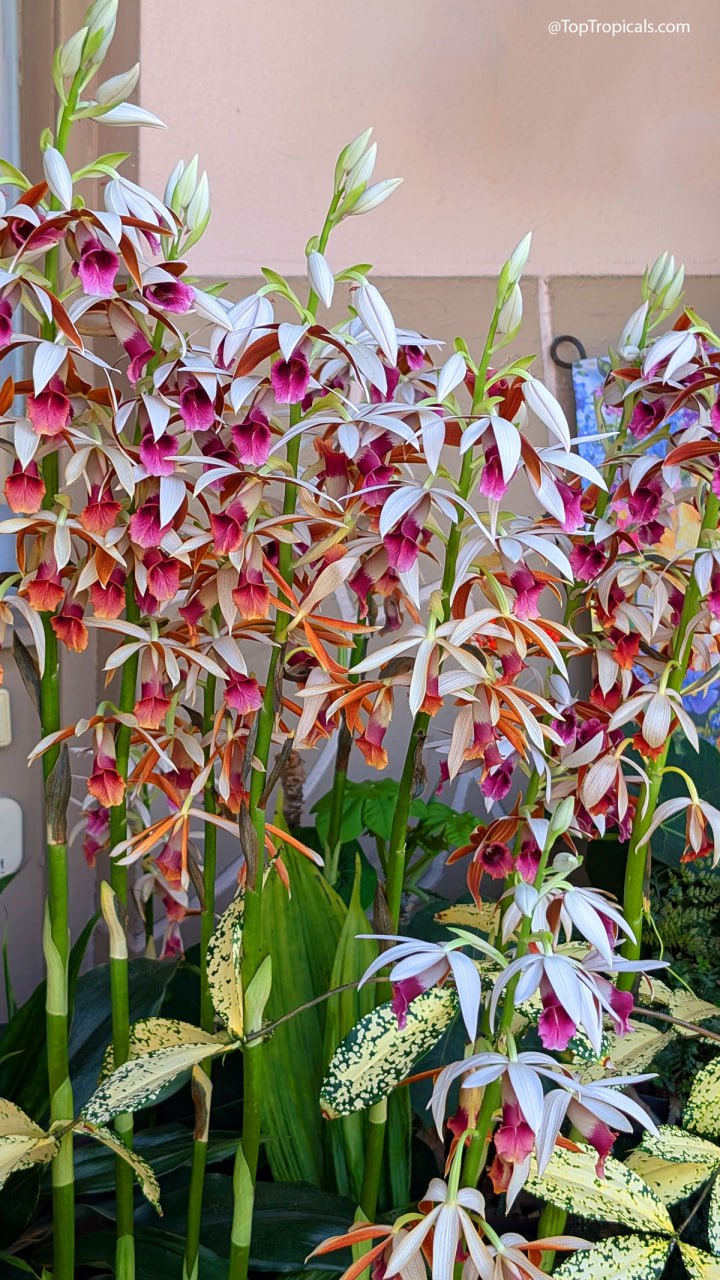
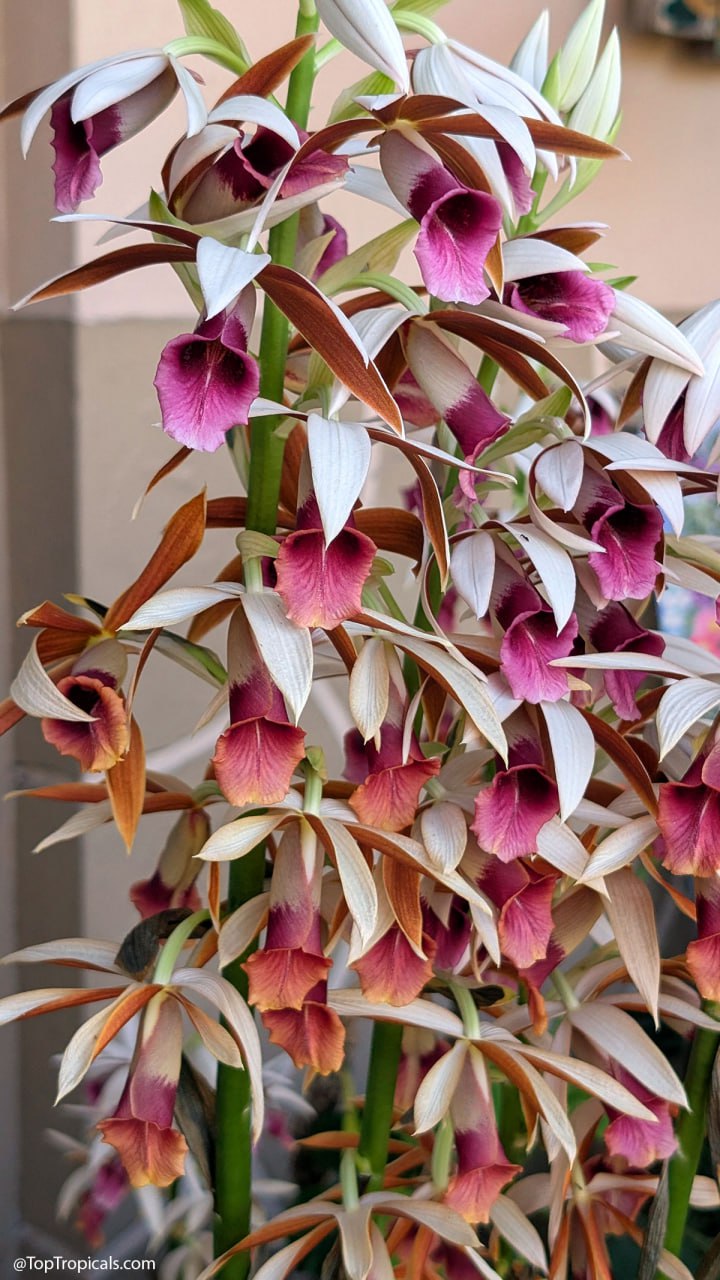
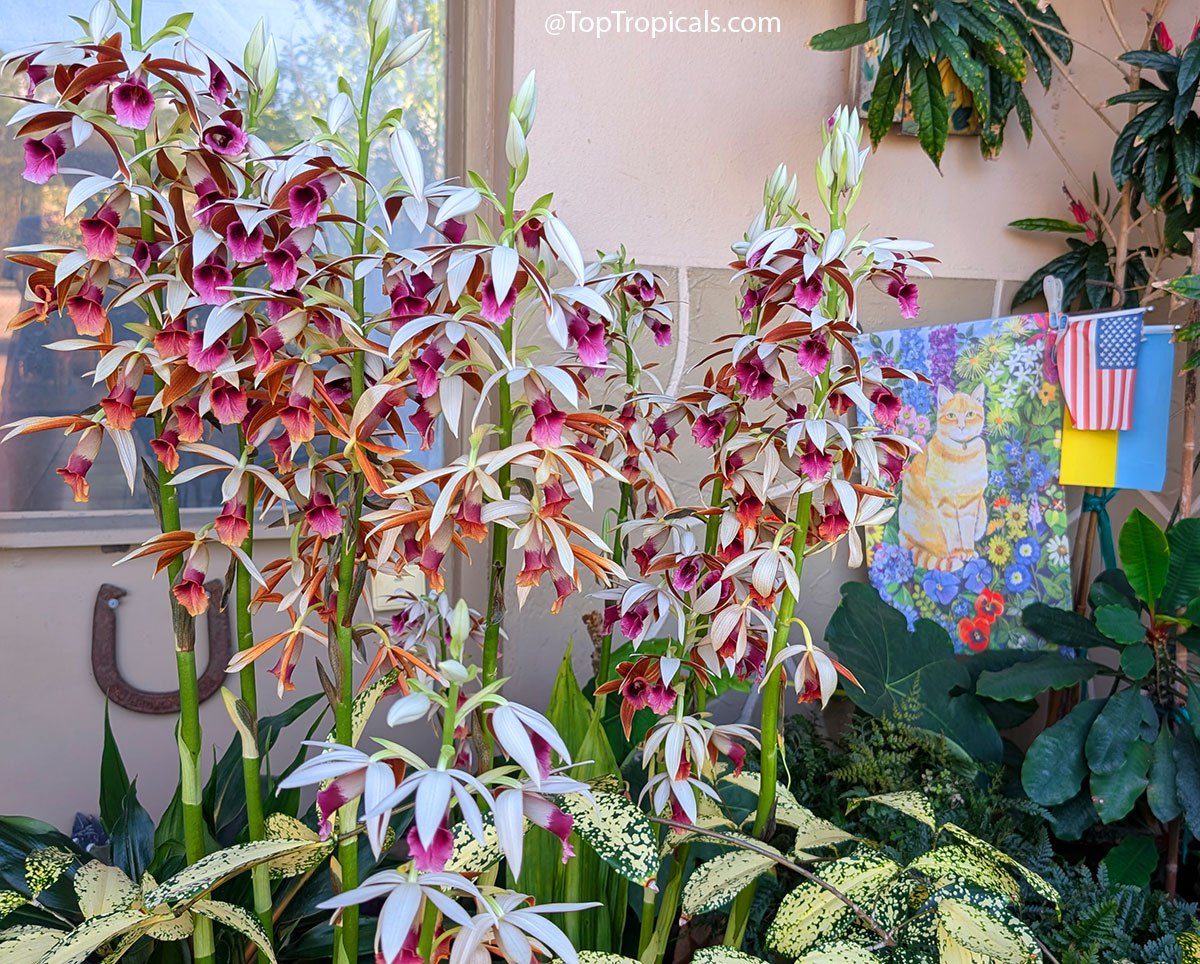
Phaius tankervilleae, Chinese Ground Orchid, Nut Orchid
Phaius tankervilleae, Chinese Ground Orchid, Nut Orchid
Phaius tankervilleae, Chinese Ground Orchid, Nut Orchid
Just in time for spring: Nun Orchid blooms for months! 🌹
🌷 What a wonderful treat after a long cold winter: Nun Orchid (Phaius tankervillea) is putting on a full show right now in the garden - and it’s been going strong since February.
🌷 These plants were already loaded with buds before our Record 25F Florida Freeze, so I moved the two pots into the garage to protect them. Totally worth it - they came through beautifully and didn’t miss a beat.
🌷 Now they’re in full bloom and should keep going well into April. This is one of those rare orchids that just keeps going.
🌷 Unlike most orchids, Nun Orchid grows in regular soil. Big lush leaves, tall flower spikes, and it’s perfectly happy in filtered light - great for patios, containers, or a shady spot in your garden.
The Alien Lily: why this rare Peruvian bulb is taking over garden feeds
Eucrosia bicolor - Peruvian lily
The Alien Lily: why this rare Peruvian bulb is taking over garden feeds 🔥
Most bulbs are predictable, but Eucrosia bicolor is a total showstopper. Discover why this rare Peruvian lily looks like a firework and how to grow it.
💥 I planted a simple, nondescript bulb and honestly? I wasn’t prepared for what came out of the soil. This one feels like it belongs in a museum, or on a tiny stage with spotlights!
💥 Eucrosia bicolor is not your typical garden plant - it’s a rare bulb from the dry regions of Peru, and when it blooms, it puts on a theatrical performance. It’s rare, it’s a bit dramatic, and it looks like something designed for a sci-fi movie set.
Peruvian Lily Plant Facts
Botanical name: Eucrosia bicolor Also known as: Peruvian Lily
USDA Zone: 8 - 11
Highligths
Picture this: you’ve got a simple tulip-like bulb sitting quietly for months. Then suddenly, a flower stalk shoots up, and out comes this wild bloom - bright red base with long, thin golden “whiskers” sticking out like fireworks frozen mid-burst. It doesn’t even look real at first glance.
💥 Move over, Orchids: why Peruvian Lily is the ultimate conversation starter
The Eucrosia bicolor is a rare bulb from the dry forests of Peru. For months, it sits quietly in its pot, looking like a plain onion. But then, the magic happens:
· The "Fireworks" Bloom: A tall stalk shoots up, topped with bright red flowers and impossibly long, golden-tipped "whiskers. · The"Museum"Look: The stamens are so long and delicate they look like frozen explosions or a tiny botanical chandelier. · Lush Foliage: Even when it isn't blooming, its broad, soft leaves offer a"Lily of the Valley"elegance that keeps your shelf looking green.
💥 The"introverted"bulb: why you should stop watering this plant to make it bloom
Being part of the Amaryllis family, Peruvian Lily has a unique quirk: it craves a"disappearing act."
It requires a dry dormancy period where it completely dies back.
It’s essentially a"don't call me, I'll call you"plant.
But when it decides it's time? It comes back stronger every year.
💥 Quick Care Guide for Collectors
How to Master the"Peruvian Performance"? Caring for this rarity is actually quite simple once you understand its rhythm.
· Light. Yes, it blooms in shade! To get those museum-quality blooms, you’ll want to place it in a spot with warmth and bright, indirect sunlight - a sunny windowsill is usually its happy place. · Water. During its active growing season, keep the soil moist, but here is the"secret sauce": once the leaves begin to yellow, stop watering entirely. This mimics the dry season in Peru and allows the bulb to rest. · Placement. Because of this specific"on/off"cycle, it’s best kept in a container where you can easily control its environment and move it to a place of honor the moment those firework-like stalks appear. · The Verdict: It’s not a constant bloomer, and that’s exactly why it's special. When that stalk finally appears, it feels like an event. It’s the kind of plant that makes you run to the living room every morning just to see if"today is the day."
🐈 Sunshine: So Green Magic feeds the plant for months. Does that mean I can forget about Sunshine Boosters? 🐈 Smokey: Not quite. Green Magic is the steady base diet. Sunshine Boosters are the weekly power drink during active growth. 🐈 Sunshine: Ah. Like my regular meals and donuts on top. 🐈 Smokey: Exactly. Plants eat slowly from Green Magic, and once a week they get a fresh boost. 🐈 Sunshine: Sprinkle once, then boosters every week. The plant grows, I drink coffee, and nobody forgets anything important. 🐈 Smokey: Except where you left the donuts. 🐈 Sunshine: Smokey... nobody forgets donuts. Ever!