Watering: Moderate - Plant Encyclopedia Results
| Number of plants found: 2877 | Next | 
|
Go to page: | 1 | 2 | 3 | 4 | 5 | Last |
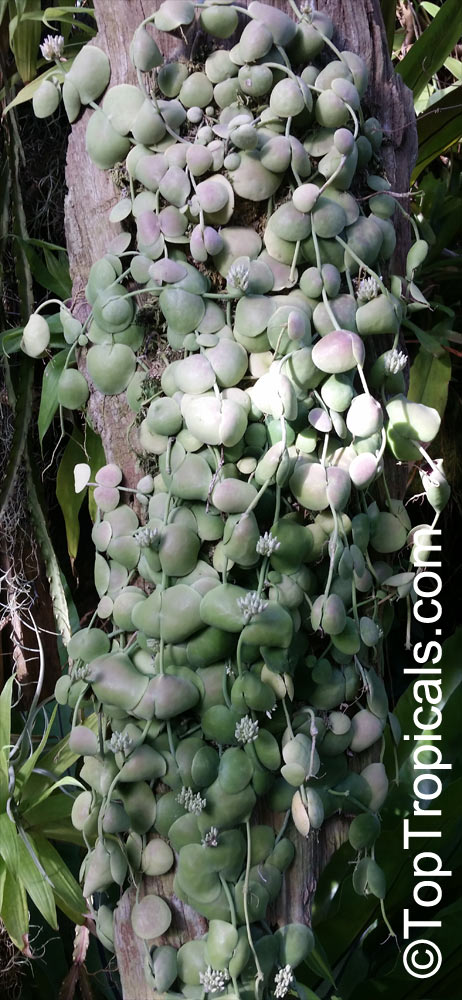
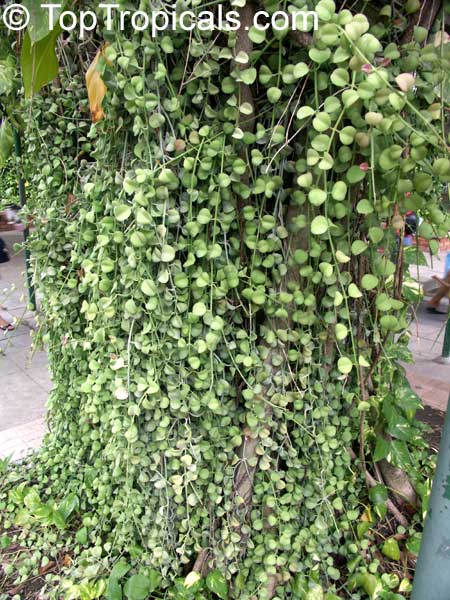
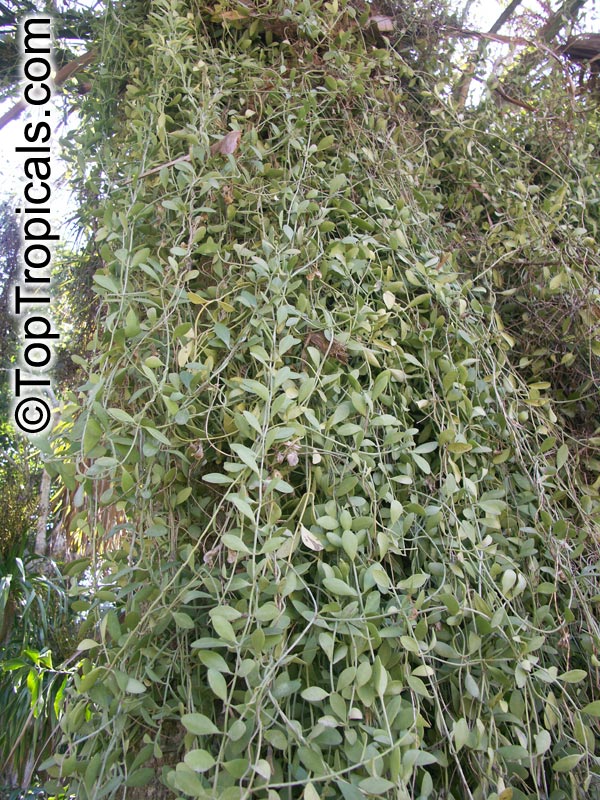
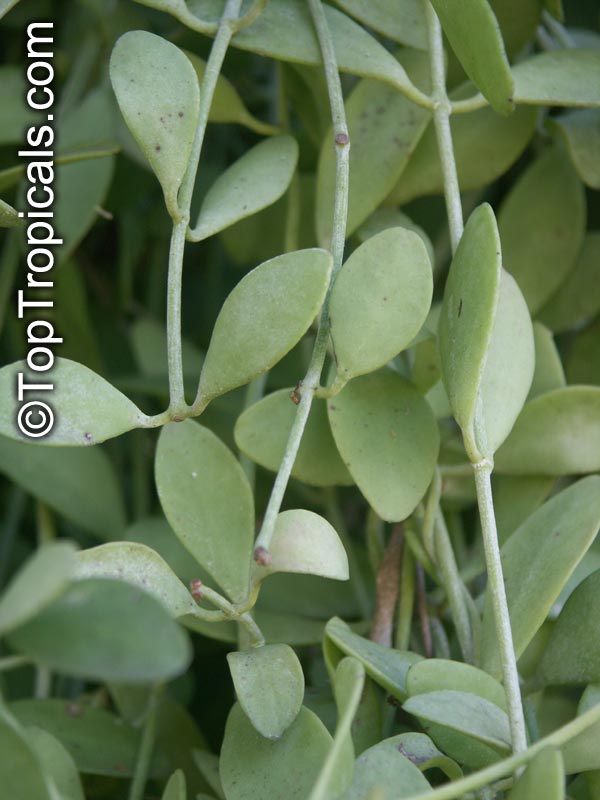
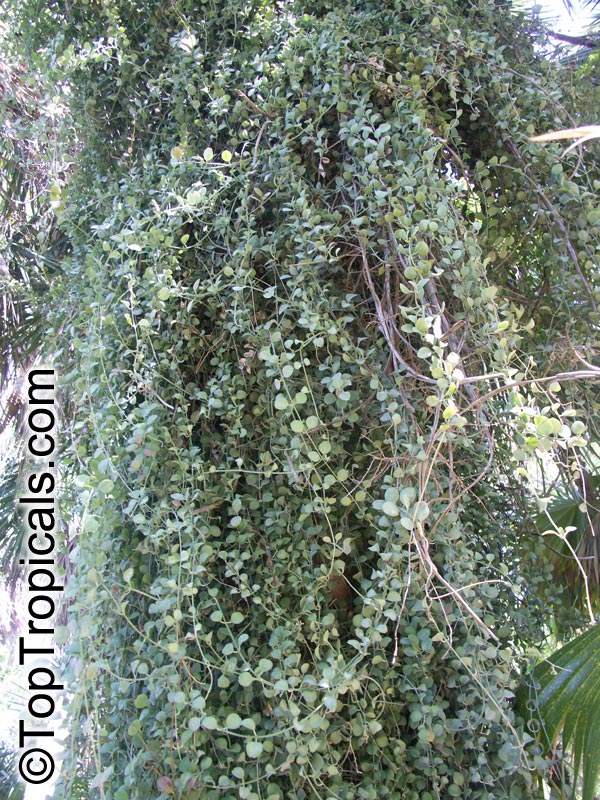
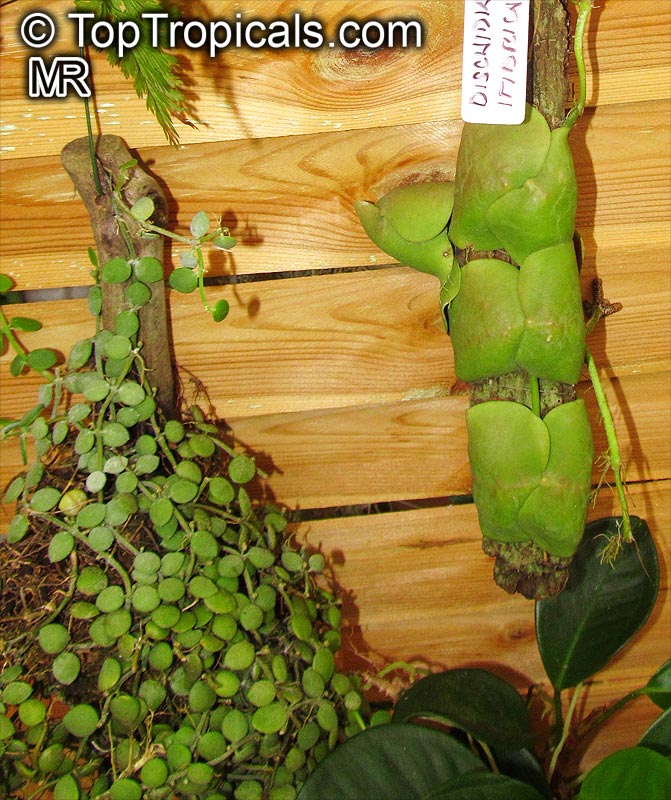
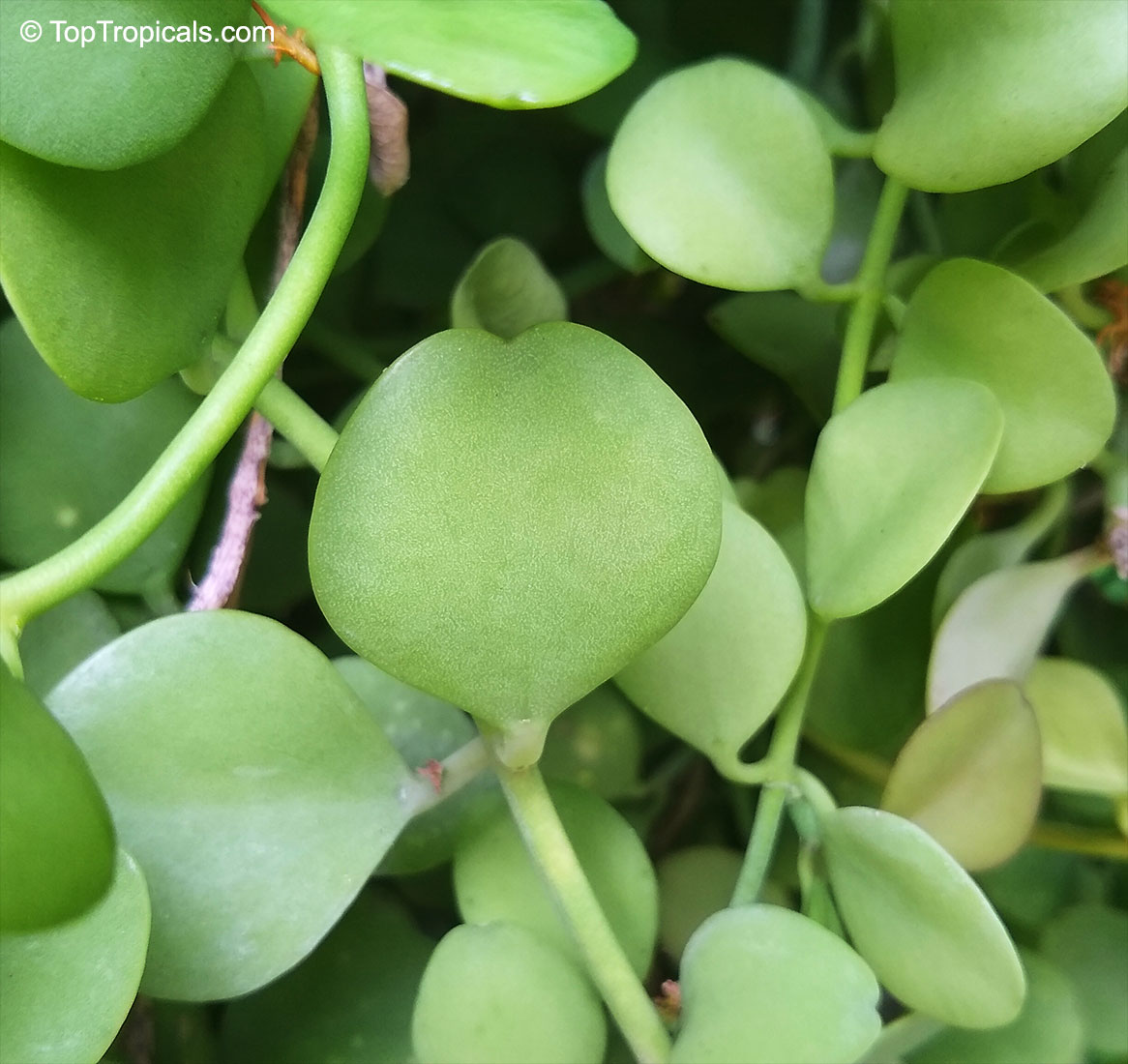
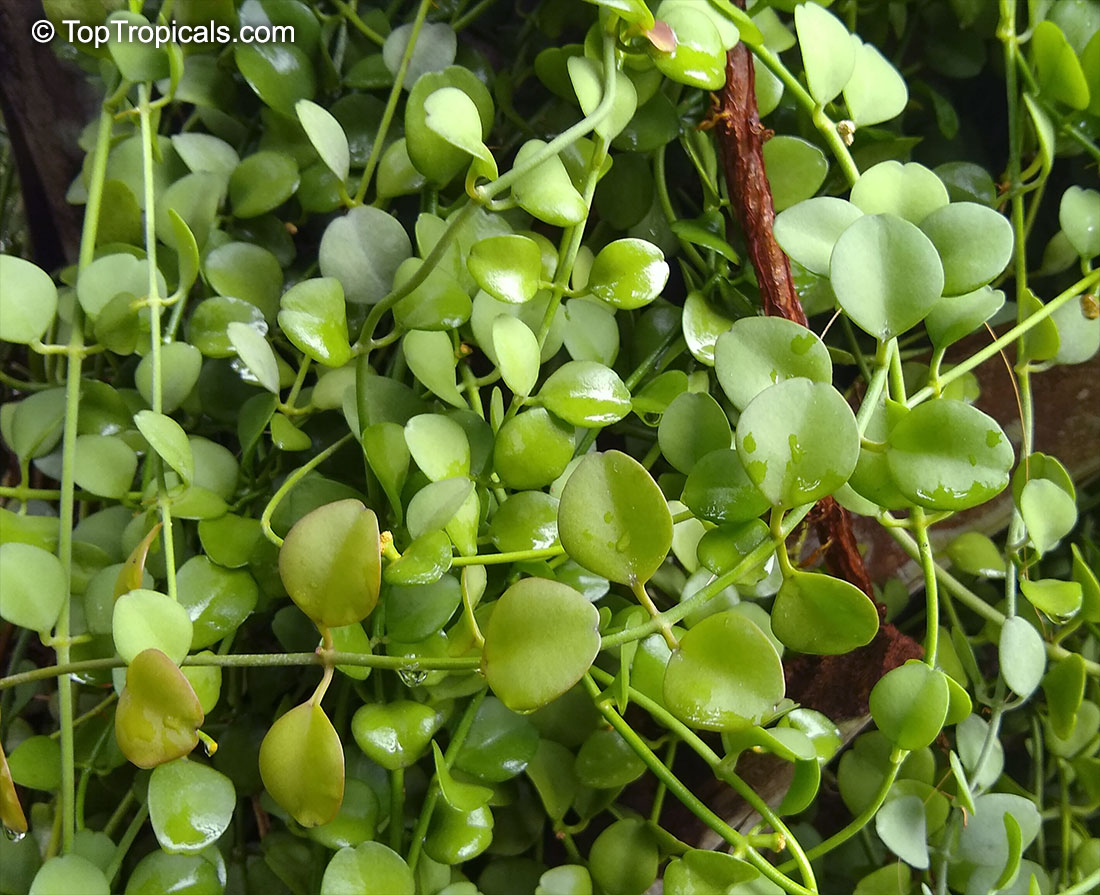
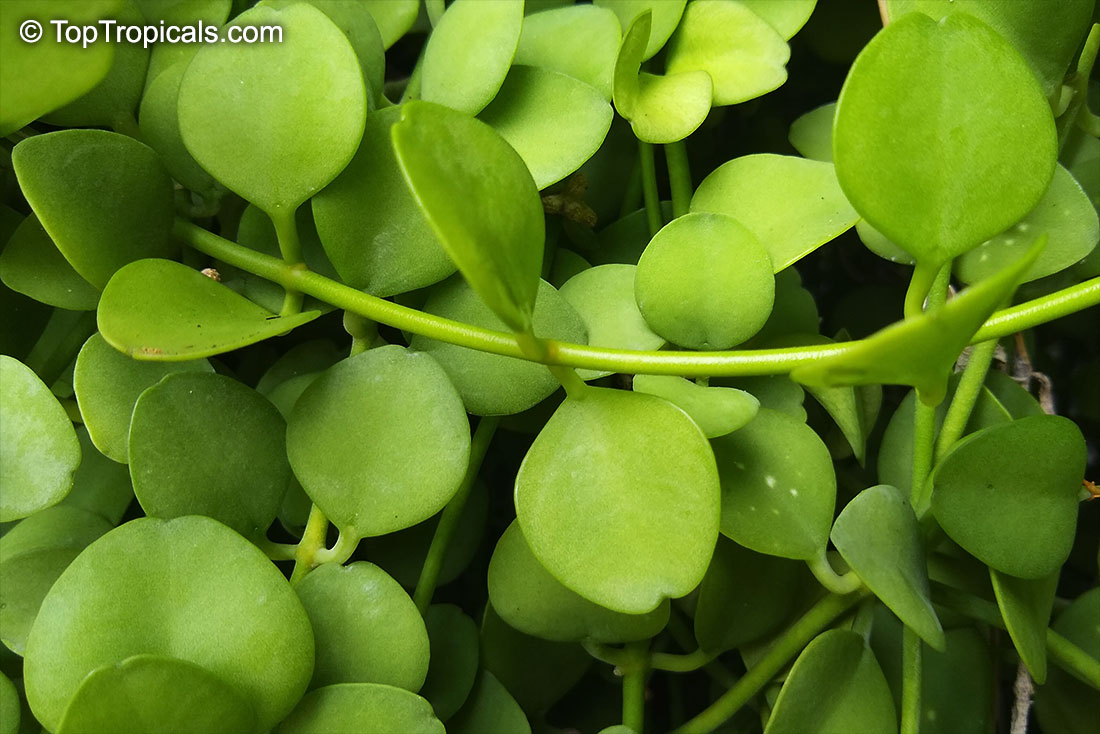
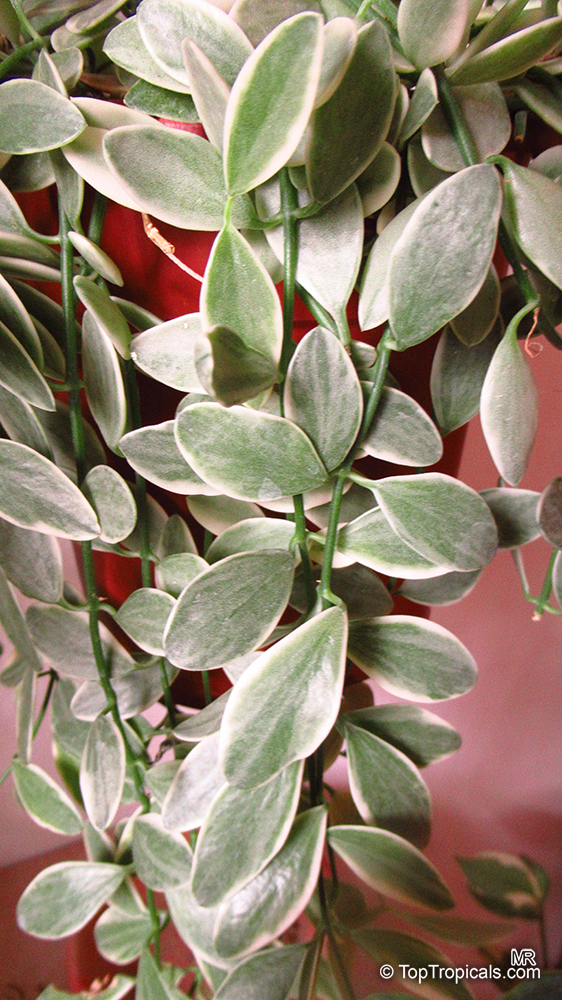
Botanical name: Dischidia sp.
Common name: Thailand blush
Family: Apocynaceae (Formerly:Asclepiadaceae)
Subfamily: Asclepiadoideae


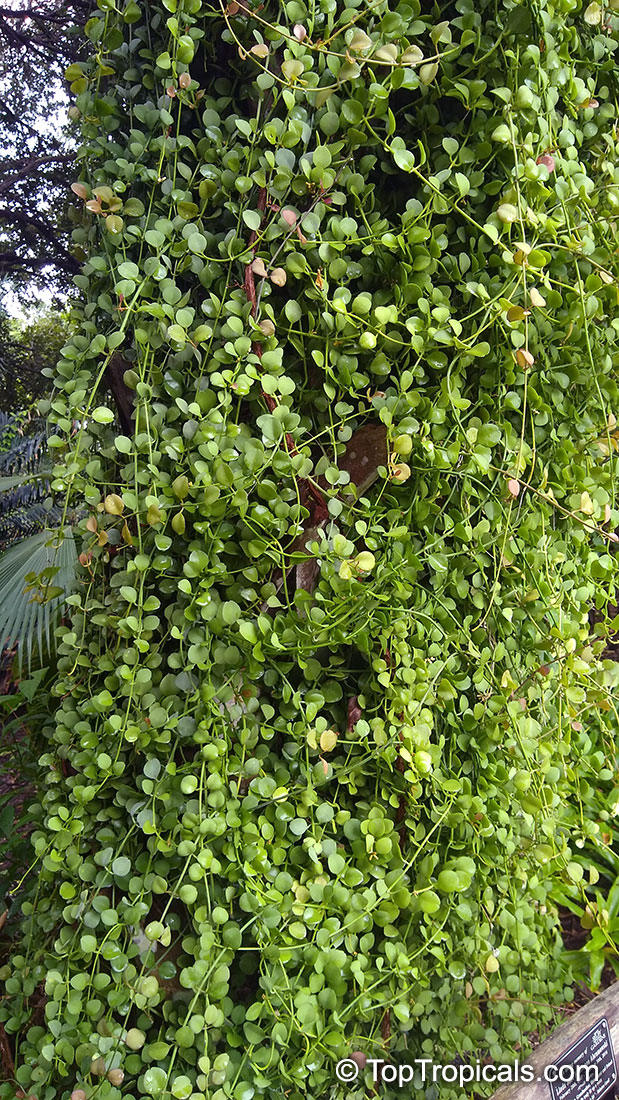
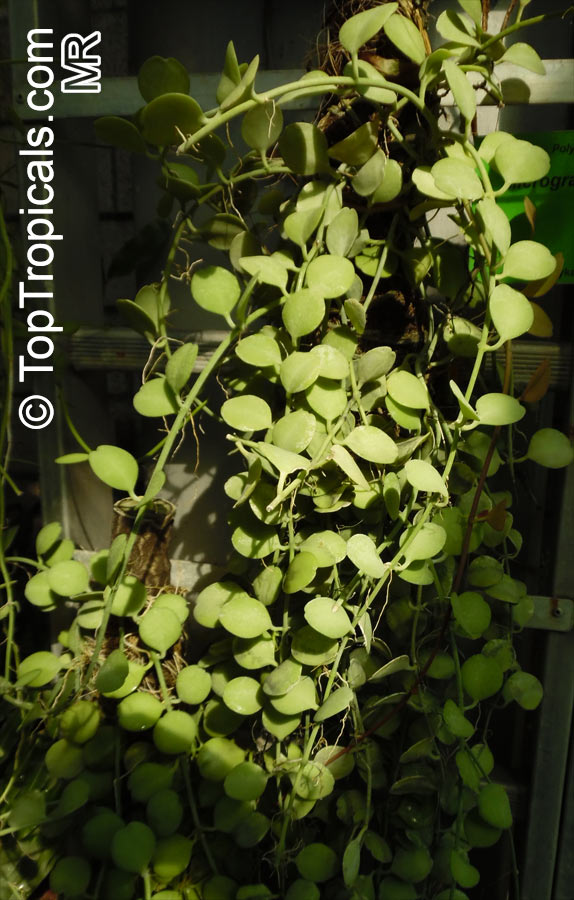
Grows up to 6 ft long, this climbing vine has many thin, twining branches. The leaves are opposite, and some foliage small, greyish-green, and oval. They also have food storage leaves that are larger, and kidney shaped. Keep this species in a heated, moist greenhouse in cool climates as it is a drought, and frost tender plant.It grows in rainforests, and only grows as an epiphyte.

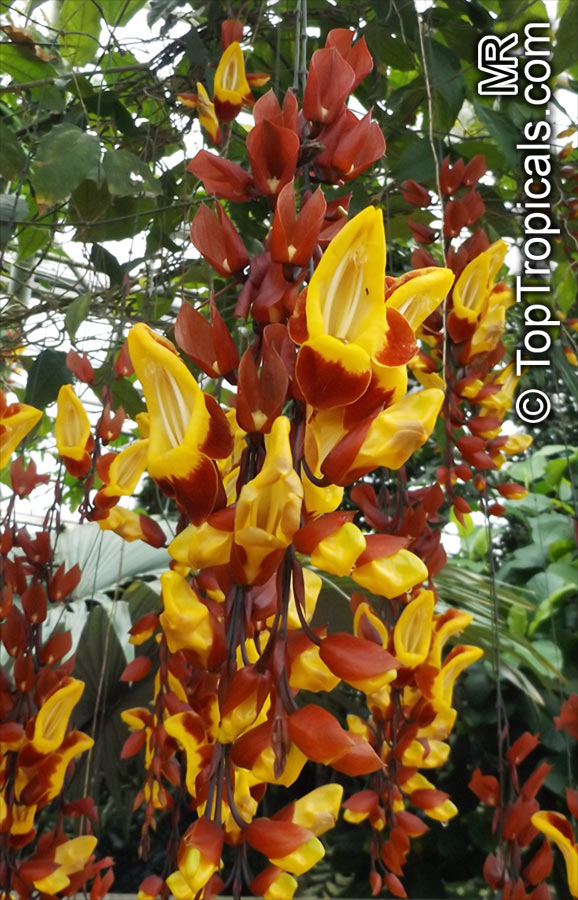
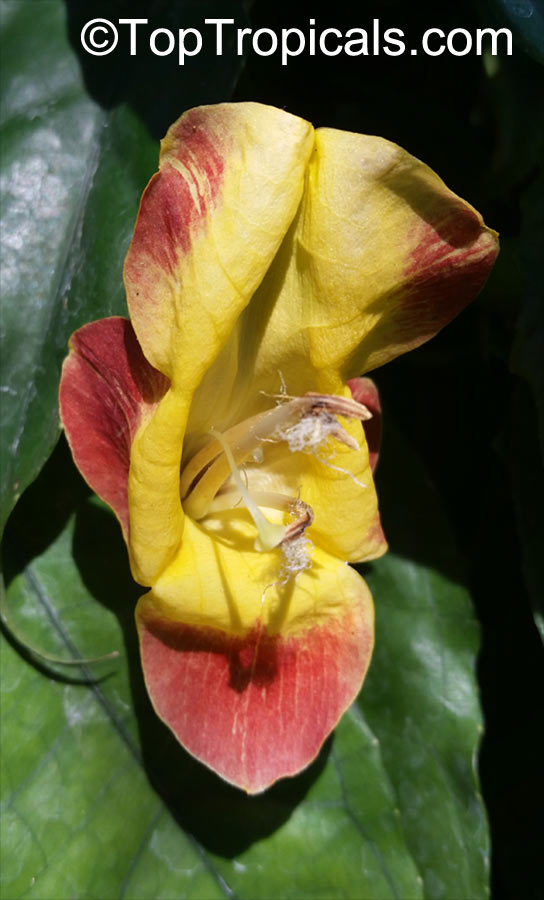
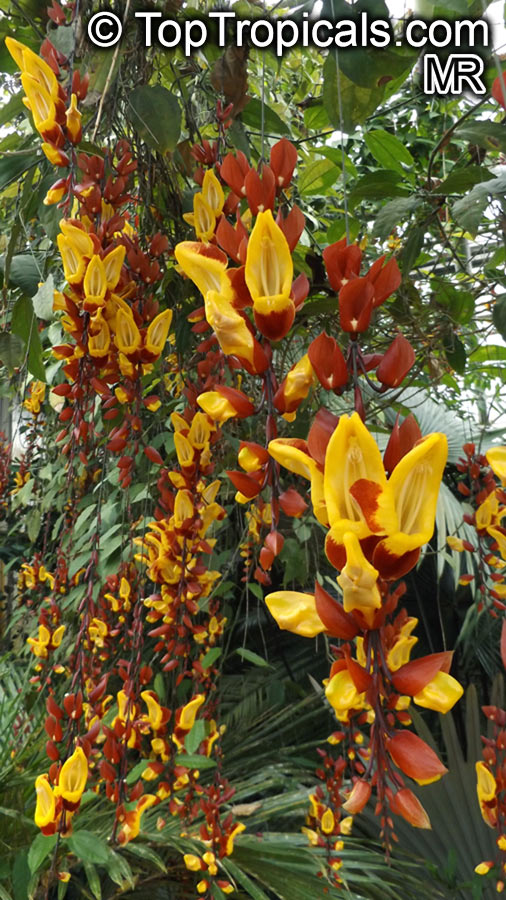
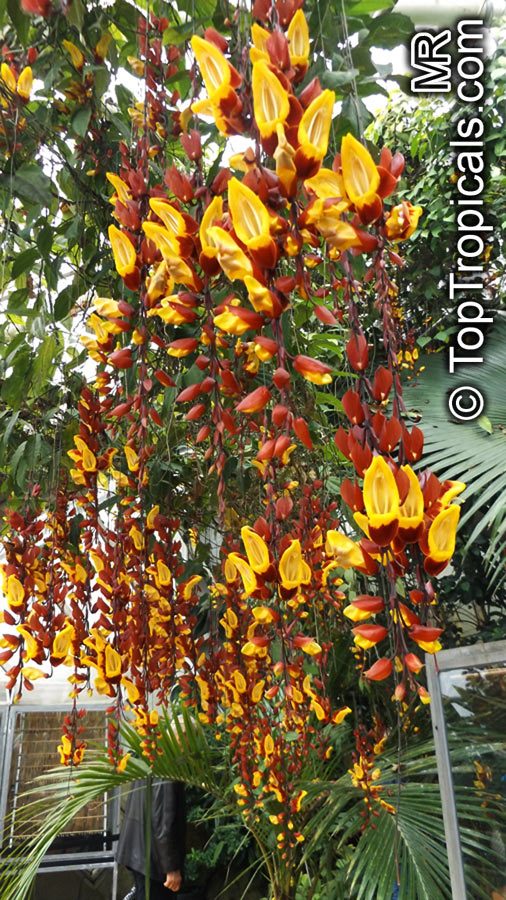
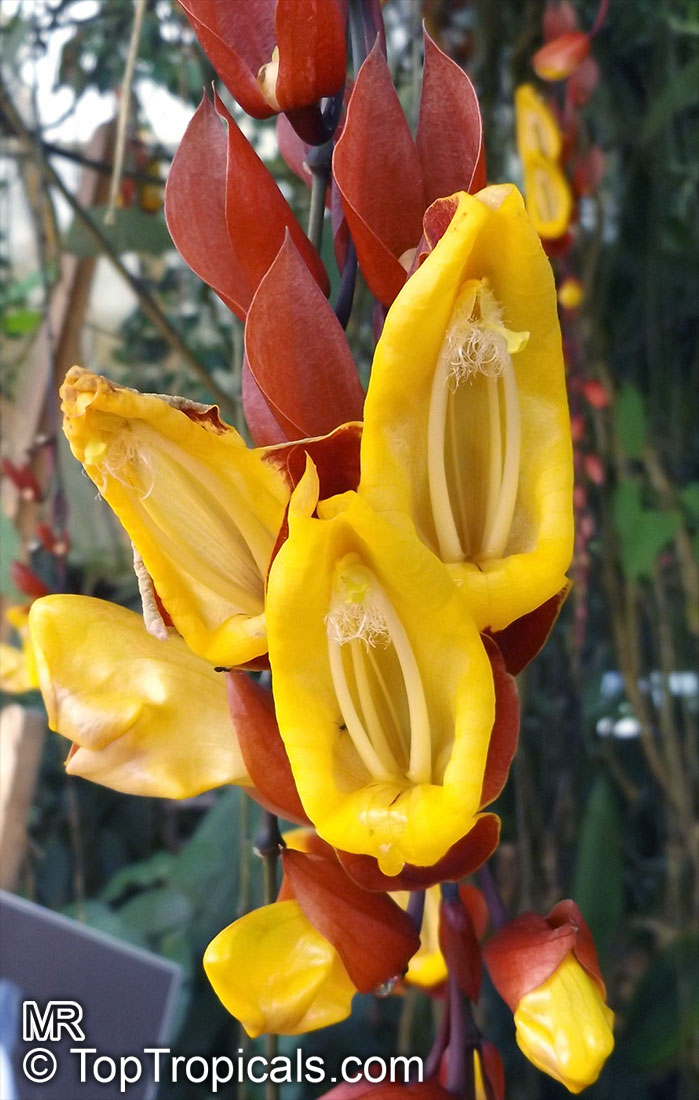
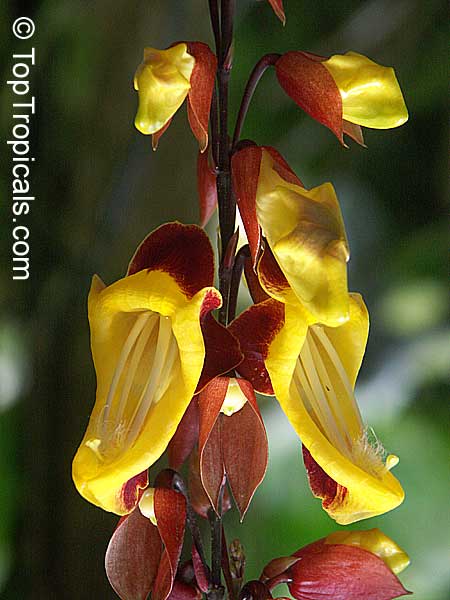
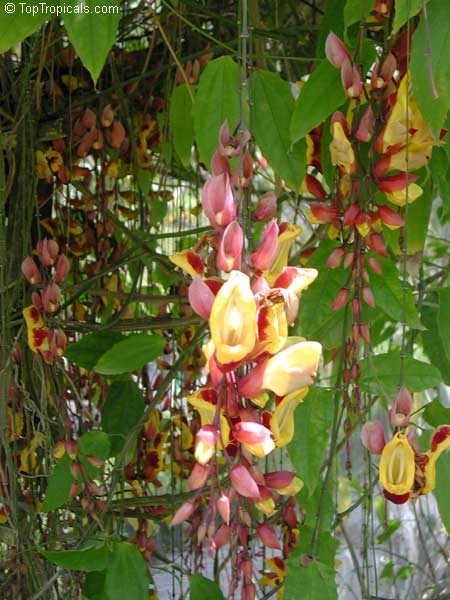
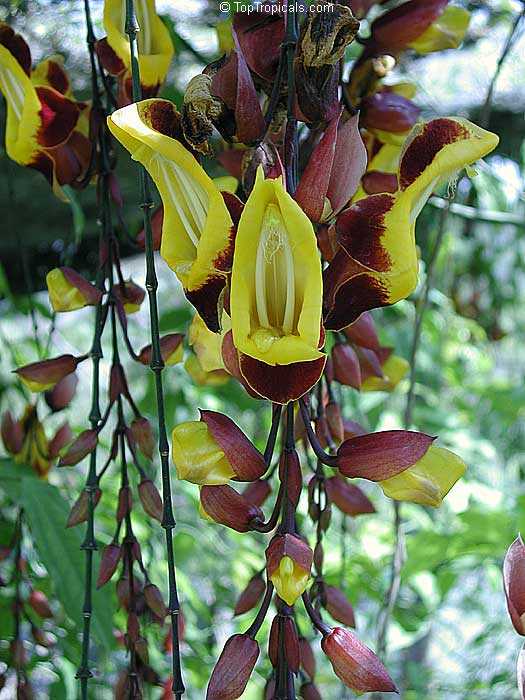
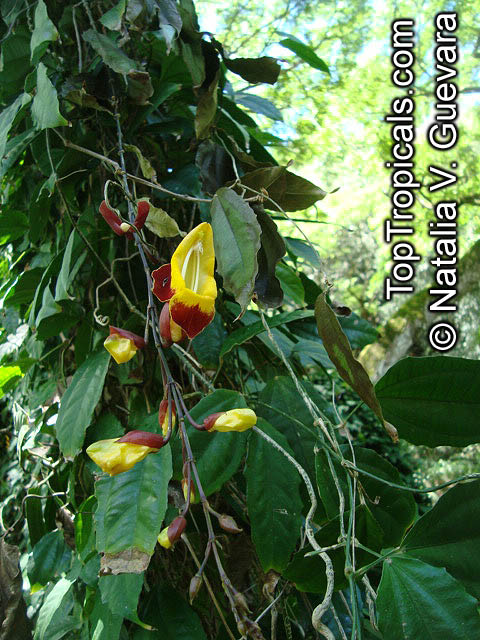
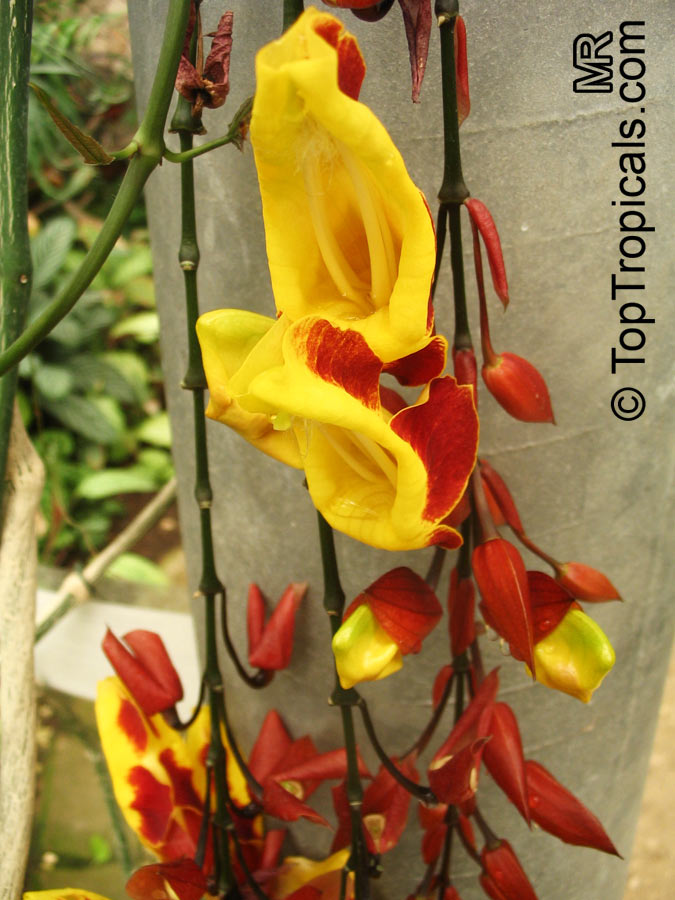
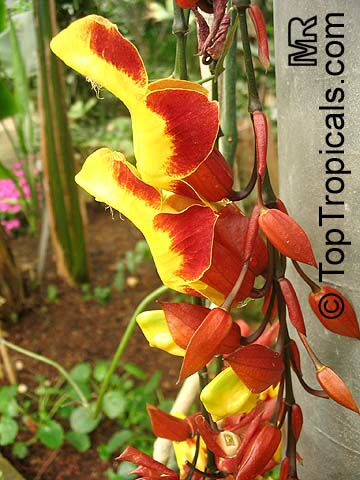
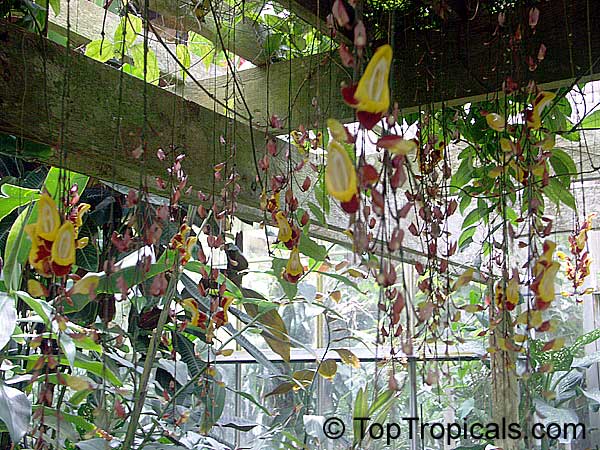
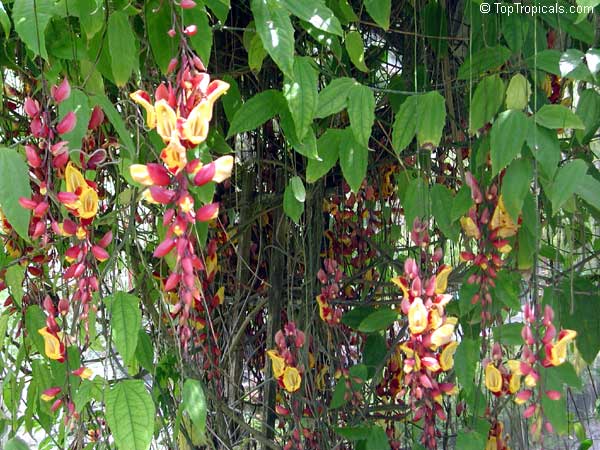
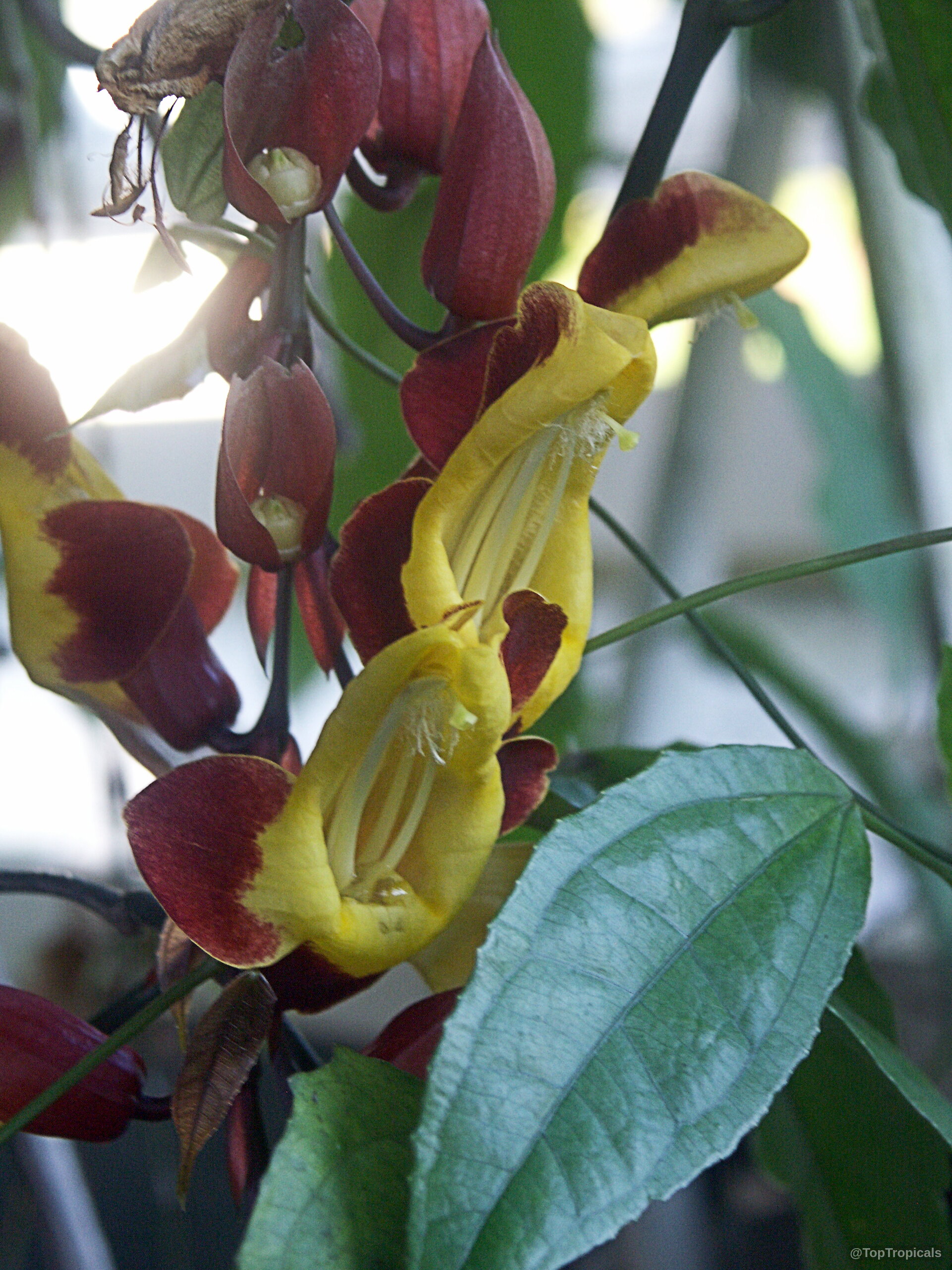
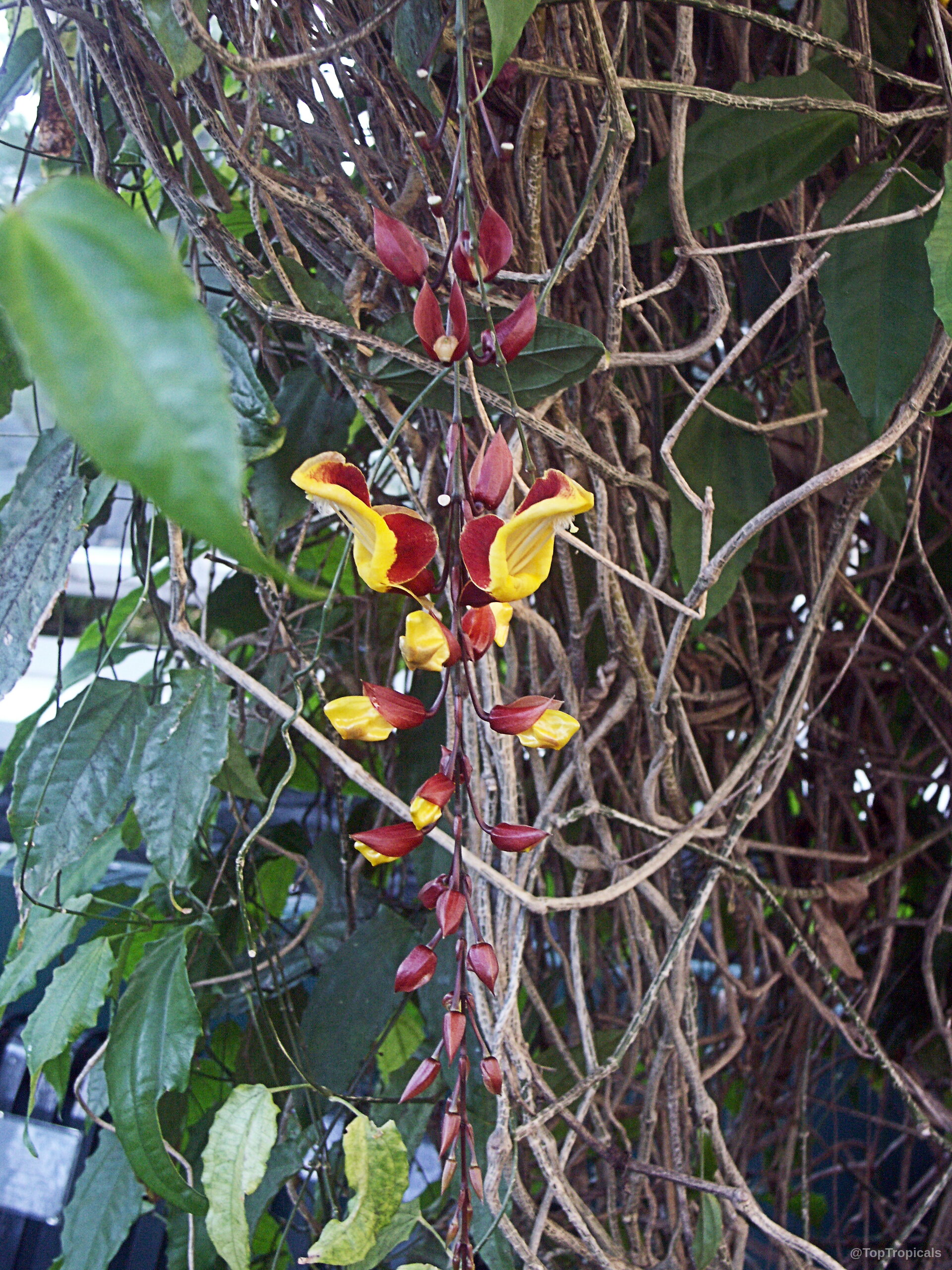
Botanical names: Thunbergia mysorensis, Thunbergia Anderson x Bedd, Hexacentris mysorensis
Common names: Clock Vine, Mysore Trumpetvine
Family: Acanthaceae
Origin: India


A stunning vine originating from India, one of the most popular species, but hard to find. The bright yellow flowers of unusual shape are hanging from the vine in clusters that can cover a large trellis or pagoda.
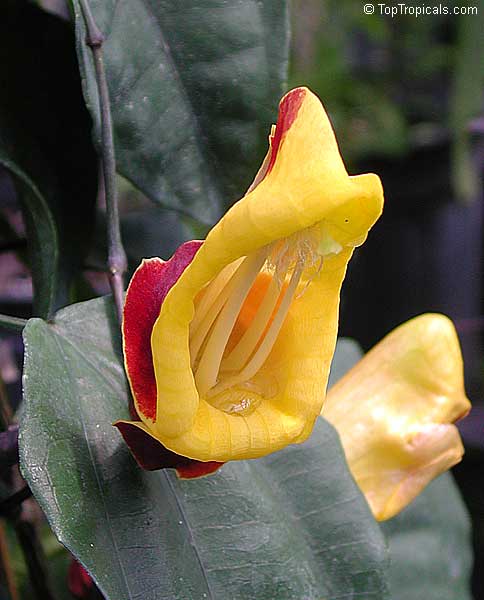
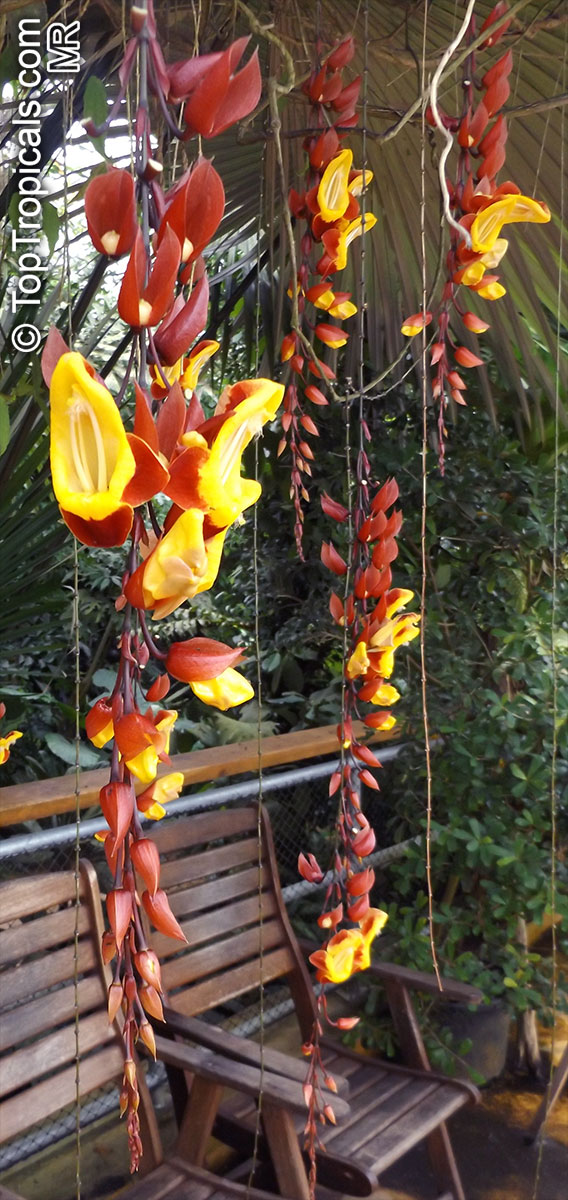
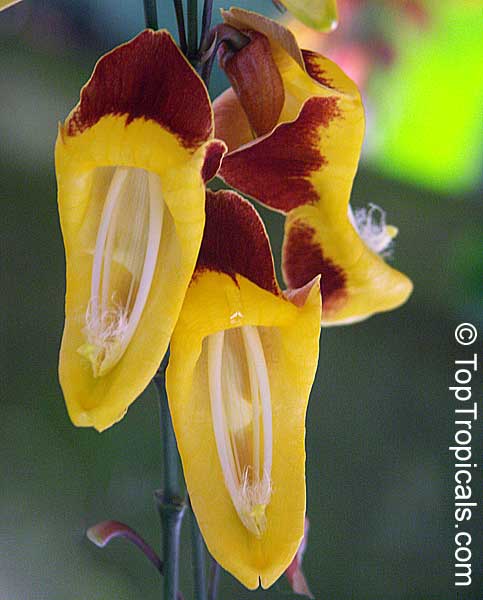
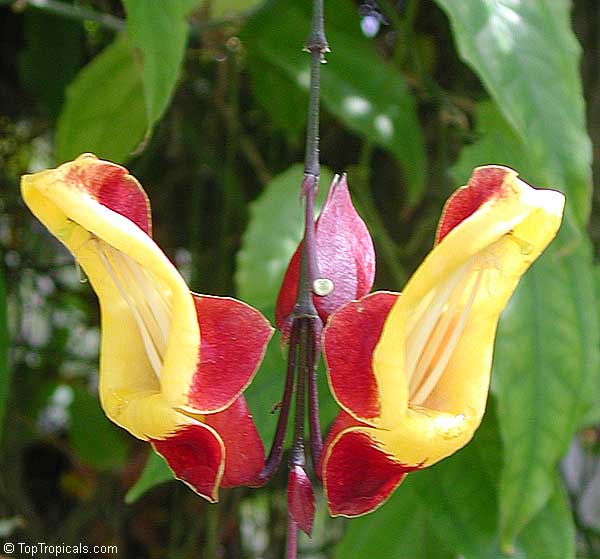


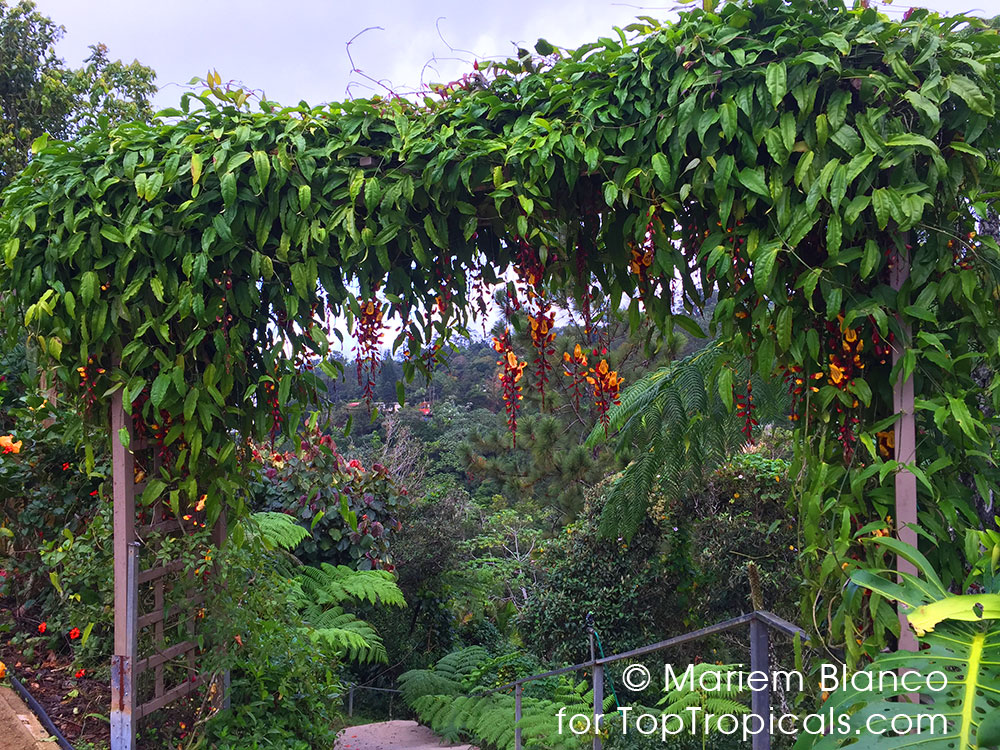
THIS PLANT DOES NOT SHIP WELL. PICK UP ONLY. You may contact us for shipping, it can be shipped at your own risk.
Recommended Fertilizer: SUNSHINE Megaflor - Bloom Nutrition Booster
Local pickup only. This item is not available for shipping. Local delivery may be available in Ft. Myers or Sebring, Florida. Contact us for an estimate. Non-pickup orders are subject to restocking fees.
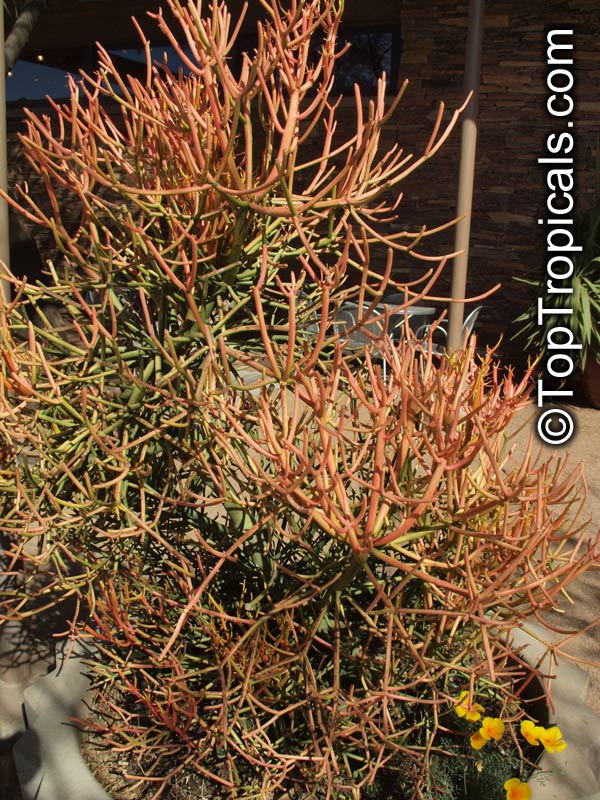
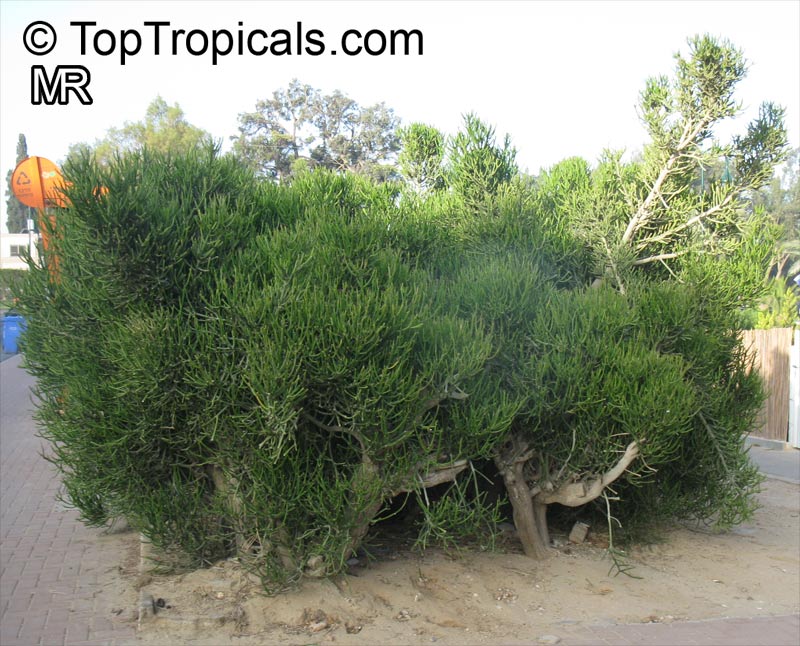
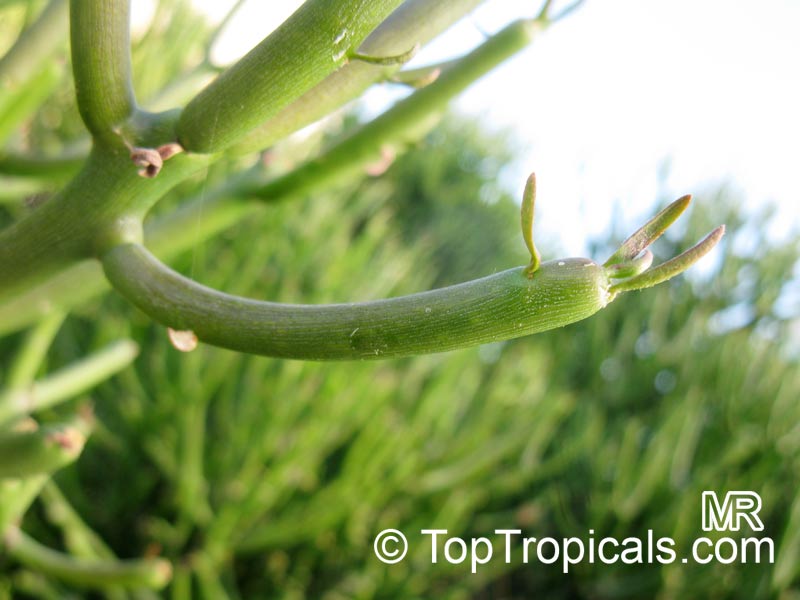
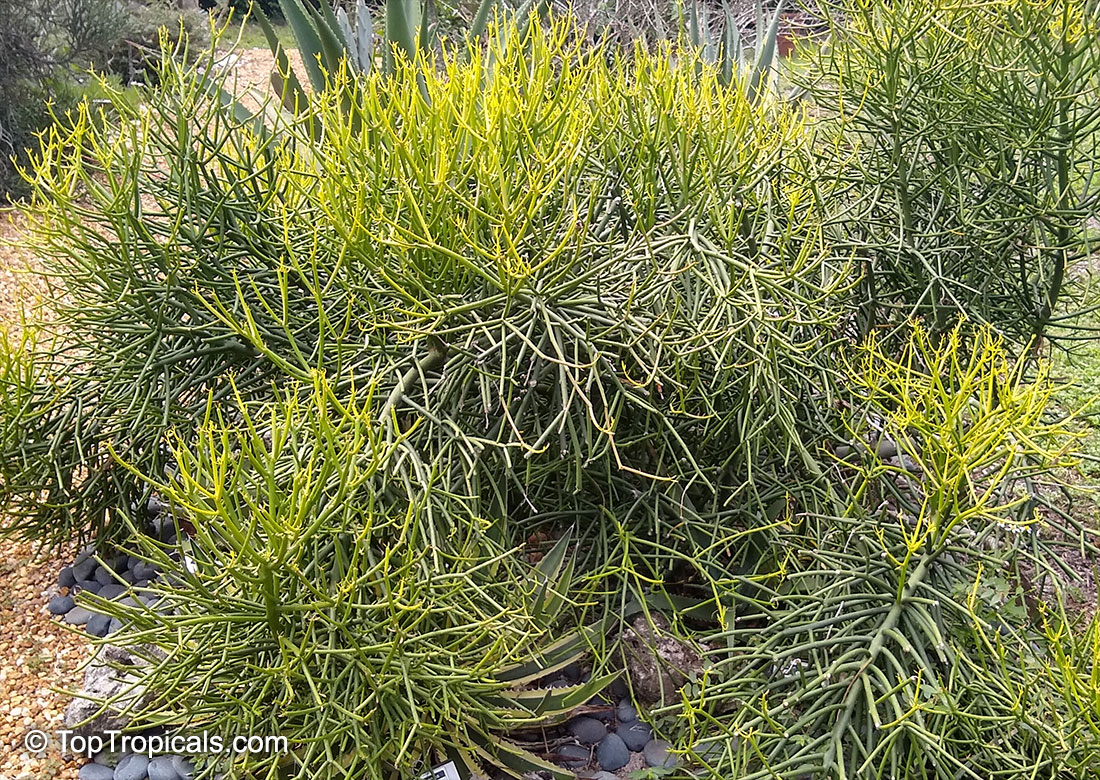
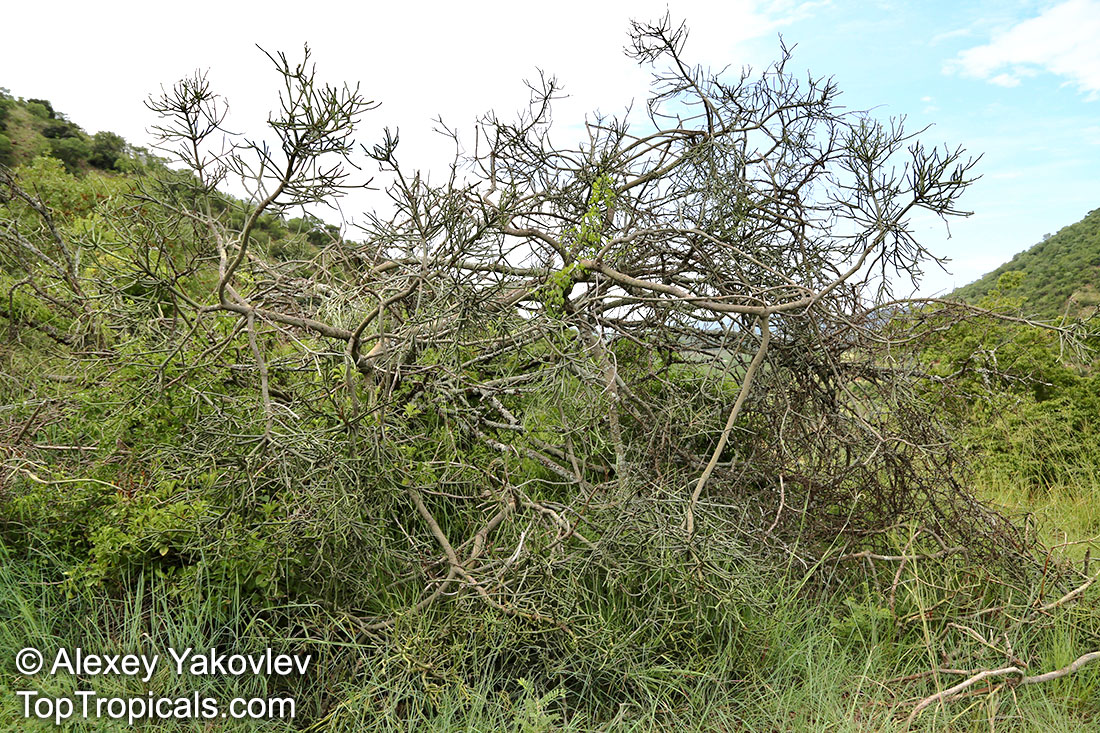
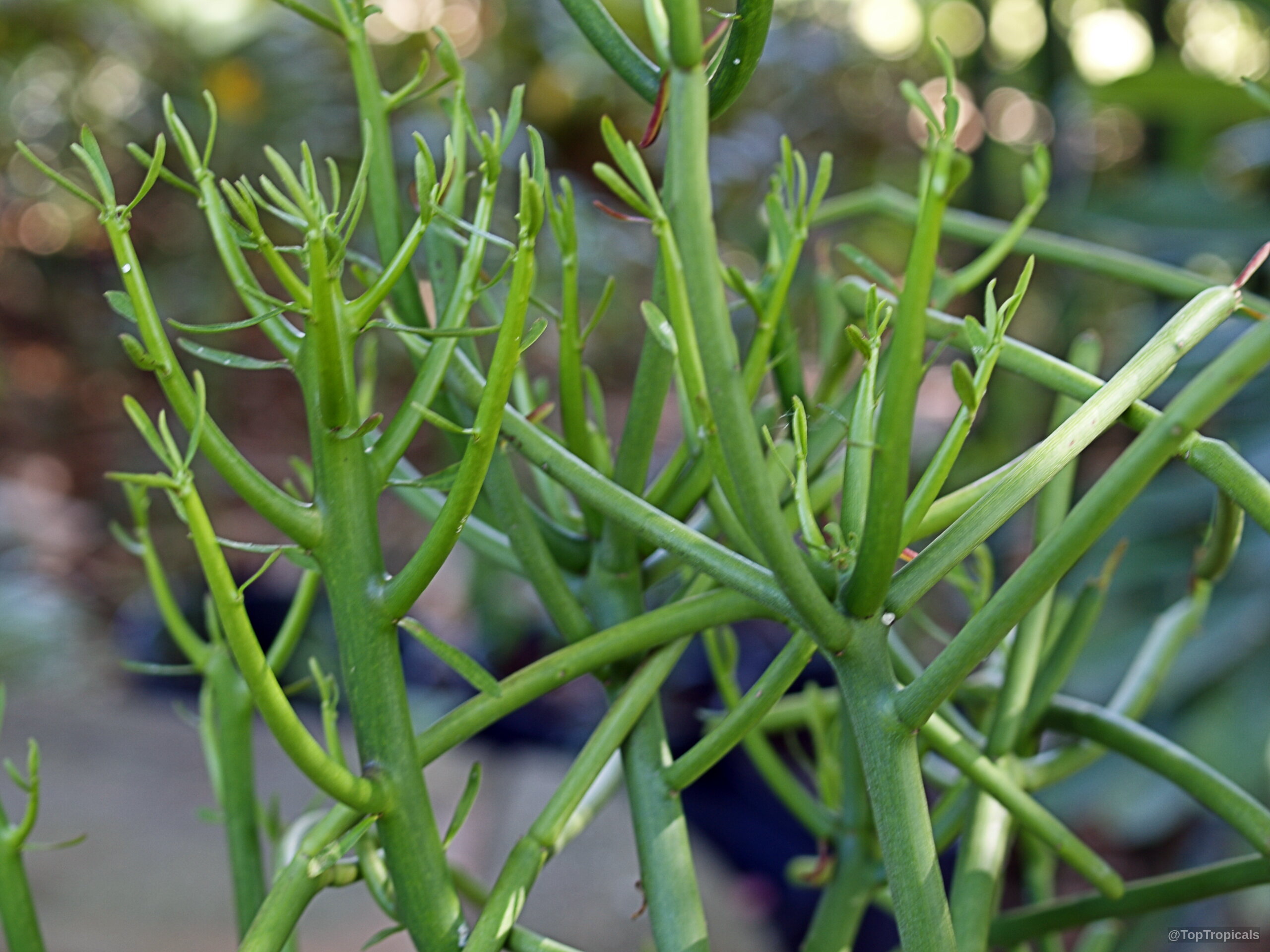
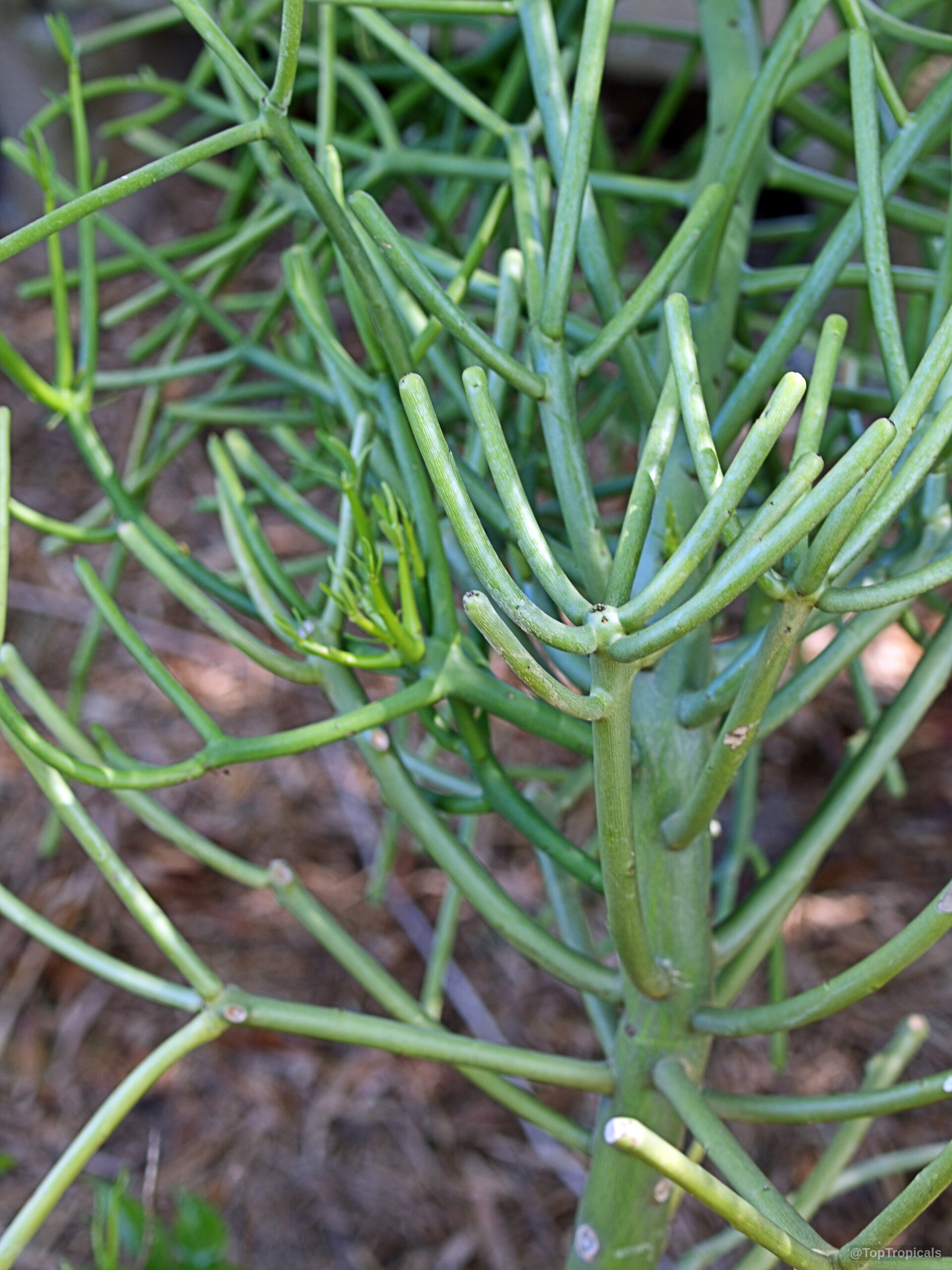
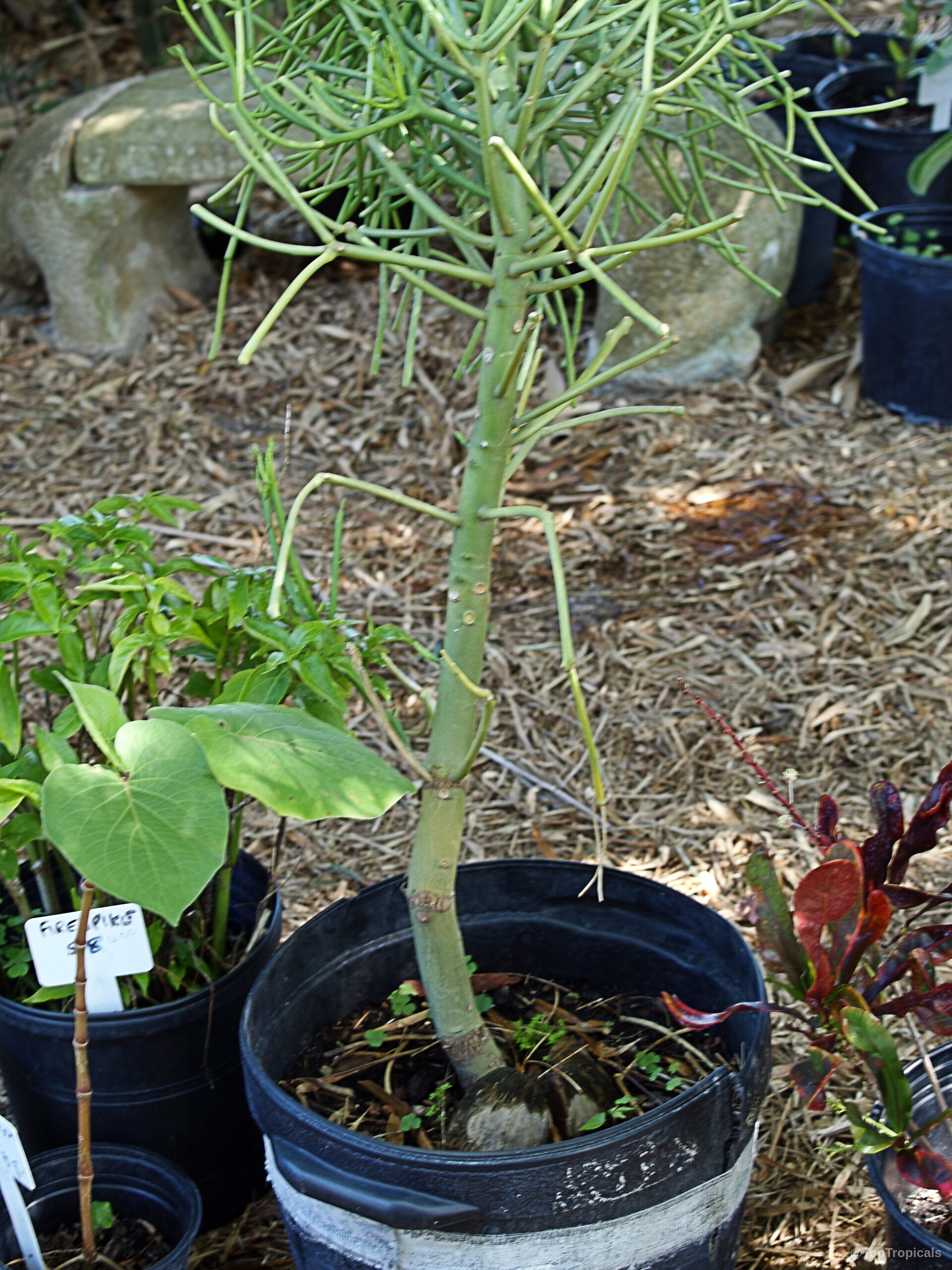
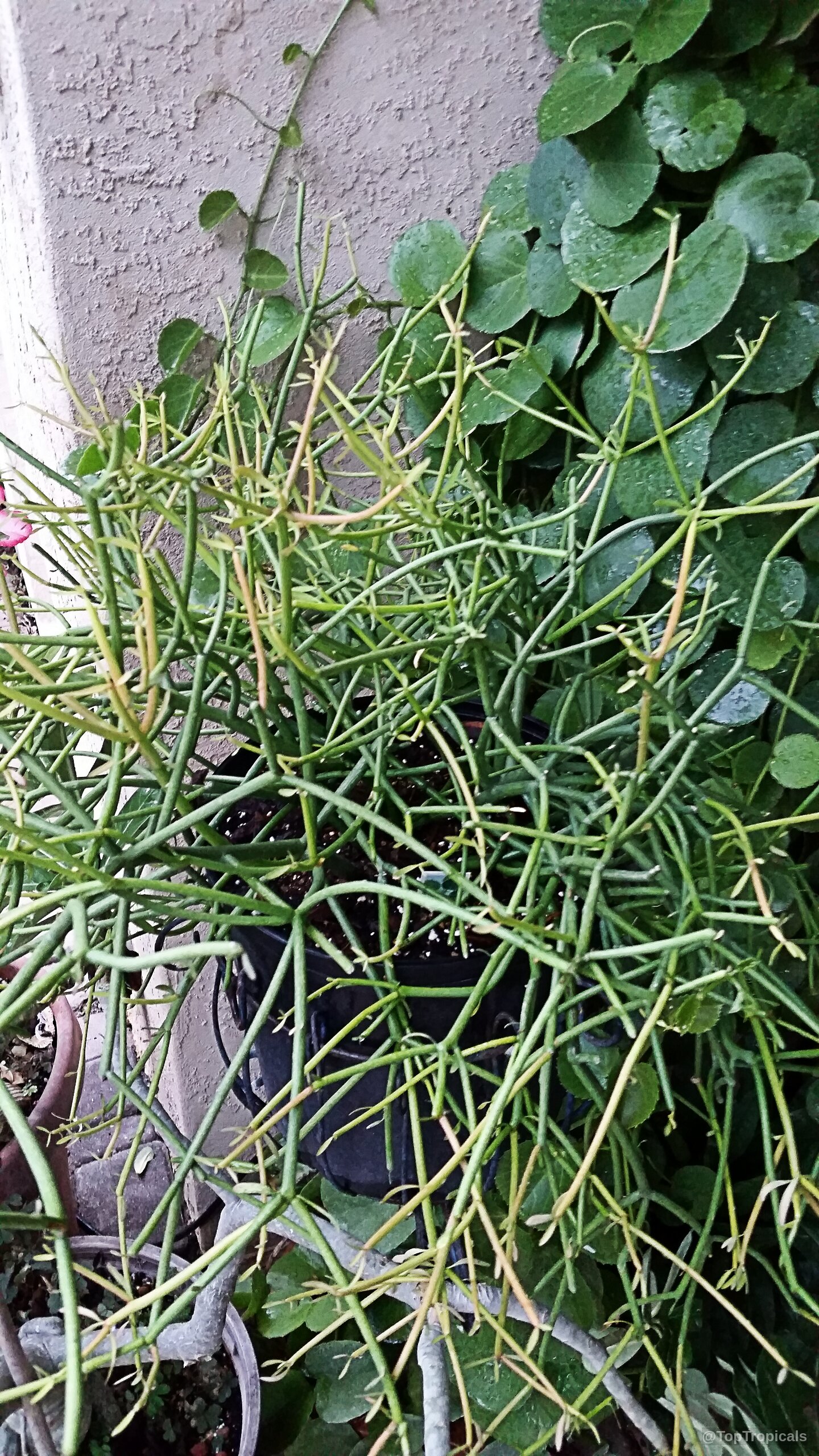
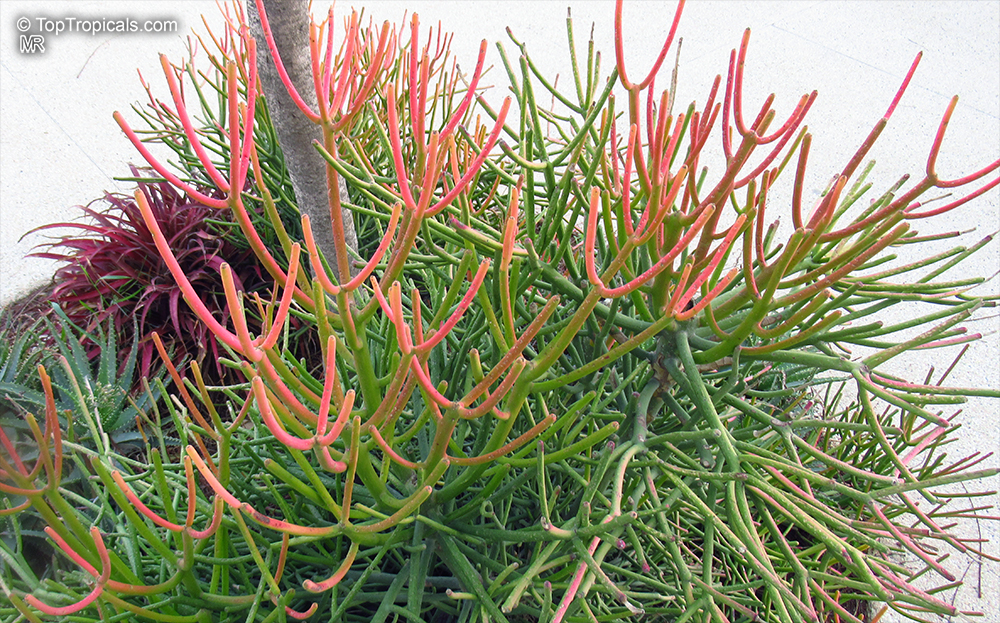
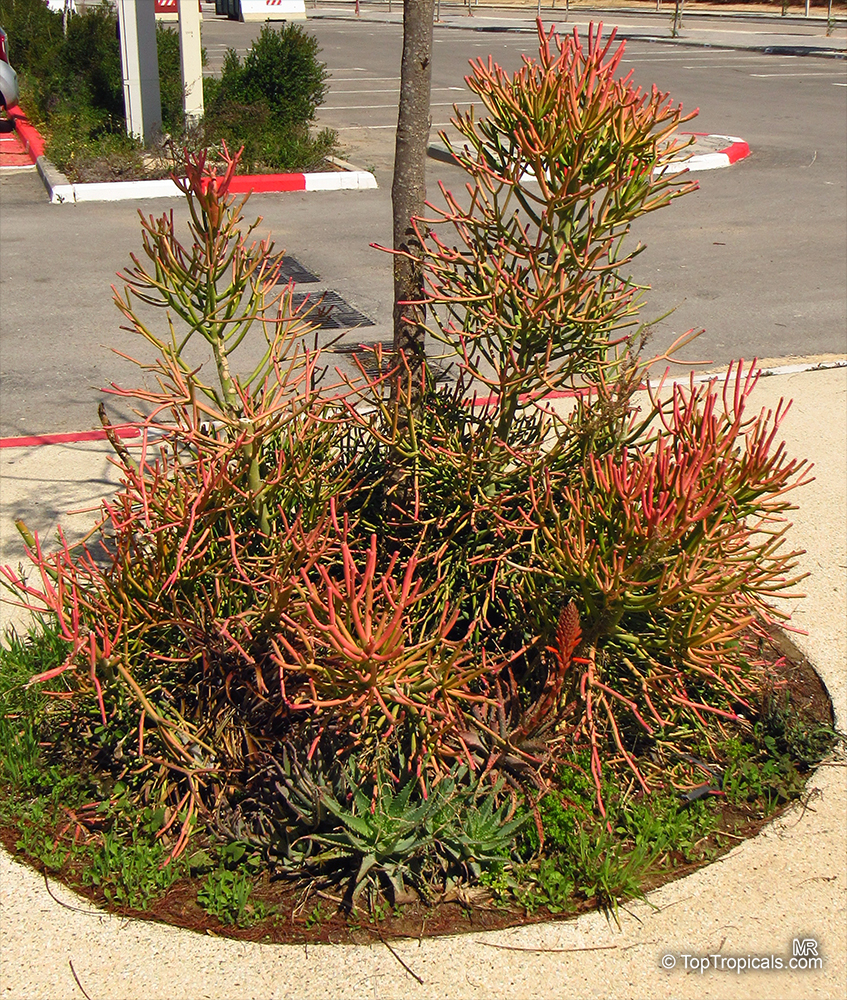
Botanical name: Euphorbia tirucalli
Common names: Pencil Bush, Milk-bush, Pencil Tree, Fire Fingers
Family: Euphorbiaceae
Origin: Swaziland


Euphorbia tirucalli (Pencil Bush) is native to tropical Africa and ranges from Swaziland to Zambia and towards Nigeria in the west. It is an evergreen, drought-resistant perennial, with a variety of forms and sizes. It can grow as a large shrub, 5 to 10 feet tall, or as a small tree, 10 to 20 feet tall. For successful growth, it needs full sun with moderate water requirements.
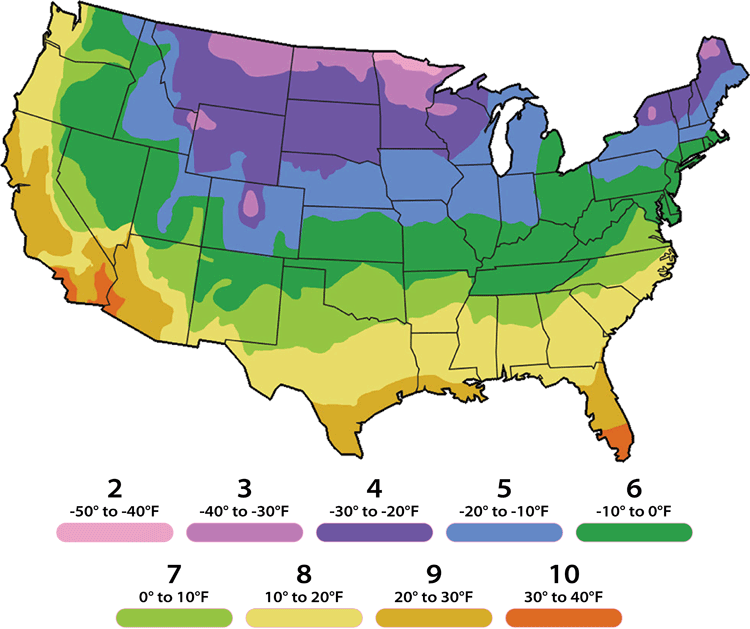
Euphorbia tirucalli is a mature plant, cold hardy to at least 30 degrees Fahrenheit for a short time. USDA Zone 9-11 allows for the growth of this plant.
In regions with cooler climates, growing Euphorbia tirucalli in a pot can be a good choice. Adding a layer of gravel to the bottom of the pot helps to improve drainage and prevent overwatering for a healthy, thriving succulent. The pot should receive direct sunlight for a few hours every day.
Pruning is rarely required as it is naturally branchless. Also, one should exercise caution when pruning as the sap can cause skin irritation. An annual application of fertilizer should suffice to maintain the plant health.
Euphorbia tirucalli is a beautiful and low maintenance plant that is easy to grow and makes a great addition to any garden. With appropriate growing conditions and care, these succulents can thrive and be enjoyed for many years. The plant should be handled with care as the sap from its leaves irritates eyes and skin.
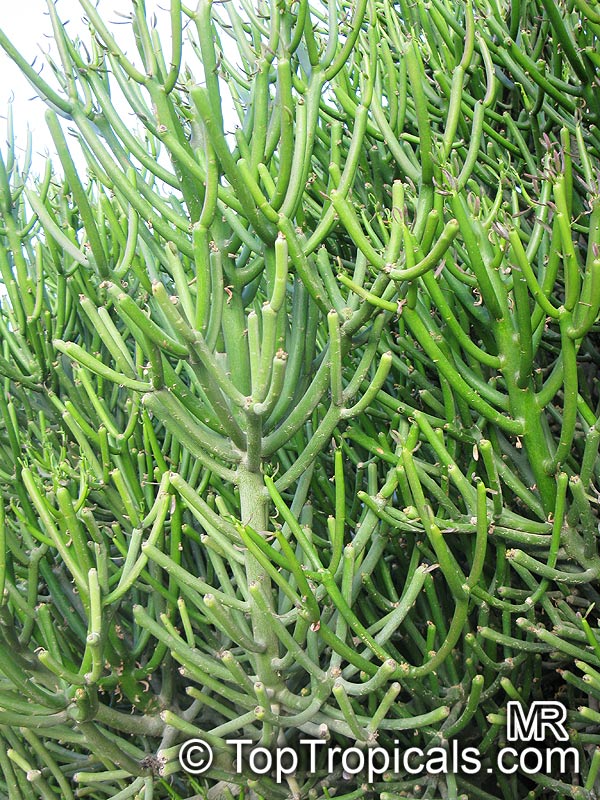
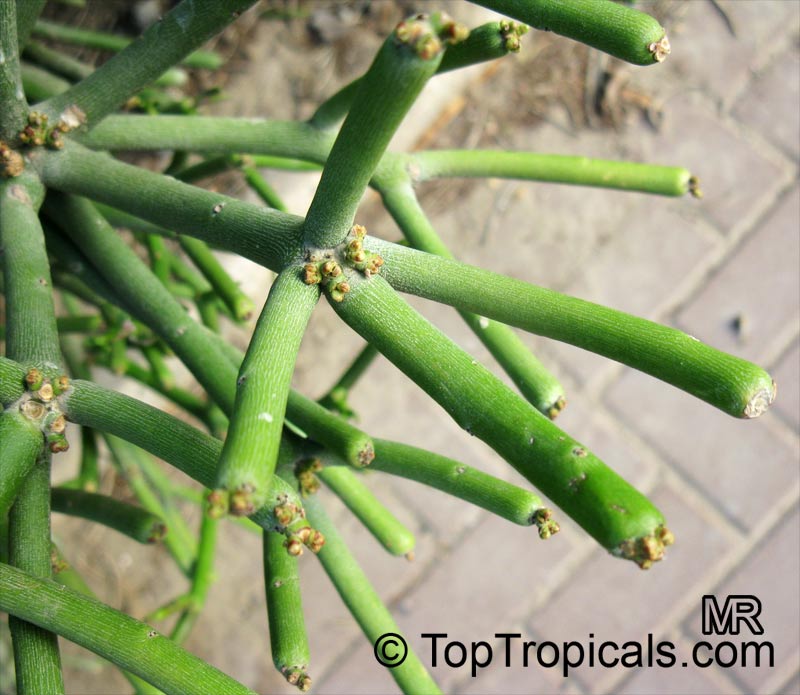


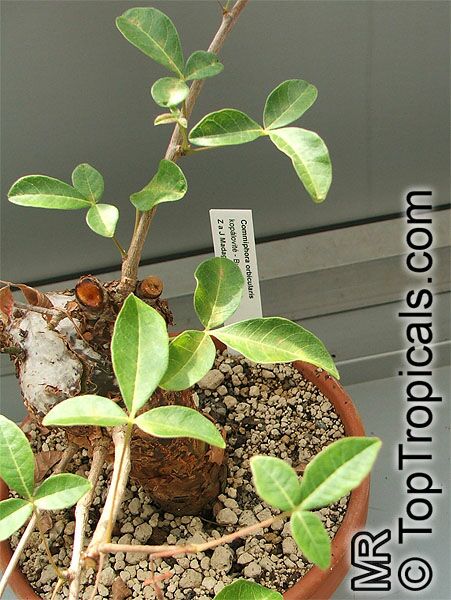
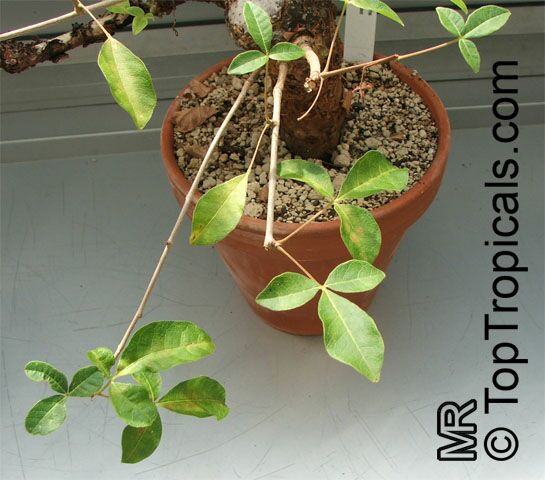
Botanical name: Commiphora orbicularis
Common name: Commiphora
Family: Burseraceae
Origin: Madagascar

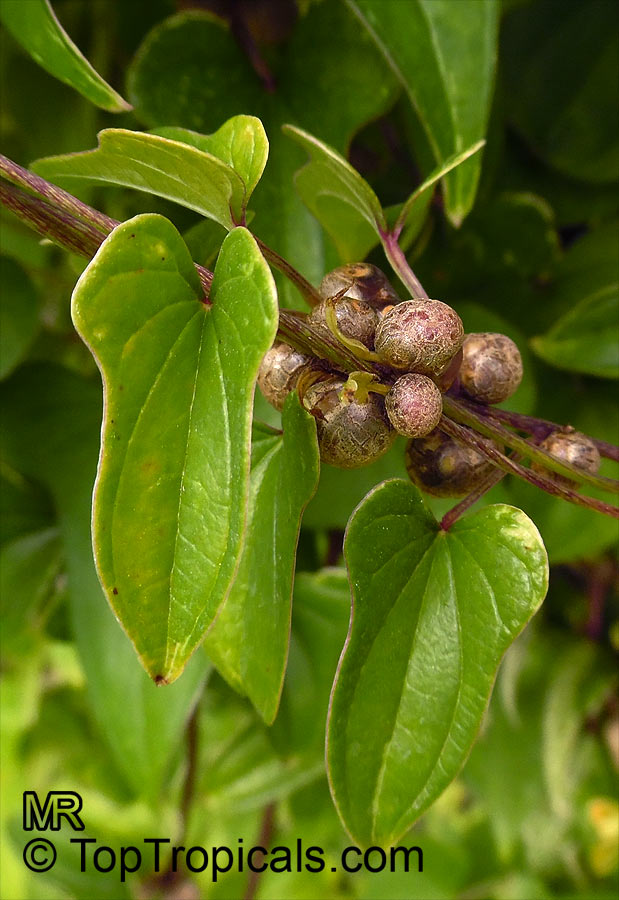
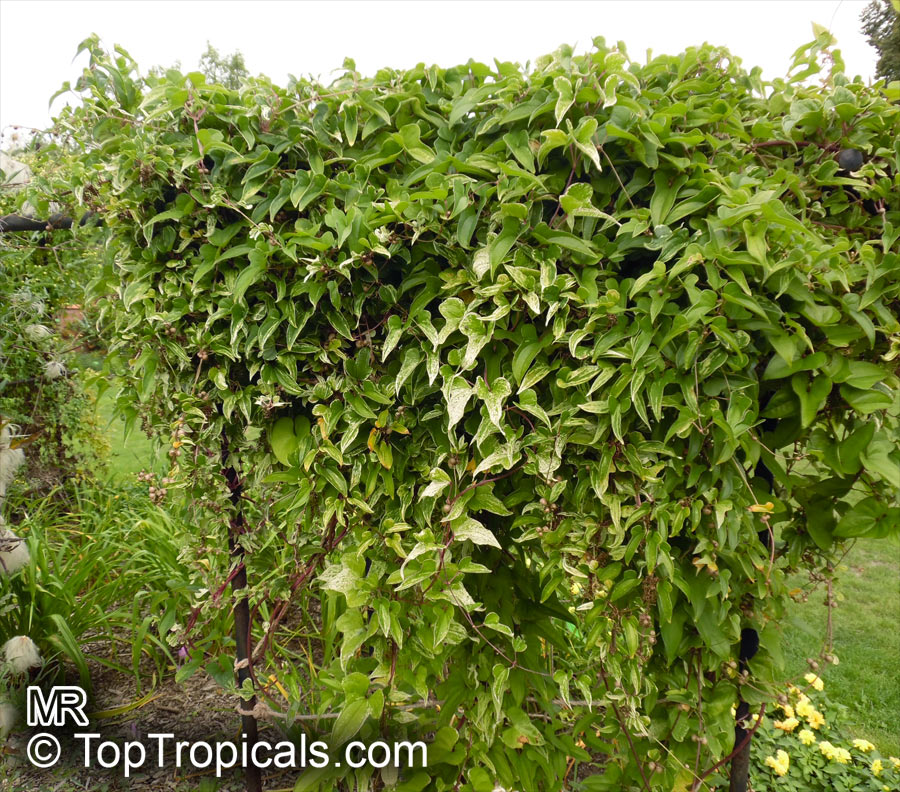
Botanical names: Dioscorea polystachya, Dioscorea batatas
Common names: Chinese Yam, Cinnamon-vine
Family: Dioscoreaceae
Origin: Eastern Asia


The flowers of Dioscorea polystachya will appear between early July and early September and positively announce the bearing of edible fruit.
Dioscorea polystachya, commonly known as the Chinese Yam, is a perennial vine native to Eastern Asia. It is grown in USDA Zones 9-11 and is considered a vigorous vine, since it can grow up to 20 ft long, with burgundy colored stems and yellow-orange flowers with a sweet and pleasant scent.
It can tolerate full sun, but it needs regular watering. It is also tolerant of moderate amounts of water so does not need to be watered more than once a week.
The Bulbils of the Chinese Yam are also edible. They are an important food source in China and have been documented in Ethnomedical traditions. The fruit of the Chinese Yam is edible and can be eaten raw or cooked, and is known for its many health benefits including reducing inflammation, reducing blood sugar levels, aid digestion, and nourish the lungs and spleen.
The Chinese Yam can produce a large amount of fruit in each season, making it quite a valuable crop. Each season it can produce dozens of fruits ranging in size and shape, which can be harvested when they reach full maturity.
In cold regions where the temperature drops below 30°F, growing the Chinese Yam in a pot may be a better option. In this context, it is essential to have well-draining soil and to water the plant regularly.
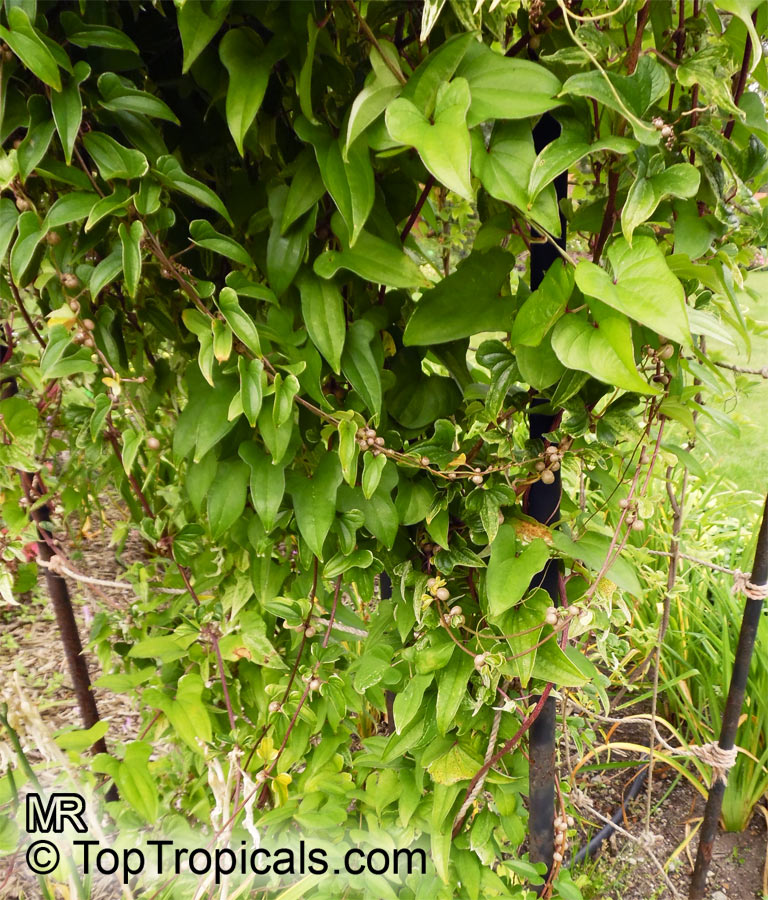
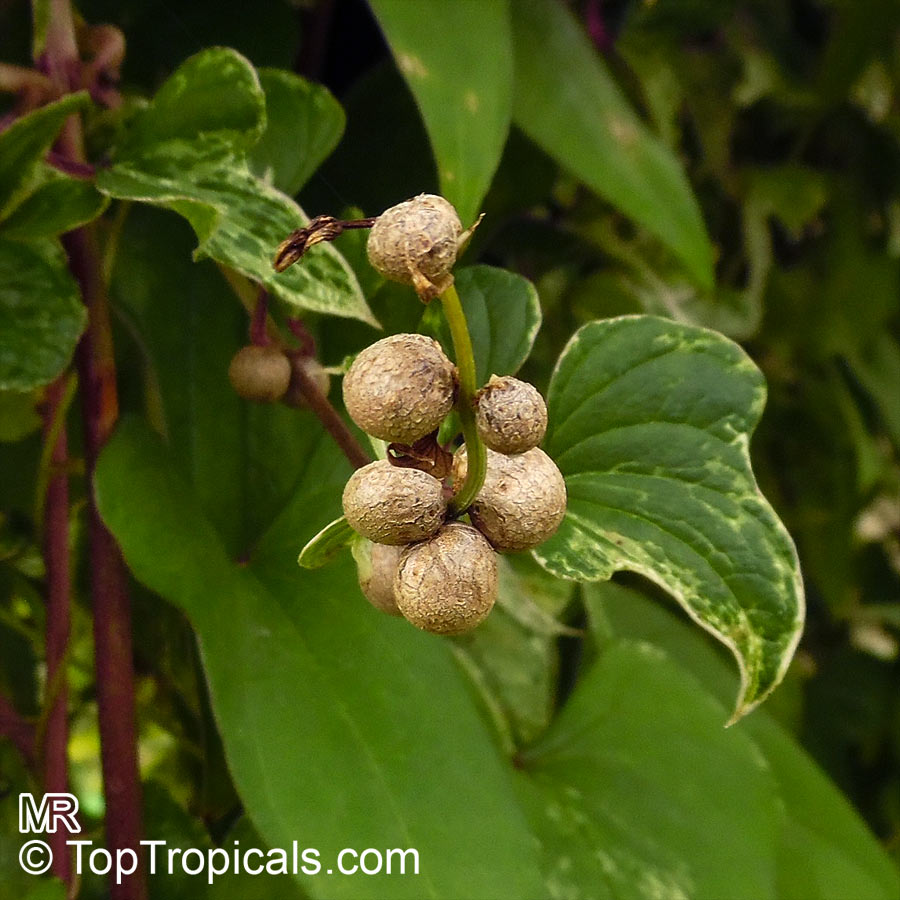
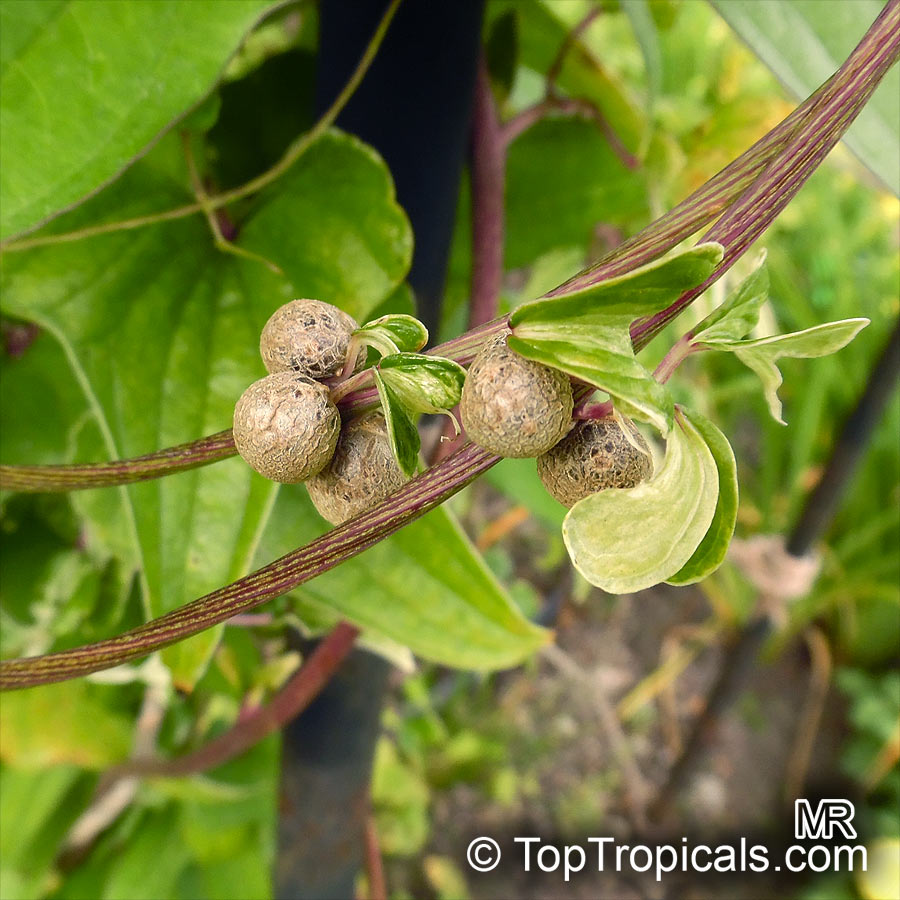
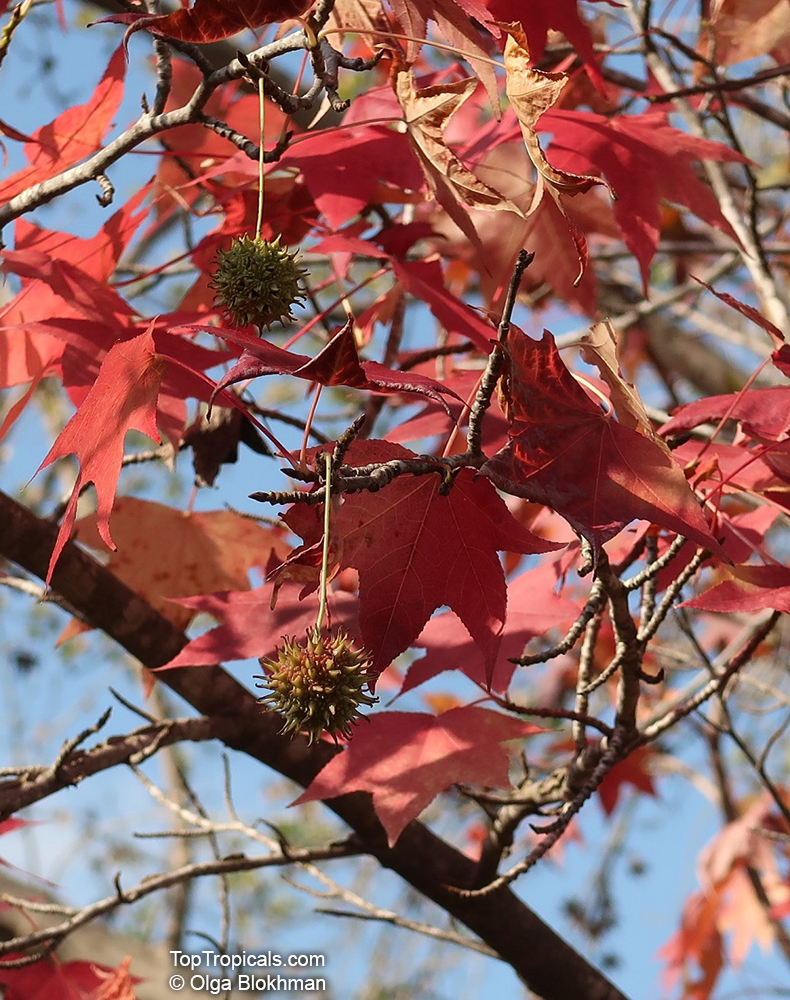
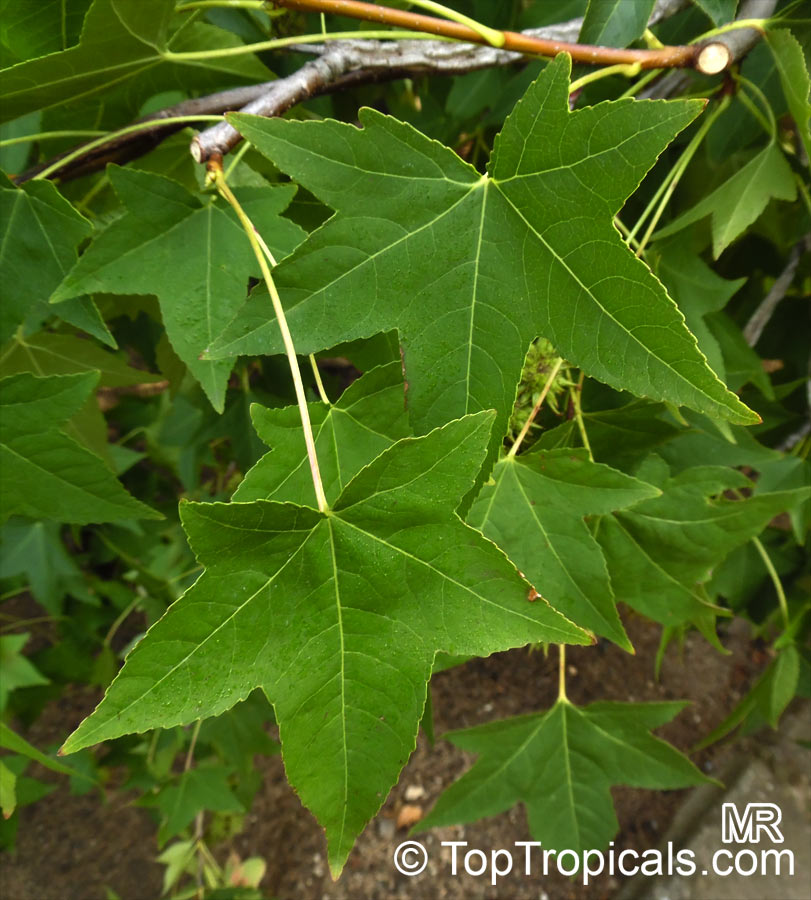
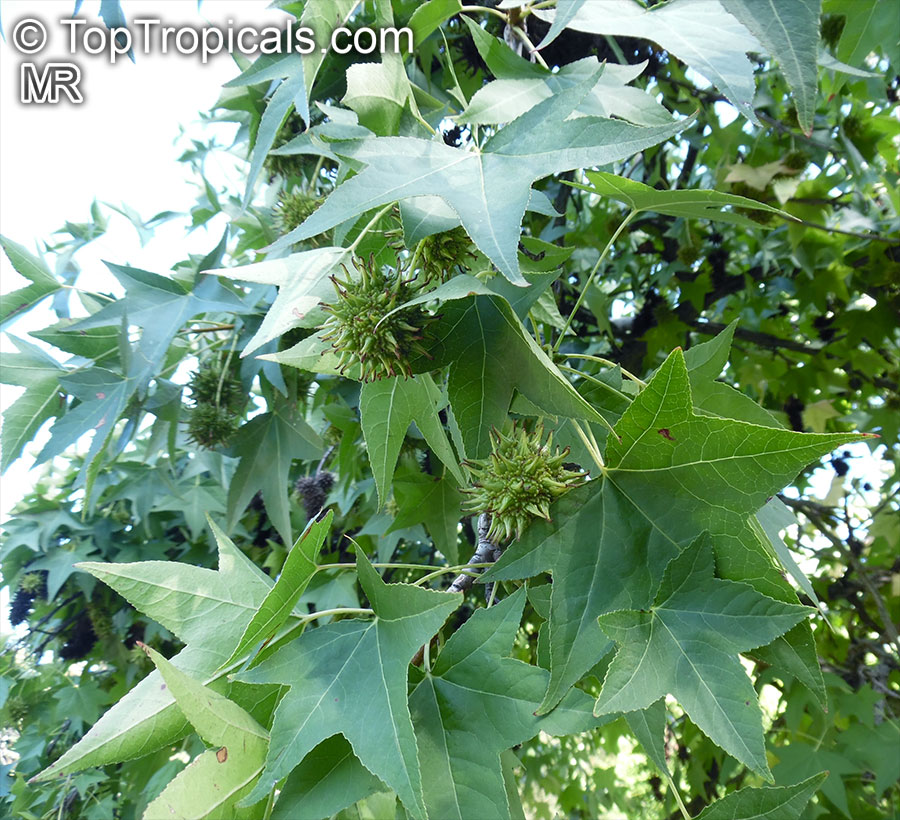
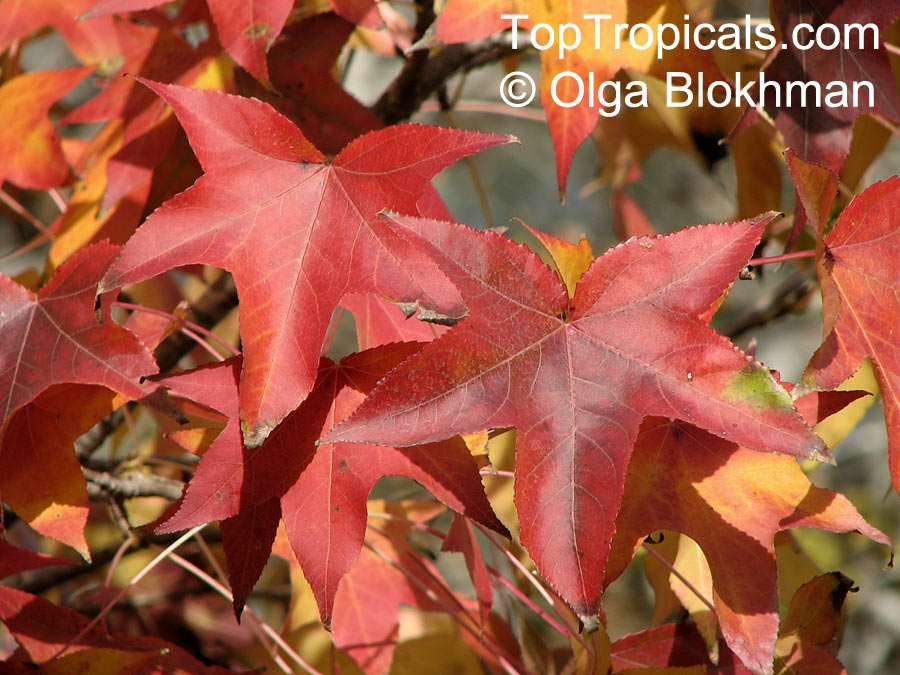
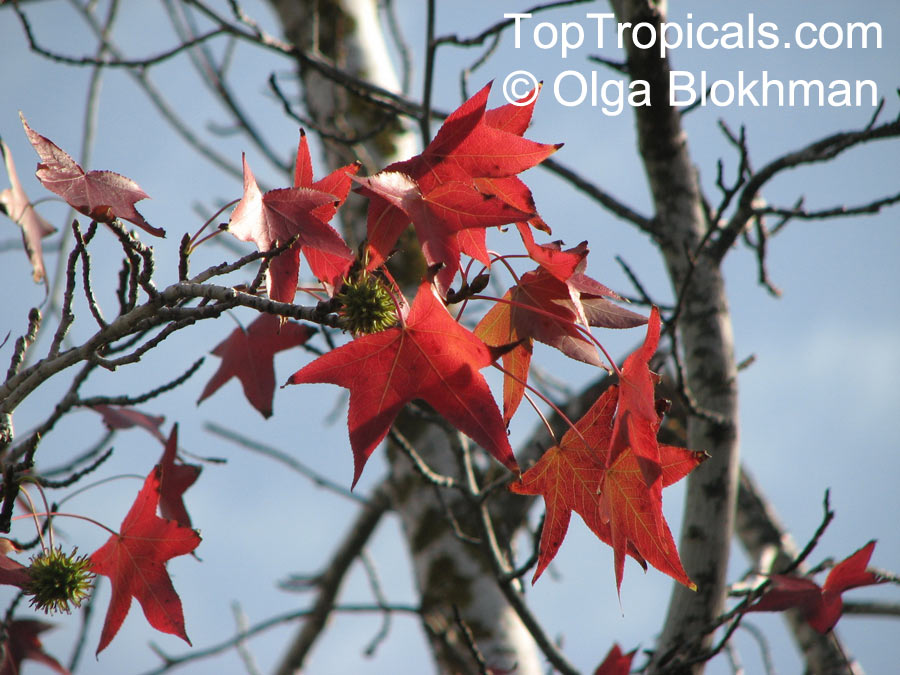
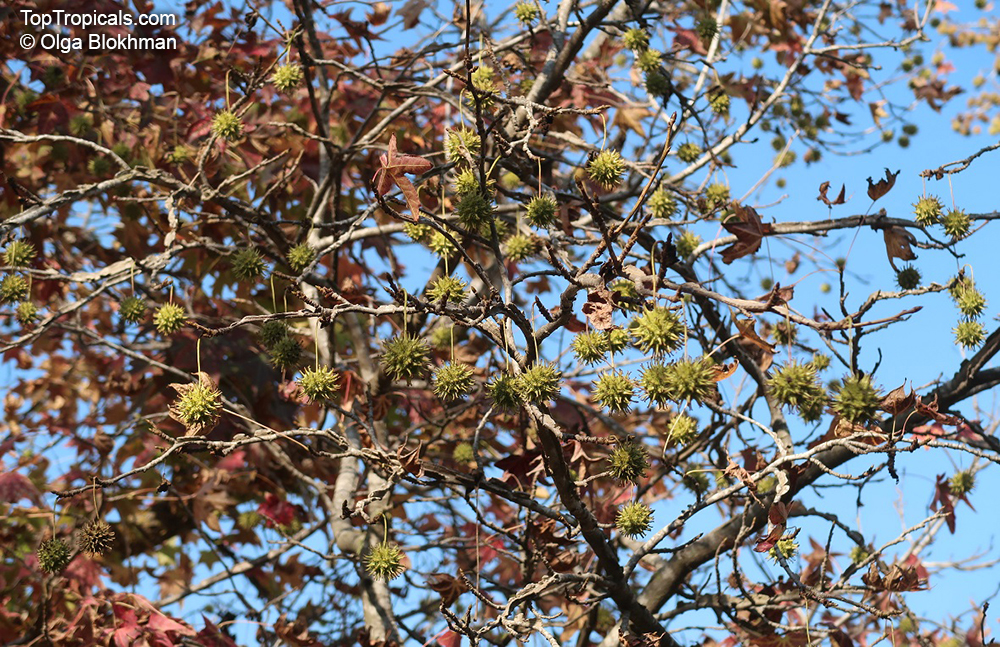
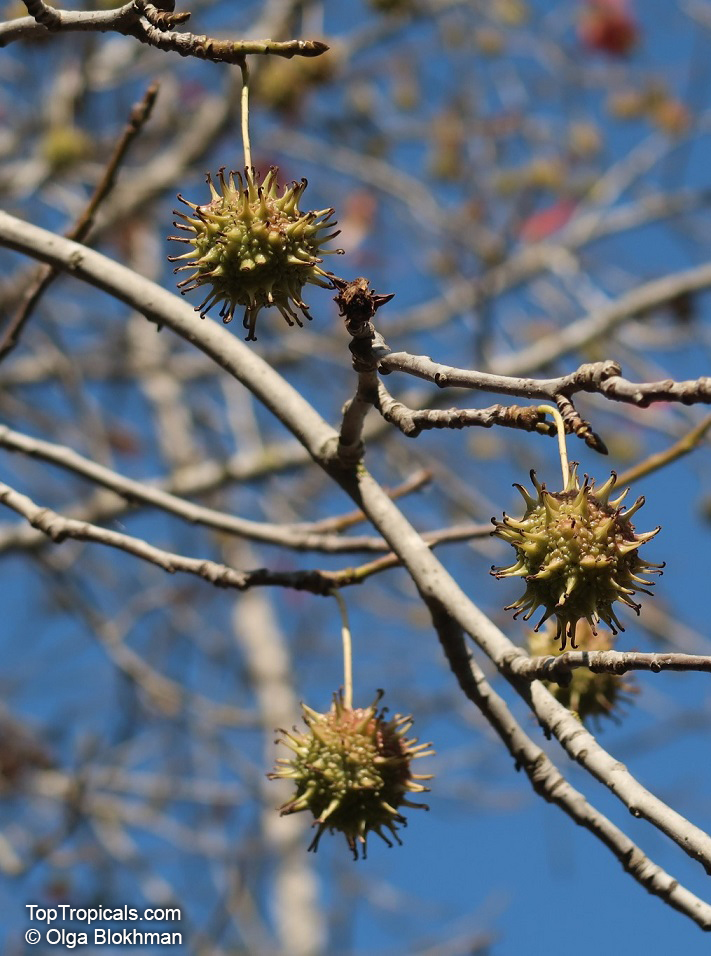
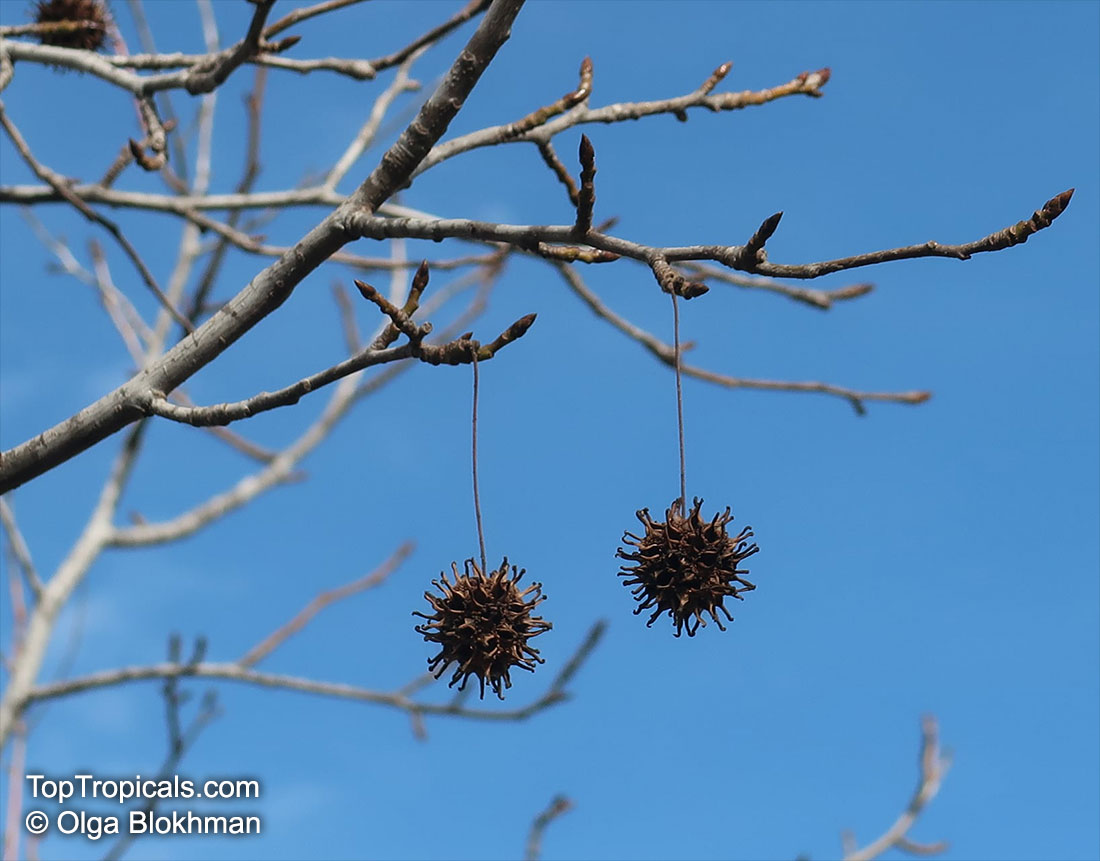
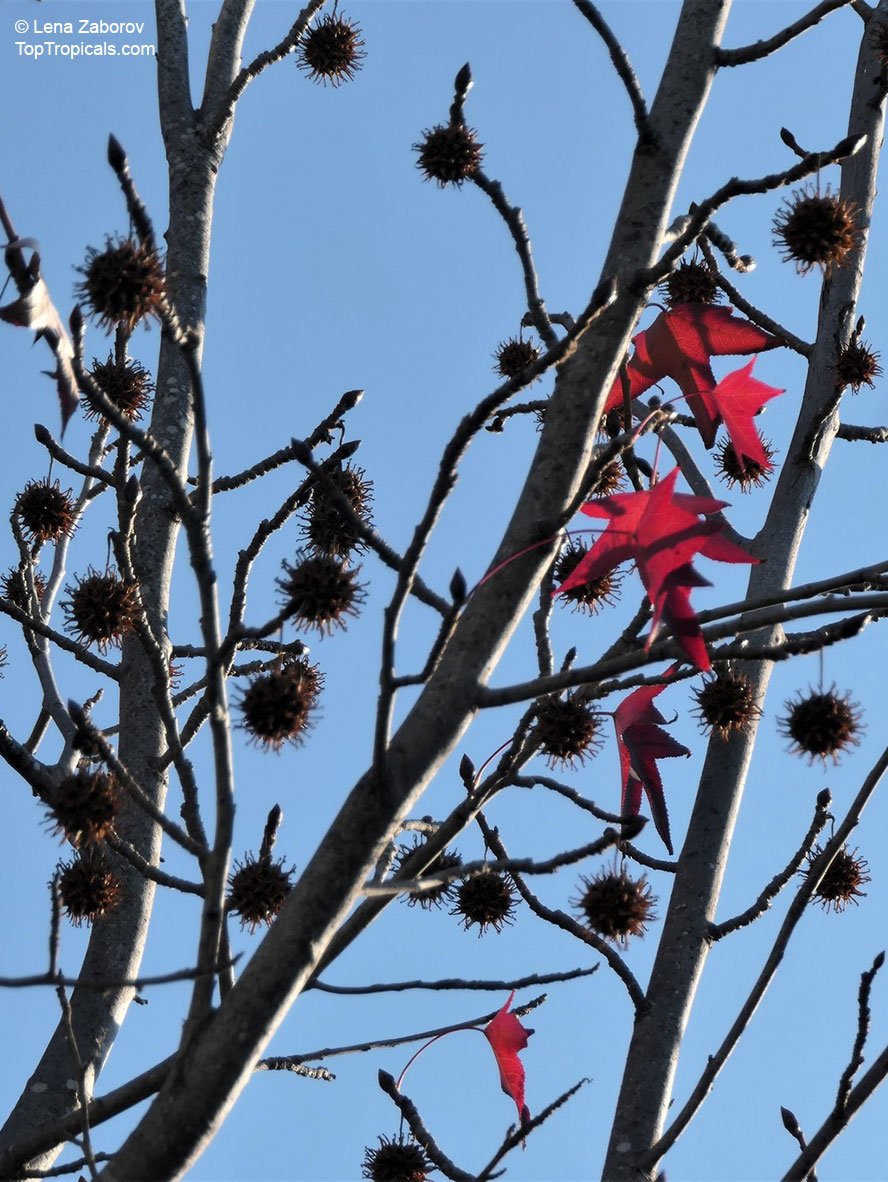
Botanical name: Liquidambar styraciflua
Common names: American Sweetgum, American-storax
Family: Altingiaceae
Origin: Eastern North America

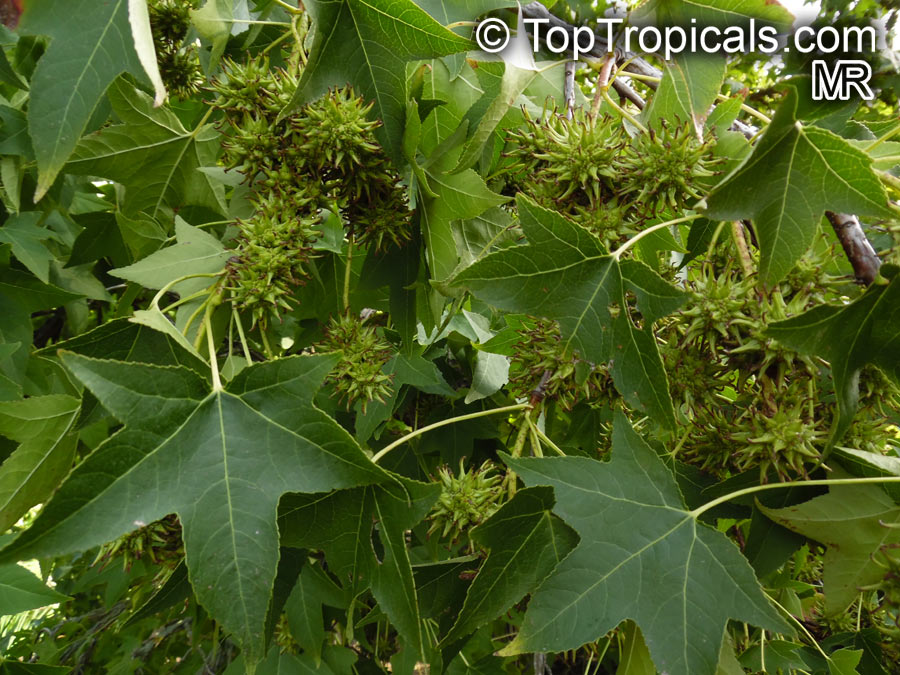
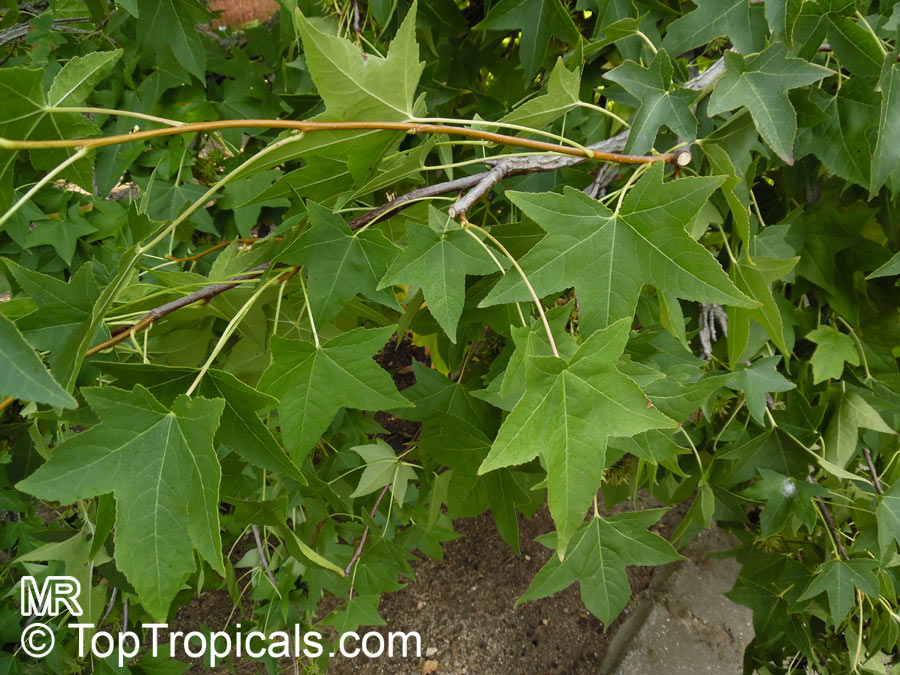
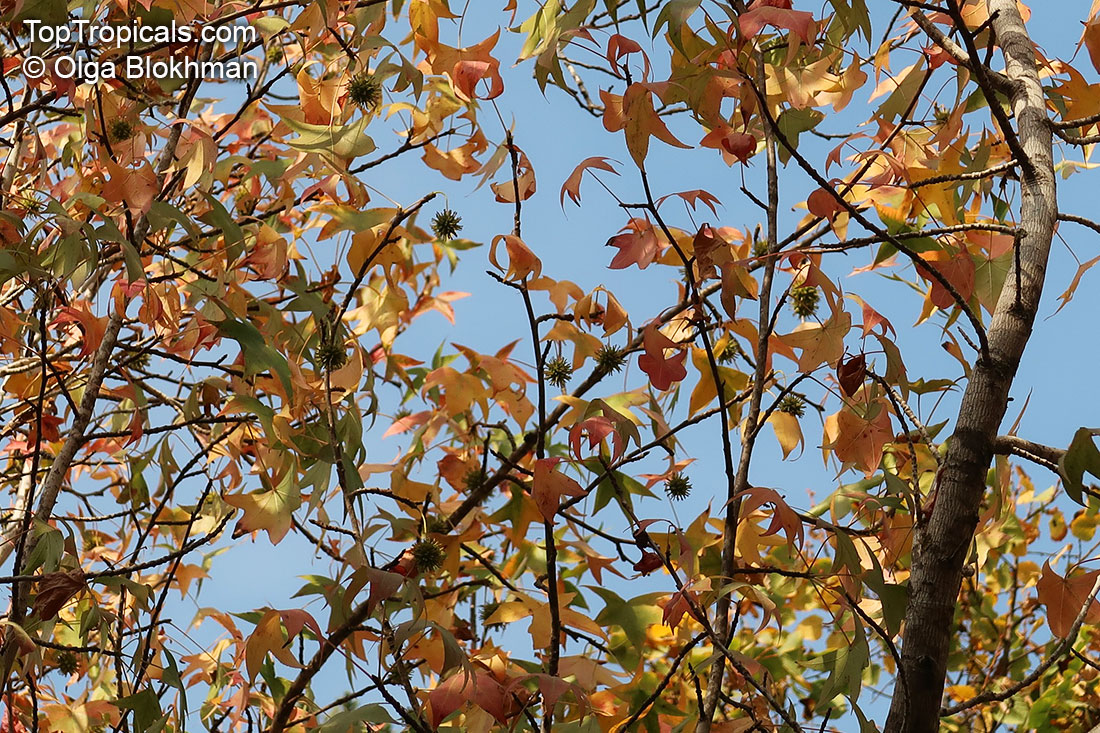
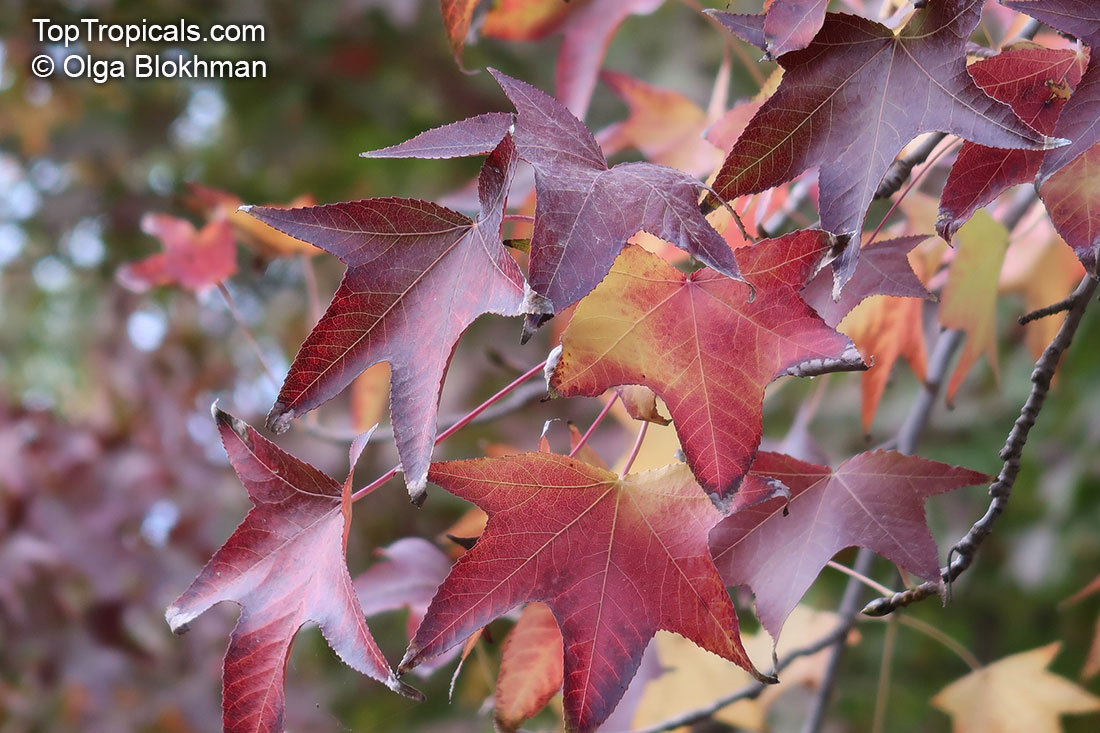
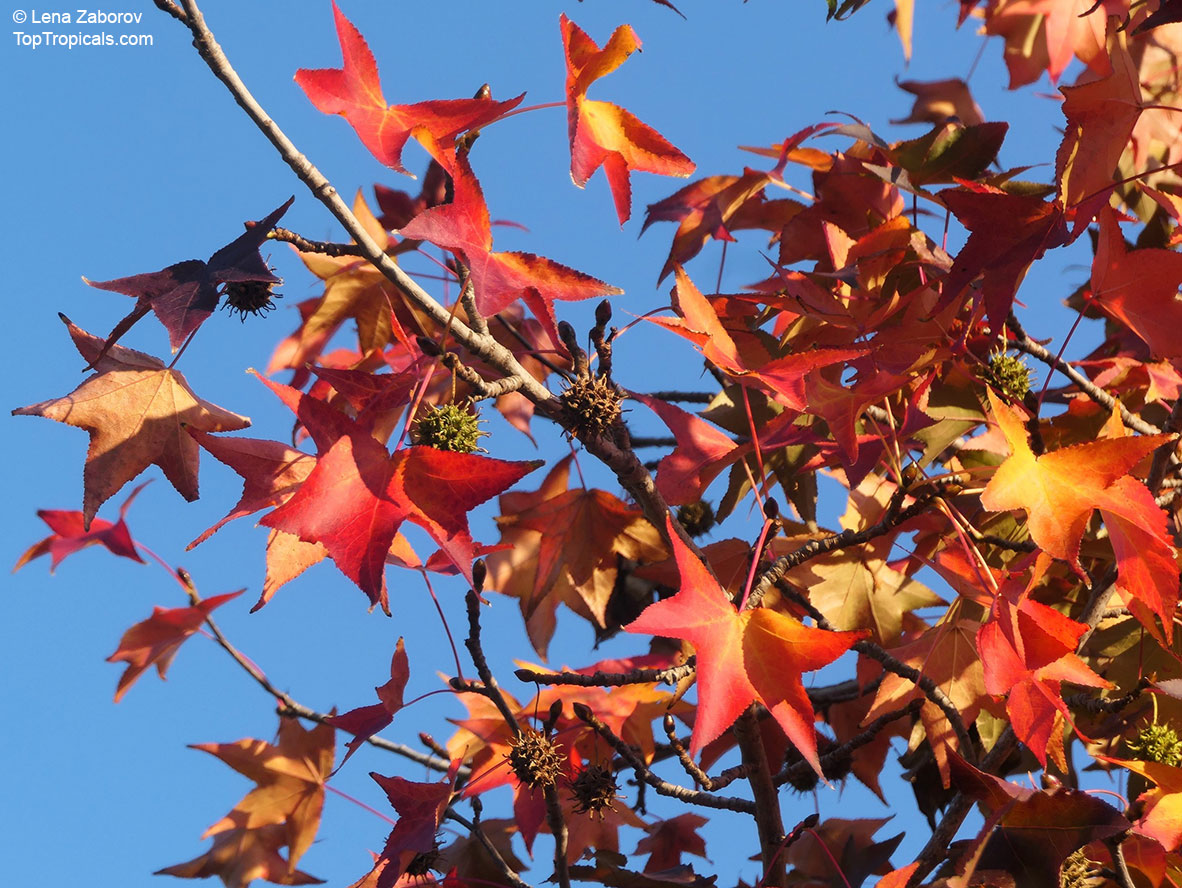
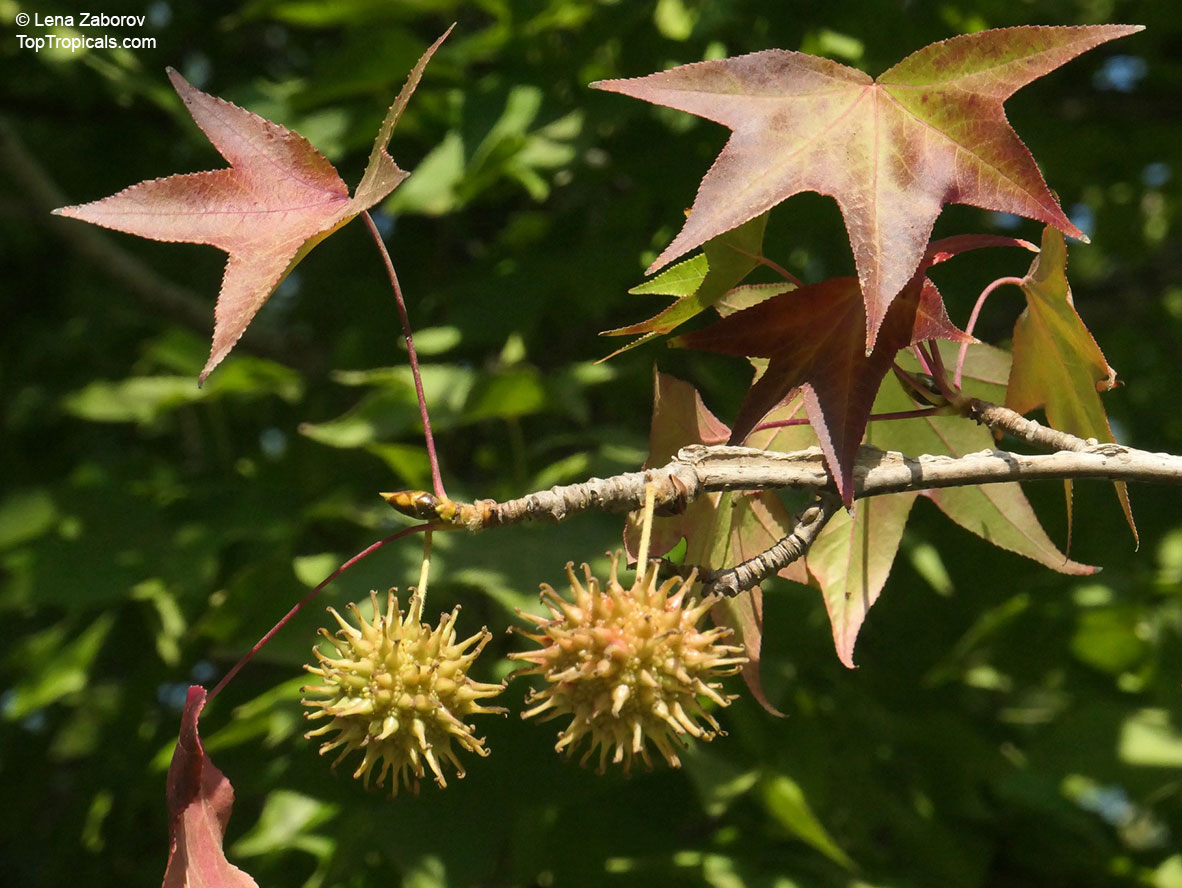
Liquidambar styraciflua is a popular ornamental and forestal tree, cultivated for its distinctive foliage and intense autumn colors. It is commonly grown throughout its native North American range as well as many other temperate parts of the world.
Botanical names: Delonix regia, Poinciana regia
Common names: Flame tree, Flamboyant, Royal poinciana, Gul Mohr, Peacock Flower
Family: Fabaceae
Subfamily: Caesalpinioideae
Origin: Madagascar
Hardiness: 30°F


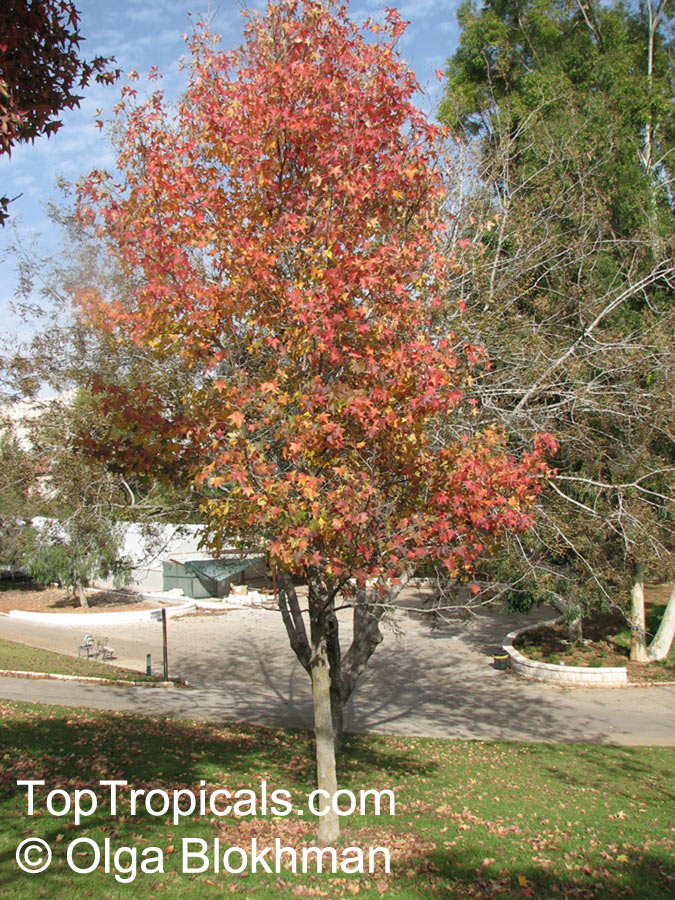
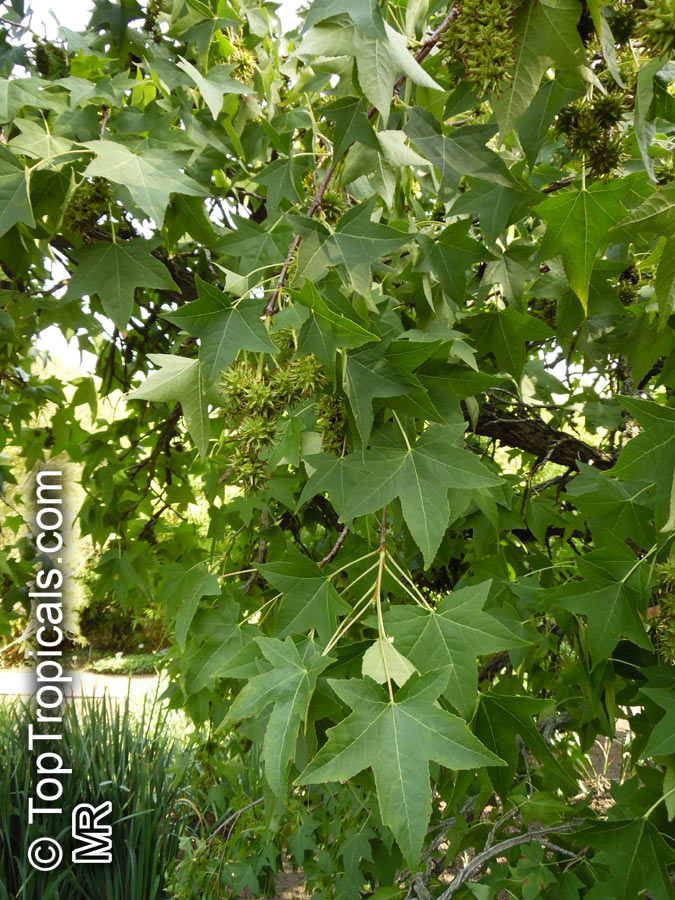
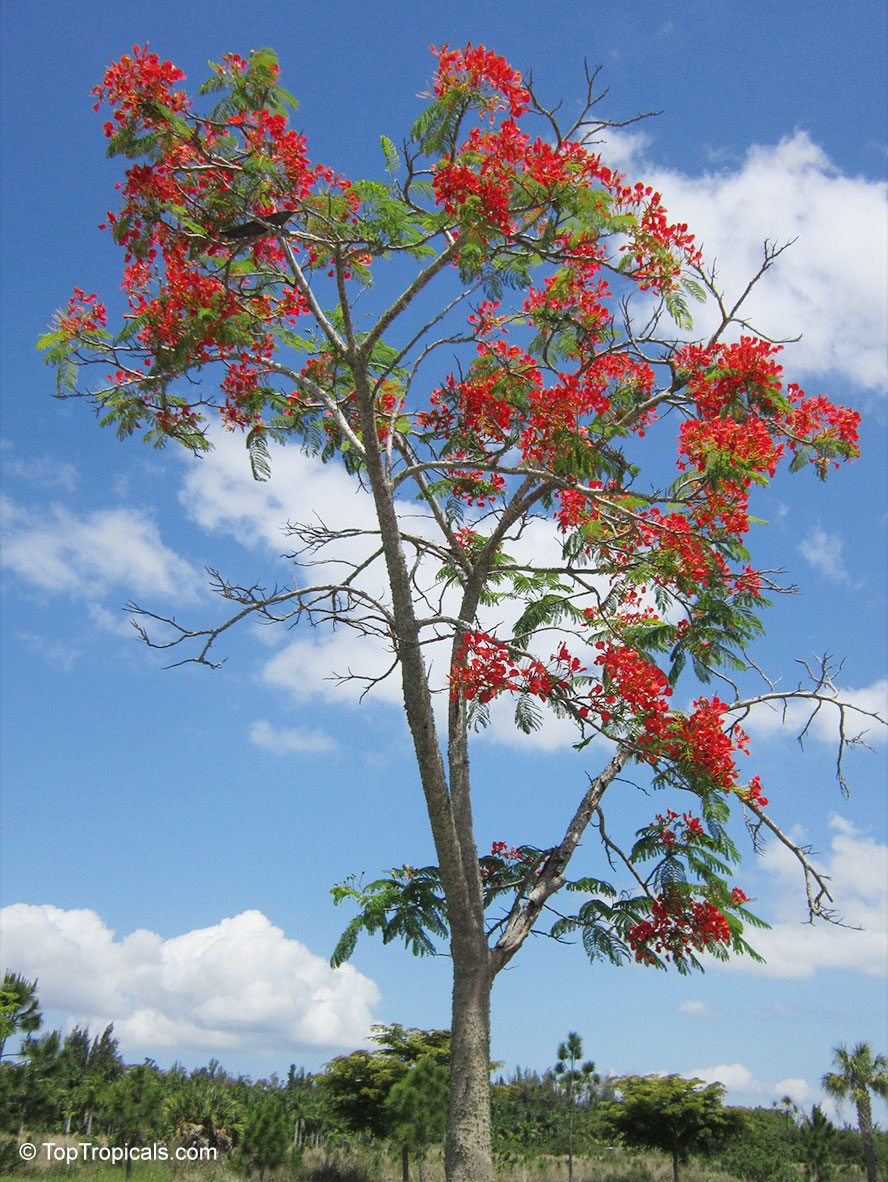
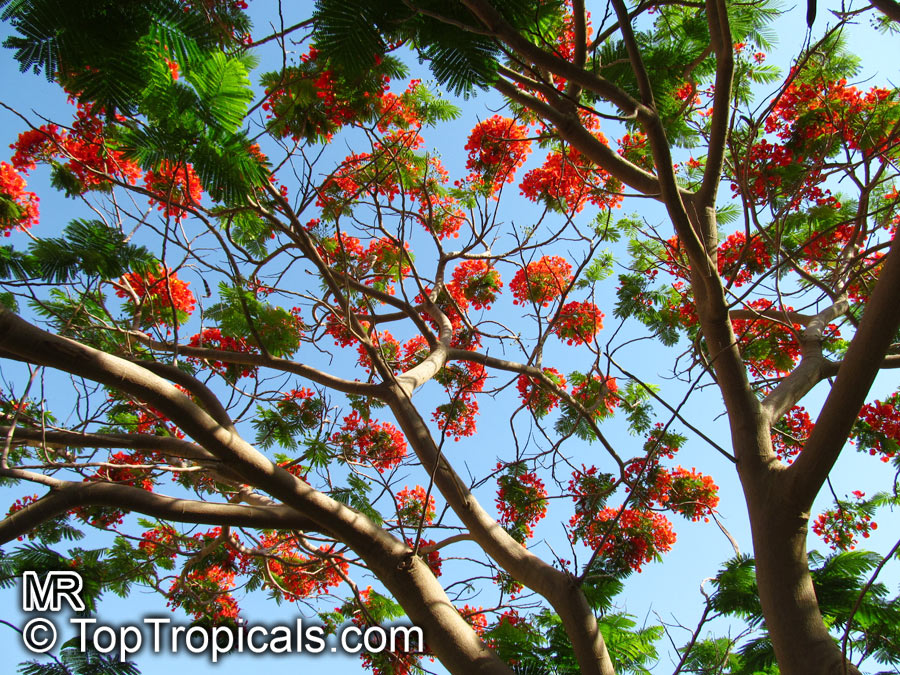
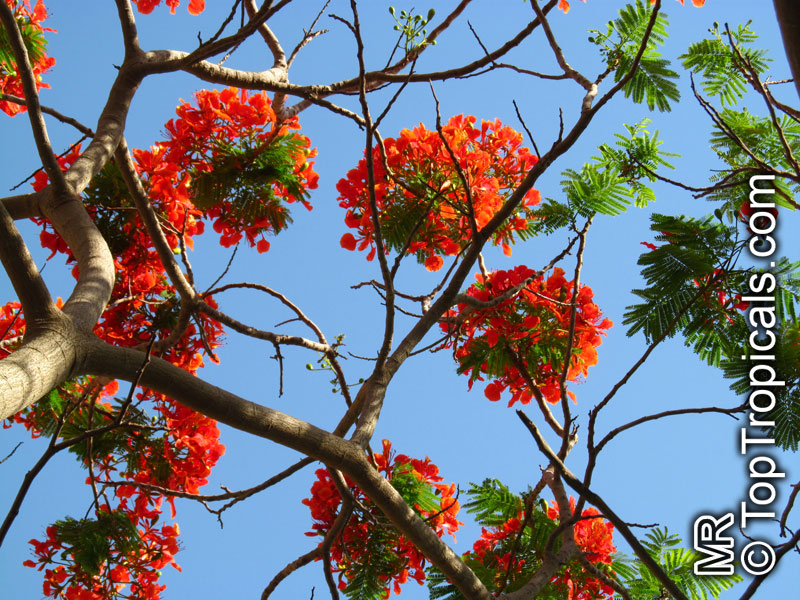
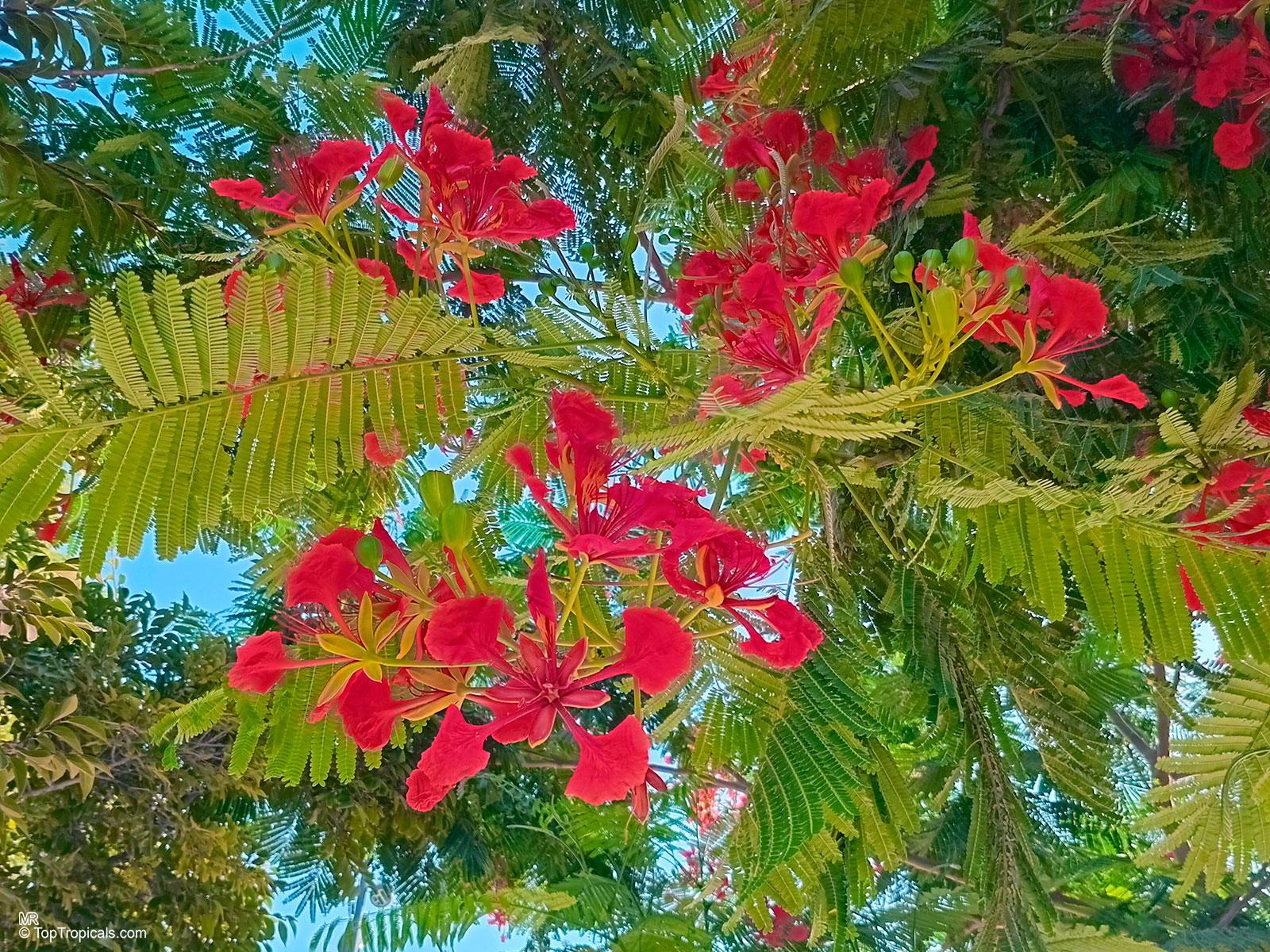
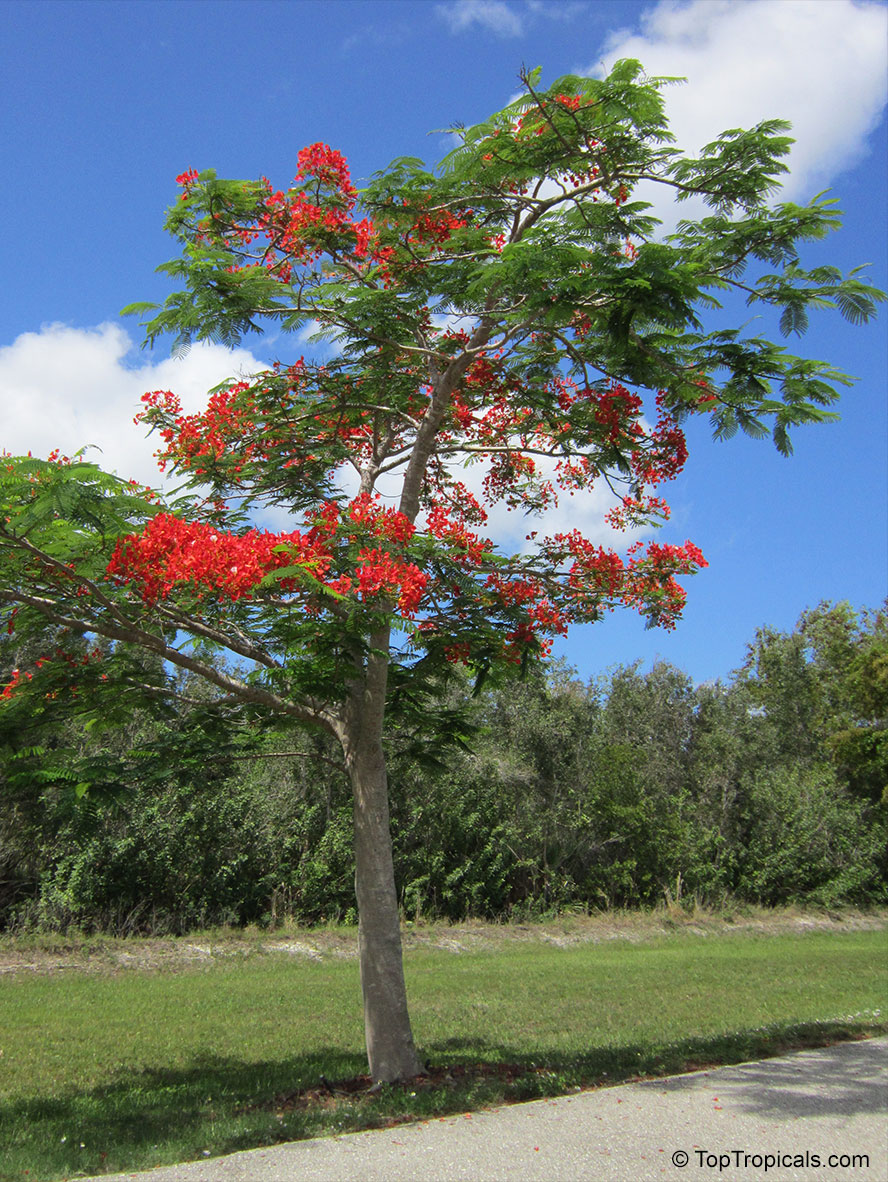
Delonix regia is a fast-growing flowering tree from Madagascar in the Fabaceae family, subfamily Caesalpinioideae.
It is widely known as Flame Tree, Flamboyant, Royal Poinciana, Peacock Flower, and Gul Mohr.
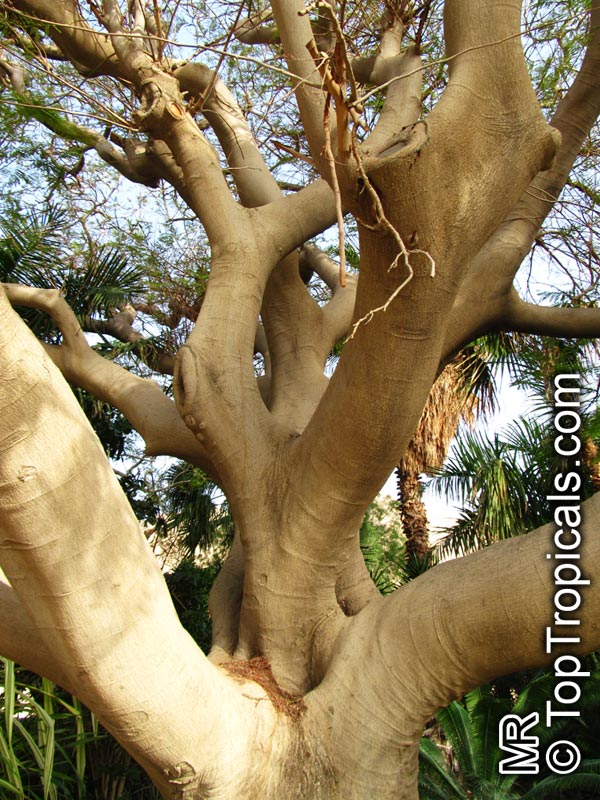
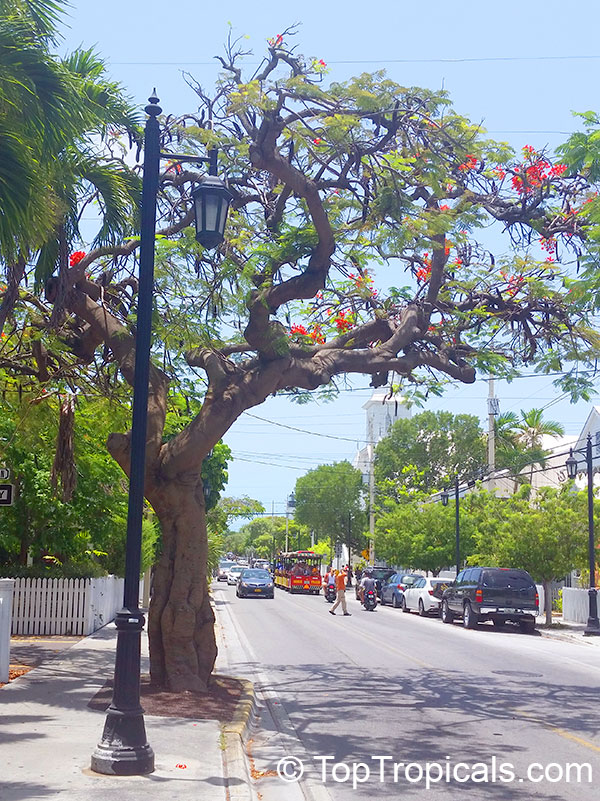
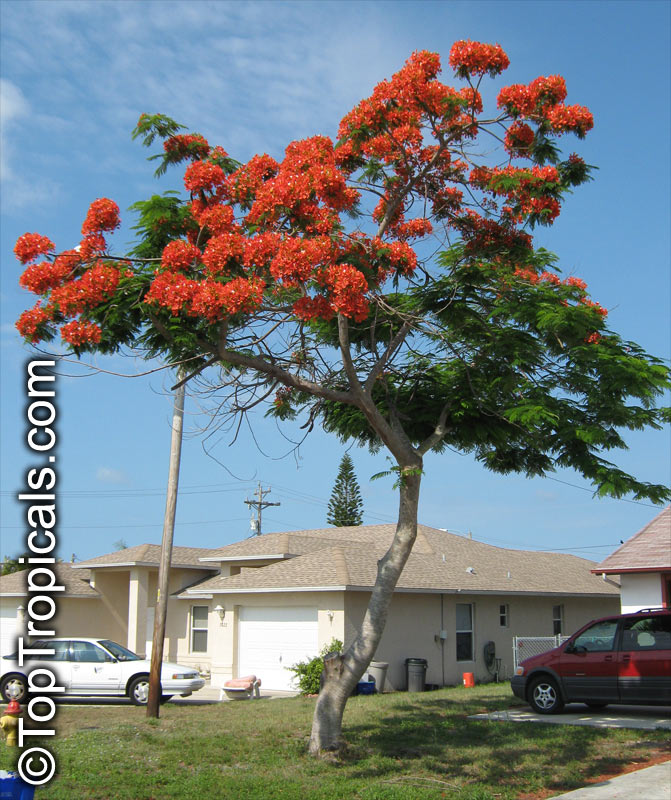
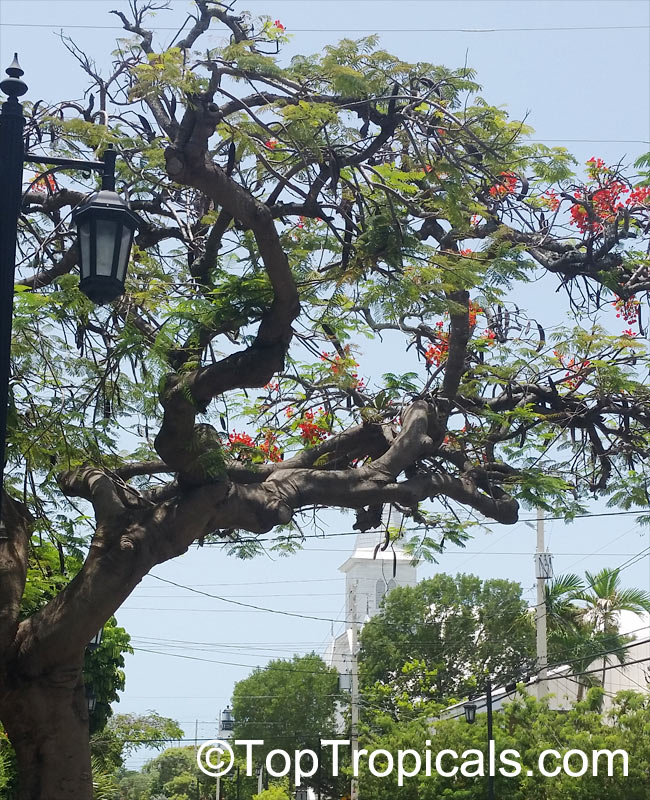
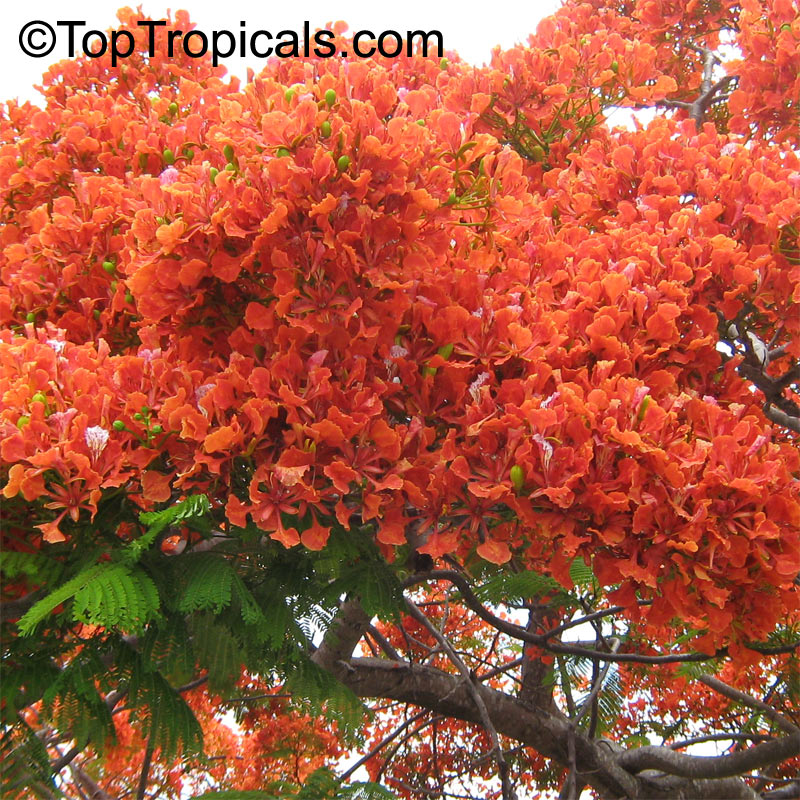
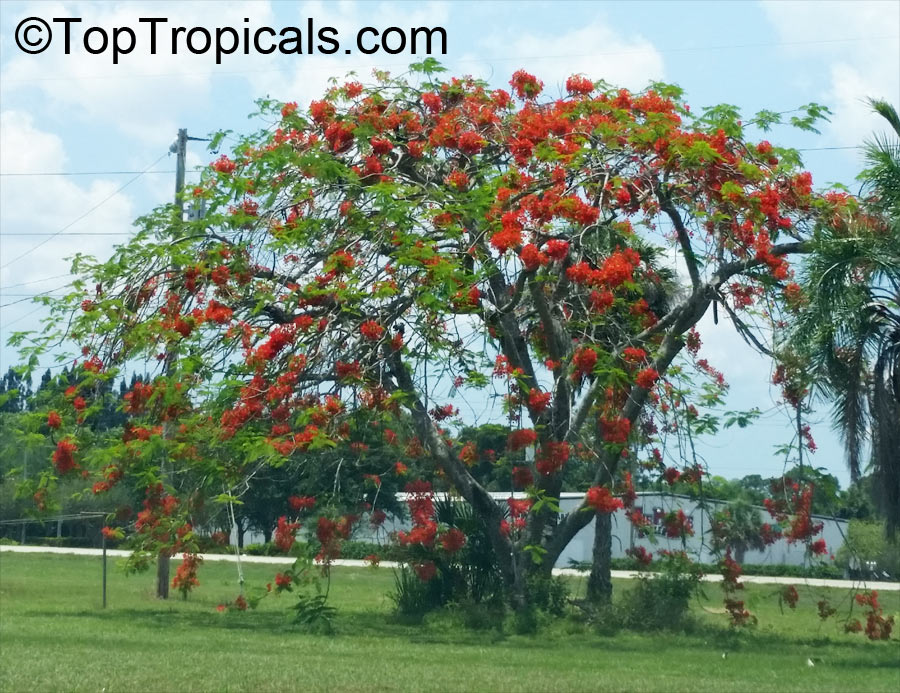
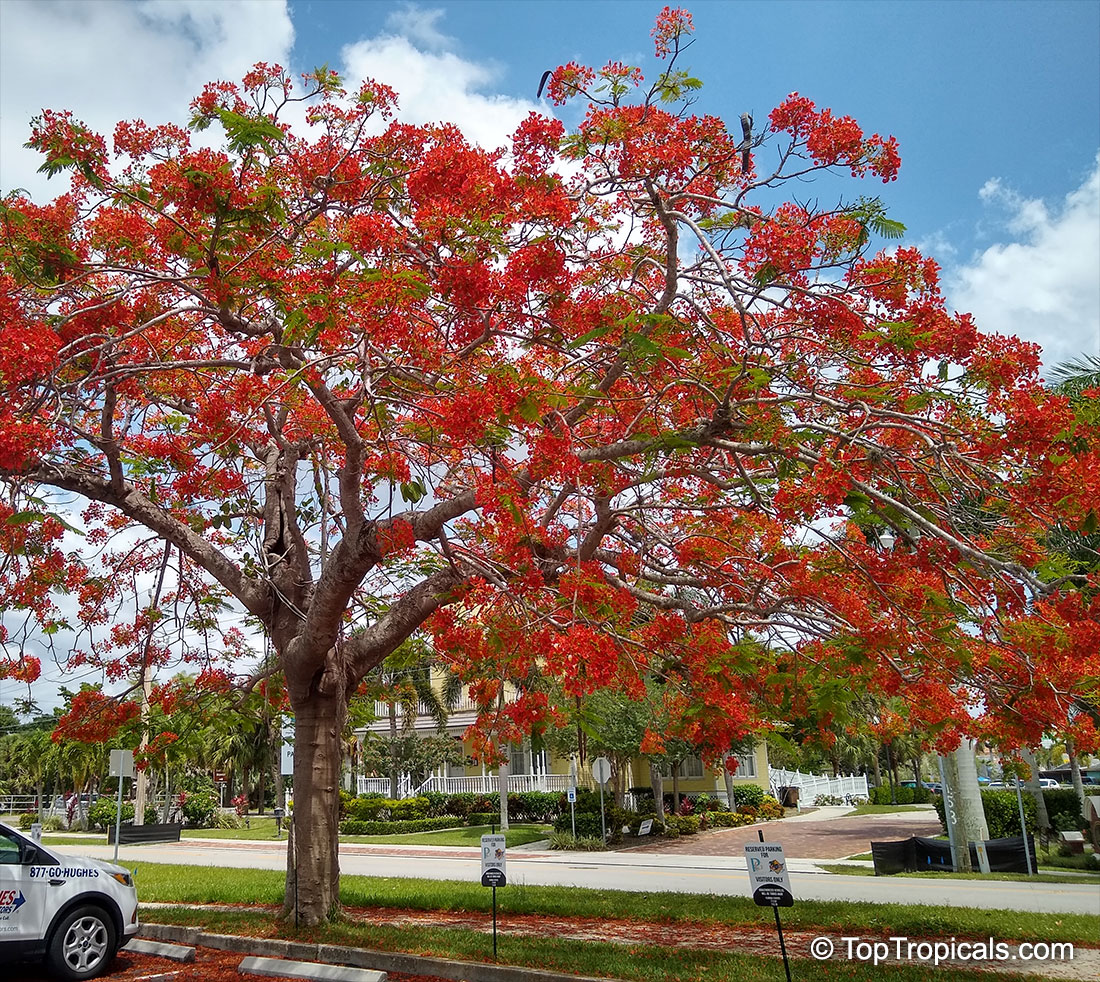
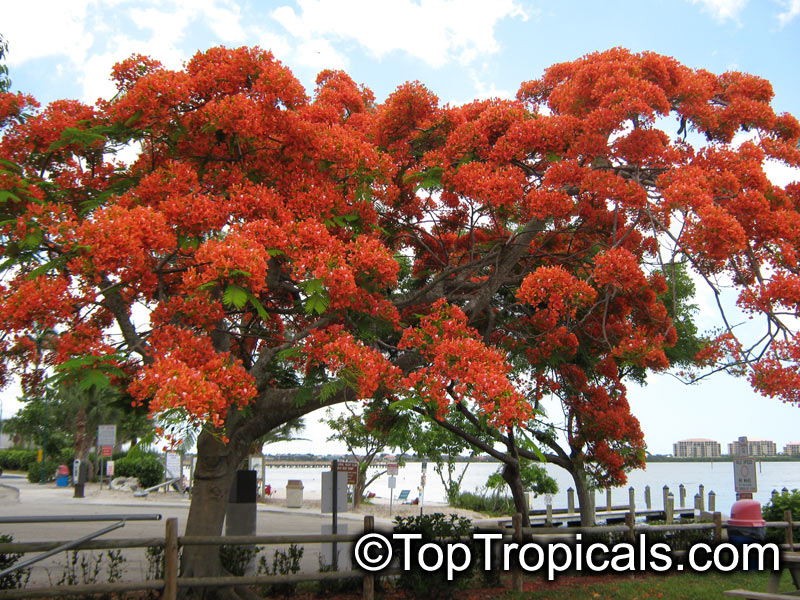
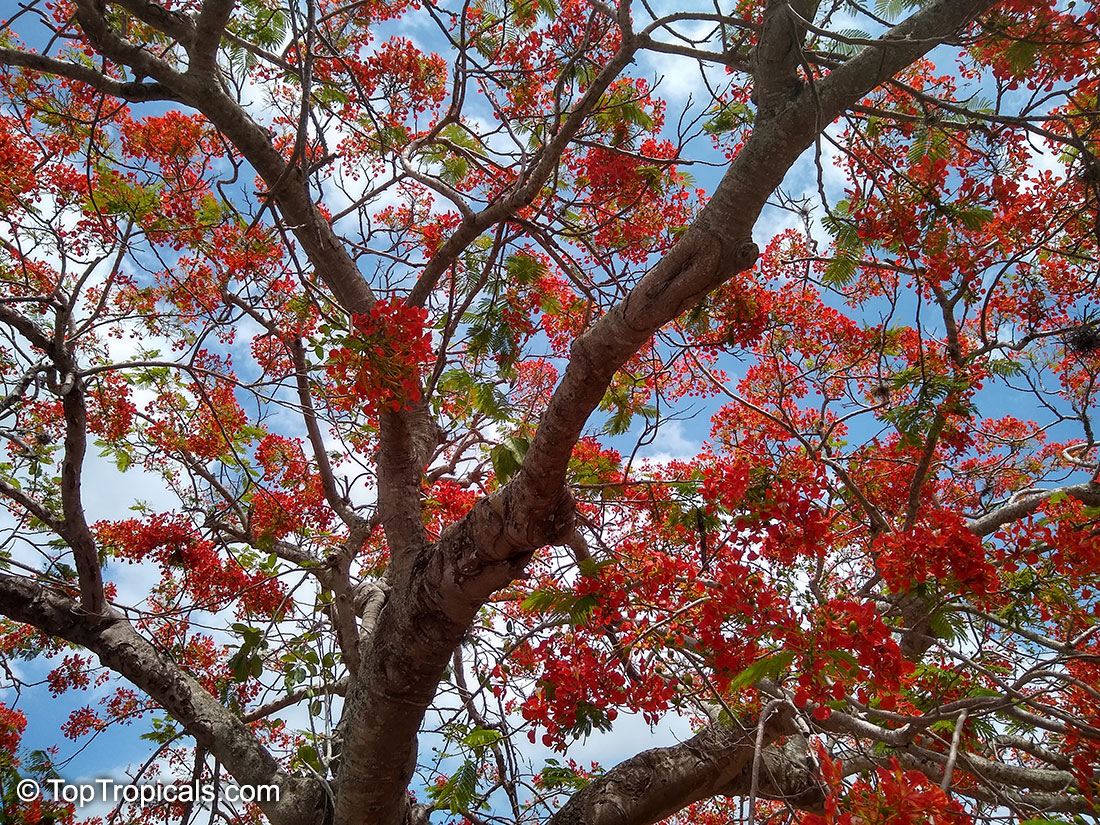
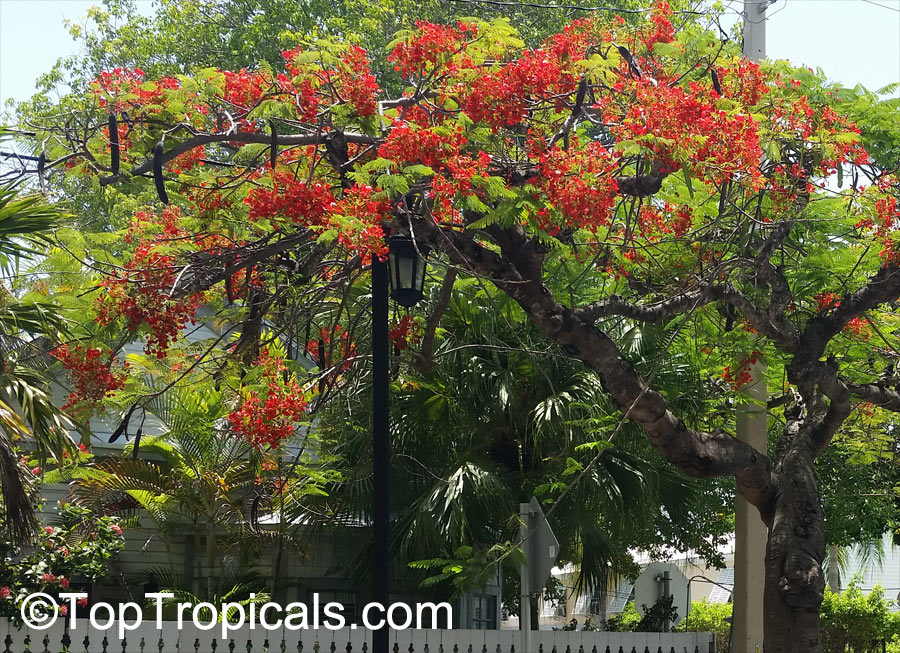
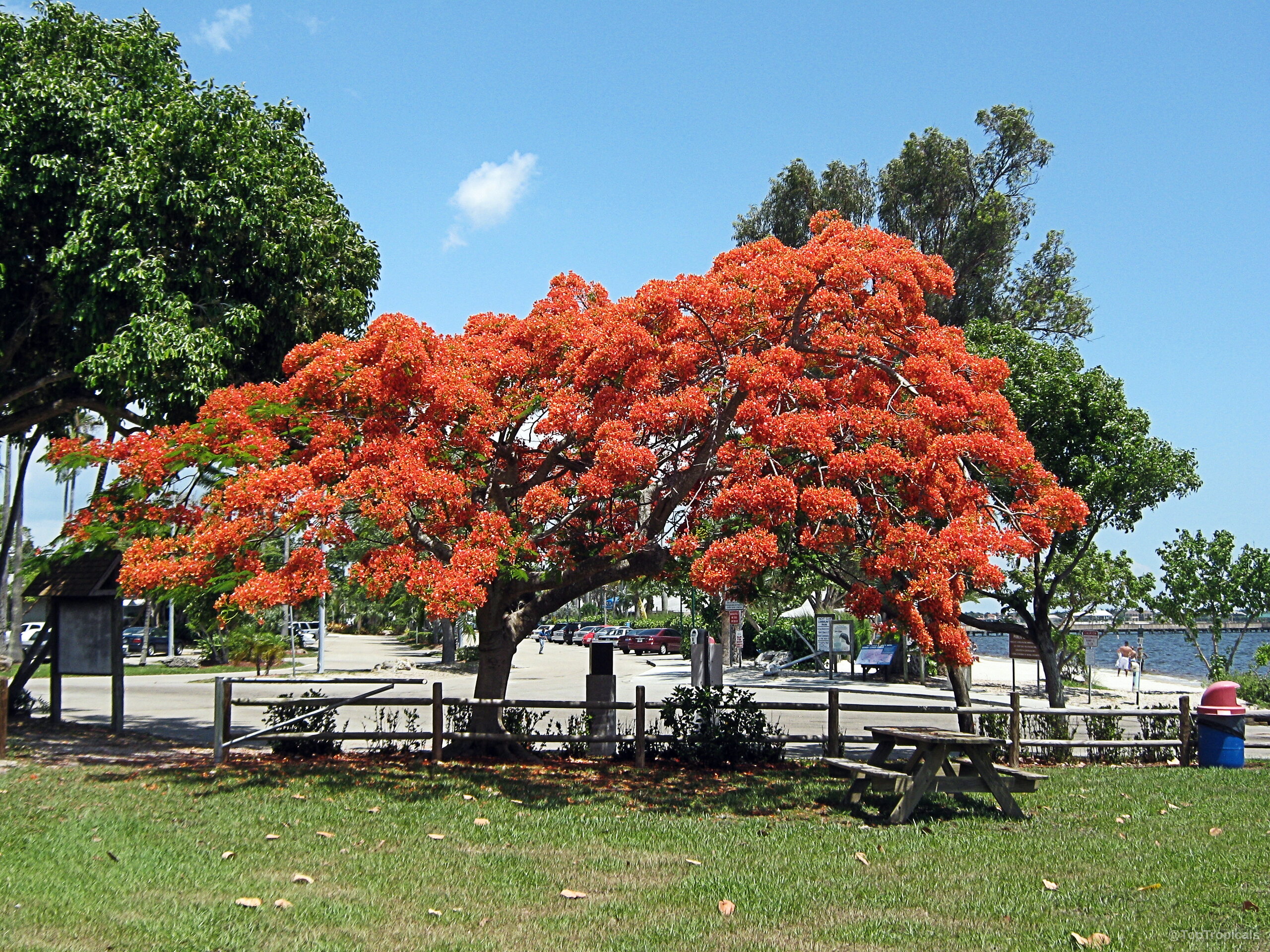
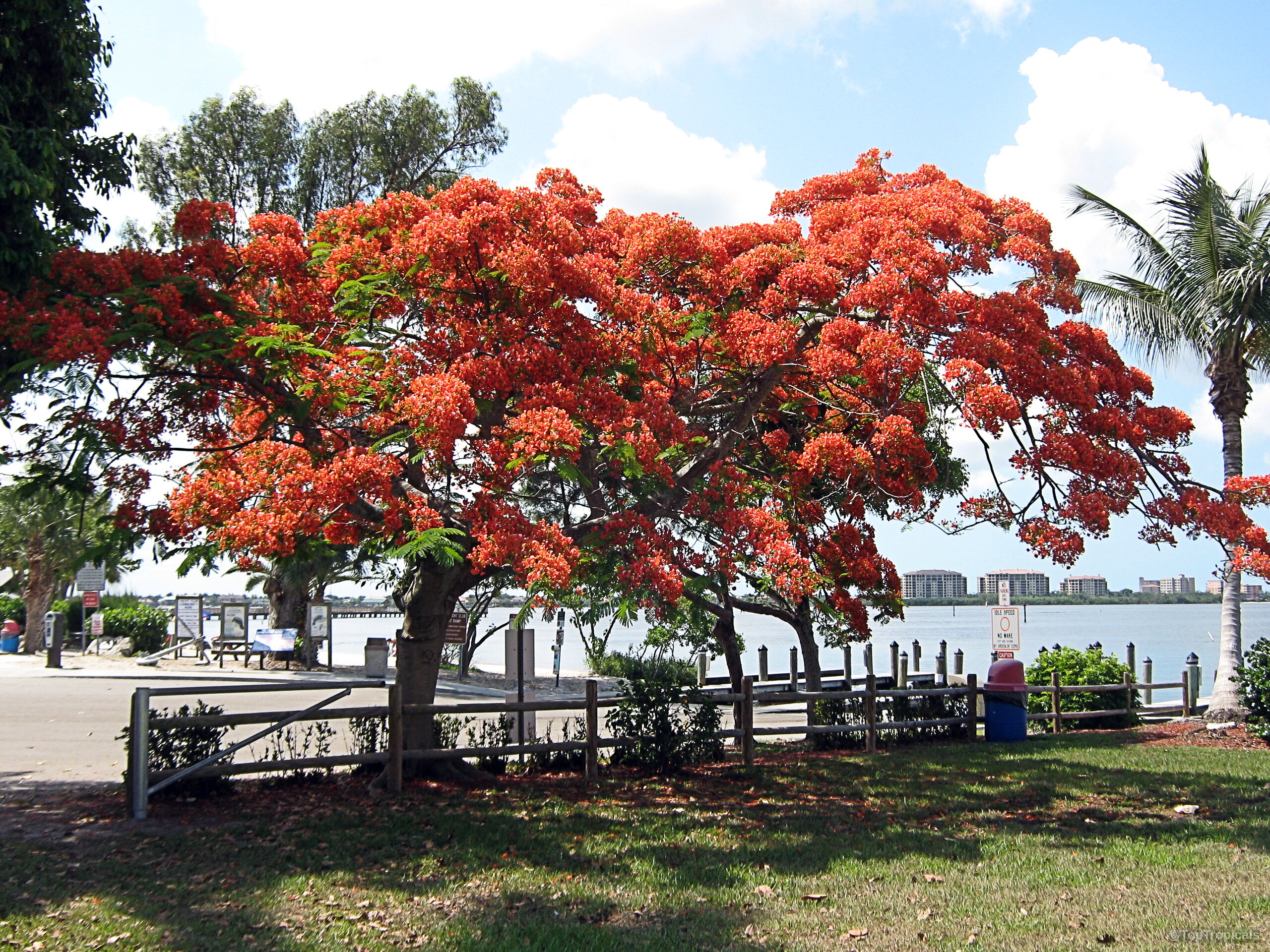
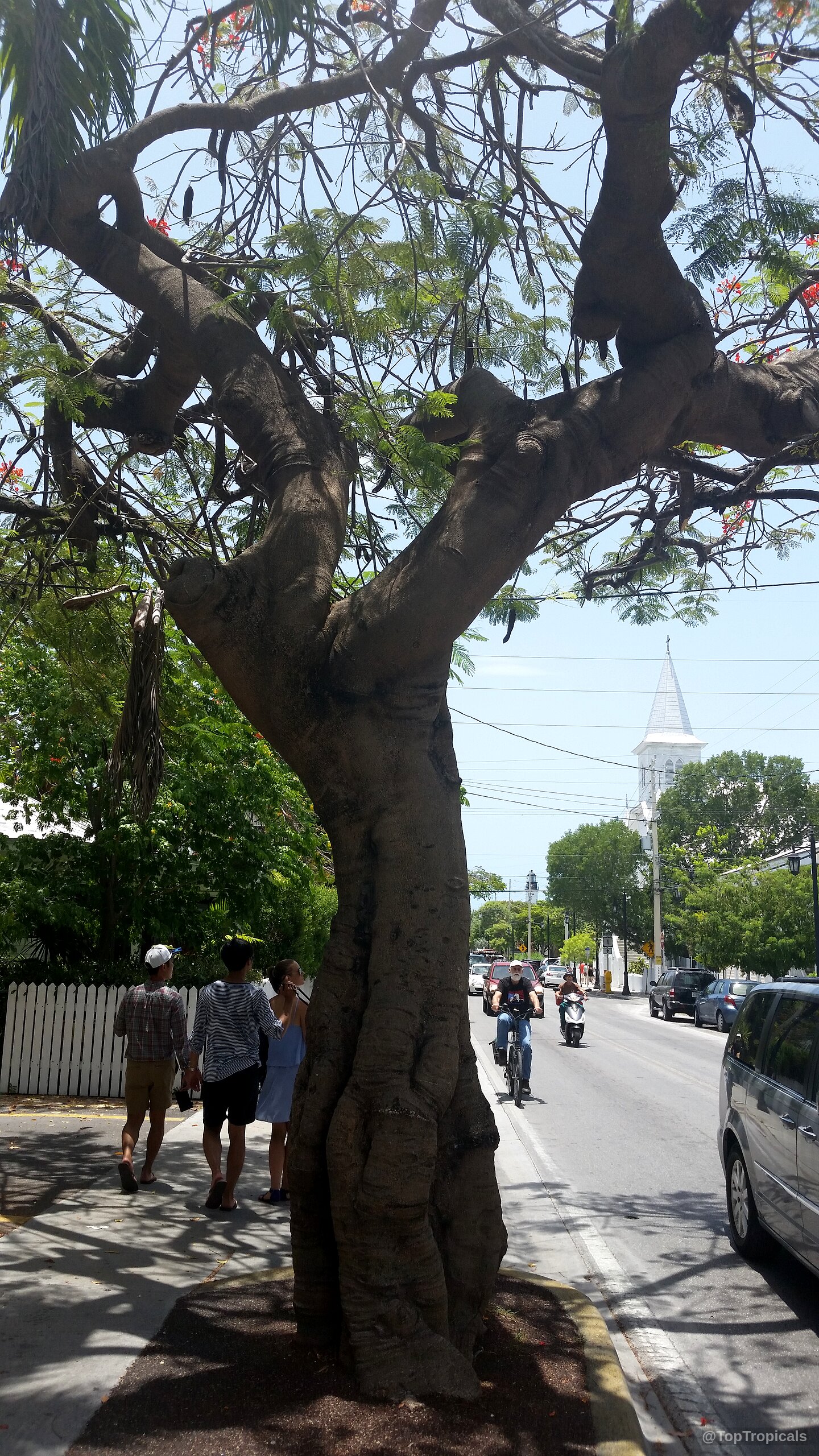
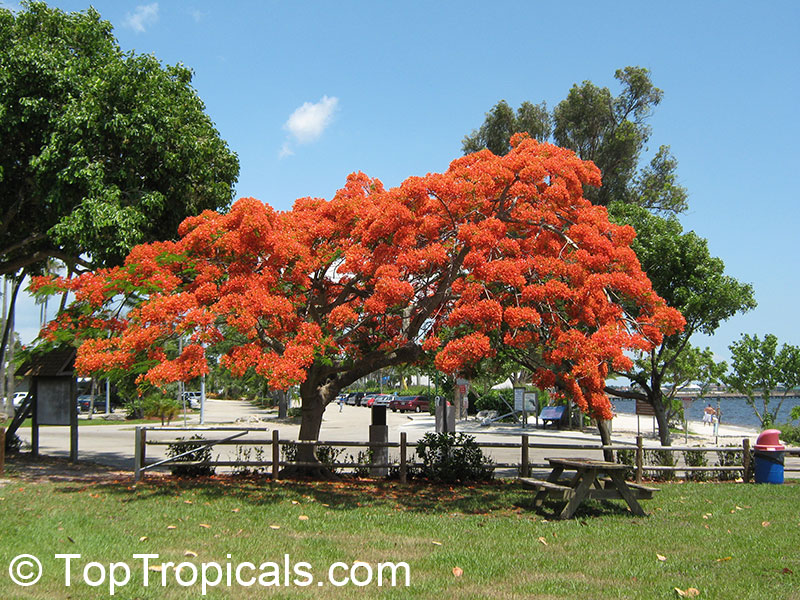
This species grows 30 to 40 feet tall with a naturally broad, umbrella-like crown that can be twice as wide as the tree is tall.
It thrives in full sun and needs well-drained soil with moderate fertility.
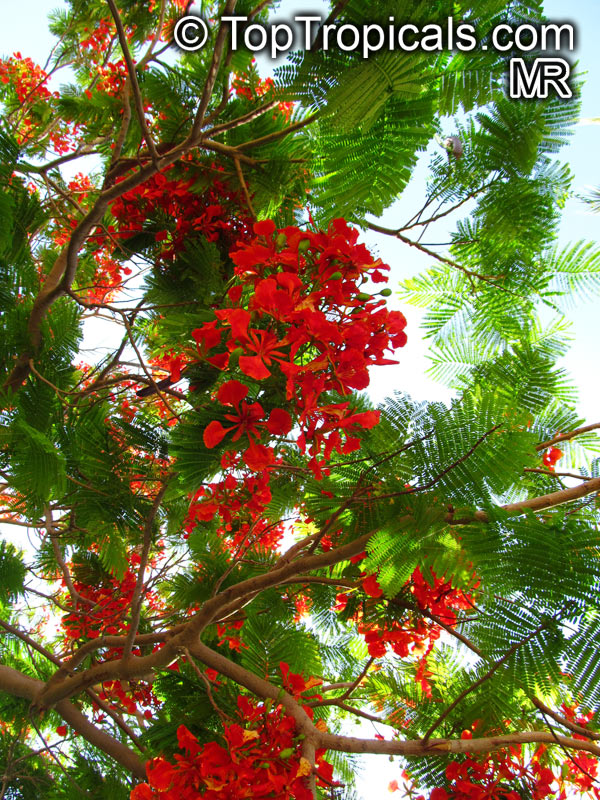
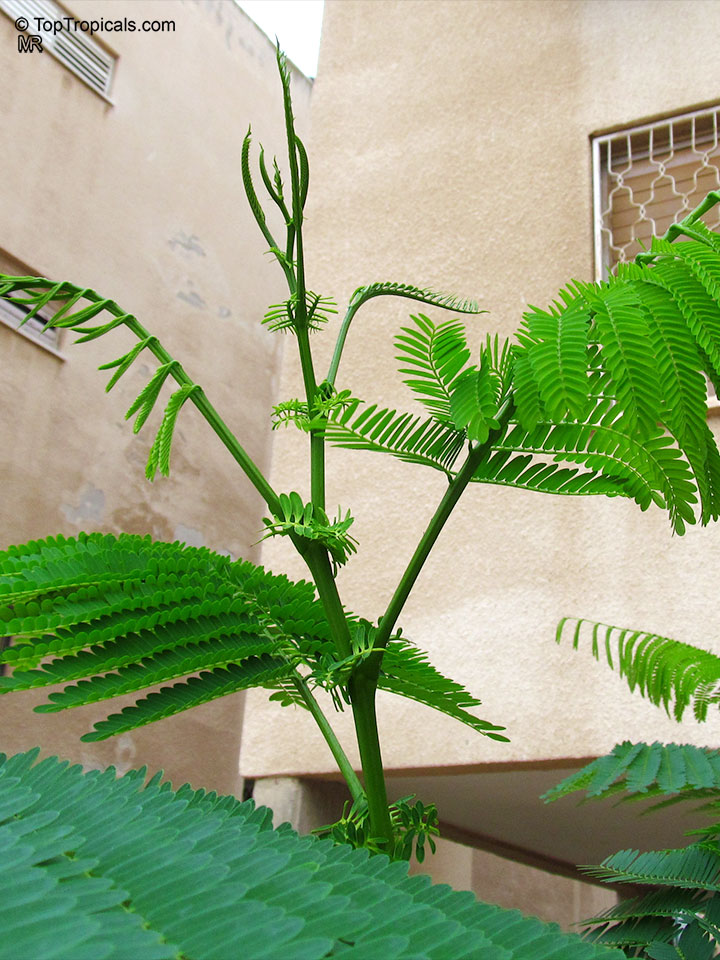
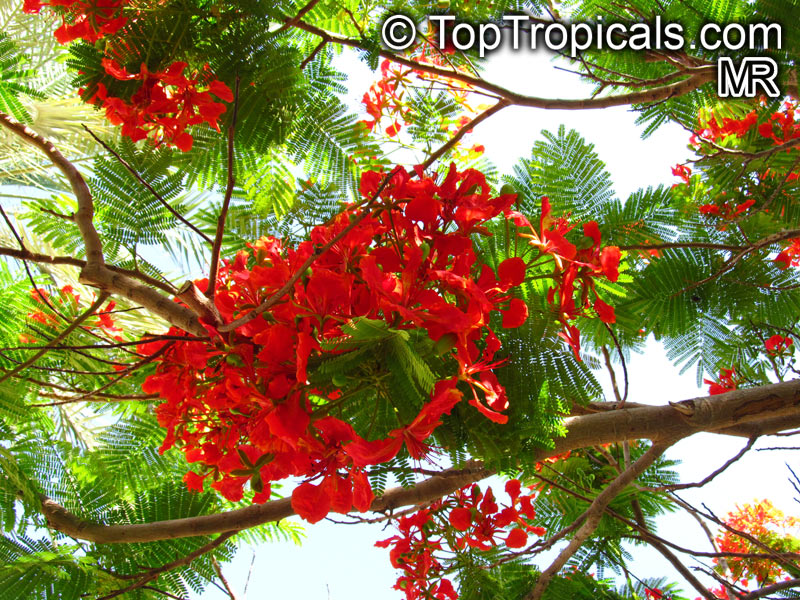
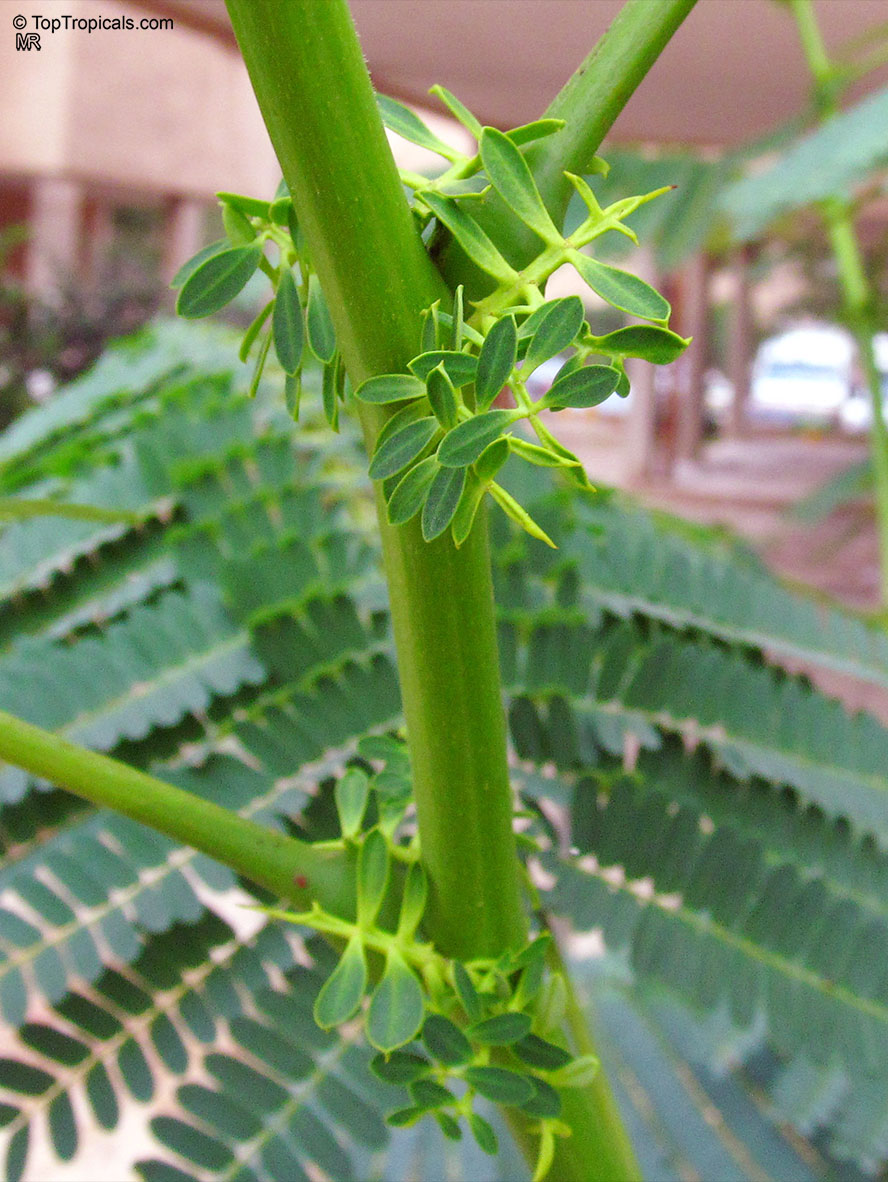
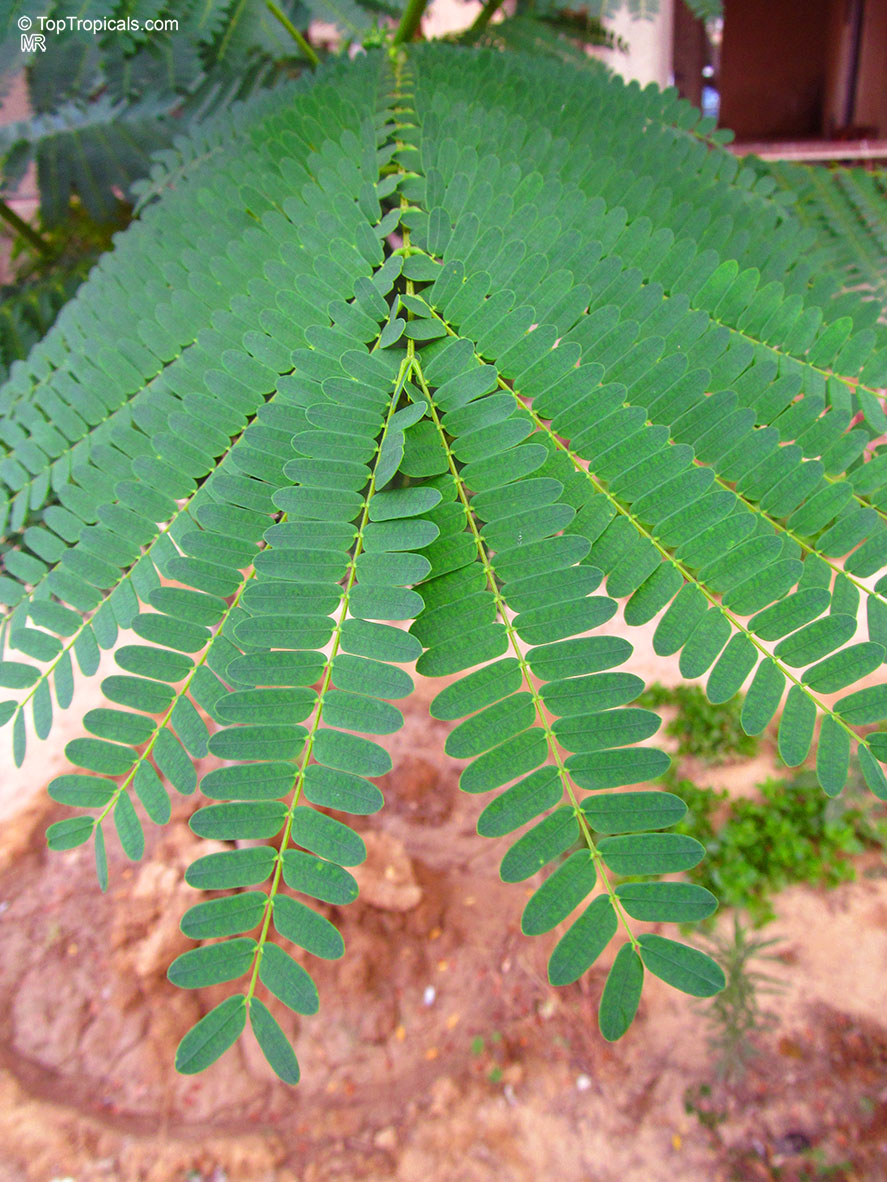
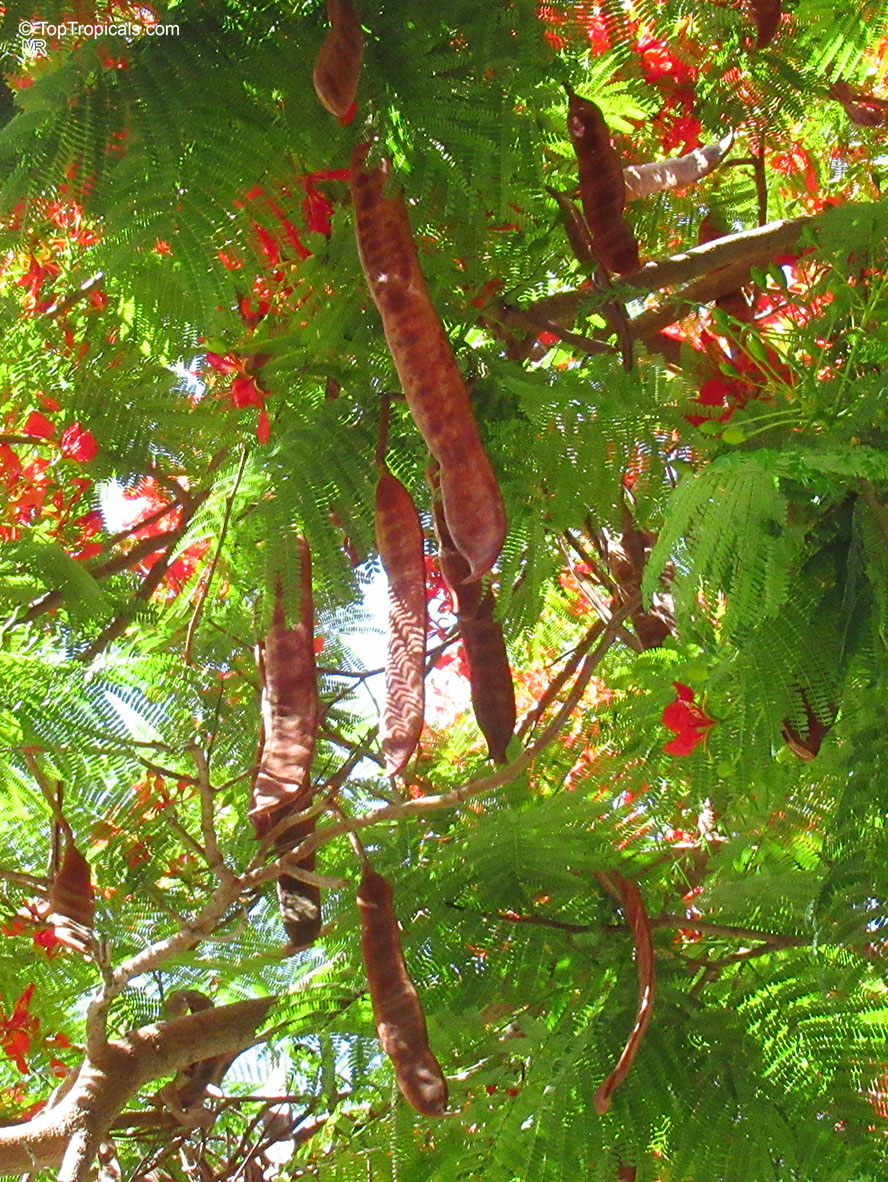
The foliage consists of fine, fern-like compound leaves that create a soft green canopy.
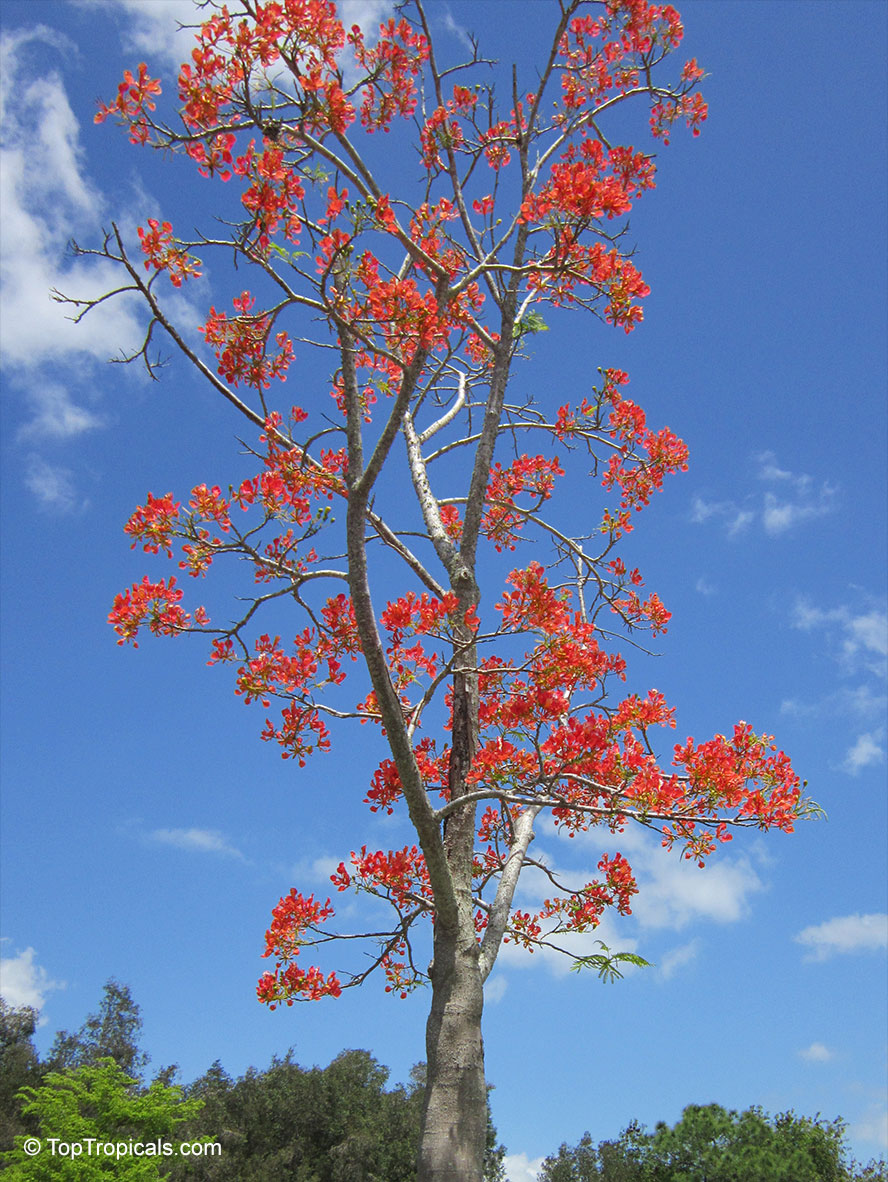
These leaves are sensitive to seasonal changes and are typically shed during dry or cool periods.
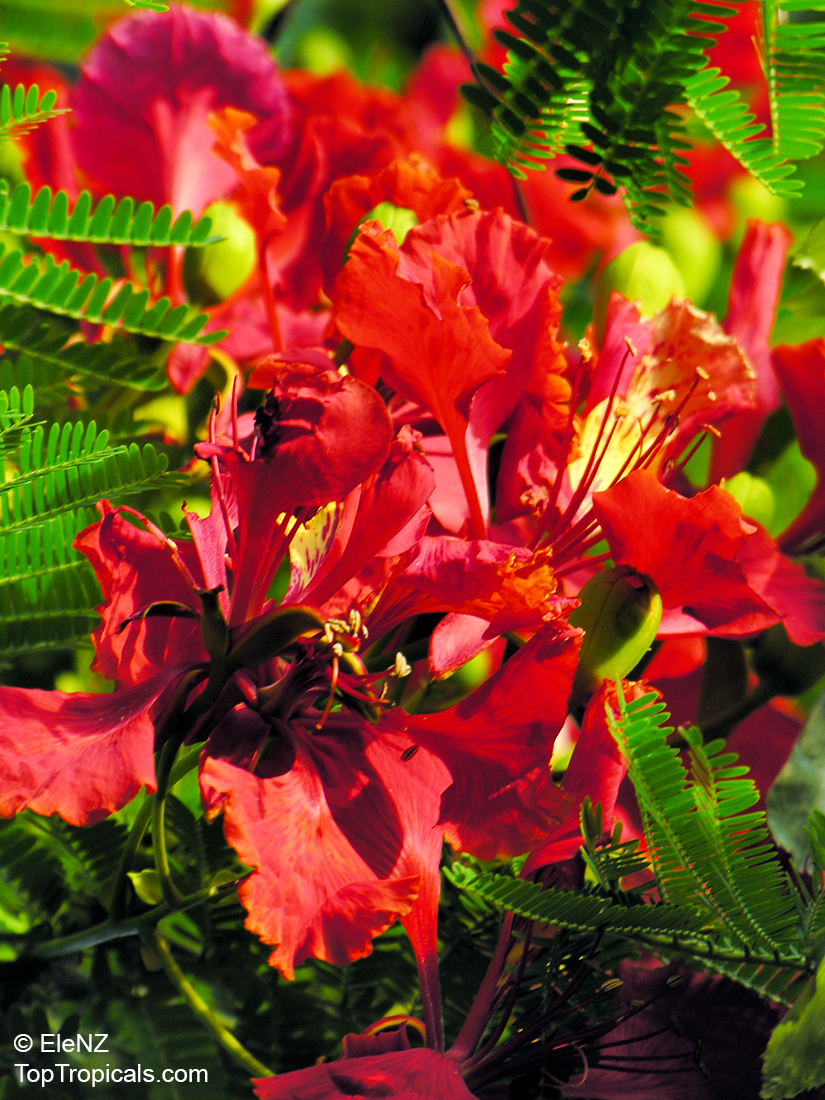
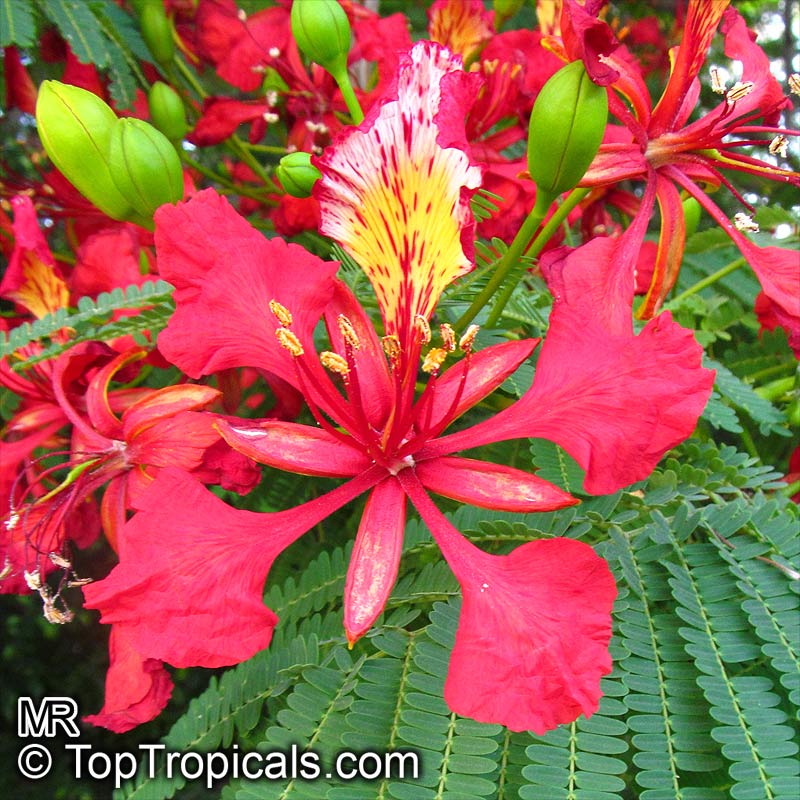
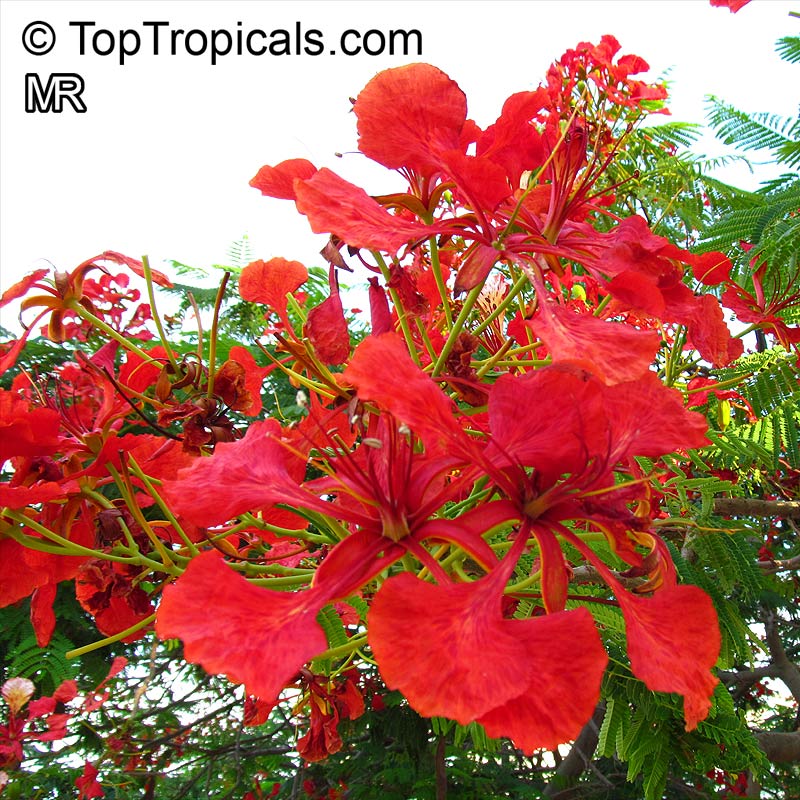
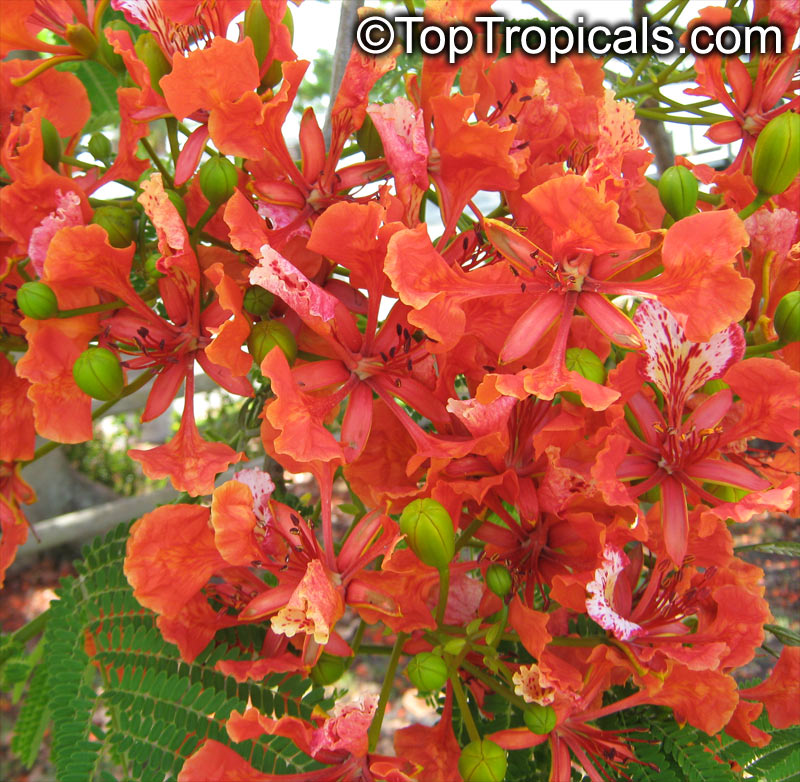
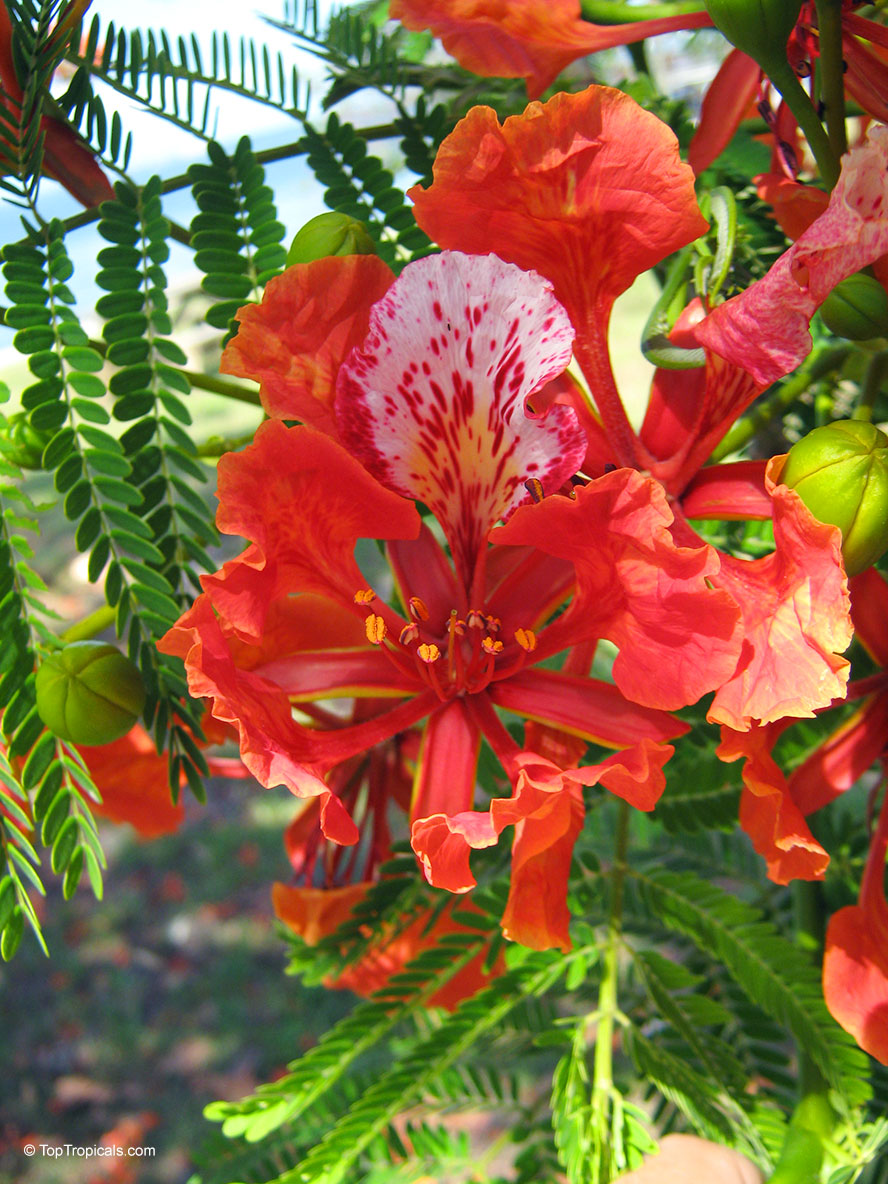
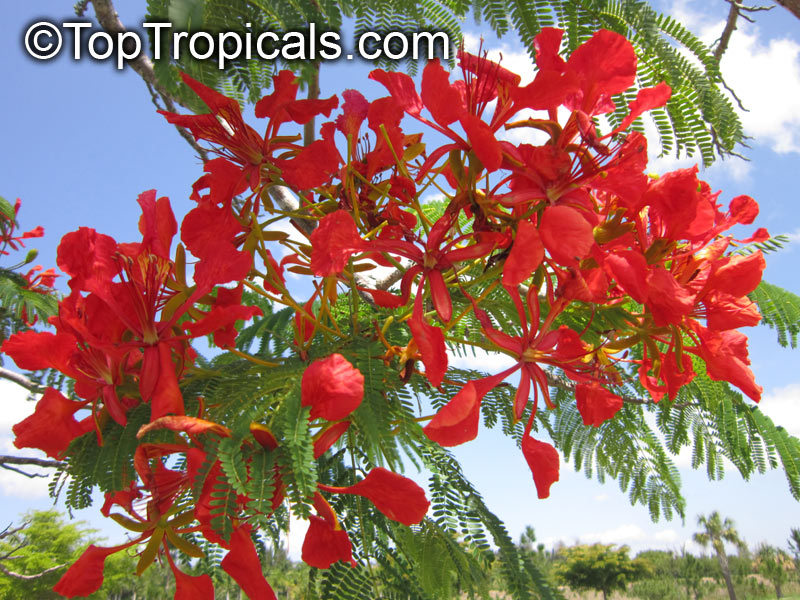
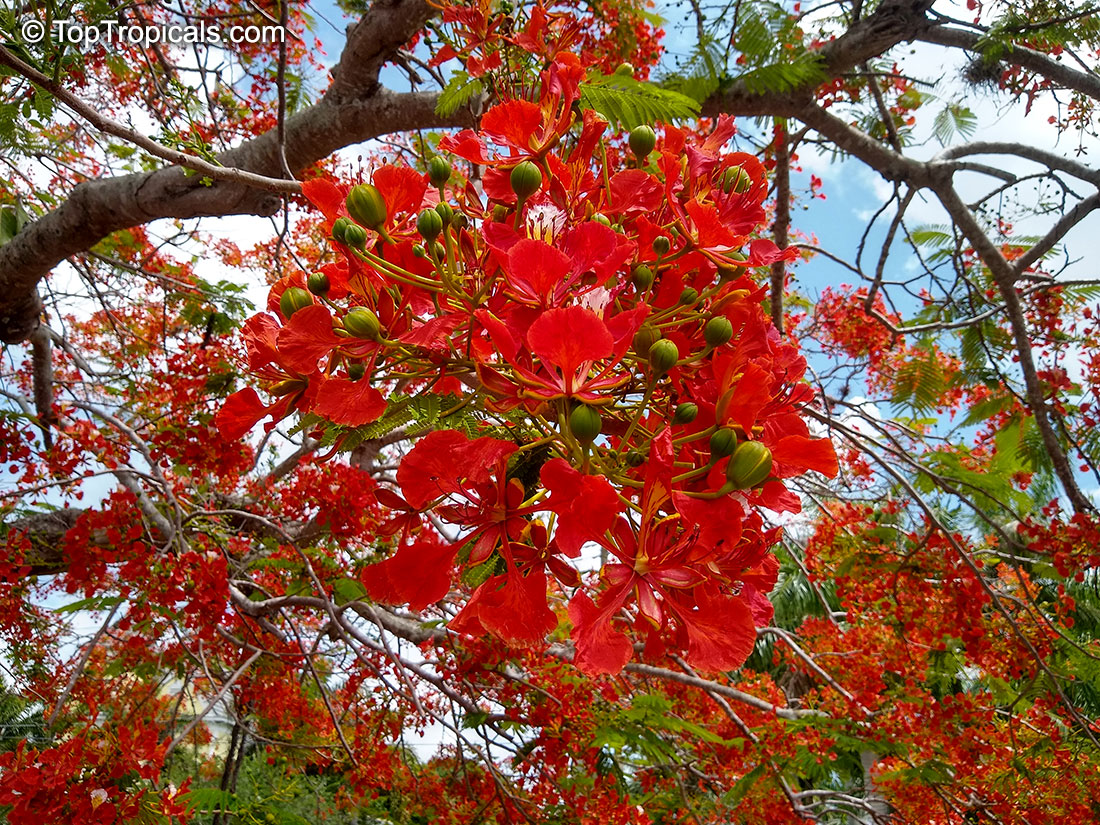
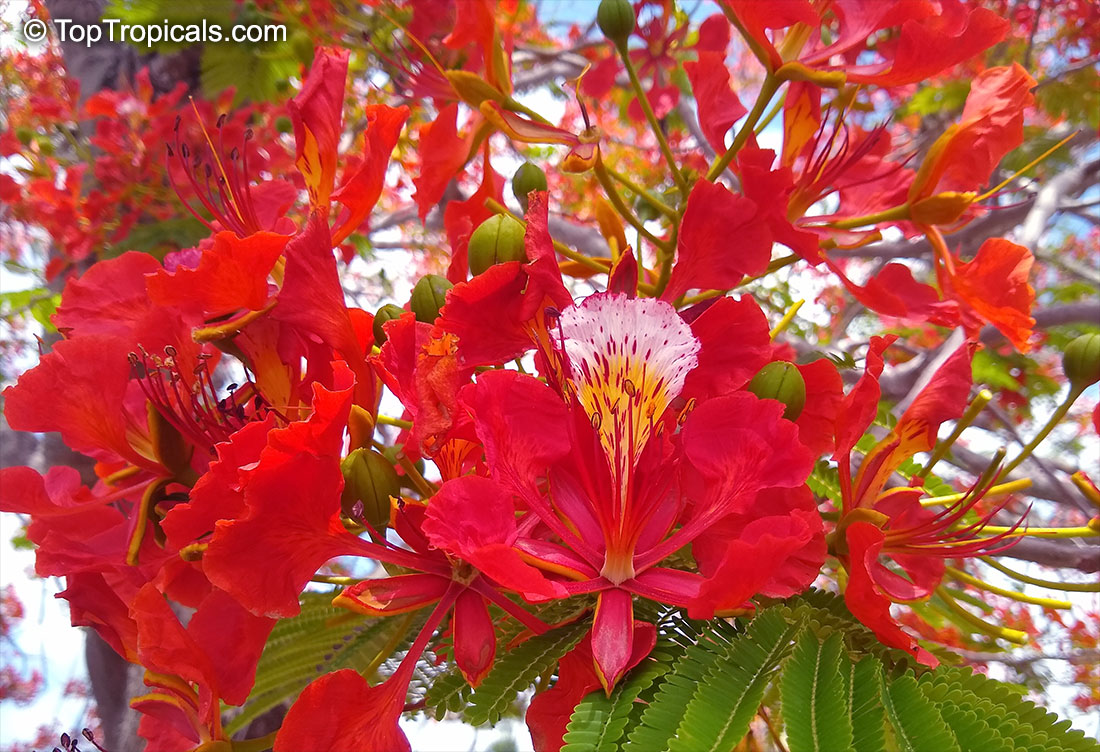
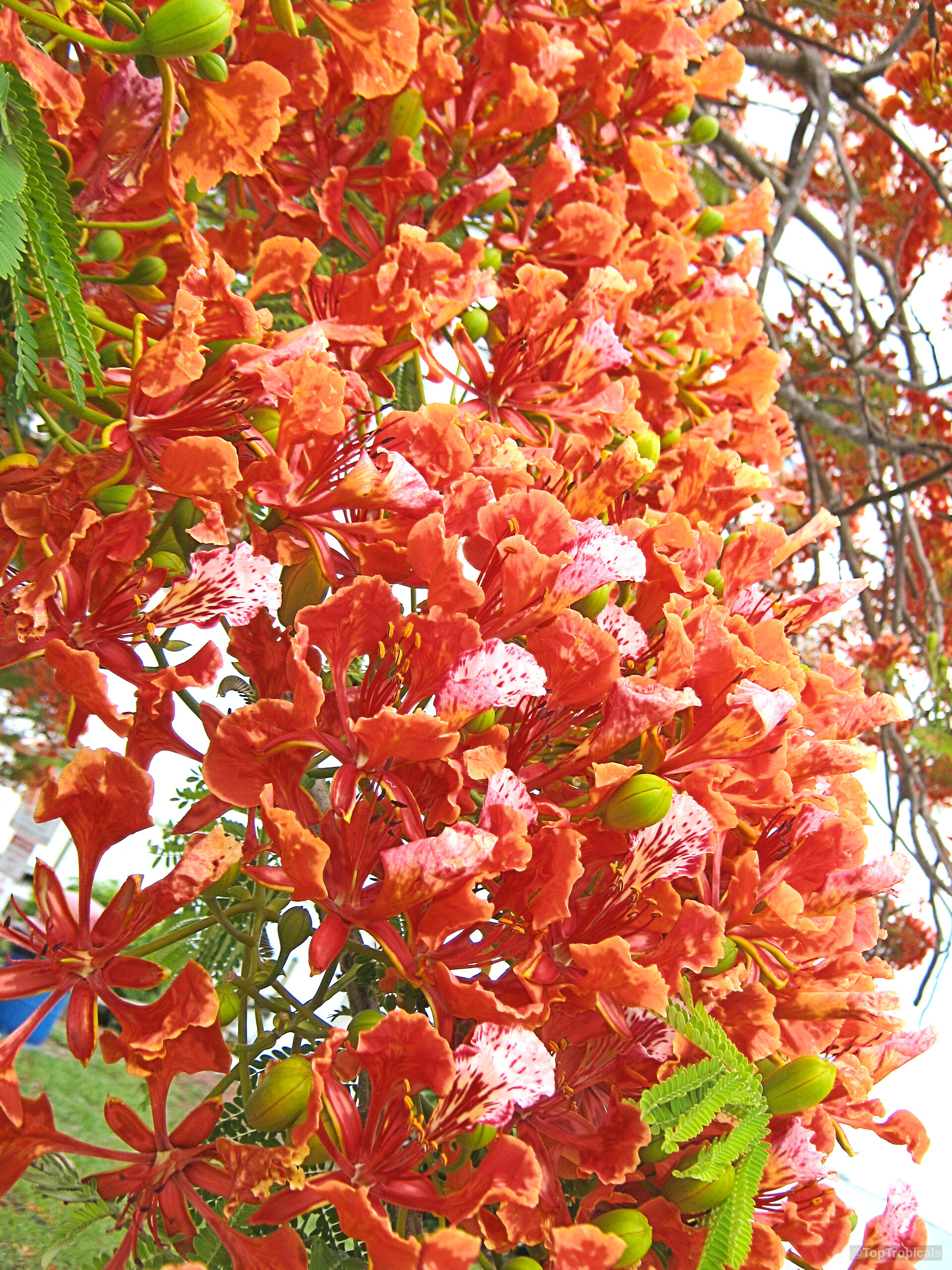
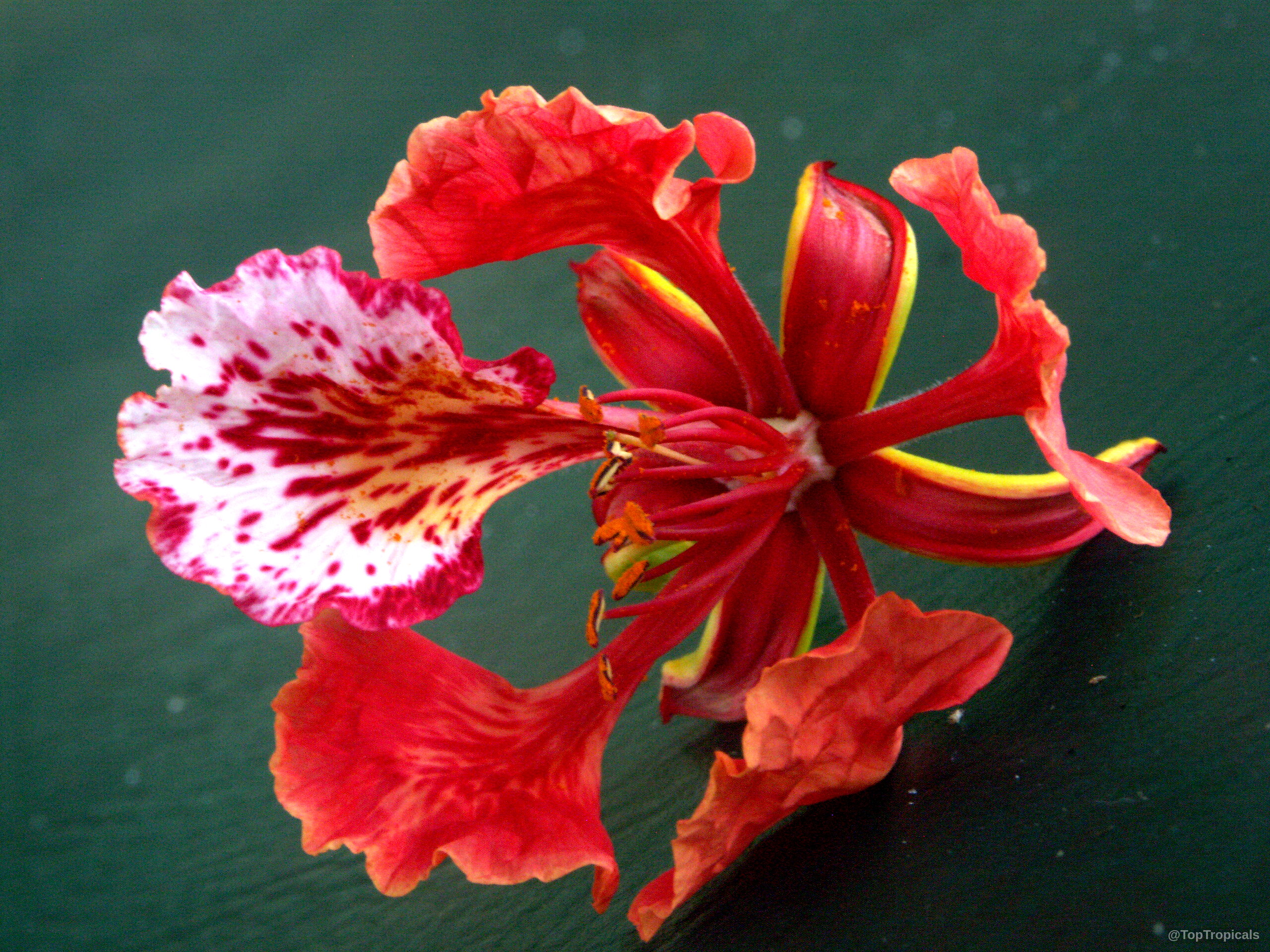
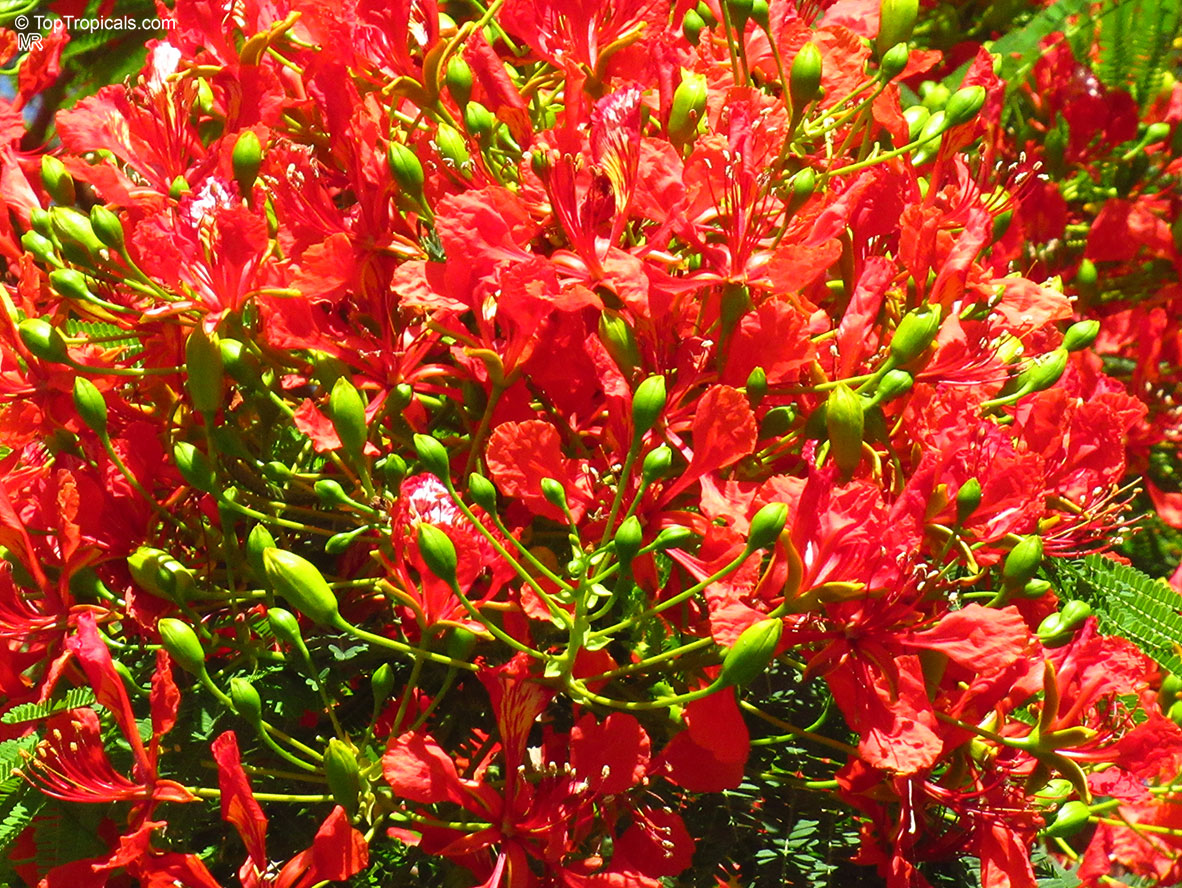
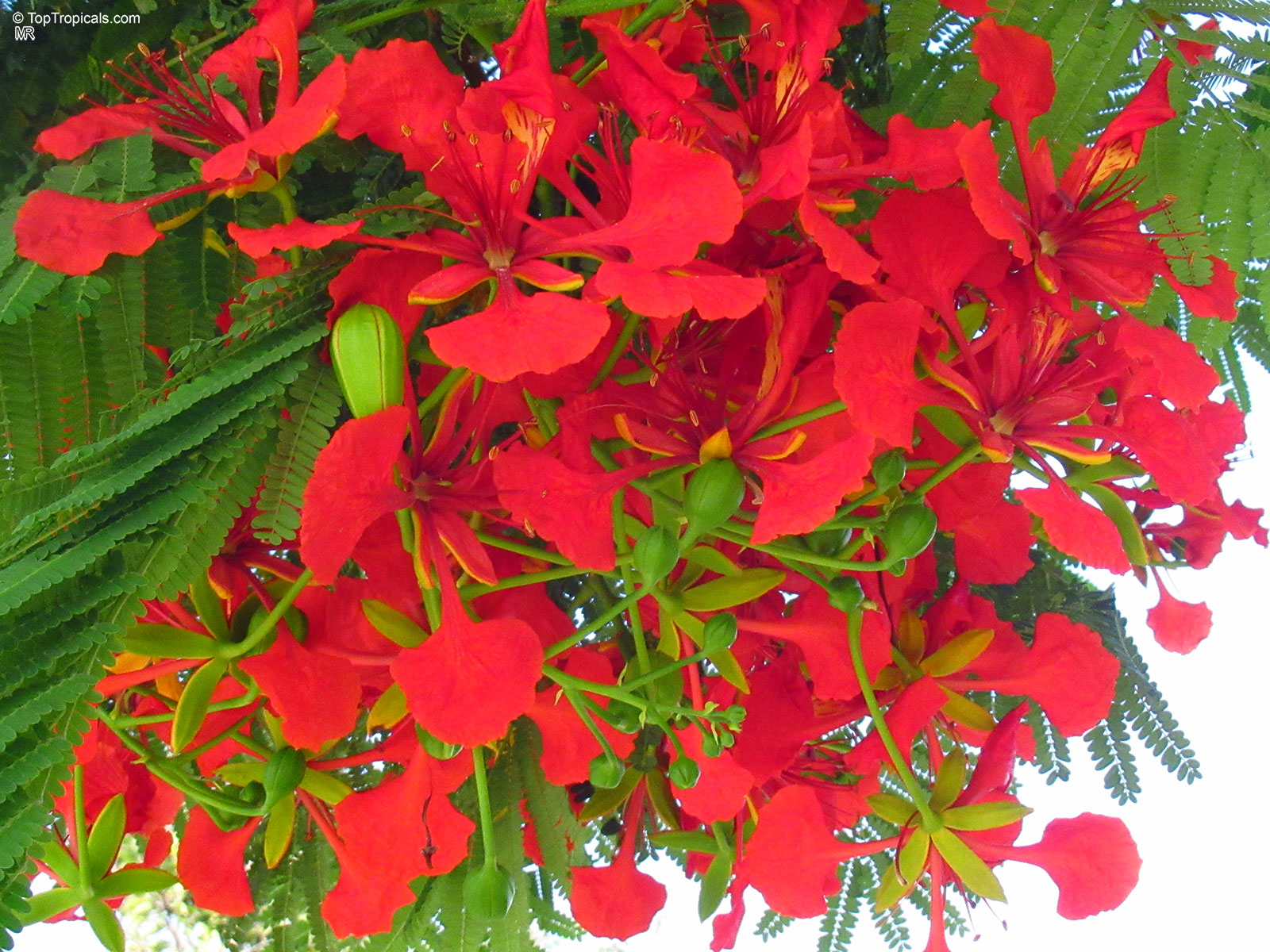
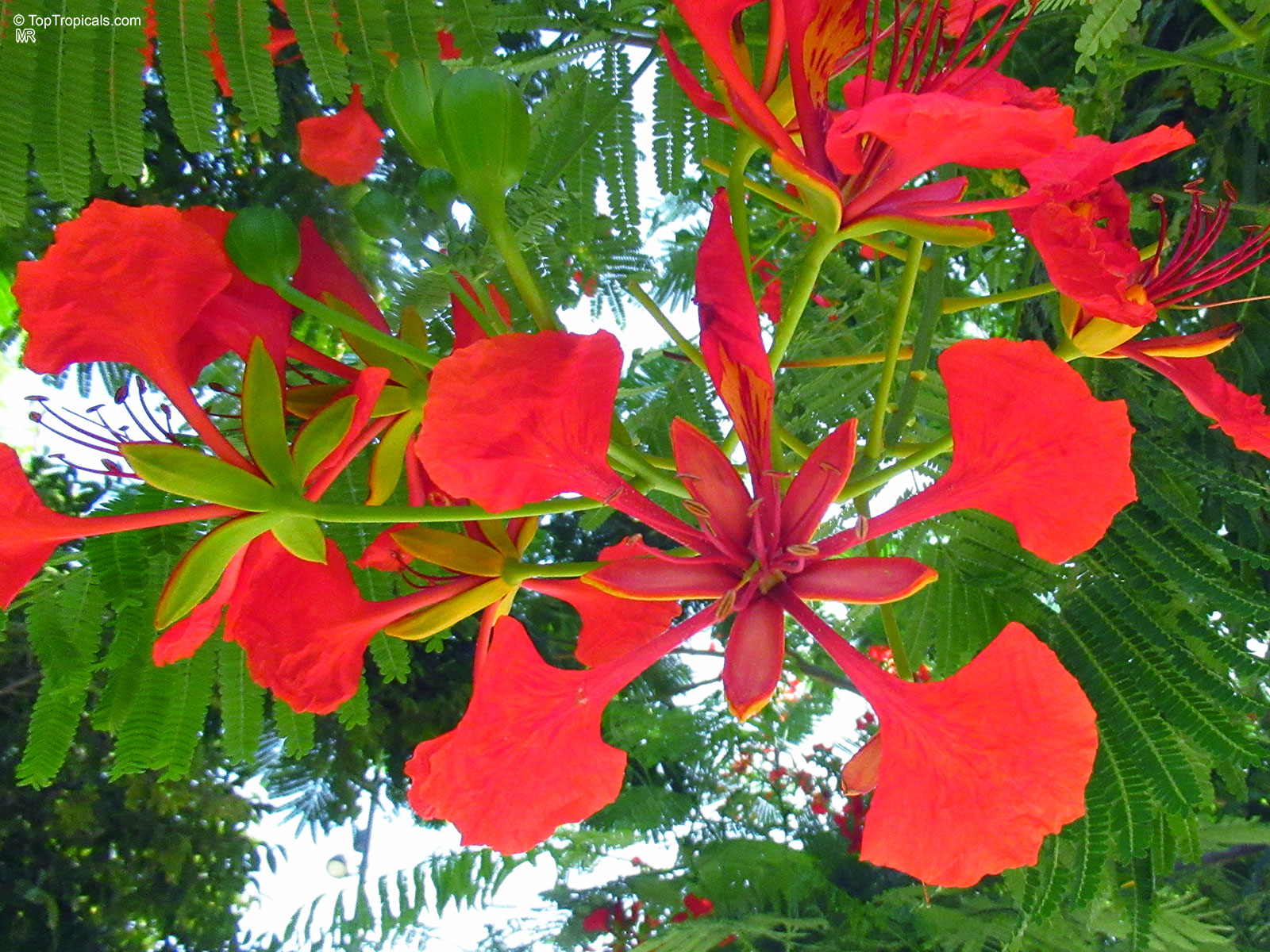
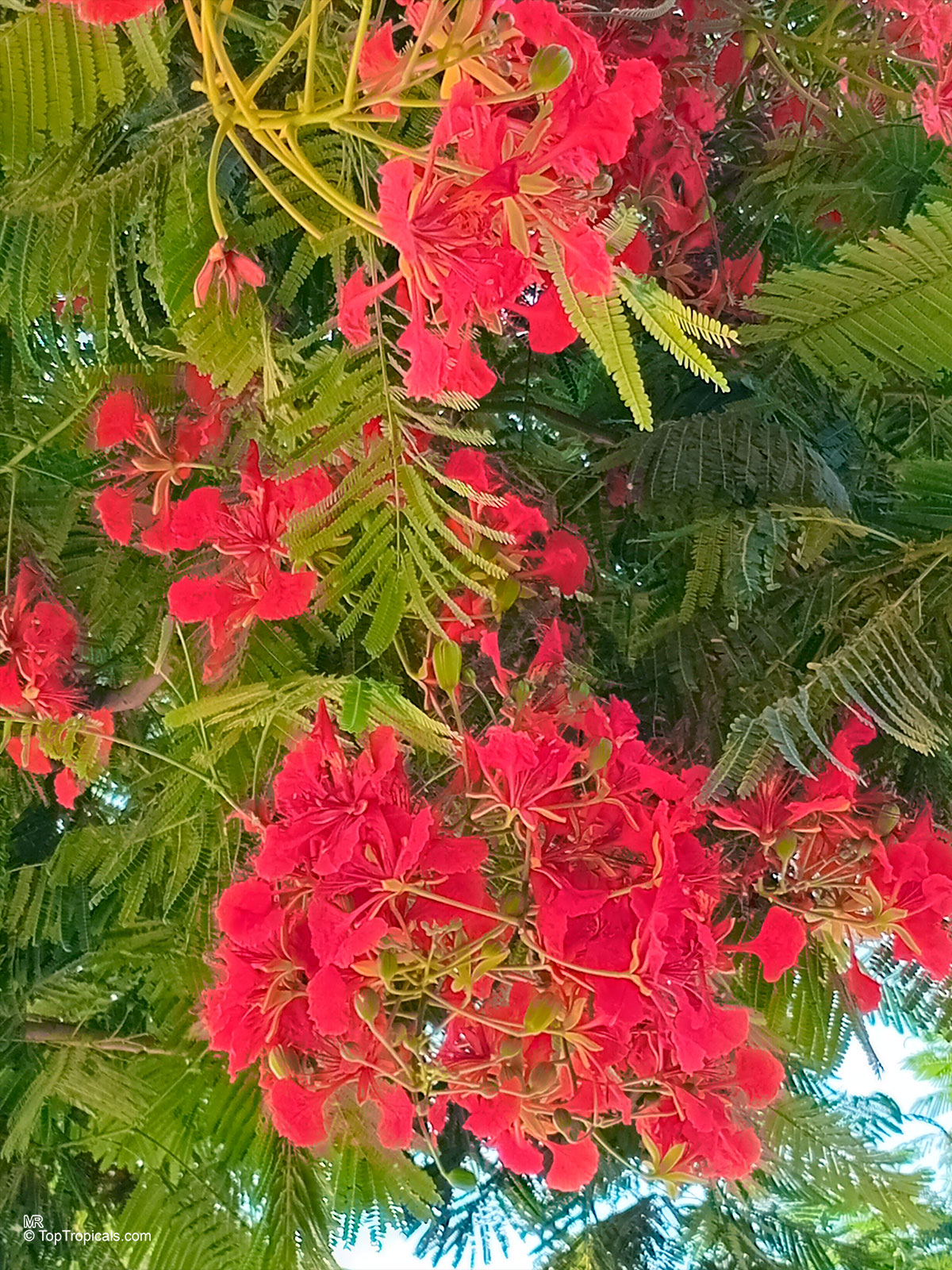
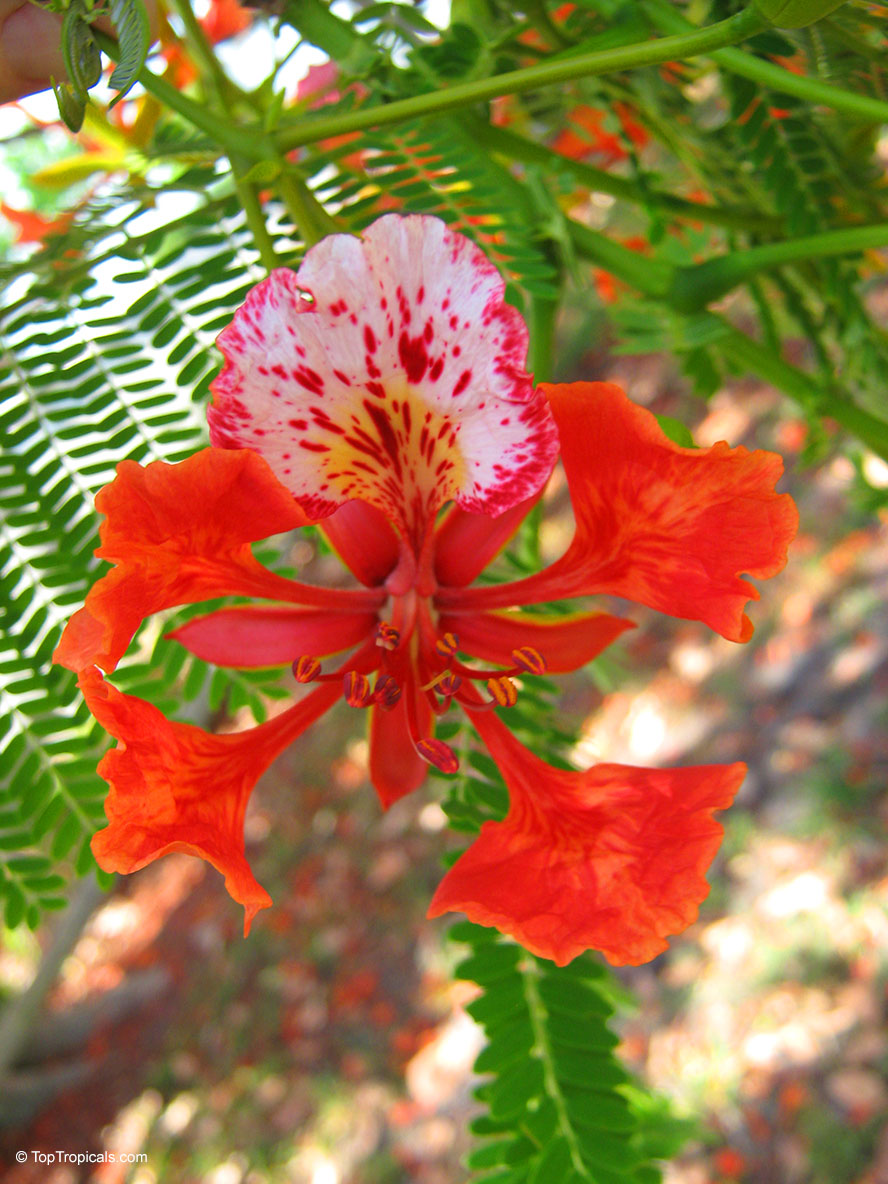
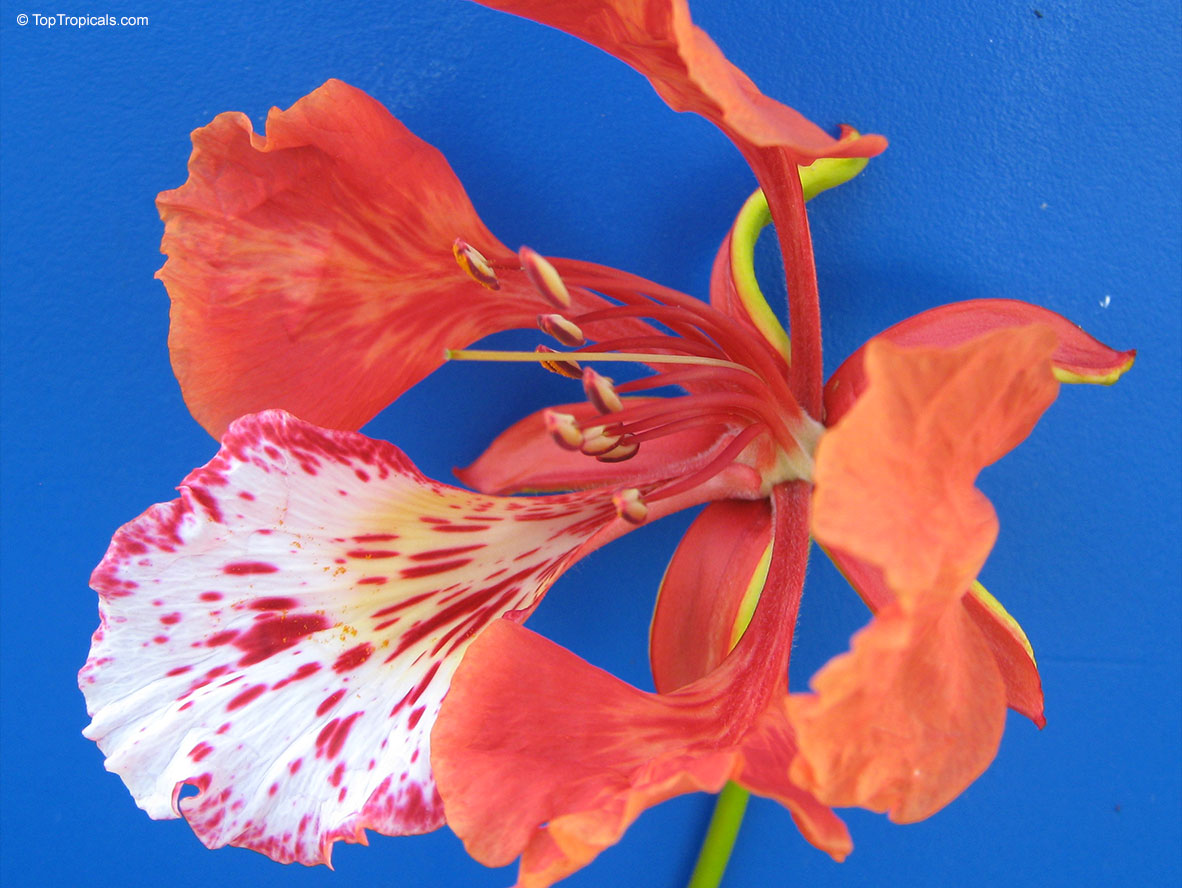
In late spring or early summer, the tree bursts into vivid bloom, covering itself with large red to orange-red flowers.
Each flower has five petals, one often streaked with white or yellow, creating a striking contrast.
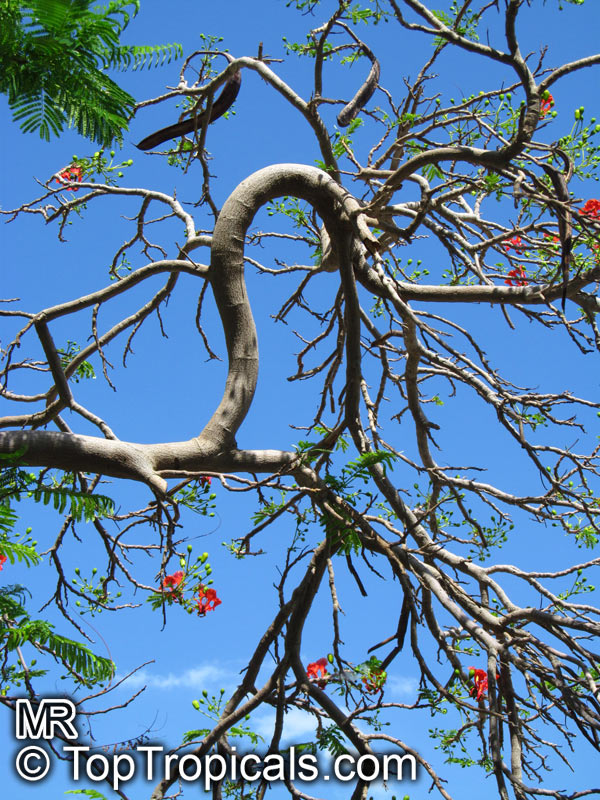
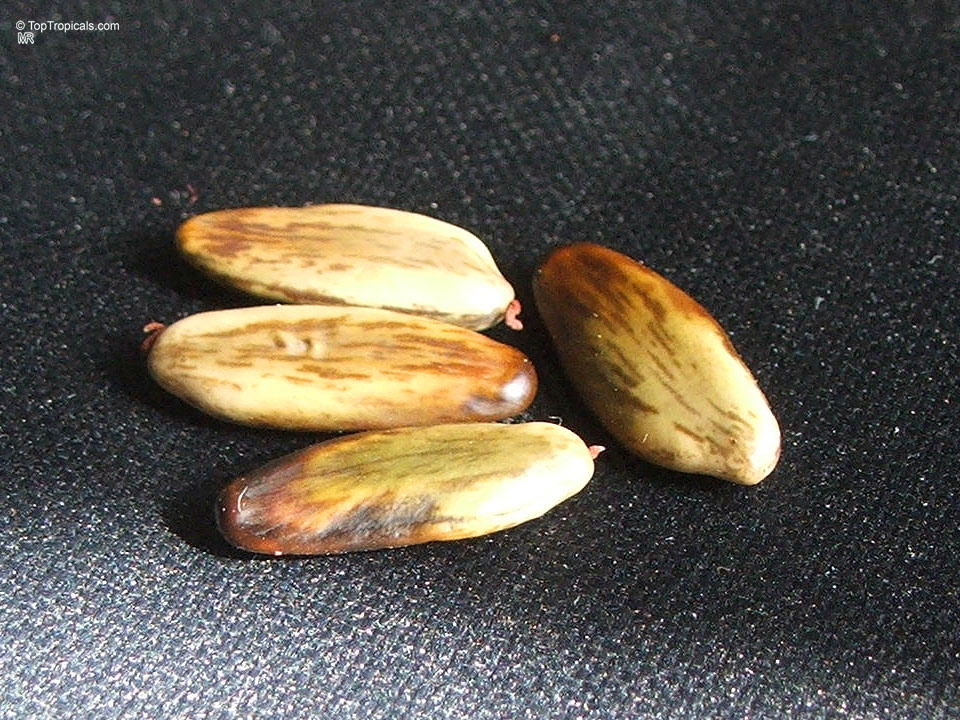
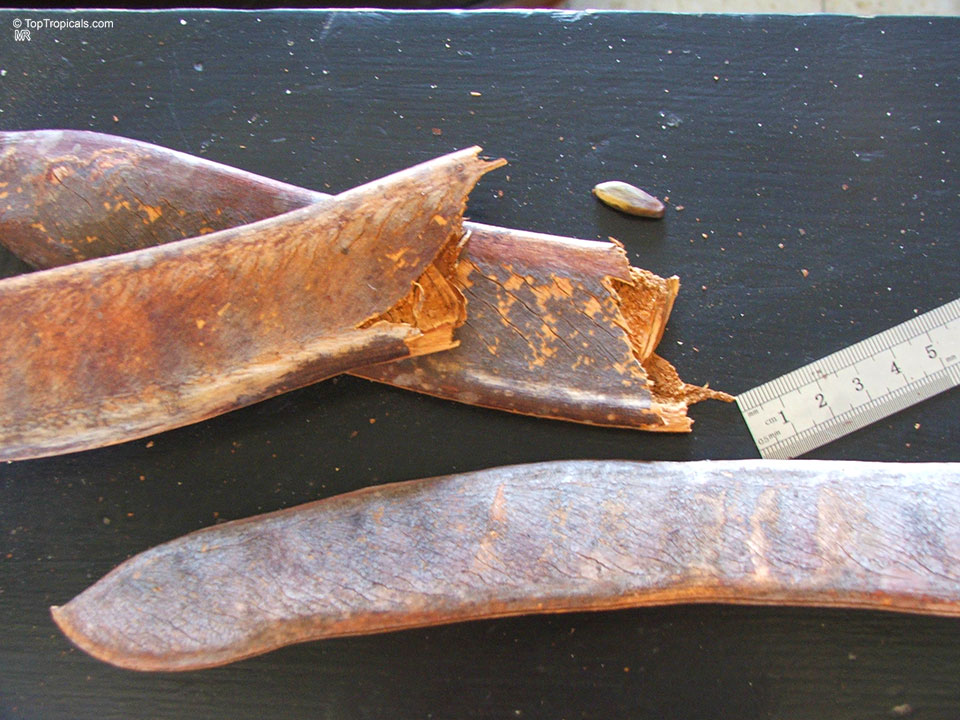
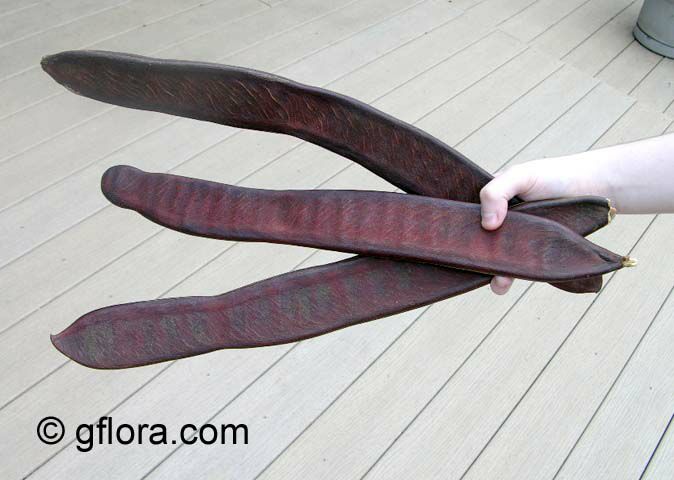
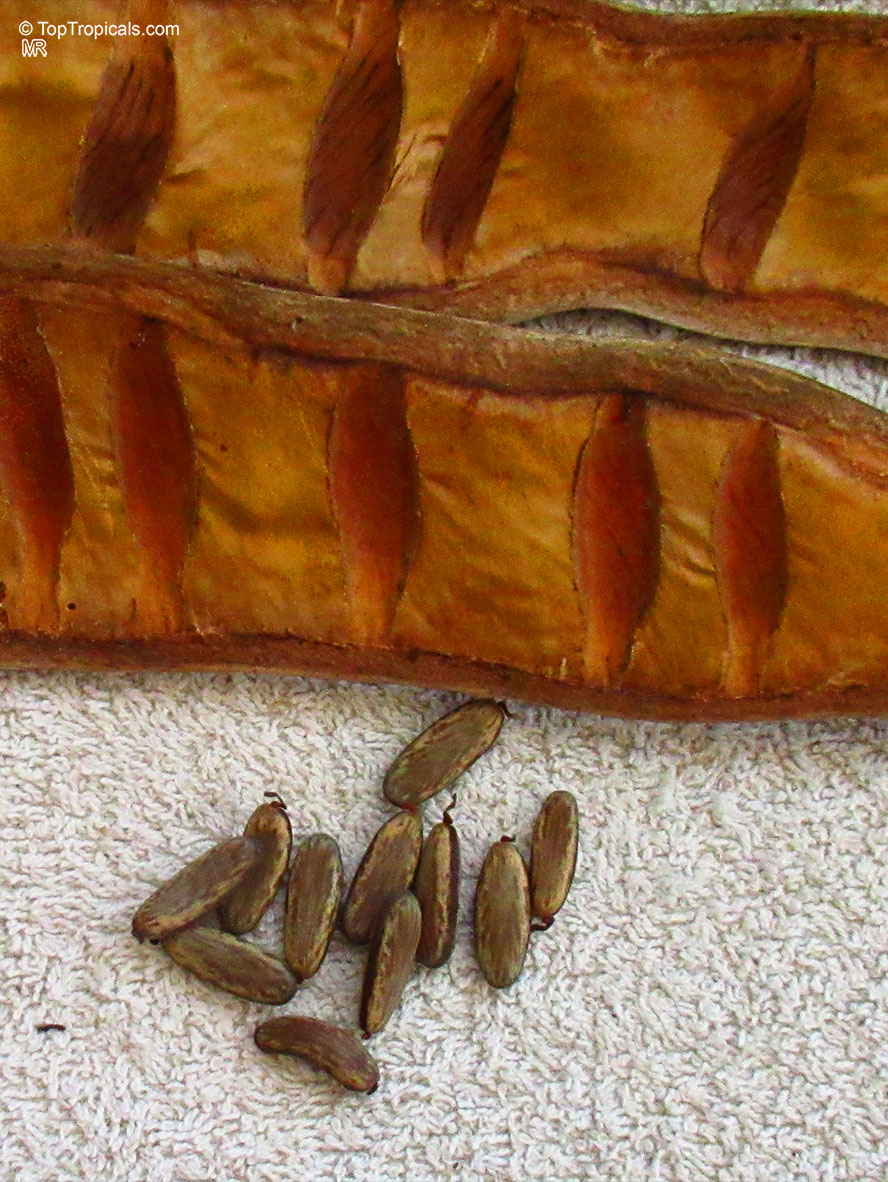
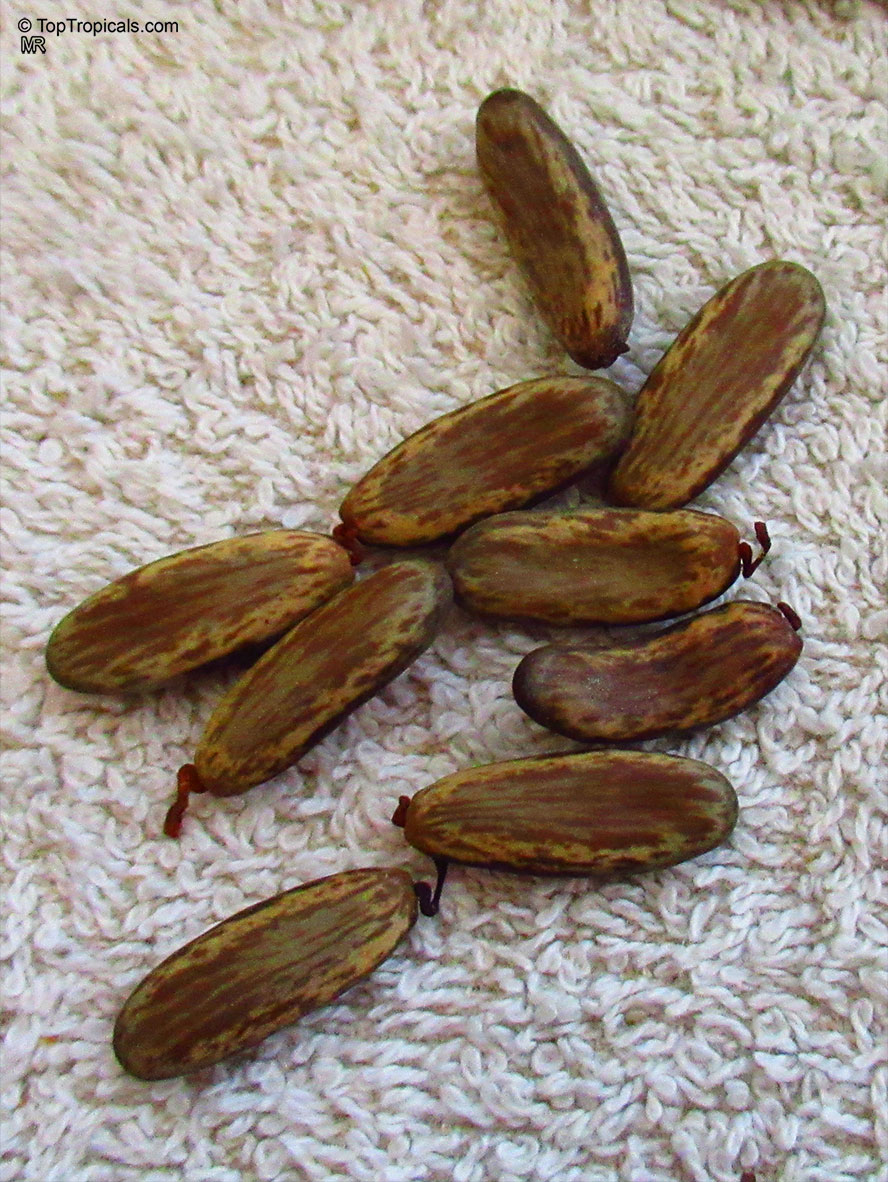
After flowering, long flattened seed pods develop, turning dark brown or black when mature.
Delonix performs best in regions with distinct wet and dry seasons but can adapt to more humid conditions.
Minimum cold tolerance is around 30F; young trees are vulnerable to frost damage.
This species is not edible and has no confirmed toxicity.
It differs from Caesalpinia pulcherrima and other tropical bloomers by its size, broad canopy, and distinctive flower shape.
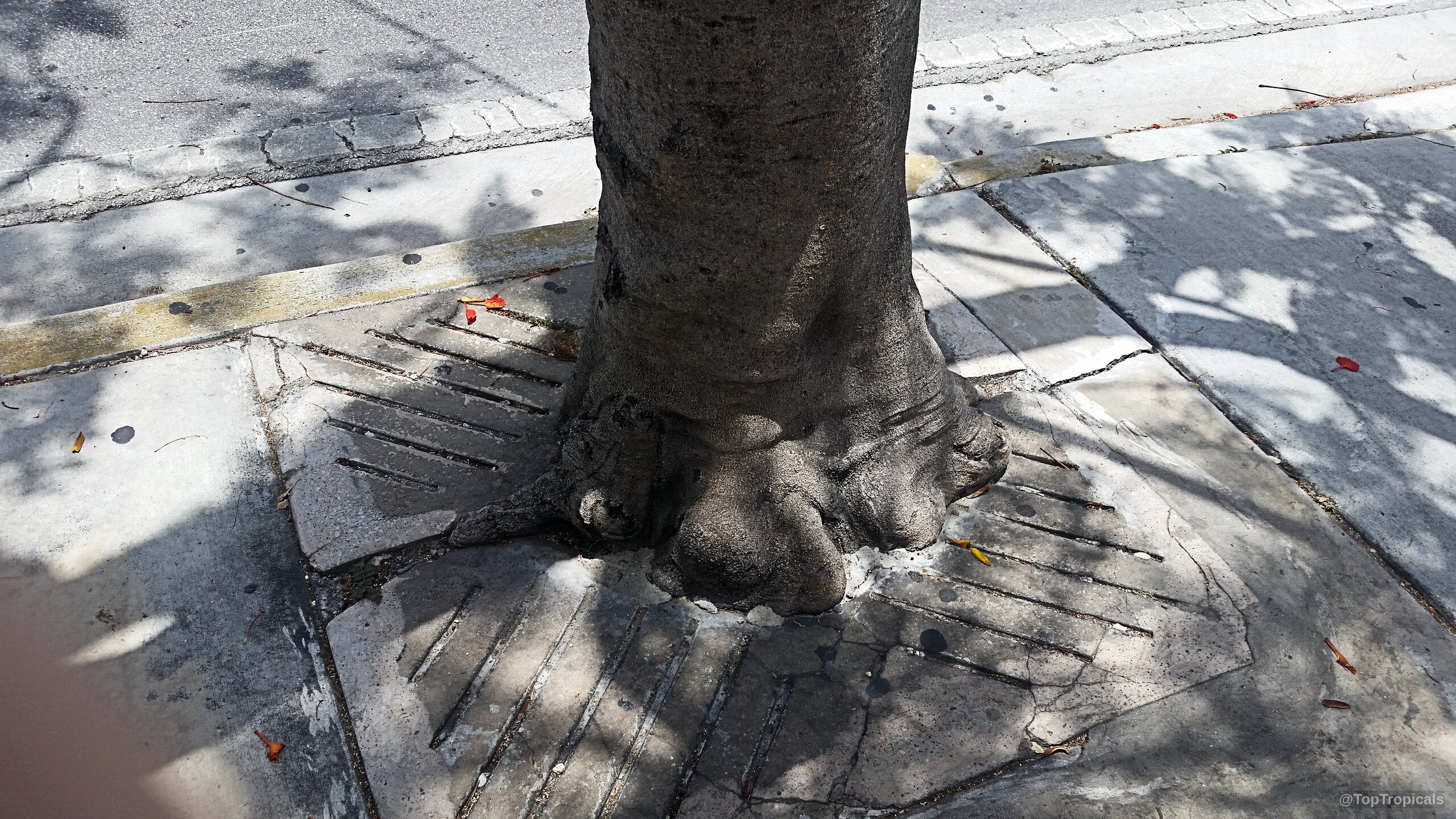
Its surface roots may lift pavement or disturb nearby structures if planted too close.
Varieties:
Watch video about this tree.




Recommended Supplies: SUNSHINE Megaflor - Bloom Nutrition Booster
SUNSHINE-Epi - Caudex booster
Adenium Soilless Mix
Recommended Fertilizer: SUNSHINE Megaflor - Bloom Nutrition Booster
Local pickup only. This item is not available for shipping. Local delivery may be available in Ft. Myers or Sebring, Florida. Contact us for an estimate. Non-pickup orders are subject to restocking fees.
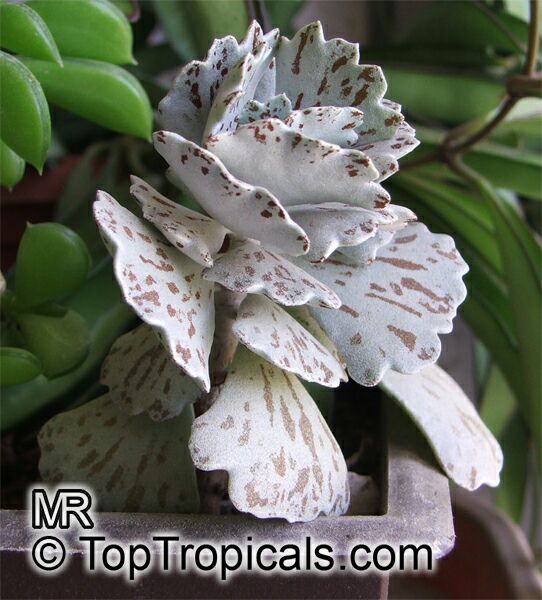
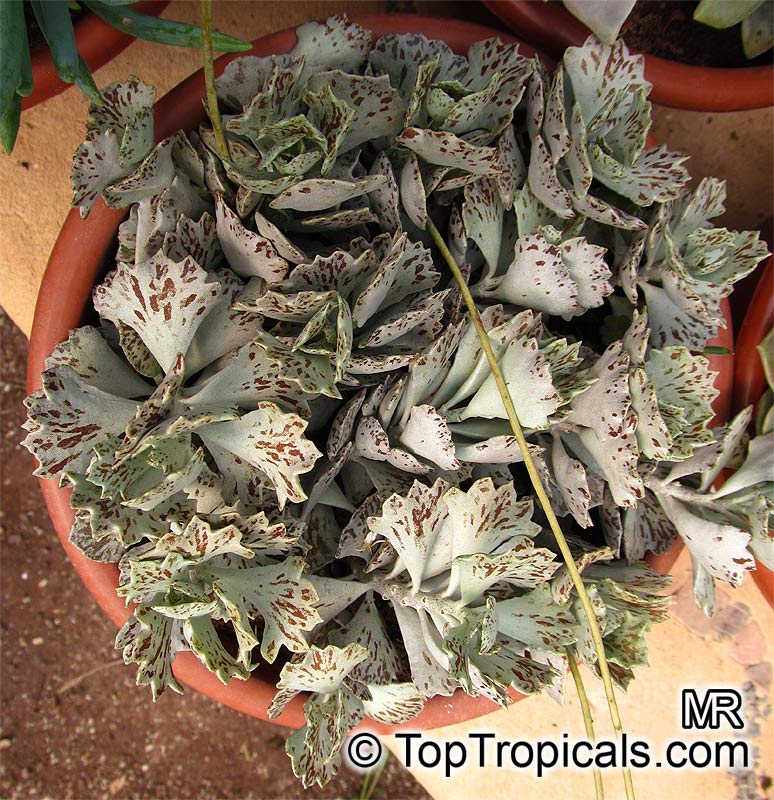
Botanical name: Kalanchoe rhombopilosa
Common name: Pies from Heaven
Family: Crassulaceae
Origin: Madagascar


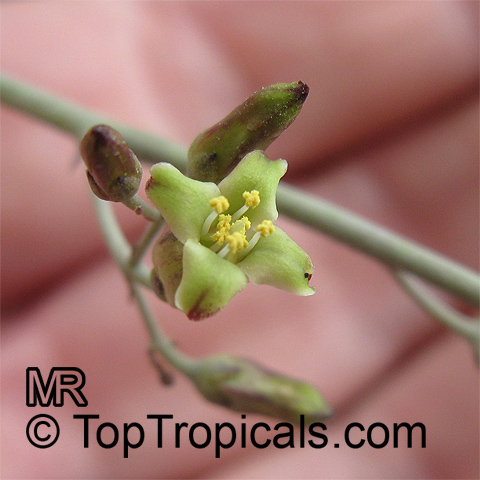
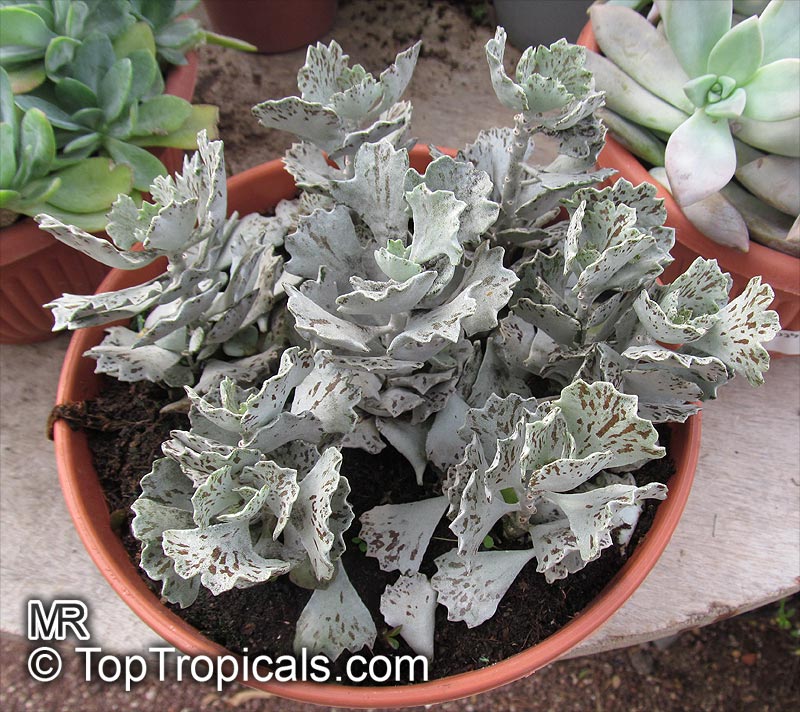
This small shrub is native to the mountainous regions of Madagascar and is a joy to behold. Growing up to 2-5 ft tall in full sun or semi-shaded outdoor settings, Kalanchoe rhombopilosa is an easy to grow and relatively low maintenance addition to any garden. It performs best in dryer to moderately watered soils and can also handle dry conditions.
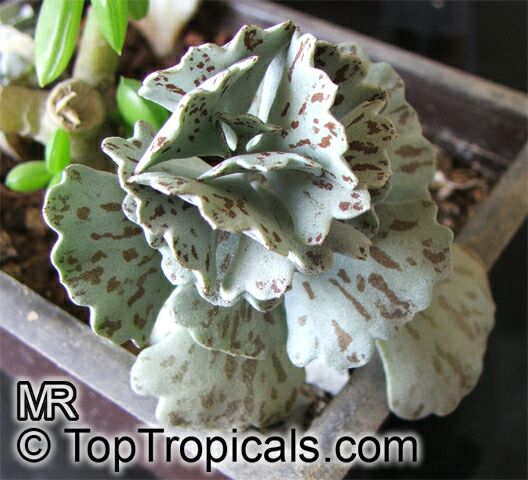
The ornamental foliage of Kalanchoe rhombopilosa can often be seen as an eye catching feature in many Garden of Excellence or as a showstopper in any rock garden or potted setting. It is hardy in the USDA zones 9-11 and can survive in some colder climates with a little extra care. When growing Kalanchoe rhombopilosa in colder areas, a pot placed in a sheltered location is best, ensuring that it receives some protection from extreme temperatures. Utilizing non-porousmaterials such as pebbles, and mulch are a good way to retain the shallow moisture, and help protect the plant from any heat and stress.
Kalanchoe rhombopilosa does best in full sunlight or in semi-shaded spots. Make sure to apply a slow-release fertilizer regularly, check the soil moisture, and provide adequate drainage, especially during the summer months as having generous amounts of water and humidity can Kalanchoe rhombopilosa's susceptibility to foliar diseases. Furthermore, be sure to aerate and loosen the soil often and look out for potential pests such as aphids and slugs.
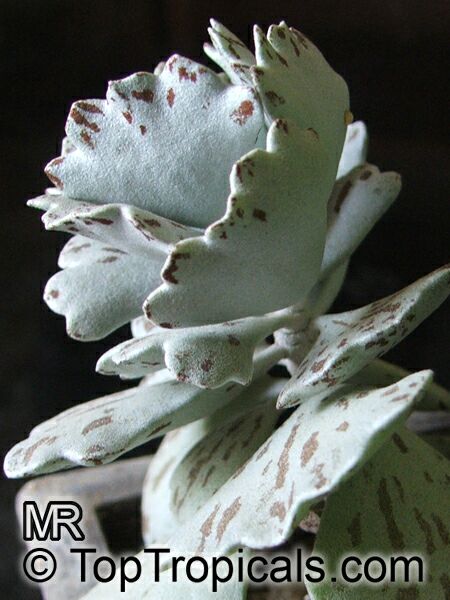
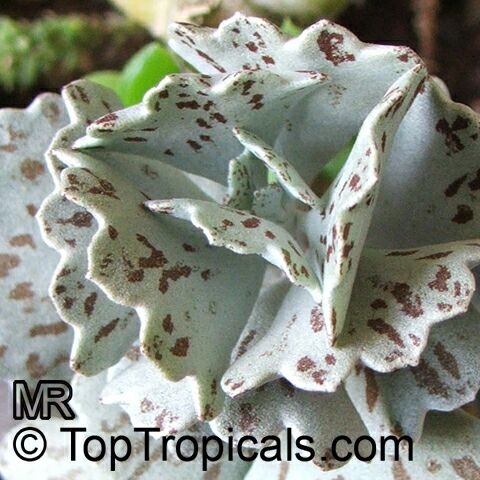
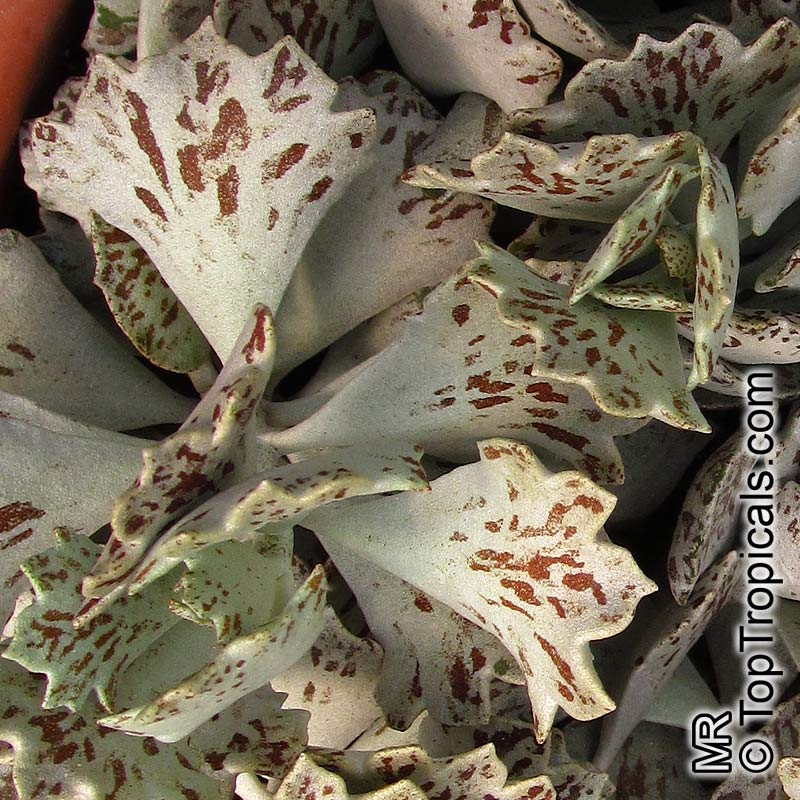
Kalanchoe rhombopilosa is a stunning and low maintenance addition to any garden. With its triangular shaped silver-green leaves, spectacular brown markings and green-yellow flowers with red lines, Pies from Heaven is sure to be a talking point for years to come.

Botanical name: Wallichia disticha
Common name: Wallichia
Family: Arecaceae / Palmae
Origin: Himalaya

Wallichia disticha, a palm native to the Himalaya, is an unusual looking plant that grows up to 20 ft tall. Its long, coarse leaflets are dark green on top and greyish white underneath, creating an ornamental and unique foliage. It is hardy to USDA Zone 9-11 and does best in a tropical climate. However, it can be grown in sheltered sub-tropical regions and in pots in cooler regions.
Outdoor locations should be chosen that receive full sun, but can be grown slightly out of direct sunlight. Wallichia disticha requires moderate watering with occasional fertilization to encourage healthy growth and to produce yellow blooms. Weak or damaged branches should be removed and if temperatures drop below 30F in the winter, extra protection should be provided.
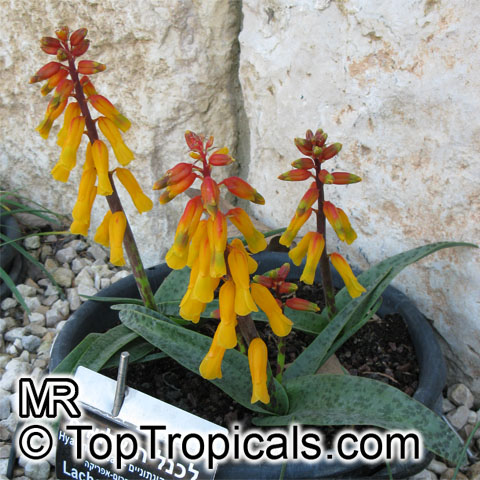
Botanical names: Lachenalia aloides, Lachenalia tricolor
Common name: Cape Cowslip
Family: Asparagaceae (Formerly:Hyacinthaceae / Liliaceae)
Subfamily: Scilloideae
Origin: South Africa
Lachenalia aloides (Cape Cowslip), is a small shrub that reaches between 2 to 5 feet in height. It is a plant native to South Africa and is most commonly grown in USDA Zones 9-11. This tough little plant loves the sun and moderate water and prospers best when watered from below rather than from above by soaking its roots more than once a week especially during hot, dry weather. It produces lush, strap-like foliage that is topped with camel-like stems topped with a showy yellow or orange flower.
Gardeners who wish to cultivate a Lachenalia aloides in areas where average temperatures are below zone 9 should make sure to either pot the Cape Cowslip or plant it in a protected area, such as near a wall, to help regulate its temperature. When winter comes its foliage will begin to yellow as temperatures drop and it can be left outside, but during the winter months make sure to limit water and to avoid wetting the foliage.
In general, Lachenalia aloides is easiest to take care of in pots and containers as it is easy to police its watering depending on the environmental conditions. During colder months, avoid overwatering as this can lead to root rot, so make sure to thoroughly drain the pot and allow it to dry completely before the next watering session. Once the hot weather arrives and the foliage begins to yellow, move the container to a cool, well-lit area and completely suspend all watering until the following winter.
| Next | |
Use link to repeat this search:
https://toptropicals.com/cgi-bin/garden_catalog/cat.cgi?search_op=and&keyword_op=and&language=e&number=10&no_change_lang=1
&v1=mod&user=tt&sale=1&first=0