Prunus x domestica (Plum)
Botanical name: Prunus x domestica
Common name: Plum
Family: Rosaceae
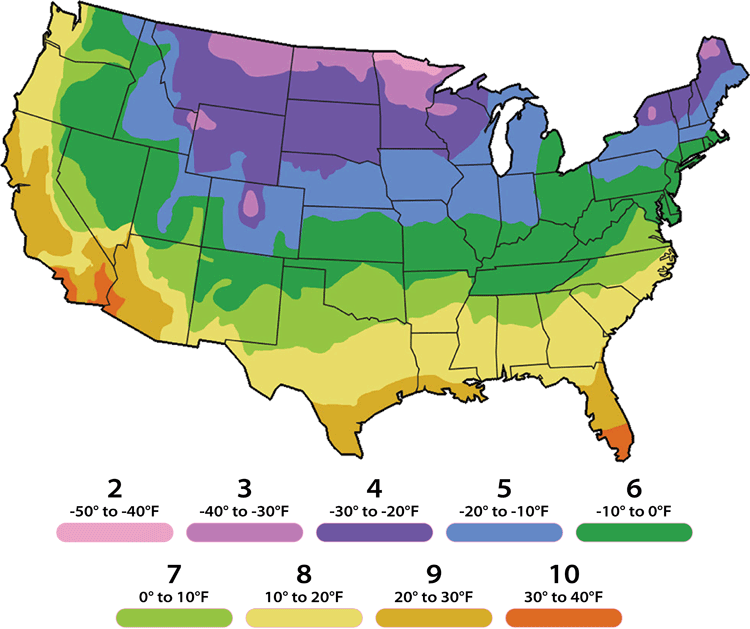
USDA Zone: 4-9

 Plant form: Small tree; suitable for bonsai
 Mature height: 10-20 ft
 Sun exposure: Full sun or bright light indoor
 Cold tolerance: Tolerates light freezing to about 30°F for short periods (mature plants). Young plants must be protected.
 Watering: Regular
 Flower color: Pink; white and off-white
 Suitable for: Outdoors in the suitable USDA zone; small gardens, containers, and indoor growing
 Thorns: Thorny or spiny
 Fragrance: Fragrant; perfume plant
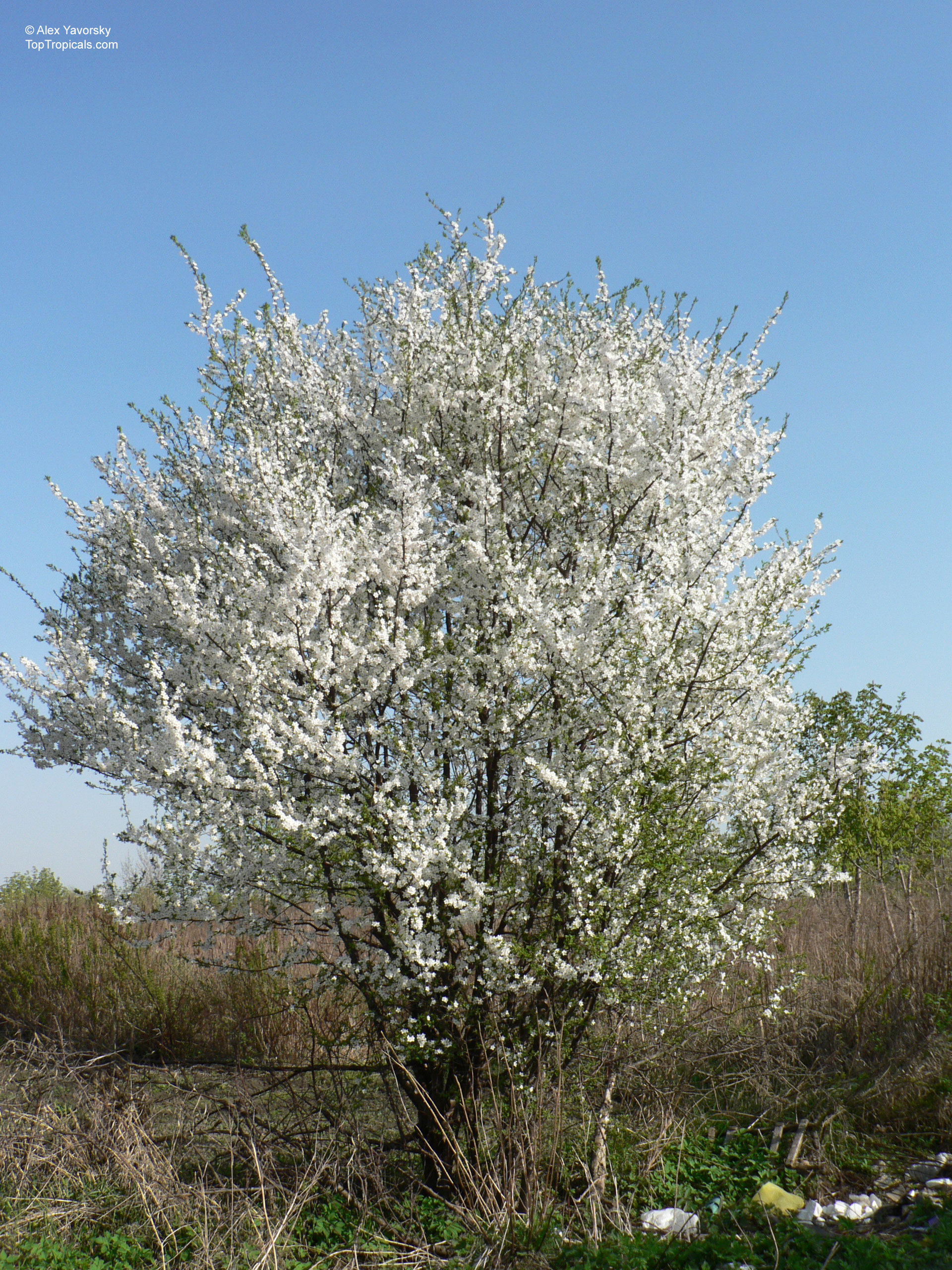
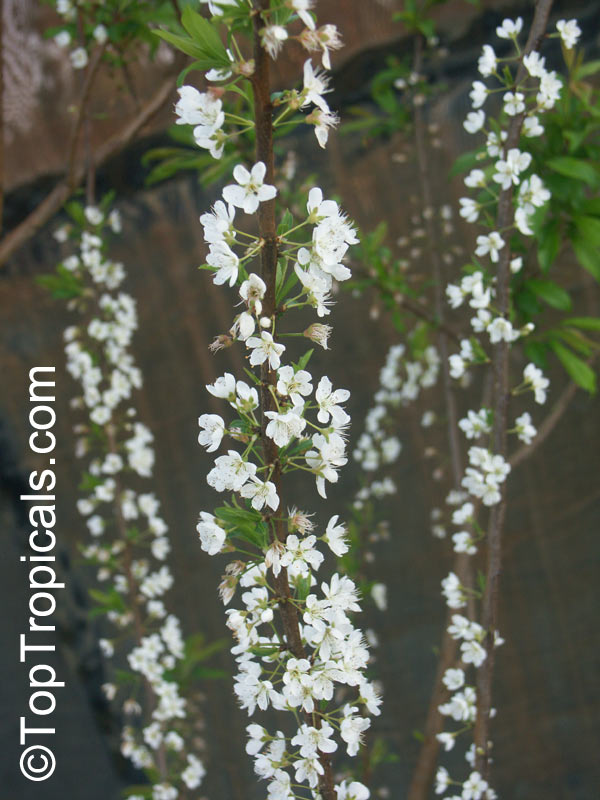
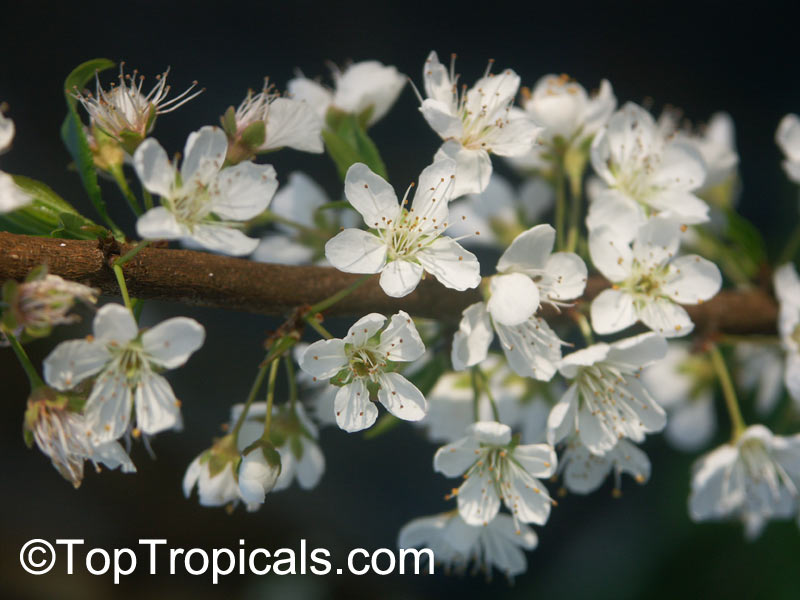
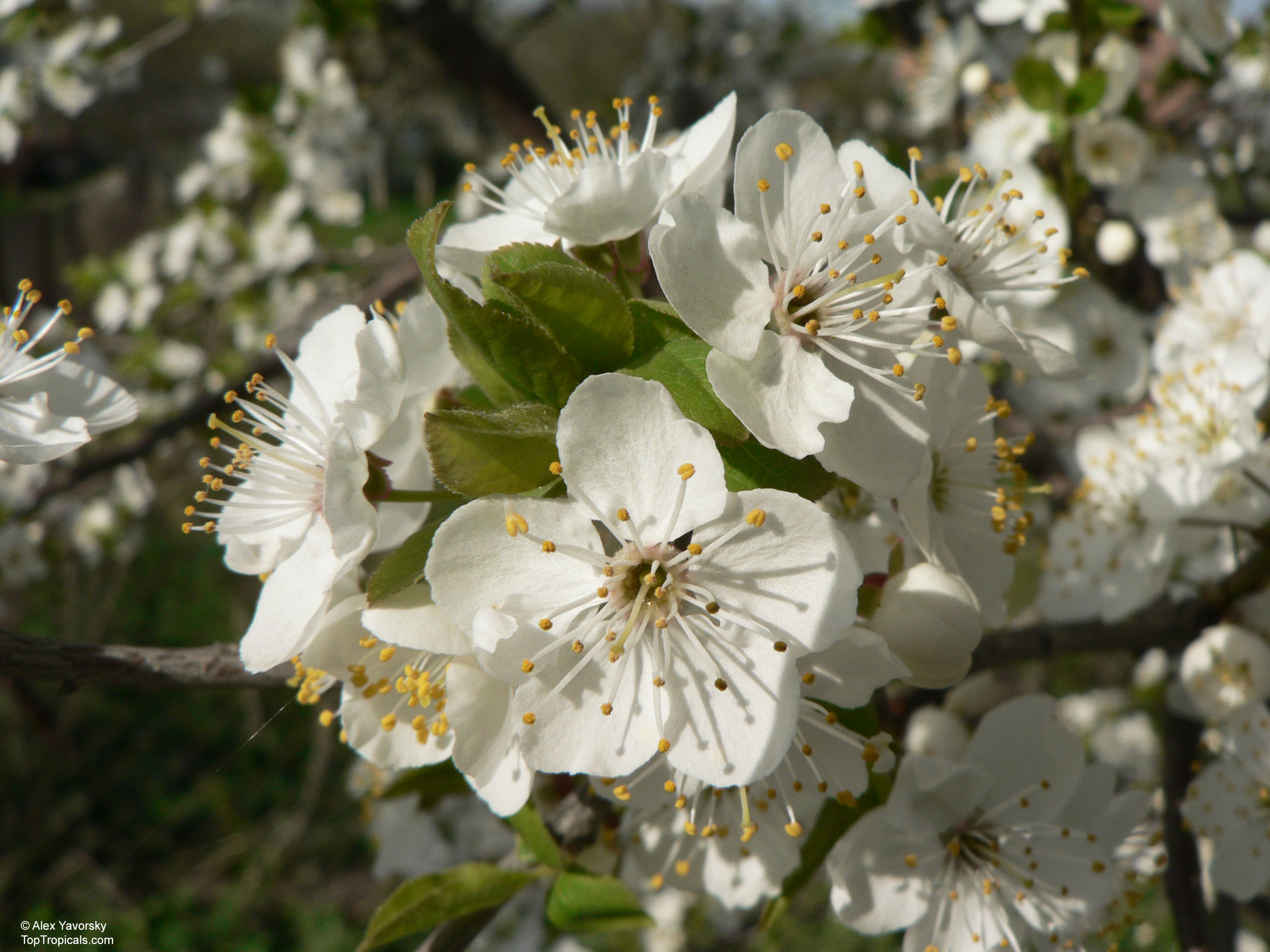
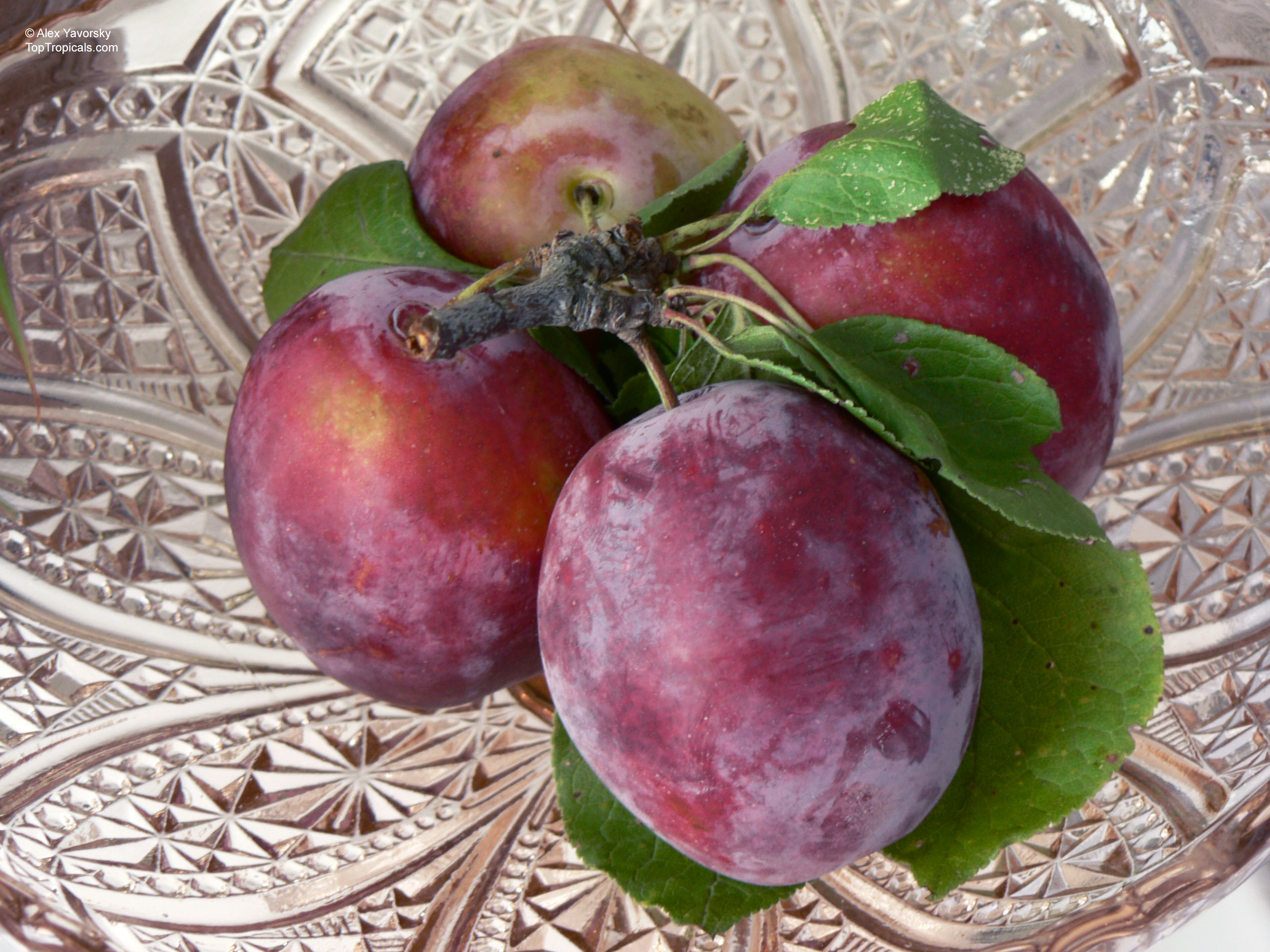
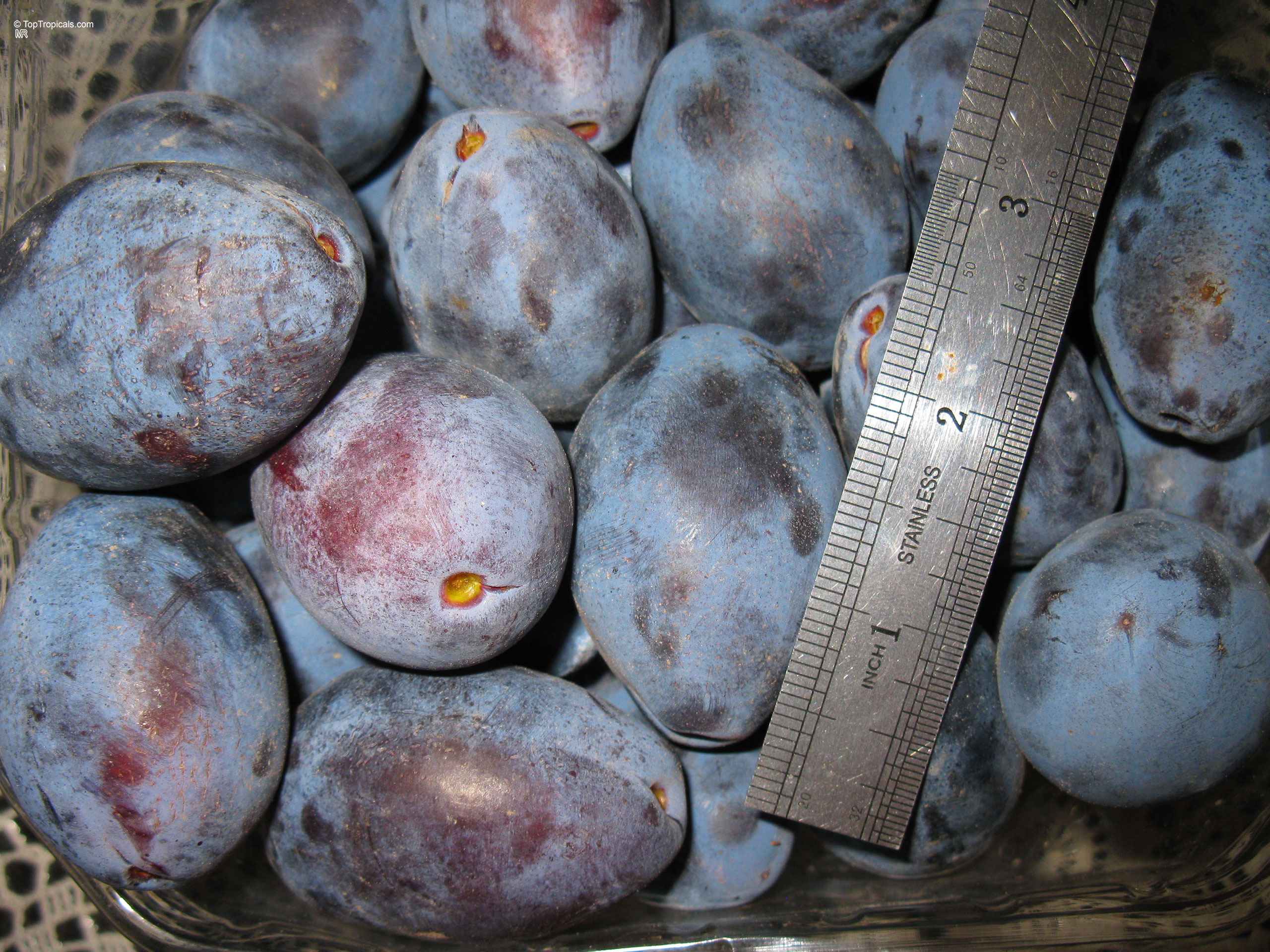
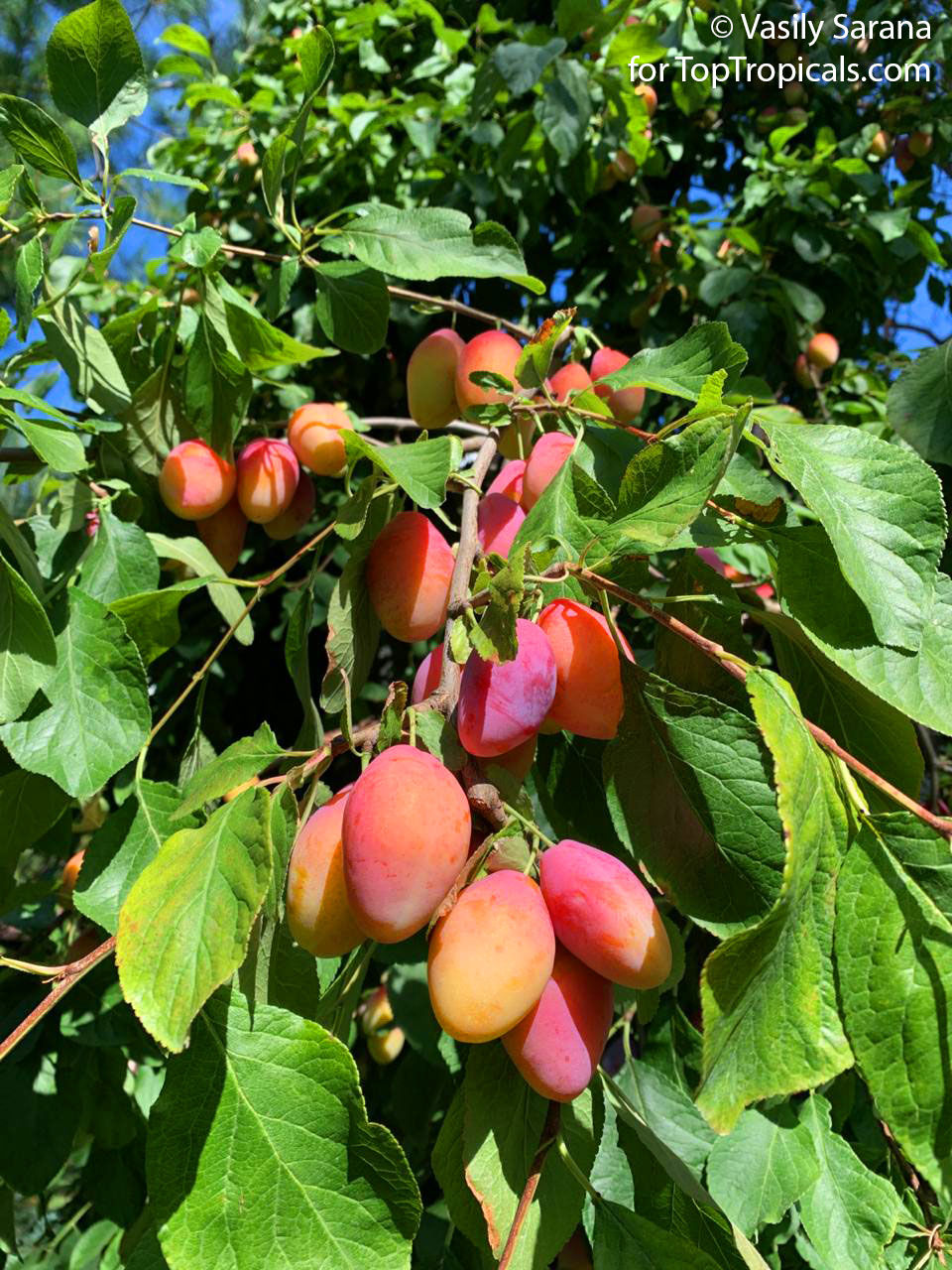
Prunus x domestica, commonly known as European Plum or Common Plum, is a deciduous fruit tree in the Rosaceae family, of ancient cultivated origin and generally considered a complex hybrid derived from Eurasian plum species. Trees typically grow 10-20 ft (3-6 m) tall, depending on cultivar and rootstock, and produce white flowers in early spring before or with the emerging leaves. The edible fruits vary greatly among cultivars in size, shape, flavor, and color, ranging from green and yellow through red to blue, purple, or nearly black, often with a waxy bloom. The group includes numerous dessert, cooking, and drying plums; prune cultivars are selected especially for fruits with high sugar content that dry well without fermentation.
European Plum grows best in full sun and fertile, moderately moist, well-drained soil. Most cultivars perform in USDA Zones 5-9, although cold hardiness and winter chilling requirements vary considerably. Some cultivars are self-fertile, while others produce better crops with a compatible pollinizer nearby. Regular pruning maintains an open productive crown, but excessive pruning can encourage vigorous vegetative growth. Grafted trees are preferred because rootstocks can control tree size and improve adaptation to particular soils and growing conditions.
Similar plants: Prunus x domestica (Plum)
- Prunus armeniaca (Apricot)
- Prunus avium (Wild Cherry)
- Prunus campanulata (Taiwan Cherry)
- Prunus cerasifera (Cherry Plum)
- Prunus cerasoides (Himalayan flowering cherry)
- Prunus dulcis (Almond)
- Prunus glandulosa (Chinese Bush Cherry)
- Prunus ilicifolia (Hollyleaf Cherry)
- Prunus laurocerasus (Cherry Laurel)
- Prunus persica 'Nectarina' (Nectarine)