Garden Blog - Top Tropicals
Date: 31 Aug 2026
Daily Cat Lesson #10: Why Is My Cat Melting on the Floor?

🐾 Daily Cat Lesson #10: Why Is My Cat Melting on the Floor?
Legs stretched out.
Belly flat against the tile.
Cat apparently turning into a furry puddle.
- 🐾 Is he cooling himself?
Very possibly! On a hot day, cats often stretch out on cool surfaces such as tile. Spreading the body out increases contact with the cooler surface and helps transfer some body heat away. - 🐾 Do cats sweat?
Yes, but not like we do. Cats have sweat glands in their paw pads, so you may even notice damp little paw prints when a cat is hot or stressed.
But sweating isn't their main cooling system. - 🐾 How else do cats cool themselves?
They seek shade and cool surfaces, reduce activity, stretch out instead of curling into a heat-conserving ball, and groom themselves. As saliva evaporates from the coat, it can provide some cooling. - 🐾 Why are water bowls especially important in hot weather?
Cats don't always have a strong urge to drink, so make water easy to find. Keep several bowls of fresh water around the house, especially in places where your cat likes to rest. Wide, clean bowls are often preferred, and some cats drink more from a fountain.
Wet food also adds a significant amount of water to a cat's daily intake.
❗️Multi-cat household note: don't make one water bowl "the water bowl". Several water stations give cats choices and make it more likely they'll encounter water during the day.
🐾 Do cats pant like dogs?
Cats can pant, but regular panting isn't normal for a relaxed cat the way it is for a dog. A cat panting because of heat may already be getting too hot, especially if there's drooling, weakness, confusion or very rapid breathing. Move the cat to a cool area and offer water; significant or persistent panting needs prompt veterinary attention.
So when your cat dramatically collapses belly-first onto the coolest tile in the house - he may not be lazy!
He has simply discovered air conditioning without the electric bill!
🐈📸 Top Tropicals rescued cat Simon at PeopleCats.Garden.
🐈 Stay with us for your Daily Dose of Cat! #DailyCatLesson #PeopleCats
🟢 Join 👉 TopTropicals
Date: 31 Aug 2026
5 secrets how to turn your garden into a butterfly magnet
🦋 5 secrets how to turn your garden into a butterfly magnet
For over a month now, Eastern Tiger Swallowtails have been all over our garden, every single day. This female was dancing from flower to flower on a blooming Cashmere Bouquet (Clerodendrum bungei). This large native swallowtail butterfly is easy to recognize by its yellow wings and bold black "tiger" stripes. The beautiful blue coloring on the hindwings tells us this one is most likely a female. Seeing a butterfly like this in the garden isn't just luck. Give butterflies what they need, and they'll find you!
- 🦋1. Plant flowers for nectar
Butterflies need nectar, and some flowers are much better at providing it than others. Plant plenty of nectar-rich flowers and, when possible, group them together. A big patch of blooms is much easier for a passing butterfly to find than one lonely flower.
Our experience? Clerodendrums are great butterfly magnets. When they're blooming, the butterflies always find them. That's why we have Clerodendrums all over the garden. - 🦋2. Don't forget the caterpillars
This is the part people often miss. A butterfly garden isn't just about feeding adult butterflies.
Butterflies need the right host plants to lay their eggs. Their caterpillars then feed on those plants. Different butterflies need different hosts, so find out which butterflies live in your area and plant for the whole life cycle.
No caterpillars - no next generation of butterflies. - 🦋3. Be very careful with pesticides
You can't invite butterflies into the garden and then spray everything that crawls.
Butterfly caterpillars are insects too. Broad-spectrum insecticides can kill the very caterpillars you're trying to attract. In a butterfly garden, a few chewed leaves aren't necessarily a problem. Sometimes they're proof that your garden is working. - 🦋4. Give them sunshine and shelter
Butterflies love warm, sunny areas because they rely on outside heat to warm their bodies. But an exposed, windy garden isn't ideal either.
The best butterfly gardens have both: sunny feeding areas and nearby plants that provide shelter from wind and weather. - 🦋5. Give them a place to drink
Butterflies don't only visit flowers. Some will gather on damp soil, mud or wet sand to take in water and dissolved minerals, a behavior called puddling.
You don't need a fancy butterfly fountain. A shallow damp spot or a little wet sand can do the job.
And one more flower worth planting...
💡That Eastern Tiger Swallowtail kept returning to our Cashmere Bouquet for a reason. Clerodendrum bungei produces big clusters of nectar-rich pink flowers, and butterflies notice.
In fact, Clerodendrums are some of our most reliable butterfly-attracting plants. When they're in bloom, there's usually something fluttering around them.
Plant flowers. Plant host plants. Leave room for caterpillars. Add sun, shelter and a little water. Then watch who discovers your garden.
🛒 Transform your yard into a Butterfly Haven with exotic plants
📚 Learn more:


· Clerodendrum bungei in Plant Encyclopedia
· 13 tropical flowers to plant in spring to attract pollinators year around
· Butterfly Haven or a Heaven on Earth?
· Top 20 plants for a Butterfly Haven
· Five best butterfly attractors for a Southern garden
· Top Eight irresistible vines for a hummingbird haven:
Part 1 • Part 2
#Hedges_with_benefits #Butterfly_Plants #How_to #Discover
🟢 Join 👉 TopTropicals
Date: 31 Aug 2026
Get the Garden Ready
By Tatiana Anderson, Plant Expert, Top Tropicals
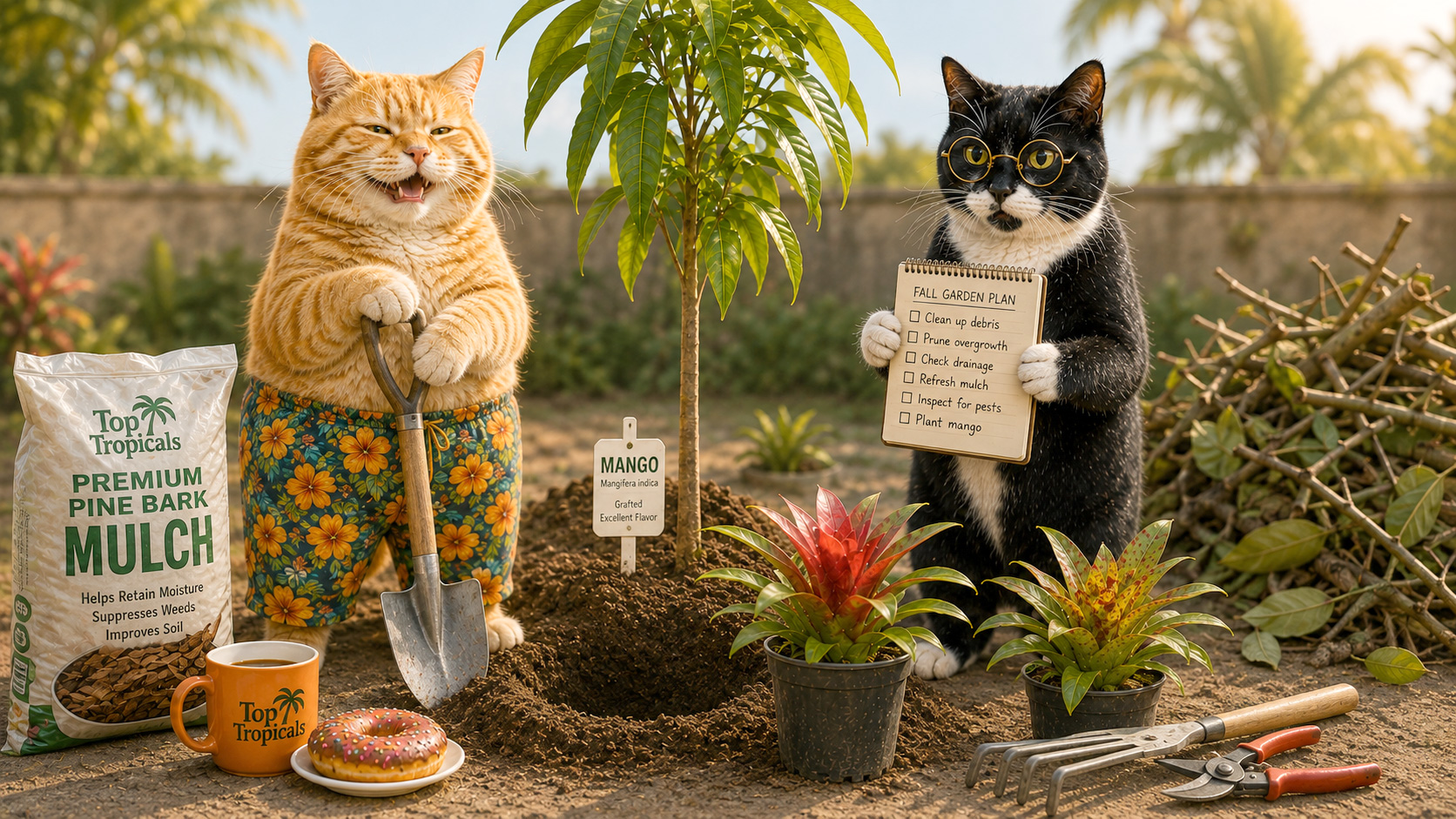
Smokey: Cleanup, trimming, drainage, pests...
Sunshine: Checked, checked, checked. And donuts.
Smokey: Fine. You can plant now.

Summer did what summer does. Heat, downpours, fast growth, weeds, fallen fruit, and at least one plant that outgrew the space you gave it.
Now the season is turning. For warm-climate gardeners, fall is the best planting stretch of the year, but it pays to clean up and take stock first. For gardeners farther north, it means the tropicals that summered outside have to come indoors before the first frost. And if you garden somewhere in between, you're doing a bit of both: the tender plants come inside, and the rest of the garden gets the fall checkup. Warm-climate readers, start here. The northern list is further down.
Clean Up the Summer Mess
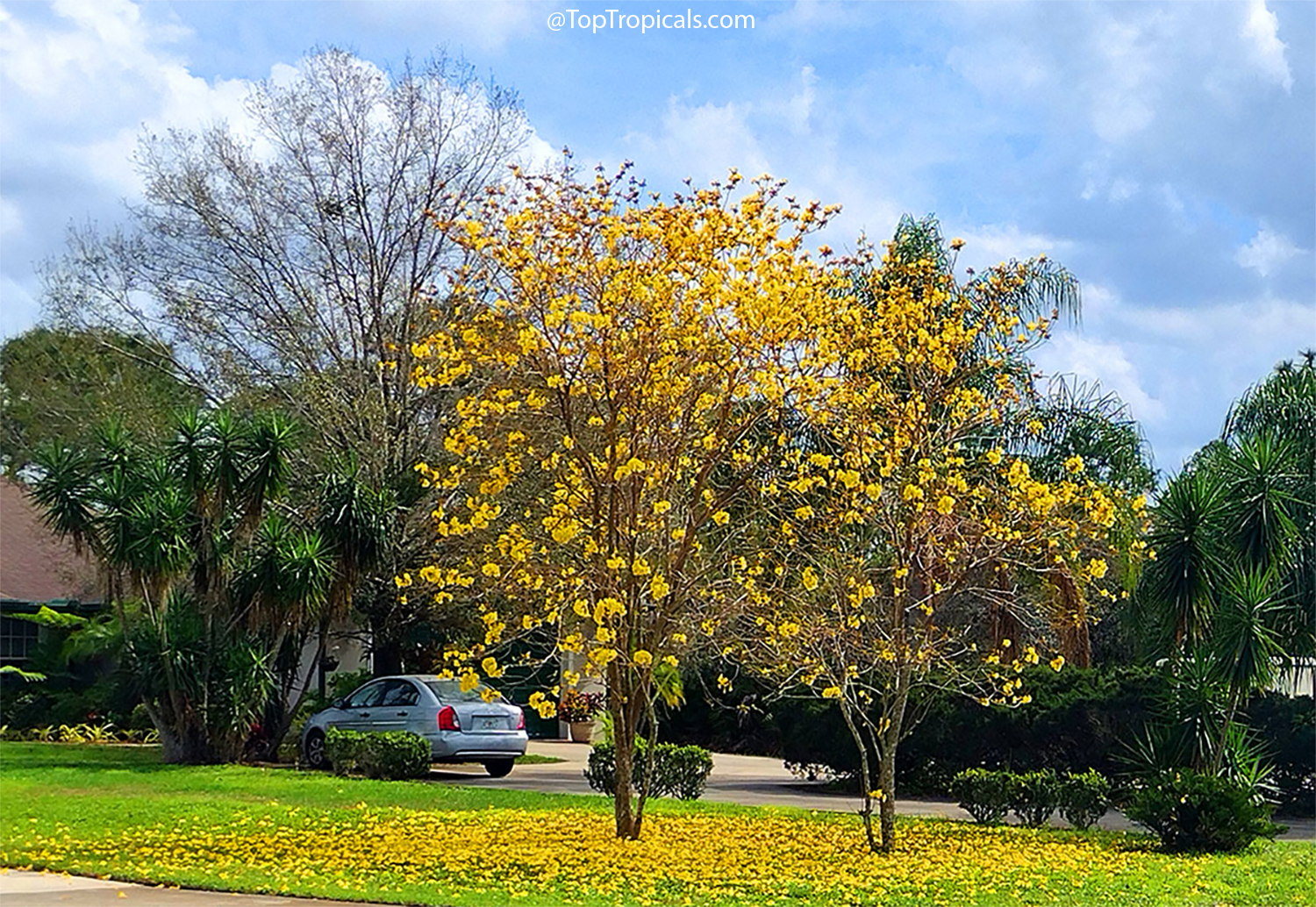
Months of heat, humidity, and growth leave even a well-kept garden looking wild. Clear the fallen fruit, spent flowers, weeds, dead branches, and the debris packed around the base of plants. Take out diseased leaves and anything the storms tore up.
You don't need to strip the beds bare. Leaf litter feeds the soil. What you're after is the material that causes trouble: rotting fruit, diseased foliage, and the wet mat of debris held against stems where rot begins.
✂️ Prune What Got Out of Control
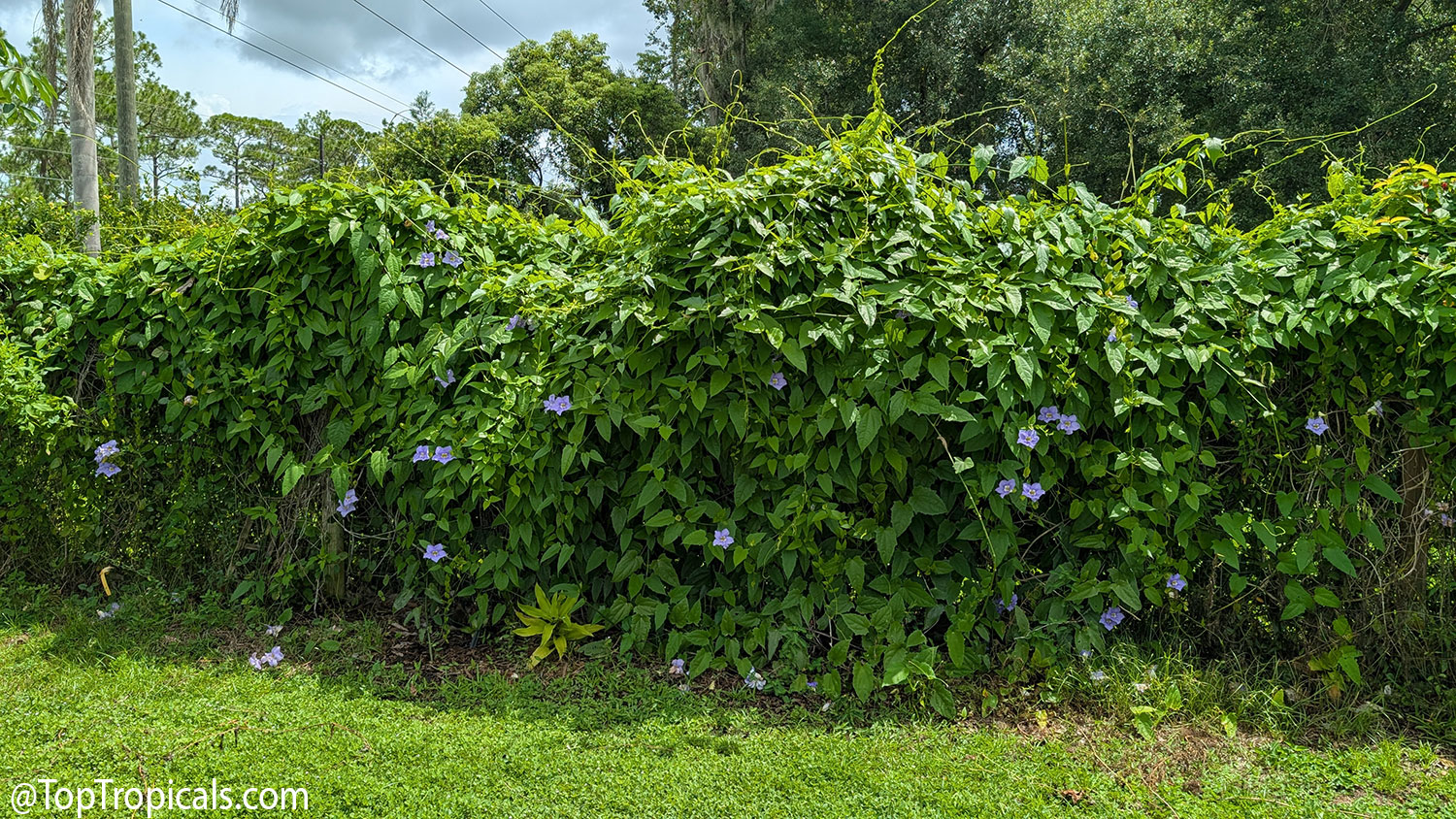
Cut the branches that cross, rub, or block a path. Bring in the vines that left their trellis. If one plant is shading another that needs the light, open it up.
Go easy. Heavy pruning in warm weather can push a flush of soft new growth, and that tender growth is the first thing to burn if the temperature drops. Shape now; leave the hard cutting-back for its proper season.
☀️ Look at What Worked This Summer
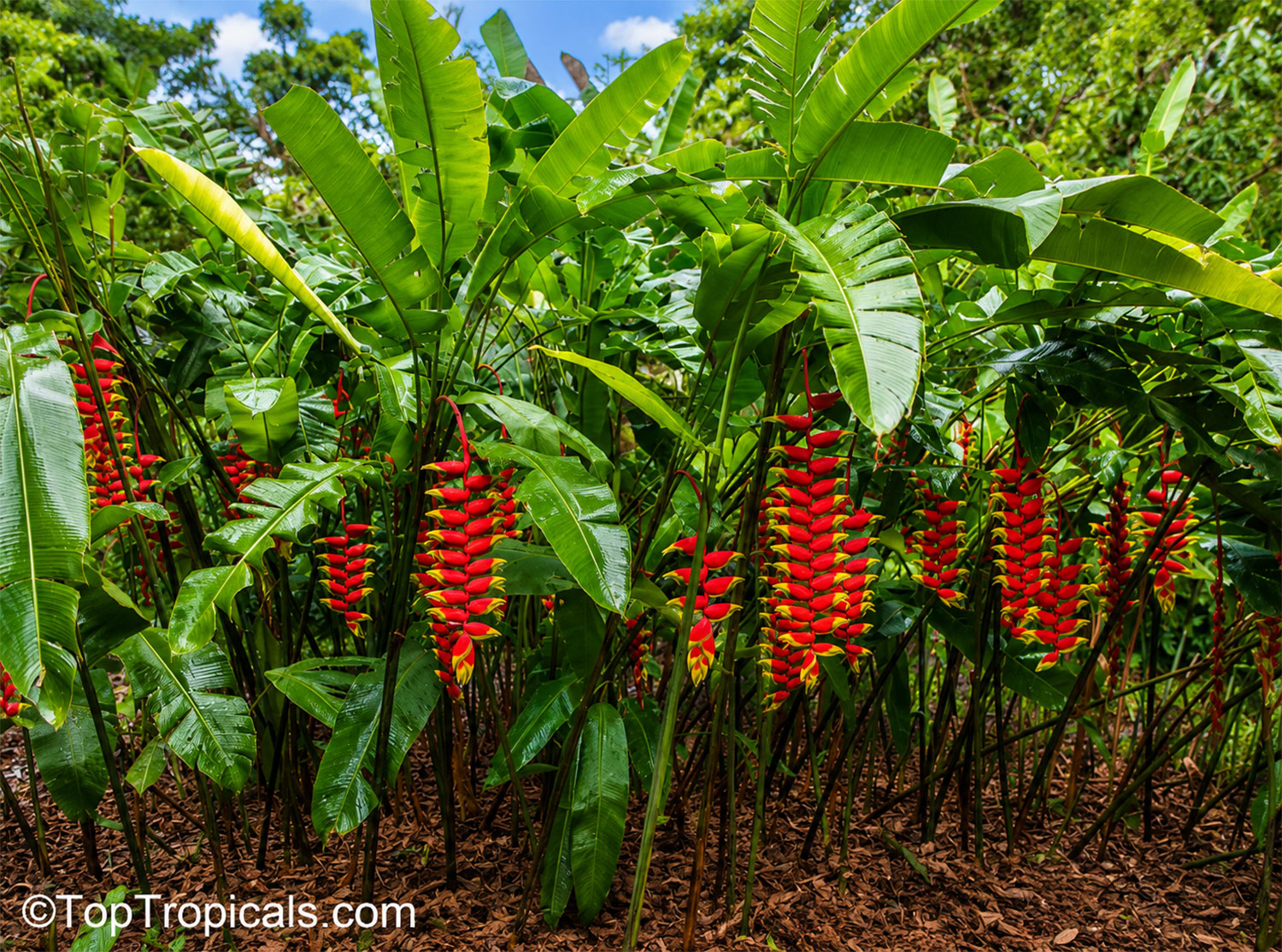
Before you buy anything new, look hard at the garden you have. Summer has already shown you what worked and what did not.
Walk the beds and ask:
- Which plants thrived where they stood, and which struggled all season?
- Where was there too much sun, and where too little?
- Which spots stayed soggy, and which dried out fast?
- Which plants outgrew their space and crowded a neighbor?
Some of what you find is worth acting on now: a plant that belongs in a different spot, or one that will only crowd its neighbors more next year.
🌀 Storm Season Isn't Over
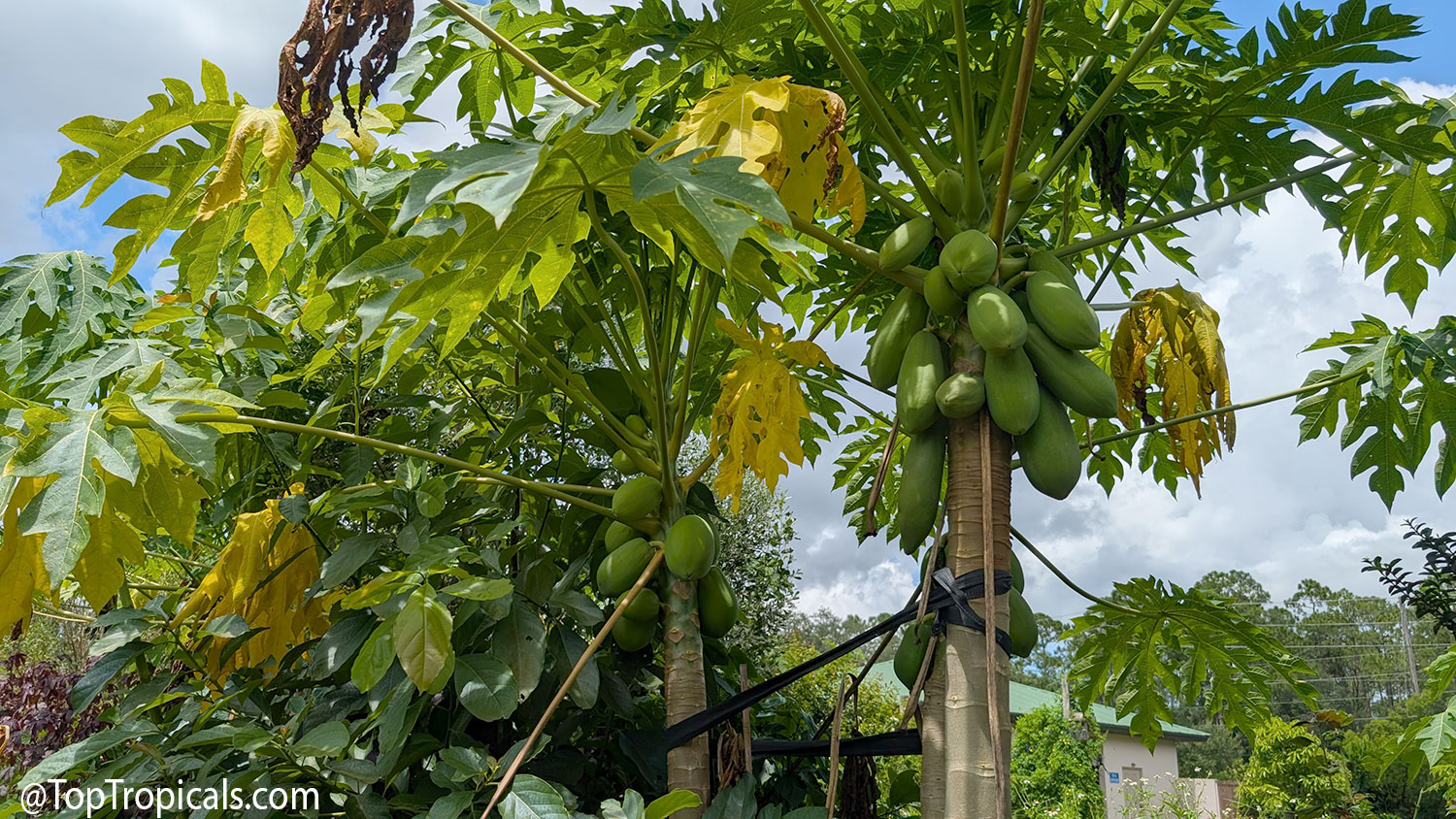
For a lot of warm-climate gardeners, the most important fall prep has nothing to do with planting. If you live in Florida or anywhere along the Gulf or Atlantic coast, hurricane season peaks in September, so the loose and the dead things in your yard are what to deal with first.
Before the next big blow:
- Move or group potted plants so they can't tip over or become projectiles.
- Take down dead or cracked branches that a strong gust could turn into a hazard.
- Clear drains, gutters, and low spots so heavy rain has somewhere to go.
💧 Check Drainage
A summer of hard rain shows you exactly where your garden doesn't drain. Note where the water pooled and sat: the beds that stayed soggy for days, the low pockets, the runoff that drains straight at a plant that hates wet feet, the ground packed too tight to take it.
Fix those spots before you plant. Sometimes that means regrading. Sometimes it means building the bed up and setting the plant high. Drainage depends on a lot at once, the soil, the grade, how deep you plant, so if a spot held water all summer, solve that before you put anything new in it.
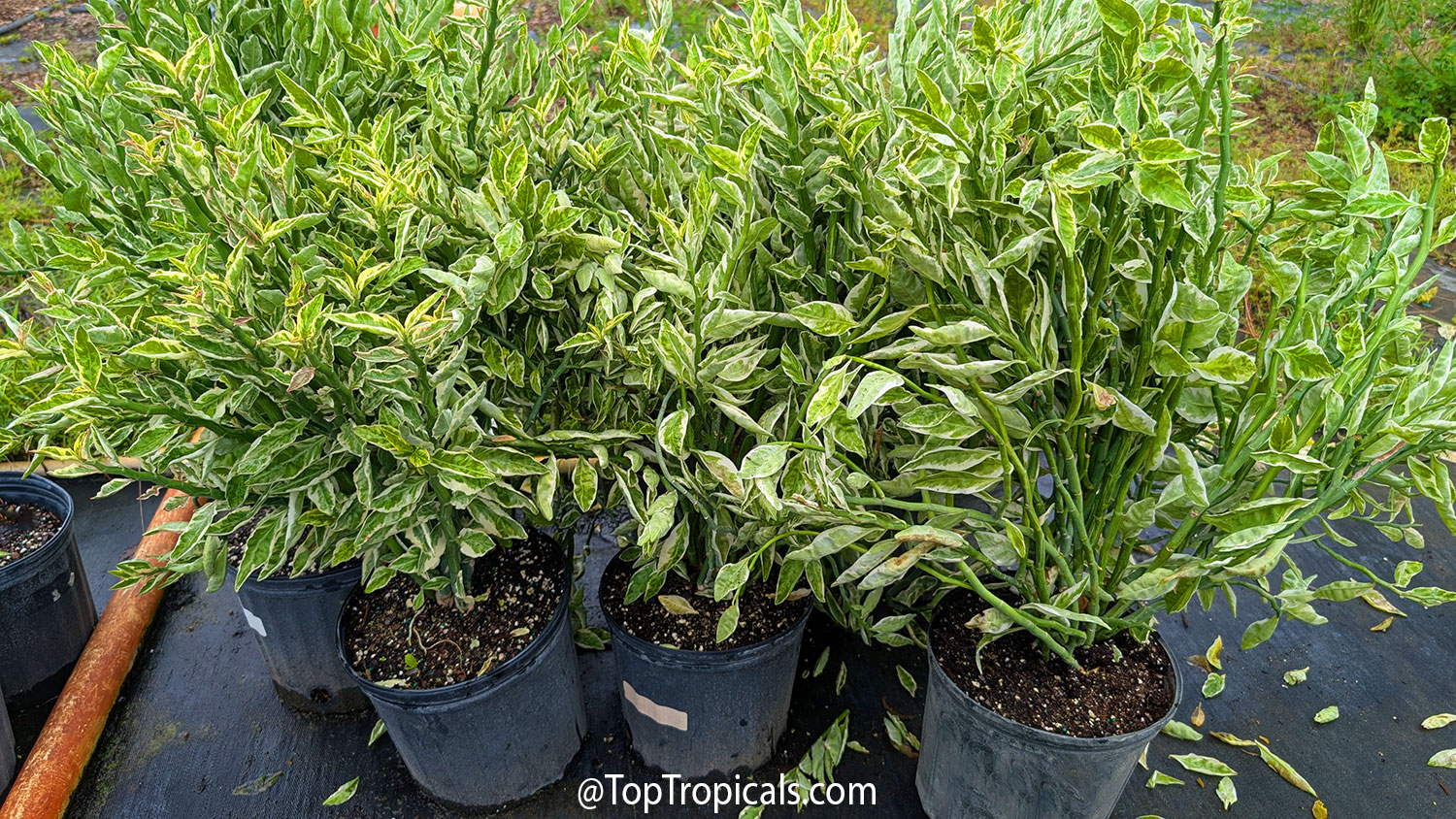
💦 Check Irrigation
This is a good time to check the irrigation system itself, so it is ready when rainfall becomes less reliable.
Run it and watch it work. Look for clogged emitters, broken or misaimed heads, and plants grown so large the spray no longer reaches the roots. Then adjust the watering to match the rain you're actually getting, not the schedule you set back in spring.
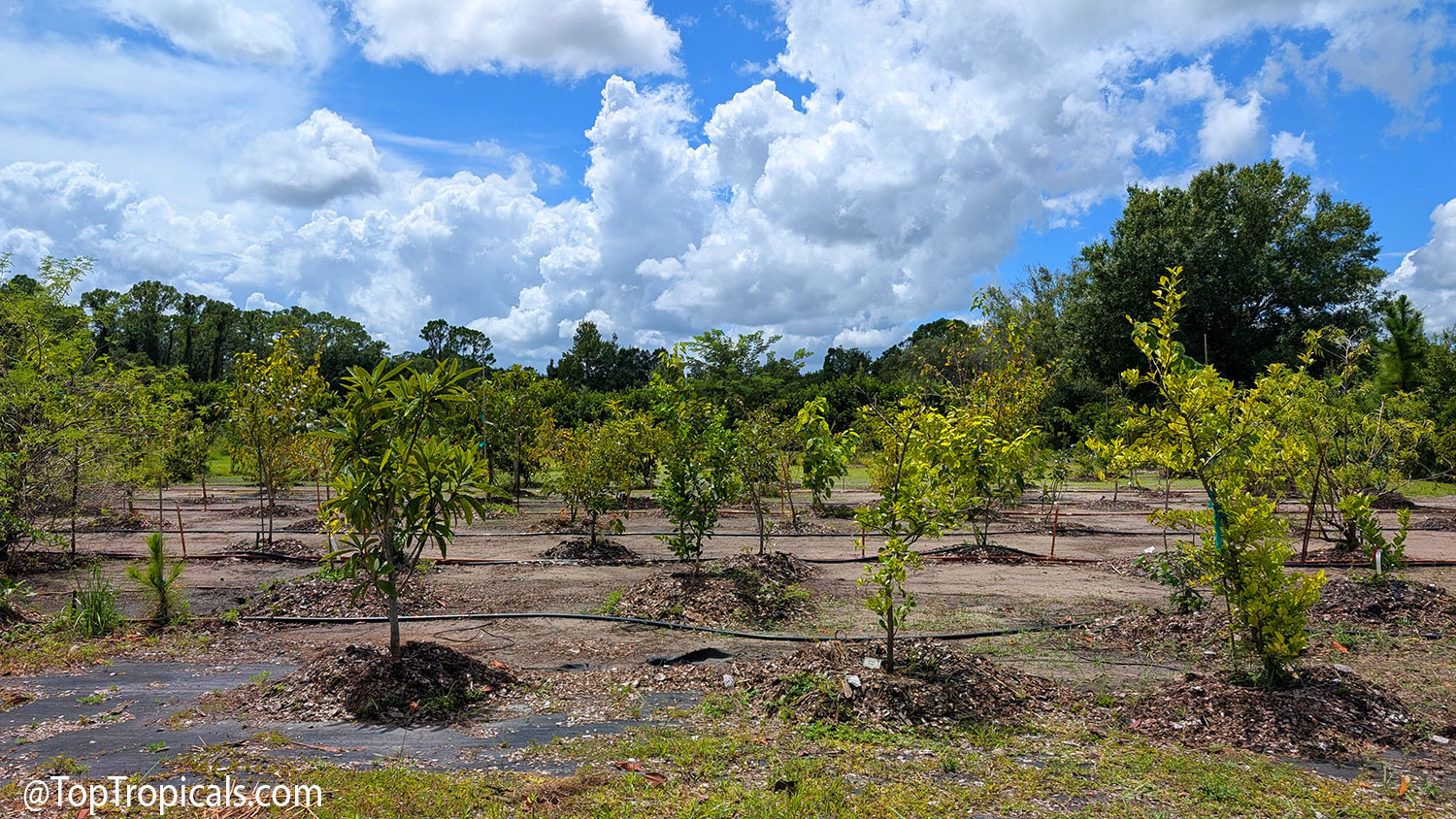
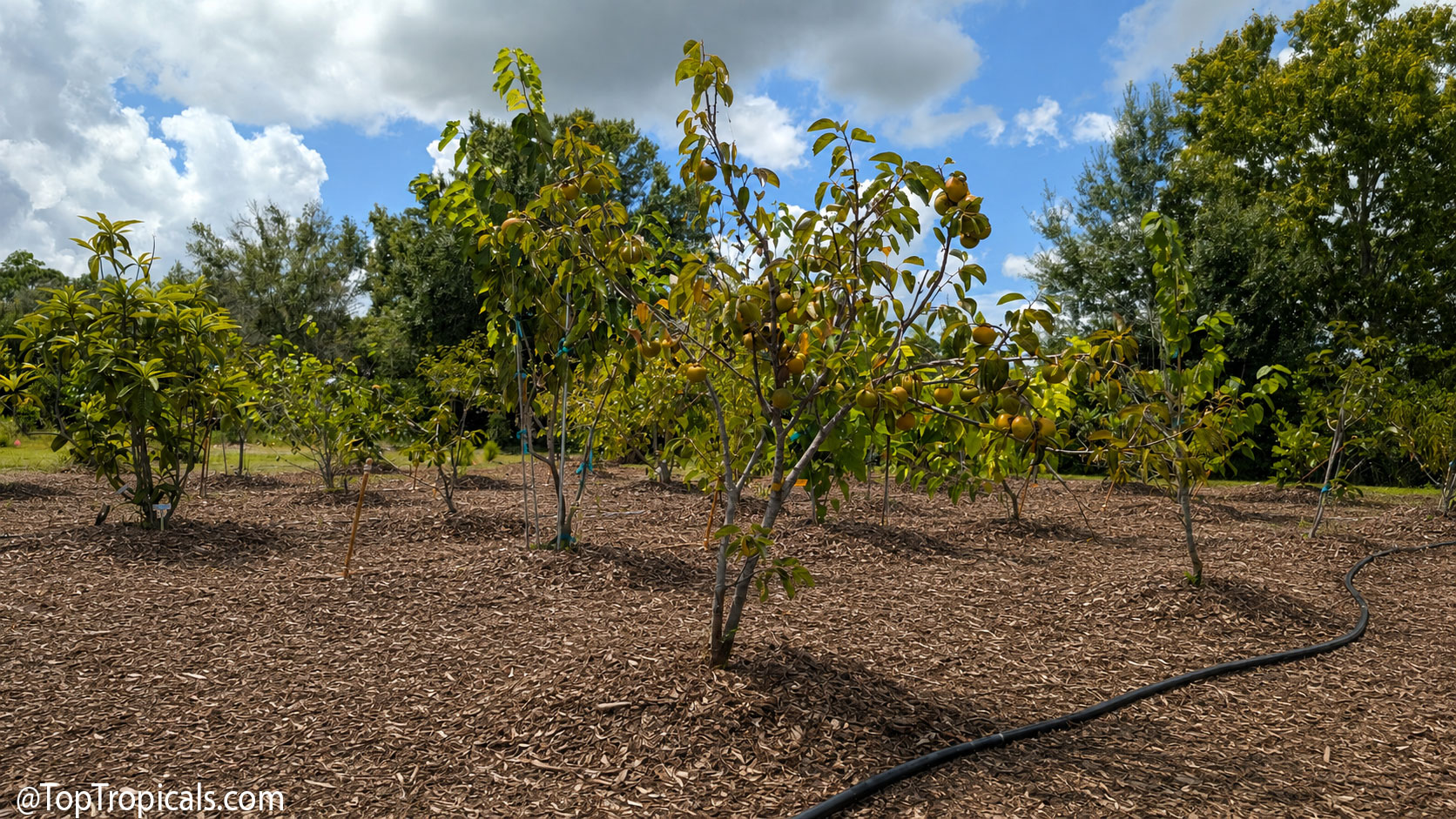
🏡 Refresh Mulch
Mulch holds moisture, keeps weeds down, and shields the soil. If yours has thinned or broken down over the summer, top it up.
One rule: keep it off the trunks and stems. Pull it back a few inches so moisture and rot don't collect against the base. No mulch volcanoes.
Feed Carefully, or Not at All
This is not the season to fertilize everything in sight. Heading into fall, the goal is steady health, not a surge of soft new growth right before any cool weather.
Two things to keep in mind. First, feed the plants that show a real need, and go easy on the rest. Pale or off-color leaves can point to a nutrient problem, but they can also mean overwatering, root trouble, or pests, so it's worth figuring out the cause before you reach for fertilizer. Some fruit trees and container plants may need feeding more often than established landscape plants, but the timing and amount depend on the plant.
Second, and this matters, many counties and cities regulate landscape fertilizer during the rainy or summer months, and some ban nitrogen and phosphorus outright for part of the year. Before you spread anything, check your local rules. You may need to consult your county extension office or municipal guidelines, because they vary from place to place.
When you do feed, a slow- or controlled-release fertilizer is a good choice in warm, rainy weather. It releases nutrients gradually, which keeps growth even and, when heavy rain follows soon after application, is less likely to leach or run off than a fast-release product.
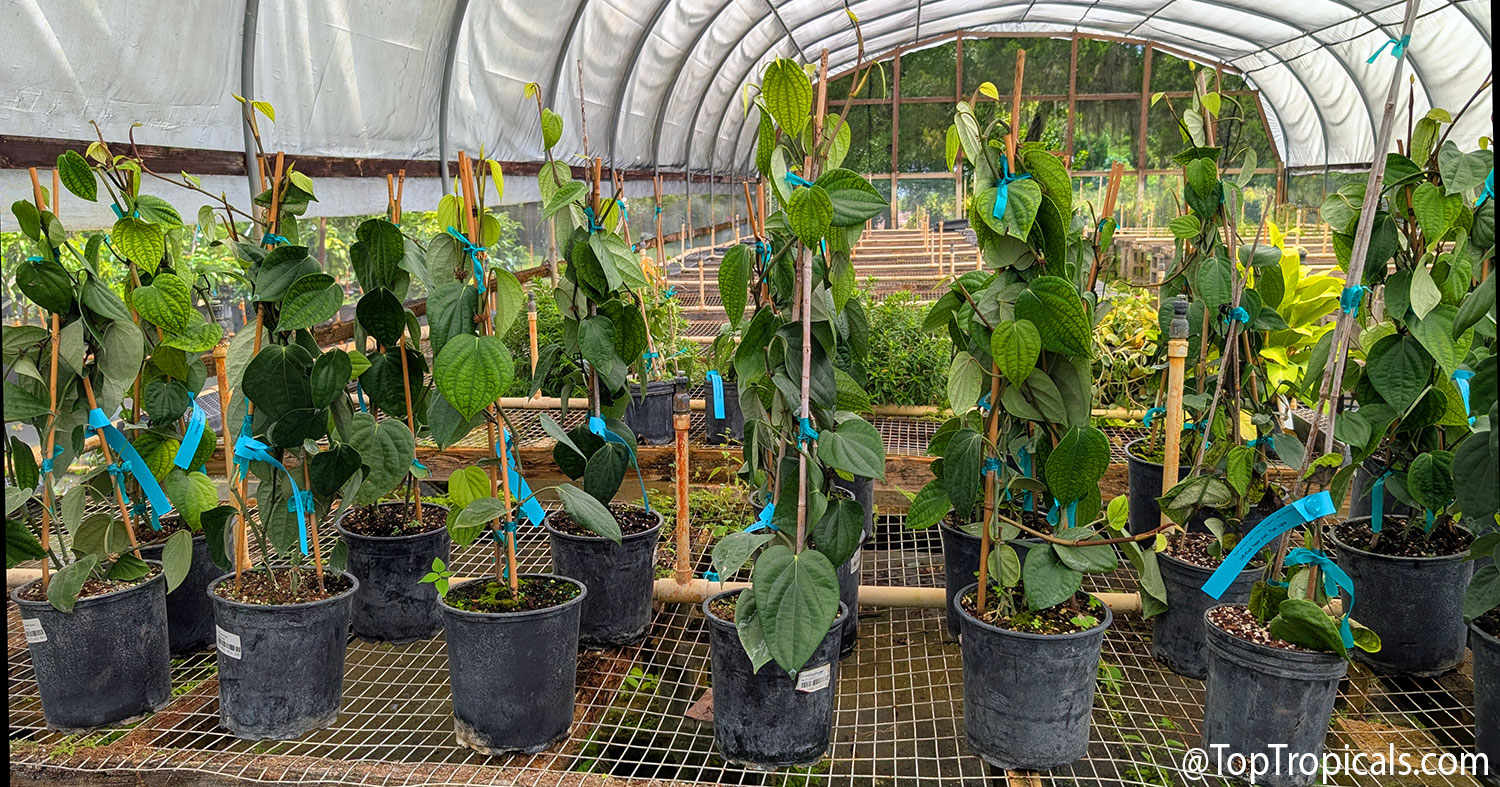
🐛 Inspect for Pests
A small infestation is far easier to end than a large one, so catch it early. Watch for scale, spider mites, whiteflies, mealybugs, and aphids. They tuck into the spots that are easy to miss: new growth, leaf undersides, stems, and the joints where branches meet.
Start gentle. A strong spray from the hose knocks aphids and mites right off, and for a lot of soft-bodied pests that's most of the battle. For something more stubborn, a homemade neem oil spray works well: mix neem oil with water and a few drops of liquid soap to help it blend, and coat the undersides of the leaves where the pests actually sit. Insecticidal soap does a similar job. These are easier on the garden than a broad-spectrum insecticide, which tends to kill the beneficial insects along with the pests, and those beneficials were helping keep the problem down in the first place.
Whatever you reach for, know what you're treating before you spray. The right approach depends on the pest, and the milder options usually handle far more than people expect.
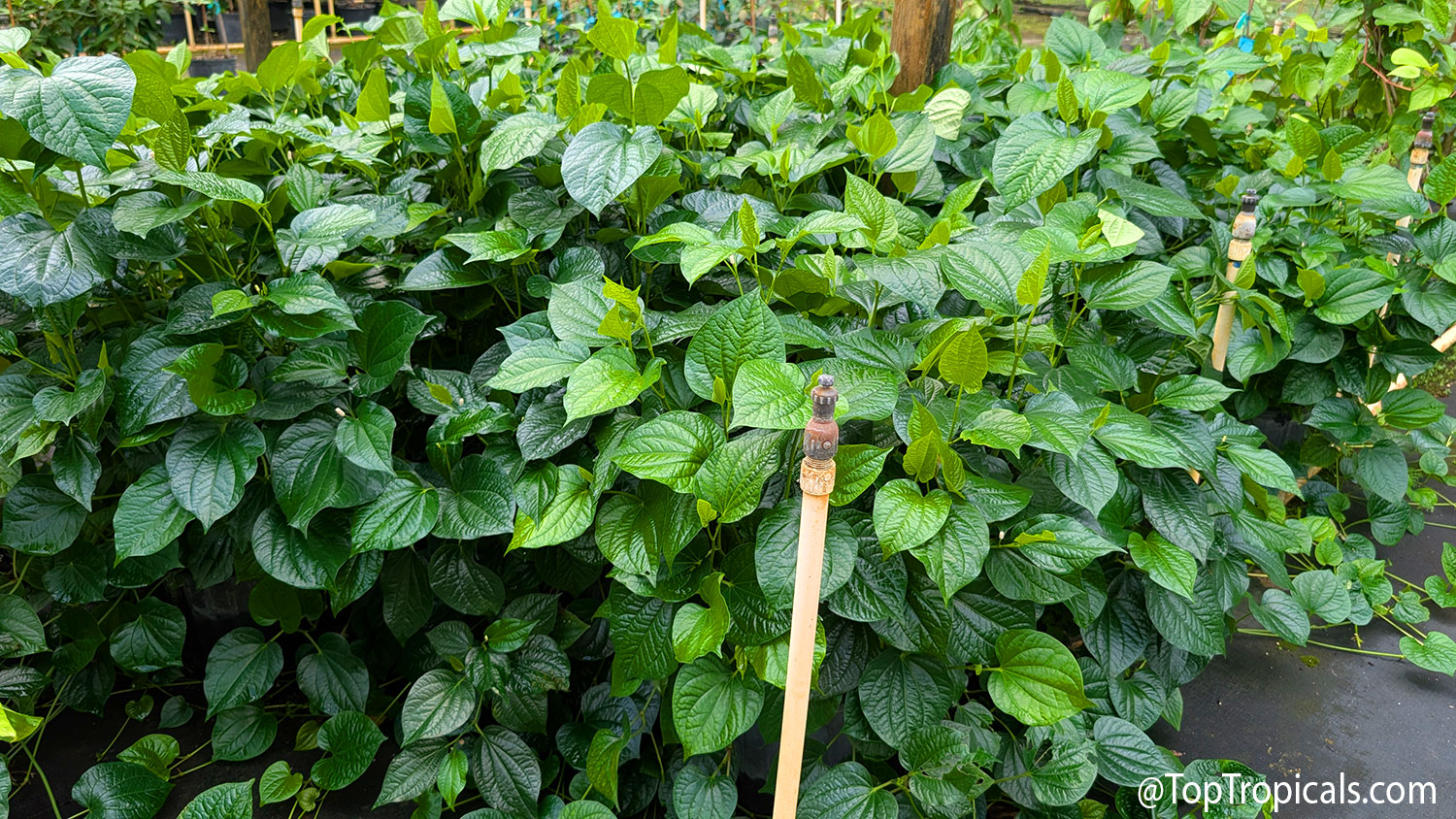
🌱 Prepare New Planting Areas
Before you fall for a plant at the nursery, be honest about where it will live. Check the light, the drainage, the room, and the size the plant reaches at maturity. Measure the distance from the house, the walkway, and the neighbors, and make sure water can reach it.
Match the plant to the location, not the location to the plant. The garden holds together better when you place a plant where it fits than when you buy it first and hunt for a spot after.
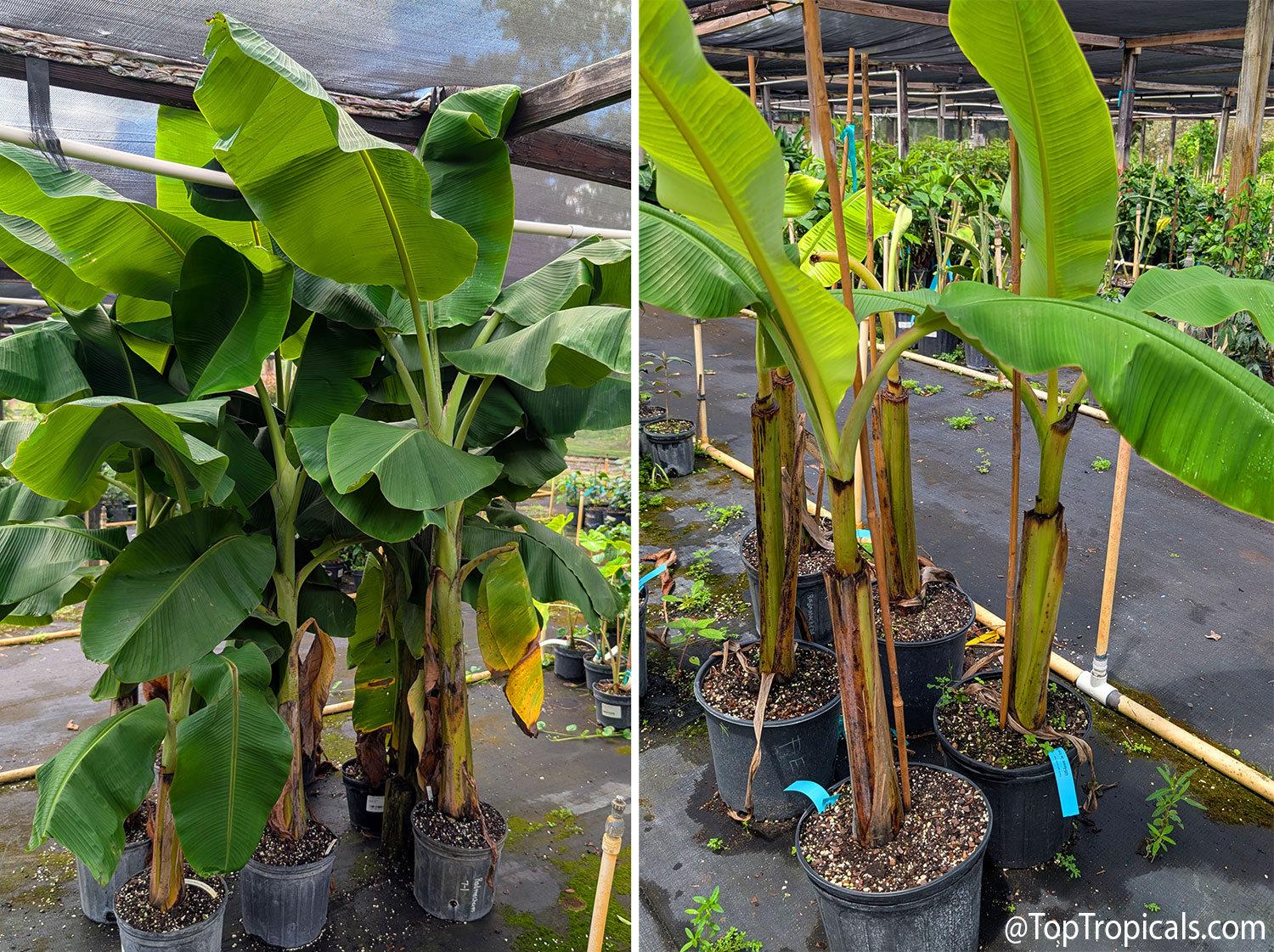
🌳 Decide What to Plant This Fall
For most warm-climate gardens, fall is one of the best planting windows of the year. As the worst of the summer heat eases, plants deal with less heat stress and water evaporates more slowly, making establishment easier. The work is easier on you, too.
That head start lets a plant establish itself well before next summer's heat. Not everything belongs in the ground the same week, though. The most cold-sensitive tropicals still need timing suited to your own spot, so hold those for the right moment.
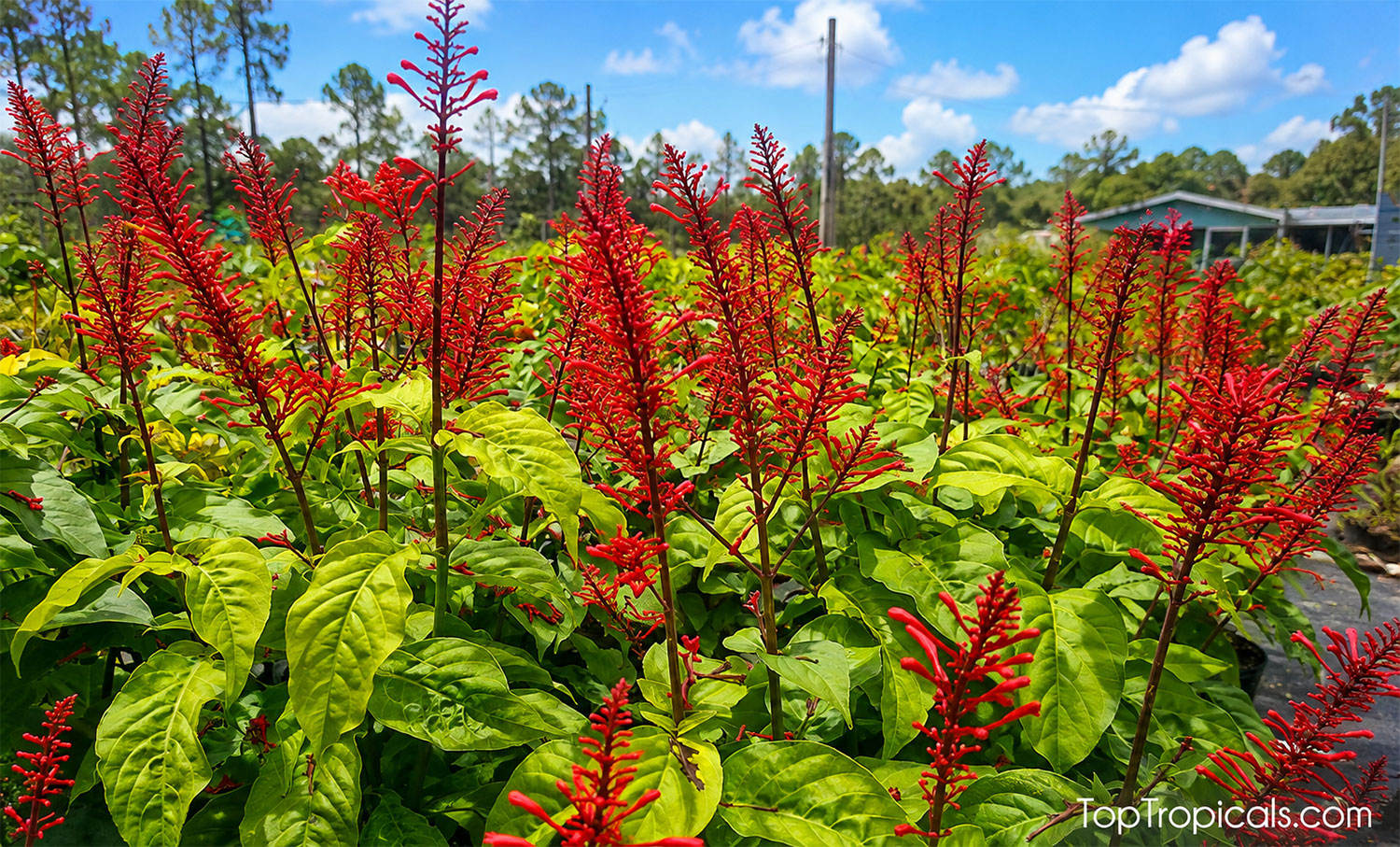
✅ Start the Fall Wish List
With a clear picture of what worked and what failed, make a list.
Fruit trees. Flowering tropicals. Something fragrant by the door. A vine, a screen to hide a view, a standout for a container. And honest replacements for whatever gave out this summer.
If some of that list leads you our way, we won't argue. Get the list right first.
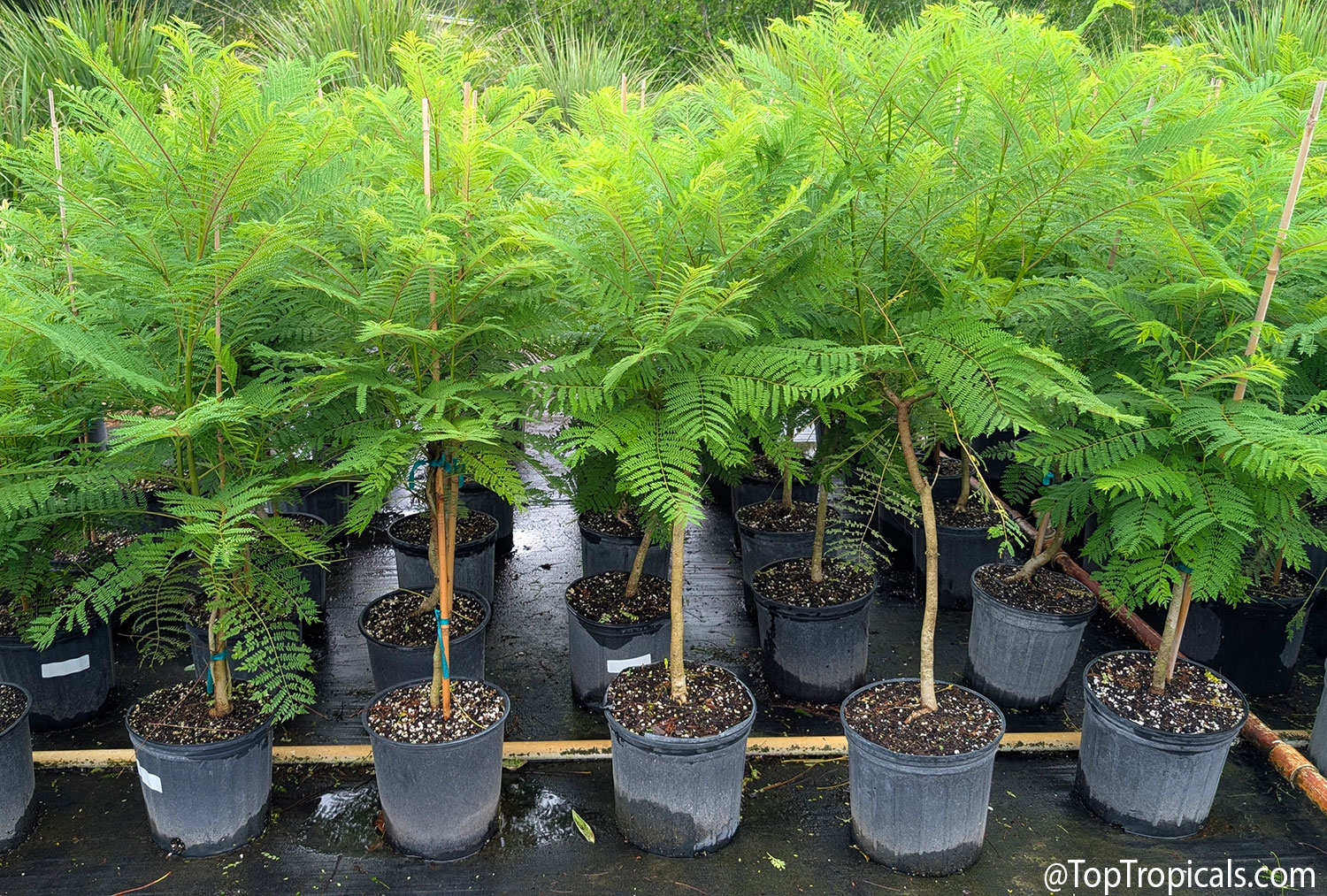
❄️ Northern Gardeners: The Plants Come Inside
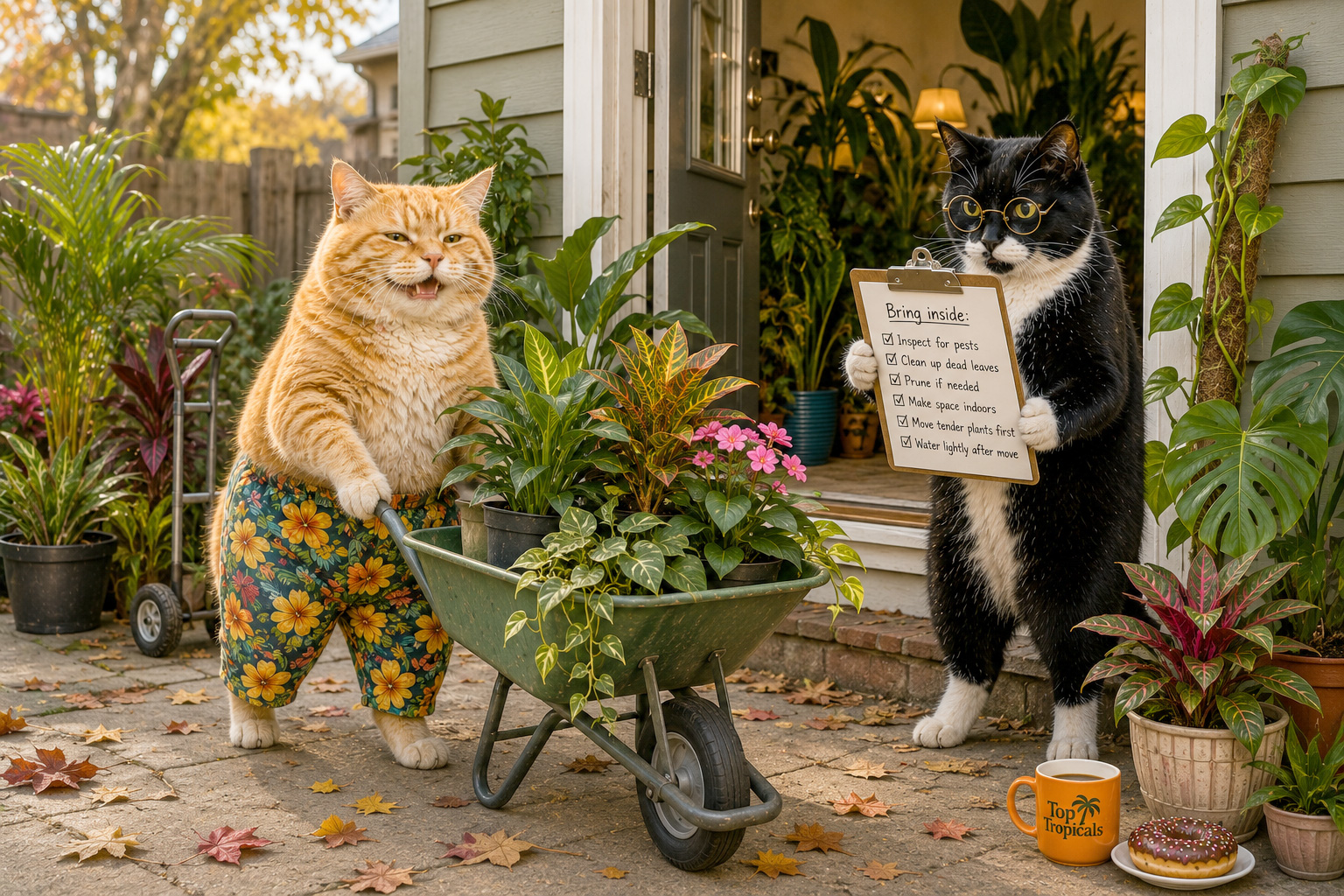
Smokey: As many as it takes to get all the plants inside.
Sunshine: And a donut break?
Smokey: After the insect inspection.
If fall means figuring out how all those pots fit indoors again, this part is yours. You have less time than the warm-climate folks, and a different job.
Decide what comes in. Not every plant is worth the space. Some are too big, too far gone, or not worth the winter room. Make those calls now, not on the first cold night.
Inspect for pests first. A plant that looks clean outdoors can carry scale, mites, whiteflies, mealybugs, aphids, or a few ants. Check leaf undersides, stems, branch joints, the pot rim, the drainage holes, and the soil surface. Bring in the plant, not the whole yard with it.
Clean the plants and pots. Pull the dead leaves, clear the debris and the weeds that took hold in the pots, and wipe down the dirty pot exteriors. It is simpler now than on a crowded windowsill later.
Prune only if you must. Some plants need to lose a little size to fit through the door and into their spot. Trim for that and no more.
Ease them toward lower light. A plant that spent summer in strong sun struggles when it lands in a dim room. Where you can, move it to shadier ground for a week or two first, so the change is gradual rather than sudden.
Settle where they will live, and plan the light. Group plants by what they need: the light-hungry ones get your best windows, the tolerant ones take what's left. South-facing windows give the most winter light and north-facing the least, though trees and overhangs change that fast. A plant headed for a dark corner will likely need a grow light to get through winter; a more tolerant plant can be allowed to slow down instead.
Cold matters too. A windowsill right against the glass can get much colder on a winter night than the rest of the room, so keep tender plants off the coldest sills, away from heating vents, and remember that indoor winter air is dry, which is hard on tropicals used to a humid summer.
Don't repot everything on the way in. A new pot, a new spot, and lower light at the same time is a lot of change to hit a plant with. Repot only what needs it: a rootbound plant, or one with pests or a soil problem you want out of the house.
Water less as growth slows. Indoors, in weaker light, plants use water slowly, and overwatering is a common winter problem. Check the pot before you water rather than following a fixed schedule.
Sort the ones that grow from the ones that slow. With enough warmth and light, some tropicals keep going through winter. Others slow to a near stop, more from low indoor light than any real dormancy, so don't overwater or overfeed one that's just marking time.
Take cuttings where it fits. If a plant is simply too large to haul indoors, cuttings can sometimes carry it through instead. It won't work for every species, but consider it before you give up a favorite.
Don't wait for frost. Move your tender plants by their cold tolerance, not by the calendar. A merely chilly night can hurt some tropicals with no frost at all, and because species differ so widely, there's no single safe number to trust. Know your plants and bring the tender ones in early.
Do the cleanup now, make the planting list, and get tender plants indoors before temperatures become a problem. Then you can handle the rest of the season as it comes.
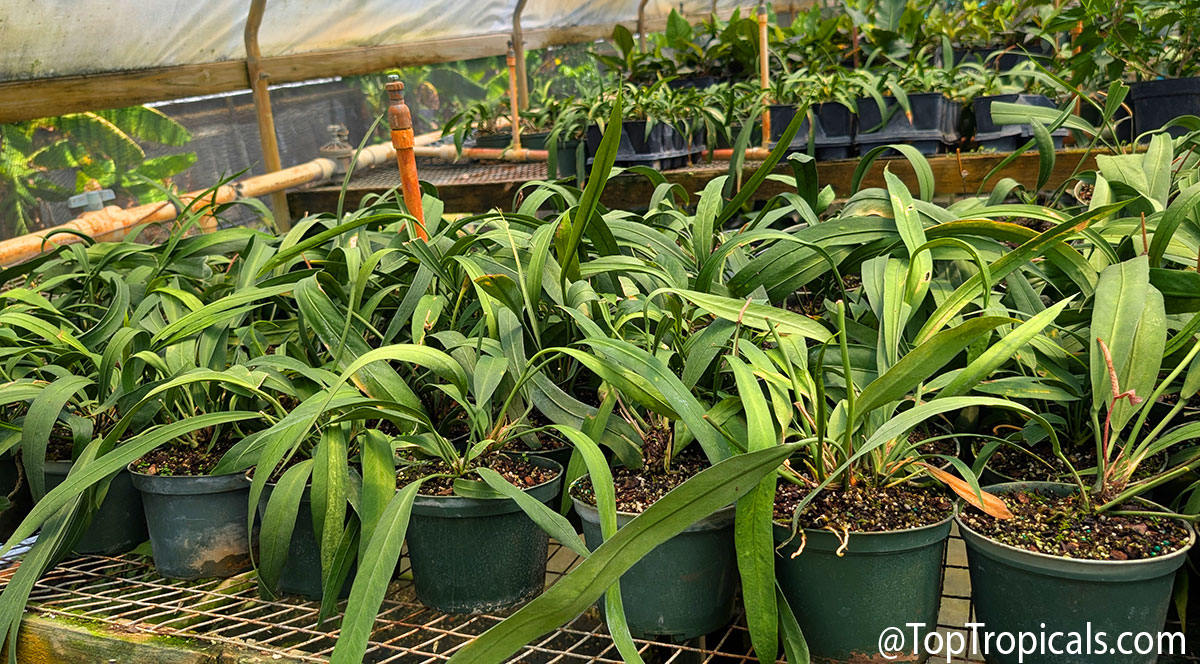
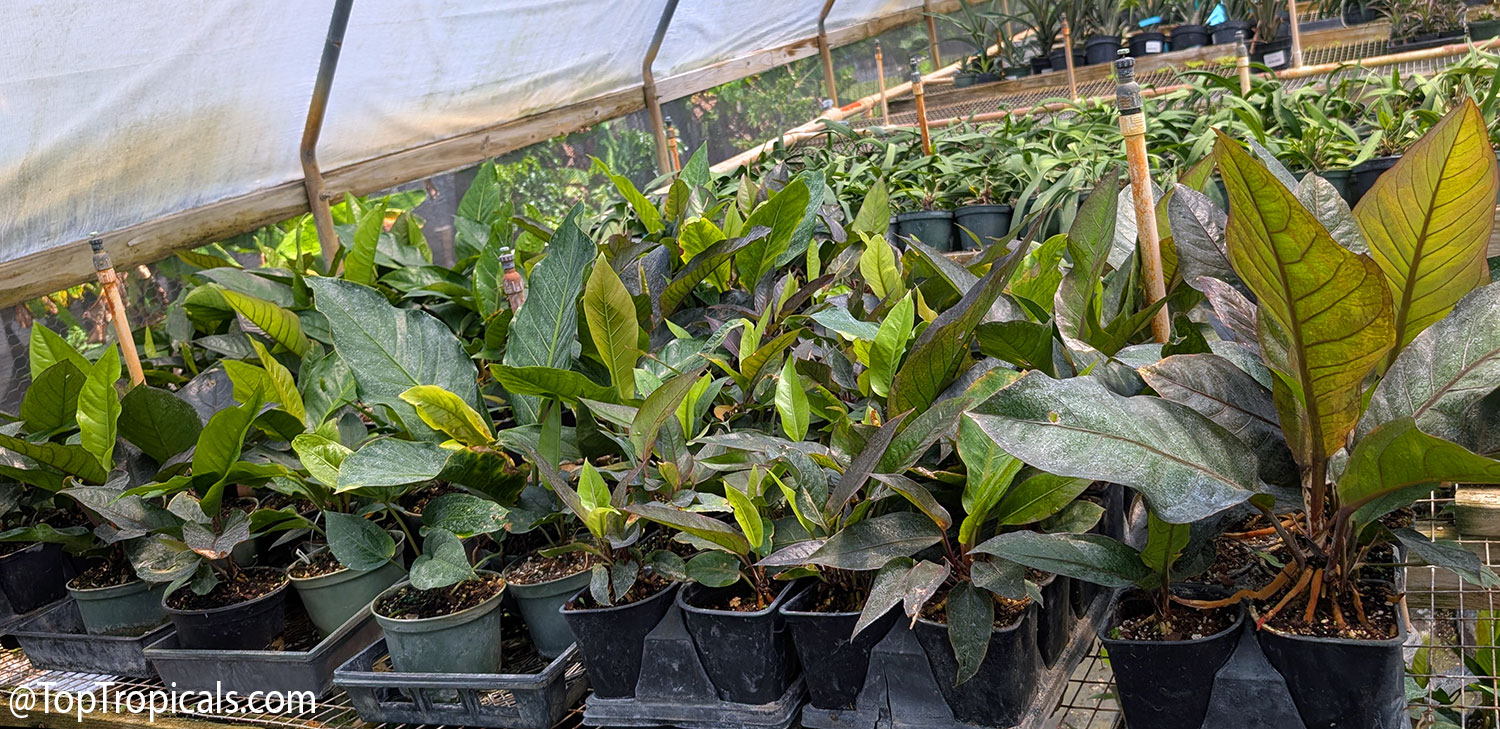
✍️ Winter preparation from Top Tropicals Garden Blog
🎥 Watch How-To Gardening ideas
Date: 30 Aug 2026
Daily Cat Lesson #9: Cats Have Always Been Art
- 🐾 Long before cats took over the Internet, they were already taking over art.
Cats have appeared in human art for thousands of years, from ancient Egyptian paintings and sculptures to medieval manuscripts, Japanese prints, famous paintings and today's street art. - 🐾 Why cats?
Because they're beautiful.
Because they're mysterious.
Because they can sit perfectly still looking magnificent - and then suddenly do something completely ridiculous. - 🐾 The technology changed. The obsession did not.
For 1,000+ years we've been writing about them, drawing them, painting them, photographing them - and now filming them for social media.
Different centuries. Different artists. Different walls.
Same favorite subject. 🐈🎨
📚 Learn more:
Lesson #8: Cat people never change
Lesson #9: Neither do cat artists.
🐈📸 Cat mural somewhere outside of PeopleCats.Garden.
🐈 Stay with us for your Daily Dose of Cat! #DailyCatLesson #PeopleCats
🟢 Join 👉 TopTropicals
Date: 30 Aug 2026
12 smart ways to fit more plants into a small garden
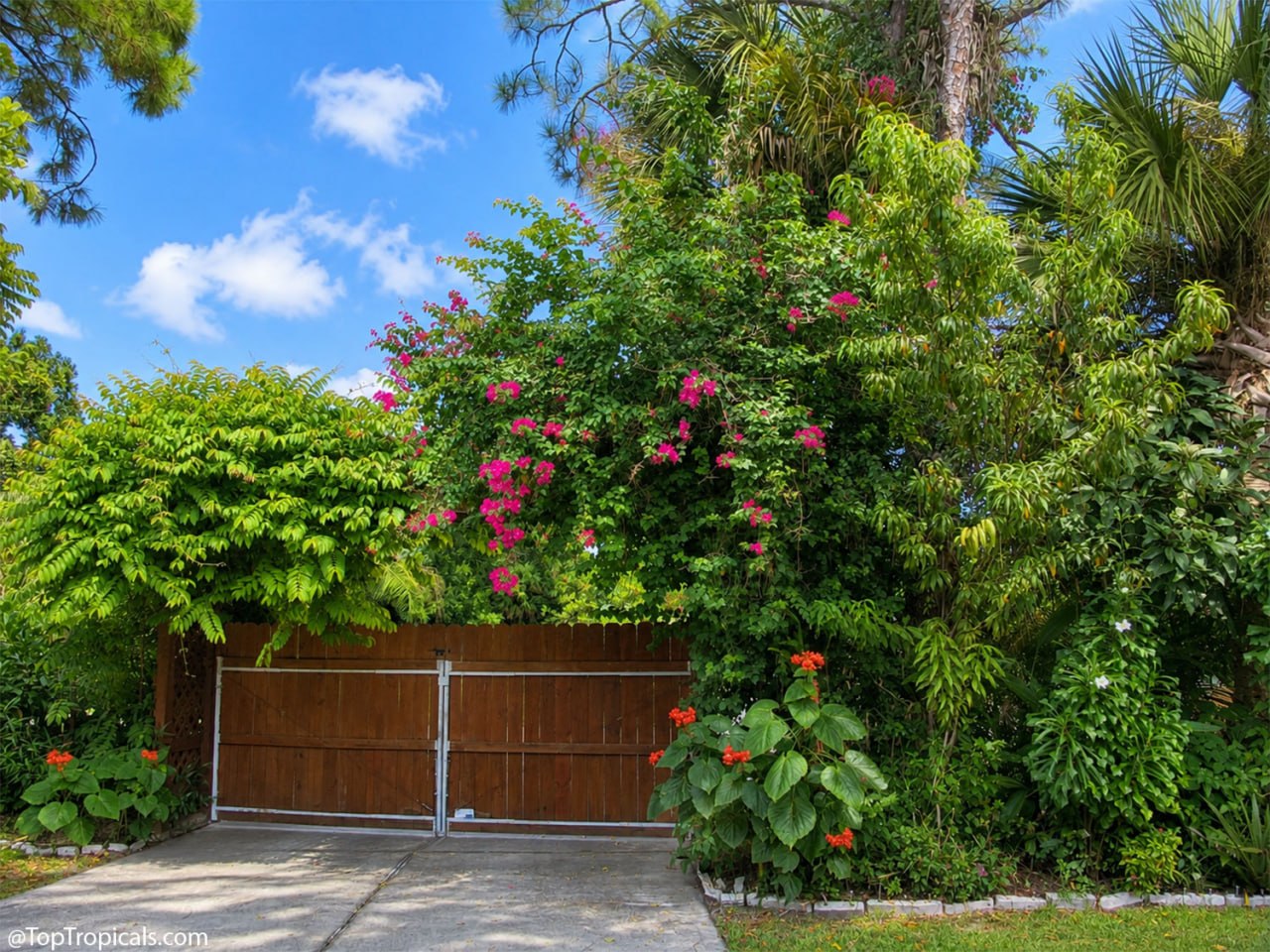
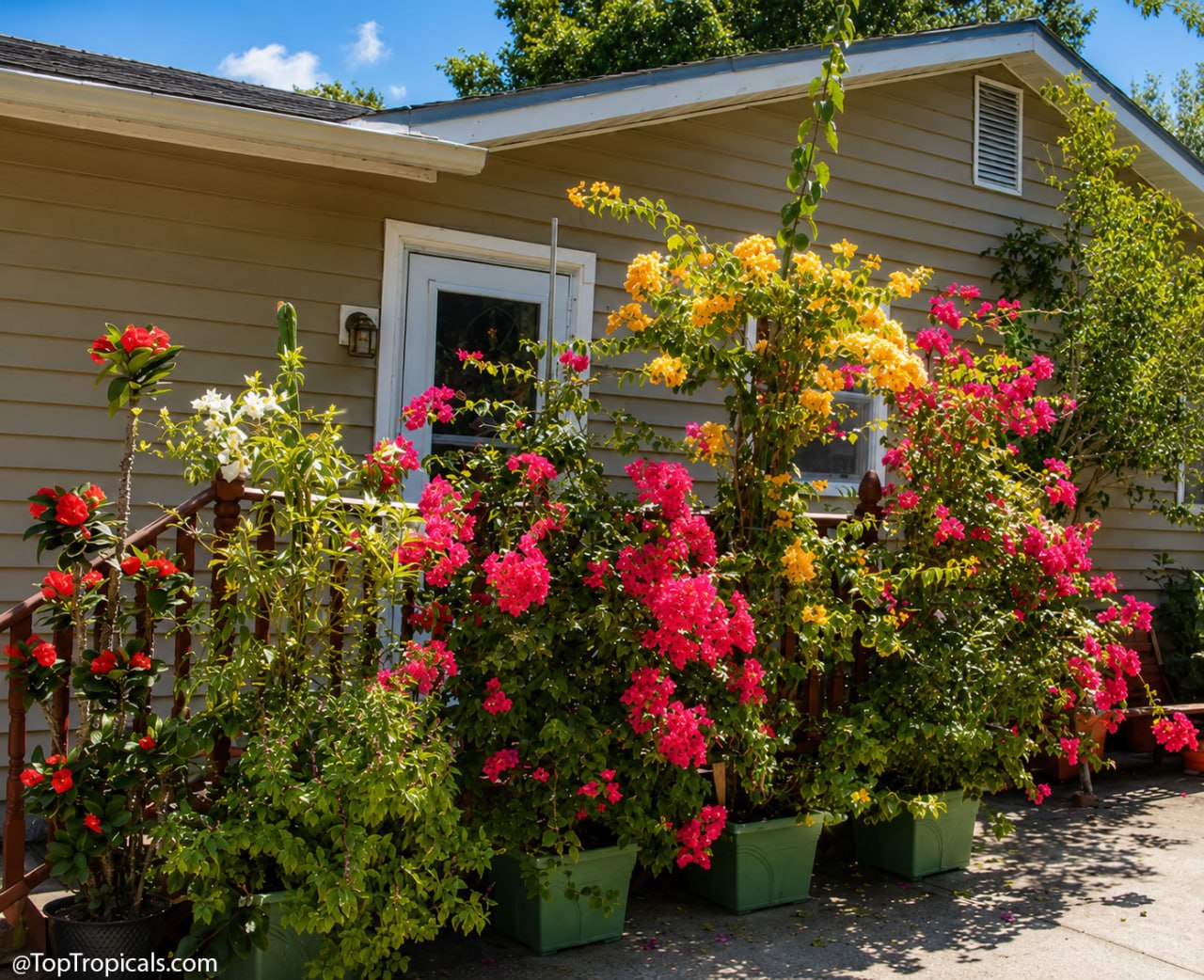
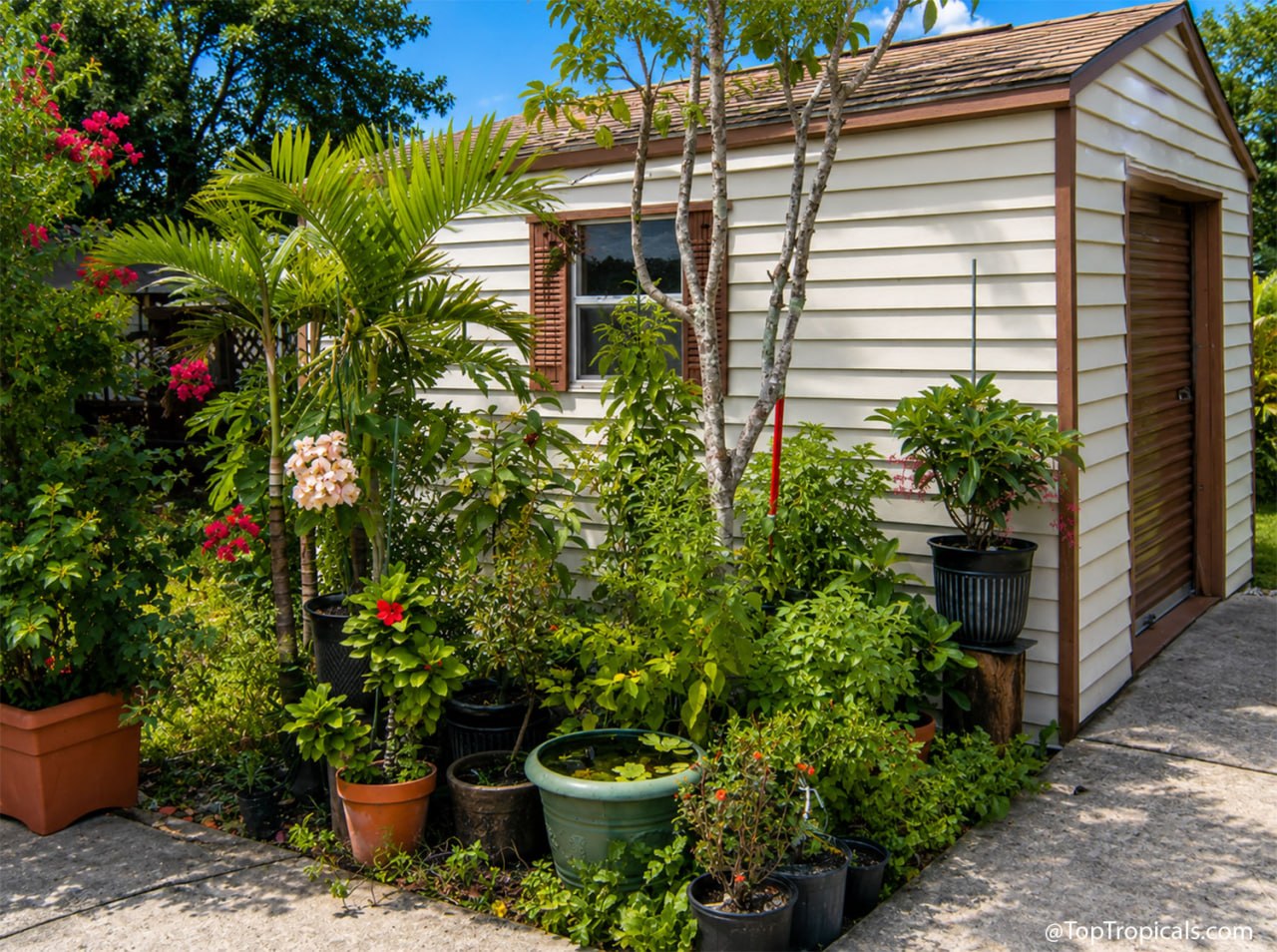
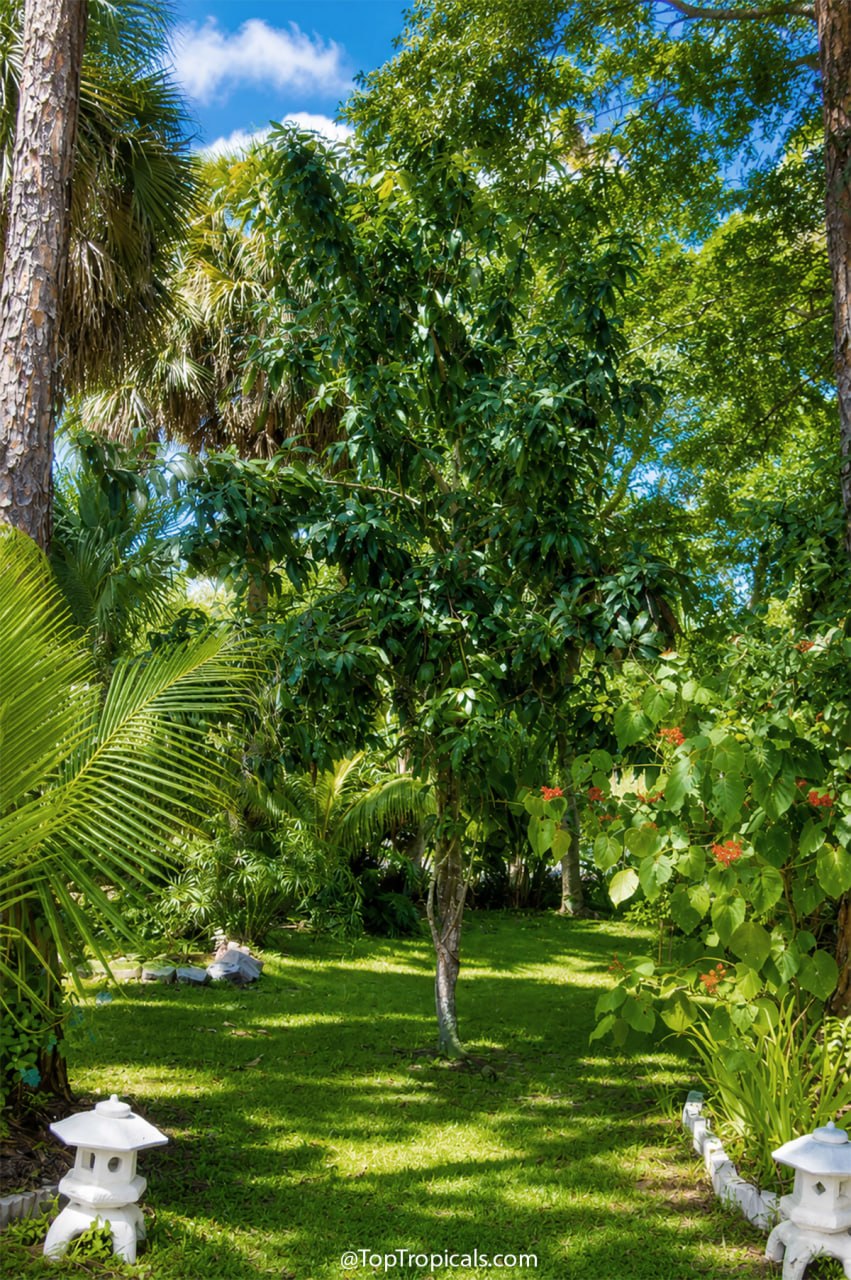
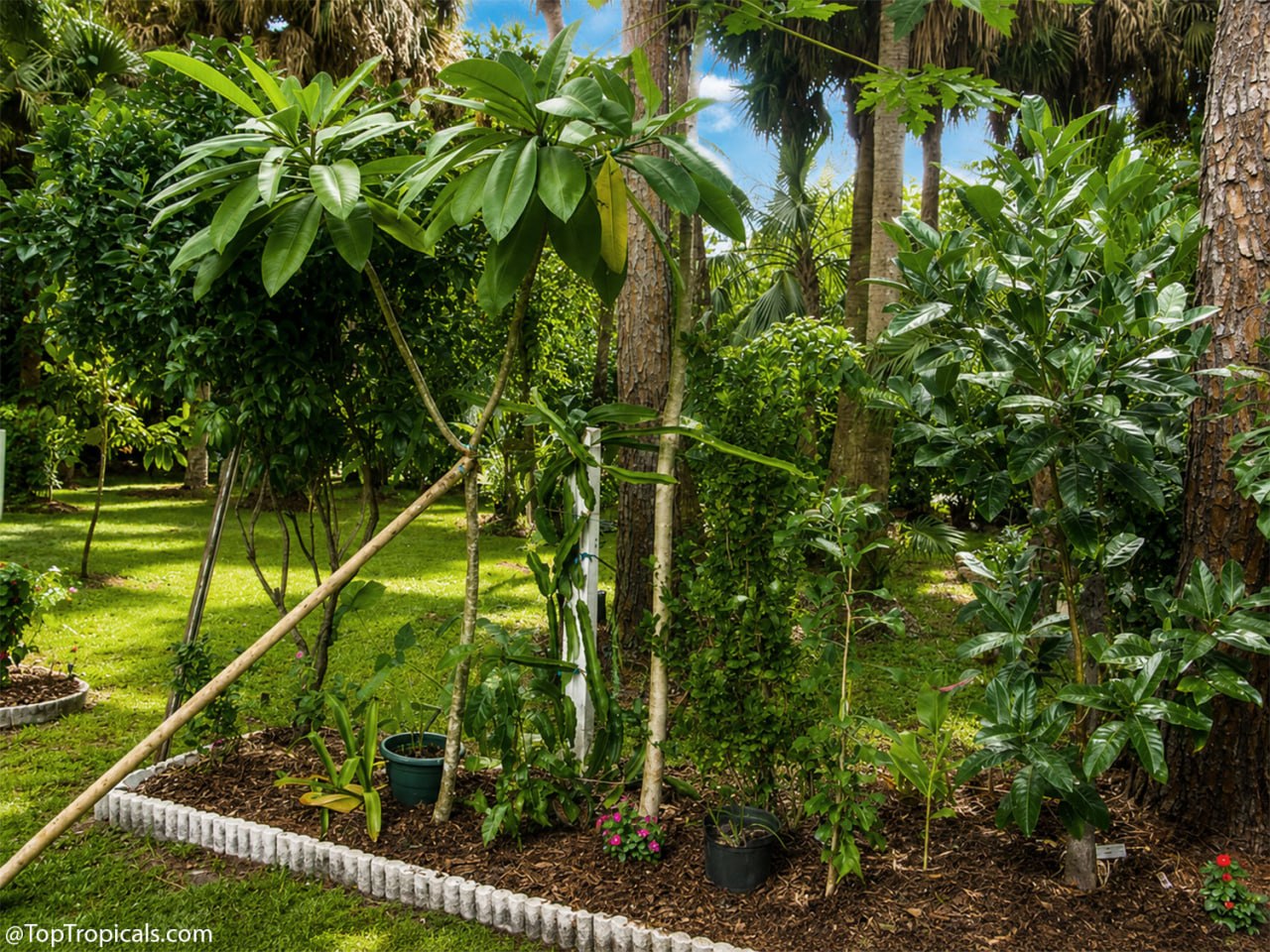
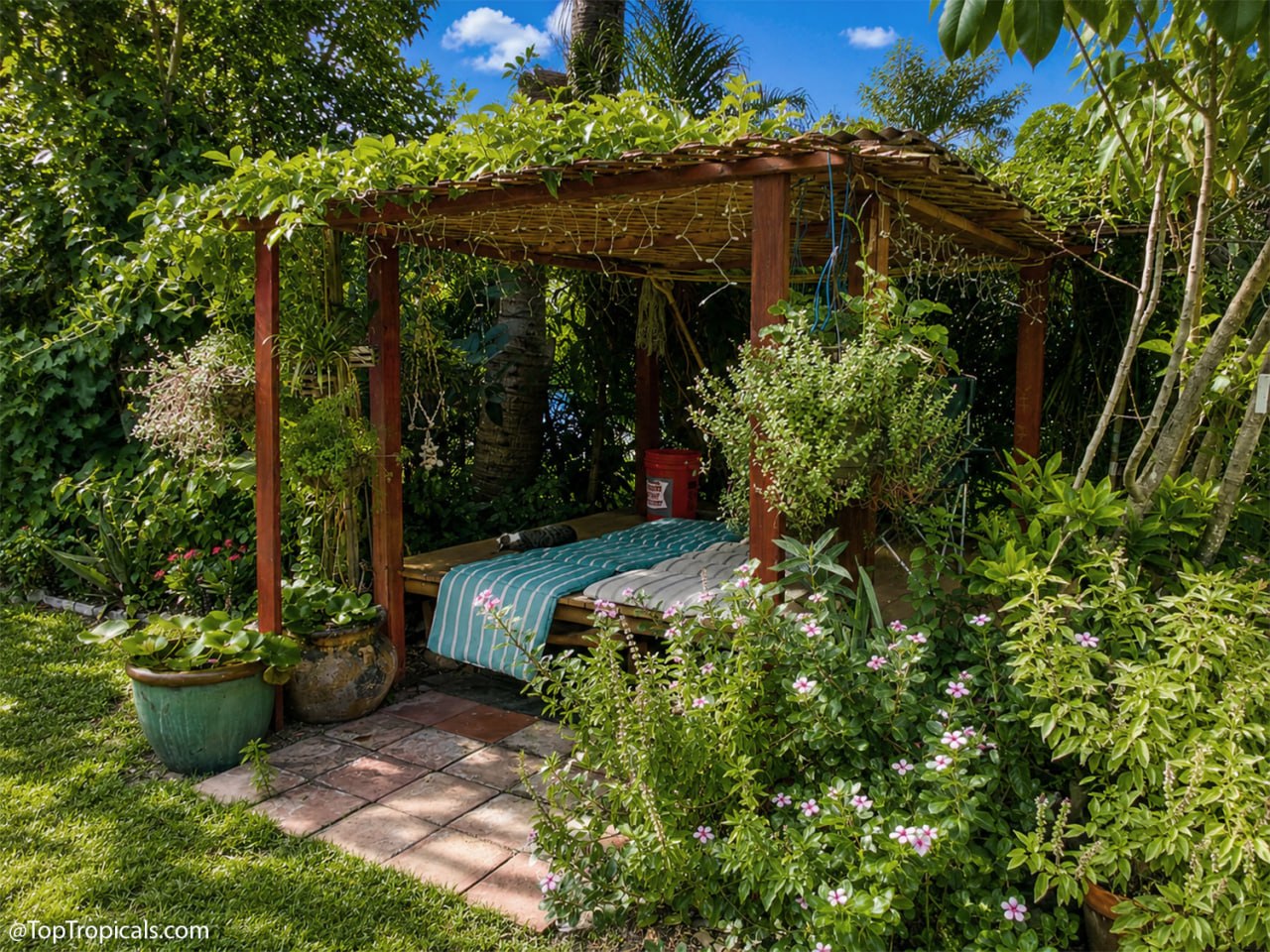
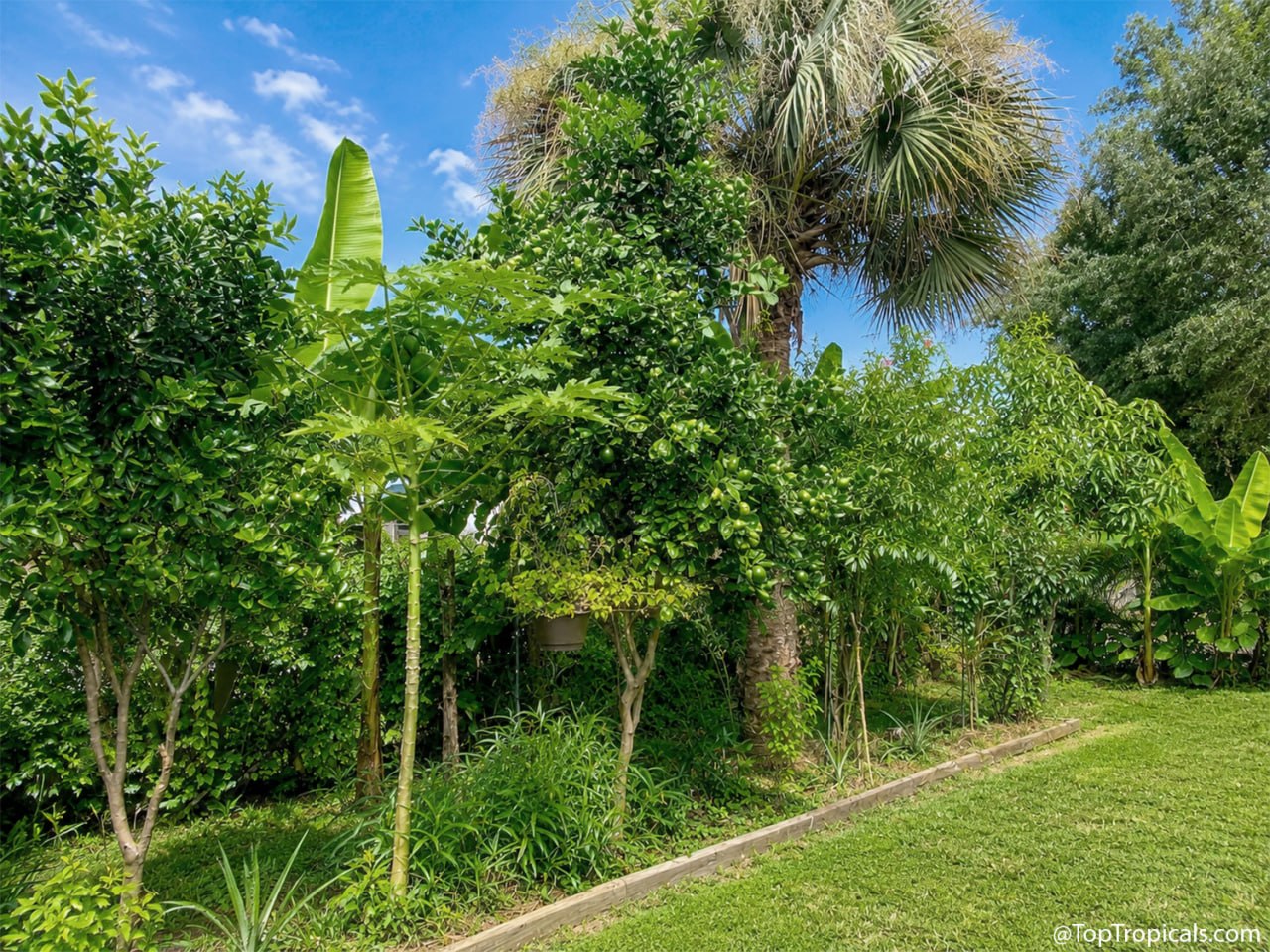
🏡 12 smart ways to fit more plants into a small garden
Think your garden is too small? Think again.
A few years ago, I visited the backyard of one of our customers from Thailand - Amprai - and was amazed. She had mangoes, bananas, citrus, papayas, and many other tropical plants growing together in what looked like an ordinary suburban yard. Somehow, everything fit without feeling crowded.
She showed me one clever space-saving technique used by Thai gardeners that completely changed the way I think about small gardens.
🌳 1. Grow upward, not outward.
Use trellises, fences, pergolas, and walls instead of more ground space. Vines like passionfruit, dragon fruit, vanilla, and Barbados gooseberry love to climb.
🌳 2. Prune with a purpose.
Pruning isn't just about keeping trees small. Thai gardeners train branches upward instead of outward, turning wide trees into narrow ones. We saw productive mango trees growing only about 6 feet apart!
🌳 3. Use containers everywhere.
Patios, porches, steps, balconies, and entryways can all become growing space. Containers are easy to rearrange and protect during winter.
🌳 4. Plant in layers.
Think like a rainforest: a tall tree above, shrubs underneath, groundcovers below, and vines climbing through the canopy.
🌳 5. Start with compact varieties.
Choose naturally smaller fruit trees like condo mangoes, dwarf avocados, dwarf bananas, and other compact selections.
🌳 6. Grow edible ornamentals.
Many food plants are beautiful enough for landscaping. Pineapple, curry leaf, katuk, moringa, and edible hibiscus all earn their place.
🌳 7. Hang plants.
Use the air above you! Hanging baskets, mounted orchids, hoyas, and epiphytes create a whole new growing layer.
🌳 8. Use fences and property lines.
These are often wasted spaces that are perfect for climbers and flowering vines.
🌳 9. Don't ignore narrow spaces.
That skinny strip beside a driveway or fence is ideal for gingers, bromeliads, heliconias, herbs, and ground orchids.
🌳 10. Choose plants with multiple uses.
Why grow a plant that does only one job? Many species provide food, beauty, fragrance, pollinator value, and privacy all at once.
🌳 11. Make friends with shade.
Coffee, vanilla, philodendrons, gingers, and many orchids actually prefer filtered light.
🌳 12. Create "garden rooms."
Divide your yard into small destinations - a fruit corner, a butterfly garden, or a tropical foliage area. The whole garden instantly feels bigger.
🌿 The biggest mistake isn't having a small garden - it's treating it like a tiny version of a large one. Think up, down, under, and around. With a little planning, even a modest backyard can become a lush tropical paradise.
🛒 Explore Food Forest
📚 Learn more:
✦ Full article: the secret to growing more plants without buying more land
✦ The Garden where Happiness lives
✦ Interview with Amprai in her Small Garden (Tropical Treasures Magazine, PDF)
#Food_Forest #Discover #How_to
🟢 Join 👉 TopTropicals