Date: 1 Aug 2026
Meet Monstera Tiny Cousin That Never Outgrows Your Wall
🍃 Meet Monstera Tiny Cousin That Never Outgrows Your Wall
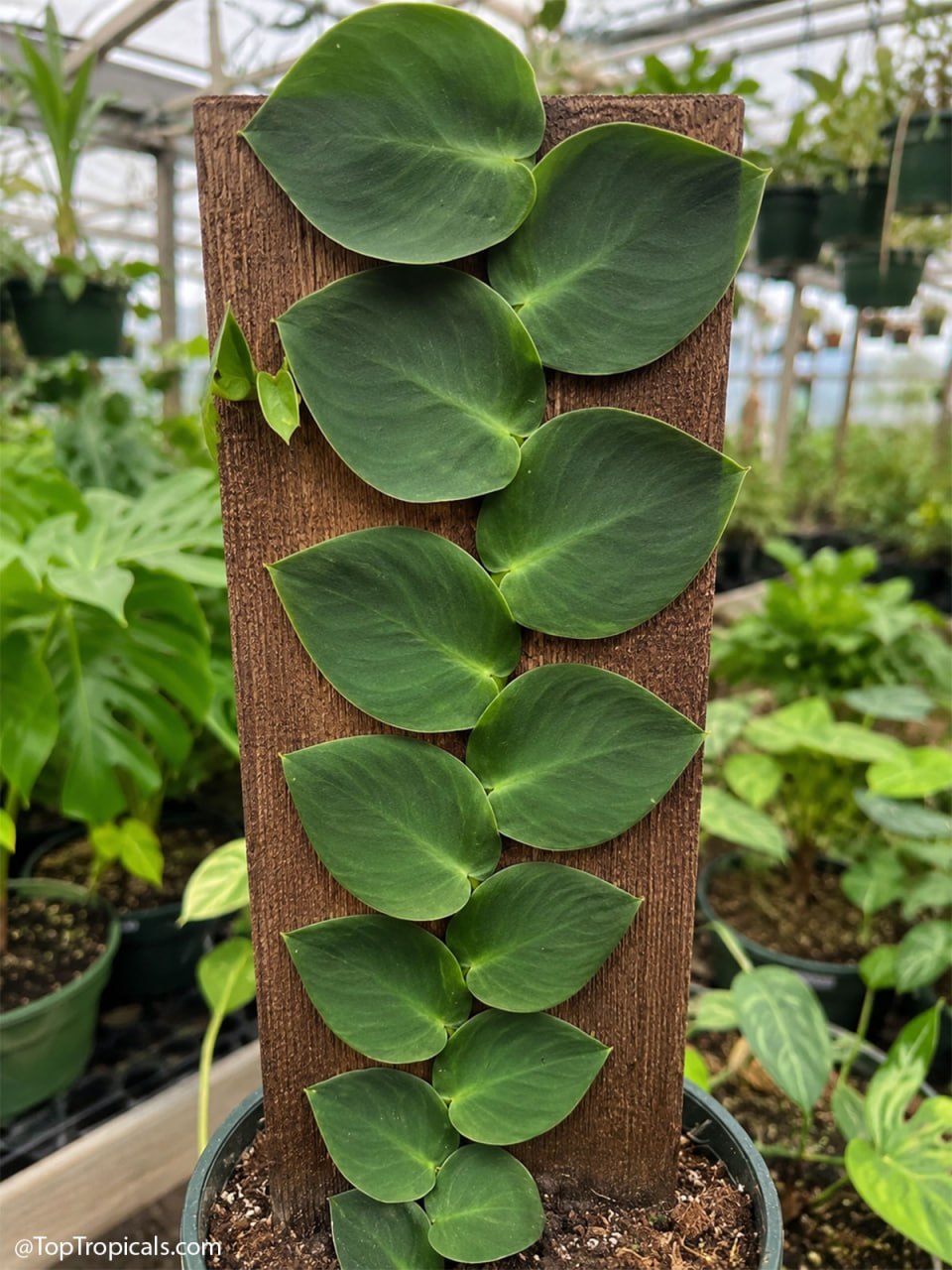
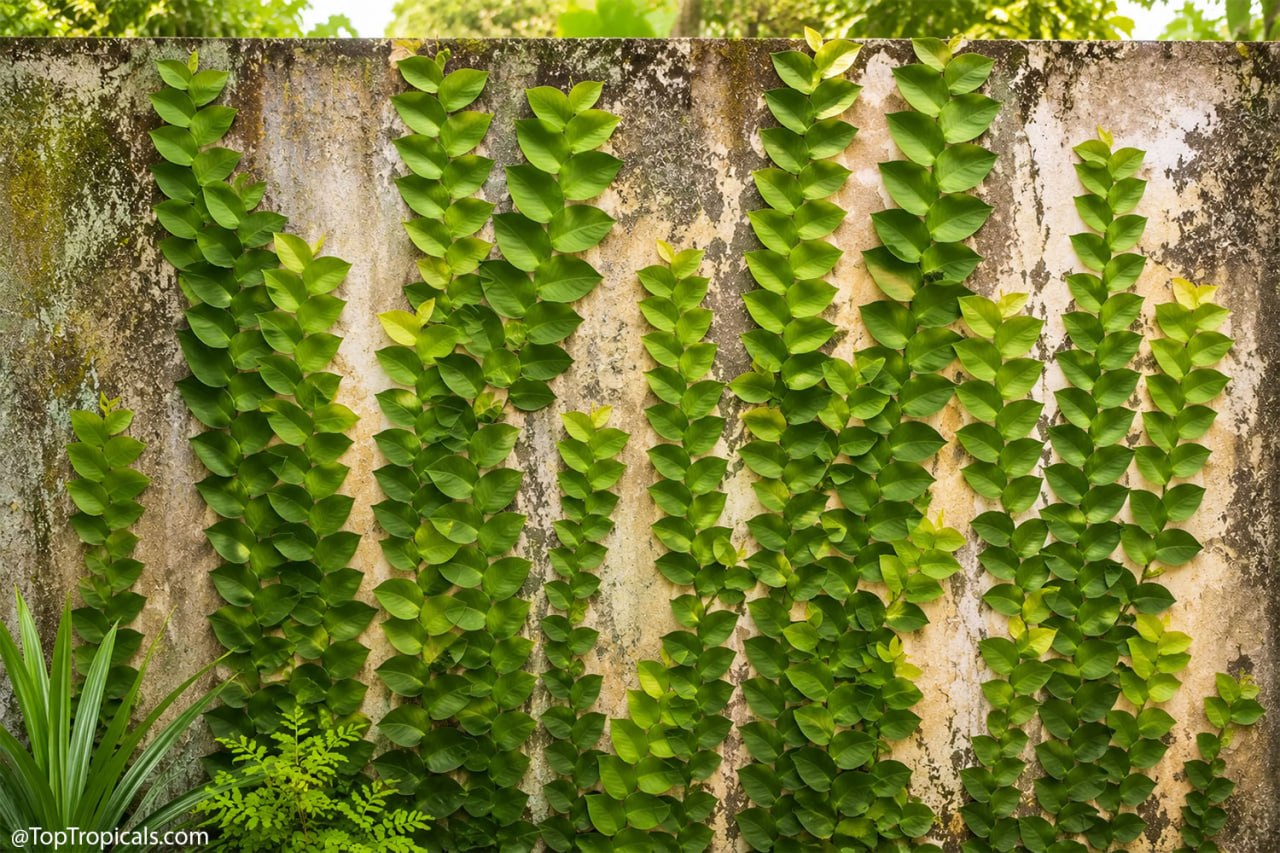
Rhaphidophora hayi belongs to the same genus as the popular Mini Monstera (Rhaphidophora tetrasperma), but instead of developing dramatic split leaves, it hugs tree trunks and wooden boards so tightly it looks painted on. At first glance, you might mistake it for a young Monstera dubia. Both grow in a fascinating habit called shingling, where overlapping leaves cling flat to their support.
Unlike Monstera dubia, Rhaphidophora hayi keeps its compact, architectural look instead of transforming into a giant fenestrated vine.
🌿 Nature's Living Wallpaper (In Miniature)
Native to the tropical rainforests of Papua New Guinea and northeastern Australia (Queensland), Rhaphidophora hayi spends its life hugging tree trunks.
Each leaf overlaps the previous one like roof shingles, creating an elegant pattern of deep green foliage that almost looks attached by glue.
Give it a cedar plank, wooden board, or moss pole indoors - and it immediately starts doing exactly what nature intended. Tiny aerial roots anchor the stem firmly to the surface, allowing the leaves to lie almost perfectly flat.
It's one of the few houseplants that actually looks better when grown vertically.
🌿 Small Leaves. Big Personality.
This is where Rhaphidophora hayi differs from Monstera dubia, even though both are commonly known as the Shingle Plant.
Instead of eventually producing enormous split leaves, it usually keeps its attractive rounded juvenile foliage.
That means you can enjoy the shingled look for many years without needing a huge room or tall greenhouse.
It's perfect for:
• apartments
• offices
• terrariums
• indoor green walls
• anyone who loves unusual foliage without giant plants
🌿 Built to Climb
In the rainforest, shingling isn't just for looks.
Growing flat against the bark helps the plant capture precious filtered sunlight while resisting heavy tropical rains and strong winds.
Its aerial roots grip rough surfaces naturally, so once attached, the plant needs very little encouragement.
Just provide warmth, above-average humidity, bright indirect light, a chunky aroid mix, and a porous support such as a wooden board or moss pole.
The board does the rest.
🌿 Rhaphidophora hayi Quick Care Guide
🍀 Growth Habit: Compact shingling climber
☀️ Light: Bright indirect light
💧 Water: Keep evenly moist, never soggy
Soil: Chunky, well-drained aroid mix
🌡 Temperature: Warm tropical conditions
📏 Size: Slow-growing climber that eventually reaches several feet tall while keeping its compact foliage
🏡 Best For: Moss poles, wooden boards, terrariums, green walls, collectors, and anyone who appreciates living art.
🌿 Did You Know? Botanical Fast Facts
• A young species. Although the plant has existed for thousands of years, it wasn't formally described by botanists until 2000 by Peter Boyce and Josef Bogner.
• A true rainforest climber. It naturally occurs from Papua New Guinea to tropical Queensland, where it spends its life clinging to tree trunks.
• Easy to propagate. New plants root readily from stem cuttings because each node is capable of producing roots.
🌿 Why You'll Love It
If Monstera dubia is the dramatic shape-shifter of the shingling world, Rhaphidophora hayi is its elegant minimalist cousin.
It delivers the same mesmerizing "living wallpaper" effect, but in a compact package that's easy to display almost anywhere. Once it starts climbing, it's nearly impossible to walk past without stopping for another look.
🛒 Shop Rhaphidophora hayi and All Monstera plants
📚 Learn more:


• Rhaphidophora hayi in Plant Encyclopedia
• It looks like painted on the wall: Monstera dubia
• The Big Secret Behind the "Mini Monstera" - Rhaphidophora tetrasperma
• How mini is Mini Monstera?
• How to harvest and eat Monstera Ice Cream
• Monstera x adansonii - Baby Swiss Cheese Plant
#Shade_Garden #Nature_Wonders #Container_Garden #Discover
🟢 Join 👉 TopTropicals