☕️ How to Roast Coffee You Grew Yourself from Coffea arabica tree
Can you really roast coffee from your own tree?
Absolutely! If you can grow a coffee plant, you can harvest, roast, grind, and brew your own coffee at home. It takes a little patience, but the reward is one of the freshest cups of coffee you'll ever taste.
Every year our coffee trees, Coffea arabica, growing in 7-gallon pots, bloom in Spring, and by the end of Summer are covereed with fruit. When the fruit turns red, it is ready to harvest. Finally, it's time to roast our own Homegrown Coffee. From Coffee Cherry to Coffee Cup - Step by Step
1. Sort the cherries
Harvest fully ripe red cherries. Remove green, damaged, and moldy fruit.
2. Remove the outer fruit
Squeeze each cherry to pop out the two seeds inside. A small hand-crank pulper can speed this up.
3. Soak the beans
Place the beans in a clean container, cover them with water, and leave them for about 12-24 hours. Light fermentation loosens the sticky mucilage.
4. Wash thoroughly
Rub and rinse the beans several times until the slippery coating is gone and the water stays relatively clear.
5. Dry the beans
Spread them in a single layer on screens or trays in a warm, airy location. Turn them frequently so they dry evenly. Protect them from rain, nighttime moisture, animals, and direct contact with soil. The beans will still be enclosed in a thin parchment shell.
6. Check for dryness
Drying may take one to three weeks, depending on humidity and airflow. The parchment should feel crisp and papery, and the bean inside should be very hard rather than soft or flexible.
7. Remove the parchment
Crack or rub away the dry parchment shell from each bean. You may carefully run them in a coffee grinder for just one second, just enough to clean the parchment. You now have unroasted green coffee beans.
8. Roast the green beans
Roast them in a coffee roaster, heavy dry skillet, air fryer, or oven. Keep the beans moving for even roasting. They will turn yellow, then tan, then brown, releasing a grassy smell that gradually becomes a familiar coffee aroma.
9. Listen for the first crack
The beans will begin making popping sounds. This is the first crack and marks the beginning of a drinkable light roast. Continue a little longer for medium roast. Stop before they become black, oily, or burned unless you deliberately want a very dark roast.
10. Cool immediately
Pour the roasted beans into a metal colander or tray and stir them in moving air. Cooling quickly stops the roasting process. Expect smoke and loose chaff, so roasting is best done outdoors or with strong ventilation.
11. Let the coffee rest
Leave the beans uncovered or loosely covered for several hours, then store them in a coffee container. Let them rest for about 24-48 hours before brewing so excess carbon dioxide can escape.
12. Grind and brew
Grind only what you need, brew it, and enjoy your own coffee grown, harvested, processed, and roasted at home.
Skipping This One 10-Minute Job Can Cost You Half Your Peaches
🍑 Skipping This One 10-Minute Job Can Cost You Half Your Peaches
Most gardeners think pruning is just a chore to make a tree look tidy. It’s actually the single most important factor in how many peaches you'll harvest. Left alone, a peach tree will quickly choke itself out with old, non-productive wood.
🍑 Why Neglect Kills Your Harvest
The "One-Year" Rule: Peach trees produce their best fruit exclusively on one-year-old wood (shoots that grew last season). If you don't prune to force new growth, your crop shrinks every year.
Sunlight & Sugar: A dense canopy blocks sunlight from the center of the tree. No sun means the tree pours its energy into growing useless wood instead of large, sweet fruit.
The Disease Trap: Dense foliage traps moisture. Opening up the canopy allows leaves to dry fast after it rains, slashing your risk of devastating fungal issues like brown rot and peach leaf curl.
❌ The #1 Mistake: "Pruning Fear"
The biggest mistake is being afraid to hurt the tree. Gardeners end up with tall, tangled, barren trees out of caution. Ironically, peach trees are incredibly resilient and love a heavy hand. A moderate, thoughtful pruning every late winter keeps the tree vigorous, low to the ground, and highly productive for decades.
✅ A Practical Note from Florida Farm
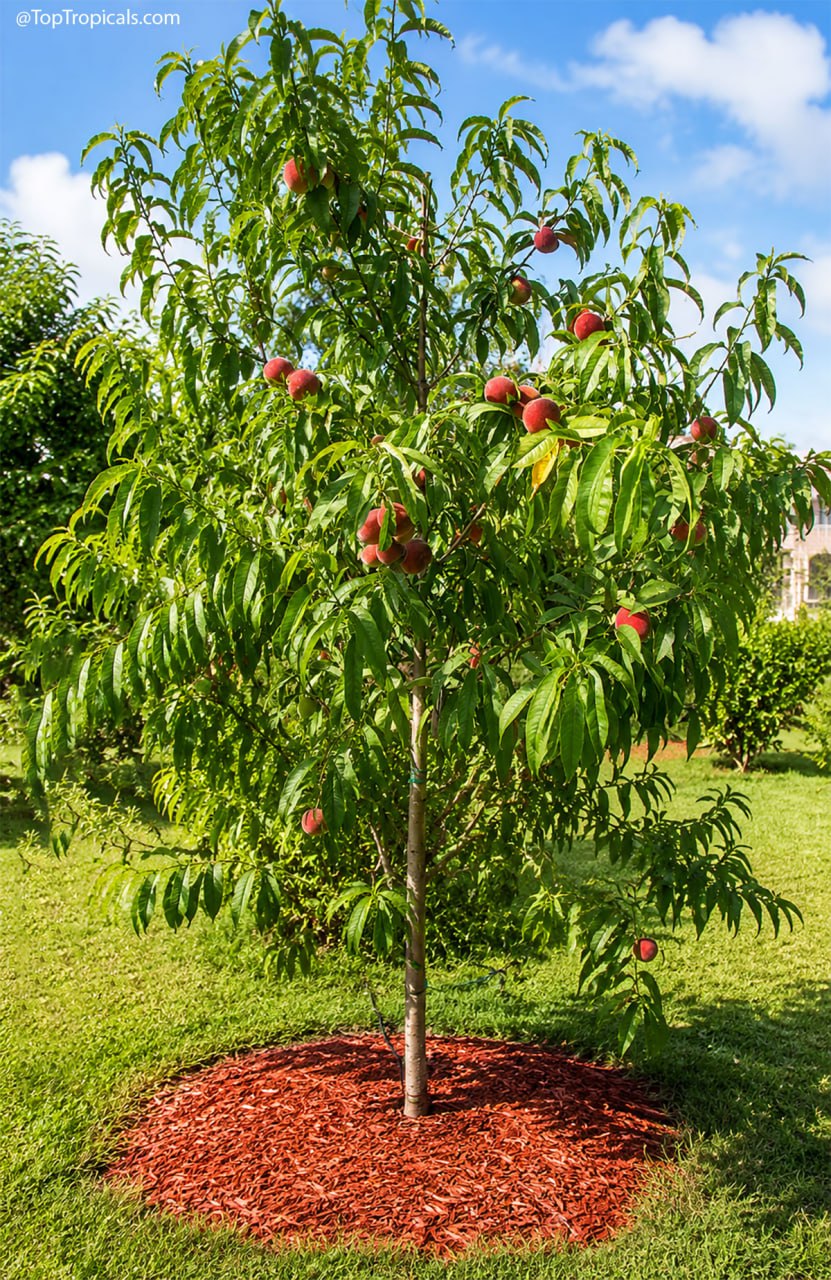
It's mid-summer, and we just finished pruning our low-chill peach trees at the Top Tropicals farm in Sebring, Florida. We have over 37 Prunus trees in the grove: 17 varieties of low-chill Peaches, Nectarines, Apricots, Plums.
In our tropical climate, even low-chill peach varieties can struggle with long stretches of intense summer heat. A good summer pruning helps keep the trees compact, healthy, and ready for the next growing season.
A few thoughtful cuts each year can reward you with bigger, sweeter peaches for decades.
🐊 Why is everyone staring at this "Alligator Plant"?
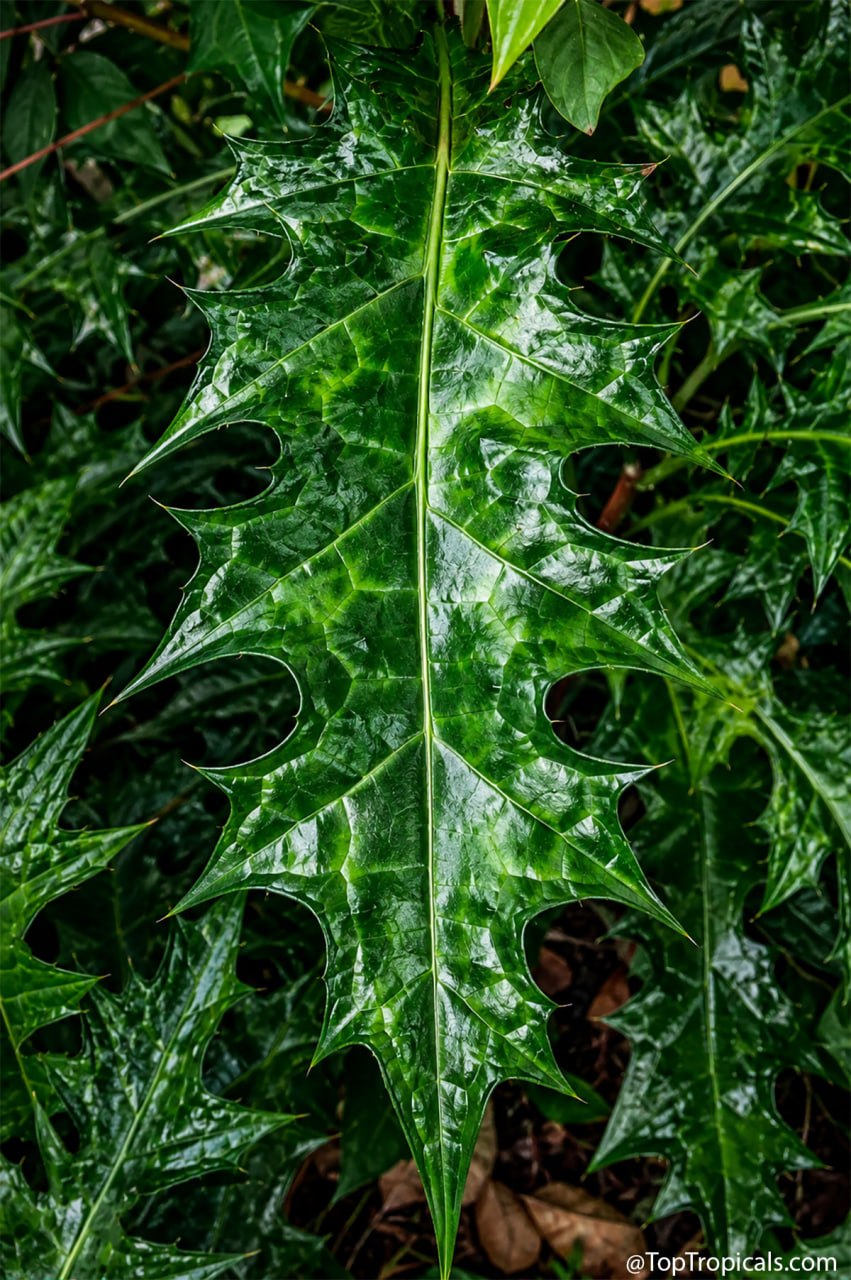
If you come across Acanthus montanus (famously known as the Alligator Plant), you will absolutely do a double-take. Its glossy, dark-green leaves are heavily textured with raised veins and dramatic silver markings, creating an uncanny, metallic alligator-skin pattern. It is one of those rare botanical wonders that stops people dead in their tracks to ask, "What on earth is that?"
🐊 Nature invented alligator skin - for a leaf!
Native to the tropical forests of West and Central Africa, the Alligator Plant naturally grows beneath the jungle canopy. It thrives in bright, filtered light and rich, moist soil, which helps it develop that signature, deeply carved foliage. While most tropical plants rely on bright, fleeting blooms to get noticed, this architectural masterpiece with leaves that look carved from reptile skin commands attention 365 days a year purely through texture.
🐊 The Hidden Late-Summer Surprise
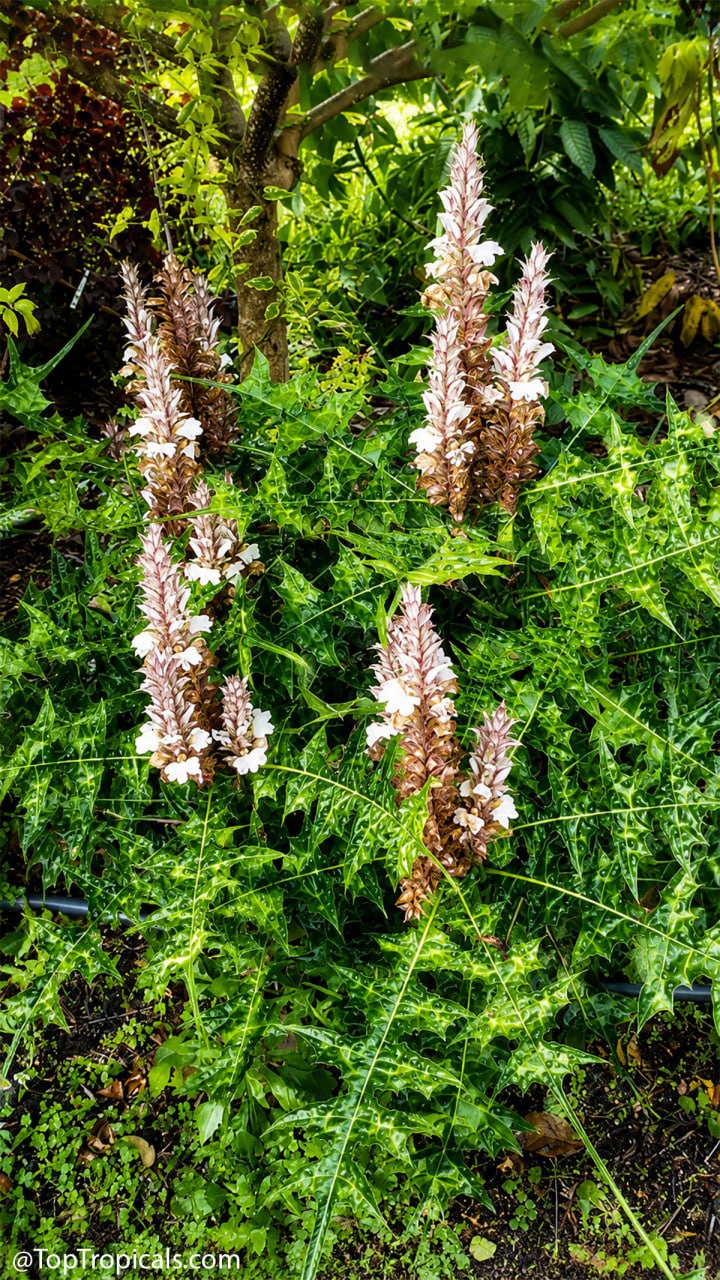
Don't let the foliage fool you - this plant has another trick up its sleeve. From late summer through fall, tall, dramatic flower spikes rise high above the reptile-like leaves. They carry soft pink to lavender blooms nestled inside striking, purple-tinted bracts. Bees and local pollinators absolutely love them, adding a burst of movement and life to your garden just as other summer flowers begin to fade.
🐊 Surprisingly Tough & Easy to Grow
Despite its exotic, high-maintenance look, the Alligator Plant is shockingly resilient.
• Where to plant: It is the perfect choice for brightening up shady garden beds, woodland borders, tropical landscapes, or showcasing as a dramatic centerpiece in large containers. • Growth habit: In warm climates, it slowly forms lush, architectural clumps that fill out beautifully without ever becoming invasive. • Resilience: Once its root system is established, it actually handles short dry spells much better than typical soft-leaved tropicals -though keeping the soil slightly moist will reward you with the largest, glossiest leaves possible.
🐊 Alligator Plant Quick Facts
🌎 Native To: Tropical West and Central Africa Mature Size: 3 to 5 feet tall and wide ☀️ Light: Bright shade, dappled sunlight, or filtered morning sun 💧 Watering: Regular moisture; requires well-draining soil (avoid soggy roots) 💮 Bloom Time: Late summer through autumn Cold Hardiness: Down to USDA Zone 9 (protect during unusual freezes) 🦋 Wildlife Value: Highly attractive to bees and essential pollinators 👍 Best Feature: Mind-blowing, reptile-like textured foliage that looks spectacular year-round
Alligator Plant is one of the coolest foliage plants you've probably never seen and it looks like it belongs in Jurassic Park! Flowers come and go, but this jaw-dropping, prehistoric foliage keeps the "wow" factor alive through every single season.