Garden Blog - Top Tropicals

Date: 8 Feb 2026

How to grow Chinese Hat Flower

Holmskioldia sanguinea - Chinese Hat Flower

🎩 How to grow Chinese Hat Flower - when winter colors most needed

  • The Holmskioldia sanguinea, better known as the Chinese Hat Flower, gets its name honestly. Each bloom looks like a tiny hat or parasol - a little tube backed by a flat, round disc. Once you notice it, you cannot unsee it!
  • What really makes this plant special is when it blooms. While most gardens slow down, Chinese Hat Flower kicks into gear from winter through early spring. The branches fill with flowers first, and the leaves follow later. It is one of those plants that quietly steals the show when everything else is taking a break.
  • More than one color


    Most people know the classic red form, but there are several color varieties worth mentioning:

🔴 Red - the most common and bold
🟡 Yellow - Holmskioldia citrina, bright and cheerful, harder to find
🟠 Bronze / orange-bronze - warm tones that glow in winter light
Having different colors makes it easy to mix them or use just one as a winter focal point.
  • How it grows and where it works best


    Chinese Hat Flower is a fast-growing, scrambling shrub. It is not stiff or formal. Think loose, graceful branches that like support. It does great when trained on:

· Trellises
  • · Fences
  • · Arbors
  • · Large containers with a support
  • · You can also let it grow as a free-form shrub and lightly prune to keep it tidy.


Care, the practical version

  • · Light: Full sun to light shade
  • · Water: Regular watering, especially while establishing
  • · Soil: Well-drained, not picky
  • · Pruning: After flowering to shape and encourage new growth
Once established, it is easygoing and forgiving.

Bonus points

  • · Blooms when the garden needs color most
  • · Attracts butterflies and hummingbirds
  • · Works as a flowering screen or accent plant
  • · Looks tropical without being high-maintenance

If you like plants that earn their space and do something interesting in winter, Chinese Hat Flower is one to keep in your garden.

🛒 Explore varieties of winter-blooming Chinese Hats

📚 Learn more:

Plant Facts

Holmskioldia sanguinea
Chinese hat, Cup and Saucer, Parasol Flower, Mandarins hat
USDA Zone: 9-11
Large shrub 5-10 ft tallVine or creeper plantSemi-shadeFull sunKeep soil moistRed, crimson, vinous flowersPlant attracts butterflies, hummingbirdsSubtropical plant. Mature plant cold hardy at least to 30s F for a short timeSeaside, salt tolerant plant
  • · Holmskioldia - Chinese Hat - in Plant Encyclopedia
  • · This is the bush you should let flower for you: Chinese Hat is in bloom
  • · Why is it called Chinese Hat Flower
  • · Colorful varieties of Holmskioldia sanguinea - Chinese Hat Flower
  • · 13 festive shrubs with bright flowers that bring color to your Winter Garden when everything else is dormant
  • · Ten shrubs you need to have for winter colors

  • #Butterfly_Plants #How_to #Hedges_with_benefits

    🟢 Join 👉 TopTropicals

    Date: 25 Jan 2026

    How to grow Winter blooms without sun, indoors or out

    Clerodendrum wallichiii - Bridal Veil

    ✨ How to grow Winter blooms without sun, indoors or out

    • ⭐️ Clerodendrum wallichii - Bridal Veil, is one of those plants that quietly steals the show. It is a graceful shrub that drapes itself in long, hanging sprays of white, lightly fragrant flowers just when many gardens are slowing down. Around fall and into winter, it suddenly comes alive with cascading blooms that really do look like a veil.
    • ⭐️ One of the things that makes Bridal Veil really special is that it blooms beautifully in bright shade, which is rare - not many flowering shrubs are happy without direct sun. Because it tolerates lower light so well and stays elegant in a container, it also makes a surprisingly great indoor plant in a bright room or sunroom.
    • ⭐️ What you will love most is how elegant but easygoing it is. The plant grows upright with soft, arching branches, usually topping out around 6–7 feet, with narrow, pointed leaves that stay neat and refined. The green stems set it apart from some other clerodendrums, giving it a lighter, airier look even when it’s not in flower.
    • ⭐️ Bridal Veil does best when you treat it gently. It likes bright light but not harsh afternoon sun, and it really appreciates protection from wind. Give it a spot with morning sun or bright shade, keep the soil evenly moist but well drained, and it rewards you without much fuss. It’s a great choice for containers, patios, or sheltered garden beds where you can enjoy the flowers up close.
    • ⭐️ Another bonus - it blooms when you want it most. While many plants rest, Bridal Veil puts on its show from fall through spring, making it a favorite for winter-interest gardens in warm climates. Pollinators notice it too, especially when little else is blooming.
    • ⭐️ If you like plants that feel a bit romantic, bloom off-season, and don’t need constant attention, this one earns its place fast. Bridal Veil is quiet, graceful, and unforgettable once you’ve grown it.


    🛒 Start your Clerodendrum collection

    📚 Learn more:
    #Shade_Garden #How_to #Hedges_with_benefits #Container_Garden

    Plant Facts

    Clerodendrum laevifolium, Clerodendrum wallichii, Clerodendrum nutans
    Bridal veil, Nodding Clerodendron
    USDA Zone: 9-11
    Large shrub 5-10 ft tallSmall plant 2-5 ftSemi-shadeModerate waterWhite, off-white flowersPlant attracts butterflies, hummingbirdsFragrant plantSubtropical plant. Mature plant cold hardy at least to 30s F for a short time
    🟢 Join 👉 TopTropicals
    Date: 25 Jan 2026

    Collecting clerodendrums: big color, little effort

    Clerodendrum collage

    Clerodendrum collage

    🎨 Collecting clerodendrums: big color, little effort

    • 🎨 Collector hook


      If you love plants that look rare, unusual, and a little dramatic - but do not want high-maintenance divas - Clerodendrums belong in your collection.
      Clerodendrums are a surprisingly diverse group of plants, ranging from flowering vines to shrubs and even small trees. What they all share is bold, colorful blooms and an easygoing nature that makes them far less fussy than they appear. This combination of exotic looks and forgiving care is exactly why collectors gravitate toward them.
      Many clerodendrums bloom repeatedly through the year in warm climates, and several tolerate lower light better than most flowering plants. That makes them flexible - happy in the garden, in containers, on patios, or even indoors near a bright window. Their flowers come in striking combinations of red, white, blue, pink, and purple, often with unusual shapes that stop people mid-walk.
    • 🎨 Why clerodendrums earn collector status


    • ✦ Uncommon, eye-catching flowers
    • ✦ Long or repeat bloom cycles in many varieties
    • ✦ Vines, shrubs, and small trees in one genus
    • ✦ Excellent performance in containers
    • ✦ More tolerant of lower light than expected


    🎨 Clerodendrum care made simple


    Give clerodendrums bright filtered light to partial sun, regular watering with good drainage, and light feeding during active growth. A little pruning keeps them tidy and encourages fresh blooms. That is it. No complicated routines, no constant fixing.

    For collectors who want maximum visual payoff without constant effort, clerodendrums deliver exactly what the title promises - big color, very little work.

    🛒 Start your Clerodendrum collection

    📚 Learn more:
    #Butterfly_Plants #Shade_Garden #How_to #Hedges_with_benefits #Container_Garden

    Plant Facts

    Clerodendrum bungei
    Cashmere (Cashmir) bouquet, Glory Bower, Clerodendron
    USDA Zone: 9-11
    Large shrub 5-10 ft tallSemi-shadeFull sunRegular waterRed, crimson, vinous flowersPink flowersPlant attracts butterflies, hummingbirdsDeciduous plantFragrant plantSubtropical plant. Mature plant cold hardy at least to 30s F for a short time
    🟢 Join 👉 TopTropicals

    Date: 10 Jan 2026

    How to grow Patchouli indoors

    Patchouli - Pogostemon cablin

    How to grow Patchouli indoors

    Patchouli - Pogostemon cablin is easy to grow indoors if you give it what it likes. It is one of those plants that does double duty - it looks great and makes your home smell amazing. Those big, soft leaves release that deep, earthy scent just by being there.
    • ☘️ Light and temperature


      Patchouli loves bright shade. Think filtered light near a window, not harsh direct sun. Too much sun can burn the leaves, especially indoors. In lower light, it still grows well and keeps its fragrance. It is a tropical herb, so keep in warm - at room temperature.
    • ☘️ Water and soil


      This plant loves water. Use a well-draining soil mix and a pot with drainage holes, but do not let it dry out. Daily watering is usually fine in warm conditions. Good air circulation is important.
      Growing patchouli is similar to growing herbs in containers - just be more generous with water than you would be with basil or oregano.
    • ☘️ Containers and growth


      Patchouli grows fast. Start in a 1-gallon pot, but plan to move it up to a 3-gallon container fairly quickly. More room means bigger leaves and a stronger scent.
    • ☘️ Feeding


      Feed regularly. You can use Sunshine Boosters Robusta with every watering, or apply Green Magic controlled-release fertilizer every 6 months and at each transplant. Patchouli responds quickly to feeding with lush growth.
    • ☘️ Pruning and uses


      Prune as the plant gets bigger to keep it full and bushy. Do not throw the leaves away - dry them for sachets or use fresh/dry leaves for tea.
    • ☘️ Propagation


      Patchouli roots very easily from cuttings. Snip a healthy stem, place it in water or moist soil, and it will root fast. It is one of the easiest plants to share with friends.

      If you want a plant that grows fast, smells incredible, and actually does something useful indoors, patchouli is hard to beat.


    🛒 Grow calming Patchouli Scent at home

    📚 Learn more:

    Plant Facts

    Pogostemon cablin, Pogostemon patchouli, Pogostemon heyneanous
    Patchouli, Pucha-pat
    USDA Zone: 9-11
    Groundcover and low-growing 2ft plantSmall plant 2-5 ftSemi-shadeFull sunModerate waterRegular waterOrnamental foliageSpice or herb plantEthnomedical plant.
Plants marked as ethnomedical and/or described as medicinal, are not offered as medicine but rather as ornamentals or plant collectibles.
Ethnomedical statements / products have not been evaluated by the FDA and are not intended to diagnose, treat, cure, or prevent any disease. We urge all customers to consult a physician before using any supplements, herbals or medicines advertised here or elsewhere.Fragrant plant
  • Patchouli - Pogostemon cablin in Plant Encyclopedia
  • Health Benefits of Pogostemon cablin (Patchouli, Pucha-Pat)
  • Patchouli: more than just a pretty scent
  • Archeologists found Patchouli perfume from Ancient Rome
  • Patchouli tea recipe

  • #Perfume_Plants #Remedies #Food_Forest #How_to

    🟢 Join 👉 TopTropicals
    Date: 9 Jan 2026

    Mango Tree for Zone 5: top 15 Condo Mango for growing in cold areas

    Mango Tree for Zone 5

    🥭 Mango Tree for Zone 5: top 15 Condo Mango for growing in cold areas

    • 🥭 Can you grow a mango tree in Zone 5? Short answer - yes! The trick is - containers!
    • Mango trees are tropical plants but they do great in pots when you choose the right varieties.
    • 🥭 Compact types stay short, respond well to pruning, and produce in containers.
    • You can grow them on a patio, balcony, even move them indoors in your condo for winter. That is why they are called condo mangoes!
      During warm months, they live outside.
      When cold weather hits, they come inside.
    • 🥭 With good light, proper watering, fertilizing, and some patience, these trees can reward you with real mangoes. Not a farm harvest, but enough to enjoy and share.


    🏆 Most popular Condo Mango varieties:


    Baptiste
    Carrie
    Cogshall
    Diamond
    Fairchild
    Ice Cream
    Julie
    Keitt
    Lancetilla
    Lemon Meringue
    Mallika
    Nam Doc Mai
    Okrung
    Pickering
    Venus

    🛒 Discover Condo Mango

    📚 Learn more:
    #Food_Forest #How_to #Discover #Mango

    🟢 Join 👉 TopTropicals
    Date: 8 Jan 2026

    Is winter killing your mango flowers? 33 winter-proof mid-season mango varieties in 90-sec tour

    33 winter-proof mid-season mango varieties

    ❄️ Is winter killing your mango flowers? 33 winter-proof mid-season mango varieties in 90-sec tour

    • 🥭 Mid-season mango varieties make up the heart of the mango harvest. They are not as early as the first winter bloomers and not as late as the extended-season types, but they fill out most of the season.
    • 🥭 Mango trees are winter bloomers, but freezing temperatures can damage them, especially when the trees are still young.
    • 🥭 Right now it is January, and many mid-season mango trees are in bloom or just starting to bloom. While a winter cold snap can damage flowers, mango trees are resilient and often re-bloom once warmer weather returns.
    • 🥭 A list of winter-proof mid-season mango varieties in Top Tropicals garden - Winter 2026


      Blooming time: late December - January, may re-bloom February-March

    • · All Summer
    • · Alphonso
    • · Angie
    • · Baptiste
    • · Carrie
    • · Cogshall
    • · Creme Brulee
    • · Cushman
    • · East Indian
    • · Edward
    • · Florigon
    • · Fralan
    • · Fruit Cocktail
    • · Fruit Punch
    • · Gary
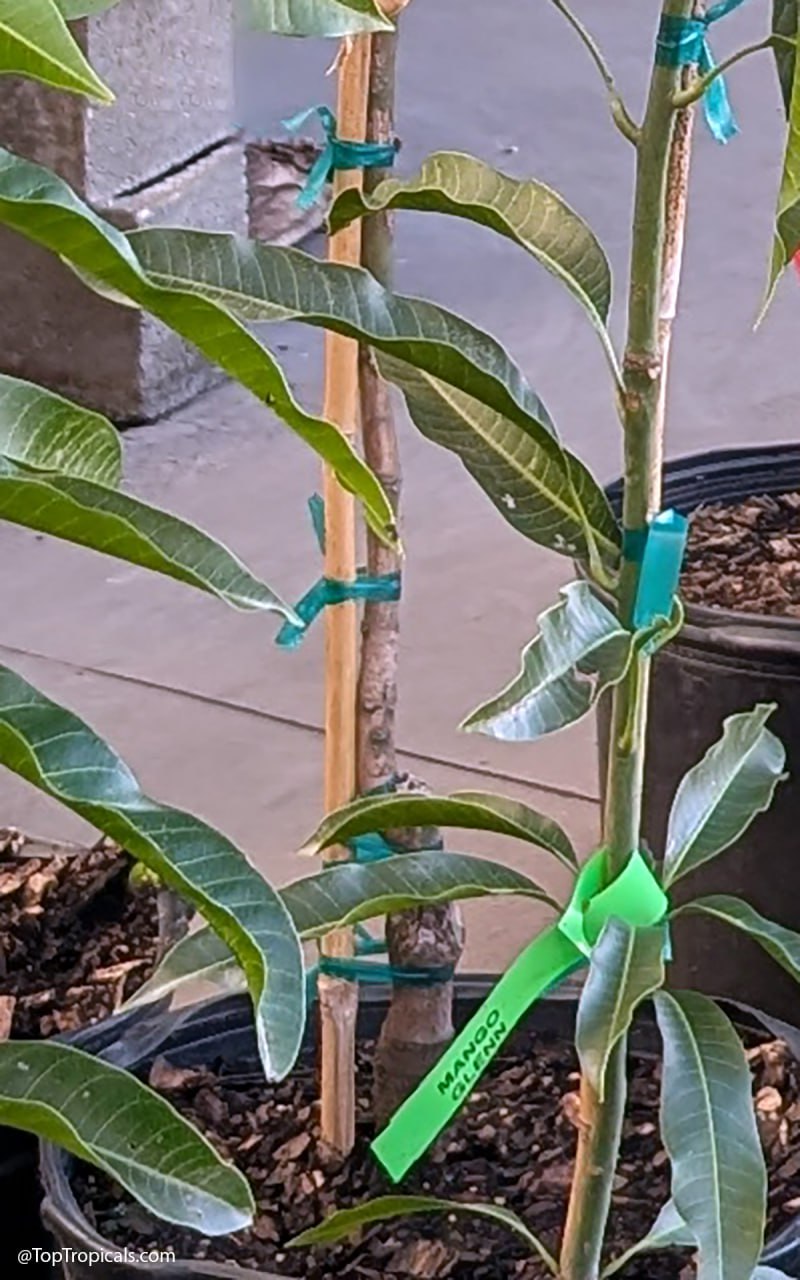
    • · Glenn
    • · Gold Nugget
    • · Harvest Moon
    • · Julie
    • · Juliette
    • · Lemon Zest
    • · Madame Fransis
    • · Maha Chinook
    • · O-15 (OMG)
    • · Pim Seng Mun
    • · Pineapple Pleasure
    • · Rapoza (Dwarf Hawaiian)
    • · Super Julie
    • · Suvarnarekha (Sundari)
    • · Triplesec (Seacrest, 40-36)
    • · Ugly Betty
    • · Venus
    • · Venus
    • · Wise


    🛒 Explore Mango varieties

    📚 Learn more:


    #Food_Forest #Mango #How_to

    🟢 Join 👉 TopTropicals

    Date: 7 Jan 2026

    How to grow papaya from seed without killing it, Part 3: containers, sunlight, and 11 common mistakes

    Dwarf Papaya tree

    Dwarf Papaya tree

    🍊 How to grow papaya from seed without killing it, Part 3: containers, sunlight, and 11 common mistakes


    Getting papaya to sprout (see part 1 and part 2) is only half the battle. How you handle containers, sun, water, and root disturbance determines whether your plant reaches fruiting size or slowly declines. In this final part, we cover practical container growing, light requirements, and the mistakes that stop papaya from ever producing fruit.
    • 🍊 Transplanting papaya - what most people get wrong


      The one thing papaya roots hate (and most growers ignore)

      Choosing the right container is critical.
      Rule of thumb: papayas hate transplanting. Their roots do not like to be disturbed.

      Because of this:

    🟡Reduce transplanting as much as possible
    • 🟡Choose a container that will last longer once seedlings leave starter pots
    • 🟡Avoid stepping up pot sizes too frequently

    • Watering matters just as much:
    • 🟡Larger pots stay wet longer
    • 🟡Papaya roots dislike constant moisture
    • 🟡Always reduce watering when moving into a bigger container


    🍊 Container growing guide for papaya


    Grow papaya anywhere - but only if you do this right
    • 🟡Start seeds in small cells (1–2 seeds per cell) or small pots (4–8 seeds per pot, spaced far apart)
    • 🟡Transplant carefully when seedlings reach about 2 inches
    • 🟡Once a 4-inch pot is outgrown, move directly to 1-gallon or even 3-gallon containers
    • 🟡Reduce watering when containers are much larger than the root system
    • 🟡Protect young plants from heavy rain until roots fill the pot
    • 🟡Stake plants with bamboo
    • 🟡Papayas grow fast, and the stem often outpaces root development. Even light wind can knock them over


    🍊 Sunlight requirements for papaya


    Papaya grows fast, but one mistake stops it cold

    Papayas need full sun and prefer to stay on the drier side once established.

    In shade:
    • 🟡Plants become leggy and overly tall
    • 🟡Flowering may stop completely
    • 🟡Fruit production may be reduced or zero

    • Shade also keeps soil wet longer:
    • 🟡Soil dries slowly
    • 🟡Excess moisture can kill roots, even on mature plants


    🍊 11 most common mistakes when growing papaya from seed


    From seed to fruit in under a year - if you avoid these papaya mistakes
    • · 1. Leaving pulp or slime on seeds - prevents germination and causes rot
    • · 2. Soil too wet during germination - keep damp, not soggy
    • · 3. Overwatering seedlings - young plants rot easily
    • · 4. Disturbing roots during transplanting - papayas hate it
    • · 5. Not enough sun - papaya hates shade and will not produce in low light
    • · 6. Too much water once established - prefers drier conditions
    • · 7. Planting in low spots in the ground - poor drainage leads to root rot
    • · 8. Using heavy soil - waterlogging kills roots
    • · 9. Giving up too early - seeds can take weeks to sprout
    • · 10. Not fertilizing - papaya is a heavy feeder. Poor soil means no fruit. Remember, it is a giant grass.
    • · 11. Do not trim papaya. Trimming may cause side shoots, but it ruins the natural tropical form. If you need a ladder to harvest fruit, the solution is not pruning - it is growing a dwarf variety.

    Papaya rewards growers who understand its quirks. Treat it like the fast-growing, shallow-rooted plant it is, and it will produce quickly and generously. Ignore those basics, and it will struggle no matter how much care you give it.

    If you found this helpful, bookmark all 3 parts - papaya grows fast, and timing matters
    :

    How to grow papaya from seed without killing it:
    Part 1: Papaya basics
    Part 2: Seeds germination
    Part 3: Containers, sunlight, and common mistakes

    🛒 Explore Papaya varieties

    📚 Learn more:

    Plant Facts

    Carica papaya
    Papaya
    USDA Zone: 9-11
    Small tree 10-20 ftFull sunDry conditionsModerate waterYellow, orange flowersWhite, off-white flowersEdible plantEthnomedical plant.
Plants marked as ethnomedical and/or described as medicinal, are not offered as medicine but rather as ornamentals or plant collectibles.
Ethnomedical statements / products have not been evaluated by the FDA and are not intended to diagnose, treat, cure, or prevent any disease. We urge all customers to consult a physician before using any supplements, herbals or medicines advertised here or elsewhere.Subtropical plant. Mature plant cold hardy at least to 30s F for a short time

    · Carica papaya in Plant Encyclopedia

    #Food_Forest #How_to #Papaya

    🟢 Join 👉 TopTropicals

    Date: 6 Jan 2026

    How to grow papaya from seed without killing it, Part 2: seeds germination step by step

    Ppaya fruit

    Ppaya fruit

    🍊 How to grow papaya from seed without killing it, Part 2: seeds germination step by step


    Papaya germination is simple (see part 1), but it is rarely forgiving. Most failures happen not because seeds are bad, but because moisture, temperature, or patience is off by just a little. In Part 2, we focus entirely on germination - from preparing seeds to creating the right conditions for strong, healthy sprouts.
    • 🍊 Papaya seed germination requirements


      The simple papaya growing rules that actually work

      Fresh seeds taken from ripe fruit usually germinate in 2–3 weeks, as long as temperatures stay above 70F. Warmer is better - ideally 85-90F.
      Bottom heat helps a lot. Seed germination mats work very well.
    • 🍊 Key conditions:


    🟡Well-draining potting mix or coconut fiber
    • 🟡Moist soil, never soggy
    • 🟡Consistent warmth
    • 🟡Stored dry seeds often go dormant and can take 8–10 weeks to sprout. When stored properly, papaya seeds remain viable for at least 12 months.


    🍊 How to extract and prepare papaya seeds correctly


    Growing papaya from seed sounds easy until this happens

    So you bought a papaya at the grocery store and decided to plant the seeds. Here is the correct way to do it.

    Removing the seeds
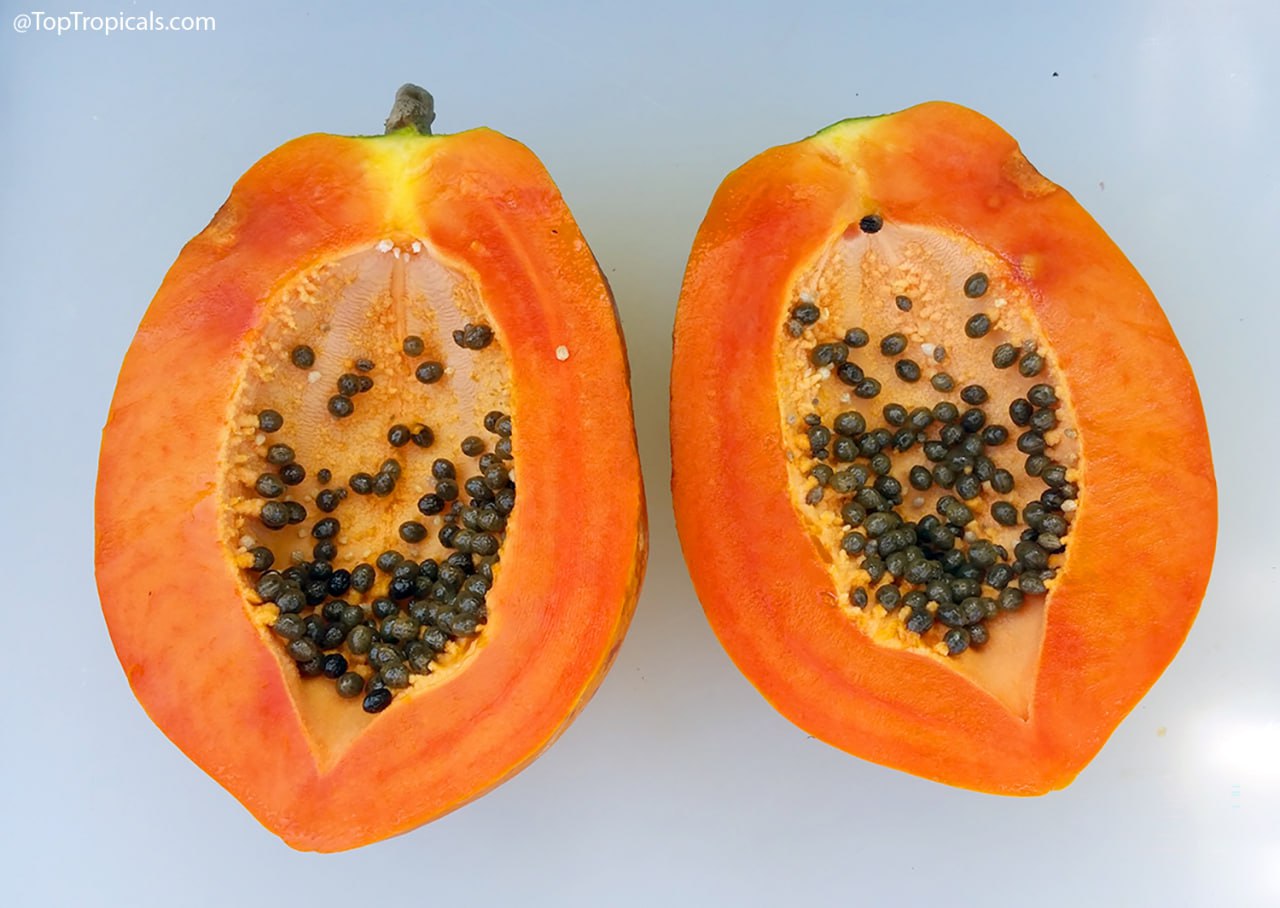
    • 🟡Cut the fruit in half lengthwise
    • 🟡Cut each half lengthwise again
    • 🟡Scoop seeds from each quarter with a teaspoon

    • Choosing viable seeds
    • 🟡Good seeds are black and about 1/4 inch in diameter
    • 🟡Small, green, or white seeds are immature and will not germinate
    • 🟡Fresh papaya seeds are coated with a slimy layer that prevents sprouting inside the fruit. This coating must be removed.

    • Cleaning and storing
    • 🟡Rinse seeds thoroughly (a strainer works well)
    • 🟡Remove all pulp and slime
    • 🟡Dry seeds on a paper towel

    • If storing seeds:
    • 🟡Dry completely for several days
    • 🟡Even slightly moist seeds will rot in storage

    • If planting right away:
    • 🟡Remove all pulp and slime and plant as soon as possible

    If your papaya seeds have sprouted, you have already passed a major hurdle. Unfortunately, this is where many plants are lost next - not from poor germination, but from transplanting mistakes, excess water, or lack of sun. In Part 3, we cover containers, sunlight, watering, and the most common mistakes that kill papaya after it starts growing.

    🛒 Explore Papaya varieties

    📚 Learn more:

    Plant Facts

    Carica papaya
    Papaya
    USDA Zone: 9-11
    Small tree 10-20 ftFull sunDry conditionsModerate waterYellow, orange flowersWhite, off-white flowersEdible plantEthnomedical plant.
Plants marked as ethnomedical and/or described as medicinal, are not offered as medicine but rather as ornamentals or plant collectibles.
Ethnomedical statements / products have not been evaluated by the FDA and are not intended to diagnose, treat, cure, or prevent any disease. We urge all customers to consult a physician before using any supplements, herbals or medicines advertised here or elsewhere.Subtropical plant. Mature plant cold hardy at least to 30s F for a short time
  • · Carica papaya in Plant Encyclopedia
  • · How to grow papaya from seed without killing it: Part 1: Papaya basics
  • Part 2: Seeds germination
    Part 3: Containers, sunlight, and common mistakes
  • · Carefree Garden: How Easy Is It to Grow a Papaya Tree?
  • · Male papaya produces fruit!
  • · Top 10 fast-fruiting trees: #6. Papaya
  • · How to have fresh Papaya fruit year around
  • · The truth about Papaya
  • · Papayas contain a secret enzyme

    🎥 Nobel Prize goes to this pregnant male papaya

    #Food_Forest #How_to #Papaya

    🟢 Join 👉 TopTropicals
  • Date: 5 Jan 2026

    How to grow papaya from seed without killing it

    How to grow papaya from seed without killing it
    🍊 How to grow papaya from seed without killing it, Part 1: Papaya basics

    Papaya (Carica papaya) is one of the fastest and most rewarding fruit plants you can grow from seed - but it is also one of the easiest to lose early if you treat it like a regular tree. In this guide, we start at the very beginning: what papaya really is, how to choose and prepare seeds, and what it actually takes to get strong, healthy seedlings off to a good start.
    • 🍊 Papaya basics - what kind of plant it really is


      Papaya is not a tree - and that changes how you should grow it

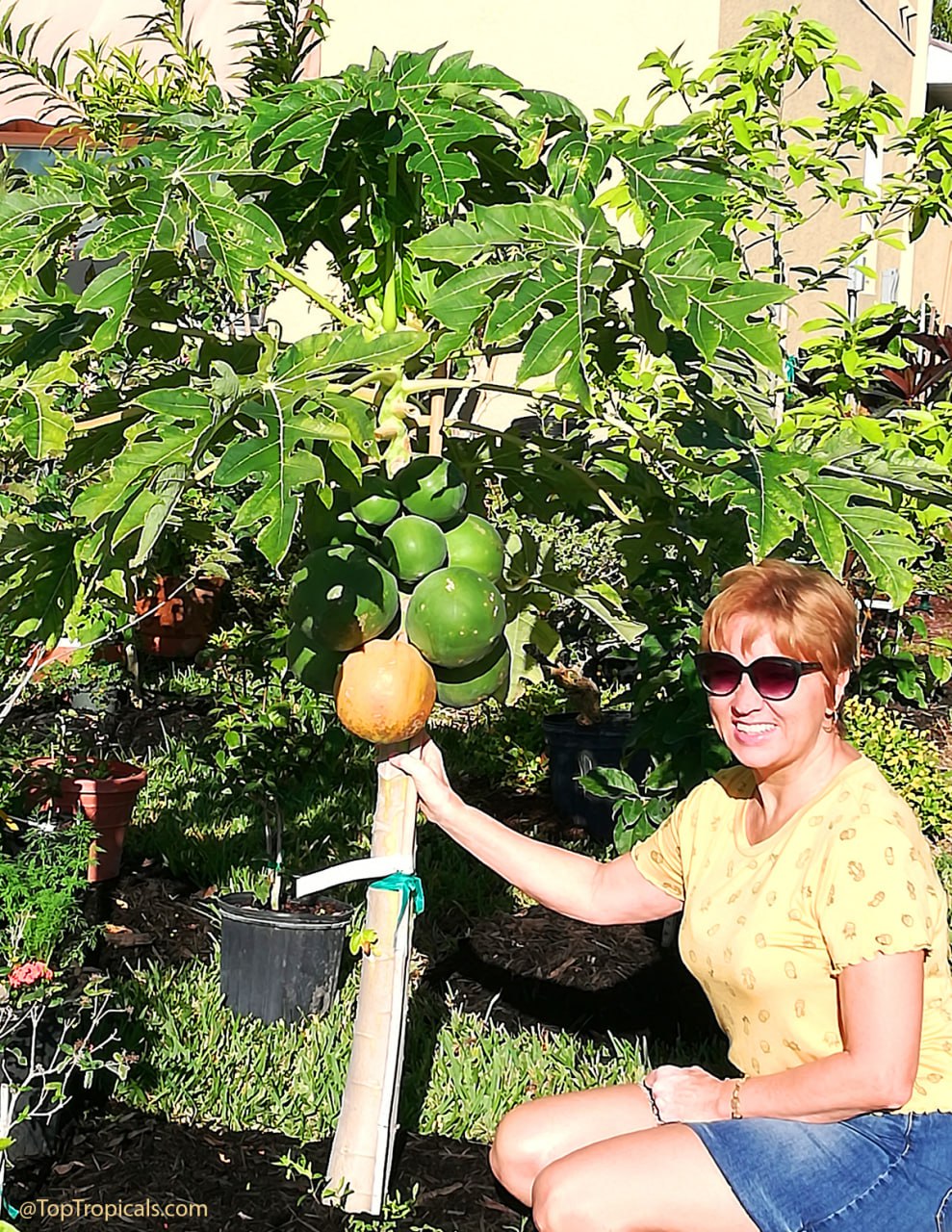
    • 🟡 Papaya is technically not a tree. It is a herbaceous plant with a hollow trunk - often jokingly called a giant grass.
    • 🟡Papaya grows extremely fast from seed and usually starts producing fruit within 10–15 months. It has a palm-like look, with a large canopy of leaves at the top. Flowers and fruit form directly under that canopy, right on the trunk.
    • 🟡In the ground, papaya can grow 10–15 ft tall, but there are dwarf varieties that stay under 4–5 ft in containers while still producing full-size fruit.
    • 🟡Papayas are very productive and are one of the best exotic fruit plants to grow even outside the tropics, especially because they perform so well in containers.


    🍊 Growing papaya from seed - what to know first


    What grocery store papaya seeds don’t tell you

    Papaya is easy to grow from seed, but one detail matters more than most people realize:
    • 🟡Seeds from store-bought fruit come from unknown varieties
    • 🟡Most will not be dwarf
    • 🟡If you want a compact plant, start with a known dwarf variety or seeds from one
    • 🟡The good news: papaya comes true from seed, so when the source is known, the result is reliable.

    Now that you understand what papaya is - and what grocery store seeds don’t tell you - it is time to move on to the most misunderstood stage of all: germination. In Part 2, we break down exactly how papaya seeds sprout, what they need, how long they really take, and why so many people give up too early.

    🛒 Explore Papaya varieties

    📚Learn more:

    🎥 Nobel Prize goes to this pregnant male papaya

    #Food_Forest #How_to #Papaya

    Plant Facts

    Carica papaya
    Papaya
    USDA Zone: 9-11
    Small tree 10-20 ftFull sunDry conditionsModerate waterYellow, orange flowersWhite, off-white flowersEdible plantEthnomedical plant.
Plants marked as ethnomedical and/or described as medicinal, are not offered as medicine but rather as ornamentals or plant collectibles.
Ethnomedical statements / products have not been evaluated by the FDA and are not intended to diagnose, treat, cure, or prevent any disease. We urge all customers to consult a physician before using any supplements, herbals or medicines advertised here or elsewhere.Subtropical plant. Mature plant cold hardy at least to 30s F for a short time
    🟢 Join 👉 TopTropicals

    Date: 1 Jan 2026

    Why young trees need staking?

    Mango trees with bamboo support

    Mango trees with bamboo support

    Staking young trees

    Staking young trees

    🌳 Why young trees need staking?


    Staking a young tree is simple but important. The goal is to attach a bamboo stake to support the trunk, encourage straight growth, and-most importantly-prevent the stem from wiggling.

    Young trees grow fast and vigorously, but their trunks are often much taller and heavier than their root systems can support. At the same time, those trunks are still thin and flexible. Even light wind can cause the tree to rock back and forth. This movement disturbs developing roots and slows establishment.
    • ❗️ Without proper support:


    • 🔹 The trunk can break in strong wind.
    • 🔹 Roots loosen instead of anchoring.
    • 🔹 The trunk may grow crooked.
    • 🔹 The tree becomes uneven and less stable long-term.


    🌳 How to stake correctly

    • 🌳 Small trees


    • 🔹 Create an A-frame with one bamboo stake.
    • 🔹 Attach near the top, forming a triangle.
    • 🔹 Do not push the stake right next to the trunk. It may look neat, but it can damage roots and will not provide proper stability.


    🌳 Medium trees

    • 🔹 Use 2-3 tie points along the trunk.
    • 🔹 Use soft green garden tape, 1/2"wide.
    • 🔹 Secure firmly but allow slight movement.


    🌳 Tall or heavy trees

    • 🔹 Use a strong support such as a metal pipe. We use 1" aluminum electrical conduit.
    • 🔹 Attach with wider green tape, about 1"to protect the bark.
    • 🔹 Build tripods around larger trees.


    ❗️ Important maintenance tips:

    • 🔸 Check ties and tape often-every few weeks to once a month.
    • 🔸 As the tree grows, re-adjust the tape so it does not cut into the trunk as it thickens and doesn't cause any rot.
    • 🔸 Re-position bamboo stakes as needed, and be ready to replace them with a larger, stronger stake as the tree grows.

    These rules apply to both potted trees and trees planted in the ground. Proper staking early on helps your tree establish faster, grow straighter, and develop a strong, stable root system for the future.

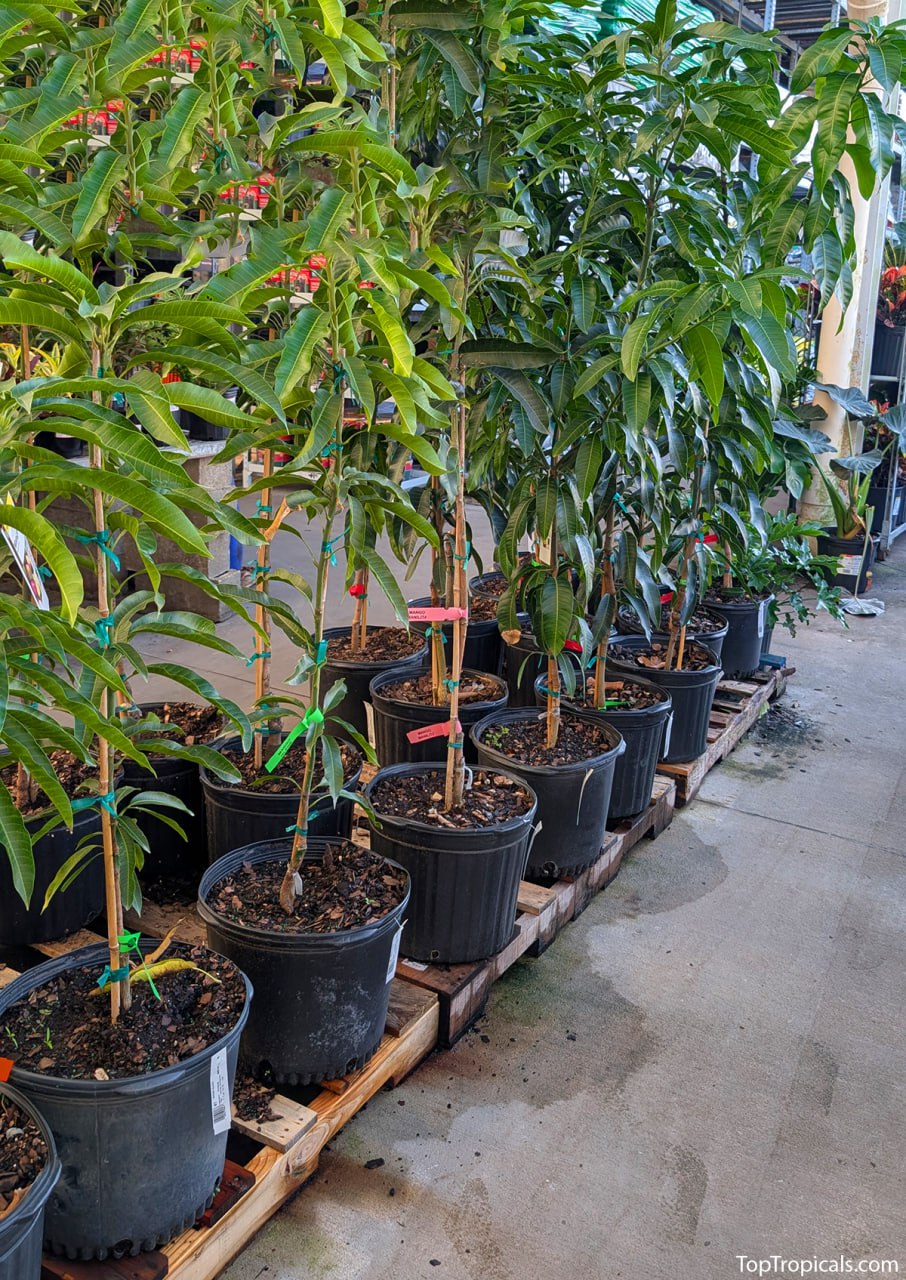
    📸 Mango trees in 7 gal pots with"nursery-style"bamboo stakes that create a neat"standard". When stepping up or planting in the ground, attach a new stake and keep it away from the trunk.

    🛒 Explore fruit trees and flowering trees

    #Food_Forest #Trees #How_to

    🟢 Join 👉 TopTropicals