Garden Blog - Top Tropicals

Date: 31 May 2025

Where do almonds come from?

🌰 Where do almonds come from? From the prettiest red-leaved tree with health benefits!

  • 📝 Most commercial almonds come from the Prunus dulcis tree, a close relative of Peach Tree, native to the Middle East and South Asia. However, Tropical Almond (Terminalia catappa), also called Indian almond or Sea almond, produces a similar nut in tropical regions.

  • 📝 The Tropical Almond tree puts on a spectacular fall display rarely seen in evergreen tropical regions. As a deciduous tree, it sheds its large, glossy leaves in a burst of color - shifting from green to brilliant shades of red, orange, and especially bright mauve. This fiery transformation sets it apart from most tropical trees. At the same time, the almond-like fruits ripen, making this tree not only a visual showstopper but also a source of delicious, nutritious nuts.


🌰 Health benefits of Tropical Almond:


  • ✅ Rich in omega-3 fatty acids - supports brain and heart health.

  • ✅ High in protein and healthy fats – helps build and maintain muscle and energy.

  • ✅ Strengthens bones and teeth – due to its calcium and phosphorus content.

  • ✅ Improves eye health – thanks to antioxidants like vitamin E.

  • ✅ Reduces inflammation – naturally anti-inflammatory.

  • ✅ Supports liver and digestive health – traditional medicine uses the leaves for liver diseases, diarrhea, and dysentery.

  • ✅ Used as an aphrodisiac – in some traditional systems.

Tropical Almonds can be grown in the ground or containers and are tolerant of heat, drought, and salt, making them great for tropical and coastal gardens.

🛒 Plant the Tropical Almond Tree with mauve fall color


#Food_Forest #Remedies #Discover #Fun_Facts

🟢 Join 👉 TopTropicals
Date: 31 May 2025

Where do almonds come from?

🌰 Where do almonds come from? From the prettiest red-leaved tree with health benefits!

  • 📝 Most commercial almonds come from the Prunus dulcis tree, a close relative of Peach Tree, native to the Middle East and South Asia. However, Tropical Almond (Terminalia catappa), also called Indian almond or Sea almond, produces a similar nut in tropical regions.

  • 📝 The Tropical Almond tree puts on a spectacular fall display rarely seen in evergreen tropical regions. As a deciduous tree, it sheds its large, glossy leaves in a burst of color - shifting from green to brilliant shades of red, orange, and especially bright mauve. This fiery transformation sets it apart from most tropical trees. At the same time, the almond-like fruits ripen, making this tree not only a visual showstopper but also a source of delicious, nutritious nuts.


🌰 Health benefits of Tropical Almond:


  • ✅ Rich in omega-3 fatty acids - supports brain and heart health.

  • ✅ High in protein and healthy fats – helps build and maintain muscle and energy.

  • ✅ Strengthens bones and teeth – due to its calcium and phosphorus content.

  • ✅ Improves eye health – thanks to antioxidants like vitamin E.

  • ✅ Reduces inflammation – naturally anti-inflammatory.

  • ✅ Supports liver and digestive health – traditional medicine uses the leaves for liver diseases, diarrhea, and dysentery.

  • ✅ Used as an aphrodisiac – in some traditional systems.

Tropical Almonds can be grown in the ground or containers and are tolerant of heat, drought, and salt, making them great for tropical and coastal gardens.

🛒 Plant the Tropical Almond Tree with mauve fall color


#Food_Forest #Remedies #Discover #Fun_Facts

🟢 Join 👉 TopTropicals
Date: 30 May 2025

Why mango lovers are obsessed with this rare variety: Maha Chinook - the mango even Nam Doc Mai envies

Maha Chinook mango

🌈 Why mango lovers are obsessed with this rare variety: Maha Chinook - the mango even Nam Doc Mai envies

🥭 Maha Chinook Mango is possibly the best mango you've never tasted. Rare, beautiful, and unbelievably delicious. It is a prized semi-dwarf variety from Singapore, known for its exceptional flavor and fiberless flesh. The fruit is long, often with a pink blush, and resembles Nam Doc Mai - only better! It can be enjoyed green (sweet and crisp) or ripe (smooth and aromatic). Slow-growing and perfect for containers, it produces multiple crops and has a long, variable season. Its nearly paper-thin seed and high flesh-to-seed ratio make it one of the most sought-after mangoes in the world.

🛒 Shop Mango varieties

📚 Previous posts: #Mango_Rainbow - varieties you should try

#Food_Forest #Mango #Mango_Rainbow

🟢 Join 👉 TopTropicals

Date: 29 May 2025

Why does everyone want a Miracle fruit plant?

Miracle Fruit - Synsepalum dulcificum

❓ Why does everyone want a Miracle fruit plant?


✨ Because it's pure magic for your taste buds! The small red berry of Miracle Fruit (Synsepalum dulcificum) contains a natural compound called miraculin that temporarily makes sour things taste sweet. Lemons taste like lemonade, vinegar like candy! It's fun, fascinating, and even helpful - especially for those undergoing chemotherapy who need help enjoying food again. A miracle? Pretty close!

📚 Learn more from earlier posts:


🛒 Bring the magic home - plant your own Miracle Fruit!

#Food_Forest #Nature_Wonders #Remedies #Fun_Facts

🔴 Join 👉 TopTropicals

Date: 28 May 2025

How to make your own coffee from homegrown beans

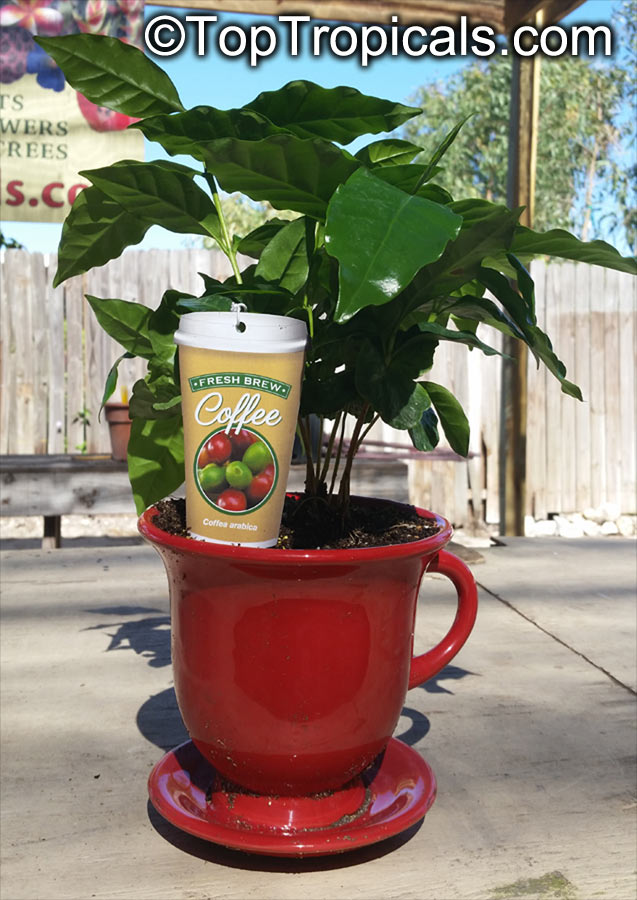
Coffee Tree in a cup (Coffea arabica)

Coffee Tree in a cup (Coffea arabica)

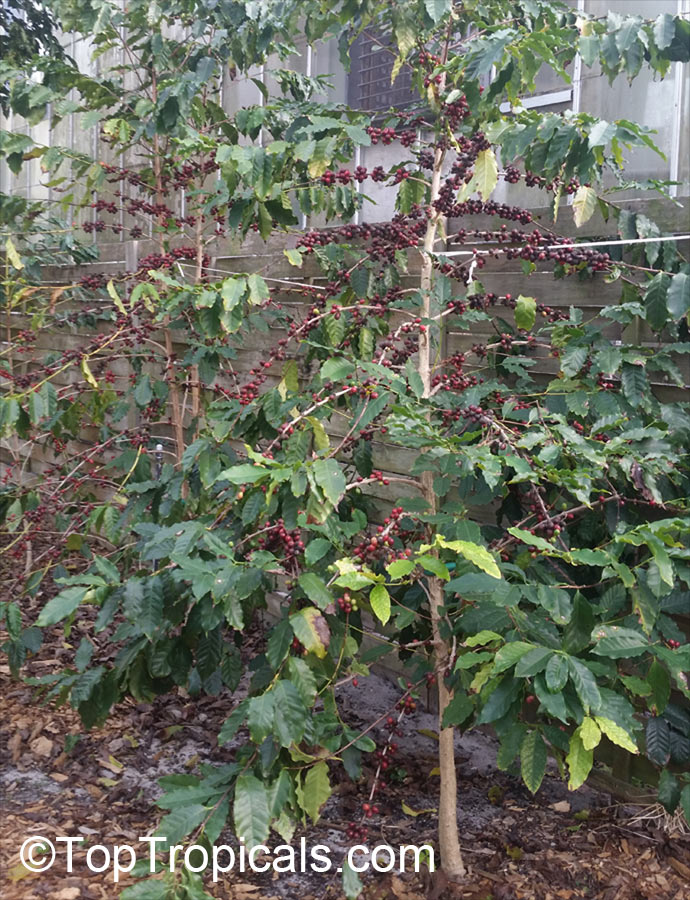
Coffee Tree with fruit (Coffea arabica)

Coffee Tree with fruit (Coffea arabica)

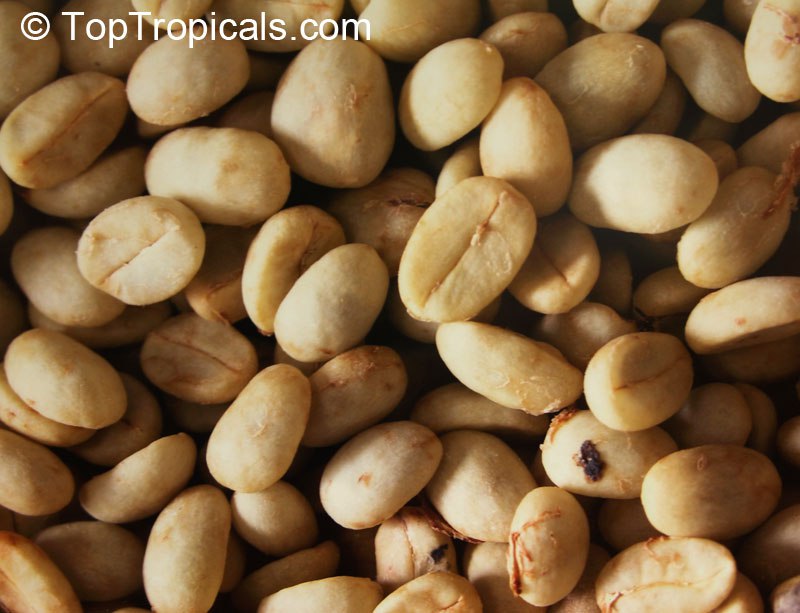
Coffee beans (Coffea arabica)

Coffee beans (Coffea arabica)

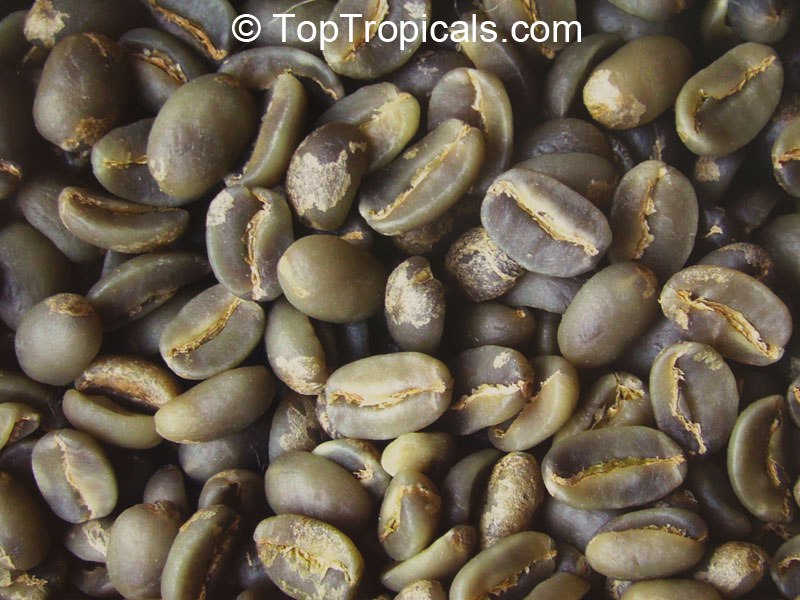
Coffee beans (Coffea arabica)

Coffee beans (Coffea arabica)

Coffee beans (Coffea arabica)

Coffee beans (Coffea arabica)

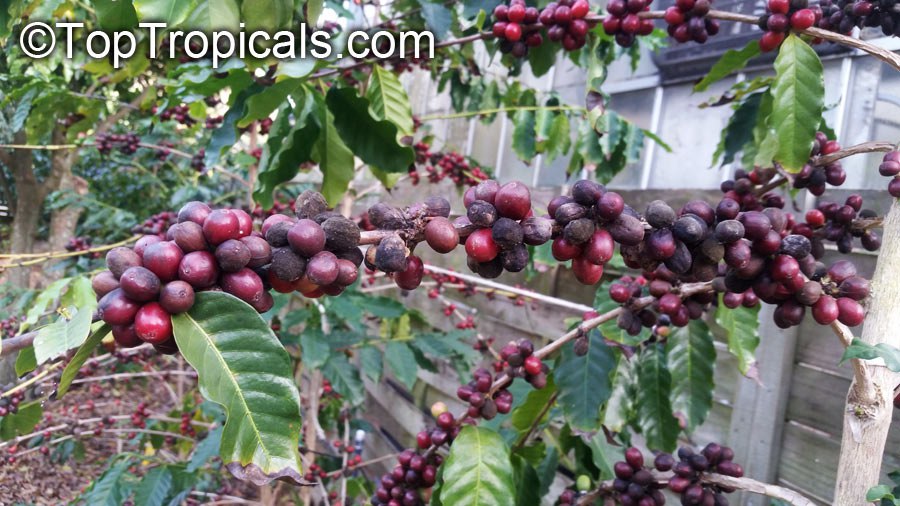
Coffee cherries on a tree (Coffea arabica)

Coffee cherries on a tree (Coffea arabica)

☕️ How to make your own coffee from homegrown beans


Q: Can you make coffee from your
own tree? Isn't there a process involved to prepare beans for it?
A: Absolutely! Yes, it is quite a process... But homegrown coffee lets you enjoy the freshest, chemical-free beans with rich flavor and the satisfaction of growing it yourself. Besides, it's fun! Below is a quick guide how to grow and make your own coffee from freshly harvested coffee fruit (called "cherries").
  • Harvest the ripe cherries


    Pick the bright red fruits when they are fully ripe. These contain the coffee beans inside.
  • Remove the beans


    Squeeze the cherries to pop out the seeds (beans). Rinse off any pulp and soak them in water for 1-2 days to ferment and remove the slimy coating.
  • Dry the beans


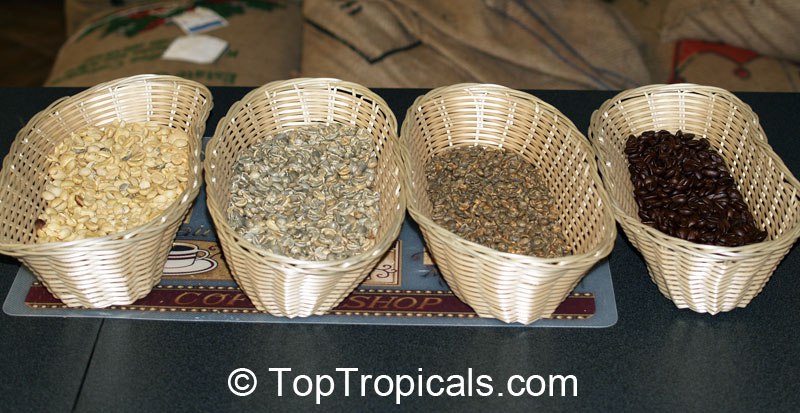
    Spread the clean beans on a tray in a sunny, dry spot. Let them dry for 1-2 weeks, turning them daily, until they feel hard and papery.
  • Remove the parchment


    Once dried, crack and remove the thin husk around each bean. You now have green coffee beans ready to roast.
  • Roast the beans


    Use a dry skillet or oven. Heat until beans turn brown and fragrant, stirring constantly. The longer you roast, the darker and stronger the flavor.

Cool and grind


Let roasted beans cool completely, then grind them just before brewing. Enjoy your homemade cup of fresh coffee!

🛒 Grow it. Pick it. Roast it. Drink it. Buy your coffee tree now!

📚 Learn more from previous posts:


#Food_Forest #Container_Garden #Shade_Garden #Discover

🔴 Join 👉 TopTropicals