Garden Blog - Top Tropicals

Date: 25 Sep 2025

How do we ship plants? Part 1: prepare the plant

How do we ship plants? Part 1: prepare the plant.

🚚 How do we ship plants? Part 1: prepare the plant.
  • 📦 We hear it all the time: "You guys ship plants? Wow! How do you ship a plant? It's... live!"
  • 📦 Well, we've been doing it for almost 25 years now - that's a quarter of a century! Top Tropicals was one of the first nurseries to figure out plant shipping, long before Amazon and all the big online platforms where today you can order just about anything.
  • 📦 After so many years, our Team worked it to perfection. Want to see how it's done?
  • 📦 Like they say, it's better to see once than hear a hundred times. In this video, we'll show you the tricks that keep plants safe on their journey from our nursery to your doorstep.


🎥 Part 1 covers how we prepare the plant before it goes into the box.

❗️Stay tuned for the next step in our upcoming video!

🛒 Shop plants online

📚 Learn more:
Shipping information page

#How_to

🟢 Join 👉 TopTropicals
Date: 24 Sep 2025

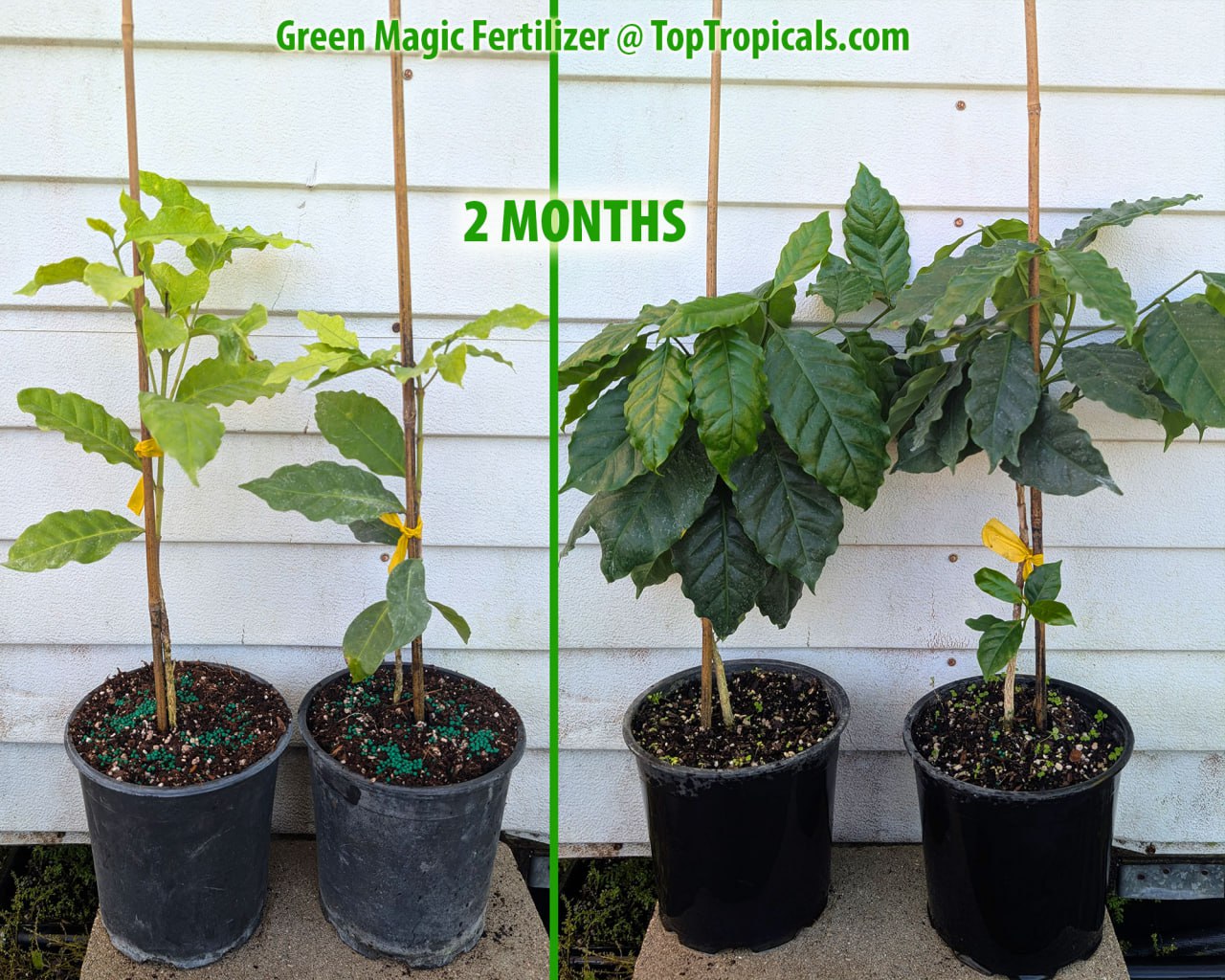
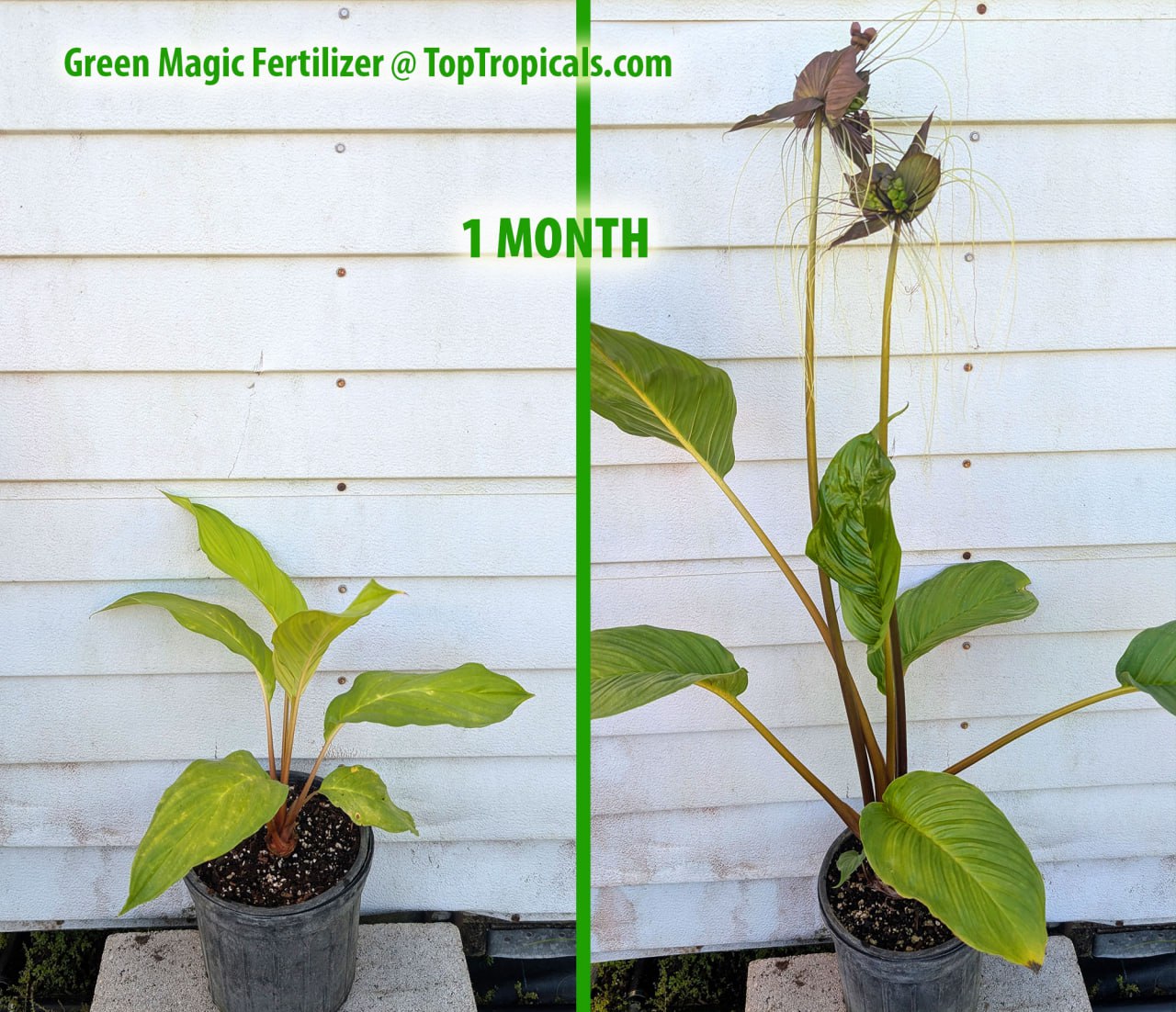
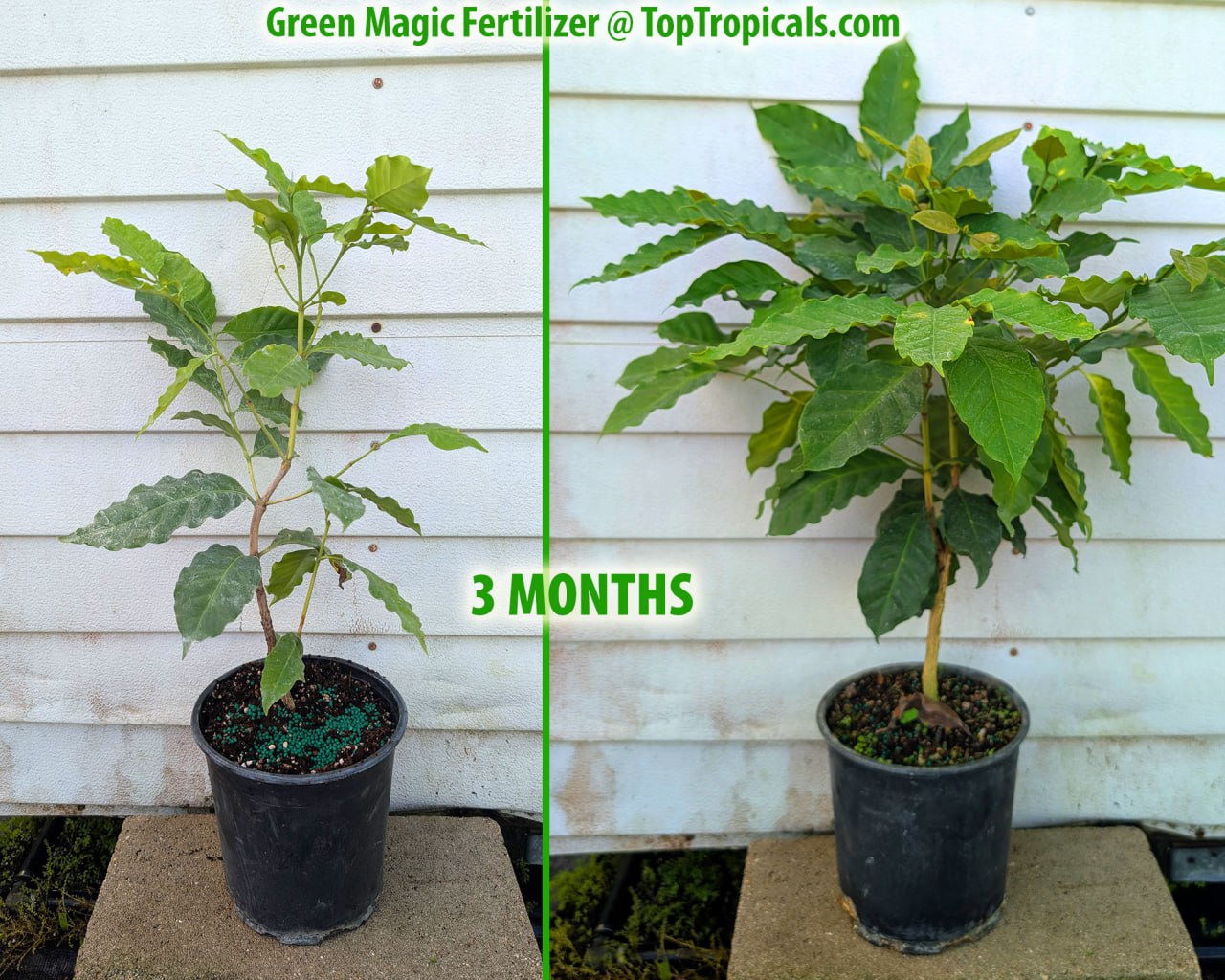
Green Magic effect: before and after

Green Magic effect: before and after Green Magic effect: before and after Green Magic effect: before and after
🌳 Green Magic effect: before and after

Green Magic test results: before and after application.
Are you still thinking? Try it out! (Sample here)

#Fertilizers #How_to
🟢 Join 👉 TopTropicals

Date: 24 Sep 2025

The SECRET growers never tell you: simple trick how to bring plants back to life and keep green

Green Magic Fetilizer makes plants green

🌳 The SECRET growers never tell you: simple trick how to bring plants back to life and keep green
  • 💚 Green Magic is plant food that really works. It keeps your plants green, strong, and growing steady.
  • 💚 We call it Magic - because it even brought back plants we thought were gone! So thу Green Magic can bring dead to live!
  • 💚 The secret is slow release. Most dry fertilizers dump everything at once, burn the roots, then disappear. Green Magic feeds little by little for six months straight. No burn, no guesswork, just steady food that plants love.
  • 💚 It's perfect for potted fruit trees, ornamentals, and houseplants. One handful is all it takes, and your plants stay fed for half a year.

  • ✔️How to use:

  • Mix in 1 teaspoon per gallon of soil when potting, or sprinkle on top once every six months. That's it!
  • ✔️ Why it works:

  • ▫️Feeds slowly and evenly for six months
  • ▫️Keeps leaves green and plants healthy
  • ▫️Strong growth, even for weak or struggling plants
  • ▫️Works in any climate, indoors or out
  • ▫️Great for containers, trees, and ornamentals
  • ▫️This isn’t a flower booster. It’s a growth booster. The kind of steady food that builds strong plants for life.

  • 👉 Watch your plants come back to life and thrive with this professional-grade, controlled-release fertilizer - Green Magic. Even struggling plants can turn lush and green again.

  • Give it a try - your plants will thank you!


🛒 Buy once, feed for 6 months!

📚 Learn more

#Fertilizers #How_to
🟢 Join 👉 TopTropicals

Date: 22 Sep 2025

When do I get the fruit from my Dragon Fruit?

Dragon fruit varieties

🍉 When do I get the fruit from my Dragon Fruit?
  • 🌵Dragon Fruit (Pitaya) is one of the most rewarding exotic fruits to grow. Sweet pulp, striking looks, and plenty of health benefits make it a favorite. You'll see it in three main types: white-fleshed (Hylocereus undatus), red-fleshed (Hylocereus costaricensis), and yellow-skinned (Hylocereus, or Selenicereus megalanthus).
  • 🌵Don't want to wait years for fruit? Here’s the good news: unlike many tropical trees that test your patience, dragon fruit is a fast-fruiting, easy-going cactus. With the right care, you can harvest in just 1-2 years from a cutting - or even the same season if you plant a well-established specimen.
  • 🌵 How to get Dragon Fruit faster

  • ▫️Give it strong support - trellis, fence, or post. This cactus loves to climb.
  • ▫️Full sun and good drainage - sandy or well-draining soil works best.
  • ▫️Smart watering - water deeply in hot weather, then let the soil dry. Dragon fruit loves water during active summer growth, but remember it's still a cactus - don’t keep soil soggy.
  • ▫️Pollination matters - flowers open at night. Some varieties are self-fertile, but planting a few different types boosts fruit set. This is why it helps to keep several varieties close together.
  • ▫️Feed well - use organic liquid fertilizers like Sunshine Boosters C-Cibus with every watering, or Green Magic controlled-release fertilizer every 6 months.


With these steps, dragon fruit quickly rewards you with flowers, followed by colorful, delicious fruit. Few exotics are this easy - or this fast!

🛒 Start your fast-growing Dragon Fruit production


📚 Learn more:

#Food_Forest #How_to #Dragon_Fruit

🟢 Join 👉 TopTropicals

Date: 12 Sep 2025

What flowers do NOT attract bees?

Butterfly on a flower that doesn't attract bees

What flowers do NOT attract bees?

Most tropical flowers bring in pollinators, and bees are usually first in line. But what if you’d rather avoid them? Maybe you’re allergic, or just don’t want bees buzzing around. Good news: some flowers attract butterflies, hummingbirds, moths, or even flies - but not bees.
  • 👉 Quick rules:

  • ✔️ Night-blooming + strong fragrance = moths or bats, not bees.
  • ✔️ Red tubular flowers with little scent = hummingbirds or butterflies, not bees.
  • ✔️ Rotten or fermented smell = flies, not bees.
  • ✔️ Carnivorous plants = trap insects, no bee nectar.


1. Night-blooming, fragrant - moth and bat flowers

Bees forage by day, so many night-fragrant flowers skip them.
  • ▫️Brugmansia - Angel’s Trumpet - big, hanging blooms, moth and bat pollinated.
  • ▫️Cestrum nocturnum - Night-blooming Jasmine - powerful night scent, moths only.
  • ▫️Hylocereus Dragon Fruit - huge cactus flowers, bats and moths.
  • ▫️Brunfelsia - Lady of the Night - sweet fragrance at dusk, no bee interest.


  • 2. Hummingbird and butterfly flowers

    Bees don’t see red well. Tubular reds, oranges, and yellows usually go to birds and butterflies.
  • ▫️Hibiscus - hummingbirds and butterflies visit, bees less so.
  • ▫️Heliconis and Gingers - designed for hummingbird beaks, bold tubes are for birds, not bees.
  • ▫️More good picks: Ruellia, Sanchezia, Aeschynanthus, Aphelandra, Anisacanthus, Cuphea, Fuchsia, Iochroma, Justicia, Lonicera, Hamelia, Russelia, Odontonema, Tecomaria, Bougainvillea.


  • 3. 🐱 Fly-pollinated oddballs

    Some flowers smell bad to us but irresistible to flies.
  • ▫️Amorphophallus (Voodoo Lily) - rotting meat scent.
  • ▫️Tacca (Bat Head Lily) - spooky black flowers, fly-pollinated.
  • ▫️Stapelia (Carrion Flower) - also fly-pollinated.
  • ▫️Aristolochia (Pelican Flower) - giant, bizarre fly-traps.


  • 4. 🌸 Specialized orchids

    Not all orchids rely on bees. Many use moths, butterflies, or beetles instead.
  • ▫️Vanilla orchid - its natural bee pollinator is absent in most regions, so no bee appeal elsewhere.
  • ▫️Brassavola nodosa and others - open at night for moths, not bees.


  • 5. 🕷 Bonus: carnivorous curiosities

    Carnivorous plants don’t offer nectar. They trap insects instead, so bees stay away.
  • ▫️Nepenthes (Pitcher Plant) - uses pitchers of liquid to lure and digest insects.


These flowers keep the beauty, fragrance, and wildlife appeal - but without making your garden a bee hotspot.

🛒 Explore butterfly attractors

#Butterfly_Plants #How_to #Discover

🟢 Join 👉 TopTropicals