Garden Blog - Top Tropicals

Date: 5 Feb 2026

How to get three colors on the same plant: Yesterday, Today, and Tomorrow

Brunfelsia grandiflora - Yesterday, Today, and Tomorrow

🌸 How to get three colors on the same plant: Yesterday, Today, and Tomorrow


💜 Brunfelsia is one of those plants that makes people stop mid-sentence.
It blooms in shade, smells incredible at night, and then does something unexpected - the flowers change color over just three days.

💜 Purple. Lavender. White.
All at the same time, on one plant.

💜 It is easy to grow, loves warm weather and part shade, and turns any garden path or patio into an instant conversation starter. Once it starts blooming, it just keeps going.

💜 These are the most interesting varieties known as Yesterday-Today-Tomorrow for their magical color transformation from purple to lavender to white over three days: B. grandiflora, B. paucifolia, B. australis.

🛒 Explore Brunfelsias - the ultmate shade flowers

📚 Learn more:

Yesterday -Today -Tomorrow Plant Facts

Botanical name: Brunfelsia grandiflora
Also known as: Yesterday -Today -Tomorrow, Kiss-me-quick, Royal Purple Brunfelsia
USDA Zone: 9 - 11
Highligths Large shrub 5-10 ft tallSmall plant 2-5 ftSemi-shadeShadeWatering: Regular. Let topsoil dry slightlyBlue, lavender, purple flowersWhite, off-white flowersPink flowersToxic or PoisonousPlant attracts butterflies, hummingbirdsFragrant plantSubtropical plant. Mature plant cold hardy at least to 30s F for a short time
Get personalized tips for your region

Brunfelsias in Plant Encyclopedia
When Brunfelsia is in bloom? Yesterday, Today and Tomorrow!
The number one flower for shady spots
Yesterday-Today-Tomorrow, Brunfelsia from Brazil

#Perfume_Plants #Hedges_with_benefits #Container_Garden #Shade_Garden

🟢 Join 👉 TopTropicals

Date: 25 Jan 2026

How to grow Winter blooms without sun, indoors or out

Clerodendrum wallichiii - Bridal Veil

✨ How to grow Winter blooms without sun, indoors or out


⭐️ Clerodendrum wallichii - Bridal Veil, is one of those plants that quietly steals the show. It is a graceful shrub that drapes itself in long, hanging sprays of white, lightly fragrant flowers just when many gardens are slowing down. Around fall and into winter, it suddenly comes alive with cascading blooms that really do look like a veil.

Bridal veil Plant Facts

Botanical name: Clerodendrum laevifolium, Clerodendrum wallichii, Clerodendrum nutans
Also known as: Bridal veil, Nodding Clerodendron
USDA Zone: 9 - 11
Highligths Large shrub 5-10 ft tallSmall plant 2-5 ftSemi-shadeWatering: Moderate. Water when top soil feels dryWhite, off-white flowersPlant attracts butterflies, hummingbirdsFragrant plantSubtropical plant. Mature plant cold hardy at least to 30s F for a short time
Get personalized tips for your region


⭐️ One of the things that makes Bridal Veil really special is that it blooms beautifully in bright shade, which is rare - not many flowering shrubs are happy without direct sun. Because it tolerates lower light so well and stays elegant in a container, it also makes a surprisingly great indoor plant in a bright room or sunroom.

⭐️ What you will love most is how elegant but easygoing it is. The plant grows upright with soft, arching branches, usually topping out around 6–7 feet, with narrow, pointed leaves that stay neat and refined. The green stems set it apart from some other clerodendrums, giving it a lighter, airier look even when it’s not in flower.

⭐️ Bridal Veil does best when you treat it gently. It likes bright light but not harsh afternoon sun, and it really appreciates protection from wind. Give it a spot with morning sun or bright shade, keep the soil evenly moist but well drained, and it rewards you without much fuss. It’s a great choice for containers, patios, or sheltered garden beds where you can enjoy the flowers up close.

⭐️ Another bonus - it blooms when you want it most. While many plants rest, Bridal Veil puts on its show from fall through spring, making it a favorite for winter-interest gardens in warm climates. Pollinators notice it too, especially when little else is blooming.

⭐️ If you like plants that feel a bit romantic, bloom off-season, and don’t need constant attention, this one earns its place fast. Bridal Veil is quiet, graceful, and unforgettable once you’ve grown it.

🛒 Start your Clerodendrum collection

📚 Learn more:
💋Clerodendrum wallichiii in Plant Encyclopedia
💋Collecting clerodendrums: big color, little effort
💋Clerodendrum schmitii and Clerodendrum wallichii
💋What is the difference between Clerodendrum schmitii and Clerodendrum wallichii?

#Shade_Garden #How_to #Hedges_with_benefits #Container_Garden

🟢 Join 👉 TopTropicals

Date: 25 Jan 2026

Collecting clerodendrums: big color, little effort

Clerodendrum collage

Clerodendrum collage

🎨 Collecting clerodendrums: big color, little effort


🎨 Collector hook


If you love plants that look rare, unusual, and a little dramatic - but do not want high-maintenance divas - Clerodendrums belong in your collection.
Clerodendrums are a surprisingly diverse group of plants, ranging from flowering vines to shrubs and even small trees. What they all share is bold, colorful blooms and an easygoing nature that makes them far less fussy than they appear. This combination of exotic looks and forgiving care is exactly why collectors gravitate toward them.
Many clerodendrums bloom repeatedly through the year in warm climates, and several tolerate lower light better than most flowering plants. That makes them flexible - happy in the garden, in containers, on patios, or even indoors near a bright window. Their flowers come in striking combinations of red, white, blue, pink, and purple, often with unusual shapes that stop people mid-walk.

🎨 Why clerodendrums earn collector status


✦ Uncommon, eye-catching flowers
✦ Long or repeat bloom cycles in many varieties
✦ Vines, shrubs, and small trees in one genus
✦ Excellent performance in containers
✦ More tolerant of lower light than expected

🎨 Clerodendrum care made simple


Give clerodendrums bright filtered light to partial sun, regular watering with good drainage, and light feeding during active growth. A little pruning keeps them tidy and encourages fresh blooms. That is it. No complicated routines, no constant fixing.

For collectors who want maximum visual payoff without constant effort, clerodendrums deliver exactly what the title promises - big color, very little work.

🛒 Start your Clerodendrum collection

📚 Learn more:
💋Clerodendrums in Plant Encyclopedia
💋Do you see Musical Notes in this flower
💋The shrub that smells like a royal bouquet and grows like a weed
💋Bleeding Heart Vine surprised everyone this year!
💋How to get a large, lush and fragrant bush in no time
💋How to add Music to your garden
💋Clerodendrum schmitii and Clerodendrum wallichii
💋What is the difference between Clerodendrum schmitii and Clerodendrum wallichii?
💋What is the most spectacular Clerodendrum
💋How to grow Clerodendrums
💋Fireworks of Winter
💋Fragrant Cashmere Bouquet
💋Fountain Clerodendrum
💋What is better - Blue or Pink
💋Why is it called Blue Butterfly
💋Clerodendrum paniculatum
💋Seaside Clerodendrum
💋Pink Bleeding Heart
💋Why is it called Musical Notes
💋Bleeding Heart Vine
💋Cashmere Bouquet

#Butterfly_Plants #Shade_Garden #How_to #Hedges_with_benefits #Container_Garden

Cashmere (Cashmir) bouquet Plant Facts

Botanical name: Clerodendrum bungei
Also known as: Cashmere (Cashmir) bouquet, Glory Bower, Clerodendron
USDA Zone: 8 - 10
Highligths Large shrub 5-10 ft tallSemi-shadeFull sunWatering: Regular. Let topsoil dry slightlyRed, crimson, vinous flowersPink flowersPlant attracts butterflies, hummingbirdsDeciduous plantFragrant plantSubtropical plant. Mature plant cold hardy at least to 30s F for a short time
Get personalized tips for your region
🟢 Join 👉 TopTropicals

Date: 18 Jan 2026

Five steps to everblooming Rose Hydrangea

Dombeya seminole - Tropical Rose Hydrangea

🌸 Five steps to everblooming Rose Hydrangea


🌸 Dombeya seminole - Tropical Rose Hydrangea: everyone who sees this plant falls in love at first sight. Exceptional rose-pink flower clusters cover the shrub, and butterflies and bees go wild over it. While it is considered a winter bloomer, here at Top Tropicals garden we regularly see it flower multiple times a year, with peak bloom from November through January and surprise blooms the rest of the year.

Tropical Rose Hydrangea Plant Facts

Botanical name: Dombeya Seminole
Also known as: Tropical Rose Hydrangea
USDA Zone: 9 - 11
Highligths Large shrub 5-10 ft tallSmall plant 2-5 ftSemi-shadeFull sunWatering: Regular. Let topsoil dry slightlyPink flowersSubtropical plant. Mature plant cold hardy at least to 30s F for a short time
Get personalized tips for your region


🌸 Here is how to keep your Dombeya seminole happy and blooming more:

💋 1. Full sun


The more sun it gets, the more flowers it produces. Sun equals bloom power.

💋 2. Adequate water


Dombeyas are heavy drinkers. Regular watering fuels fast growth and heavier flowering.

💋 3. Feed for flowers


Use Sunshine Megaflor bloom booster with regular watering, or apply Green Magic controlled-release fertilizer every 6 months.

💋 4. Trim after flowering


Prune once blooms fade. A bushier plant means more flowering points next season.

💋 5. Give it space


This is a round, airy shrub. Allow at least 6 x 6 ft for good air circulation and even light exposure.

🌸 Quick facts you will appreciate:
💋Often called Tropical Hydrangea because of its hydrangea-like flower clusters
💋Blooms fall through spring, often all winter
💋Reaches about 6-7 ft tall and wide, but can be kept smaller with pruning
💋Thrives in full sun to partial shade and tolerates poor soil
💋An excellent nectar source for butterflies

If you want a beautiful color that refuses to quit, this shrub earns its spotlight.

🛒 Add Beautiful Dombeya to your garden

📚 Learn more:


Dombeya seminole - Tropical Rose Hydrangea i- n Plant Encyclopedia
The number one seller of tropical flowering shrubs: Tropical Rose Hydrangea.
What is the most popular Winter-flowering shrub?
How to create privacy in your yard fast

#Hedges_with_benefits #Butterfly_Plants

🟢 Join 👉 TopTropicals

Date: 17 Jan 2026

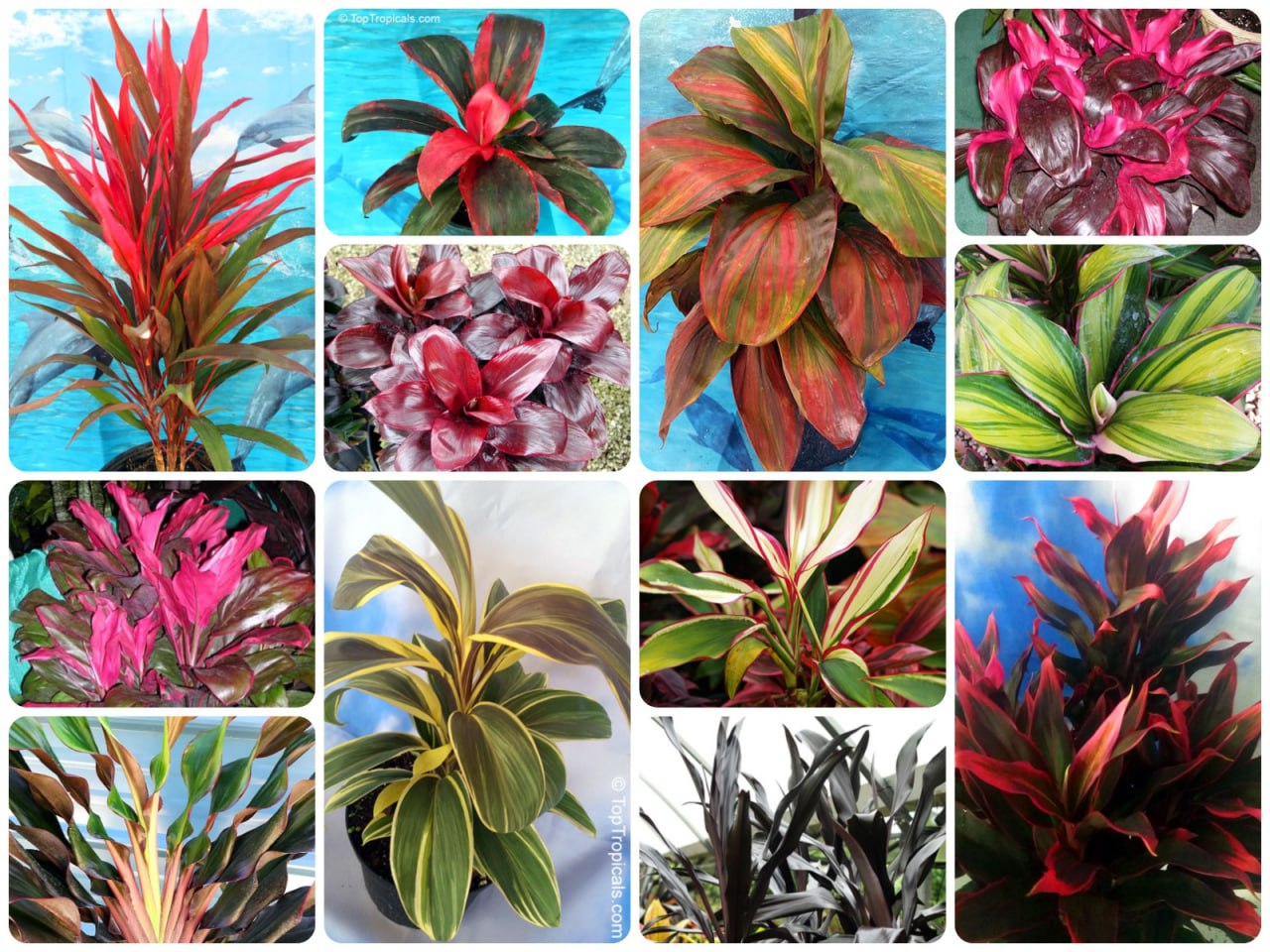
Ti plant leaf color meaning

Hawaiian Ti plant (Cordyline fruticosa)

Hawaiian Ti plant (Cordyline fruticosa)

🌈 Ti plant leaf color meaning


The Hawaiian Ti plant (Cordyline fruticosa) is more than just a colorful tropical accent. Across Polynesian, Hawaiian, and Southeast Asian cultures, the color of ti plant leaves has long been associated with different meanings, moods, and uses - both symbolic and practical.

Hawaiian Ti Leaf Plant Facts

Botanical name: Cordyline fruticosa, Cordyline terminalis
Also known as: Hawaiian Ti Leaf
USDA Zone: 10 - 11
Highligths Large shrub 5-10 ft tallSmall plant 2-5 ftSemi-shadeShadeFull sunWatering: Regular. Let topsoil dry slightlyOrnamental foliageUnusual colorPink flowersSubtropical plant. Mature plant cold hardy at least to 30s F for a short time
Get personalized tips for your region


🌈 Green leaves
Green ti plants are linked to peace, balance, and steady growth. Traditionally, they were planted around homes for protection and good fortune. In the garden, green varieties are usually the toughest and most shade-tolerant.

🌈 Red and deep burgundy leaves
Red ti plants are associated with strength, power, and protection. In Hawaiian tradition, red ti leaves were believed to ward off negative energy and were often used in ceremonies. Garden-wise, deeper reds usually mean more sun exposure and stronger pigmentation.

🌈 Pink, magenta, and multicolor leaves
These colorful ti plants symbolize joy, celebration, and creativity. They are often used as ornamental focal points and in festive plantings. Variegated and pink types tend to prefer brighter light to keep their colors sharp.

🌈 Purple and dark-toned leaves
Purple ti plants are linked to mystery, spirituality, and transformation. Their dramatic color comes from high anthocyanin levels and usually intensifies in bright light with good nutrition.

🌈 Yellow or light variegation
Yellow tones often represent optimism and new beginnings. Plants with lighter variegation may grow a bit slower and need protection from harsh sun, but they add a softer contrast in tropical landscapes.

🌈 One practical note
Leaf color is influenced not just by variety, but also by light, temperature, and nutrition. Fading color usually means too little light or depleted soil, while rich, bold tones signal a happy plant.

Ti plant colors tell a story - part cultural tradition, part plant health, and part personal style in your garden.

🛒 Ti plants rainbow: collect them all

📚 Learn more:


Cordyline fruticosa in Plant Encyclopedia
Ti plant: bold color, easy care
Color that lasts year-round

#Container_Garden #Hedges_with_benefits #Shade_Garden #Discover #Horoscope

🟢 Join 👉 TopTropicals