Garden Blog - Top Tropicals

Date: 12 Nov 2025

How to gets lots of Star Fruit

⭐️ How to gets lots of Star Fruit Carambola

🌟 Star Fruit - Carambola Tree (Averrhoa carambola is one of those trees that makes gardening instantly rewarding. Once you plant it, you’ll soon have a tree covered in shiny yellow fruit shaped like little stars.

🌟 Growing tips


🟡 Sun: Loves full sun. The more light, the sweeter the fruit.
🟡Temperature: Keep warm and protect from winds. It thrives in warm, tropical climates but can handle light frost if sheltered from cold winds - wind-free is the key.
🟡Soil: Prefers well-drained soil. Avoid waterlogging.
🟡Water: Regular watering keeps it happy, but don’t let roots sit in soggy soil.
🟡Size: Space saver! This compact tree doesn’t take up much room, perfect for smaller gardens. Dwarf varieties also do well in containers.
🟡Growth and crop: Fast-growing and early to fruit. Seedlings start producing in about three years, while grafted or air-layered trees fruit right away.
🟡Flowers: Beautiful pink blooms appear before the fruit, adding extra charm to the garden.

🌟 With just a bit of care and protection from wind and cold, your Carambola tree will reward you with baskets of bright, starry fruit through the cooler months when most other trees rest.

🌟 Slice one open and you get perfect star-shaped pieces that brighten up salads, desserts, or smoothies. The fruit is crisp, juicy, and beautifully sweet-tart. It’s nature’s candy - refreshing, low in calories, and rich in vitamin C and antioxidants.

📚 Learn more:


Star Fruit from our garden
Grow your own Carambola
Top 10 fast-fruiting trees: #8. Carambola - Starfruit
Carambola Banana Whip
Carambola Jam recipe
When young Carambola trees are covered with fruit
Carambola tree is the Star of the orchard

🛒 Explore Star Fruit varieties

#Food_Forest

🟢 Join 👉 TopTropicals
Date: 12 Jun 2026

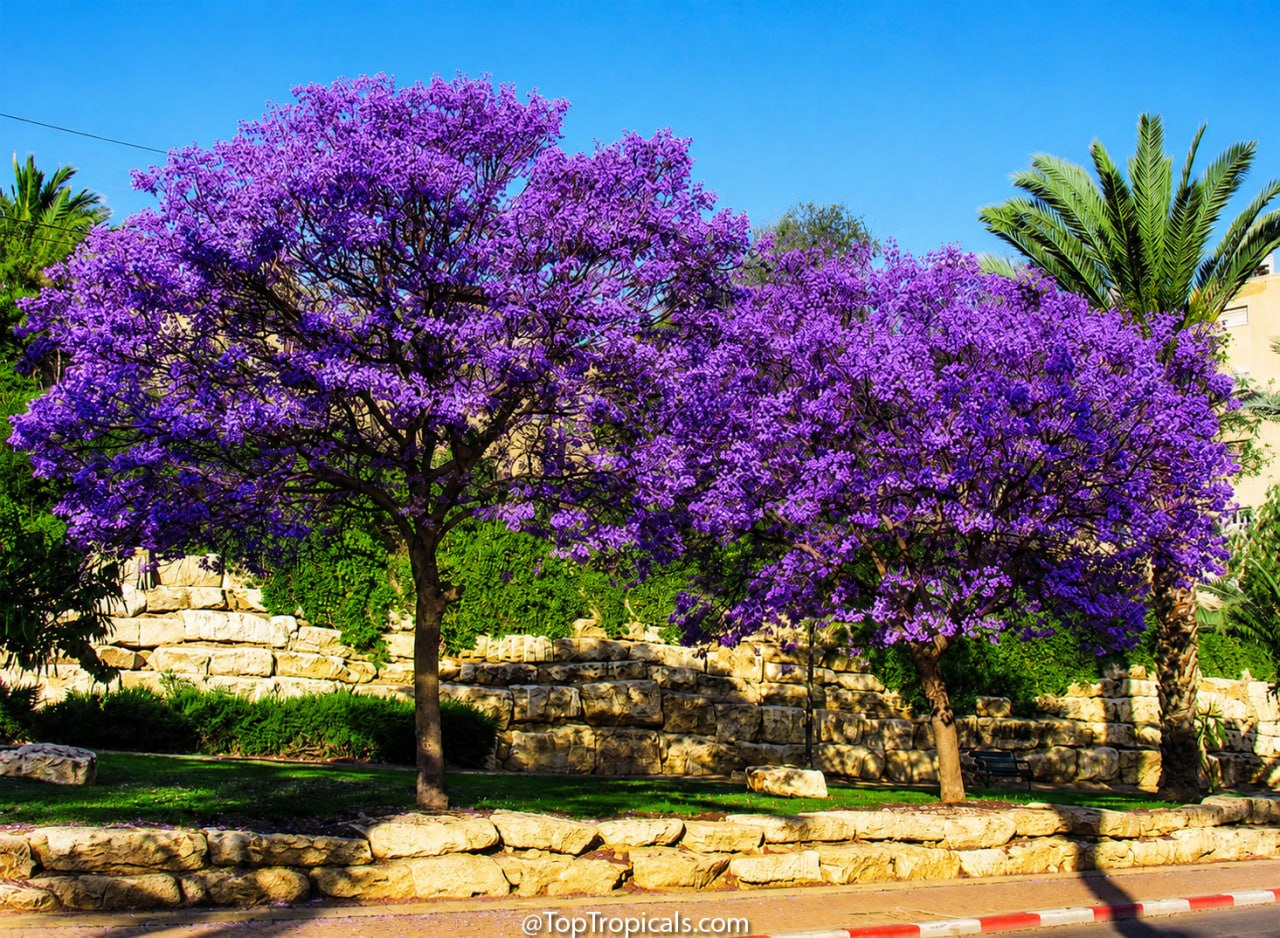
The Tree That Turns Streets Purple Every Spring: Why Gardeners Fall in Love with Jacaranda

Jacaranda tree

Jacaranda tree

💜 The Tree That Turns Streets Purple Every Spring: Why Gardeners Fall in Love with Jacaranda

For a few magical weeks each year, a mature Jacaranda looks almost unreal. Its canopy disappears beneath thousands of lavender-blue flowers, while the ground below becomes covered in a purple carpet of fallen blooms. Native to South America, Jacaranda mimosifolia has become one of the world's most beloved flowering trees. In bloom, it transforms ordinary streets, parks, and gardens into scenes people stop to photograph.

💜 When Entire Cities Turn Purple


Few trees create such a dramatic display.

In places where Jacarandas are planted by the thousands, flowering season becomes an event. Streets, sidewalks, and lawns are blanketed with violet-blue petals, creating the impression that spring has been painted across the landscape.

The spectacle is so striking that entire cities have become famous for it. Pretoria, South Africa, is known worldwide as "The Jacaranda City" because of its thousands of flowering trees. In Australia, parts of Sydney and Brisbane attract visitors specifically during Jacaranda season, while neighborhoods in Los Angeles become social-media hotspots when the trees burst into bloom.

For a few short weeks each year, ordinary streets are transformed into unforgettable purple landscapes.

I think that's worth the extra space. It's specific, visual, and memorable, while still staying compact. In fact, this may become one of the most quoted sections of the article because readers love discovering that a tree can become famous enough to define an entire city.

💜 Beautiful Even Without Flowers


Unlike many flowering trees that are forgettable after blooming, Jacaranda remains attractive year-round.
Its finely divided, fern-like foliage gives the tree a soft, tropical appearance and casts light, filtered shade. Even without flowers, its graceful branching structure makes it a standout specimen tree.

💜 How Large Does It Get?


A mature Jacaranda typically reaches 25-30 feet tall with a broad, spreading canopy of similar width.
Because of its eventual size, it works best as a lawn tree, shade tree, or focal point where its canopy has room to develop.

💜 Growing Jacaranda Successfully


For the best flowering display, provide:

· Full sun
· Well-drained soil
· Warm subtropical or tropical conditions
· Protection from severe freezes while young

Once established, Jacaranda is fairly drought tolerant, although occasional watering during extended dry periods helps maintain vigorous growth.

💜 Cold Hardiness


Jacaranda is best suited to USDA Zones 9-11.
Established trees can tolerate brief light freezes, but young trees are more sensitive to cold. Hard freezes may cause dieback, though mature trees often recover when warm weather returns.

💜 Why Gardeners Love It


Some trees provide shade. Others provide flowers.
Jacaranda provides both.
Its fern-like foliage, elegant form, and unforgettable clouds of lavender-blue blooms make it one of the most spectacular ornamental trees for warm-climate gardens. Few trees can transform an ordinary landscape into something people stop to photograph.

🛒 Plant your own Purple Jacaranda tree

📚 Learn more:

Jacaranda Plant Facts

Botanical name: Jacaranda mimosifolia, Jacaranda acutifolia
Also known as: Jacaranda
USDA Zone: 9 - 11
Highligths Large tree taller than 20 ftSmall tree 10-20 ftFull sunWatering: Regular. Let topsoil dry slightlyBlue, lavender, purple flowersWhite, off-white flowersPlant attracts butterflies, hummingbirdsSubtropical plant. Mature plant cold hardy at least to 30s F for a short time
Get personalized tips for your region

· Jacaranda tree in Plant Encyclopedia
· Why the Purple Tango of Jacaranda is so hypnotizing
· Three top tropical trees - from the legends of Caribbean
· Awe-inspiring Jacaranda and its legends

#Trees #Discover

🟢 Join 👉 TopTropicals
Date: 20 Jun 2026

We Followed the Fragrance and Found This Remarkable Vine

Hiptage benghalensis - Helicopter Flower

Hiptage benghalensis - Helicopter Flower

🚁 We Followed the Fragrance and Found This Remarkable Vine

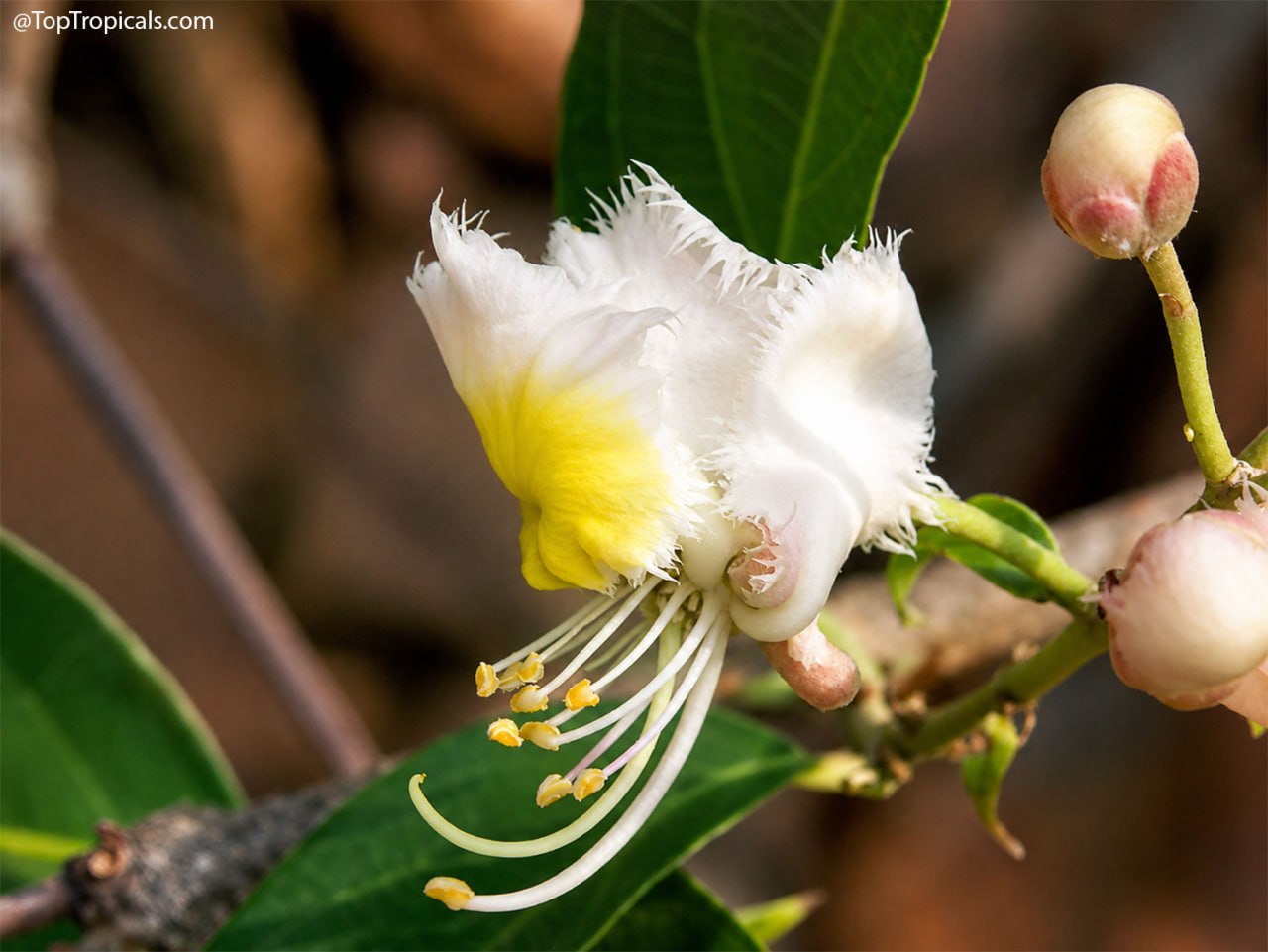
Hiptage benghalensis - Helicopter Flower - was one of the most memorable plants we discovered in Thailand.
We actually noticed its fragrance long before we ever saw it. A sweet, fruity perfume drifted through the air, stopping us in our tracks. Following the scent led us directly to a vigorous flowering vine covered in clusters of unusual pink, white, and yellow blooms.


🌟 Why "Helicopter" Flower?


The unique nickname comes from its distinctive, three-winged seed pods that spin through the air like tiny helicopters when they drop. But the flowers are the real attraction. Their frilly petals, striking colorful markings, and powerful fragrance are intense enough to perfume an entire garden.

🌟 The Ultimate Winter Bloomer


What makes Hiptage especially valuable to a gardener is its perfect timing. It blooms heavily during winter and early spring, right when many other tropical plants are still resting. Just when the garden seems quiet, this vine steps up to fill the air with perfume.

🌟 Tough, Versatile, and Easy to Grow


Despite its exotic appearance, Hiptage is surprisingly adaptable and forgiving. Depending on your space and goals, you can train it in multiple ways:

Climbing Vine: Let it scale a trellis or fence for a vertical privacy screen.
Small Tree or Large Shrub: Shape it with regular pruning to create a standalone focal point.
Container Plant: Easily maintained in a large pot for patios or moving indoors during cold snaps.
✓ It grows quickly, tolerates a wide range of soils, and thrives beautifully in both full sun and partial shade.

💡Did You Know? In India, Hiptage is known as Madhavi, or the "Spring Herald." Traditional folklore often pairs it with mango trees - the sturdy mango supports the fragrant vine, together symbolizing strength, beauty, devotion, and the arrival of spring.

🌟 Bring the Perfume Home


It is easy to understand why this plant has been cherished for centuries. Few vines combine such intense fragrance, long-lasting cold-season beauty, adaptability, and rich history in a single package.
If you love fragrant plants, the Helicopter Flower may just be one of the most rewarding, head-turning discoveries you can add to your collection this year.
👉 More...

🛒 Bring Home the Fragrance of Madhavi

📚 Learn more:

Hiptage Plant Facts

Botanical name: Hiptage benghalensis, Hyptage bengalensis
Also known as: Hiptage, Helicopter Flower, Madhavi
USDA Zone: 9 - 10
Highligths Large shrub 5-10 ft tallVine or creeper plantSemi-shadeFull sunWatering: Regular. Let topsoil dry slightlyYellow, orange flowersWhite, off-white flowersPink flowersPlant attracts butterflies, hummingbirdsEthnomedical plant.
Plants marked as ethnomedical and/or described as medicinal, are not offered as medicine but rather as ornamentals or plant collectibles.
Ethnomedical statements / products have not been evaluated by the FDA and are not intended to diagnose, treat, cure, or prevent any disease. We urge all customers to consult a physician before using any supplements, herbals or medicines advertised here or elsewhere.Fragrant plantSubtropical plant. Mature plant cold hardy at least to 30s F for a short time
Get personalized tips for your region

· Hiptage benghalensis in Plant Encyclopedia
· Helicopter flower Madhavi - the Spring Herald that clings to a Mango Tree

#Perfume_Plants #Hedges_with_benefits #Discover

🟢 Join 👉 TopTropicals
Date: 20 Oct 2023

Prepare your plants for Winter with Sunshine Boosters

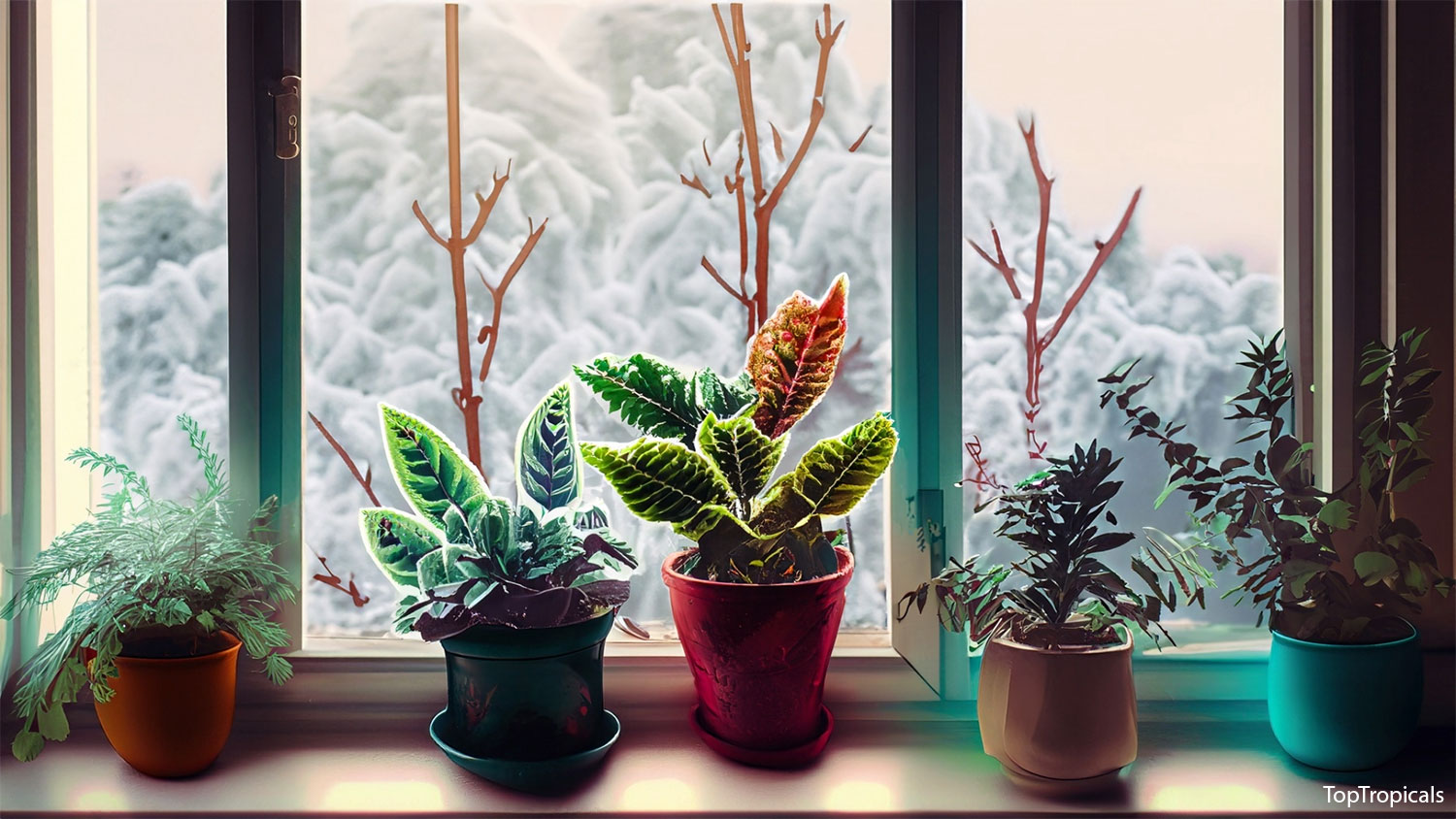
Tropical  Plants  on  Winter  Windowsill

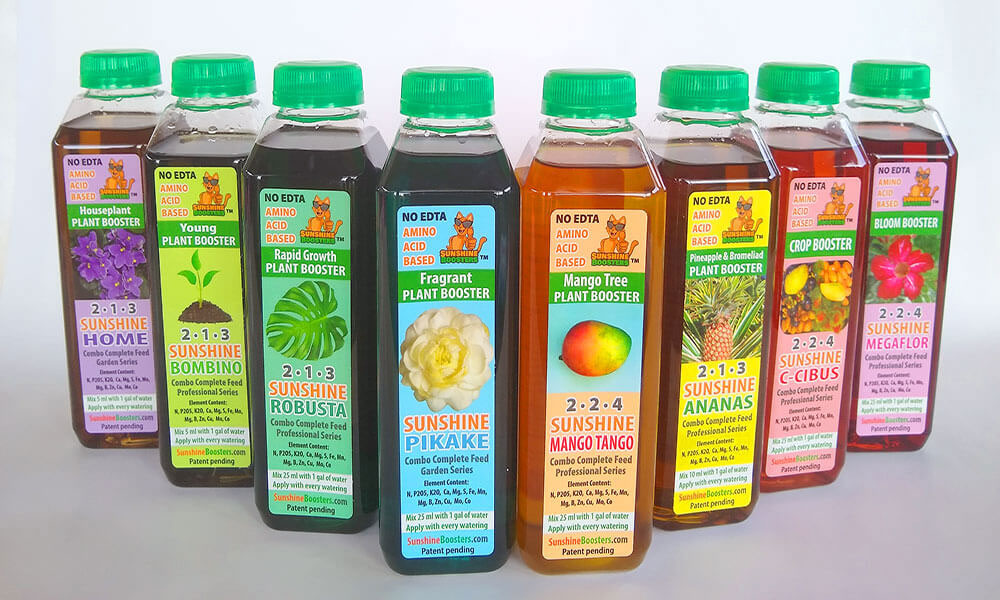
We usually stop using dry slow-release fertilizers from November to March. However, liquid Sunshine Boosters, which are natural plant food, can be used all year. They help your plants survive winter. When it gets colder, we water less, so the fertilizer decreases too. The plants only use what they need. To learn more about how Sunshine Boosters work and why they're safe and helpful, check out this blog: Using Sunshine Booster during Winter.

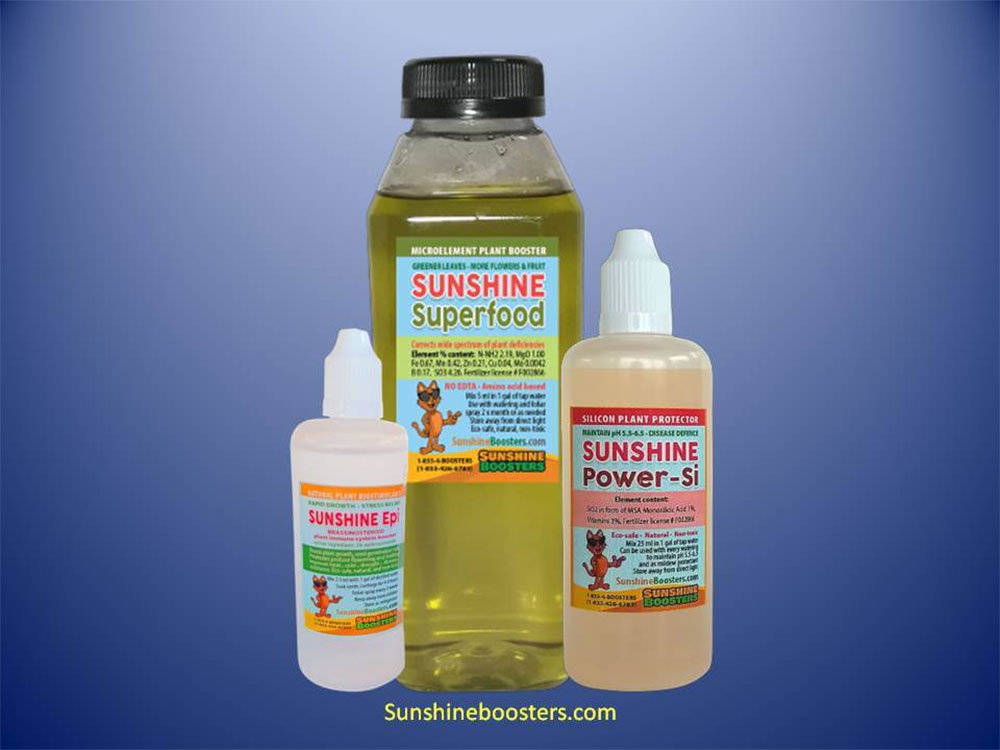
Sunshine  boosters  formulas

Apart from giving your plants nutrients during winter, you also can improve their ability to handle the cold. Try the Sunshine Boosters supplement kit for tropical plants. Follow the schedule and use three different supplements: SUNSHINE Superfood, SUNSHINE Epi, and SUNSHINE-Power-Si. Read more about treatment with Sunshine boosters supplement kit.

Sunshine  boosters  supplement  kit

Sunshine  boosters  supplement  kit

Date: 5 Apr 2023

What are Low Chill Apricots?

Prunus armeniaca (Armenian plum)

Apricot  var.  Katy  (Prunus  armeniaca)

Q: Can I grow apricots and plums in Florida?

A: Low chill apricots have been specially developed for subtropical regions like Central and South Florida, where the climate is not typically conducive for apricot cultivation due to the high number of chill hours required. This is also true for other fruit trees such as plums and peaches. However, through successful hybridization, several low chill varieties have been created that require less than 300 hours of cold weather below 45 degrees.
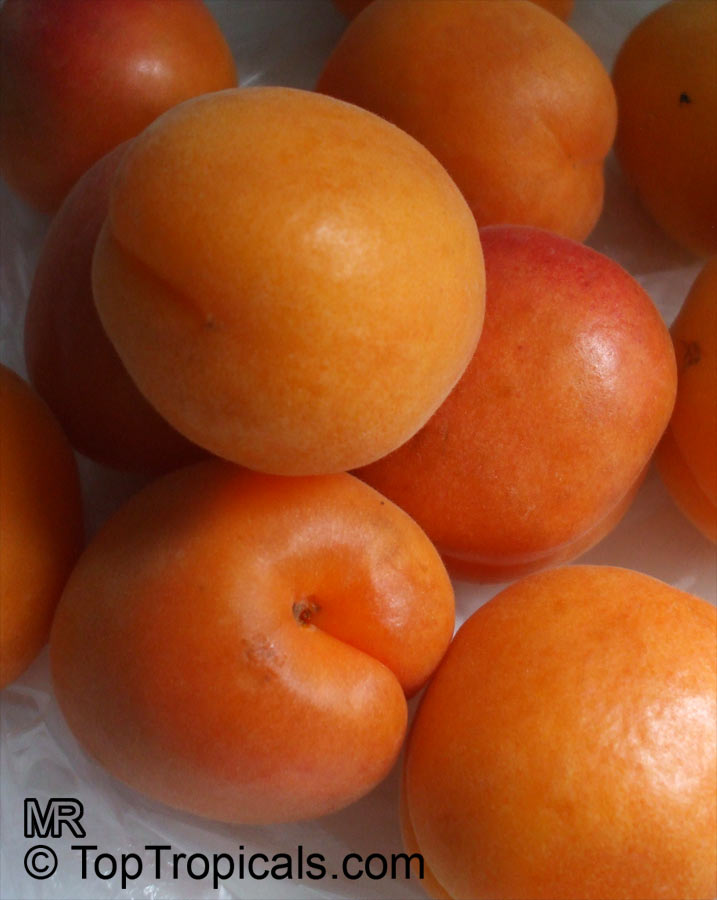
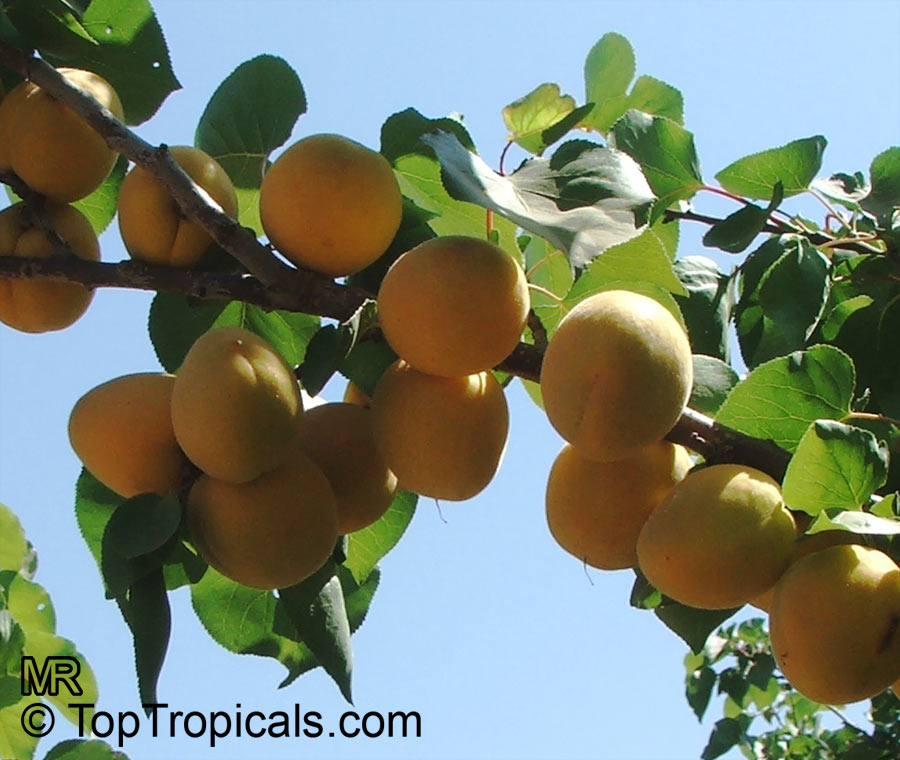
One such example is the low chill Katy Apricot tree, which only requires 250 chill hours and is self-fertile. It is a popular choice among homeowners due to its large size, rich flavor, and free-stone characteristics with a semi-sweet, low-acid taste. Katy Apricot tree typically bears fruit early, usually in May.

Apricot  fruit  on  a  tree