Garden Blog - Top Tropicals

Date: 17 Jan 2026

Ti plant leaf color meaning
Hawaiian Ti plant (Cordyline fruticosa)

Hawaiian Ti plant (Cordyline fruticosa)

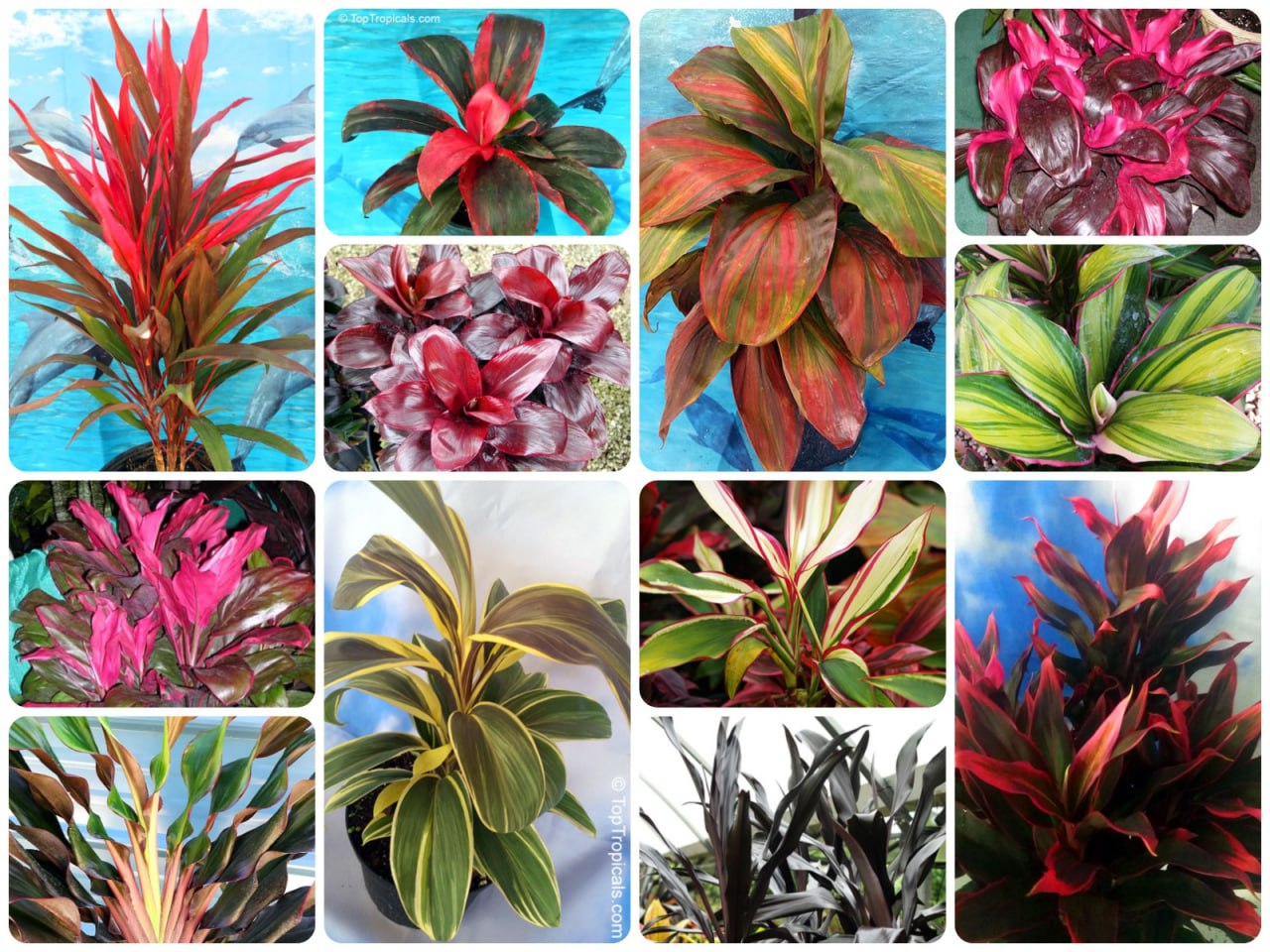
🌈 Ti plant leaf color meaning


The Hawaiian Ti plant (Cordyline fruticosa) is more than just a colorful tropical accent. Across Polynesian, Hawaiian, and Southeast Asian cultures, the color of ti plant leaves has long been associated with different meanings, moods, and uses - both symbolic and practical.

🌈 Green leaves
Green ti plants are linked to peace, balance, and steady growth. Traditionally, they were planted around homes for protection and good fortune. In the garden, green varieties are usually the toughest and most shade-tolerant.

🌈 Red and deep burgundy leaves
Red ti plants are associated with strength, power, and protection. In Hawaiian tradition, red ti leaves were believed to ward off negative energy and were often used in ceremonies. Garden-wise, deeper reds usually mean more sun exposure and stronger pigmentation.

🌈 Pink, magenta, and multicolor leaves
These colorful ti plants symbolize joy, celebration, and creativity. They are often used as ornamental focal points and in festive plantings. Variegated and pink types tend to prefer brighter light to keep their colors sharp.

🌈 Purple and dark-toned leaves
Purple ti plants are linked to mystery, spirituality, and transformation. Their dramatic color comes from high anthocyanin levels and usually intensifies in bright light with good nutrition.

🌈 Yellow or light variegation
Yellow tones often represent optimism and new beginnings. Plants with lighter variegation may grow a bit slower and need protection from harsh sun, but they add a softer contrast in tropical landscapes.

🌈 One practical note
Leaf color is influenced not just by variety, but also by light, temperature, and nutrition. Fading color usually means too little light or depleted soil, while rich, bold tones signal a happy plant.

Ti plant colors tell a story - part cultural tradition, part plant health, and part personal style in your garden.

🛒 Ti plants rainbow: collect them all

📚 Learn more:

Hawaiian Ti Leaf Plant Facts

Botanical name: Cordyline fruticosa, Cordyline terminalis
Also known as: Hawaiian Ti Leaf
USDA Zone: 10 - 11
Highligths Large shrub 5-10 ft tallSmall plant 2-5 ftSemi-shadeShadeFull sunWatering: Regular. Let topsoil dry slightlyOrnamental foliageUnusual colorPink flowersSubtropical plant. Mature plant cold hardy at least to 30s F for a short time
Get personalized tips for your region

Cordyline fruticosa in Plant Encyclopedia
Ti plant: bold color, easy care
Color that lasts year-round

#Container_Garden #Hedges_with_benefits #Shade_Garden #Discover #Horoscope

🟢 Join 👉 TopTropicals
Date: 20 Jan 2026

7 steps for a care-free Spanish Tamarind - the easiest rare fruit to grow

Vangueria infausta (Spanish Tamarind, Wild Medlar)

Vangueria infausta (Spanish Tamarind, Wild Medlar)

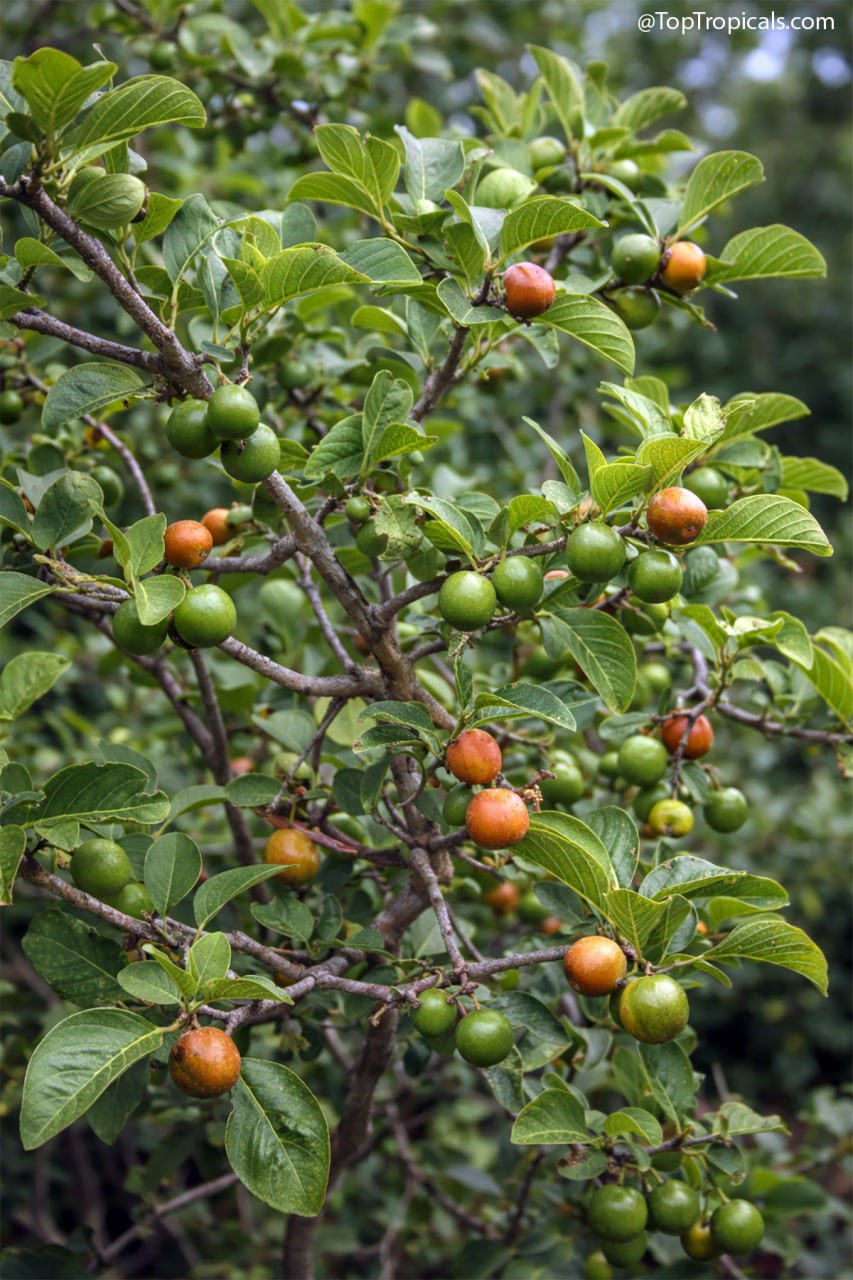
🍊 7 steps for a care-free Spanish Tamarind - the easiest rare fruit to grow


Yes, it can handle light frost - Vangueria infausta (Spanish Tamarind, Wild Medlar) - we just discovered it can handle cold snaps! After a few cold nights in January, our young tree planted just a few months ago, still looks happy and strong!
If you are looking for a tough little fruit tree that thrives on neglect but gives you something truly special in return - try this rare, compact fruit tree. Spanish Tamarind is native to southern Africa, it is drought-tolerant, pest-resistant, and surprisingly cold-hardy once established - making it a great choice even for gardeners in borderline zones.

Here’s how to grow this resilient gem:

🌞 Sun and soil


Spanish Tamarind loves full sun, but will tolerate light shade. It isn’t picky about soil as long as it drains well - sandy, rocky, or loamy, it will grow just fine. No special amendments needed.

💧 Watering


Once established, it's very drought tolerant, but young trees need regular watering to develop a deep root system. In containers, water when the top inch of soil is dry. In the ground, water deeply but infrequently.

❄️ Cold tolerance


Now for the surprise: while it’s considered a tropical fruit, Wild Medlar can handle brief dips into the mid-30s F without damage, especially when mature and dormant. In Sebring, FL, we’ve seen this tree shrug off light frosts with no protection!
And what makes this even more impressive? The tree has beautiful, lush velvet leaves - soft to the touch and tropical in appearance - yet surprisingly hardy for such large, tender-looking foliage.
· Young plants should be protected the first couple winters
· Grow in containers if you’re in USDA zone 8 or lower
· A little mulch around the base helps stabilize soil temps in winter

Growing in pots


This tree is very compact and does well in containers. Use a large, well-drained pot and a loose soil mix. Keep it outside in spring through fall, then bring it indoors before a hard frost. It grows slowly and stays compact for years, making it a great fit for patios or balconies.

🍊 When to expect fruit


With enough sun and time, your tree can start fruiting in 2-3 years. Mature trees can bear 20-40 small round fruits per season, ripening to a golden-brown with a tangy-sweet flavor. The fruiting season may vary depending on your local climate, but typically occurs in late summer to fall.

🛠 Maintenance? Almost none.


· No special pruning needed (except to shape)
· No major pests or diseases reported
· Tough and low-maintenance in the landscape

🏆 Final thought: grow it for the surprise


Spanish Tamarind - Wild Medlar - is a tree that rewards patience. It's unusual, beautiful in its own scruffy way, and packs a punch with cold tolerance, drought resistance, and tasty fruit. Spanish Tamarind belongs in every experimental garden or food forest - especially if you love growing things no one else in the neighborhood has.

🛒 Add rare Spanish Tamarind to your rare fruit collection

📚 Learn more:

Wild Medlar Plant Facts

Botanical name: Vangueria infausta
Also known as: Wild Medlar, Spanish Tamarind
USDA Zone: 9 - 11
Highligths Small tree 10-20 ftFull sunWatering: Moderate. Water when top soil feels dryEdible plantDeciduous plantEthnomedical plant.
Plants marked as ethnomedical and/or described as medicinal, are not offered as medicine but rather as ornamentals or plant collectibles.
Ethnomedical statements / products have not been evaluated by the FDA and are not intended to diagnose, treat, cure, or prevent any disease. We urge all customers to consult a physician before using any supplements, herbals or medicines advertised here or elsewhere.Subtropical plant. Mature plant cold hardy at least to 30s F for a short time
Get personalized tips for your region

Vangueria infausta - Spanish Tamarind in Plant Encyclopedia
The wild fruit with a secret: health benefits of rare Spanish Tamarind - the exotic fruit you've never heard of

#Food_Forest #Remedies #Discover

🟢 Join 👉 TopTropicals

Date: 9 Jan 2026

Mango Tree for Zone 5: top 15 Condo Mango for growing in cold areas

Mango Tree for Zone 5

🥭 Mango Tree for Zone 5: top 15 Condo Mango for growing in cold areas


🥭 Can you grow a mango tree in Zone 5? Short answer - yes! The trick is - containers!
Mango trees are tropical plants but they do great in pots when you choose the right varieties.

🥭 Compact types stay short, respond well to pruning, and produce in containers.
You can grow them on a patio, balcony, even move them indoors in your condo for winter. That is why they are called condo mangoes!
During warm months, they live outside.
When cold weather hits, they come inside.

🥭 With good light, proper watering, fertilizing, and some patience, these trees can reward you with real mangoes. Not a farm harvest, but enough to enjoy and share.

🏆 Most popular Condo Mango varieties:


Baptiste
Carrie
Cogshall
Diamond
Fairchild
Ice Cream
Julie
Keitt
Lancetilla
Lemon Meringue
Mallika
Nam Doc Mai
Okrung
Pickering
Venus

🛒 Discover Condo Mango

📚 Learn more:
What are the Condo Mangos - a practical guide
Top 10 Dwarf "Condo" Mango, great for container culture
Best tropical fruit and edibles to grow in Zone 5 and anywhere outside the Tropics

#Food_Forest #How_to #Discover #Mango

🟢 Join 👉 TopTropicals

Date: 7 Mar 2017

Taking care of Guanabana (Soursop) after shipping

Q: Since I have never grown a soursop tree before I need some pro help. My tree was delivered absolutely beautiful, leaves were a pretty green. I potted it and gave it a good drink of water and put it in a shaded area outside. Then the weather here became cool so I brought it in for a few days until the weather warmed, and it lost all the leaves. Is it in shock and will come around eventually? Will I be able to grow this tree indoors during winter?

A: Soursop - Annona muricata trees are very sensitive to temperature drops. This always causes leaf loss. You seem to be doing everything right. Do not water until soil gets slightly dry; keep it in bright shade. The weather should be good now with high temperatures and humidity rising. No fertilizer until the plant shows active new growth. Be patient with your plant, it should recover soon.

Soursop is an ultra-tropical tree and doesn't take any freeze. If you live in cooler climate, keep the plant in a pot (the good news is, Annonas in general have compact nature and are perfect for container culture). Bring the tree indoors during cold period, providing bright light.

Remember that grafted trees start flowering and producing fruit right away, unlike seedlings of Soursop that may take a few years till fruiting.

We have very interesting article about growing and fruiting Soursop in apartment. Check out Tropical Treasures Magazine #7.

Date: 31 Jan 2017

Plants of Love. TopTropicals Webinars

Plants of Love - Valentines Day Sale. For Valentines day, look beyond roses for a plant that will last a lifetime! It is not a surprise that the most popular plants that has been ordered from TopTropicals for Valentines day for the past 3 years, are: Vanilla, Chocolate, Grape, Strawberry tree, Rose apple - all things you get for your Valentines!

This year we are celebrating Valentines day with our special local event - "Aphrodisiacs, or Plants of Love".

When: Saturday, February 11, 2017, from 10 am to 2 pm
Where: Toptropicals Garden Center, 13890 Orange River Blvd, Ft Myers, FL 33905
Agenda:
10:00 am - Explore the grounds: Customers can come in to look through the nursery and guided tours through gardens.
12:00 pm - Aphrodisiac plants. Class on plants used for aphrodisiacs throughout history.
1:00 pm - Plant giveaway. Must be present to win one of the aphrodisiac plants in lecture.
2:00 pm - sale ends.
Special Love Discounts for local visitors! Snacks and drinks.

Just a few examples of the most famous plants of love that we will be talking about -
Coffea arabica - in East Africa and Arabia it was a sacred beverage to African sufis. For aphrodisiac results mix in cardamom and honey.
Banisteriopsis caapi, Ayahuasca - giant liana from tropical Amazon forests psychedelic, ritual inebriant that promotes potency. Drink is made from the bark and is taken in love rituals to revive the mythical past of the tribe.
Areca catechu, Betel Nut - seeds have stimulating effect on the entire body and eros. It's a traditional aphrodosiac in Ayurvedic medicine and is counted among the eight types of pleasure in the Brahmanic tradition. It has magical and religious properties and used as an offering to the Gods.
Theobroma cacao, Chocolate - mild stimulant, beans contain aphrodisiac. Antient Indian "recipe of chocolati" will be shared at the event! Cocoa was considered the "food of gods".
Cinnamon - in Southern Asia used as stimulant, in food or massage oil for erotic stimulation.
Cola nitida, Cola nut - used in love magic, was used as currency in W Africa.
Cananga odorata, Ylang-Ylang - increases eroticism with oil inhaled. Prescribed to treat impotency and frigidity.
Butea monosperma, Flame of The Forest - is traditionally used to manage male sexual disorders.
Mimosa pudica, Sensitive Plant - significantly increases the libido and hormonal levels of testosterone.
Satureja Viminea, Kama Sutra Mint Tree - used for love gel...
- and much more!

TopTropicals Webinars. Welcome to Top Tropicals Webinar! Discover the world of Rare Plants and surround yourself with a Tropical Paradise! Our plant experts will be answering your garden questions. Our next LIVE air time is just before Valentines Day - Saturday February 11, at 2 pm ET, with a topic of... of course, Aphrodisiac Plants! Get your questions ready!