Date: 12 Jul 2020
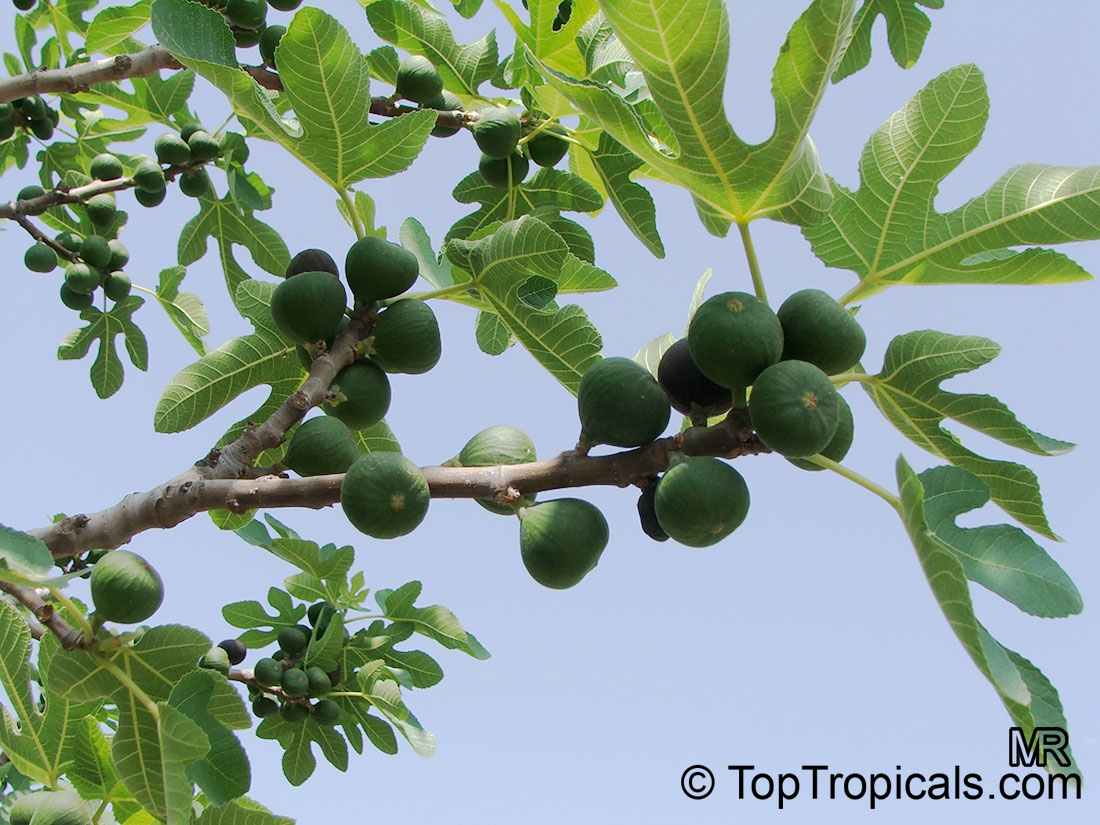
Delicious Turkish Brown Fig

by Onika Amell, tropical plant expert
...Did you know that figs were among the very first plants grown in the
hot and arid Middle East? Fast growing and utterly delicious, they soon made
their way all over the Mediterranean, transported aboard ships and on the
backs of camels...
If you are a fig lover, you may be tempted to grow your own. Market-bought
figs are never as good and tasty as your own, homegrown figs. They just
simply do not keep well in supermarkets. Fast growing, undemanding and low
maintenance, figs will bear fruit in just two years, often bearing two crops in a
year. Another plus is that they are not bothered by too many pests and are
self-fertile. Apart from the delicious fruit, any fig tree will add beauty and
shade to a garden...
CONTINUE READING >>

Read more about fig trees:

Tropical Treasure magazine # 13 (3) 2010:
- Hard
copy
- PDF
Download
Date: 8 Mar 2019
Champaca tree during Spring
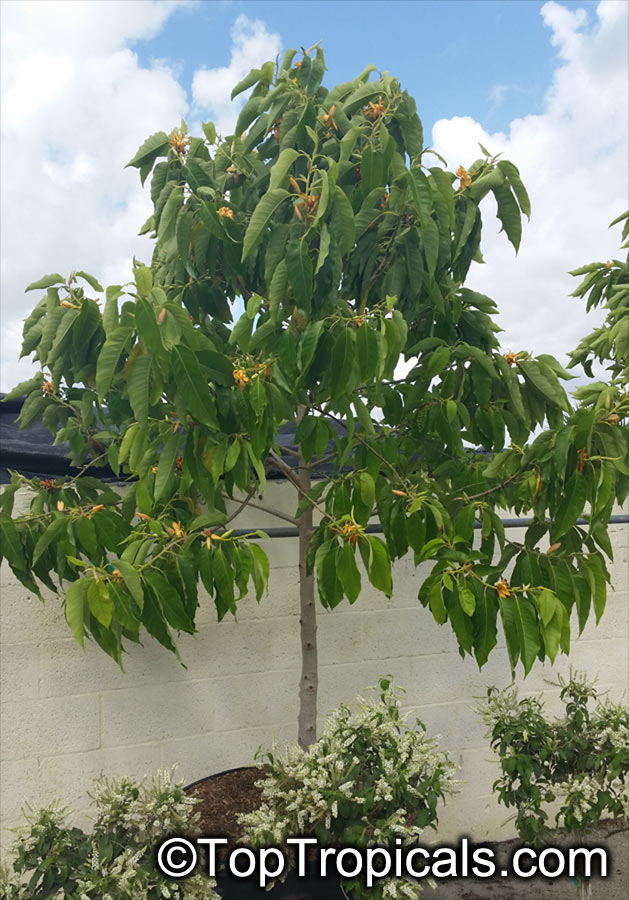
Q: The Joy Tree that I purchased from you is going fine but the leaves have brown tips that shriveled up. How can I avoid this?
A: All Magnolias prefer rich and moist soils. These are some
useful tips for growing Magnolia champaca:
- when planting in the ground, dig a big hole and replace sandy old
soil with a rich organic mix containing compost and lots of peat moss to retain
moisture.
- water daily for the first few months until the tree is
well-established and root system is large and strong.
- use a large amount of mulch around planting
- remember that during springtime (especially March through May)
champacas go through the semi-deciduous stage and lose a lot of leaves. Sometimes
the tree may start looking drying out - all the sudden, overnight. Give it a
few weeks and you will notice new light green re-leafing that will dress up
your tree when the time comes.
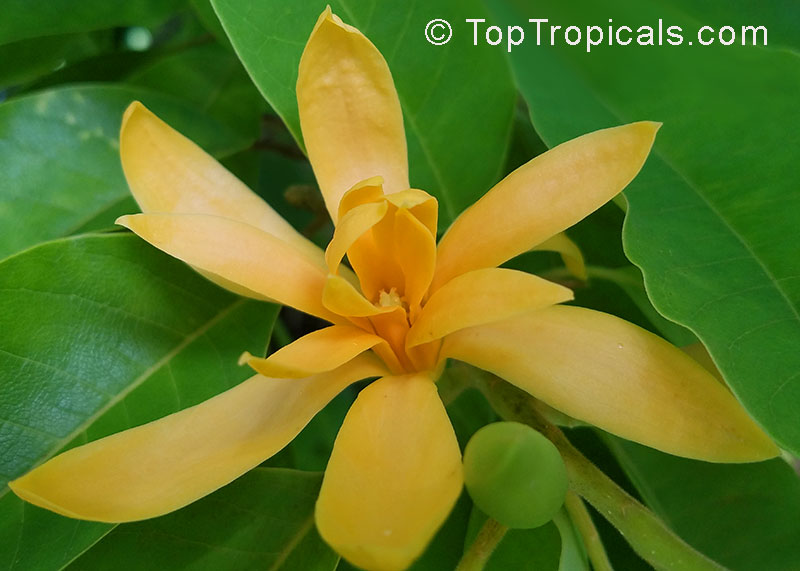
Check out Champaca trees:

Date: 16 Feb 2019
Deciduous plants soon sprouting
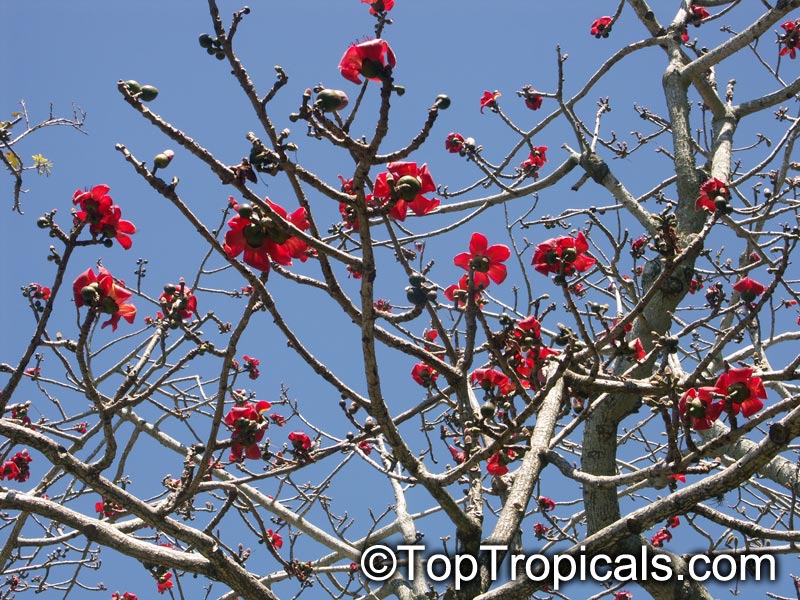
Many people believe that living in a warm climate will dissuade a plant from its deciduous nature. However, deciduous plants react to not only temperate but also shortened hours of daylight and changes in precipitation. Additionally, some plants will drop foliage in phases between new growth, and others use abscission to aid in pollination; blooming without wind-blocking leaves and making flowers more visible for insects.
When pruning a deciduous tree or shrub, it's generally best to wait until late winter or early spring, before the plant begins to leaf out. Avoid pruning during periods of new growth; during this time, the plant is weakened by the struggle to reestablish its growth process. Before pruning your deciduous plant, first research the specific plant, as there will always be exceptions to general instruction. For example, many Rubus varieties desire to prune in late fall, as their buds are developed during the dormant winter season. Some trees may have flower or fruit during winter while having no leaves, give them a chance to flower before pruning.
On the photo: Winter flowering Bombax ceiba
Date: 30 Aug 2024
Save Double This Labor Day Weekend!

"The fruit of your own hard work is the sweetest." - Deepika Padukone
Labor Day is the perfect time to transform your yard into a tropical paradise! Join us this weekend to find large, well-developed fruit trees and stunning flowering tropical plants, ready to add beauty to your life. Take advantage of the summer growing season and give your garden the boost it deserves. Don't miss out on these incredible plants to make your yard a true oasis!
Labor Day sale: double your savings now!
Automatically save 10% on orders over $200 (excluding S/H), and use code below for an extra 10% off! Double your savings today!
LABORDAY24
Use the code to get an extra 10% off on orders over $200 (excluding
S/H). If your total after the code still exceeds $200, enjoy an additional
automatic 10% discount! Exp. 9-2-24
Additional instant discount:
5% off $100-200 orders
...and more deals below - make it a steal with the code!
Date: 14 Nov 2018
Recovering Soursop after shipping and cold
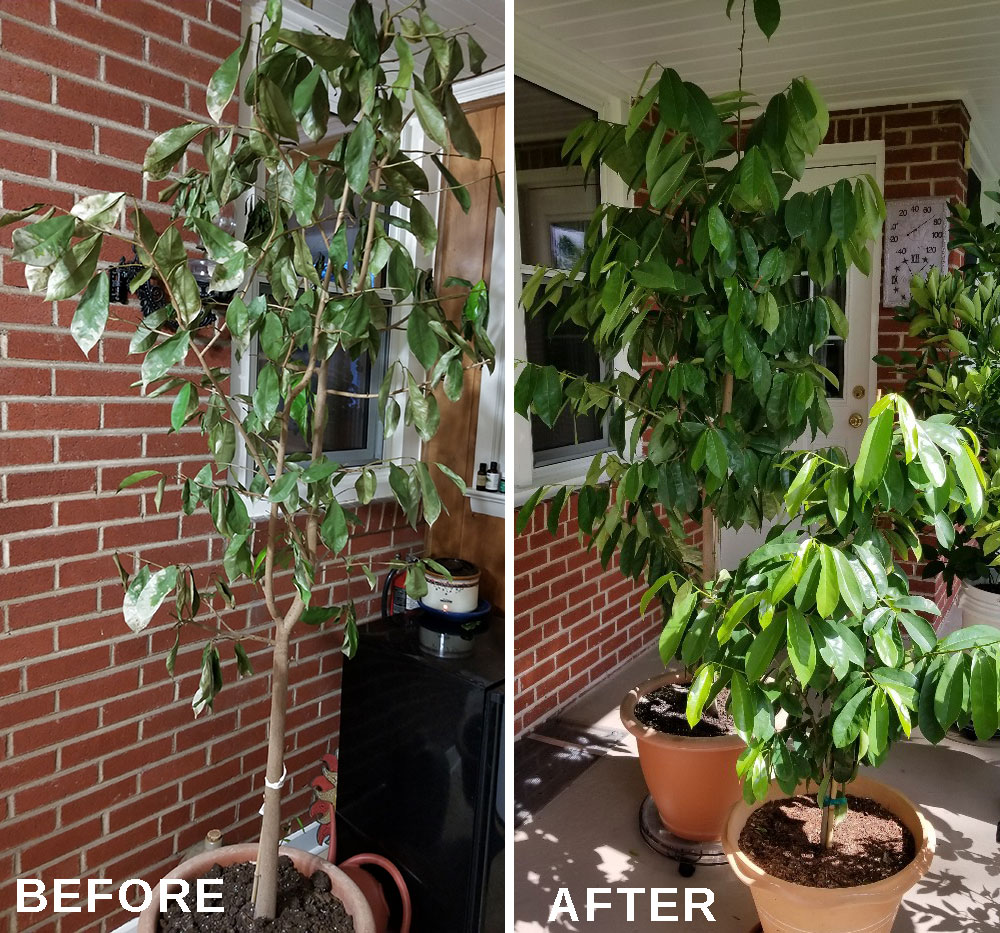
From Irene &
Marjorie, PA: We wanted to share our pics with you (after Summer). I
attached also the photo of the way the tree looked before your advice (back in
April). The big is the one we almost lost and you gave us these instructions and
it came back. These were your instructions:
"The soursop is one of my favorite fruits and I was so sad to hear
yours may be dead. Good news - the tree looks great! Yes, it does have some cold
damage but I'm surprised it still has leaves on it at all! In cooler weather,
they typically drop all of their leaves and stay that way until spring. You
can remove the damaged leaves and it will resprout new growth with the warmer
temperatures."
Taking care of
Soursop after shipping
Soursop - Annona muricata trees are very sensitive to temperature drops. This
always causes leaf loss. After shipping, do not water until the soil gets
slightly dry; keep it in bright shade. No fertilizer until the plant shows active
new growth. Be patient with your plant, and it should recover soon.
Soursop is an ultra-tropical tree and doesn't take any freeze. If you
live in a cooler climate, keep the plant in a pot (the good news is, Annonas,
in general, have a compact nature and are perfect for container culture).
Bring the tree indoors during the cold period, providing bright light.
We have a very interesting article about growing and fruiting Soursop
in an apartment. Check out 4534 Tropical Treasures Magazine # 7