Garden Blog - Top Tropicals

Date: 10 Apr 2025

Plant Smarter: Grow Your Own Brain Boosters - Part 1
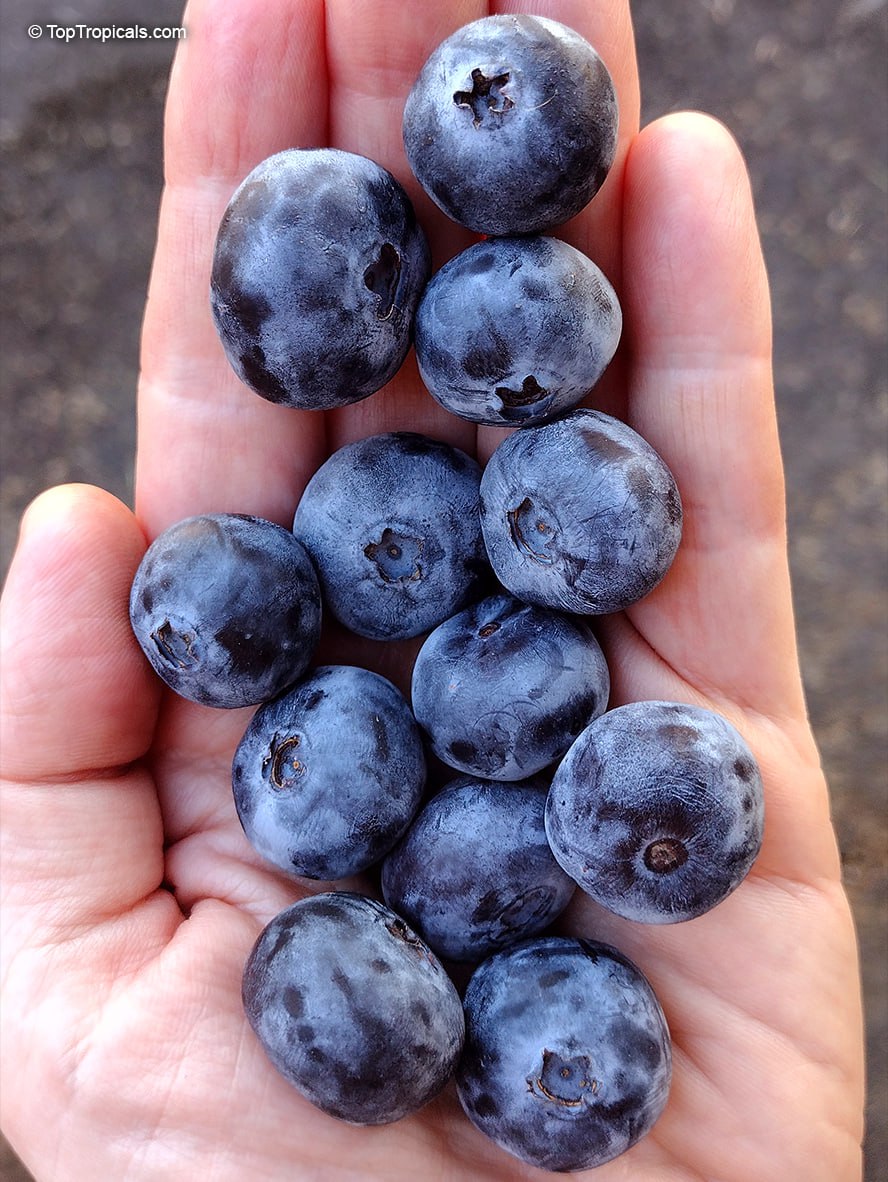
Blueberries
Blueberries

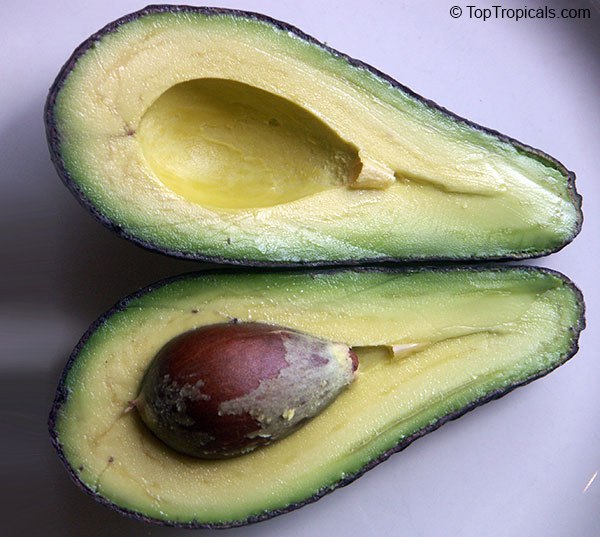
Avocado

Avocado

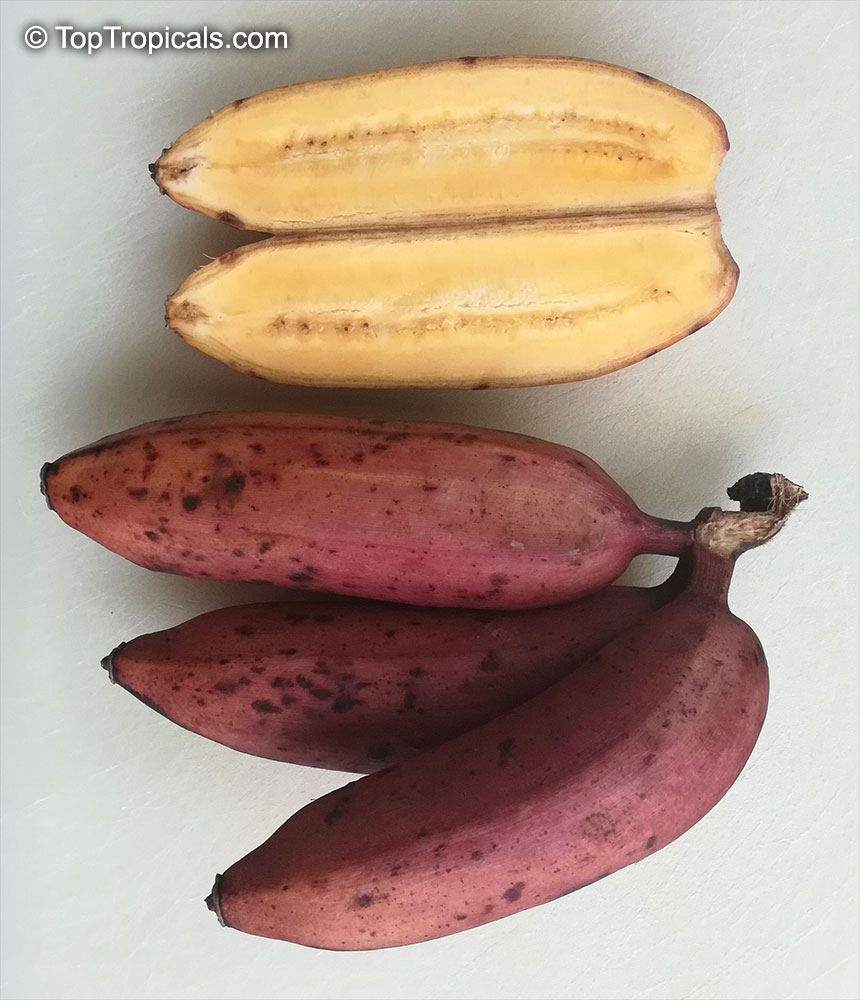
Red Banana

Red Banana

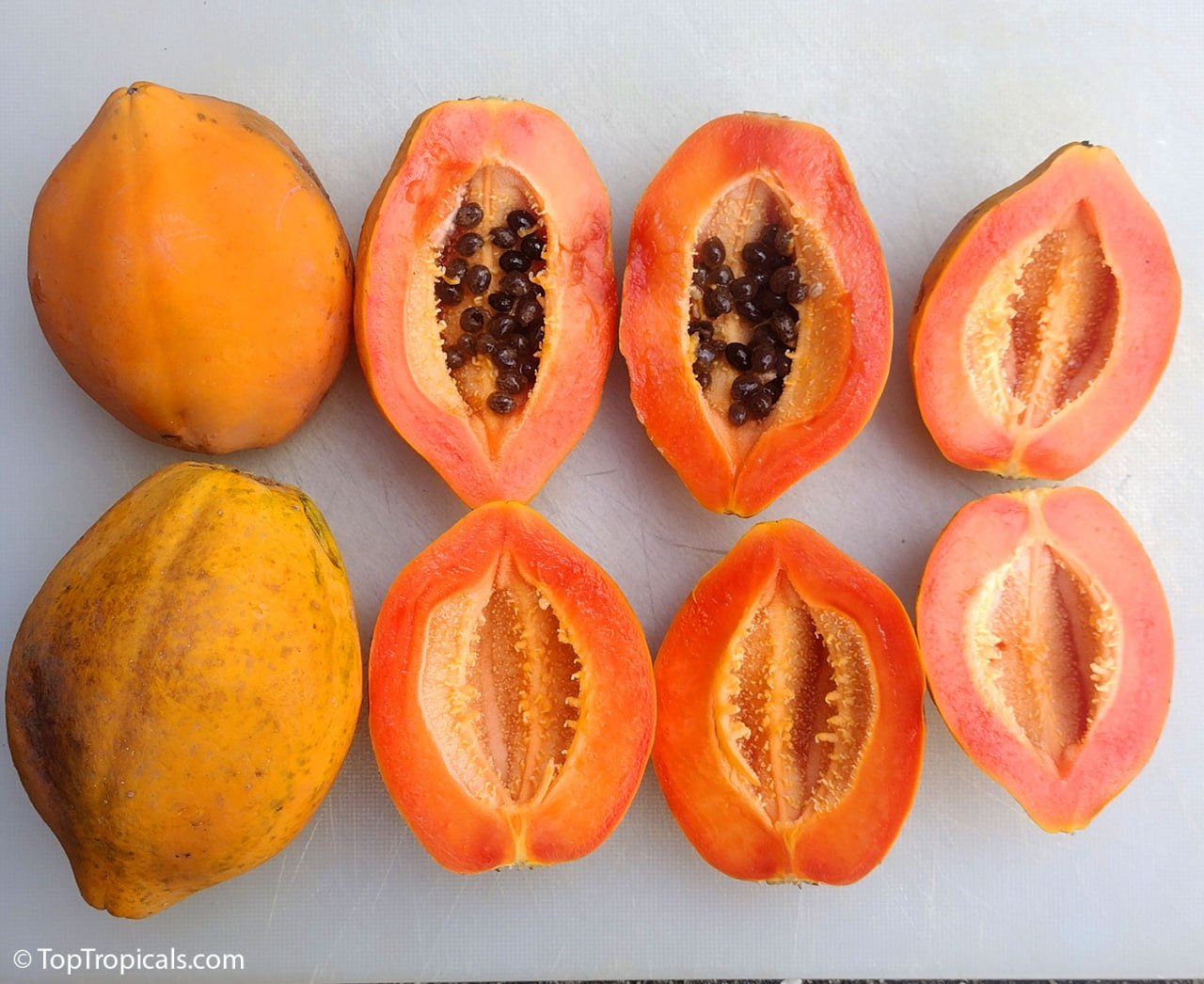
Papaya

Papaya

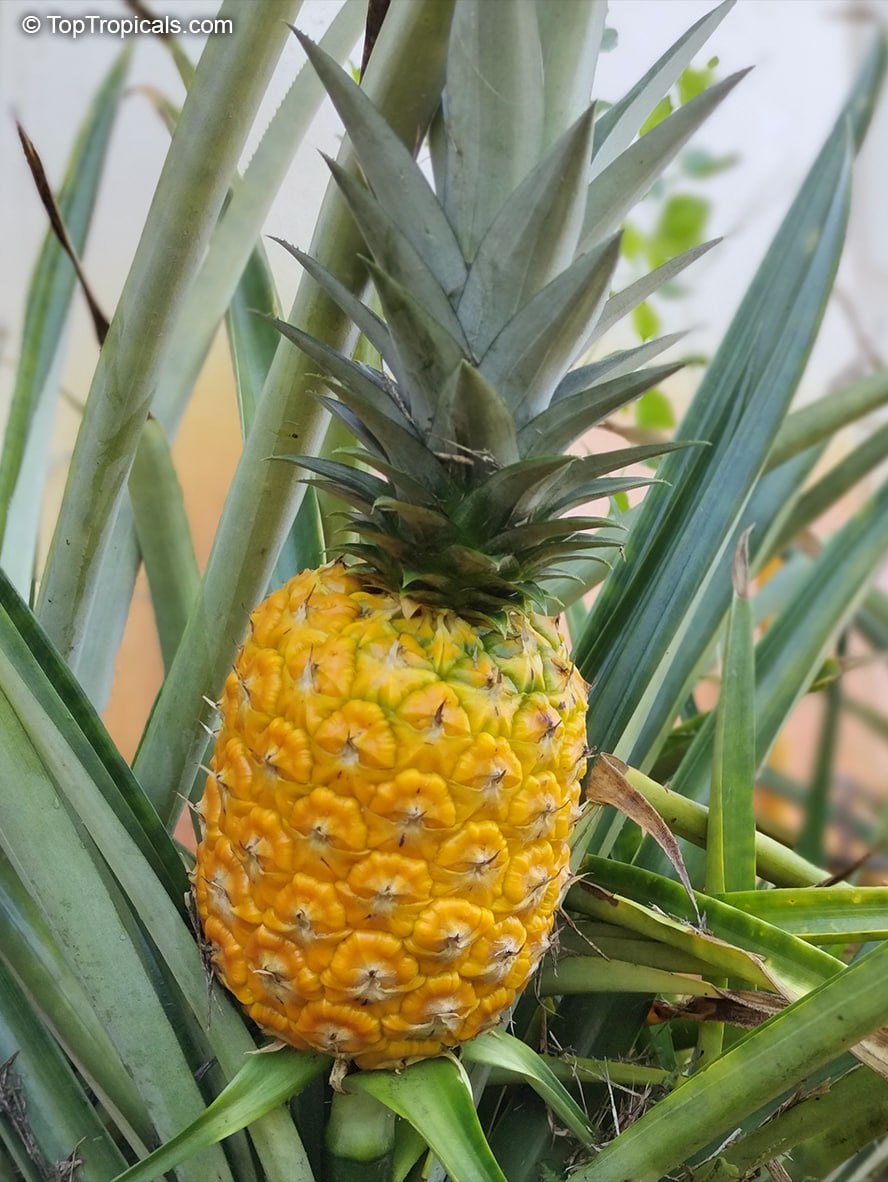
Pineapple

Pineapple

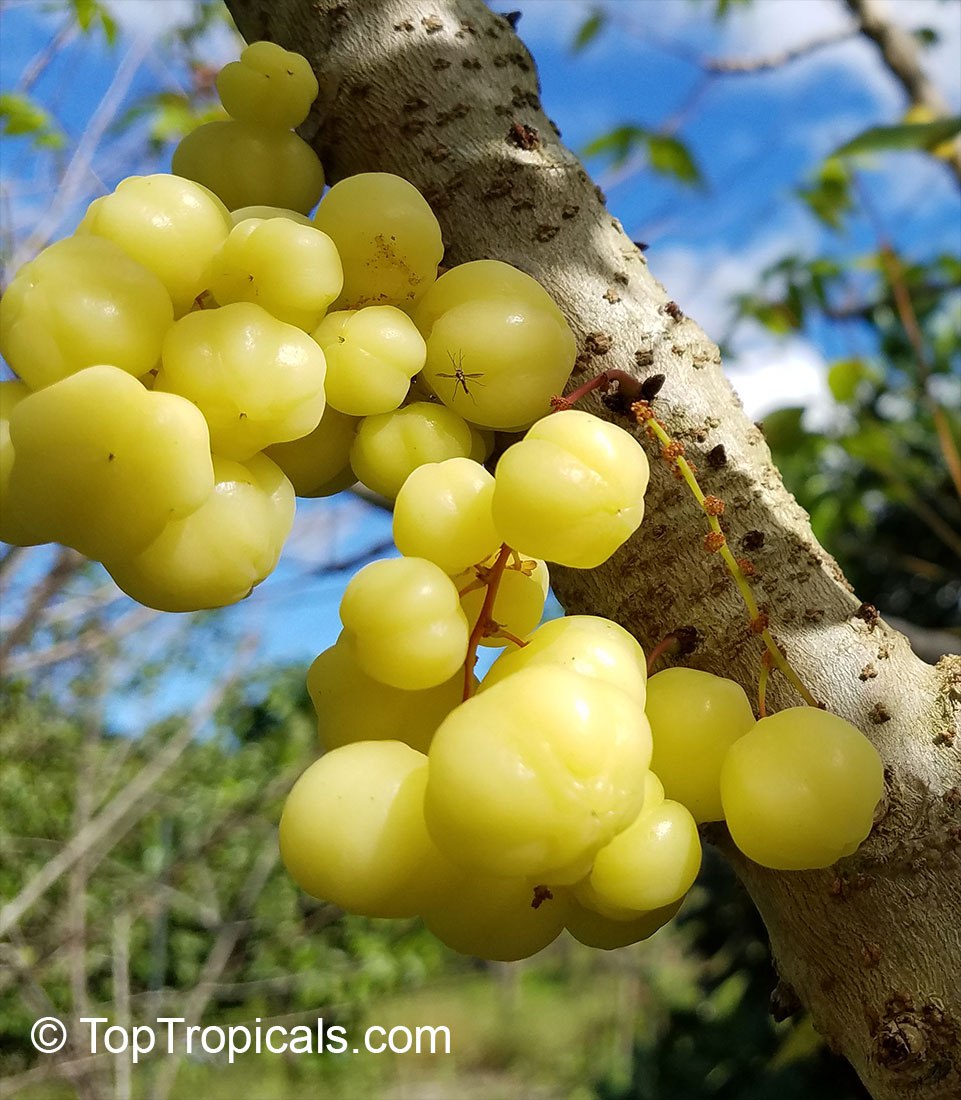
Amlak (Indian Gooseberry)

Amlak (Indian Gooseberry)

Plant Smarter: Grow Your Own Brain Boosters - Part 1


Want to stay sharp, focused, and energized - naturally?
Don't just eat smart - plant smart. These tropical fruits and herbs aren't just delicious - they're packed with memory-boosting, focus-enhancing, and brain-protecting compounds. When you grow them in your own garden, you're building a personal pharmacy of mental clarity and cognitive power. No pills. No plastic bottles. Just real plants with real benefits, right outside your door.


Memory & Cognitive Support (Brain Boosters)


Tropical Fruits:
  • 🟡 Blueberries – Rich in flavonoids and antioxidants; support memory and cognitive performance (Note: not tropical, but widely grouped due to powerful brain benefits).
  • 🟡 Avocado – High in monounsaturated fats, supports healthy blood flow to the brain.
  • 🟡 Banana – Contains vitamin B6 and potassium, essential for neurotransmitter function.
  • 🟡 Papaya – High in antioxidants and vitamin C, may protect brain cells from oxidative stress.
  • 🟡 Pineapple – Contains bromelain and vitamin C, which may reduce inflammation and support brain health.
  • 🟡 Amla (Indian Gooseberry) – One of the richest natural sources of vitamin C. Used in Ayurvedic medicine to enhance memory, focus, and longevity. Acts as a neuroprotective, anti-inflammatory, and adaptogen.

Edible Plants and Herbs: continued in next post ⤵️

🛒 Give your brain what it craves, shop tropical brain boosters: Fruit Trees & Herbal Plants

#Food_Forest #Remedies #Bananas #Discover

🔴 Join 👉 TopTropicals
Date: 16 May 2025

Easy Latin: unlocking plant names - why scientific names matter and how to decode them

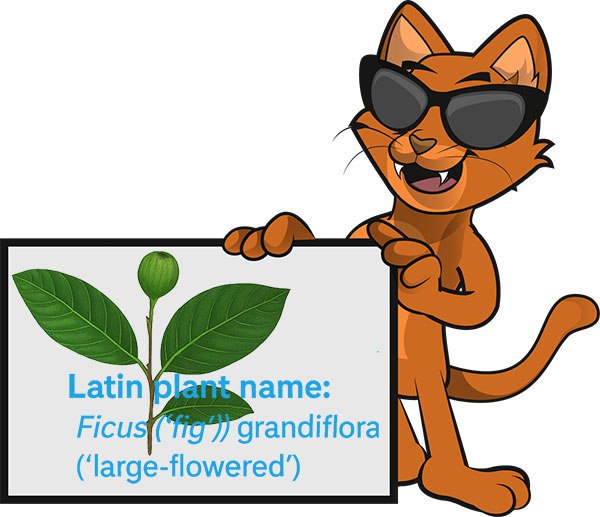
Cat with Latin names of plants

Cat with Latin names of plants

💻 Easy Latin: unlocking plant names - why scientific names matter and how to decode them

  • ✔️ Plants need scientific names (or Latin names) to keep things clear and avoid confusion. Common names can vary from place to place, and one name might refer to different plants.
  • ✔️ A scientific name is like a plant's social security number - it's unique and makes sure everyone knows exactly which plant you're talking about. For example, if you say "Trumpet tree," you could be talking about Brugmansia, Tabebuia, Oroxylum, or even Dolichandrone. With a scientific name, there's no guessing! It's the perfect plant ID to keep things simple and precise.
  • ✔️ So, if you're looking for a specific plant to add to your wishlist, be sure to find its scientific name first - that way, you'll be sure to get the right plant!


🛠 Examples of Latin names and their meanings:


🍋 Citrus sinensis – "Citrus" is the genus for citrus fruits, and "sinensis" means "from China," indicating the origin of the sweet orange.

🌸 Plumeria rubra – "Plumeria" is named after French botanist Charles Plumier, and "rubra" means "red," referring to its flower color.

🍁 Acer palmatum – "Acer" means "sharp," referring to the sharp-pointed leaves, and "palmatum" means "hand-shaped," referring to the leaf's shape.

By understanding the Latin names and their meanings, you can learn about a plant's origins, growth habits, and other key traits!

📚 Learn more:


Easy Latin name guide

#How_to

🔴 Join 👉 TopTropicals

Date: 31 May 2025

The secret of the black magic is unveiled: a black plant that thrives in neglect

🖤 The secret of the black magic is unveiled: a black plant that thrives in neglect

  • ▪️This isn't just a houseplant - it's a living spell. The black ZZ plant (Zamioculcas x Black Dragon) is as mysterious as it is mesmerizing, with leaves so dark they look dipped in ink. Forget green - it's all about black - a rare, glossy marvel for collectors who crave the bold and unusual.

  • ▪️ New leaves start green... but don't be fooled. With time, they turn rich, velvety black - a transformation worthy of legend.

  • ▪️ It's not just a pretty face. Unlike any ordinary plant, this one survives on neglect. Forget to water? It won't blink. It stores water in its thick rhizomes like an ancient desert dweller, making it one of the toughest houseplants out there.

  • ▪️ It even shares a trick with ancient relics like Gonatopus - a rare power in the plant world. It's got ancient roots - literally. Its oddball talent of dropping leaflets that sprout into baby plants makes it one of the few plants in the world that can clone itself this way!


🛒 Collectors, the secret is out: bring home the magic of the the black dragon

📚 More from previous posts:


#Nature_Wonders #Container_Garden #Shade_Garden


🟢 Join 👉 TopTropicals

Date: 10 Jun 2025

Who can handle a quarter of a million plants?

🌸 Who can handle a quarter of a million plants?


Orchids come in many shapes, sizes and colors. There are approximately between 25,000 species as well as over 250,000 of hybrids. It's one quarter of a million! Learn about these amazing plants from our orchid expert Robert Riefer:
📱

🛒 Explore orchids and epiphytes

#Fun_Facts #Shade_Garden #Container_Garden

🟢 Join 👉 TopTropicals

Date: 12 Jun 2025

Give your plants their Green Magic treat

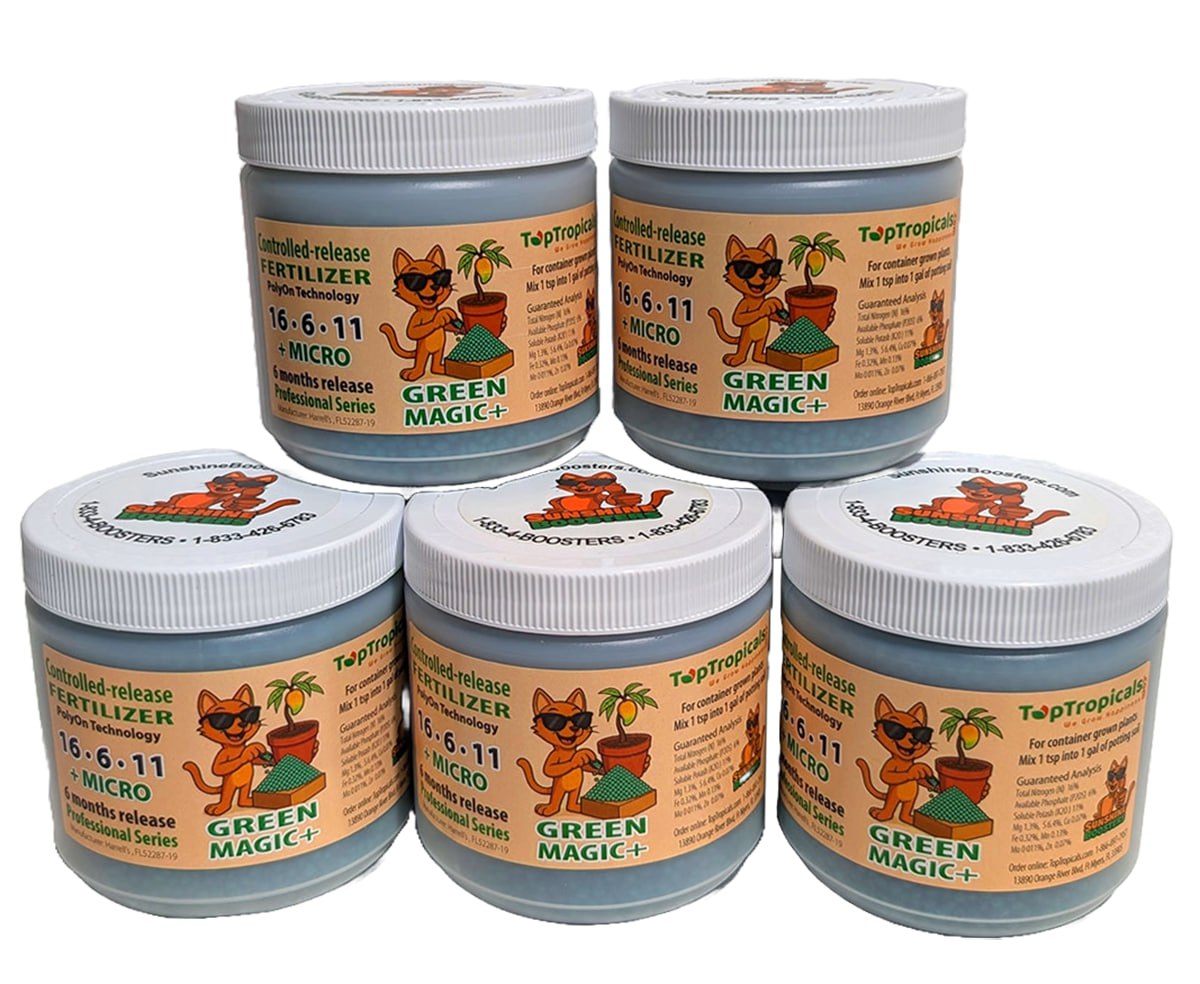
Green Magic controlled release fertilizer in jars

Green Magic controlled release fertilizer in jars

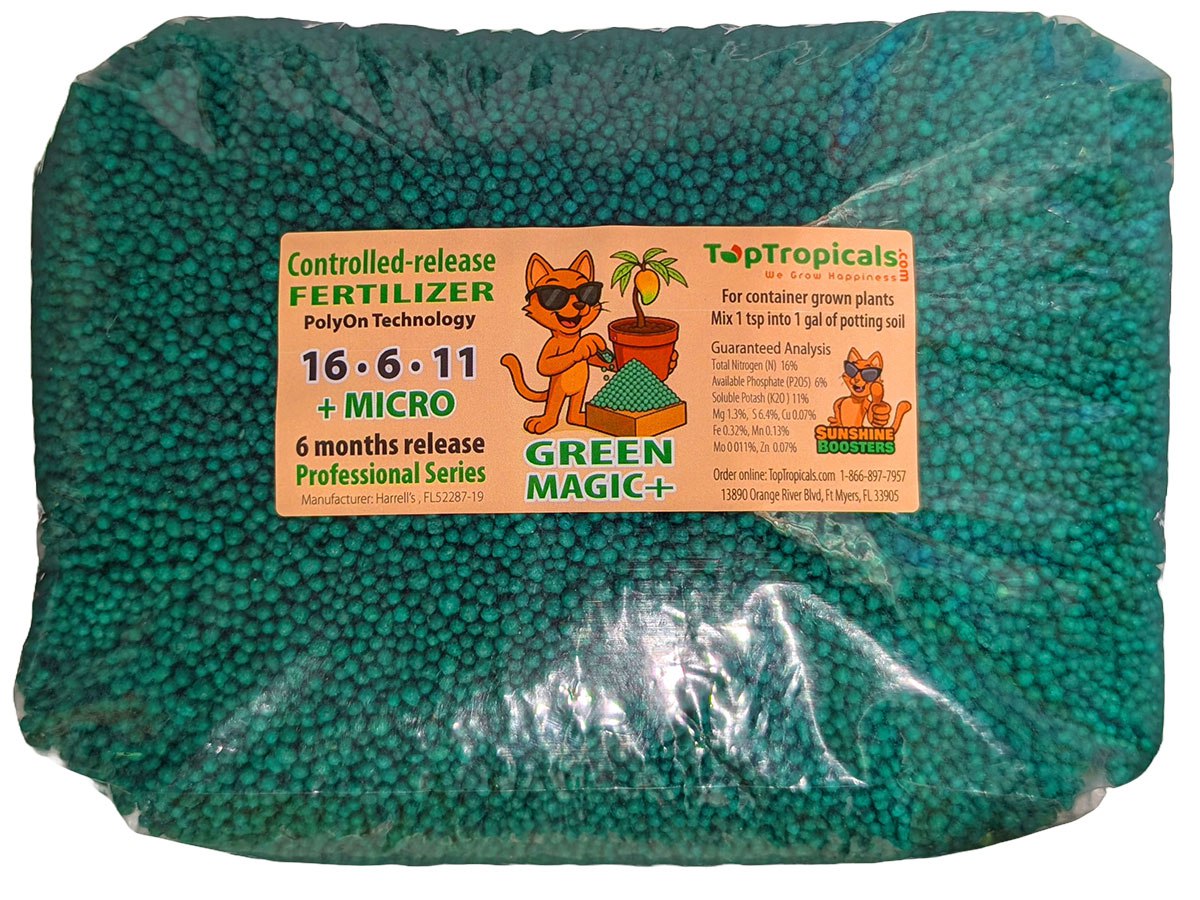
Green Magic controlled release fertilizer in a bag

Green Magic controlled release fertilizer in a bag

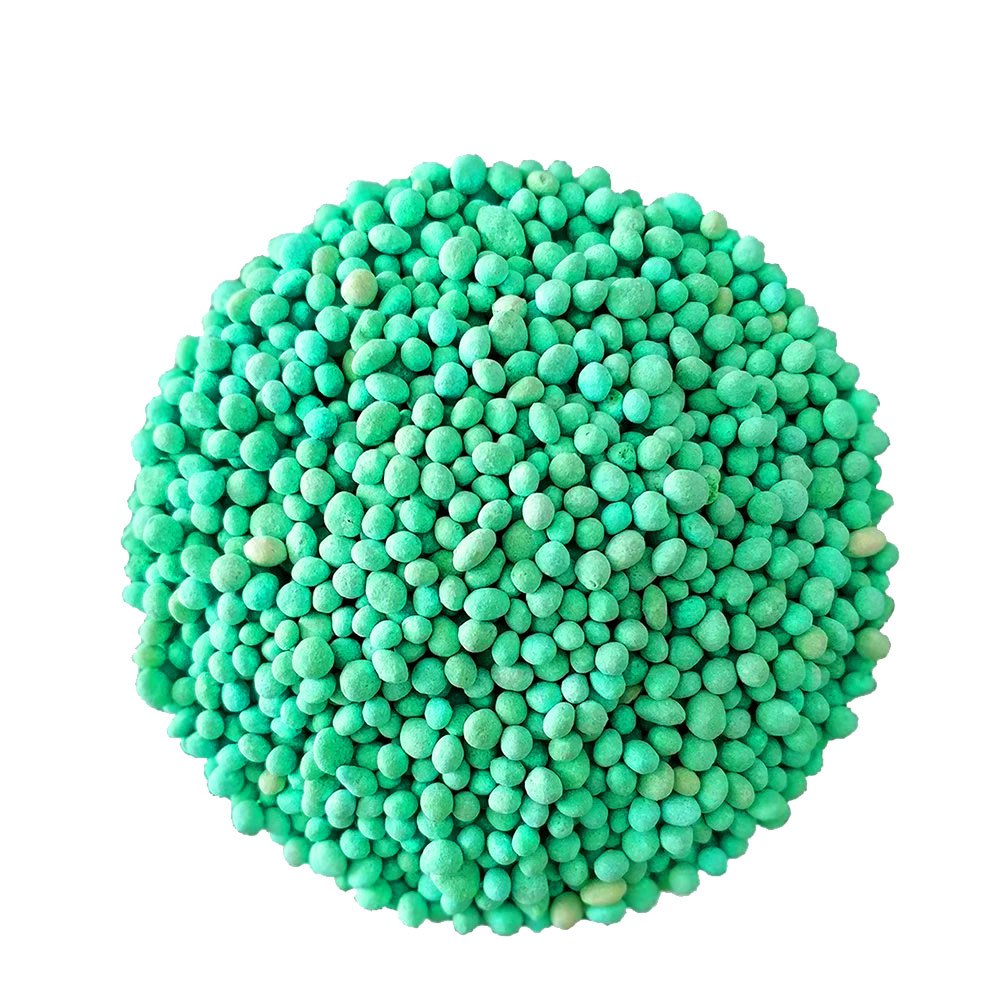
Green Magic controlled release fertilizer

Green Magic controlled release fertilizer

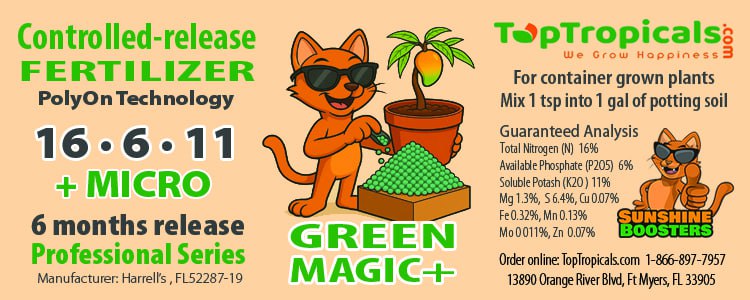
Green Magic controlled release fertilizer label

Green Magic controlled release fertilizer label

🍀 Give your plants their magic treat

Bring your plants back to life with Green Magiс Fertilizer (16-6-11) - professional formula for container-grown fruit trees and ornamentals.

📊 What's in it? Guaranteed analysis:


Macro-nutrients:
Total Nitrogen (N) – 16.00%
Available Phosphate (P₂O₅) – 6.00%
Soluble Potash (K₂O) – 11.00%

Micro-nutrients:
Magnesium (Mg) – 1.3% (Water Soluble Magnesium 1.3%)
Sulfur (S) – 6.4% (Combined Sulfur)
Copper (Cu) – 0.07% (Water Soluble Copper)
Iron (Fe) – 0.32% (Chelated Iron)
Manganese (Mn) – 0.13% (Water Soluble Manganese)
Molybdenum (Mo) – 0.011%
Zinc (Zn) – 0.07% (Water Soluble Zinc)

⚙️ How to use:


Apply 1 tea spoon per 1 gal of soil (mix in with soil) every 6 months during active growth period, or with every re-potting.

🛒 Watch the magic begin

#Fertilizers #How_to
🟢 Join 👉 TopTropicals