Garden Blog - Top Tropicals

Date: 18 Feb 2026

⭐️ Choosing the Right Variety of Jasmine Sambac

By Tatiana Anderson, Horticulture Expert at Top Tropicals
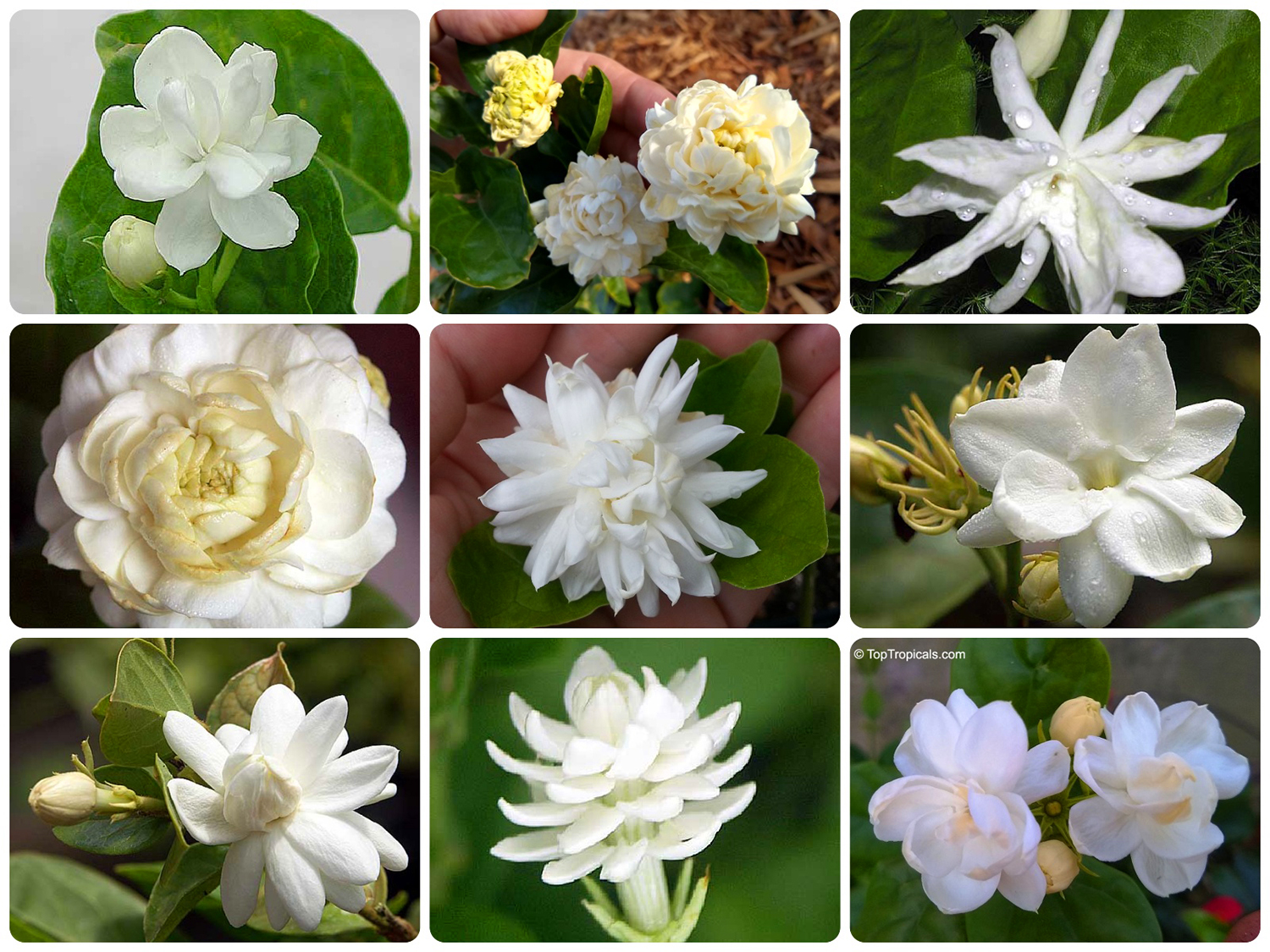
Jasmine  Sambac  varieties  collage  showing  single,  double,  and 
 multi-layered  white  fragrant  flowers  including  Belle  of  India,  Grand  Duke, 
 Arabian  Nights,  and  other 
 forms.

Jasmine Sambac varieties: Arabian Nights, Little Duke, Belle of India, Grand Duke, Duke Supreme, Maid of Orleans, Mysore Mulli, Malichat, Gundu Mallii

One of the reasons Jasmine Sambac is so fascinating is that it does not come in just one form. Each variety has its own personality.

If you want a compact patio plant, Arabian Nights or Little Duke are excellent choices. They stay tidy, bloom generously, and are easy to manage in containers.

If you prefer elegant, elongated petals and a refined look, Belle of India is a favorite. It can be grown as a small bush or trained lightly as a vine.

For those who love full, carnation-like double flowers, Grand Duke of Tuscany and Grand Duke Supreme are classic selections. They are vigorous and make impressive shrubs in warm climates.

If you need a stronger climber for fences or hedges, Maid of Orleans performs beautifully in full sun while Mysore Mulli prefers semi-shade.

Collectors often enjoy rare forms like Mali Chat or newer hybrids such as Gundu Malli, which combine traits from different lines.

How to Grow Jasmine Sambac Successfully

Sambac is not difficult, but it responds best to consistency.

Light: Full sun produces the most flowers. In very hot climates, light afternoon shade is acceptable. Indoors, place it in the brightest window available.

Soil: Use a well-draining potting mix such as Sunshine Abundance. Sambac does not like heavy, constantly wet soil.

Water: Water thoroughly, then allow the top layer to dry slightly before watering again. Reduce watering during cooler months.

Pruning: Light trimming after a bloom cycle encourages branching. More branches mean more flower buds.

Feeding: Sambac is a heavy bloomer, and fragrance takes energy. During active growth, feed regularly with a balanced fertilizer that supports flowering such as Green Magic (controlled release every 6 months) or liquid Sunshine Boosters Pikake (formulated especially for fragrant flowers) - with every watering. I prefer formulas slightly higher in potassium to encourage stronger bud formation and richer bloom cycles. Consistent feeding during warm months makes a visible difference in both flower count and intensity of scent.

With proper care, Jasmine Sambac will reward you not just with flowers, but with perfume that changes the atmosphere of your entire garden.
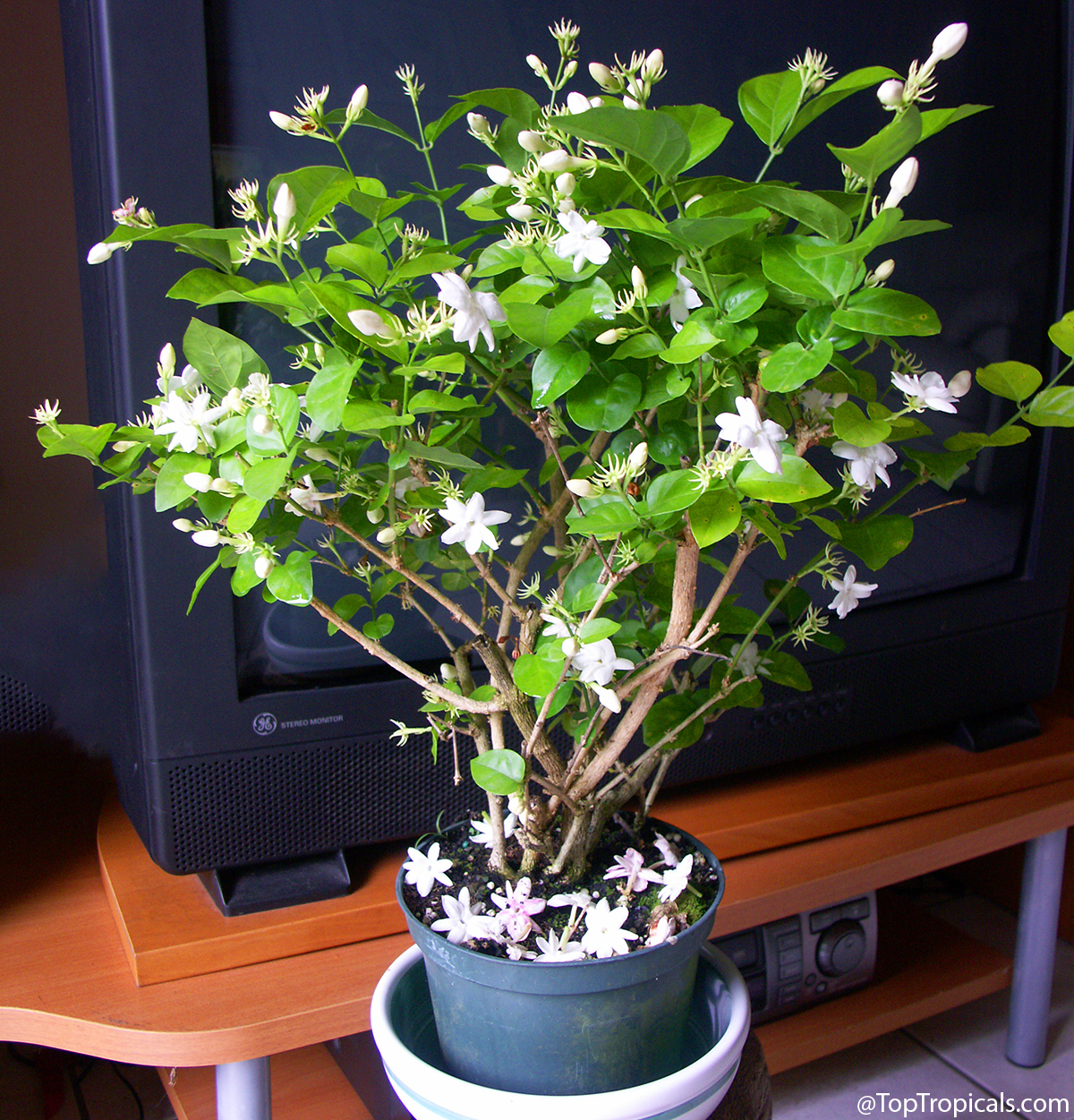
Jasmine  Sambac  Maid  of  Orleans  blooming  indoors  in  a  container  with 
 numerous  white  star-shaped  flowers  and  glossy  green 
 leaves.

Jasmine Sambac Maid of Orleans flowering indoors in a container under bright light.

❓Frequently Asked Questions About Jasmine Sambac

  • Does Jasmine Sambac need full sun?
    It flowers best in full sun. In very hot climates, light afternoon shade is acceptable. Indoors, give it the brightest window possible.
  • Can I grow it in a pot?
    Yes. Sambac performs beautifully in containers. Many gardeners prefer pots because it is easier to control size and move during cold weather.
  • How often does it bloom?
    With proper light and feeding, it blooms in cycles throughout the warm season. Consistency in care makes flowering more reliable.
  • Why is my plant not blooming?
    The most common reasons are insufficient light or irregular feeding. Increase light first, then review your fertilizing routine.
  • Is it difficult to grow indoors?
    Not if you provide strong light and good air circulation. Compact varieties adapt especially well.
  • Is it frost tolerant?
    No. Jasmine Sambac is tropical. Protect it from temperatures below 40F and bring it indoors before frost.

🌸 Year of the Horse Special – Jasmine Bonus

Celebrate 2026 with the fragrance of Jasmine plants. For a limited time, enjoy special savings when you grow one of the most wanted perfume plants in cultivation.
Jasmine Sale - 15% Off
Save 15% on all Jasmine plants. Discount is already applied in the online store - no code needed.
Offer valid through 02/28/2026.

🛒 Explore varieties of Sambac

Date: 20 Jan 2026

7 steps for a care-free Spanish Tamarind - the easiest rare fruit to grow

Vangueria infausta (Spanish Tamarind, Wild Medlar)

Vangueria infausta (Spanish Tamarind, Wild Medlar)

🍊 7 steps for a care-free Spanish Tamarind - the easiest rare fruit to grow


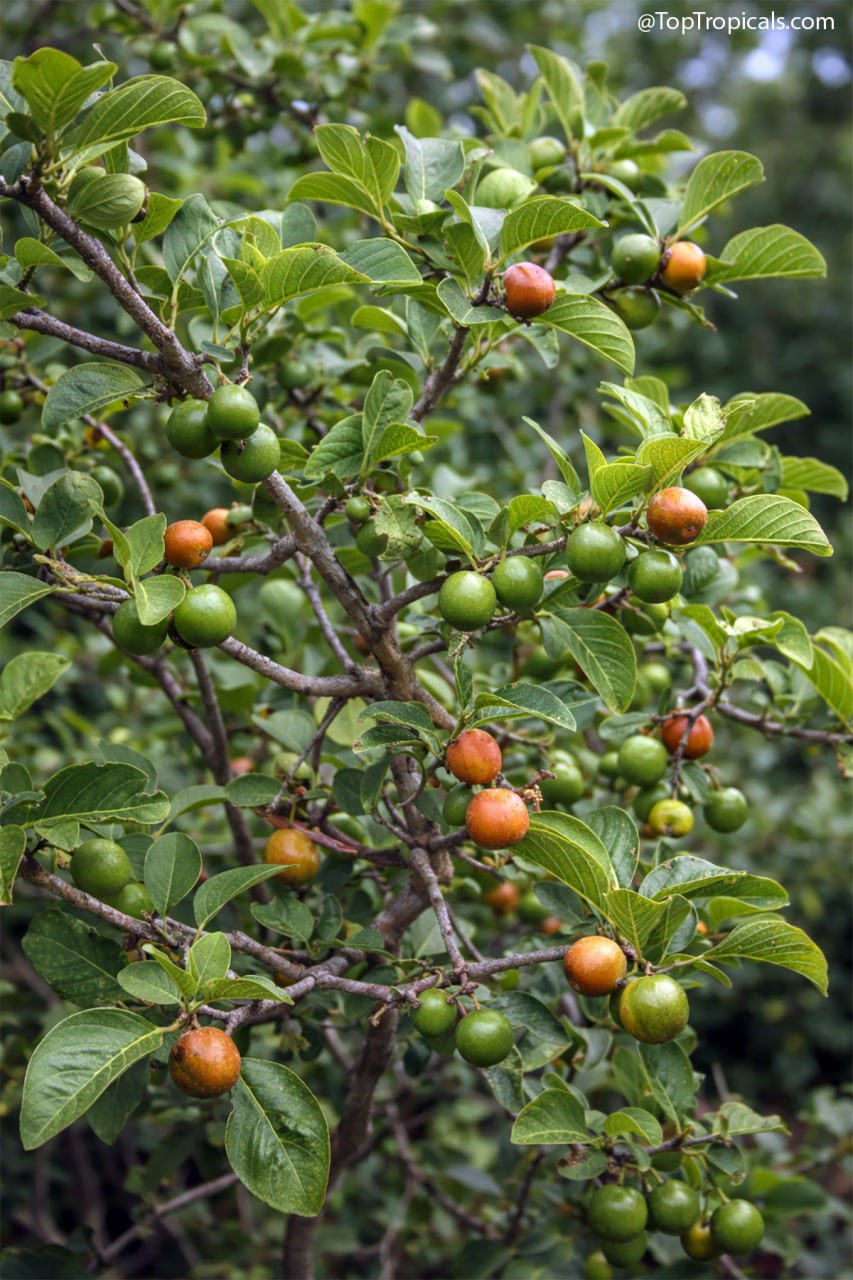
Yes, it can handle light frost - Vangueria infausta (Spanish Tamarind, Wild Medlar) - we just discovered it can handle cold snaps! After a few cold nights in January, our young tree planted just a few months ago, still looks happy and strong!

Wild Medlar Plant Facts

Botanical name: Vangueria infausta
Also known as: Wild Medlar, Spanish Tamarind
USDA Zone: 9 - 11
Highligths Small tree 10-20 ftFull sunWatering: Moderate. Water when top soil feels dryEdible plantDeciduous plantEthnomedical plant.
Plants marked as ethnomedical and/or described as medicinal, are not offered as medicine but rather as ornamentals or plant collectibles.
Ethnomedical statements / products have not been evaluated by the FDA and are not intended to diagnose, treat, cure, or prevent any disease. We urge all customers to consult a physician before using any supplements, herbals or medicines advertised here or elsewhere.Subtropical plant. Mature plant cold hardy at least to 30s F for a short time
Get personalized tips for your region

If you are looking for a tough little fruit tree that thrives on neglect but gives you something truly special in return - try this rare, compact fruit tree. Spanish Tamarind is native to southern Africa, it is drought-tolerant, pest-resistant, and surprisingly cold-hardy once established - making it a great choice even for gardeners in borderline zones.

🛒 Add rare Spanish Tamarind to your rare fruit collection

📚 Learn more:


Vangueria infausta - Spanish Tamarind in Plant Encyclopedia
The wild fruit with a secret: health benefits of rare Spanish Tamarind - the exotic fruit you've never heard of

#Food_Forest #Remedies #Discover

🟢 Join 👉 TopTropicals

Date: 13 Jun 2026

Why June Is the Most Important Month for Potted Tropical Plants

Cats Smokey and Sunshine planting tropical plants

Cats Smokey and Sunshine planting tropical plants

Why June Is the Most Important Month for Potted Tropical Plants


For many tropical plants, June is the start of peak growing season. Days are longer, temperatures are warmer, and plants that spent winter indoors or in a greenhouse are suddenly growing at full speed.
A few simple tasks now can mean stronger growth, more flowers, and better fruit later in the season.


Smokey: Sunshine, why are you mixing fertilizer with coffee and donut crumbs?
Sunshine: I'm testing a new growth formula.
Smokey: Based on what research?
Sunshine: Based on a highly controlled breakfast study. I call it Hibiscus Turbo Boost Deluxe.


✅ 1. Repot Before Plants Become Root-Bound


·  If roots are circling the pot, growing through drainage holes, or the soil dries out unusually fast, it's time to move up one pot size.
·  Fresh potting mix provides new space, better drainage, and access to nutrients that older soil may no longer contain. Use professional soilless mix Abundance for best results.
·  Don't jump from a small pot to an oversized container. One size larger is usually enough.

✅ 2. Feed Hungry Summer Growth


· Tropical plants are no longer resting. They are actively producing roots, leaves, flowers, and fruit.
· June is the perfect time to begin regular feeding.
· A balanced fertilizer program helps support strong growth, while products such as Green Magic and Sunshine Boosters provide additional nutrients that fast-growing tropicals can quickly use during summer.
· A well-fed plant grows faster, recovers from stress better, and flowers more heavily.

✅ 3. Acclimate Plants to Full Sun


One of the most common mistakes is moving a plant directly from indoors or a greenhouse into full summer sun. Leaves that developed in shade can burn within hours.
Start with bright shade or morning sun, then gradually increase exposure over one to two weeks. Even sun-loving plants benefit from a transition period.

✅ 4. Prune for Shape and Strength


June is an excellent time to remove weak, damaged, or overly long branches.
Light pruning encourages branching and creates a fuller, stronger plant.
For fruit trees, selective trimming can also help maintain a manageable size for container growing.

✅ 5. Check for Pests Before They Multiply


·  Warm weather brings rapid plant growth - and rapid pest growth.
·  Inspect new leaves, stems, and undersides of foliage for aphids, scale, spider mites, mealybugs, and whiteflies.
·  Treat problems early before populations explode during the heat of summer. We recommend Sunshine NoBug all-natural pesticide.

✅ 6. Add Stakes, Trellises, and Supports


·  Many tropical plants can double or triple their size during summer.
·  Climbing plants, vanilla orchids, passion fruit, dragon fruit, mandevilla, and many vining species appreciate support before they become tangled.
·  Installing stakes or trellises now is much easier than trying to do it later.

✅ 7. Water for Active Growth


·  A tropical plant that needed water once a week in spring may need it every day during summer.
·  Higher temperatures mean faster growth, greater water use, and more nutrient uptake.
·  Check containers frequently, especially during hot or windy weather. Water thoroughly and allow excess water to drain away.

✅ 8. Refresh Mulch and Clean Up Pots


·  Remove weeds, old leaves, and debris from containers.
·  A thin layer of mulch helps moderate soil temperatures and slows moisture loss during the hottest months.
·  Clean pots also reduce hiding places for pests and disease.

✅ The Bottom Line


June is when potted tropical plants shift into high gear. Repot if needed, fertilize regularly, inspect for pests, provide support, and keep up with watering. A little attention now often produces the biggest growth, best blooms, and heaviest fruiting of the entire year.

🛒
Get fresh soilless mix and real food for your plants

📚
Learn more:
Sunshine Boosters: Complete Plant Nutrition System
Why young trees need staking?
The SECRET growers never tell you: simple trick how to bring plants back to life and keep green 
How to re-pot a plant properly?

#Discover #How_to #Smokey_Sunshine

🟢 Join 👉 TopTropicals

Date: 22 Sep 2025

When do I get the fruit from my Dragon Fruit?

Dragon fruit varieties

🍉 When do I get the fruit from my Dragon Fruit?


🌵Dragon Fruit (Pitaya) is one of the most rewarding exotic fruits to grow. Sweet pulp, striking looks, and plenty of health benefits make it a favorite. You'll see it in three main types: white-fleshed (Hylocereus undatus), red-fleshed (Hylocereus costaricensis), and yellow-skinned (Hylocereus, or Selenicereus megalanthus).

🌵Don't want to wait years for fruit? Here’s the good news: unlike many tropical trees that test your patience, dragon fruit is a fast-fruiting, easy-going cactus. With the right care, you can harvest in just 1-2 years from a cutting - or even the same season if you plant a well-established specimen.

🌵 How to get Dragon Fruit faster


Give it strong support - trellis, fence, or post. This cactus loves to climb.
Full sun and good drainage - sandy or well-draining soil works best.
Smart watering - water deeply in hot weather, then let the soil dry. Dragon fruit loves water during active summer growth, but remember it's still a cactus - don’t keep soil soggy.
Pollination matters - flowers open at night. Some varieties are self-fertile, but planting a few different types boosts fruit set. This is why it helps to keep several varieties close together.
Feed well - use organic liquid fertilizers like Sunshine Boosters C-Cibus with every watering, or Green Magic controlled-release fertilizer every 6 months.

With these steps, dragon fruit quickly rewards you with flowers, followed by colorful, delicious fruit. Few exotics are this easy - or this fast!

🛒 Start your fast-growing Dragon Fruit production


📚 Learn more:


· Pitaya vs Dragon fruit - what is the difference and how to grow it. Varieties.
· The secret to abundant dragon fruit harvests
· How to grow Dragon Fruit from a cutting - Quick Guide
· How to grow Dragon Fruit 📱
· Planting your own Dragon Fruit plantation
· Do-It-Yourself Support Structure for Dragon Fruit
· Grow Your Own Exotic Dragon Fruit Garden
· Top 10 fruit you'll ever need for your health benefits: Dragon fruit
· What does Dragon Fruit Flower look like?
· Why you need to grow your own dragon fruit
· Do red, white and yellow Dragon fruit taste differently?
· What to do with a lot of Dragon Fruit

#Food_Forest #How_to #Dragon_Fruit

🟢 Join 👉 TopTropicals

Date: 12 Feb 2020

Meet PeopleCats of TopTropicals. Cat of the Day: Mister Booster

Everybody knows our Sunshine-colored Mister B, because... he is the Boss?... Not only that, but he is also very intelligent Purrrson. After over a decade of running TopTropicals marketing team, energetic Mr B decided to lead a new project: Sunshine Boosters.

What's in his store for us? He will guide you through his new website and show you around, where you can find all kinds of good stuff for your plants. For many years, TopTropicals customers have been enjoying the benefits of many effective plant supplements, and today Mr B with Sunshine Boosters brings new formulas of scientifically developed, natural, environmentally safe plant food for all your growing needs!
- For home gardeners and professionals.
- For small plant collections and large commercial growing facilities.
- For flowers and fruit trees.
- For medicinal plants and vegetables.
- For all to be happy.

Please check out Mr Booster's website , he worked really hard for the past year on making this project happen, and helping the Earth to be a better, nicer, and safer place!

And for those of you who are growing your own business, Mr B would like to help! He is offering FREE samples for small business starters! He knows it's not easy to find a perfect nutrition system and make your growing a success. He is here to help!

On February 13-14, as a Valentines Day Special, Mr B is exhibiting his new business Sunshine Boosters in Phoenix, AZ - in the Largest Arizona Expo! Don't miss our presentation seminar Feb 13th, Seminar Room #2, 1:45 PM: Precision growing with Sunshine Boosters. For those who can not attend the show in purrrrson, the presentation will be available for downloading from our website.

Happy Growing!

Check out Video: and more Cat of the Day stories.