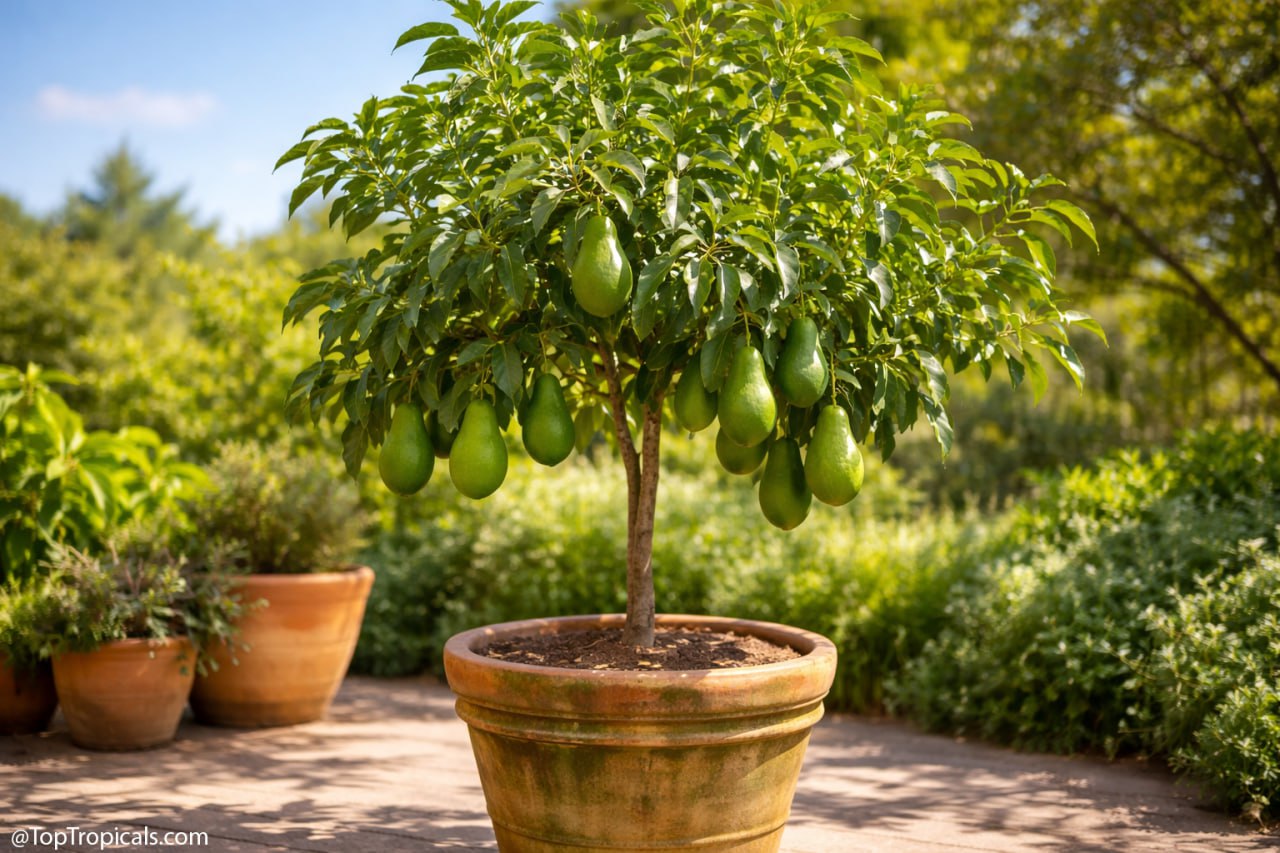
Yes, you can grow an Avocado tree on your patio - here is how to do it right
If you would love to grow your own avocado but don’t have a big yard, good news - avocado trees can grow very well in containers. Compact or dwarf varieties, often called condo avocados, are especially suited for pots, patios, balconies, and even indoor growing near a sunny window.
Avocado Plant Facts
Botanical name: Persea americana, Persea gratissima Also known as: Avocado, Alligator Pear, Aguacate, Abacate
USDA Zone: 9 - 11
Highligths
Growing avocados in pots is also a smart choice in cooler climates, since you can move the tree indoors when temperatures drop. With the right variety and basic care, potted avocado trees are easy to manage.
Pick a compact avocado variety
Choosing the right variety is the most important step. Standard avocado trees grow very large, but condo or compact varieties stay much smaller and adapt well to containers.
Good choices for pots include:
· Wurtz (Little Cado) - a true dwarf, perfect for containers
· Fuerte - a semi-dwarf that stays manageable with pruning
· Joey - naturally compact and easy to keep smaller
Dwarf avocado trees usually grow 6 to 10 feet tall. Fruit size is normal, but yields are smaller than on large trees.
Choose the right pot
Start with a pot about 12 inches wide (around 5 gallons). This size is easier to water correctly and helps prevent root rot. Avoid planting a small tree into a very large pot too soon.
As the tree grows, move up gradually. A mature potted avocado will need an 18- to 24-inch container. Repot every couple of years when roots show through drainage holes.
Always use a pot with excellent drainage.
Use well-draining soil
Avocados love water but hate wet feet. Use a loose, fast-draining mix, such as Abundance Professional Soilless Mix. You can improve drainage by adding perlite or coarse sand. Avoid heavy garden soil.
Water deeply, but not too often.
Water thoroughly, then let the soil dry before watering again. Always check moisture first. In summer, watering may be needed once or twice a week; in cooler weather, much less.
Overwatering is the fastest way to kill a potted avocado.
Give plenty of sun
Avocado trees need at least 6 to 8 hours of full sun daily. Outdoors is best, but indoors place the tree near a bright south- or west-facing window. Grow lights can help if light is limited.
Fertilize and prune
Feed during the growing season with a balanced fertilizer such as Green Magic (every 6 months) or liquid Sunshine Boosters (safe to use with every watering, year-around). Prune lightly to keep the tree compact and well-shaped.
Protect from cold
Most Avocados are sensitive to hard freeze. When temperatures drop below 35F, move the pot indoors or into a protected space. Reduce watering in winter as growth slows. Cold hardy varieties can take cooler temperatures down to 18F once established. For example, Joey is both cold hardy and dwarf - perfect choice.
Final thoughts
Growing an avocado tree in a pot is practical and rewarding. With good drainage, sun, careful watering, and the right variety, you can enjoy homegrown avocados even without a yard.
Small space? No problem. Just think condo avocado. According to Southern Living, Lemons can be grown in pots - and so can Avocados!
✔️ Check outAvocado Variety Guide interactive chart. Sort them by flower type A or B, tree habit, fruit shape and quality, cold hardiness, origin, season and more!
Sunshine: Valentine Day soon. We need flowers. Smokey: Nope. Heart-shaped hoya. Flowers fade. Plants stay. Sunshine: Alright. One for my Valentine. One for me, with coffee.
💖 Sweetheart Hoya: a Valentine gift that lasts
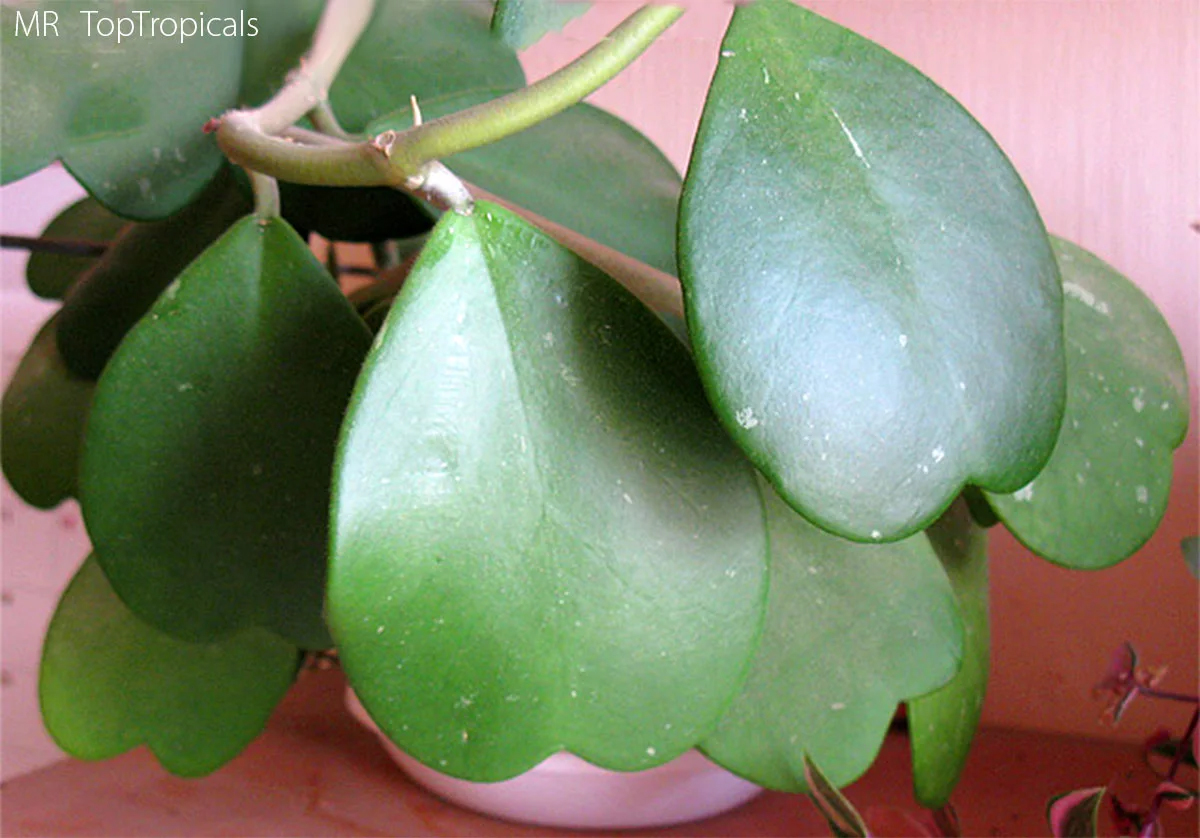
Sweetheart Hoya (Hoya kerrii) has thick, heart-shaped leaves and a
compact form that fits easily on a windowsill, desk, or shelf. It does not
need constant attention, bright sun, or frequent watering. In fact, it
prefers a
lighter touch.
Wax Hearts Plant Facts
Botanical name: Hoya kerrii Also known as: Wax Hearts, Sweetheart Hoya, Valentine Hoya, Heart leaf
USDA Zone: 9 - 11
Highligths
This is a plant that works well indoors, grows slowly, and forgives missed
waterings. It is comfortable in normal home conditions and does not require
special tools or experience. That makes it a good gift not only for plant
lovers, but also for people who have never kept a houseplant before.
Unlike flowers, it does not come with an expiration date. It becomes part
of daily life and stays there quietly, doing its job. Over time, it feels
less
like a purchase and more like something chosen with intention.
For Valentines Day, Sweetheart Hoya is a simple, lasting way to give
something real.
Sweetheart Hoya care: quick how-to
Light: Bright window light is ideal. Avoid harsh, hot direct
sun.
Water: Let the potting mix dry between waterings. When you
water, water thoroughly, then let it drain.
Feeding: Light feeding during active growth helps. A balanced
fertilizer like Sunshine™ Robusta keeps growth steady and leaves healthy.
Pace: Slow-growing and patient. Do not overwater or
overpot.
❓Sweetheart Hoya: quick FAQ
Is it good for beginners? Yes. It is forgiving and does not
need constant attention.
Can it live indoors year-round? Yes, in bright indoor light and
normal home conditions.
Does it need flowers to be special? No. The heart-shaped leaves
are the main feature.
Compact size, ideal for patios, balconies, and windows
Form unique, sculptural caudex shapes
Decorative even when not in bloom
Produce stunning, long-lasting flowers
Often blooming in a few months
🌸 Adenium Care
Basics
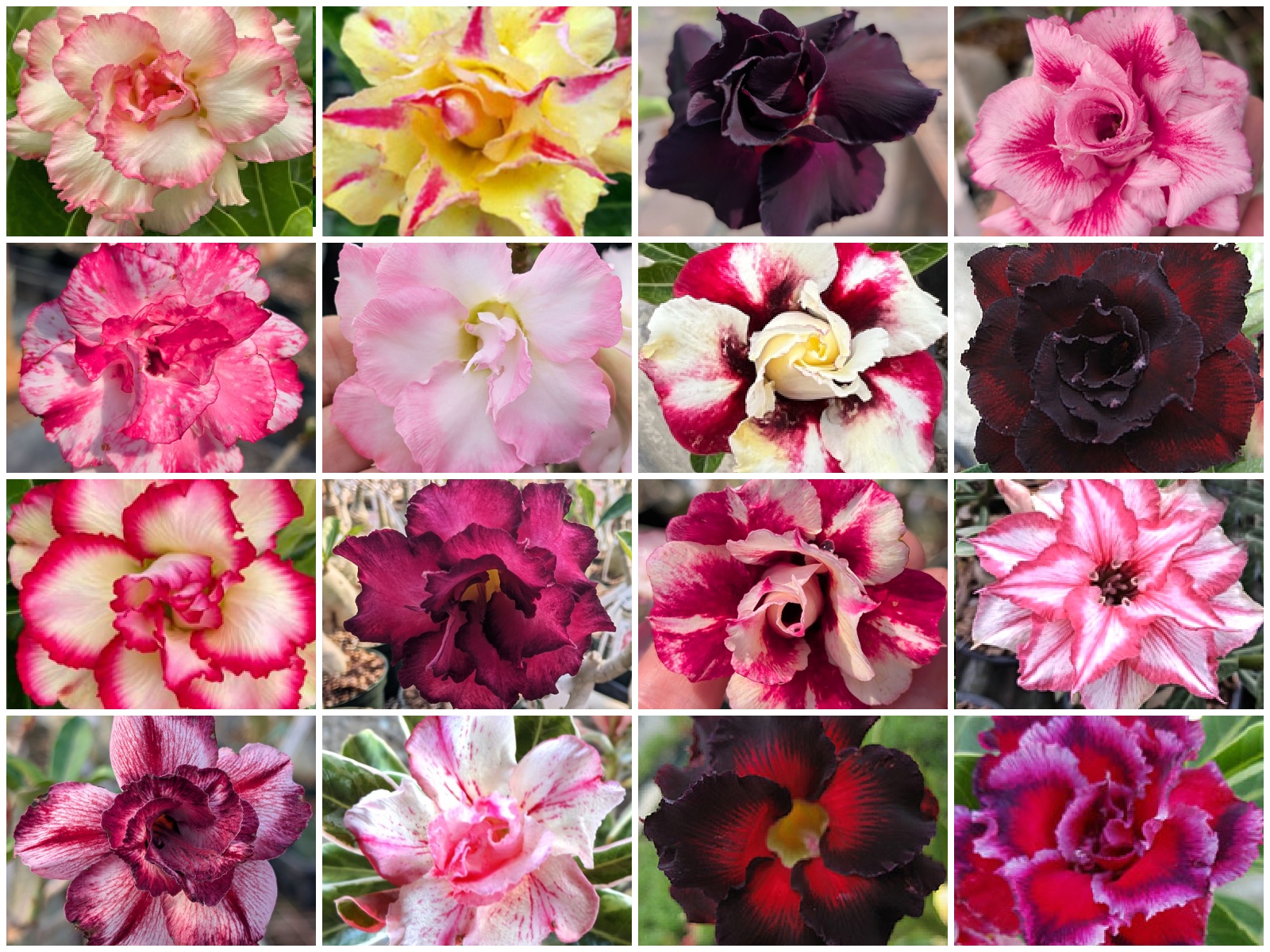
Adeniums have many spectacular hybrids, and their basic culture is closer to
orchids than to typical houseplants.
The key is a small pot, excellent drainage, bright light, and careful
watering.
Adenium Plant Facts
Botanical name: Adenium sp. Also known as: Adenium, Desert Rose, Impala Lily
USDA Zone: 9 - 10
Highligths
Pot and Soil
Use a small pot sized to the root system.
Excellent drainage is required.
Use a very well-drained mix. We recommend specially formulated for
Adeniums Desert
Rose Soilless Mix
Light and Blooming
Give lots of light for heavy flowering.
In warm conditions and longer days, most hybrids and species begin
blooming in spring.
In warmer climates they can keep blooming through fall and winter.
Watering (Most Important)
Adeniums dislike both extremes: over-watering and drying out too
often.
Use neutral to hard water when possible.
Acidic water can sour the mix quickly and may cause root rot.
Water in the early morning so the plant can drink through the day.
Watering frequency can range from daily to every few days, depending on
heat, light, and how fast the mix dries.
Never let the pot sit in a saucer of water.
Do not let the plant dry out too often, or it may go into early
dormancy.
Do not wet the leaves.
Fertilizer (Caudex + Flowers)
To build a large swollen base/trunk (caudex), use a good quality
fertilizer.
A fertilizer that helps trunk swelling also supports flowering. The best
choice for this is Sunshine
Megaflor.
Avoid fertilizers that are too high in nitrogen; choose a formula where
the middle number is the highest.
Never apply fertilizer directly on roots.
Do not liquid feed a thirsty plant.
Always water lightly first, then feed, to avoid root burn and leaf
drop.
The Caudex "Secret" (Shaping the Base)
At each repotting, lift the plant slightly so the upper roots are a
little exposed.
This encourages new roots to grow downward and helps create a thicker,
more interesting caudex shape.
Multi-Grafted Plants (Important Note)
Adenium hybrids can be multi-grafted with several colors/varieties on
the same plant.
The swollen base forms only when the rootstock plant is grown from
seed.
✍️ Adenium
FAQ
How much light do Adeniums need?
Adeniums need lots of light for heavy flowering. Most hybrids and species
start blooming when conditions are warm and days get longer, and in
warmer climates they can keep blooming through fall and winter.
What is the best pot size for Adeniums?
Use a small pot sized to the root system, with excellent drainage. A small
pot with excellent drainage is a must.
What kind of soil mix should I use?
Use only a well-drained mix. Adeniums do best in very well-drained soil. A
small pot plus excellent drainage is the foundation of success.
How often should I water Adeniums?
Adeniums do not like both over-watering and drying-out too often. Water
preferably in the early morning and do not water again until the mix dries
on the surface. Watering can range from daily to every few days depending on
heat, light, and how fast the mix dries.
Can Adeniums sit in a saucer of water?
No. Never allow your Adenium to sit in a saucer of water.
Should I wet the leaves when watering?
No. Do not wet the leaves.
What kind of water do Adeniums prefer?
Adeniums prefer neutral to hard water. Acidic water tends to sour the soil
too fast and may cause root rot.
How do I create a large, swollen caudex?
At each repotting, lift the plant slightly so the upper parts of the roots
are a little exposed. This encourages the plant to form more roots that grow
downward and helps create a thicker, more interesting caudex.
What fertilizer should I use for caudex growth and blooms?
Use a good quality fertilizer to support both trunk swelling and flowering.
Avoid formulas that are too high in nitrogen; the middle number should be
the highest. Never apply fertilizer directly on roots, and do not liquid
feed when the plant is thirsty. Water lightly first, then feed, to avoid
root burn and leaf drop.
Can an Adenium have multiple flower colors on one plant?
Yes. Adenium hybrids can be multi-grafted with several colors or varieties
on the same plant. Note that the swollen base forms only when the rootstock
plant is grown from seed.
Which jaboticaba to grow: a quick guide to the most popular varieties
🍇Which jaboticaba to grow: a quick guide to the most popular varieties
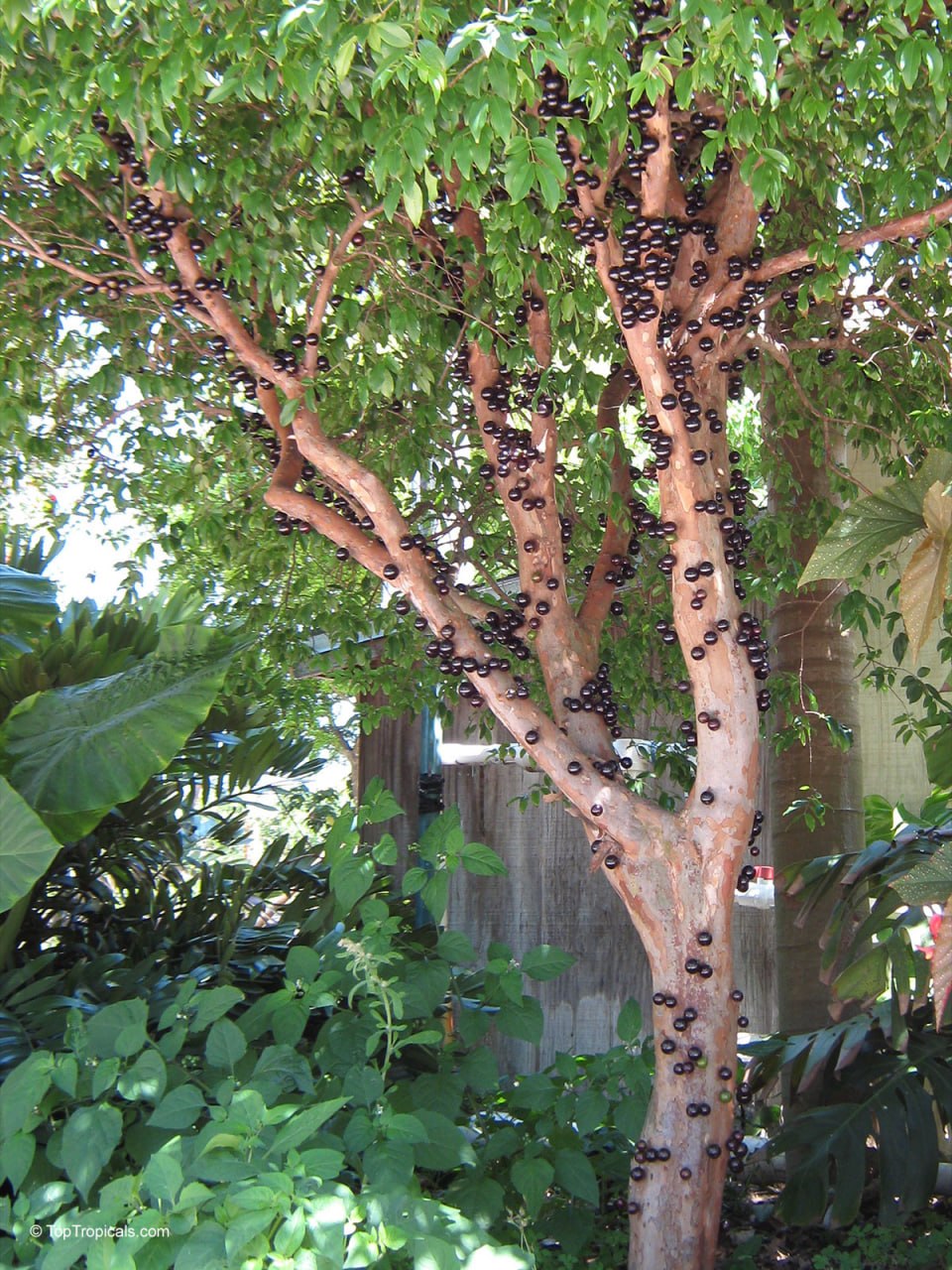
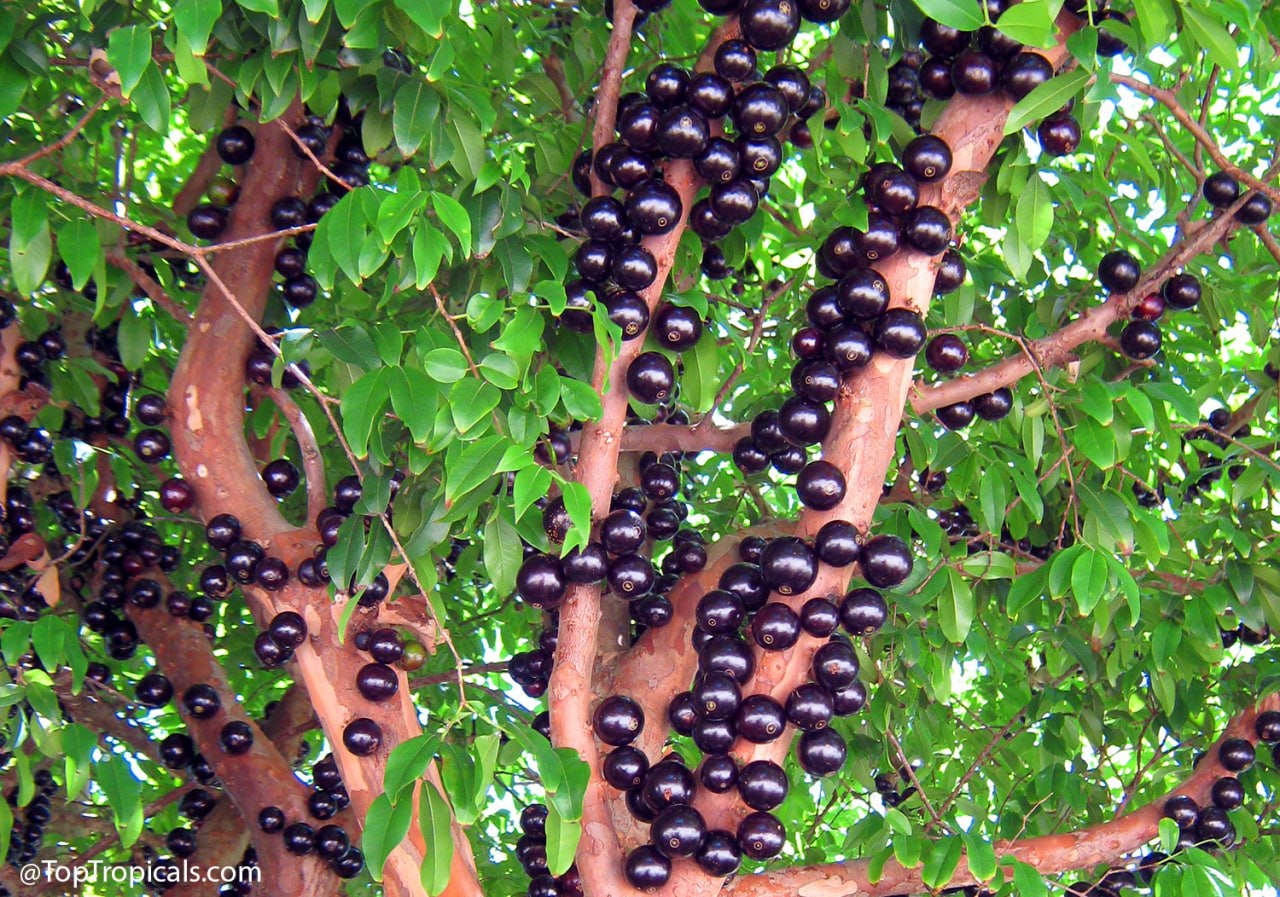
Jaboticabas are among the most unusual fruit trees in the world. Native to Brazil, they produce grape-like fruit directly on the trunk and branches. Most varieties have sweet pulp, can fruit multiple times per year, and grow well in containers.
Despite their tropical appearance, jaboticabas are surprisingly cold hardy. During our historic Florida freeze, established trees handled 25F for two nights and nearly two weeks of unusual cold without protection. Many varieties can tolerate temperatures into the 20s, making them one of the more cold-hardy tropical fruit trees for Florida.
From fast-fruiting dwarfs to giant-fruited collectors' varieties, each jaboticaba offers something a little different. Here's a practical guide to some of the most popular selections.
For beginners: Precoce Dwarf (Red Scarlet)
One of the fastest-fruiting jaboticabas, often producing in 3-5 years. Compact, container-friendly, ideal for gardeners who want fruit sooner.
• Fruits young • Naturally compact • Excellent container plant • Good for cooler climates where winter protection is needed
The classic choice: Sabara
The classic Brazilian jaboticaba and still the most widely grown variety. Small, exceptionally sweet fruit with thin skin and juicy pulp. Can produce several crops per year.
• Traditional jaboticaba flavor • Thin-skinned fruit • Sweet and juicy • Excellent for bonsai and containers • One of Brazil's most popular wine varieties
For large fruit: Grimal
Often called Giant Jaboticaba, with much larger fruit than most varieties. Thick juicy pulp, small seeds, heavy production.
• Larger fruit • Thick pulp • Heavy producer • Excellent fresh eating quality
For exceptional flavor: ESALQ
Known for large, exceptionally sweet fruit and relatively early production.
• Outstanding sweetness • Large fruit • Fruits in about 4-5 years • Collector favorite
For beauty and productivity: Branca Vinho
One of the most ornamental jaboticabas, with attractive foliage, upright growth, and excellent white-fleshed fruit. Fruits young and often several times per year.
• Beautiful foliage and trunk • White-fleshed fruit • Excellent flavor • Multiple crops per year • Good cold tolerance
For collectors: Blue Jaboticaba
A close jaboticaba relative (Myrciaria vexator) producing blue-purple fruit with a sweet grape-like flavor. Often grown as much for its beauty as its fruit.
• Unique blue fruit • Sweet grape-like flavor • Ornamental tree • Rare and unusual
For faster growth: Volcano Red (La Vinotinto)
More vigorous and faster growing than traditional jaboticabas. Famous in Hawaii for Volcano Red wine.
• Faster growth • More vigorous tree • Good adaptability • Tolerates occasional waterlogging • Source of Hawaiian Volcano Red wine
👉 All jaboticabas share the same magical trait - flowers and fruit appearing directly on the trunk. The differences are in fruit size, growth rate, and how quickly you'll enjoy your first harvest. Jaboticabas are notoriously slow growing, and large fruiting-size trees can take many years to develop. Established specimens are hard to find and can save years of waiting. If you've been thinking about adding one to your garden, remember: the best time to plant a jaboticaba was years ago - the second-best time is today.
🌿 The Vanilla Plant That Outgrew Its
100-Gallon Container.
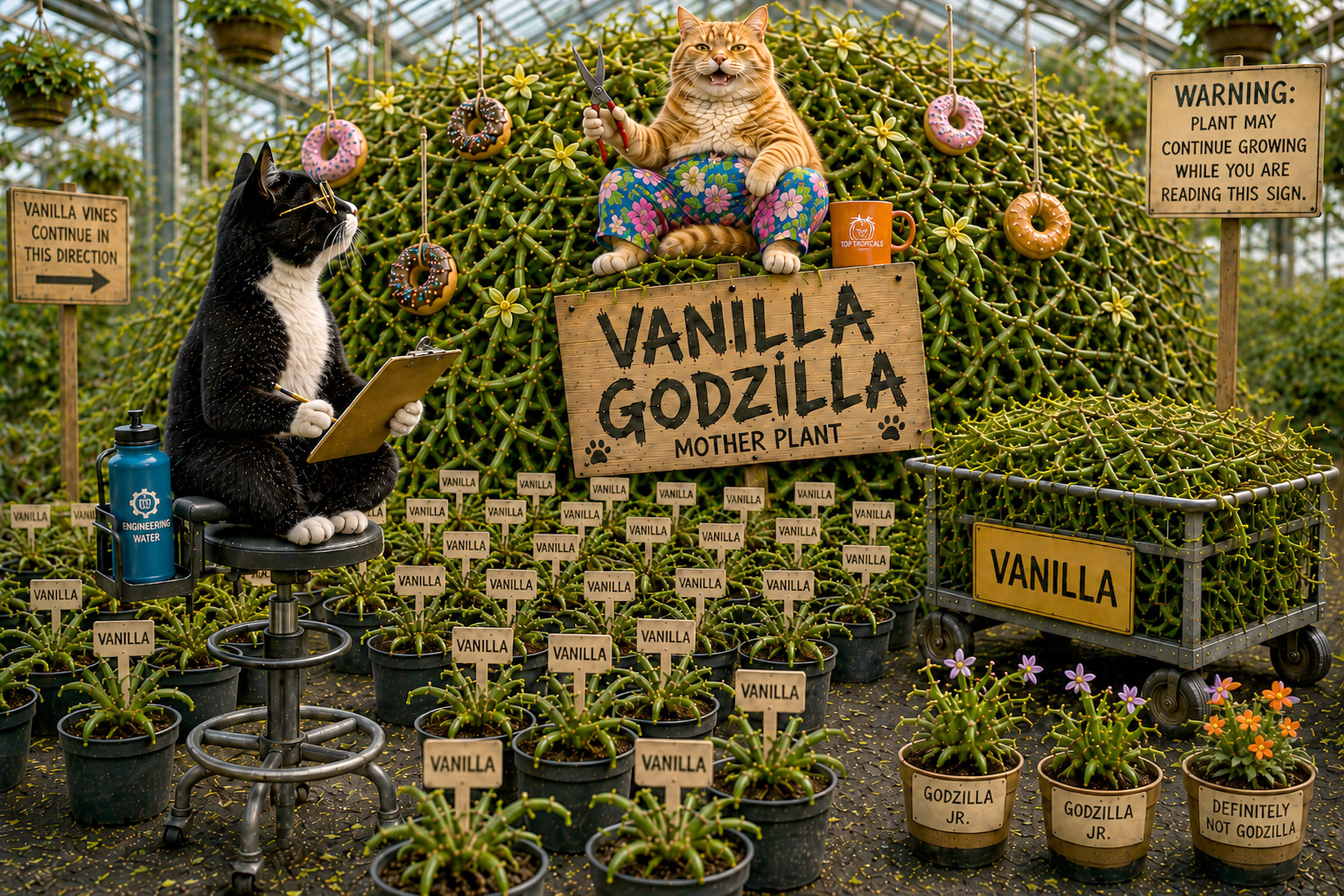
Smokey: Is that really the entire mother plant? Sunshine: Most of it. Smokey: What do you mean "most of it"? And why are there
donuts hanging from the plant? Sunshine: We still haven't found the other end. The donuts
attract pollinators. Smokey: Donuts do not attract pollinators. Sunshine: Then explain why I keep visiting the plant. Smokey: You work here. Sunshine: That's what the plant wants you to think. It's
called "Intelligent Design" for a reason.
The plant Sunshine is perched on is not a hedge. It is not a wall. It is a
single specimen of Vanilla
dilloniana, Dillon's Vanilla, and it has a name:
Intelligent Design. Unlike the familiar Vanilla planifolia
— the commercial vanilla of ice cream and extract — dilloniana
produces no leaves. The plant is essentially a green vine, photosynthesizing
entirely through its stems. It is an unusual and striking grower, and in
good
conditions it can develop into an impressive, multi-branched specimen.
It is classified as rare, and is considered vulnerable or endangered across
portions of its native range.
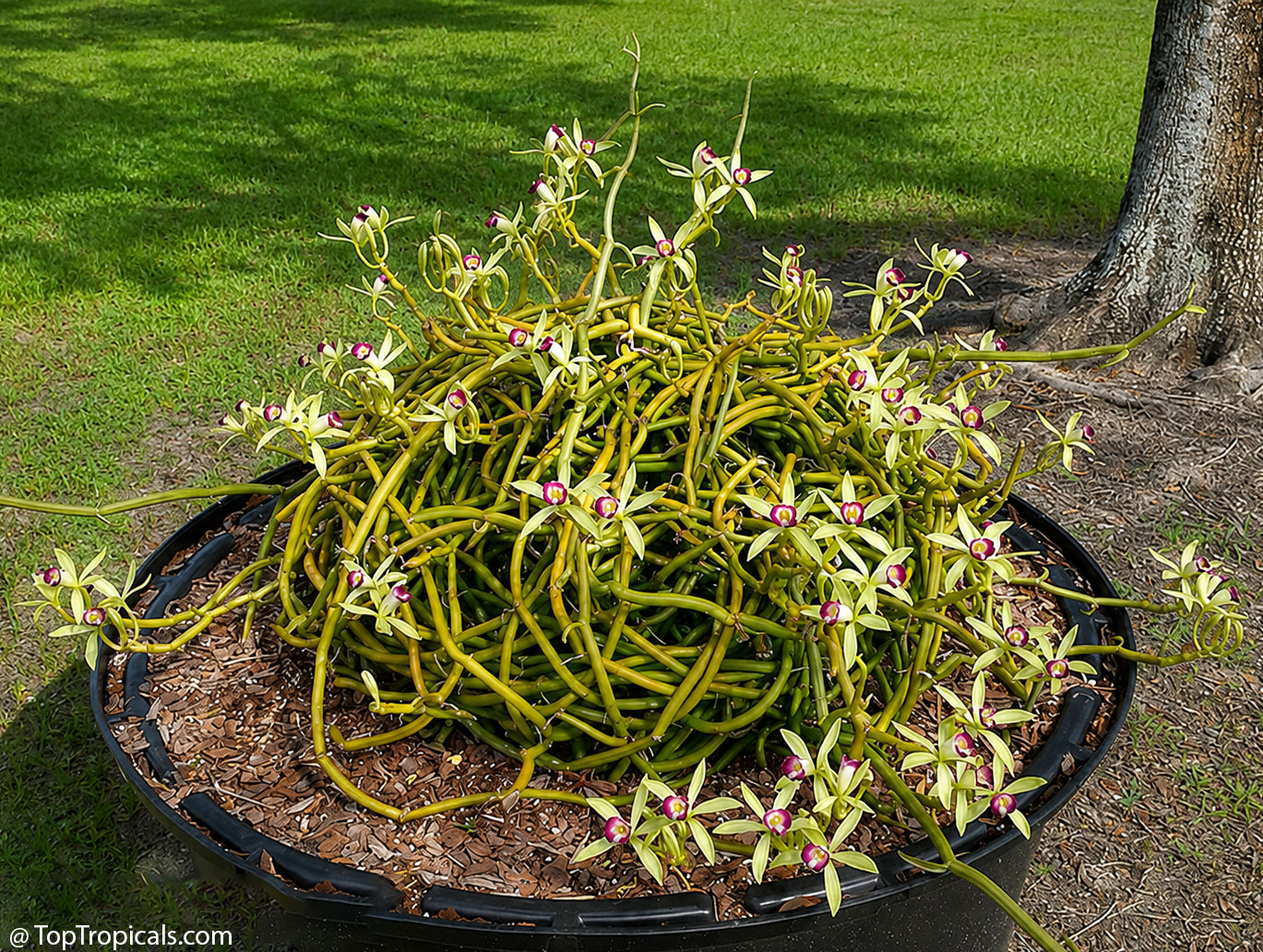
Vanilla dilloniana in full bloom before its next major
upgrade.
Intelligent Design was grown and lovingly tended for years by Robert
Riefer, a grower who is both a good friend of Top Tropicals and one of the
most
dedicated orchid collectors we know. The mother plant of this specimen
traces
its origins back to 1927 - nearly a century of continuous cultivation.
In 2011, the American Orchid Society recognized this remarkable plant with
a Certificate of Horticultural Merit (CHM), one of the society's formal
awards for plants of exceptional quality.
By 2017, the plant had already become well known in the orchid and tropical
plant community, appearing in a video that documented Robert moving it into
a 100-gallon container. That video became something of a legend among
collectors.
🎥 Video: the biggest Vanilla Orchid in the world moving to 100
gal pot
Then the plant kept growing.
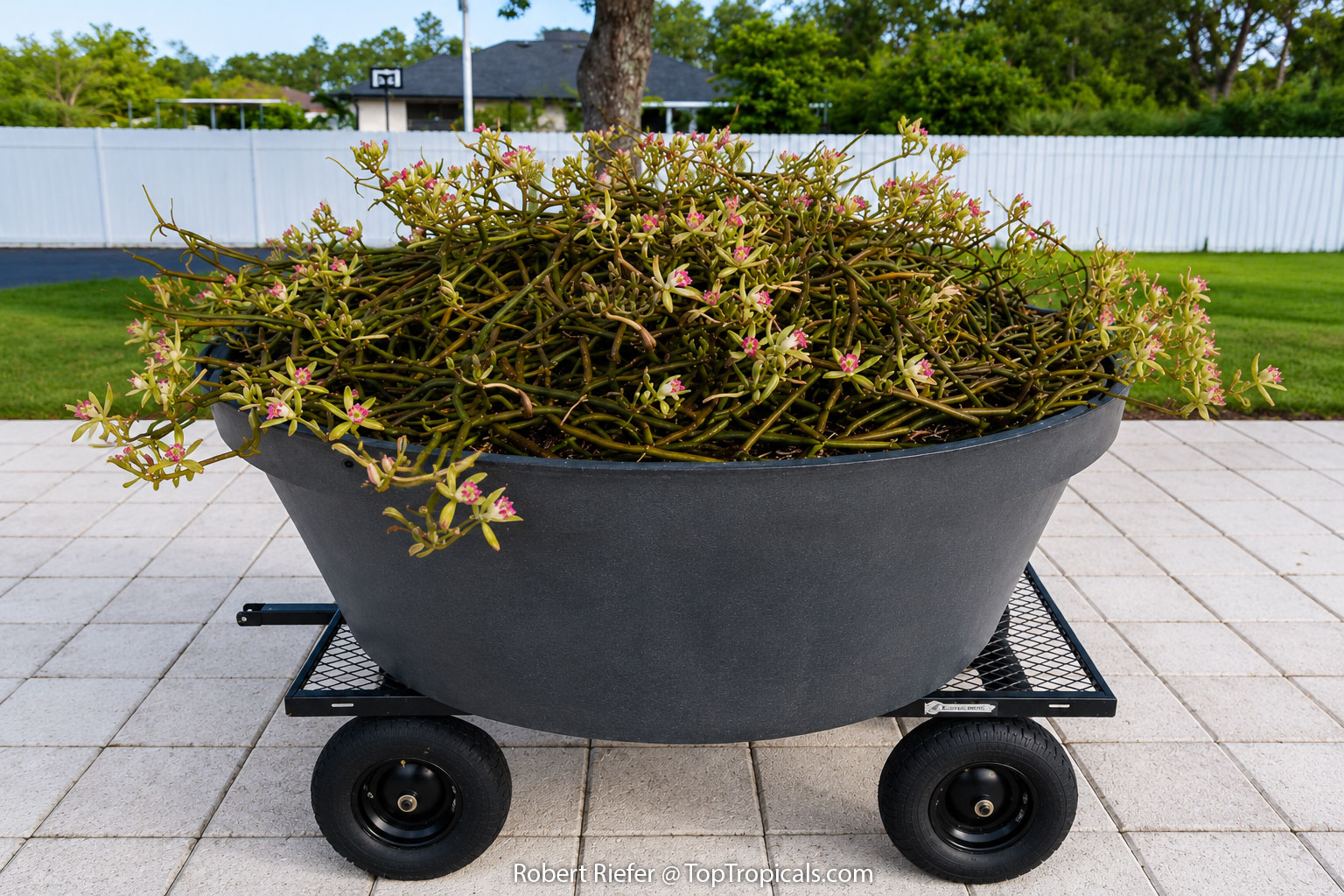
It outgrew the 100-gallon container. Robert eventually moved it into a
250-gallon pool on wheels - because when a plant refuses to stop, you give
it
room.
The move to a custom 250-gallon container allowed continued growth and
flowering.
The plant is currently on display at Edison Ford Winter Estates museum and botanical garden in Ft Myers,
Florida, during the month of June, where recent photographs show it larger
and
more floriferous than ever. It is, as best anyone can determine, the largest
known cultivated specimen of Vanilla dilloniana in the world. If you
are local or visiting Florida, don't miss the chance to see this
world-famous
orchid in person. It is expected to continue blooming through June.
And here's the remarkable part: the Vanilla
dilloniana plants available from Top Tropicals are
propagated directly from this exact plant - Intelligent Design itself.
👉 A Piece of Living History - Direct from the Source
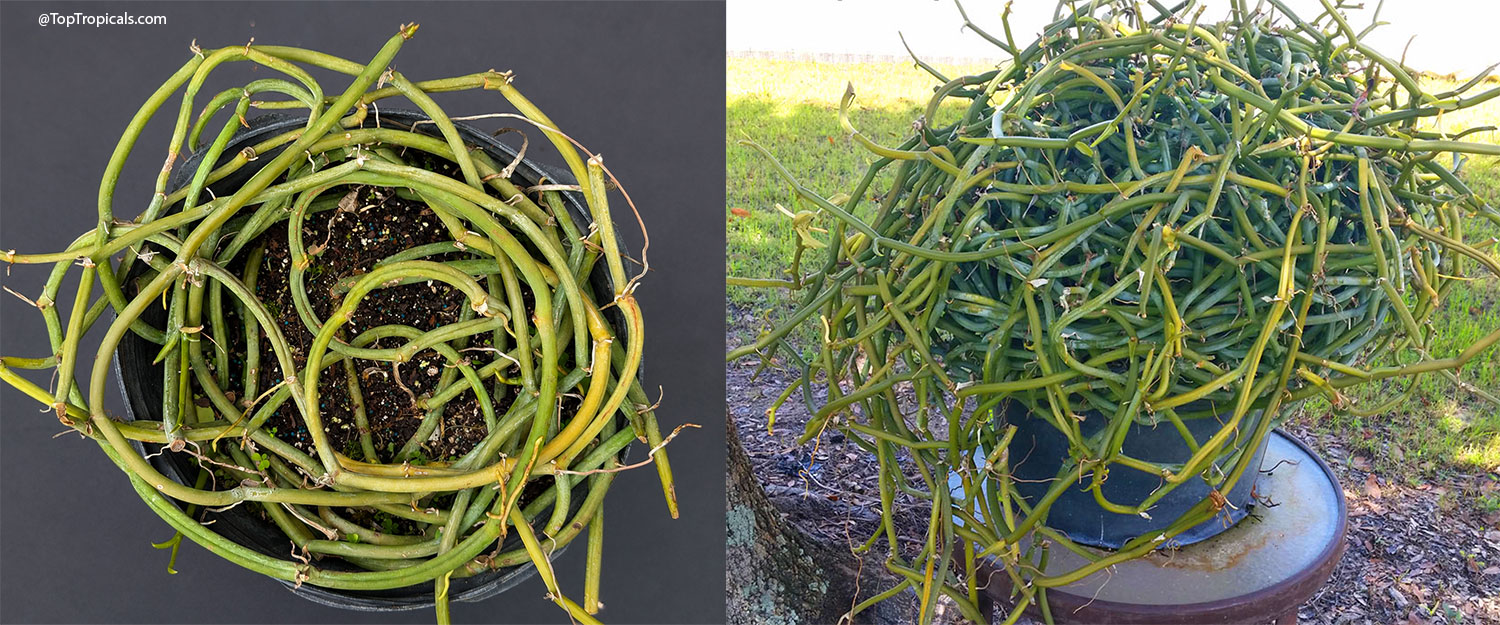
Every legendary Vanilla dilloniana starts somewhere. On the
left are
young Vanilla dilloniana plants. On the right is a more mature specimen in a
7-gallon pot beginning the characteristic wrap-around growth habit that
eventually transforms this unusual orchid into a sprawling, sculptural
giant.
Vanilla dilloniana is a rare species, considered vulnerable to
endangered across parts of its native Caribbean range. Plants with
documented
provenance - especially provenance tied to a named, award-winning,
century-old
specimen - are genuinely uncommon in cultivation.
What you would be growing is a direct descendant of the famous
Intelligent Design mother plant, carrying the same historic lineage
recognized by
the American Orchid Society.
For collectors, opportunities to acquire plants with this kind of
documented history are exceptionally rare.
This is how the legendary Vanilla
dilloniana mother plant, Intelligent Design, started its
world-famous "Godzilla" journey in 50-gallon container. It's in full bloom,
and
its leafless stems form a living sculpture, dotted with dozens of striking
orchid flowers that make this rare vanilla one of the most unusual
cultivated
orchids in the world.
Light:
Bright filtered light is ideal. Morning sun is generally well tolerated.
Avoid intense afternoon sun, especially during summer.
Ideal: Dappled shade, eastern exposure, greenhouse conditions, or
30-50% shade cloth.
Cold Protection:
In USDA Zones below 10, grow in a container and move indoors or to a
protected greenhouse before temperatures drop below 40F.
Humidity:
Prefers moderate to high humidity with good air circulation. Avoid cold,
stagnant, damp conditions.
Watering:
Water thoroughly, then allow the potting mix to partially dry before
watering again. Do not keep constantly wet.
In cool weather and winter, keep the soil on the drier side. Overwatering when temperatures are low is the most common
mistake.
Potting Mix:
Plant in a very fast-draining medium.
Recommended:Top Tropicals Abundance Mix.
The open structure allows excellent root aeration while retaining enough
moisture for healthy growth.
Support & Growth Habit: Unlike most vanilla orchids that
are trained vertically on posts or trellises, Vanilla dilloniana can be
grown
using the "Intelligent Design" method. Start with a sturdy support while the
plant is young, then allow the stems to wrap around themselves in wide
circles. As new growth emerges, continue guiding the vines around the
container.
Over time, the plant forms an impressive sculptural mound of intertwined
stems.
Container Growing:
Excellent for wide containers. The larger the mass of stems becomes, the
more impressive the display and the greater the flowering potential. Unlike
traditional vanilla culture, extensive vertical space is not required.
Repotting:
Move to progressively larger containers as needed. Rather than growing
upward indefinitely, the plant can continue expanding into a larger circular
mass, making it well suited for long-term container culture.
Fertilizing:
Feed lightly but consistently during active growth.
Recommended:Sunshine Booster™ Orchidasm.
Apply according to label directions every 2-4 weeks during warm growing
weather. Reduce feeding during cool periods or when growth slows.
Read our Guide to Sunshine Boosters™
Growth Rate:
Moderate to fast under warm conditions. Established plants can branch
freely and become surprisingly large over time.
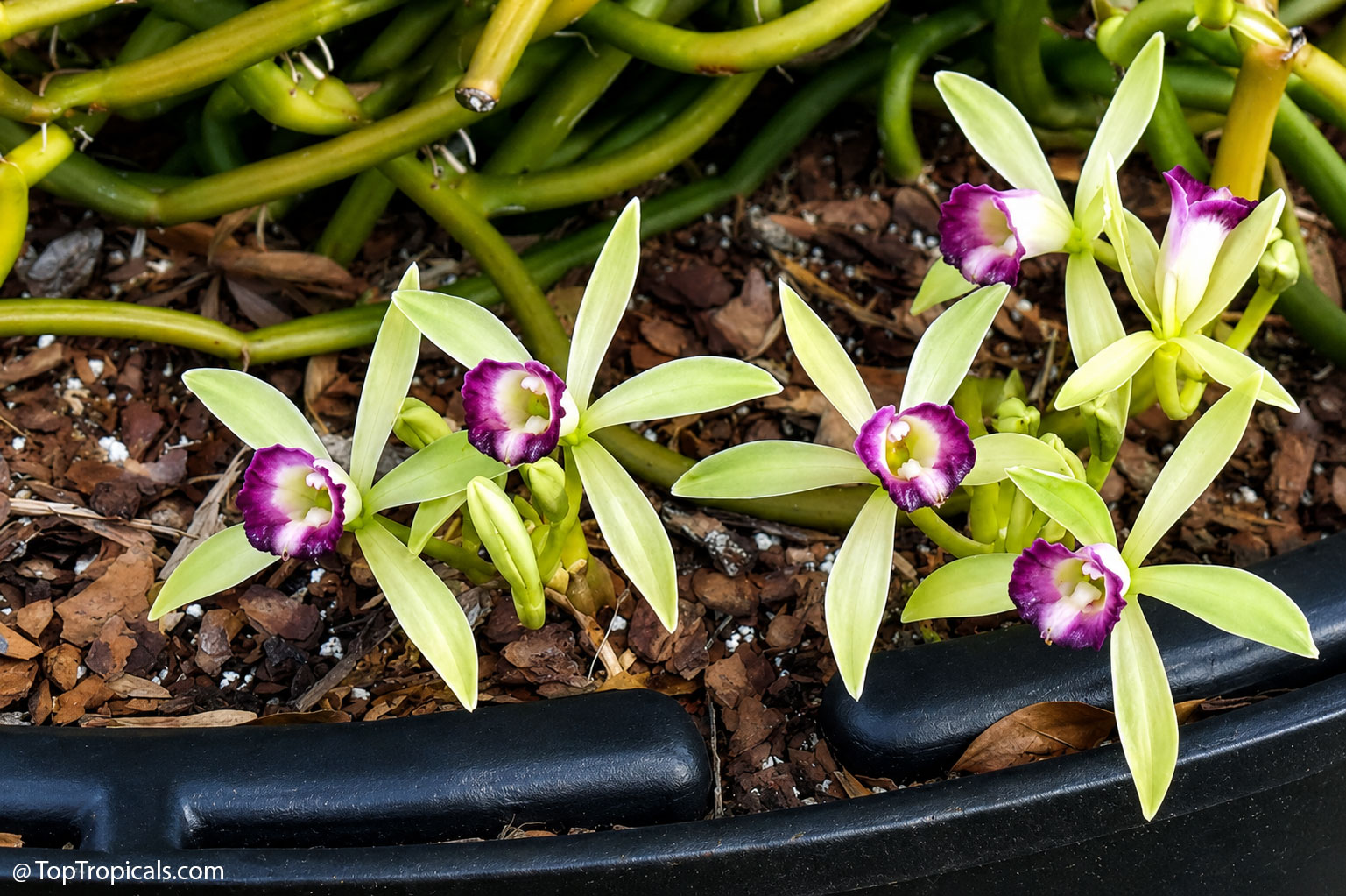
The Flowers:
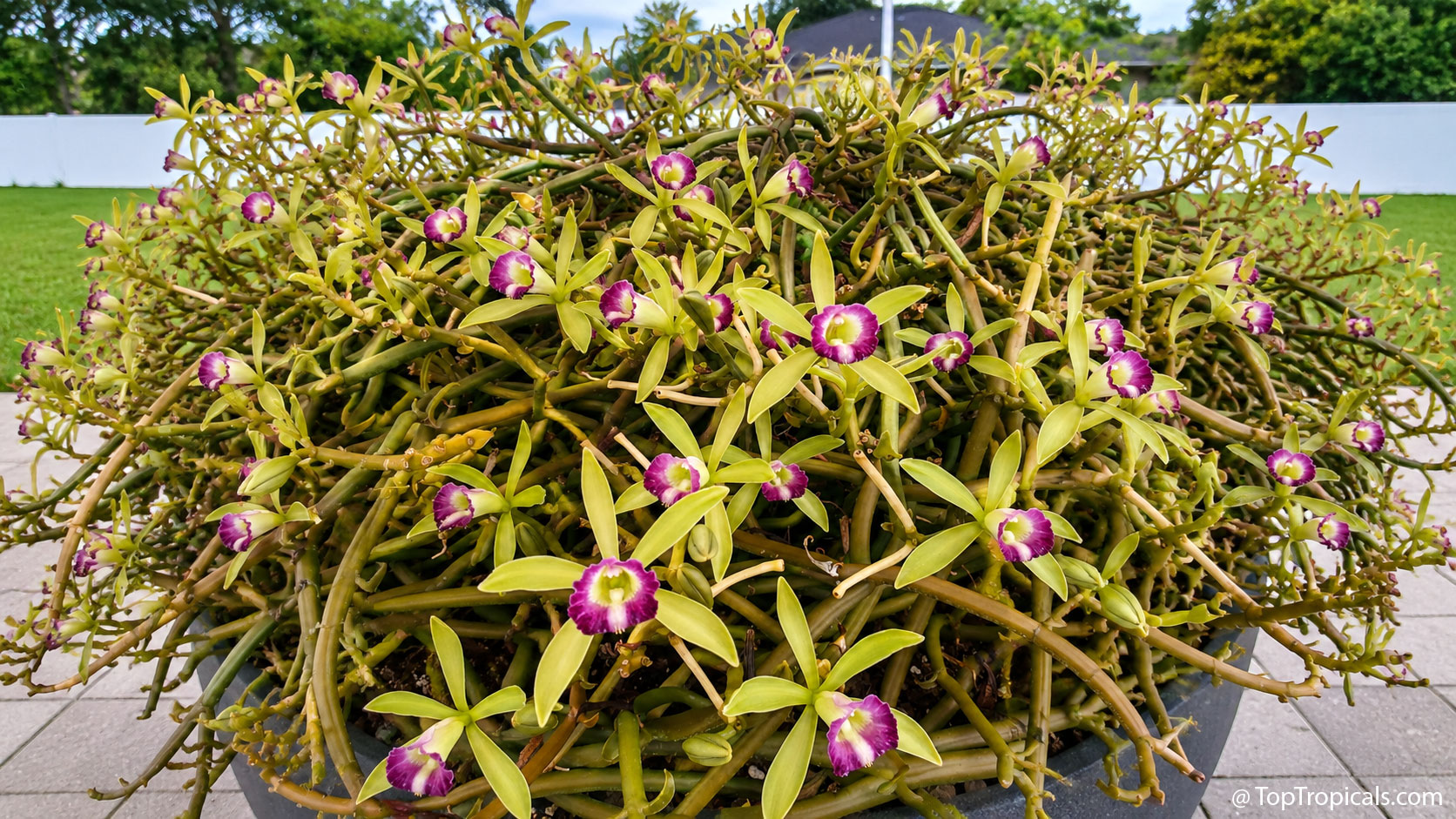
Pale green to yellow-green flowers with a deeply fluted reddish-purple lip
and yellow crest. Mature plants in bloom are highly prized by orchid
collectors.
The making of Intelligent Design. As Vanilla
dilloniana grows, its long leafless stems naturally wrap
around themselves, creating a dense sculptural mass of living vines. Even in
a
7-gallon pot, the plant is already beginning to develop the unusual growth
pattern that would eventually make its famous mother plant one of the
largest
cultivated specimens of its species.
The famous mother plant was named Intelligent Design by its
grower, Robert Riefer. After decades of growth, countless blooms, container
upgrades, and an apparent determination to occupy every available square
foot of
greenhouse space, the name seemed increasingly appropriate.
Unlike commercial vanilla, Vanilla dilloniana is grown primarily as a
collector's orchid. Its leafless, sculptural stems create a living tangle of
green
architecture unlike almost any other cultivated vanilla species.
Ready to grow this remarkable Vanilla dilloniana? Start your own chapter
in the story of Intelligent Design.
The unusual flowers of Vanilla
dilloniana emerge directly from its leafless stems,
creating a stunning contrast of pale green petals and vibrant purple
throats.
Smokey: We cannot guarantee that your plant will
eventually require a 250-gallon pool on wheels. Sunshine: We also cannot rule it out. Smokey: Officially, we cannot confirm that the plant
possesses intelligence. Sunshine: The evidence is mounting. Smokey: What evidence? Sunshine: It convinced humans to build larger containers,
move it into a 250-gallon pool on wheels, transport it to museum
exhibitions,
and place its agents in collections across the country. Smokey: That's called excellent horticulture. Sunshine: That's exactly what the Intelligent Design
plant wants you to think.