Garden Blog - Top Tropicals

Date: 25 Nov 2025

What Avocado is better - Type A or Type B?

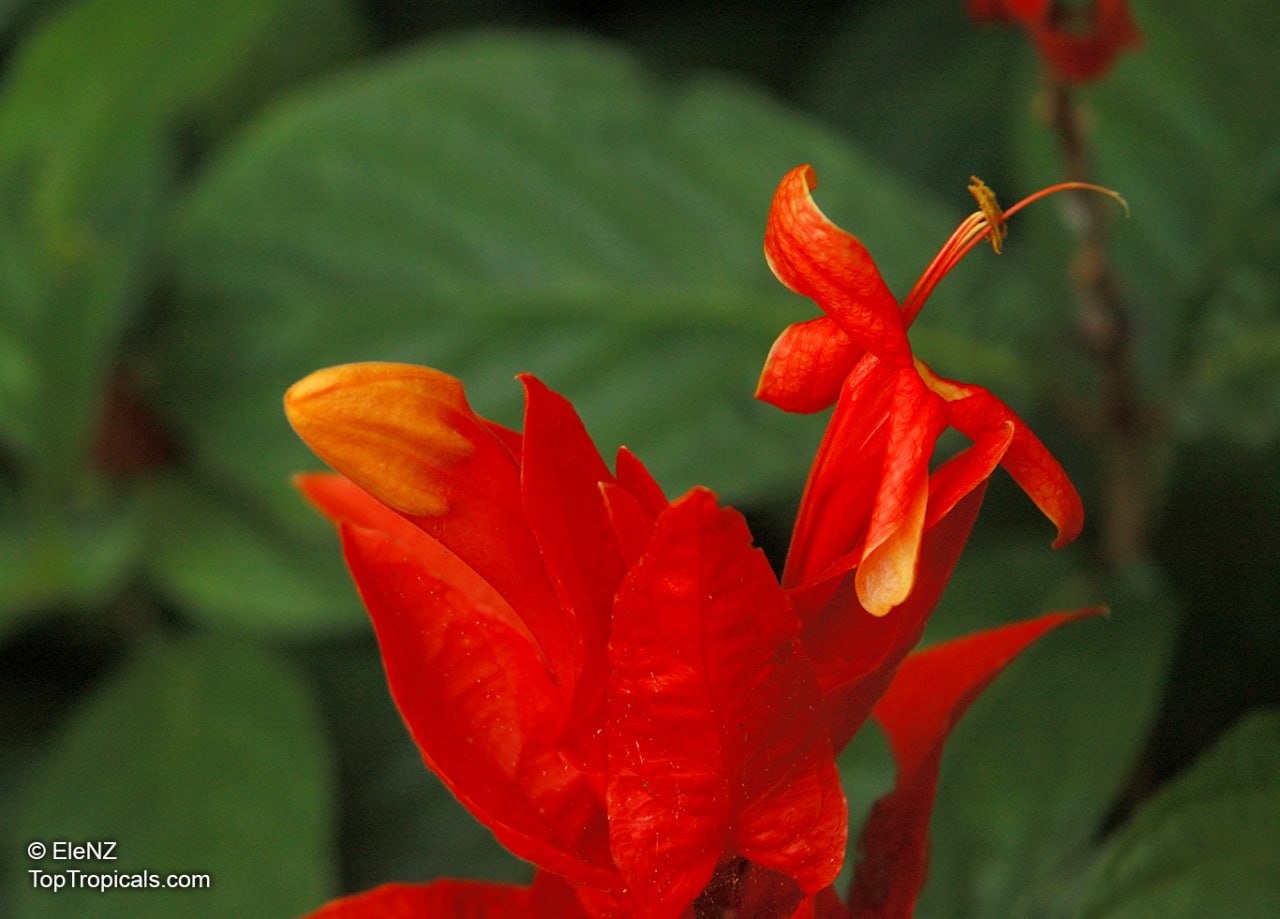
Avocado tree flowers

Avocado tree flowers

What Avocado is better - Type A or Type B?


Avocados are divided into two types based on how their flowers open - Type A and Type B. This has nothing to do with how the fruit looks, only with how the flowers work.

TYPE A:
The flowers open as female in the morning of the first day, then close. On the afternoon of the second day, they reopen as male.

The most popular type A avocado varieties:
Bernecker, Black Prince, Catalina, Choquette, Day, Donnie (Doni), Fantastic, Florida Hass (Haas), Lila (Opal), Loretta, Lula, Mexicola, Mexicola Grande, Red Russell, Reed, Russell, Simmonds, Ulala (Oh La La, Super Hass) , Waldin, Wurtz (Dual Type, A&B).

TYPE B:
The flowers open as female in the afternoon of the first day, then close. The next morning, they reopen as male.

The most popular type B avocado varieties:
Anise, Bacon, Beta, Booth 8, Brazos Belle (Wilma), Brogdon (Brogden), Buck, Ettinger, Fuerte, Hall, Hardee Red, Hialeah Red, Joey, Kampong (Sushi), Marcus Pumpkin, Maria Black, Miguel, Monroe, Nishikawa, Oro Negro, Pollock, Poncho (Pancho), Thomson Red, Tonnage, Winter Mexican, Wurtz (Dual Type, A&B), Yamagata.
  • 🟢 Each tree can make its own fruit (it’s self-fertile), but if you plant both types together, they will help each other make more fruit. The flowers of A and B types open at opposite times, so bees can carry pollen between them more easily. This means better pollination and a bigger harvest.
  • 🟢 For home gardeners, one tree is enough to get fruit, but having both A and B types nearby will give you a larger crop. If you grow avocados in pots, it’s a good idea to have at least one of each type.


✍️ In short:
One tree = some fruit
Two trees (A + B) = lots more fruit!

✔ ️Check out Avocado Variety Guide interactive chart. Sort them by flower type A or B, tree habit, fruit shape and quality, cold hardiness, origin, season and more!

🛒  Explore Avocado varieties

📖 Our Book: Avocado Variety Guide, Snack or Guacamole?


Hard copy
PDF File Download

📚 Learn more:


How Avocado trees flower and set fruit
Avocado Variety Guide
#Avocado #Food_Forest #How_to

Join 👉 TopTropicals

Date: 28 Nov 2025

What is the best Red Dragon fruit and what does it taste like?

Red Dragon Fruit - Halley's Comet

🔴 What is the best Red Dragon fruit and what does it taste like?

  • 🍉 Red dragon fruit might look similar on the outside, but the flavors are all over the place once you start trying different varieties. Halley's Comet is one of the reds that actually tastes rich - sweet, juicy, and full of that deep berry-like flavor people hope for in dragon fruit. It ripens fast, so you have to catch it at the right moment or it turns soft overnight.
  • 🍉 Red-fleshed types are also loaded with antioxidants, which is why the juice stains everything it touches. If you like bold flavor, check out other good reds below. These are some of the top varieties growers recommend for sweeter, stronger taste:

  • 🔴🔴 Red skin, red flesh(Hylocereus costaricensis) - Sweeter, juicier, and more intense in flavor. The deep red juice can stain, but it’s loaded with antioxidants.
  • Varieties: American Beauty, Bloody Mary, Eureka Red, Costa Rican Sunset, Mac Edwin, Halley's Comet, Makisupa, Mega Red, Physical Graffiti, Sweet Red
  • 🔴🟣 Red flesh, purple/magenta flesh(Hylocereus x costaricensis) - Hybrids, usually between red and white varieties.
Varieties: Cosmic Charlie, Edgar's Baby, Natural Mystic, Physical Graffiti, Purple Haze, Tricia, Voodoo Child, Zamorano

🛒 Bring a red dragon to your garden


📚 Learn more:

Plant Facts

Hylocereus sp.
Pitaya, Pitahaya, Dragon Fruit, Strawberry Pear
USDA Zone: 9-11
Large shrub 5-10 ft tallVine or creeper plantSemi-shadeFull sunModerate waterWhite, off-white flowersThorny or spinyEdible plantSubtropical plant. Mature plant cold hardy at least to 30s F for a short timeSeaside, salt tolerant plant
  • · More about Dragon fruit plant from Plant Encyclopedia
  • · When do I get the fruit from my Dragon Fruit?
  • · Pitaya vs Dragon fruit - what is the difference and how to grow it. Varieties.
  • · Do red, white and yellow Dragon fruit taste differently?
    📱 How to grow Dragon Fruit
    📱

    #Food_Forest #How_to #Dragon_Fruit

    🟢 Join 👉 TopTropicals
  • Date: 27 Nov 2025

    Happy Thanksgiving from all of us at Top Tropicals!

    Smokey  the  tuxedo  cat  holding  a  Thanksgiving  sign  while  Sunshine  the 
 ginger  tabby  smiles  beside  him  on  a  potting  table.

    Smokey: "We made a list of everything we are thankful for this year."
    Sunshine: "I helped. Mostly by napping next to it."
    Smokey: "And that is exactly why sunshine naps are on the list."

    Smokey and Sunshine wanted to share a short Gardener Thanksgiving Message about what they are thankful for this year:

    "We are thankful for warm laps during cold mornings.
    Thankful for every gardener who stopped to scratch our heads between loading carts.
    Thankful for the smell of fresh soil, new plants, and boxes that make perfect cat forts.
    Thankful for mango season (even though humans never let us eat the fruit).
    Thankful for sunshine naps on potting tables and shade naps under benches.
    Thankful for all the tiny moments when gardens and people slow down together.
    And thankful that we get to share this tropical adventure with you."

    From the whole Top Tropicals Team and PeopleCats, we wish you a warm, peaceful, plant-filled Thanksgiving 🙏 ♥️

    🛒 Shop Tropical plants

    Date: 6 Dec 2025

    See how Golden Rain turns pink overnight!

    Golden Rain tree, Koelreuteria paniculata

    🌸 See how Golden Rain turns pink overnight!

    • 🌸 Golden Rain tree, Koelreuteria paniculata, is one of those plants you can drive past a hundred times without realizing you’re looking at a seasonal firework show. In early summer it loads itself with long, bright yellow flower clusters that drip from every branch. Then, just when you think the show is over, the tree shifts into its second act: paper-thin pink seed lanterns that cover the canopy through fall.
    • 🌸 It’s surprisingly tough for such a delicate-looking tree. Cold hardy, drought tolerant, and fast growing, it fits easily into Florida and other warm climates where people want a shade tree that also puts on a real spectacle. The foliage stays elegant and airy, and the lantern pods look good long after the flowers fade.
    • 🌸 If you’re into trees that change looks through the seasons and don’t need pampering, Golden Rain tree is one of the most rewarding additions you can plant.


    🛒 Plant impressive Golden Rain tree - hardy and beautiful

    📚 Learn more:

    Plant Facts

    Koelreuteria paniculata
    Golden Rain Tree, Varnish tree, Chinese Flame
    USDA Zone: 9-11
    Small tree 10-20 ftSemi-shadeFull sunModerate waterYellow, orange flowersPlant attracts butterflies, hummingbirdsEthnomedical plant.
Plants marked as ethnomedical and/or described as medicinal, are not offered as medicine but rather as ornamentals or plant collectibles.
Ethnomedical statements / products have not been evaluated by the FDA and are not intended to diagnose, treat, cure, or prevent any disease. We urge all customers to consult a physician before using any supplements, herbals or medicines advertised here or elsewhere.Subtropical plant. Mature plant cold hardy at least to 30s F for a short timeSeaside, salt tolerant plant
  • More about Golden Rain tree - Koelreuteria paniculata - from Plant Encyclopedia
  • Time to plant the Golden Rain Tree
  • #Trees

    🟢 Join 👉 TopTropicals

    Date: 6 Dec 2025

    🌿 Bring the Jungle Inside: Winter Survival Guide Part 1: Lighting ❄️

    Smokey  the  taxedo  cat  adjusts  an  indoor  grow  light  while  Sunshine  the 
 ginger  tabby  sits  holding  a  hygrometer  he  does  not 
 understand.

    Smokey: "Winter lighting must be precise. I need this light exactly at 14 inches."
    Sunshine: "Sure. I am holding this… little number thing."
    Smokey: "It reads humidity. Your main job is to look cute."

    🌞 LIGHT, TEMPERATURE, PLACEMENT

    Winter indoors is a different kind of battlefield. Dark rooms. Dry air. Cold windows. Random drafts. Weak light. Sad plants. We've been talking about keeping your tropicals alive outdoors previously. But some of you have no choice this time of year. You have to bring the jungle inside.

    If that is you, then this is your plant survival guide.

    Indoor  wall  of  tropical  houseplants,  including  cascading  vines,  variegated  foliage,  and  mixed  aroids  arranged  on  shelves.

    ☀️ LIGHT: THE WINTER LIFELINE

    Light advice here comes straight from our in-house expert, Michael Dubinovsky, a high-tech lighting engineer with over 30 years of hands-on experience. If he says brightness beats hours, trust him.

    Here is the truth: Indoor light in winter is 10 to 50 times weaker than outdoors. Short days. Low-angle sun. Windows filtering half the useful light. It all adds up.

    Tropicals need 10 to 12 hours of real brightness. Winter sun cannot do that on its own. Not even in a big window. So we help them.

    Use bright LED shop lights or utility lights. 5000K to 6500K CCT. High lumen output. Skip decorative bulbs. Skip purple grow fancy toy lights. If you want a single plant light, even a clamp lamp is fine if you screw in a bright daylight LED bulb.

    Panels work best for plant clusters. Bars for shelves. Bulbs for single plants. And grouping plants under one bright panel always beats spreading them out.

    Distance matters: keep LEDs about 12 to 18 inches above the leaves. Too close: leaf burn. Too far: stretching, weak stems.

    Leaves reaching up? Light is too high or too weak. Leaves curling down? Light is too close.

    If you want a reality check, download any smartphone lux meter app. Most indoor corners are 50 to 200 lux without supplemental light. Tropicals want much more

    And a quick tip about windows: winter sun comes in sideways. A spot that looks bright at noon can go dull by 2 PM. Don't count of window light

    Indoor  grow  setup  with  bright  LED  lights  illuminating  shelves  of  tropical  plants.

    Bright light or long hours

    People try to fix weak light by running it for 16 or 18 hours. That does not work. Plants care more about light intensity. A few hours of strong light beats all-day dim light. If the light is weak, adding more hours will not change anything except your electric bill.

    Simple rule: Short duration but bright is always better than long duration but weak. - by Michael, Top Tropicals lighting expert

    No need for fancy horticultural panels

    You do not need purple grow lights. You do not need special horticultural fixtures. You do not need expensive panels unless you want real winter growth.

    For winter plant holding till spring, the inexpensive solution works great:

    • Bright LED daylight bulbs (5000K to 6500K) from hardware store
    • High lumen output
    • Inexpensive clamp lamps
    • Aim directly at the plant from 12 to 18 inches

    This setup keeps tropicals happy until spring without buying anything fancy. Save the money for soil, pots, or your next plant.

    Indoor plant lighting safety note:

    • Use timers. Keep cords dry. Do not overload outlets.
    • Do not hang lights over humidifiers.
    • And do not put fixtures on piles of books to raise them. People do this.

    Indoor  plants


    ✔️ WINTER INDOOR FAQ: TEMPERATURE AND PLACEMENT

    Q: I am in Home Depot. Which light do I buy?
    A: LED shop light, daylight color (5000K to 6500K), high lumens. Skip fancy plant bulbs.

    Q: Can I use clamp lamps or floor lamps for plants?
    A: Yes. Clamp lamps with a bright daylight LED bulb work great for winter holding.

    Q: Do I need special horticultural grow lights?
    A: No. A bright LED daylight bulb works fine for winter. Save the fancy lights for real growth projects.

    Q: How far should the light be from the plant?
    A: About 12 to 18 inches above the leaves. Too close burns. Too far stretches.

    Q: Can I run weak lights for 18 hours to compensate?
    A: No. Weak light plus long hours still equals a weak plant. Brightness matters more than hours.

    Q: How do I know if a spot is bright enough?
    A: Use a free phone lux app. Most indoor corners are much too dim for tropicals.

    Q: I have a huge window. Why do I still need LEDs?
    A: Indoor winter light is weak, short, and filtered by glass. Plants want intensity, not just a big window.

    Q: My window faces north. Now what?
    A: North windows are decorative only. Use supplemental lighting or move the plant.

    📚 Learn more: