Garden Blog - Top Tropicals

Date: 17 Oct 2018

October Tropical Garden: to do list

TopTropicals.com

1. Prune. Last pruning before winter. Check the trees and shrubs one more time. Cut away dead wood and remove crossing limbs and branches.

2. Mulch. Continue to mulch to stop weeds and get ready for winter. Keep mulch 1-2 inches away from the stems. Evenings are starting to cool, so it is more comfortable working in the garden.

3. Pest control. Check for mealy bugs and scales. Remember that a garden with many kinds of plants has fewer pests than gardens with lots of mass plantings. So keep up with variety! Avoid pest magnets like Oleander, Oak, Hibiscus which require constant spraying.

4. Propagation. You still can take cuttings but do it as soon as possible. Days are getting shorter and less sunlight signals thу plants to slow down their growth. Cuttings will not root as quickly.

5. Seeds. Consider growing vegetables and perennials from seeds. In mild cooler conditions, seedlings have less stress and get a good start.

Date: 13 Sep 2018

Season Colors from Kristi, TopTropicals Flower Queen

TopTropicals.com

Q: I live in New Jersey and I have a collection of potted tropical plants in my sun room. Our Fall season comes in bright colors, do you have something with colorful foliage for Fall?

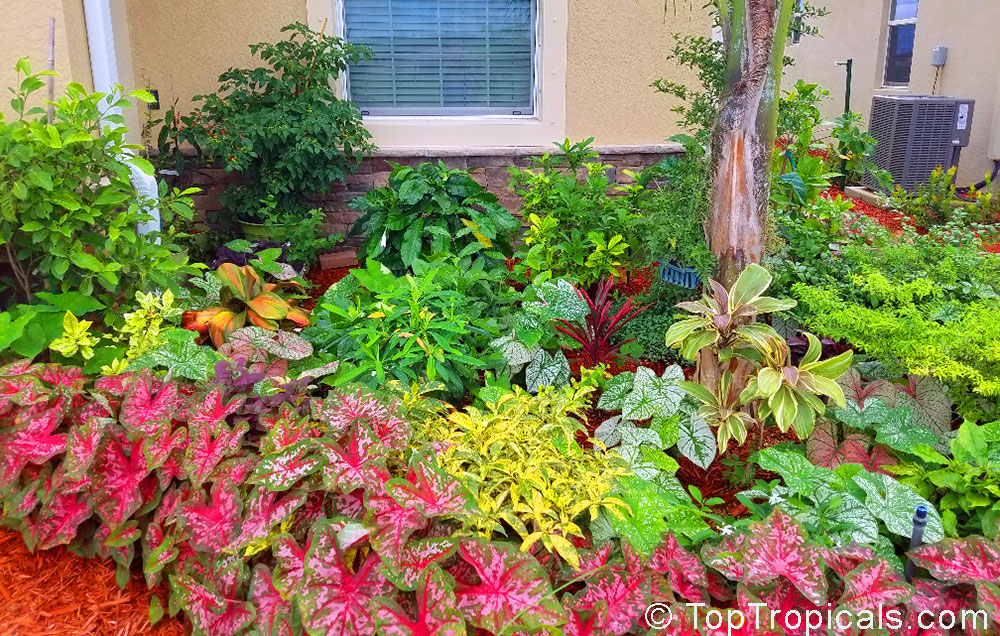
A: For our northern customers it's almost time for the changing of the seasons. It is a very exciting and enjoyable time. The onset of fall means, less humidity, cooler nights and the Fall foliage. Here in Florida we do not get the chance to see the changing of the leaves, except maybe a few like Florida Maple Tree. So we use plants that mimic the season change, for all year round color! These are a few examples of the plants with colorful leaves that you may use for your Fall colors, plus remember - there is always a big list of Fall and Winter Flowering Tropicals!

Colorful tropical plants for Fall

Hibiscus tiliaceus - Variegated Mahoe
Acalypha wilkesiana - Chicago Brick Copper Leaf - see all acalyphas
Mussaenda philippica x flava - Calcutta Sunset Marmelade
Pseuderanthemum atropurpureum Purple Haze
Acer rubrum - Red Maple
Adenium Nil with red veined leaves
Cerbera x manghas hybrid - Enchanted Incense
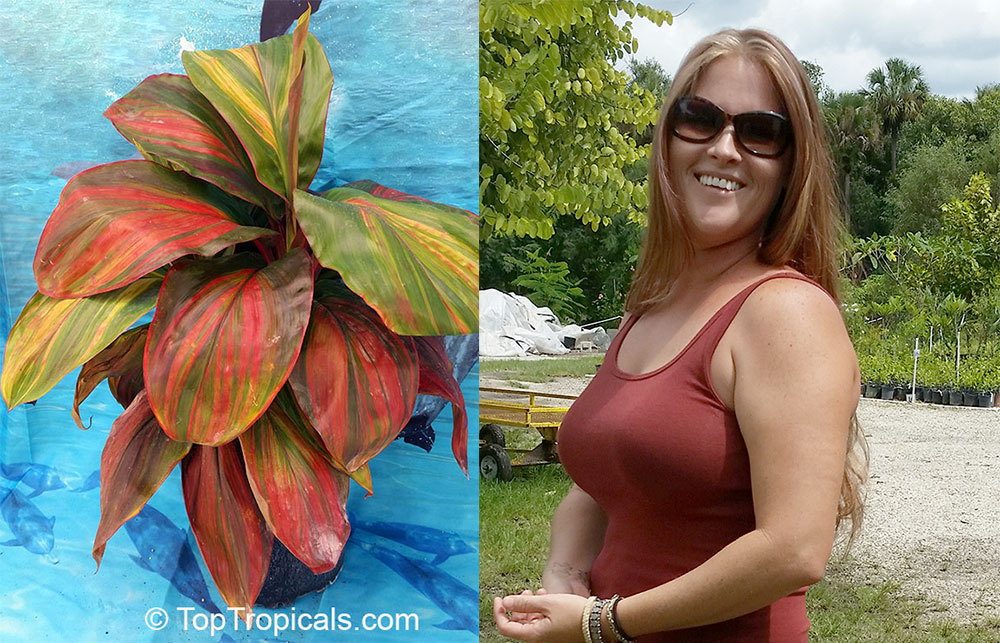
Cordyline fruticosa Willies Gold - see all codyline
Graptophyllum pictum Chocolate Queen

See Fall and Winter Flowering Tropicals.

Date: 24 Jun 2018

Tip of the Month: dealing with heat waves

Q: I live in California and this summer has been super hot, with temperature above 100 degrees. This heat wave is killing my plants! Please help!

A: If you live in Southwest, then you are familiar with heat waves, when temperature raises above 110F and up to 120F, while humidity is below 10%. Scorching heat can damage and kill unprotected young plants. Especially if they're recently planted.

Most tropical plants came from humid tropics and they don't easily tolerate high temperatures and low humidity. You can tell such plants immediately. Desert plants have small, waxy succulent leaves, which are capable to reduce evaporation. (See list of plants tolerant to hot and dry conditions). Tropical plants have large soft leaves and need high humidity.

These steps will help to protect them... Continue reading...

Date: 24 Jun 2018

TopTropicals

Avocado, Lychee and Mango setting fruit... give them some FOOD!

Q: Do I need to fertilize tropical fruit when they set fruit?

A: It is traditionally believed that mango and other tropical fruit shouldn't be fertilized during fruiting period. It is true to an extent: you don't want fruit to burst from fast excessive growing. Instead, try to feed fruit trees wisely, because they still need proper nutrition to produce flowers and fruit.
Our spring specials of Lychee, Avocado and Mango are full of buds and some already set tiny fruit (see examples on the photo). Here is the feeding plan for these plants once you receive your mail order:
1) Once received the plant, pot it into container size of the root ball and let establish for couple weeks. Use SUNSHINE-E to help the plant recover from shipping stress and establish root system.
2) Apply SUNSHINE-Honey right before flowering, and next time at setting fruit, to provide sweeter and bigger fruit, eliminate fruit cracks and help resist fungus and other fruit diseases.
3) Use balanced granulated fertilizer, 1 tsp per each gallon of soil. Apply once a month during Spring-Summer season. This gives the plant balanced macro-elements (NPK) necessary for overall plant health. Do not use on fruit trees fertilizers with high Nitrogen content.
4) Apply SUNSHINE SuperFood micro-element booster to keep fruit trees vigorous, develop strong root system and avoid deficiencies.
5) In case of signs of chlorosis (yellowing leaves with darker veins), give the tree SUNSHINE-GreenLeaf and watch the leaves turning green quickly.
After harvesting, don't forget to make another treatment of SUNSHINE-Honey as a preparation for the next year flowering and fruiting season.

Date: 12 Dec 2021

Golden Sugar Apple and Jackedak Cheena
50% OFF and MORE!

We've combined the exotic fruit of this rare Annona from Costa Rica - Golden Sugar Apple with the sweet, crunchy and excellent flavor of the Jackedak Cheena. Both rare and unique plants can be yours at considerable savings, but don't delay as there are limited quantities in stock.

Rare Fruit Collection:
two Jackfruit-textured rare fruit!
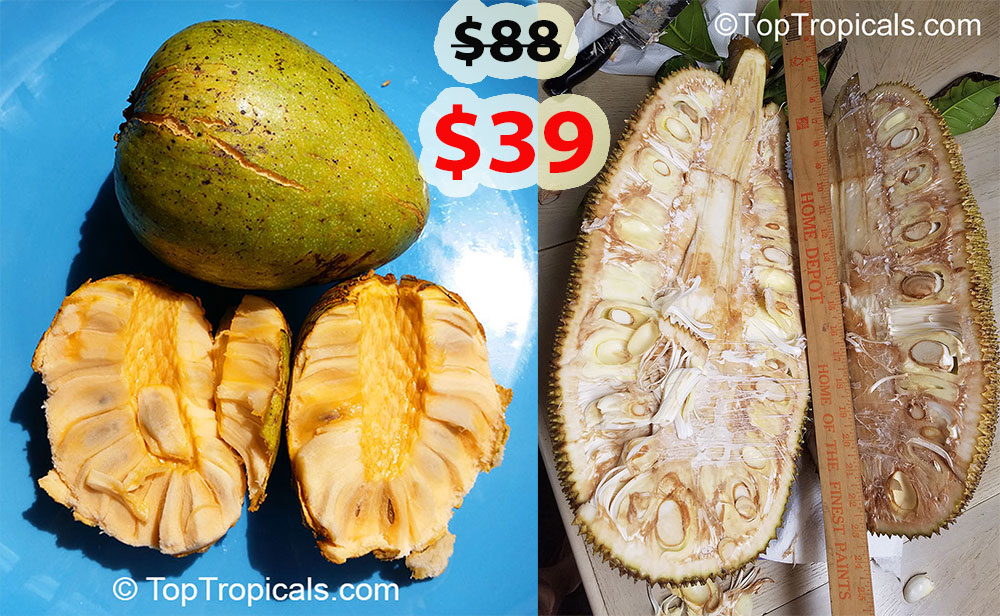
For this Easy Sunday we have priced these at incredible savings:
The Golden Sugar Apple regularly $39, is on Easy Sunday sale for only $19
The Jackedak Cheena, regularly $49, is on Easy Sunday Sale for only $24 .
Combine the two for your own Rare Fruit Collection and save even more, only $39 for the set!

Jackedak Cheena
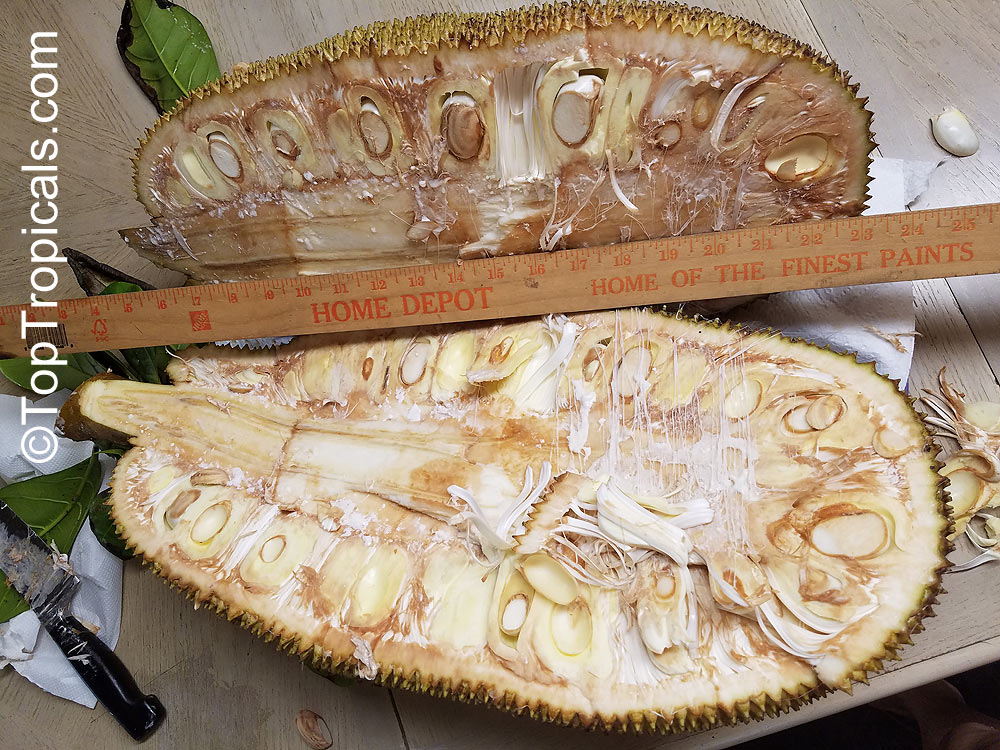
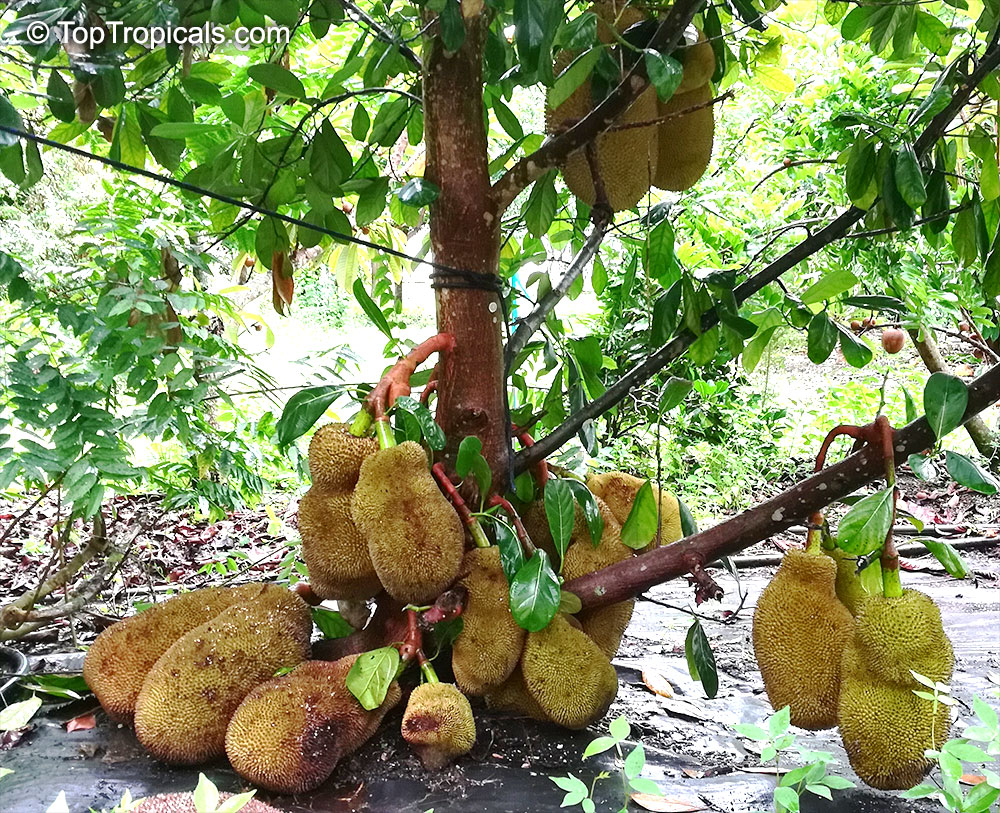
Artocarpus x integer (Jackfruit x Chempedak) - Jackedak Cheena has been grown in TopTropicals garden from a seedling and fruited within 3 years from planting. The fruit is the best we ever tasted! It is super sweet, crunchy, with a rich, excellent flavor, with very little latex which makes it easy to handle when cutting up. Our tree survived light frosts as well as 48 hours of 3 ft flooding, with no damage! Cheena is a natural hybrid between Jackfruit and Chempedak with low and spreading growth habit, can be maintained at 8 ft with annual pruning.

Picture of 3 y.o. Cheena at Top Tropicals garden, loaded with fruit:
Golden Sugar Apple
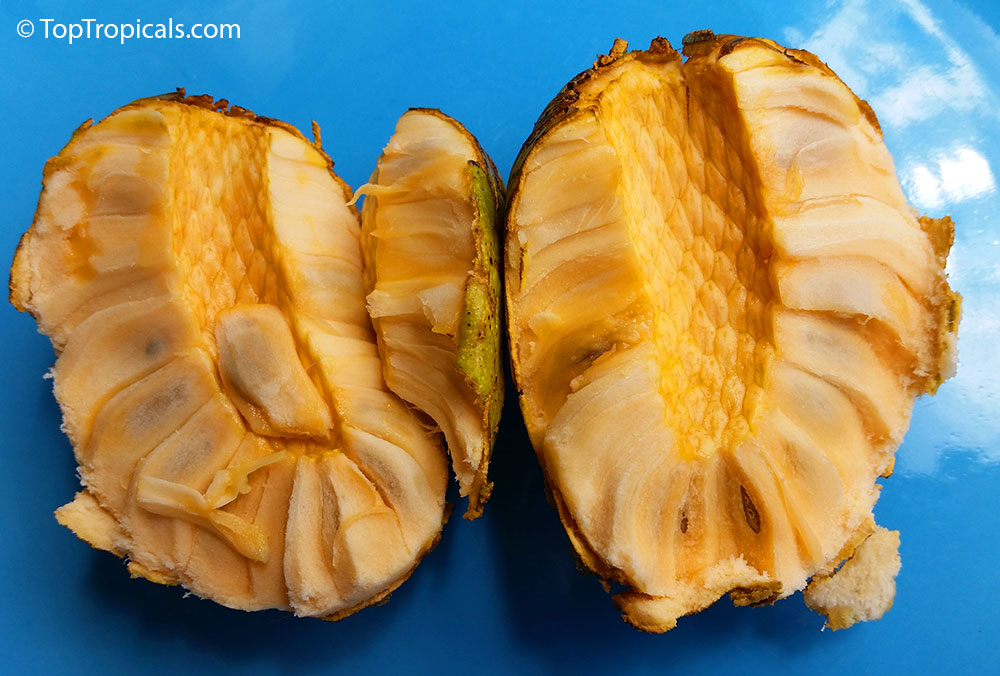
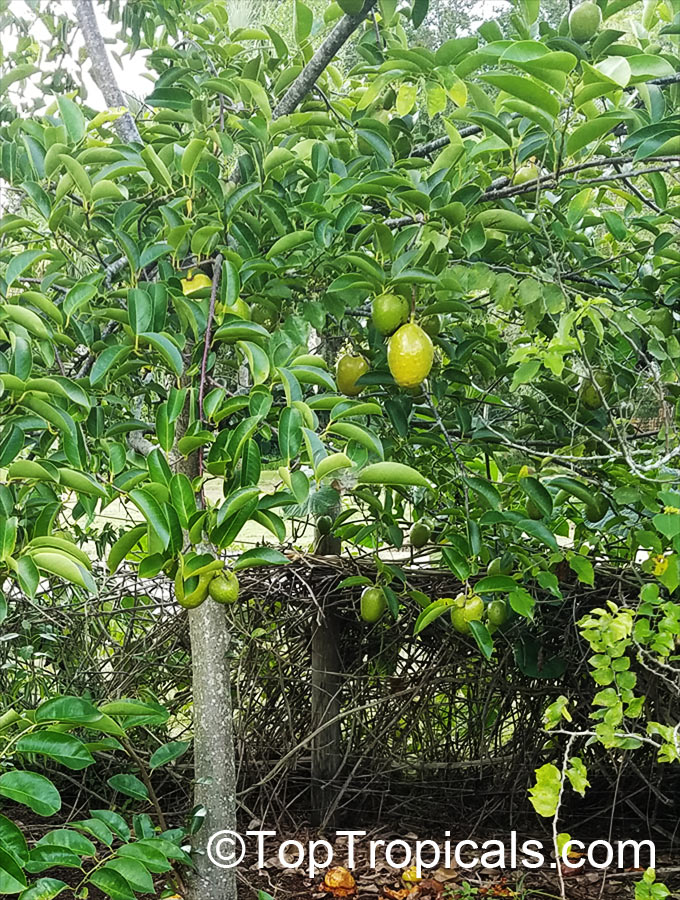
The Golden Sugar Apple or Pineapple Annona originally was brought to us by our customer from Costa Rica. We believe it to be a natural hybrid between A. muricata and A. glabra. It is a very ornamental small tree similar in growth habit to A. muricata, A. montana or Rollinia. Fast growing, forms nice bushy specimen. Fruit is very large, up to 1 lb, golden to orange when ripe, with strong Pineapple scent, and resembling Jackfruit in texture, with pineapple, papaya, apricot and melon overtones. The tree tolerates flooding and is cold hardy at least to upper 20's. Very interesting for rare fruit collectors as much more hardy and water tolerant alternative to its sensitive relatives Soursop and Rollinia.

Picture of 3 y.o. tree full of fruit:
Remember, the Easy Sunday special has been extended through Wednesday, December 15th. Limited availability, hurry up! All orders over $75 (excluding S&H) are eligible for 20% off!

For 20% off - use code YEAREND20

Min. order $75 (excluding S&H). Good through December 15th

Enjoy your Holiday Tropical Fruit!
Photo above: Jim is Holiday decorating with super-sweet tropical fruit balls - Pom-Poms!