Garden Blog - Top Tropicals

Date: 27 May 2024

Why sunflowers are growing on a tree?
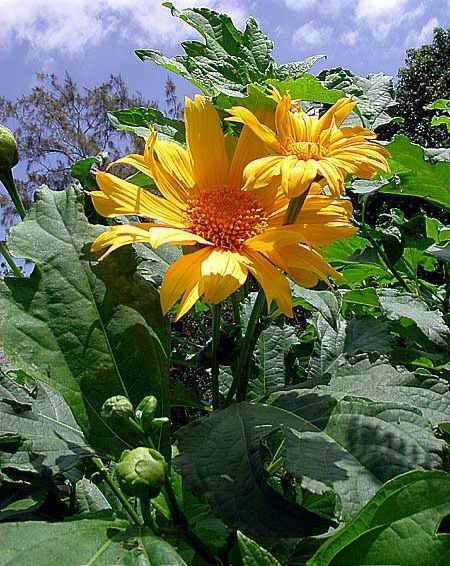
Tree Marigold (Tithonia diversifolia)
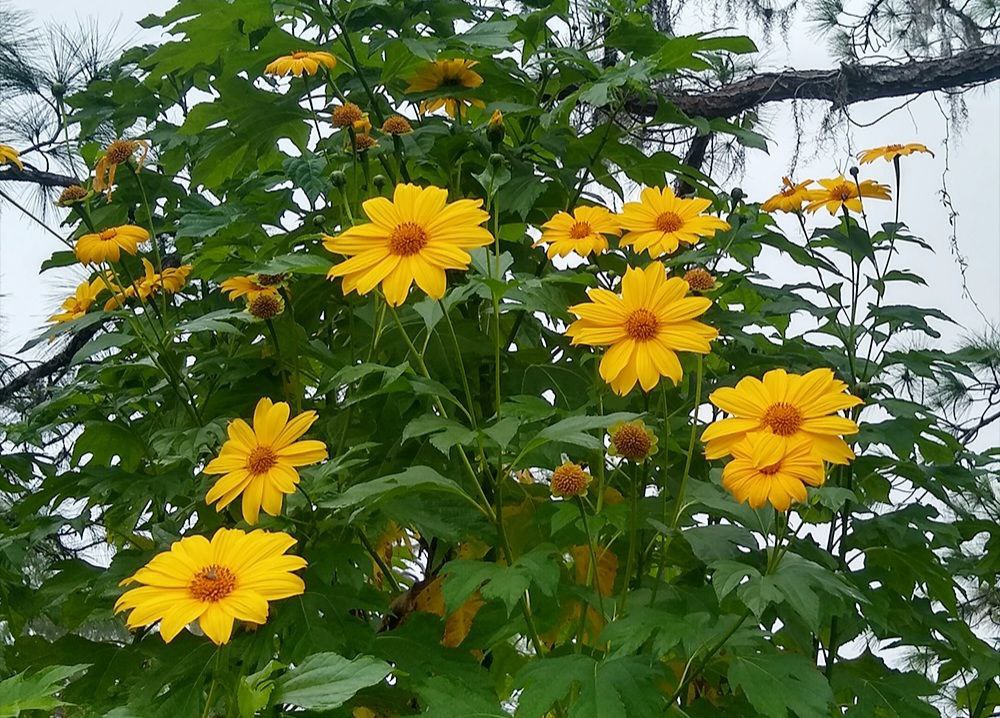
Tree Marigold (Tithonia diversifolia)

Tree Marigold (Tithonia diversifolia)

Tree Marigold (Tithonia diversifolia)

Tree Marigold (Tithonia diversifolia)

Tree Marigold (Tithonia diversifolia)

Tree Marigold (Tithonia diversifolia)

🌼 Why sunflowers are growing on a tree?
  • 🌻 Sunflower tree or Tree Marigold (Tithonia diversifolia) that we mentioned earlier, is a perfect choice when you need a fast-growing shrub to hide unwanted view in just a few months.
  • 🌻 Beautiful sunflowers look really happy! The flowers that are about 3 inches wide.
  • 🌻 When it's fully grown, Sunflower Tree is about 10 feet tall and 10 feet wide, like a big, cozy blanket.
  • 🌻 Tolerates both cold and heat.
  • 🌻 Attracts lots of butterflies and bees 🐝
  • 🌻 If the winter was too cold, it still bounces back every spring, even stronger than before, like a champion.
  • 🌻 Sunflower Tree is a tough, colorful dense plant that grows fast and makes your yard look awesome.


🛒 Get Sunflower Tree for your Happy Garden

#Hedges_with_benefits #Butterfly_Plants

🏵 TopTropicals
Date: 5 Jan 2025

Condo (Dwarf) Mango Practical Guide:
What varieties are good for container culture
or small yards

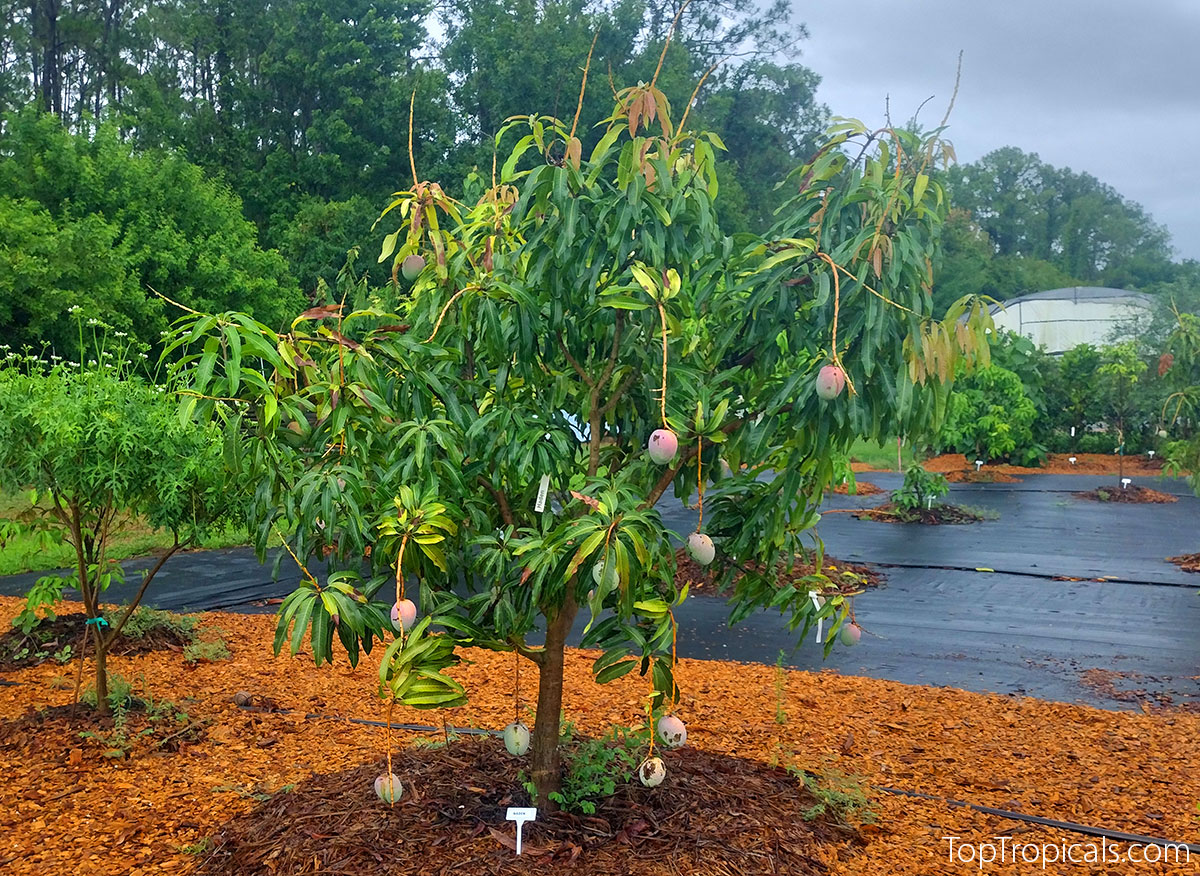
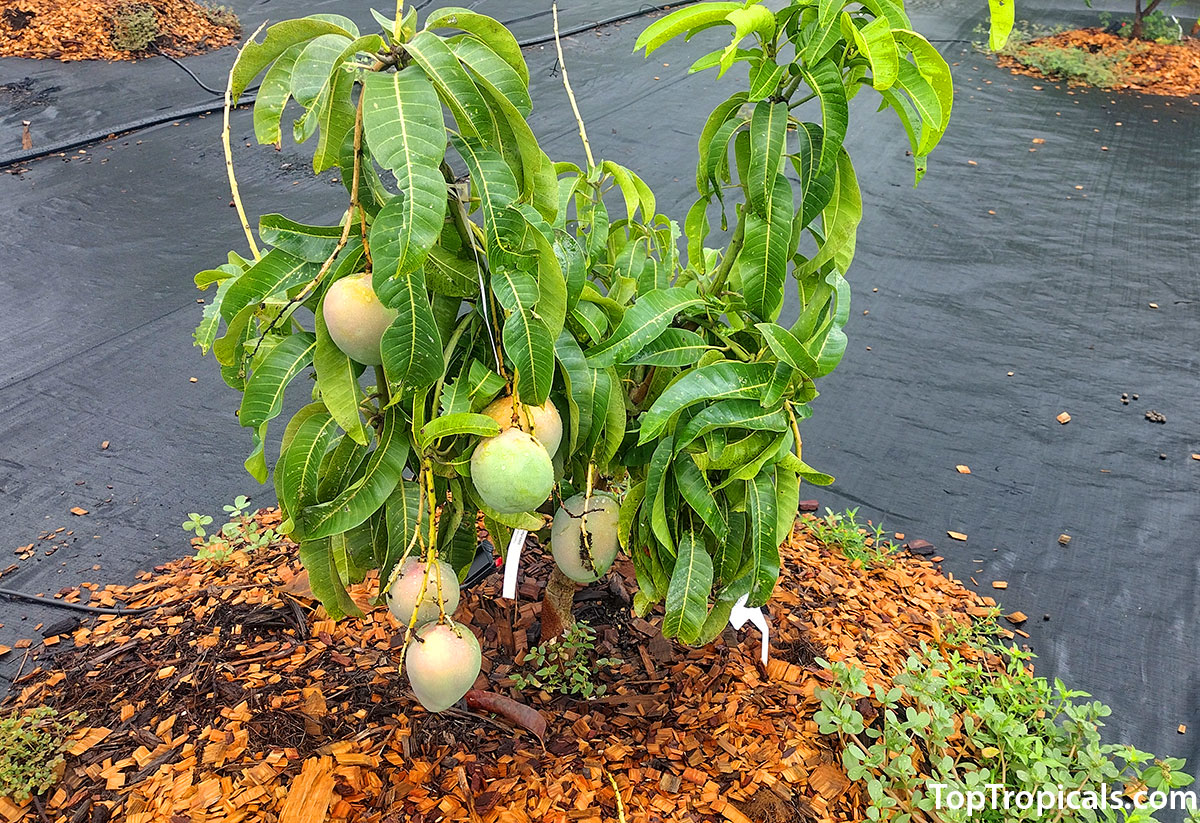
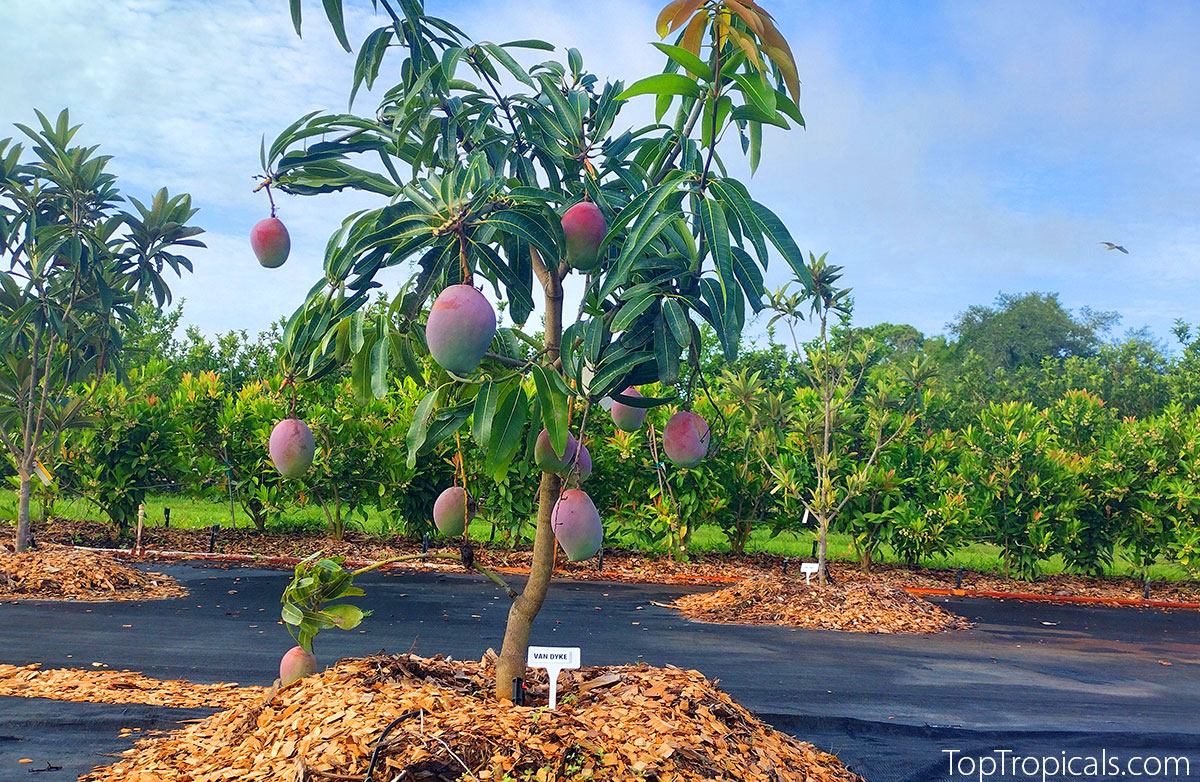
Condo  dwarf  mango  with  fruit

Q: "Our winters are too cold for a mango tree, but I'd like to grow one in a pot so I can bring it inside during cold nights. Which varieties do you recommend for container gardening? I've heard of Condo Mango - do you carry them?"

A: Yes, we always carry Condo Mango varieties: they are a fantastic choice for gardeners with limited space or in cooler climates. They grow well in containers and can be easily maintained through pruning. Whether you're growing them on a balcony, in a greenhouse, or in a backyard, Condo Mangos provide the perfect mix of beauty and practicality.

What Are Condo Mangos?

Condo Mangos, also known as dwarf mango trees, are perfect for small spaces. These trees can be grown in containers, making them ideal for balconies, greenhouses, or small suburban backyards. With proper care, they can be maintained at a manageable height of 6-10 feet through regular pruning. Some plant enthusiasts even manage growing Mango tree as an indoor plant!

The term Condo Mango

Condo Mango refers to mango varieties that thrive in containers and are small by nature, allowing them to be easily kept even smaller with selective pruning.

Size and Growth

Unlike traditional mango trees, Condo Mangos are compact. They naturally grow to around 6-10 feet, but with proper pruning, they can be kept small, making them an excellent choice for limited space.

Growing in Containers

- Condo Mango trees thrive in pots and containers.
- A 15-20 gallon pot is ideal to give the roots enough room to grow.
- Ensure your container has drainage holes to prevent root rot.

Planting Tips

- Plant Condo Mangos in full sun, where they'll get plenty of heat and light.
- Use well-draining soil for optimal growth.
- Fertilizer regularly with quality plant food. Out best choice is Sunshine Mango Tango for edibles. - Late Winter to early Spring is the best time to plant in containers, before the rainy season starts.
- Mangoes grow well in USDA zones 9-10, but if you live in cooler climates, you can grow them indoors or in a greenhouse, as long as you meet their heat and light needs.

Pruning and Maintenance

- Prune Condo Mango trees once a year to keep them at the desired height (6-10 feet), right after harvesting (late Summer to Fall)
- Trim the tips of the branches to maintain a compact shape and encourage healthy growth.
- Regular pruning will help keep the tree manageable and ensure better fruit production.

Learn more: Find out what are Top 10 Dwarf Condo Mango - great for container culture.

Condo  dwarf  mango  with  fruit

Condo  dwarf  mango  with  fruit

Date: 7 Jun 2025

From seed to fruit. How to grow Loquat from seeds, step-by-step guide. Part 2: after germination

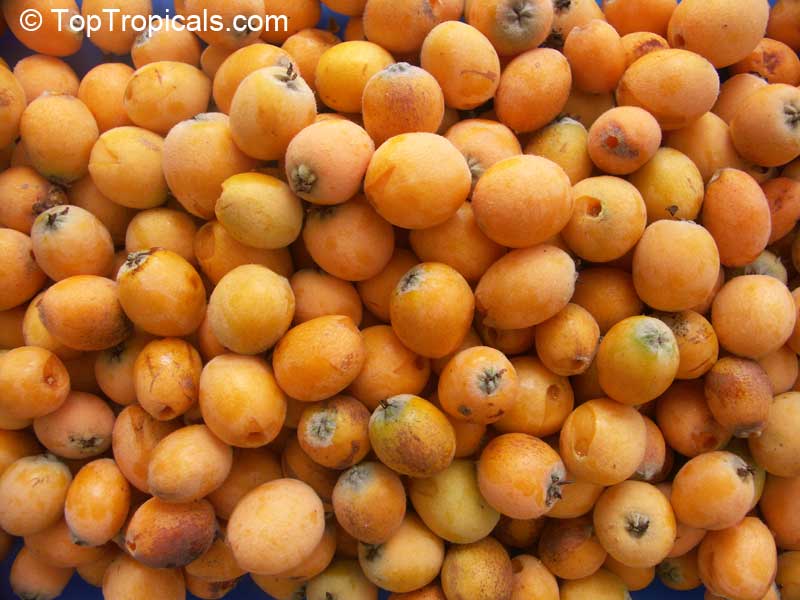
Loquat tree (Eriobotrya japonica) - fruit

Loquat tree (Eriobotrya japonica) - fruit

✍️ From seed to fruit. How to grow Loquat from seeds, step-by-step guide. Part 2: after germination


Continued from previous posts⤴️
  • 🍑 4. Transplanting Seedlings


  • When to Transplant: Once seedlings reach about 2-4” (5-10 cm) in height.
  • Transplanting and fertilizing: Move each seedling to its own pot and add controlled release fertilizer (Green Magic is the best), or use liquid balanced fertilizer Sunshine Boosters after 1-2 weeks once the seedlings establish.
  • Watering. Keep soil in a pot slightly moist but not soggy
  • Temperature. Keep seedling warm - above 70F (21C), and protect from extreme heat over 90F (35C) . For small plants, avoid freezing temperatures during winter. As the seedlings get bigger, they get higher drought-, heat- and cold tolerance. Established Loquat trees (2-3 years and older) may take light freezing temperatures.
  • Planting in the ground. You can plant the seedling in the ground when it reaches 2-3 ft tall (50-100 cm) in frost-free areas. During chill winter nights, young seedlings can be cold protected until established.


🍑 5. Sunlight Requirements

  • Light Exposure: Loquat established seedlings thrive in full sun but can tolerate partial shade. Start seedlings in bright shade and protect from afternoon hot sun to avoid leaf burn. Once seedlings are established and new growth appears (2-4 weeks), gradually move them to full sun.
  • Why adequate sunlight (full sun) is important:
- promotes healthy growth
- helps to avoid fungus and insect problems
- is critical for future flowering and fruit production

🍑 6. Fruit production

  • Loquat seedlings start producing seed within 3-4 years from seed, providing adequate sunlight, warm temperatures and regular irrigation.
  • Grafted Loquats start producing right away or the next year
  • Fruit will develop over the winter and ripen from March through May depending on location


🛒 Shop Loquat Trees and enjoy fresh fruit benefits

📚 Learn more:


🎥 YouTube video about Loquat
📁 Overlooked fruit: tasty Loquat recipes (PDF)

#Food_Forest #Loquat

🔴 Join 👉 TopTropicals

Date: 2 Oct 2025

Peanut butter fruit smoothie: quick-n-fun exotic recipes

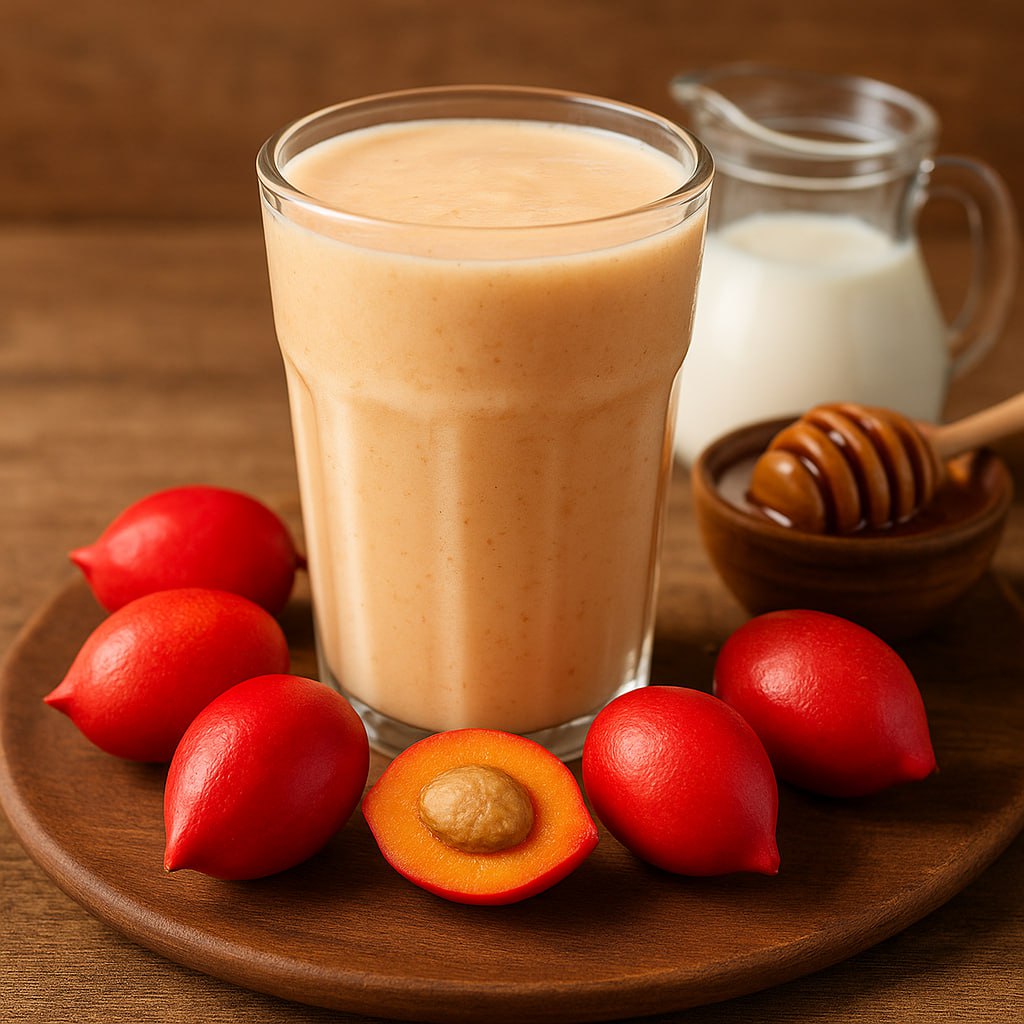
Peanut butter fruit smoothie

Peanut butter fruit smoothie

🍴 Peanut butter fruit smoothie: quick-n-fun exotic recipes

  • 🔴Peanut butter fruit (Bunchosia argentia) makes delicious shake!
  • 🔴Blend ripe peanut butter fruits with milk and honey.
  • 🔴A creamy shake that tastes like dessert straight from the tree!

Peanut Butter Fruit Smoothie

Ingredients

  • 1 cup ripe peanut butter fruit (Bunchosia argentea), seeded
  • 1 cup cold milk
  • 1–2 tablespoons honey
  • Ice cubes (optional)

Instructions

  1. Remove seeds from ripe peanut butter fruits.
  2. Blend fruits with milk and honey until smooth.
  3. Add ice cubes if desired for a chilled version.
  4. Serve immediately and enjoy a creamy shake that tastes like dessert straight from the tree!

🛒 Harvest Peanut Butter Fruit - the tree is fast fruiting!

#Food_Forest #Recipes

🟢 Join 👉 TopTropicals

Date: 14 Feb 2024

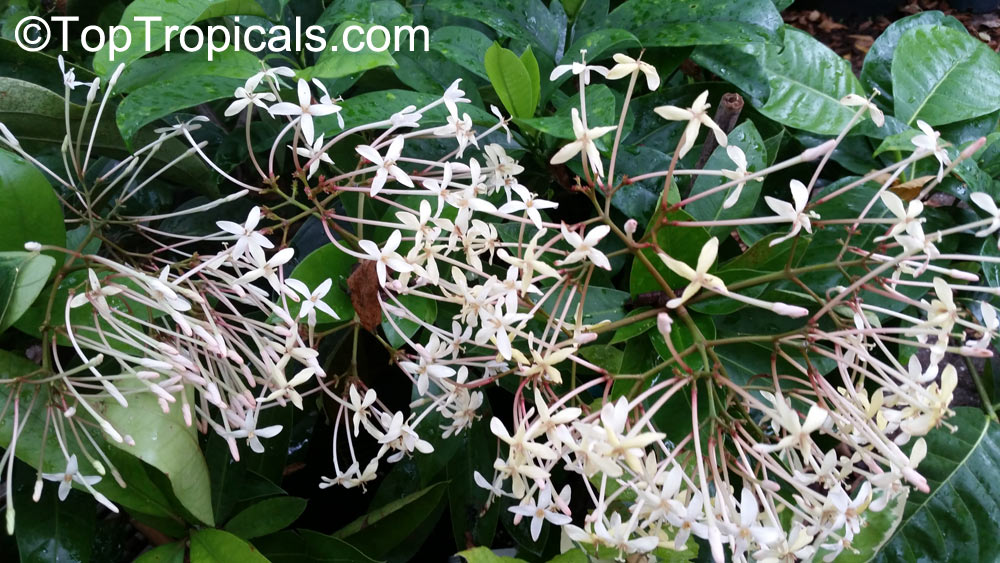
Ixora odorata - exclusive flower with fine perfume

Ixora  odorata  flowers

Q: I see you have a very special plant - Ixora odorata with fragrant flowers, I've heard that the fragrance is heavenly. Is it easy to grow? Can I plant it as a hedge, like a regular ixora bush?

A: Indeed, Ixora odorata is quite special. It's a must-have for any tropical plant enthusiast, often likened to esteemed fragrance collectibles like Ylang Ylang or the Joy Perfume Tree. While it shares the genus with the common Southern landscape plant, Ixora, cultivating Ixora odorata requires some special attention. We wouldn't recommend using this rare exotic as a hedge; it's best suited as a centerpiece or specimen in your garden. The effort is certainly rewarded, as the sweet fragrance of its flowers is truly remarkable, reminiscent of Jasmines. Here are some tips for growing Ixora odorata:

1. Temperature. Ixora odorata is sensitive to cold and can't withstand even light frost. Protect it by growing it in a container that can easily be brought indoors during cold weather.
2. Soil. Like all ixoras, Ixora odorata prefers acidic soil. This is easily achieved since it's typically grown in a pot. High-quality potting soil, such as Sunshine Abundance, tends to have a lower pH (acidic), has low pH (acidic).
3. Light. Unlike most ixoras, Ixora odorata prefers shade to filtered sunlight, unlike most ixoras that are full sun plants.
4. Water. Ixora odorata prefers drier conditions during winter, so reduce watering in the winter months. In summer, regular watering is necessary, as it won't tolerate drying out.
5. Insect control. Ixora odorata can be susceptible to insects during winter. Keep an eye out for mealybugs during winter. Monitor the leaves, especially underneath.
5. Prune after flowering.
6. Fertilizer. Feed Ixora odorata with Sunshine Boosters Megaflor for most profule flowering and healthy waxy leaves.

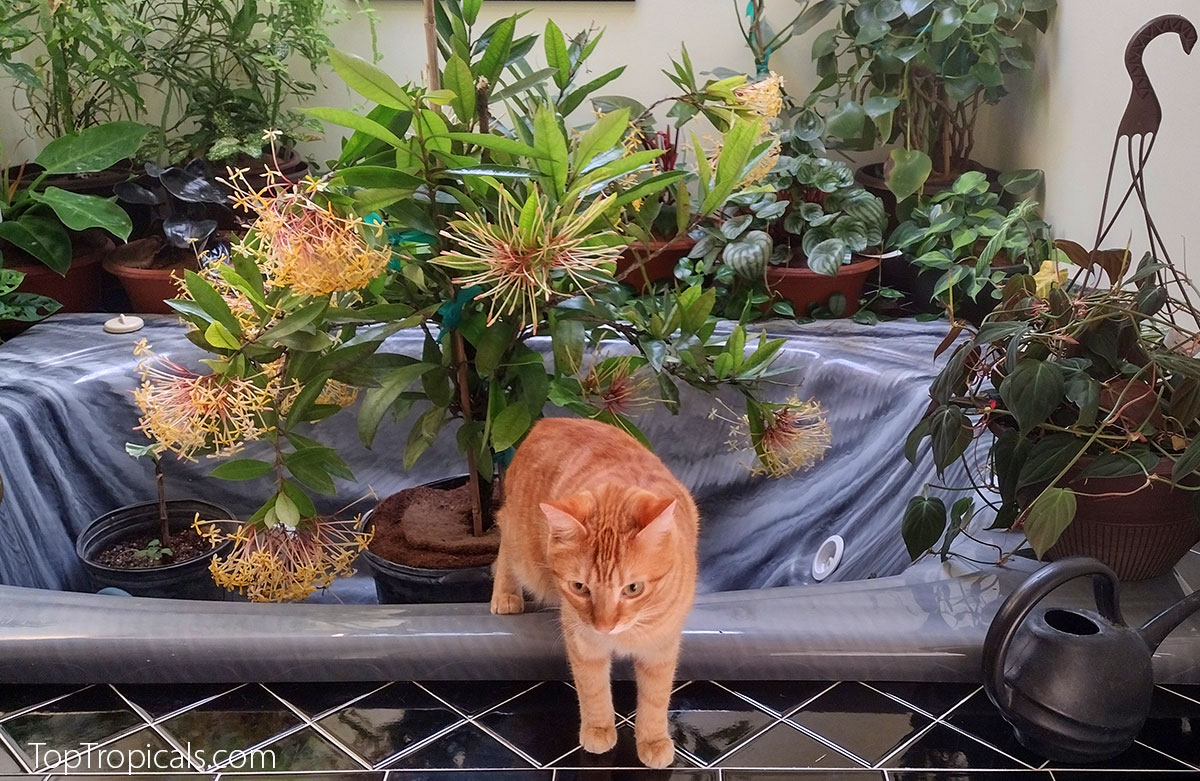
Ixora odorata blooms in winter, making it a delightful addition to your home during the colder months. What can be better having this perfume factory! It's a true gem that's worth the extra care and attention - it deserves to be pampered!

Ixora  odorata  flowers

We bring our Ixora odorata indoors during winter. It is happy to sit in a large bathtub with a skylight above it. It flowers all winter long, filling the air with light perfume not only in the bathroom and bedroom, but in the whole house. And of course, cats love it too!