Garden Blog - Top Tropicals

Date: 7 Oct 2019

Fertilizing in Winter?
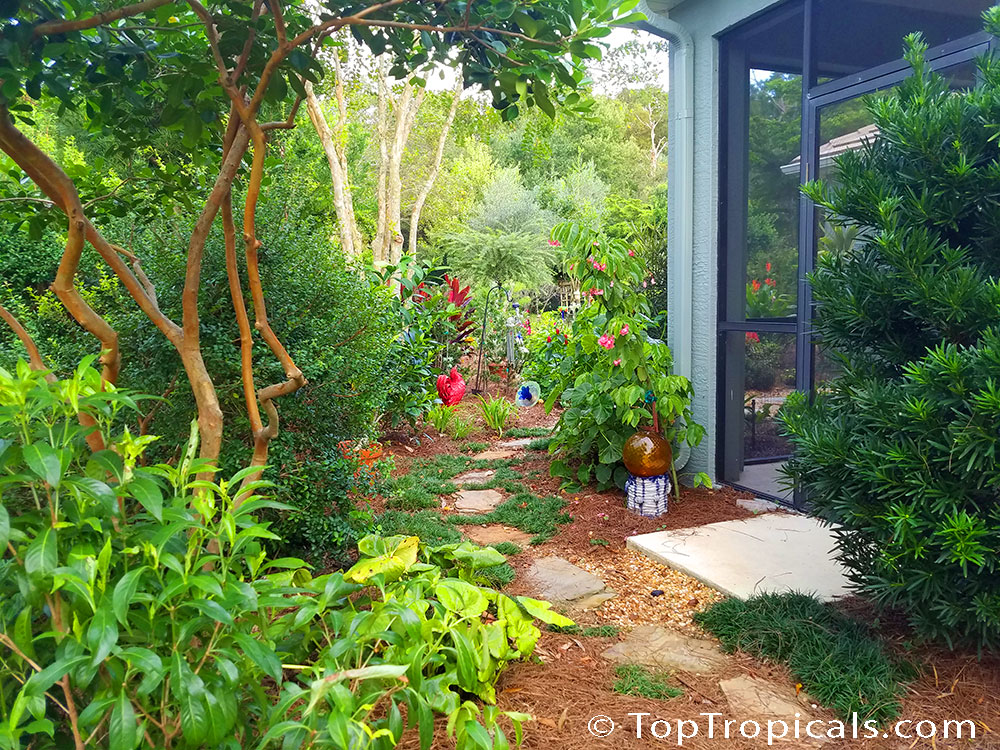
Q: I'm a bit confused about what winter fertilization schedule I should follow in South Florida. For blooming plants, usually, I use a monthly granular bloom booster fertilizer as well as a liquid fertilizer every 10 days or so. Should I continue that schedule in the winter as well? Should I stop fertilizing altogether in the winter? How about fruit trees? What fertilization schedule should I follow in the winter?

A: Here is a general fertilizing schedule for established plants that we follow here in SW Florida.
The rule of thumb is, do not fertilize (with macro- NPK elements) when minimum temperatures drop below 65F and stay at that level for more than 7 days. At this temperature point, most of the tropical and subtropical plants slow down their metabolism and some of them going into dormancy. This means, nutrients are not consumed as much as during active growth period, and built-up nutrient supply within a plant plus whatever is available in the soil is just enough to get by through the winter. So additional fertilizing is not necessary. You may continue micro-element supplements and bio-stimulants throughout the year. In fact, it is highly recommended to do so, to help the plant survive cold spells. These are very effective tropical plant protectors:
SUNSHINE-Epi - Brassinosteroid plant hormone
SUNSHINE-Power-Si - Advanced plant protector with Silicon
SUNSHINE SuperFood - Complex microelement supplement

This rule is applied to both flowering and fruiting plants, in general. However, some species are winter-flowering and winter-fruiting. For those, you can make an exception and provide extra nutrients for flowering and fruiting, as long as the weather stays warm. During cold spells, avoid any NPK fertilizers and use only bio-stimulants and micro-elements. If you apply NPK during cold, it won't be consumed by a plant, build up in the soil, and may create a root burn situation.

In simple words, fertilize from March to October. Give plants some rest from November to February.

Date: 4 Jun 2019

Plants for South Texas and other hot states

Q: Pretty much adore last newsletter. Haven't been buying because our weather here in deep south Texas is so bad it is stunting and killing even the Tamaulipan Scrub! Do you have a cure for that? :) I have every expectation the new grafted Plumeria I purchased from you last year will bloom soon. One of my favorite plants. Thanks again and keep up the good works.

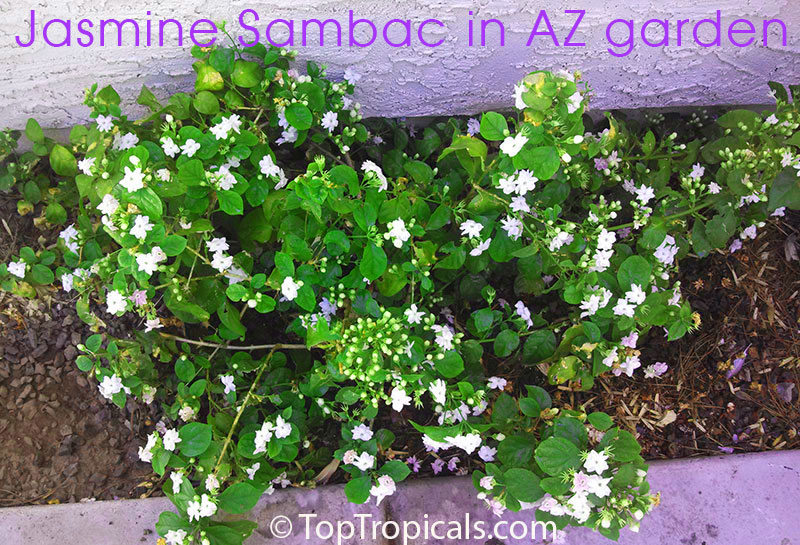
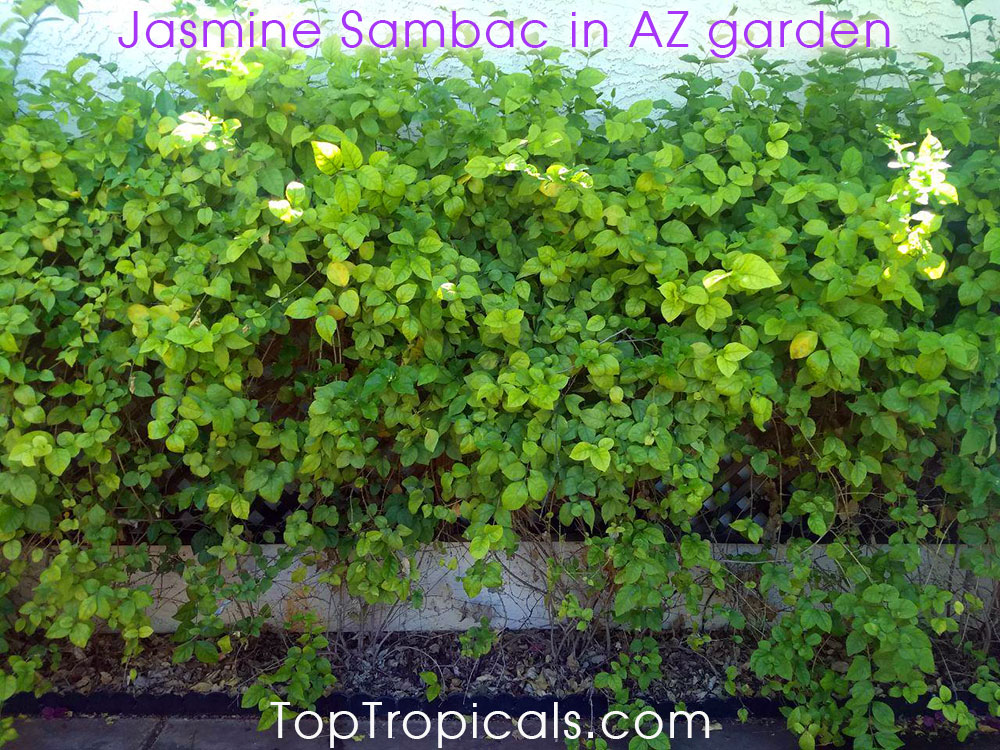
A: Yes, there is a "cure" - using biostimulants that improve drought- and heat- resistance (SUNSHINE boosters), plus the right plant selection. In fact, there is a large number of tropical rare plants that can be successfully grown in hot climates like yours. One of our partners lives in hot and dry Arizona area and has an amazing tropical garden that includes many fruit trees (Mango, Persimmons, Pomegranates, Loquats, etc). Here you can see a few pics from his garden.
Your choice is absolutely right about plumerias. Other easy plants would be Desert roses - Adeniums, and Fancy Euphorbia millii - all these come in so many varieties of colors and bloom throughout most of the year. Our special recommendations for you would be also:

Bougainvillea Dwarf Pixie
Jasmine sambac
Calliandra selloi Pink Lilian
Dracaena marginata Tricolor - Colorama, Money Tree
Hamelia patens Lime Sizzler - Variegated Fire Bush
Jatropha berlandieri - Buddah Belly
Pedilanthus tithymaloides - Devils Backbone
Trachelospermum asiaticum Mandaianum - Dwarf Confederate Jasmine

See full list of more plants that are suitable for hot and dry landscapes.

Apply fertilizers, miscroelements, and plant stimulants for improving heat tolerance

Date: 2 May 2019

How to propagate plants from cuttings. Top (Tropicals) secrets.

TopTropicals.com

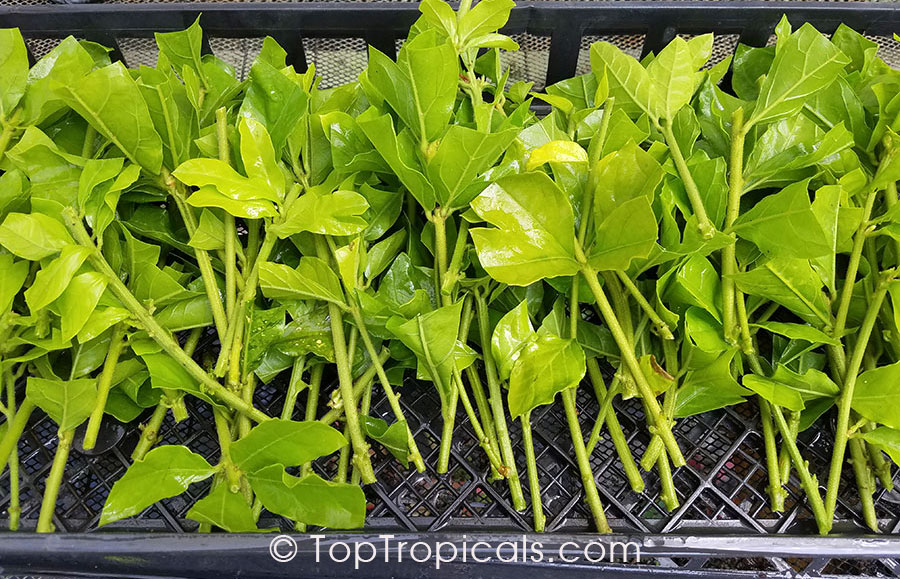
Q: After pruning my jasmine, I have so many branches and I don't have a heart to through them away, can I use them to make more plants? Please tell me what size cuttings and do I need to remove leaves? Should I just stick them in the ground? Will they root? I don't know if you will be willing to share your secrets?

A: We are always happy to know that you grow more plants, and make our World better! These are some useful tips for the propagation of tropical plants using cuttings:

- Cuttings and leaves. Use cuttings 2-5"long. Strip leaves from the bottom. Cut larger leaves in half to reduce evaporation.
- Soak cuttings for 15-30 min in SUNSHINE solution.
- Mix. Use special well-drained mix with lots of soil conditioner: we have a special professional propagation mix for cuttings.
- Mist. Put community pots or trays with cuttings in mist, or if you don't have mist - cover the pot with a clear plastic bag to create a mini-greenhouse.
- Shade. Keep propagation pots in bright shade and never allow direct sun rays.
- Rooting hormone: yes, use it if you have it. Not only it promotes root formation but also prevents from fungus so the cuttings won't rot. We use Dip-N-Grow.
- Rooting and food. Check in 2-3 weeks for roots. Once you see the little roots, begin fertilizing with a special Baby-Plant Food and make sure never exceed recommended doze otherwise you may kill the cuttings.
- Establishing. Once roots start growing, plant in 4" pots in a well-drained potting mix and watch the beauty grow! Gradually move to the full sun only when little plants establish and start new growth.

If you are lucky to make more rare plants than you can use, contact us, we will buy them from you or trade for your dream plants! In fact, one of our customers from many years ago started selling us baby plants that he propagated from our plants, and now has a successful business (Karma Nursery); we buy a lot of plants from him every month!

For more ideas on tropical plant propagation, see also:
- Secrets of turtle tank propagation
- 5 secrets of propagation

Date: 27 Jun 2024

Celebrate America with
Independence Week Sale!

Independence  Week  Sale  Cat

Celebrate the birthday of our great Country with Top Tropicals Independence Week Sale! Finally get all the plants you ever wanted for your garden - at amazing prices! Choose from over 100 varieties of rare tropical plants specially priced for this week:

BLUE TAG SALE $9.95 >> SHOP

RED TAG SALE $14.95 >> SHOP

Feel FREE to shop away! Take advantage of this unique opportunity to enhance your garden with tropical beauty. But remember, this sale lasts only ONE WEEK, so hurry to get your plants and plant them during the best time of the year - hot summer! This is the ideal time to establish your plants quickly and ensure they become strong before winter arrives.

Check out our BOGO DEALS and Shipping discounts and make it a steal!

While supply lasts
Deals expire July 4, 2024
No minimum order
Max order: 2 plants per variety per order (for shipped orders)
Local pick up - no limit!

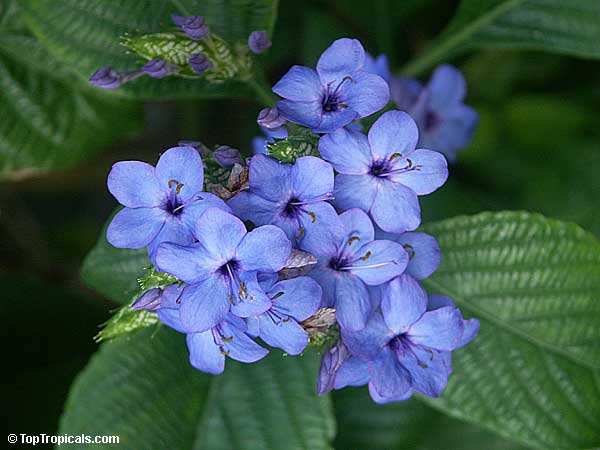
Eranthemum  pulchellum  -  Blue  Sage,  Lead  Flower

Eranthemum pulchellum - Blue Sage, Lead Flower
See more $9.95 deals

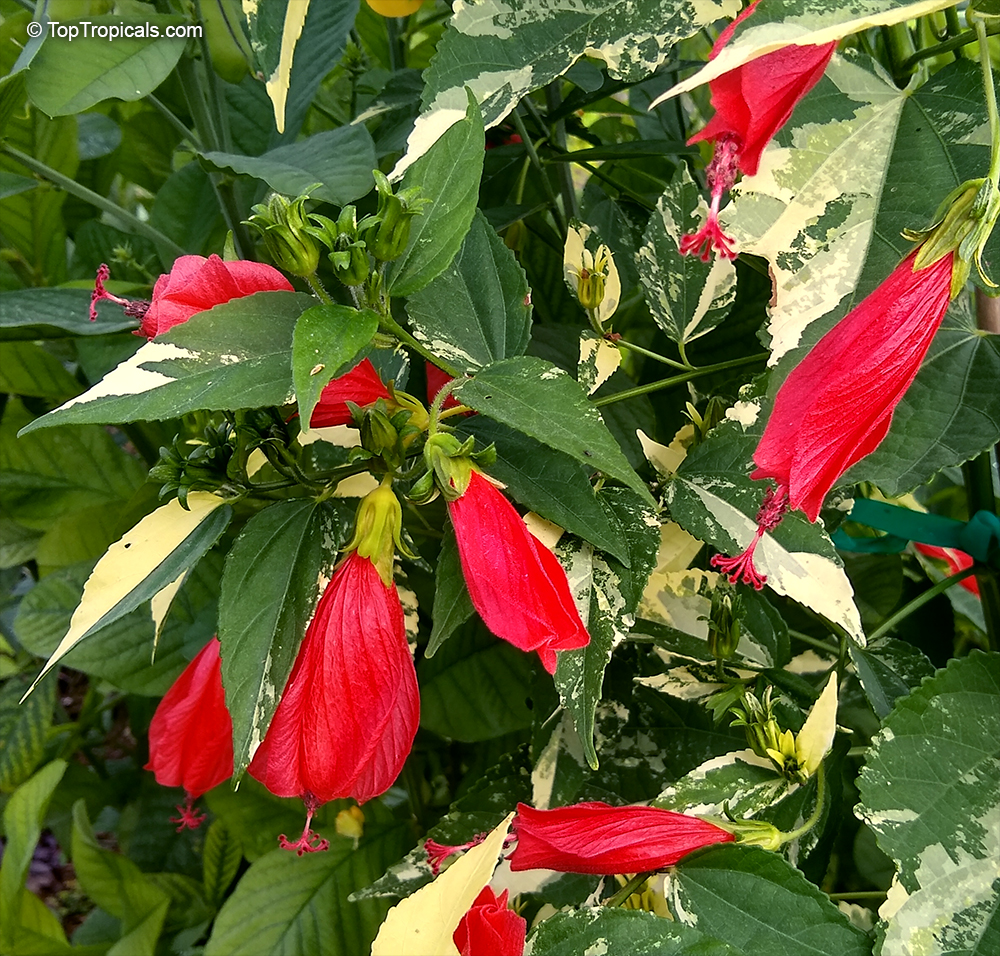
Malvaviscus  x  penduliflorus  Variegata  -  Summer  Snow

Malvaviscus x penduliflorus Variegata - Summer Snow
See more $14.95 deals

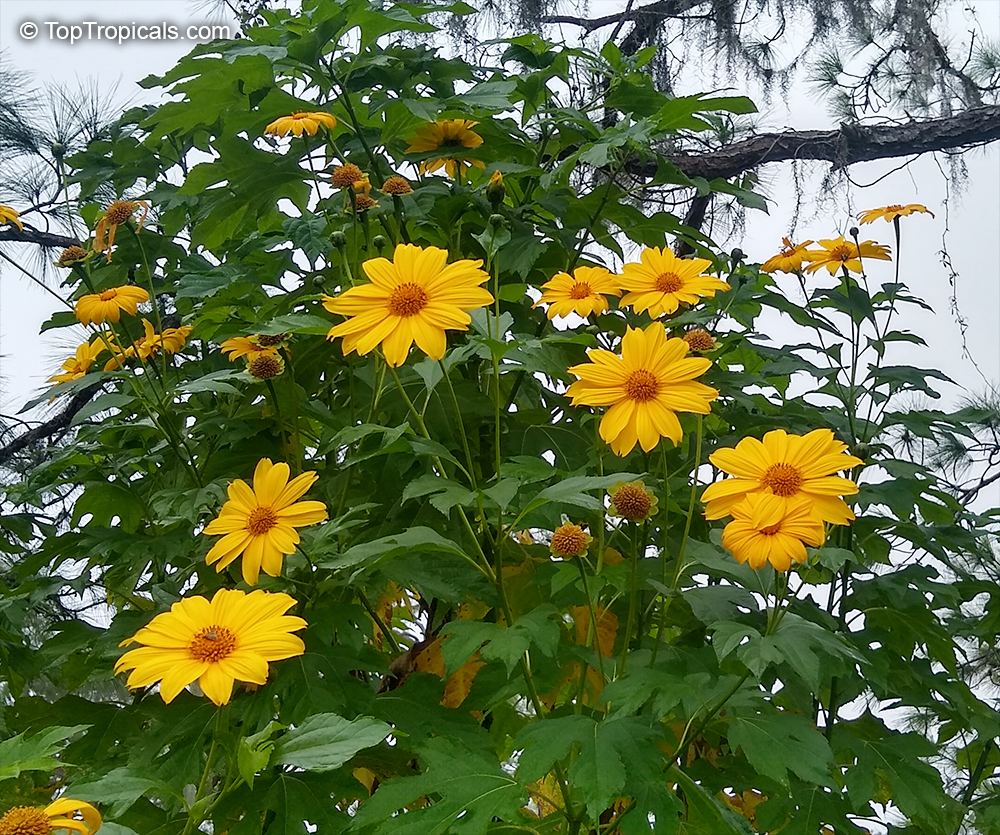
Tithonia  diversifolia  -  Sunflower  tree

Tithonia diversifolia - Sunflower tree - only $9.95!
See more $9.95 deals

Independence  Week  Sale  Cat

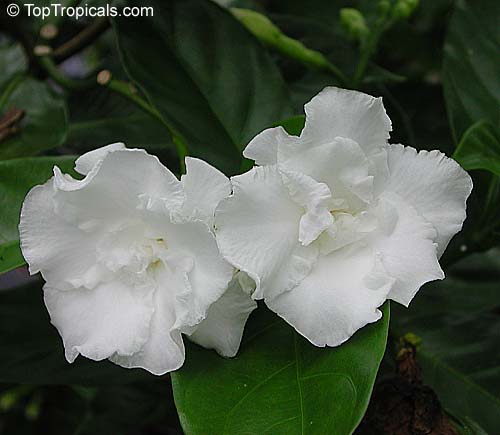
Tabernaemontana Flore Pleno, Crape Jasmine - only $14.95!
See more $14.95 deals

Date: 15 Jul 2024

Five most useful edibles for your Food Forest

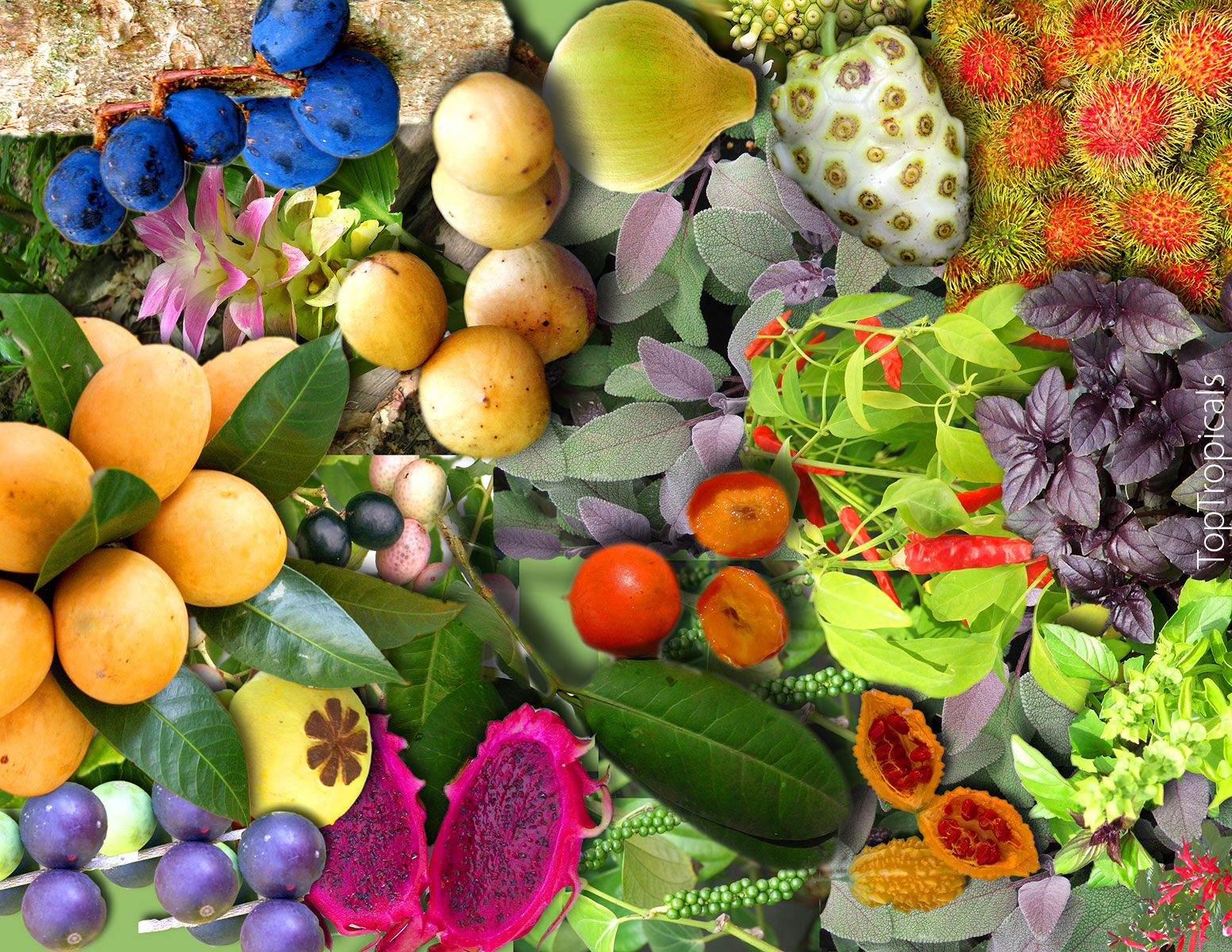
Tropical  Food  Forest  collage

Tired of mowing a boring lawn? Use your yard instead of being used by your yard - grow edible landscape! Below are several plants that made our life happier and meals healthier. Besides, these are fun to grow! Try them out:

Hibiscus  sabdariffa  -  Flor  de  Jamaica,  Karkade  Sorrel

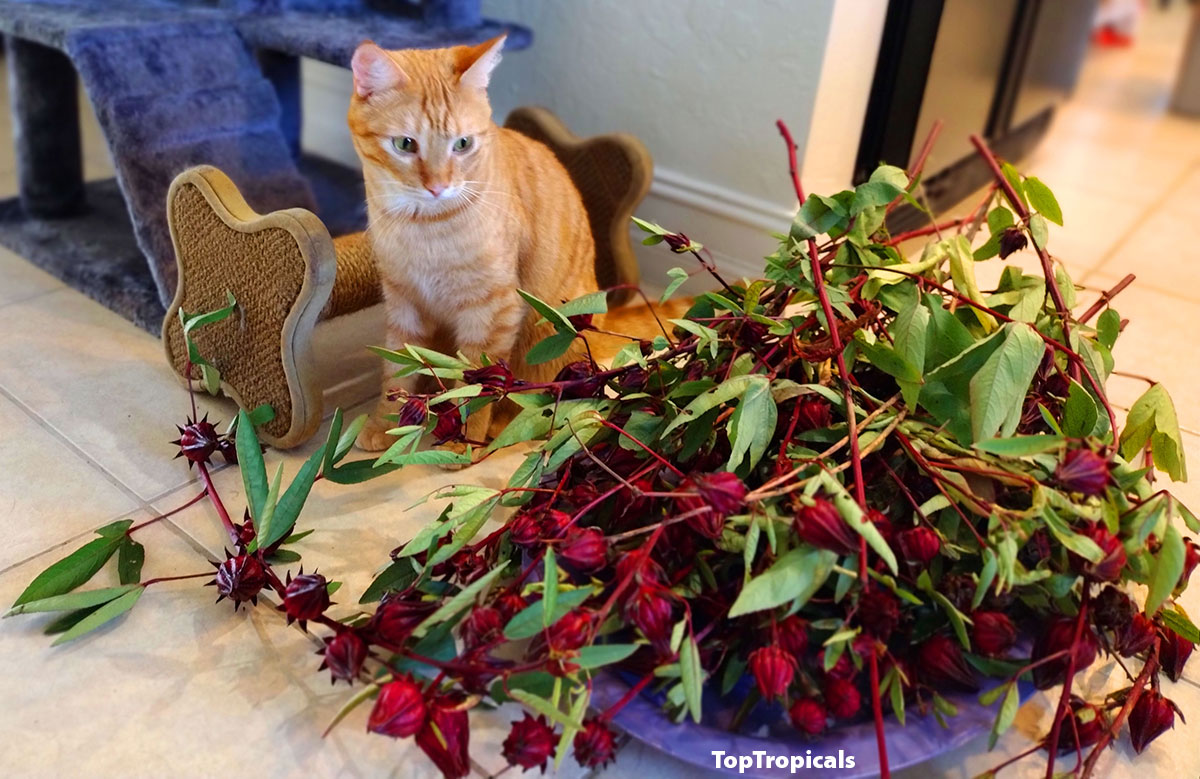
1. Hibiscus sabdariffa - Flor de Jamaica, Karkade Sorrel - Flowers are used to make a tea "Agua de Flor de Jamaica". Medical studies show that it lowers blood pressure and has diuretic effects. The pleasant flavor is on the tart side similar to a cranberry juice. We make this cold tea every day - perfect for hot summer. Full sun.

Gynura  procubens  -  Longevity  Spinach,  Cholesterol  spinach

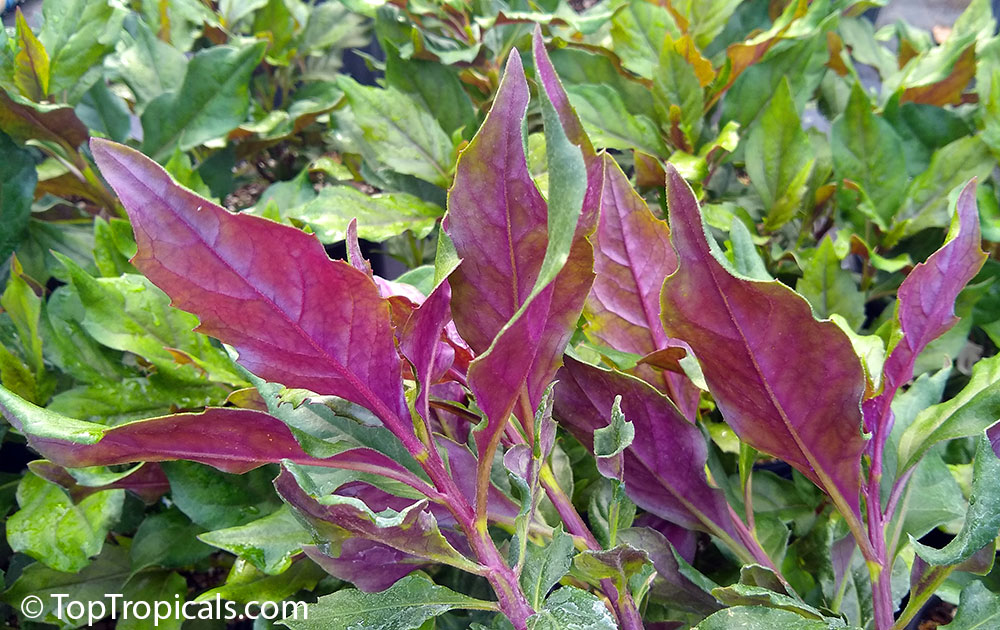
2. Gynura procubens - Longevity Spinach, Cholesterol spinach - one of the Superfoods, and there are many claims that it lowers cholesterol. We use it in our cooking all the time and so far we are all alive! Full sun.
See recipe >>

Cymbopogon  citratus  -  Lemon  grass

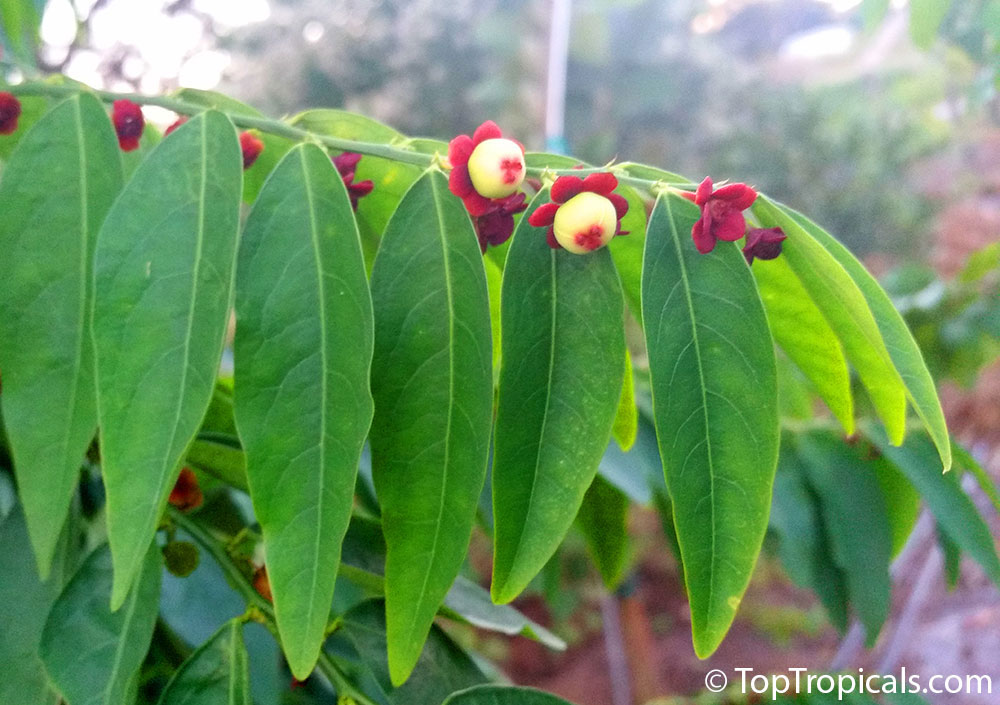
3. Sauropus androgynus - Katuk, Tropical Asparagus. Delicious young shoots, one of the most popular leaf vegetables in Southeast Asia. In Vietnam, people cook it in stews and soups. It is among only a few flora containing vitamin K. Full sun or semi-shade.
Learn more >>

Cymbopogon  citratus  -  Lemon  grass

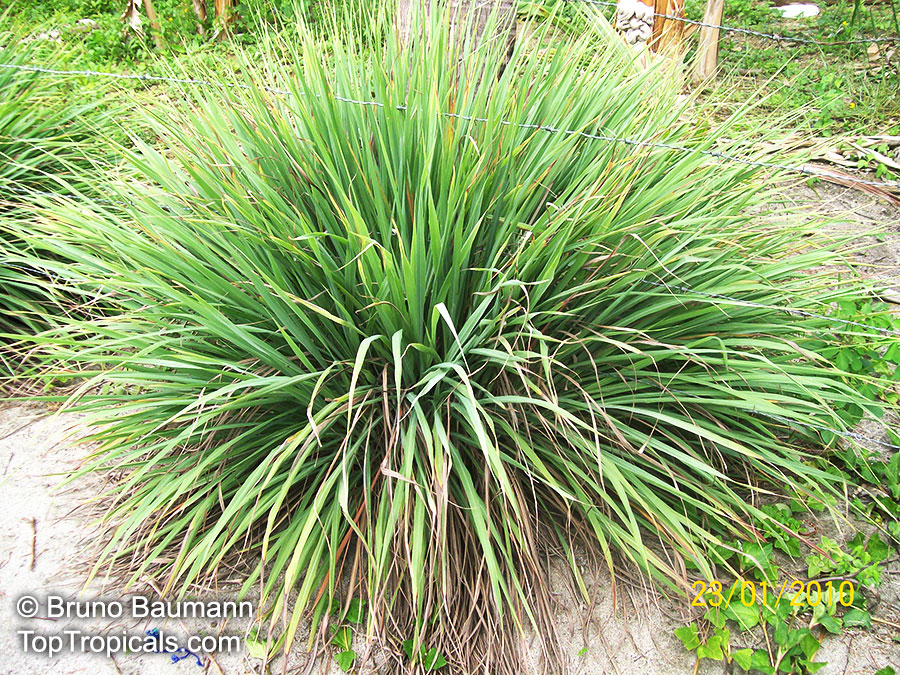
4. Cymbopogon citratus - Lemon grass: Versatile performer in the kitchen where it can be used in teas, beverages, herbal medicines, Eastern inspired soups and other dishes. Full sun or semi-shade.

Lippia  dulcis  -  Aztec  Sweet  Herb,  Sweetleaf

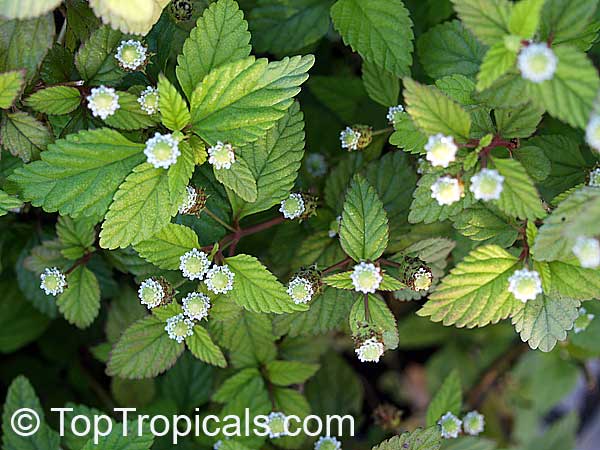
5. Lippia dulcis - Aztec Sweet Herb, Sweetleaf: Mexican herb with incredibly sweet leaves that can be eaten from the plant like candy or tossed into fruit salads for an unusual addition. It has been used since the time of the Aztecs for coughs and colds. Tastes great, can be used by diabetic patients. We add this herb to Karkade or Mint tea as a sweetener. Shade or semi-shade.