Garden Blog - Top Tropicals

Date: 12 Mar 2026

❄️Cold-Hardy Avocados and Fruit Trees
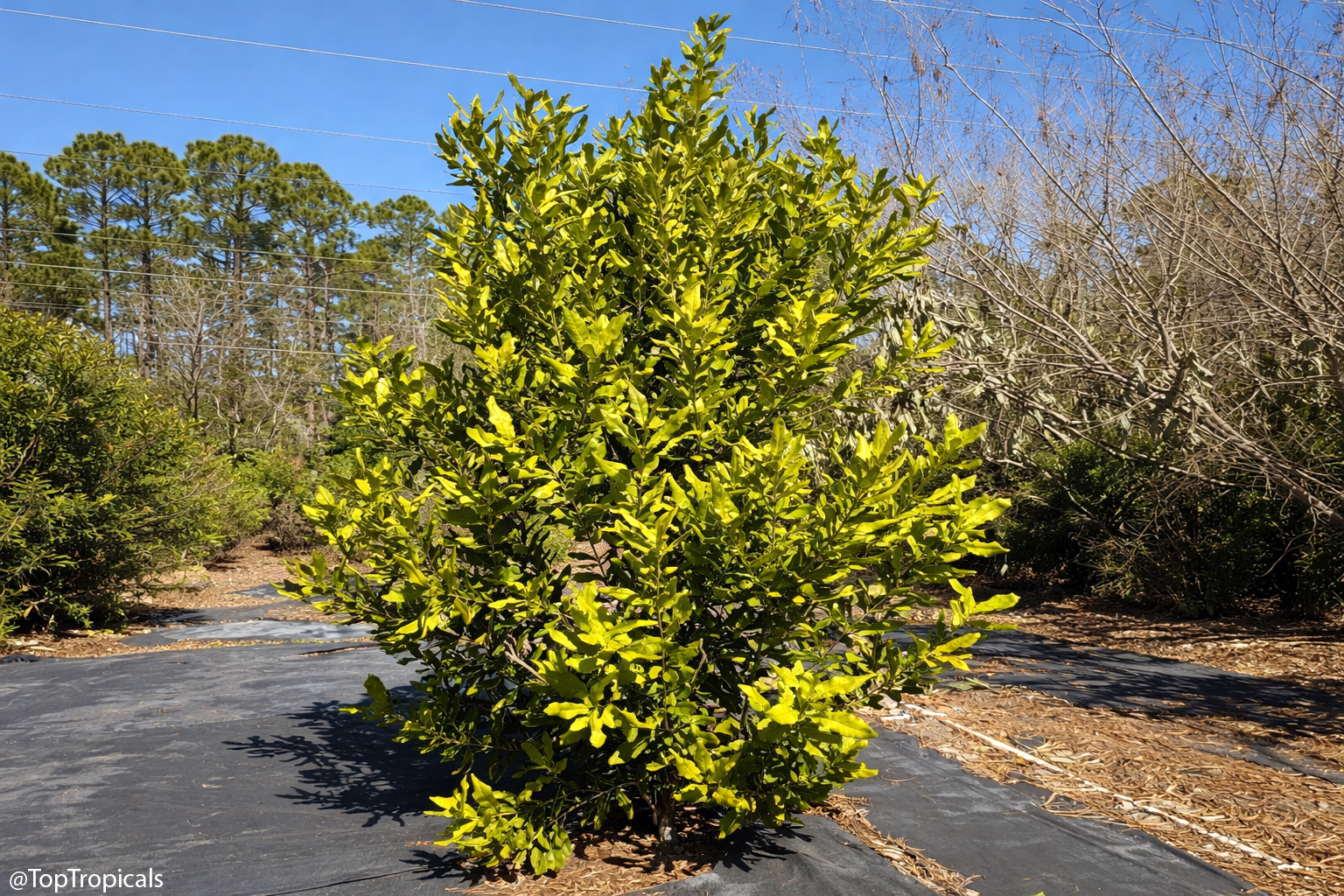
Three  year  old  macadamia  tree  after  three  nights  of  25F  hard  freeze  in 
 February  2026,  showing  healthy  foliage.

3 year old macadamia tree after 3 nights of hard freeze in February 2026 - standing strong.

Earlier in early February we had a rough stretch at the B-Farm in Sebring. Three nights around 25°F with steady wind. Weather like that quickly shows which plants actually belong in Zone 9 and which ones only look good on paper.

Once things warmed up and we could see the real results, a few clear winners stood out. All of the macadamias handled the cold surprisingly well. The grumichamas stayed solid. And the cold-hardy avocado varieties again proved why gardeners rely on them in borderline climates.

Instead of listing every tropical plant that might survive a freeze, we decided to keep things practical and focus on the ones that actually went through this cold spell and that we currently have in stock.

If you garden in USDA Zone 8b-9, these are the kinds of trees that make winter a lot less stressful.

📖Read the full article: 2026 Freeze Guide: Cold-Hardy Avocados and Fruit Trees.


📚 Learn more:

Add Cold Hardy Avocado Tree to your garden

Date: 17 May 2023

Horoscope for Guanabana tree?

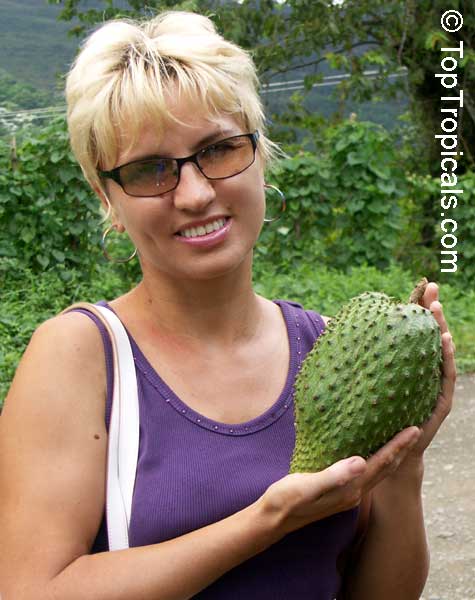
A  blonde  girl  holding  Soursop,  Guanabana  fruit

By Alex Butova, the Witch of Herbs and Cats

Q: What is the ruling planet of Guanabana? I have searched the internet, but can't find anything. Thought maybe you might know?

A: Annona muricata is native to the Caribbean and Central America, which falls under the patronage of the Pisces constellation. The planets that rule the house for this constellation are the Moon, Jupiter, and Neptune, with Water being a key element of its essence. These planets can be considered the ruling planets for the Guanabana plant...

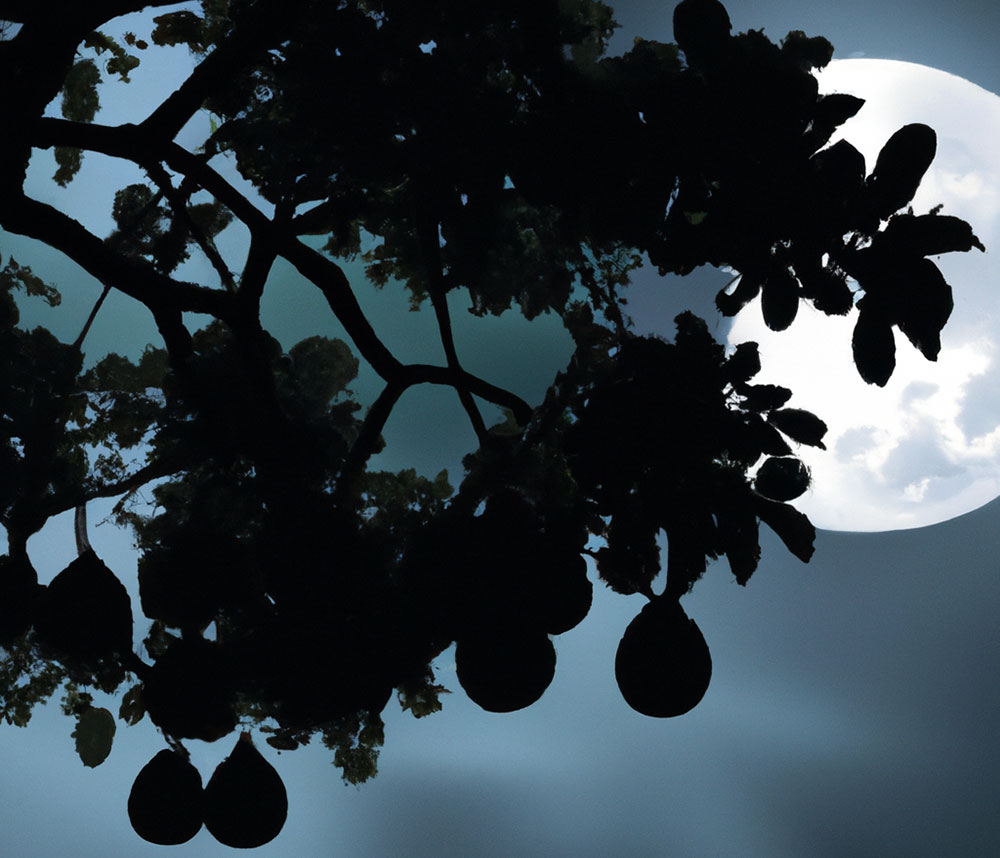
Guanabana  tree  with  full  moon

Date: 5 Apr 2023

What are Low Chill Apricots?

Prunus armeniaca (Armenian plum)

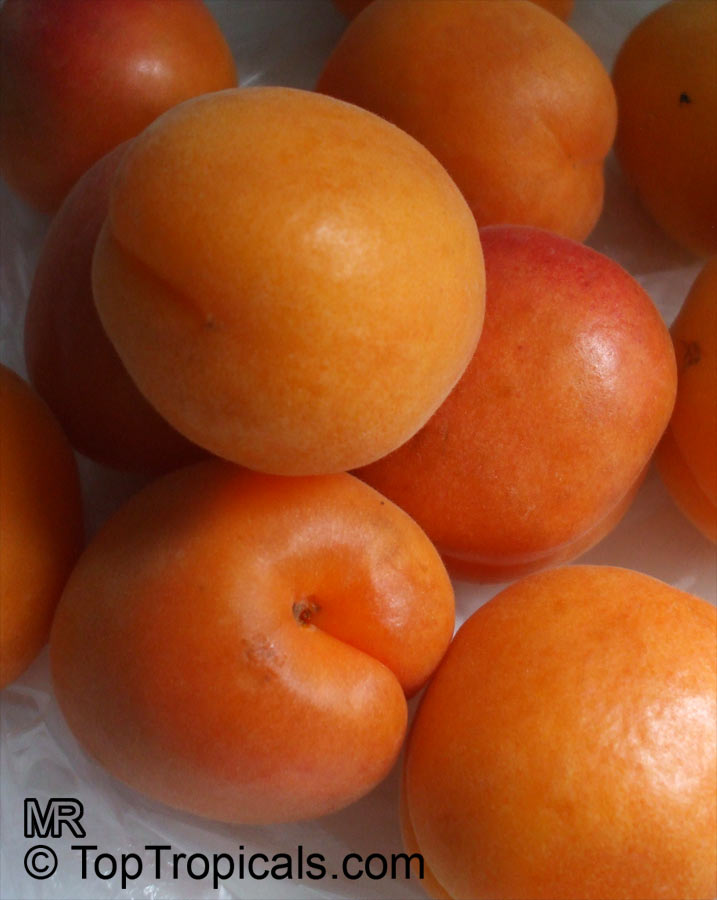
Apricot  var.  Katy  (Prunus  armeniaca)

Q: Can I grow apricots and plums in Florida?

A: Low chill apricots have been specially developed for subtropical regions like Central and South Florida, where the climate is not typically conducive for apricot cultivation due to the high number of chill hours required. This is also true for other fruit trees such as plums and peaches. However, through successful hybridization, several low chill varieties have been created that require less than 300 hours of cold weather below 45 degrees.
One such example is the low chill Katy Apricot tree, which only requires 250 chill hours and is self-fertile. It is a popular choice among homeowners due to its large size, rich flavor, and free-stone characteristics with a semi-sweet, low-acid taste. Katy Apricot tree typically bears fruit early, usually in May.

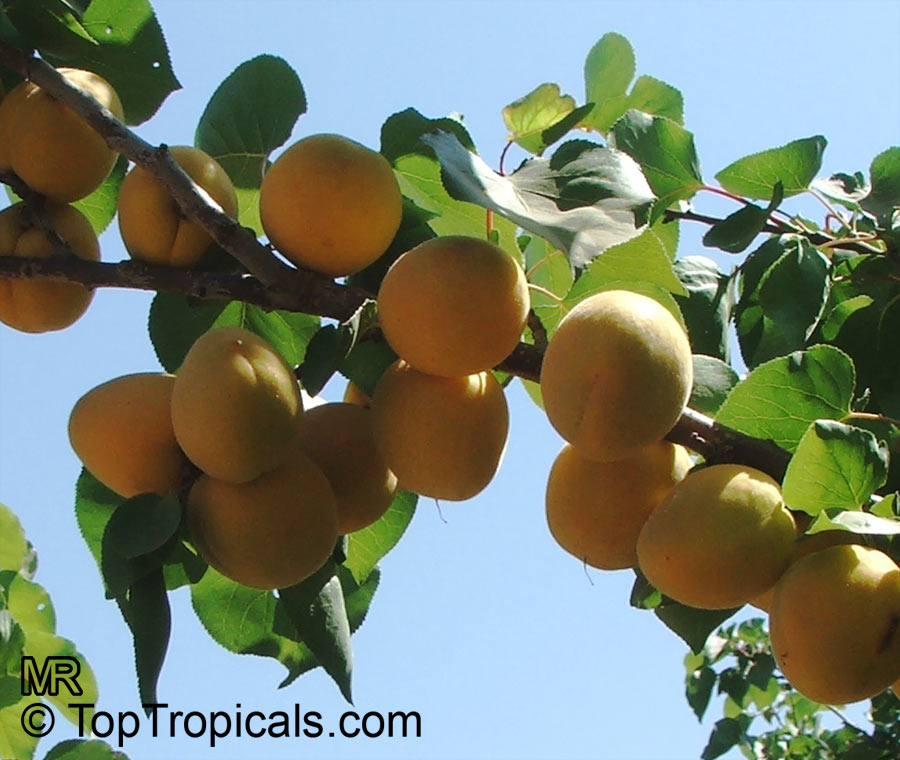
Apricot  fruit  on  a  tree

Date: 21 Jun 2022

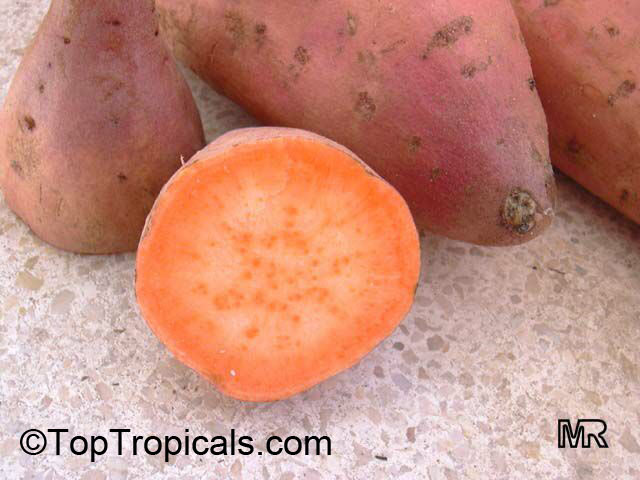
Sweet Potatoes - healthy food for every kitchen

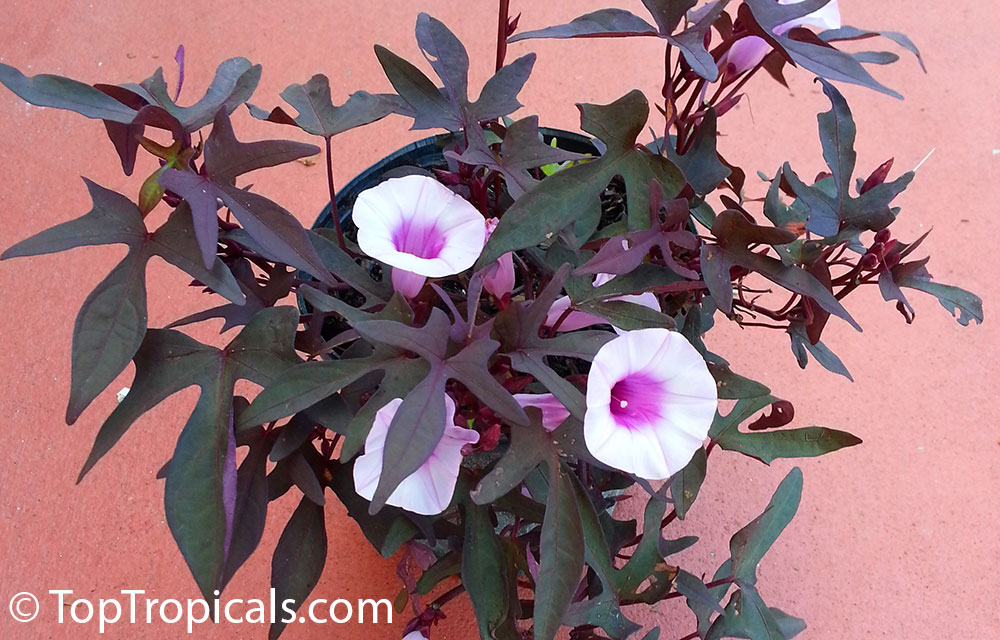
Ipomoea  batatas

by Alex Butova, the Witch of Herbs and Cats

"Oh my, what is this luxurious vine? These large, bright flowers! Looks like the Morning Glory and... is not like anything!"
"You want to know what this is? This is my favorite breakfast, lunch and dinner. For breakfast - sweet, but healthy porridge, for lunch - a wonderful side dish, and at last this plant makes a wonderful dessert after dinner!"
I didn't expect sweet potatoes to be represented by such a beautiful plant! So my old good friend introduced me to this supposedly ordinary, but spectacular and useful edible plant. Yet it is very fast growing and easy! Here is the story...

Ipomoea  batatas

Date: 26 Sep 2021

Edible Landscape: fruit bearing hedge

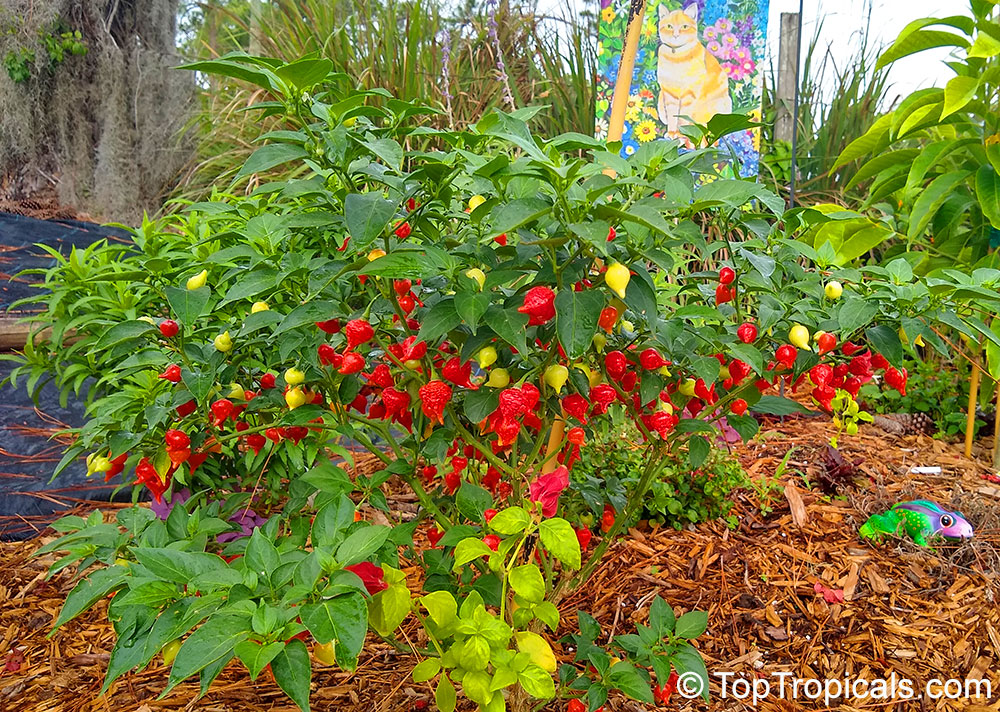
Photo above: Biquinho Pepper (2 months old plant)

Q: My mom had to remove a hedge for some renovations and after being heartbroken about losing my little bird haven, I've decided to plan on a fruit bearing hedge that offers some privacy and places for the little fledgling to wait for food. Any suggestions? I was thinking blueberries or citrus but open to any ideas.

A: Below are a few suggestions for a fruit bearing hedge planted with fast-growing, tropical species. They will contribute to a nice edible landscape for both your family and the birds - they will be very happy!

Larger size hedge (small trees), grows full-size within 1 season:
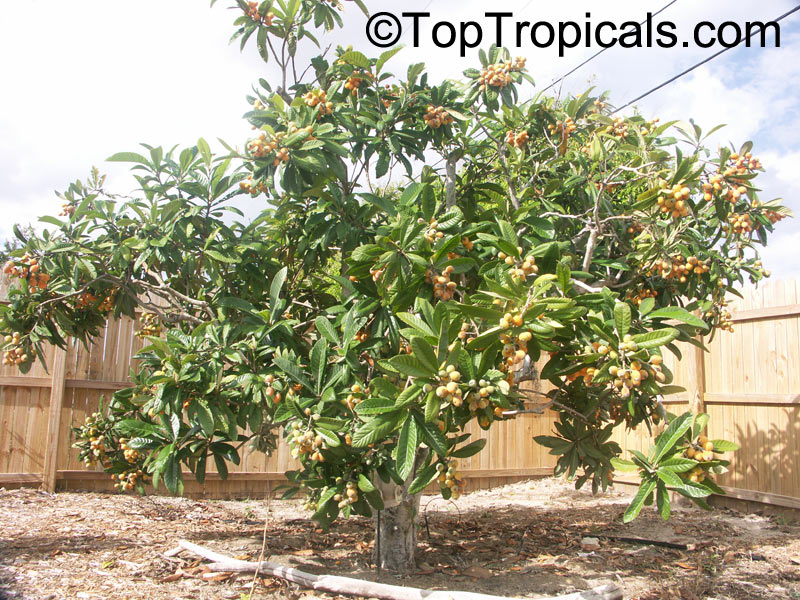
- Loquats
- Dwarf Mulberries (very cold hardy too) such as Dwarf Everbearing

Medium size hedge (shrubs or vines), 2-3 seasons to grow full size:
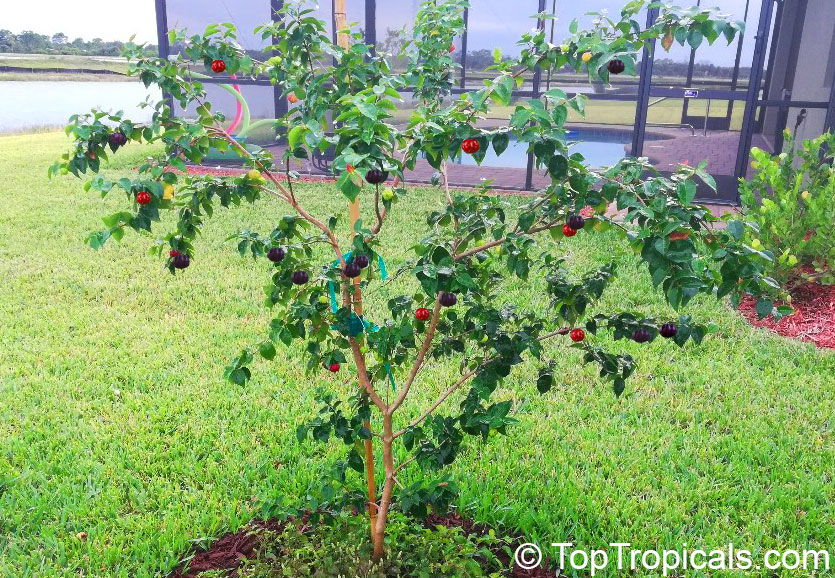
- Black Surinam Cherry Lolita
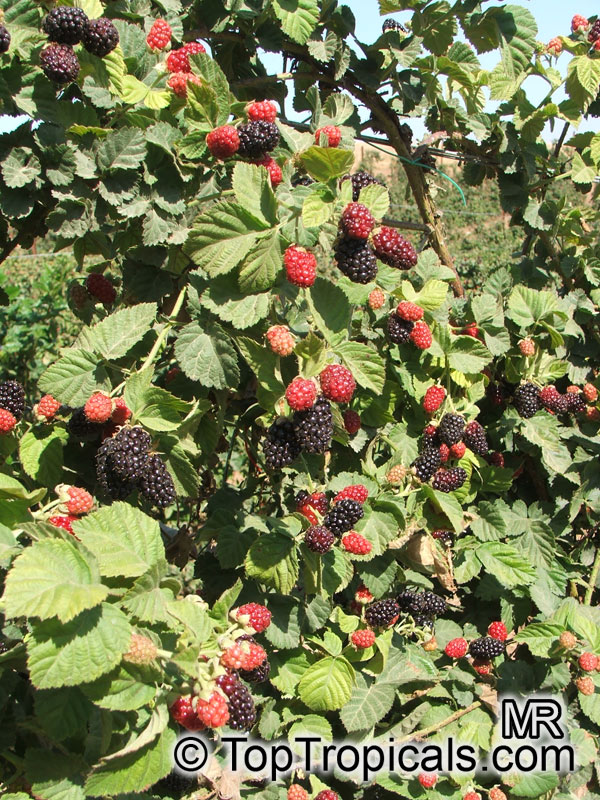
- Blackberries and raspberries

Low hedge (4-5 ft tall, 1 season, fast growing):
- Biquinho Pepper
- Wiri Wiri Pepper

Citrus is probably not a good idea, not bird's favorite, and blueberries require a special acidic soil here in Florida, so they will need extra maintenance, special soil, and heavy mulching.

Blackberry hedge

Surinam Cherry Lolita, 2 year old plant

Loquat (5 years old bushy specimen)