Garden Blog - Top Tropicals

Date: 7 Jan 2026

How to grow papaya from seed without killing it, Part 3: containers, sunlight, and 11 common mistakes
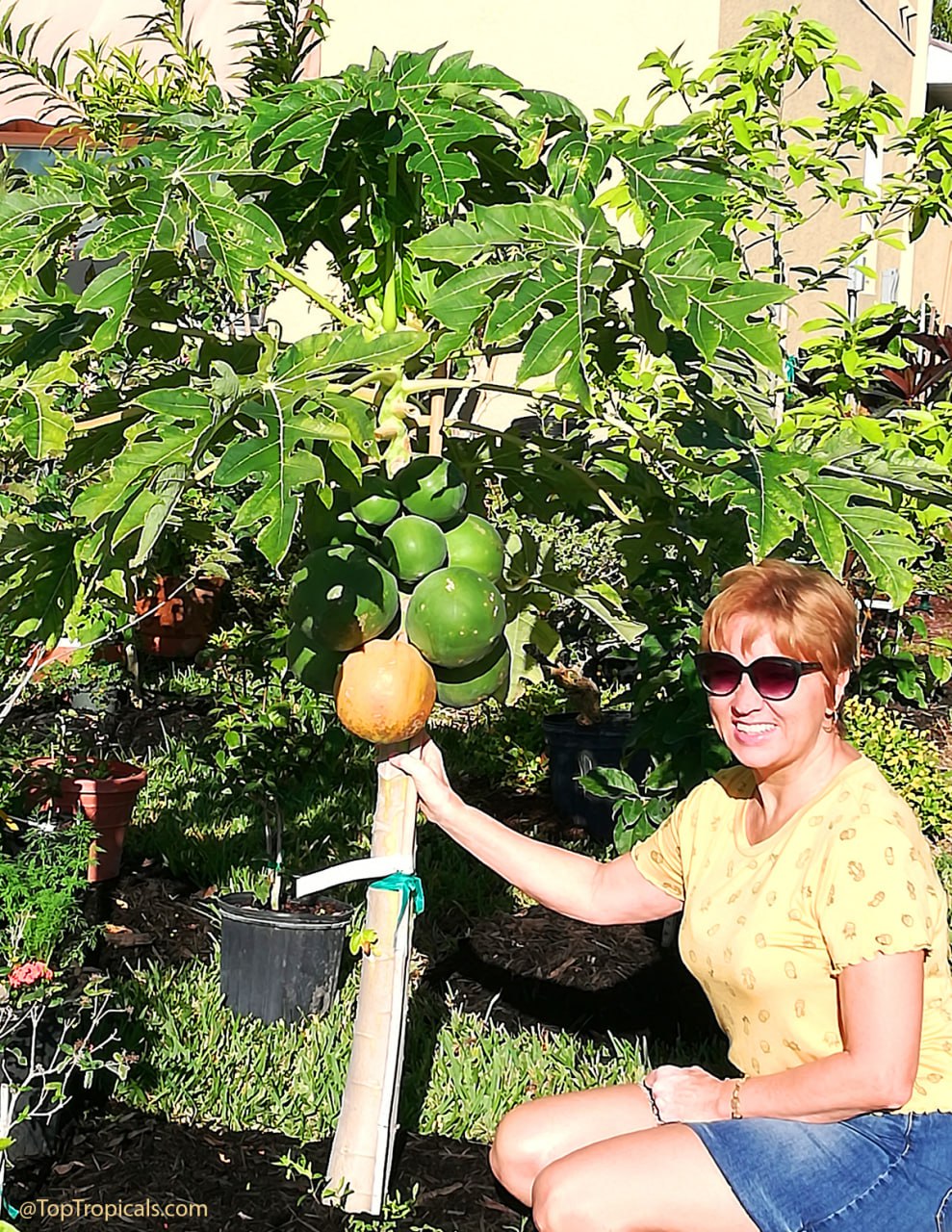
Dwarf Papaya tree

Dwarf Papaya tree

🍊 How to grow papaya from seed without killing it, Part 3: containers, sunlight, and 11 common mistakes


Getting papaya to sprout (see part 1 and part 2) is only half the battle. How you handle containers, sun, water, and root disturbance determines whether your plant reaches fruiting size or slowly declines. In this final part, we cover practical container growing, light requirements, and the mistakes that stop papaya from ever producing fruit.

🍊 Transplanting papaya - what most people get wrong


The one thing papaya roots hate (and most growers ignore)

Choosing the right container is critical.
Rule of thumb: papayas hate transplanting. Their roots do not like to be disturbed.

Because of this:
🟡Reduce transplanting as much as possible
🟡Choose a container that will last longer once seedlings leave starter pots
🟡Avoid stepping up pot sizes too frequently

Watering matters just as much:
🟡Larger pots stay wet longer
🟡Papaya roots dislike constant moisture
🟡Always reduce watering when moving into a bigger container

🍊 Container growing guide for papaya


Grow papaya anywhere - but only if you do this right

🟡Start seeds in small cells (1–2 seeds per cell) or small pots (4–8 seeds per pot, spaced far apart)
🟡Transplant carefully when seedlings reach about 2 inches
🟡Once a 4-inch pot is outgrown, move directly to 1-gallon or even 3-gallon containers
🟡Reduce watering when containers are much larger than the root system
🟡Protect young plants from heavy rain until roots fill the pot
🟡Stake plants with bamboo
🟡Papayas grow fast, and the stem often outpaces root development. Even light wind can knock them over

🍊 Sunlight requirements for papaya


Papaya grows fast, but one mistake stops it cold

Papayas need full sun and prefer to stay on the drier side once established.

In shade:
🟡Plants become leggy and overly tall
🟡Flowering may stop completely
🟡Fruit production may be reduced or zero

Shade also keeps soil wet longer:
🟡Soil dries slowly
🟡Excess moisture can kill roots, even on mature plants

🍊 11 most common mistakes when growing papaya from seed


From seed to fruit in under a year - if you avoid these papaya mistakes

· 1. Leaving pulp or slime on seeds - prevents germination and causes rot
· 2. Soil too wet during germination - keep damp, not soggy
· 3. Overwatering seedlings - young plants rot easily
· 4. Disturbing roots during transplanting - papayas hate it
· 5. Not enough sun - papaya hates shade and will not produce in low light
· 6. Too much water once established - prefers drier conditions
· 7. Planting in low spots in the ground - poor drainage leads to root rot
· 8. Using heavy soil - waterlogging kills roots
· 9. Giving up too early - seeds can take weeks to sprout
· 10. Not fertilizing - papaya is a heavy feeder. Poor soil means no fruit. Remember, it is a giant grass.
· 11. Do not trim papaya. Trimming may cause side shoots, but it ruins the natural tropical form. If you need a ladder to harvest fruit, the solution is not pruning - it is growing a dwarf variety.

Papaya rewards growers who understand its quirks. Treat it like the fast-growing, shallow-rooted plant it is, and it will produce quickly and generously. Ignore those basics, and it will struggle no matter how much care you give it.

If you found this helpful, bookmark all 3 parts - papaya grows fast, and timing matters
:

How to grow papaya from seed without killing it:
Part 1: Papaya basics
Part 2: Seeds germination
Part 3: Containers, sunlight, and common mistakes

🛒 Explore Papaya varieties

📚 Learn more:

Papaya Plant Facts

Botanical name: Carica papaya
Also known as: Papaya
USDA Zone: 9 - 11
Highligths Small tree 10-20 ftFull sunWater Requirement: Low. Allow soil to dry out between wateringsWatering: Moderate. Water when top soil feels dryYellow, orange flowersWhite, off-white flowersEdible plantEthnomedical plant.
Plants marked as ethnomedical and/or described as medicinal, are not offered as medicine but rather as ornamentals or plant collectibles.
Ethnomedical statements / products have not been evaluated by the FDA and are not intended to diagnose, treat, cure, or prevent any disease. We urge all customers to consult a physician before using any supplements, herbals or medicines advertised here or elsewhere.Subtropical plant. Mature plant cold hardy at least to 30s F for a short time
Get personalized tips for your region

· Carica papaya in Plant Encyclopedia

#Food_Forest #How_to #Papaya

🟢 Join 👉 TopTropicals
Date: 21 Jan 2026

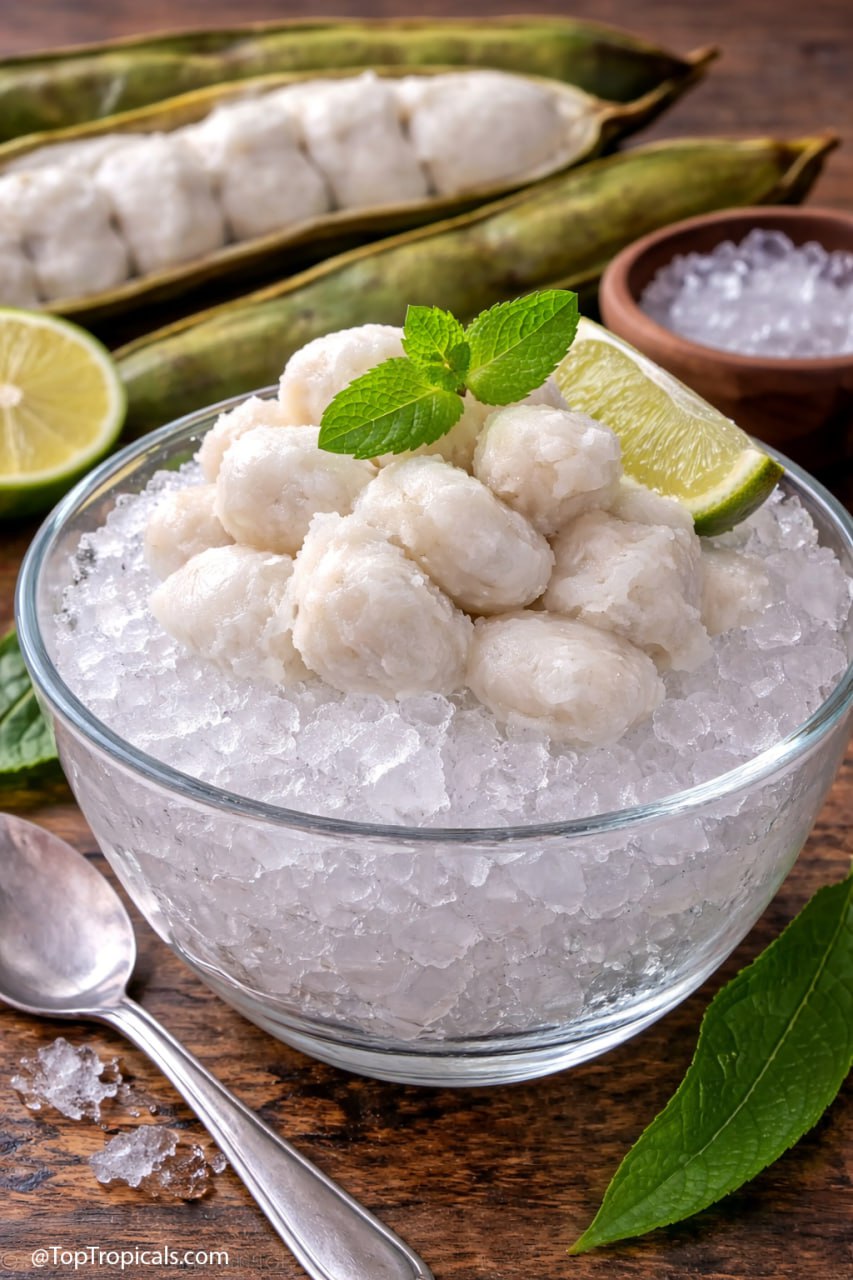
Ice Cream Bean cool fluff: quick-n-fun exotic recipes

Ice Cream Bean cool fluff

Ice Cream Bean cool fluff

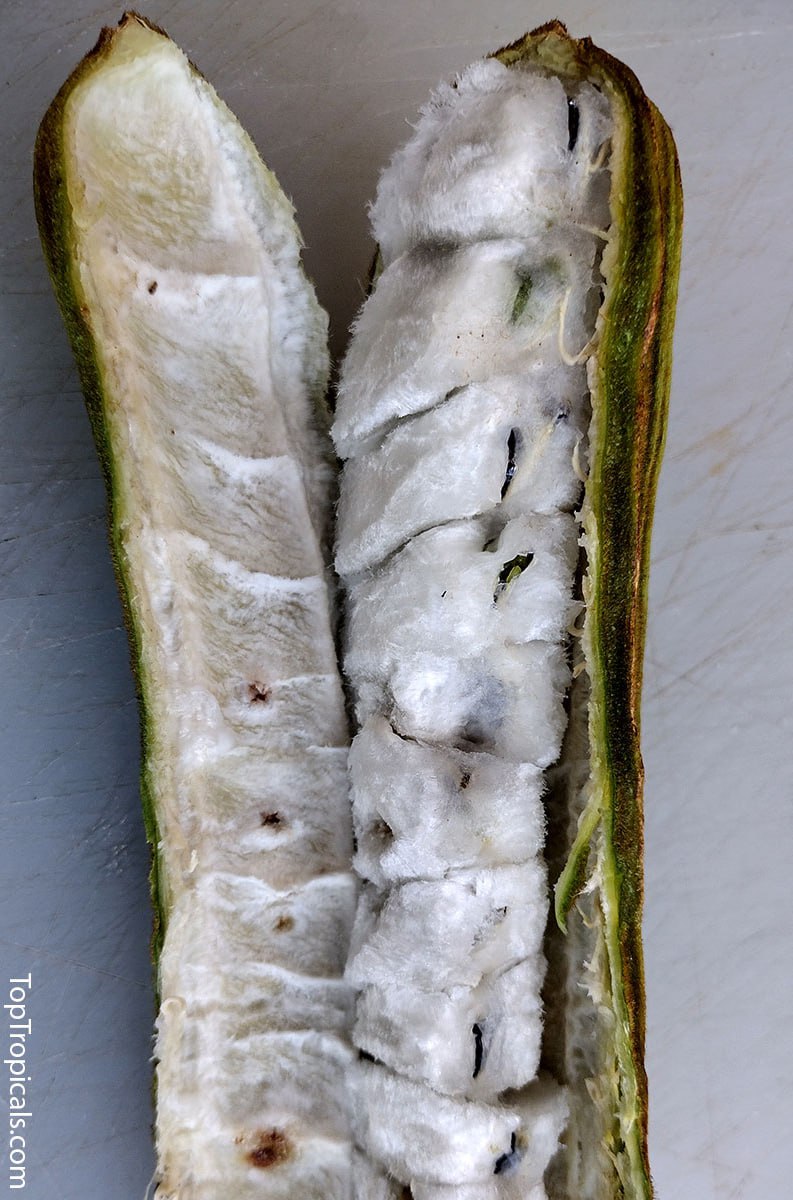
Ice cream bean tree (Inga edulis) - fruit

Ice cream bean tree (Inga edulis) - fruit

🍴 Ice Cream Bean Cool Fluff

Ingredients

  • Fresh Ice Cream Bean pulp (Inga edulis)
  • Crushed ice
  • Optional: lime wedge or mint leaf for garnish

Instructions

  1. Open ripe Ice Cream Bean pods and scoop out the sweet white pulp.
  2. Remove and save the seeds if you want to plant more Ice Cream Bean trees.
  3. Chill the pulp for 20 to 30 minutes.
  4. Serve the chilled pulp over crushed ice as a natural shaved-ice dessert.

🌿 About the plant:


Ice cream bean (Inga edulis) produces long pods filled with sweet, cottony white pulp surrounding dark seeds. The flavor is mild, vanilla-like, and naturally creamy. The pulp is eaten fresh and used as a natural dessert across South and Central America.

🌱 In the garden:


Inga edulis is a fast-growing tropical tree with lush foliage and nitrogen-fixing roots that improve soil health. It is a perfect tree for a quick shade solution in just one season. While large in the ground, it can be managed with pruning in home orchards.

🛒 Plant Ice Cream Bean tree

📚 Learn more:

Ice Cream Bean Plant Facts

Botanical name: Inga edulis, Inga feuilleei
Also known as: Ice Cream Bean, Inga, Guama, Guaba
USDA Zone: 9 - 11
Highligths Large tree taller than 20 ftFull sunWatering: Regular. Let topsoil dry slightlyWhite, off-white flowersEdible plantSubtropical plant. Mature plant cold hardy at least to 30s F for a short time
Get personalized tips for your region

Ice Cream Bean tree (Inga edulis) in Plant Encyclopedia
Did you know that ice cream actually grows on a tree?
What does Ice Cream Bean fruit taste like?
Ice Cream Bean Tree: Eating the fruit and planting the tree

#Food_Forest #Recipes

🟢 Join 👉 TopTropicals

Date: 24 Feb 2017

TopTropicals news, sales and updates

Extended sale 15% off on all fruit trees! Take advantage of our "Spring is coming!" fruit tree sale extension 15% off on all fruit trees and spices, including mango new exclusive varieties. No minimum order required. Hurry up, sale extension ends on Saturday, Feb 25.

Radio Top Tropicals Live Webcast upcoming event: Saturday February 25, at 11 am EST.
Topic: GROW YOUR OWN! DUDE!
1) Herbs, both annual and perennial.
2) Fruit trees.
3) Foods once thought to be only ornamental.
Our Host Robert Riefer - Internationally Certified Crop Adviser - answering all your questions.

Listen to Radio Top Tropicals, every Saturday, at 11 am EST! You may use our website radio player DURING AIR TIME and see the pictures of plants we are talking about. To ask questions using live chat, you need to log in at Mixlr.com or simply call our office 239-887-3323 during air time!
If you missed a live webcast, you may listen to recording by following Showreel item link.

Check out our upcoming radio shows and get your gardening questions ready!

Pisces Zodiac lucky plants

Pisces- 2/19 - 3/20. As a WATER sign ruled by both Jupiter and Moon (and Neptune, that was not discovered until 1846, after the plant correspondences were established; Neptune is considered a "higher octave" of the Moon), Pisces plants are often large but hard to find, and may grow near the ocean. The most healing plants for Pisces are those that strengthen the immune system or have an antibacterial effect. Pisces plants may also catalyze expanded states of awareness and be helpful in dream work.
Herbs connected to Pisces are ruled by its former ruler, the Moon (Neptune, the current ruler, was not discovered until 1846, after the plant correspondences were established; Neptune is considered a “higher octave” of the Moon). Diseases of Pisces have traditionally included psychotic disorders, various forms of substance addiction, lung diseases such as tuberculosis, and ailments of the foot; contemporary herbalists also add immune system diseases. Pisces is strengthened by rosemary's ability to promote an aura of centered grounding. This protective herb helps strengthen boundaries and cultivate a closer connection to the physical realm.

Pisces Zodiac lucky plants: Water lily, Lotus, Clematis, Wisteria, Lisianthus, Brunfelsia, Echinacea, English Lavender, Rosemary, Coconut palm, Cranberry, Clove, Coccoloba, Sea Oats, Mangroves, Ochrosia, Aquatic plants, Colocasia, Alocasia, Aralia, Ficus trees, Banyan, Peepal, Banana, Mango, Mimosa, Olive, Anise, Vilca and Yopo, Kava-kava, Nutmeg, Anthuriums, Eucalyptus, Bauhinia, Clusia, Caesalpinia, Callistemon, Bucida, Cassia fistula, Cordia, Calabash, Lipstick palm , Delonix, Elaeocarpus, Erythrina, Fatsia, Guaiacum, Mahoe, Koelreuteria, Kopsia, Macaranga, Pandanus, Peltophorum, Psychotria,Banesteriopsis, Tabebuia.


For links to these plants and other signs information, see full Plant Horoscope.

Date: 7 Feb 2017

After Super Bowl Sale

Chill out and relax by planting a tree! We just watched the most exciting Super Bowl ever... What a game! It was the greatest comeback in Super Bowl in history. Now it is time to let Top Tropicals help give your garden a great comeback too. Relax, have some peaceful happy time, and nothing can be better than planting a tree!

The best tree ever, by many features is a Mango tree. Here at least 5 reasons why:
1. Mango tree is good for beginners since it has low maintenance requirements, including low water needs.
2. Mango tree is easy to ship.
3. Mango tree is a great present.
4. Mango tree is a rewarding fruit tree that will produce fruit for you the same or next year - all our varieties are grafted and ready to bloom.
5. Mango tree produces the most delicious fruit in the world. The sweetest, flavorful, fiberless varieties can be only tasted from home gardens - they simply are not available from grocery stores due to transportation reasons (only fiborous low quality fruit can be safely shipped and stored).

Take advantage of this generous 25% off offer and get yourself a mango tree:
- Dwarf varieties, "Condo" mangoes, great for containers: Carrie, Cogshall, Ice Cream, Julie, Lancetilla, Lemon Meringue, Mallika, Nam Doc Mai, Pickering.
- Large, fast growing, vigorous trees that will quickly create shade and comfort in your garden: Bailey's Marvel, East Indian, Haden, Jakarta, Philippine, Southern Blush, Valencia Pride.
- Exotic collectibles that are hard to find and almost nobody has, be a proud owner of delicious exotic flavors: Alampur Baneshan, Alphonso, Choc Anon (Miracle), Heidi, Maha Chinook, Pim Seng Mun.

Happy planting, end enjoy your fruit soon! See all varieties (for backorder items, add to your wishlist and you will be notified when available, very soon!)

Hurry up, WHILE THE STOCK LASTS! Offer is valid 2 days only, and expires February 9. Offer not valid for previous purchases.

Date: 14 May 2016

Top Tropicals Video: Ambarella - delicious June Plum

Golden Apple, or June Plum - Spondias cytherea.

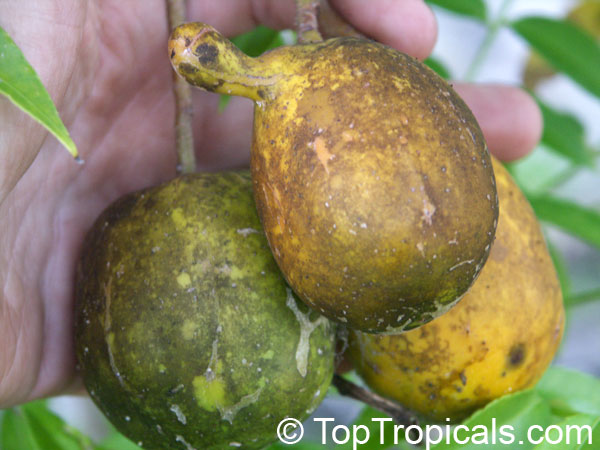
This exciting fruiting plant will amaze you with its ability to flower and fruit at a young age. It fruits in winter and holds the fruit up to 6-8 months, long after the leaves have dropped. The fruit appears in pairs and will turn a brushed-golden color as it ripens. Its feel and juiciness resembles that of a mango but with completely different flavor. The Golden apple is used both in sweet and savory dishes depending on its ripeness. When green, the fruit is commonly eaten as is (with or without skin just like green mangoes) with salt and other salty/spicy dips, made into salsas, chutneys, and into juices and smoothies. When fully ripe, the Golden Apple will be deep yellowish-orange in color. When yellow, the fruit is eaten just like an apple or stewed with sugar to make an applesauce-like dessert.

Check out this video: ...

Stay updated with TopTropicals Videos by subscribing to our channel at YouTube.com/TopTropicals and get our latest video news of what's fruiting and blooming!