Date: 6 May 2016
Taking care of Soursop after shipping
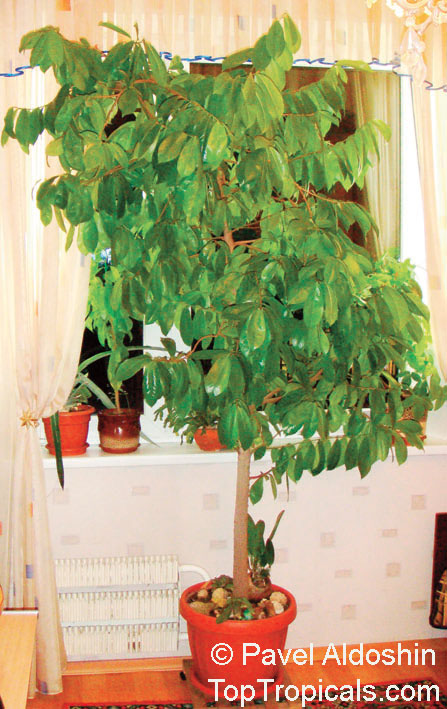
Q: Since I have never grown a soursop tree before I need some pro help. My tree was delivered absolutely beautiful, leaves were a pretty green. I potted it and gave it a good drink of water and put it in a shaded area outside. Then the weather here became cool so I brought it in for a few days until the weather warmed, and it lost all the leaves. Is it in shock and will come around eventually? Will I be able to grow this tree indoors during winter?
A: Soursop - Annona muricata trees are very sensitive to temperature drops. This always causes leaf loss.
You seem to be doing everything right. Do not water until soil gets slightly dry; keep it in bright shade. The weather should be good now with high temperatures and humidity rising. No fertilizer until the plant shows active new growth. Be patient with your plant, it should recover soon.
Soursop is an ultra-tropical tree and doesn't take any freeze. If you live in cooler climate, keep the plant in a pot (the good news is, Annonas in general have compact nature and are perfect for container culture). Bring the tree indoors during cold period, providing bright light.
We have very interesting article about growing and fruiting Soursop in apartment. Check out 4534 Tropical Treasures Magazine # 7
Date: 13 Mar 2016
Growing Vanilla Orchid
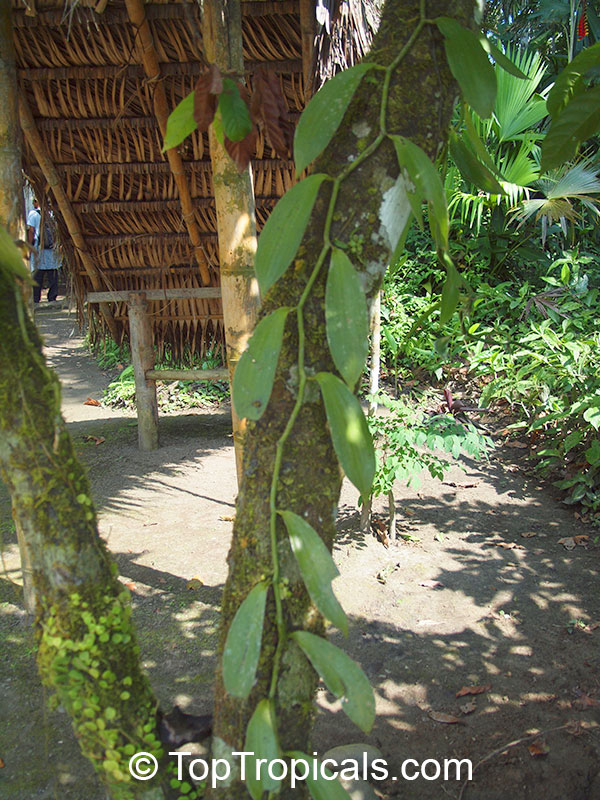
Q: I want to buy Vanilla orchid and I wonder if I can grow it in my bathroom by the skylight.
A: Growing Vanilla orchid is no different than other orchids. It is very simple. All that the plant needs is a good light, good air humidity, and good porous support.
Light. Grow Vanilla orchid in a very bright light, but protected from direct hot sun.
Air humidity.The higher the air humidity, the better your plant will grow. Many people grow orchids in a bathroom where these plants can enjoy occasional "humidity treats" after showers.
Growing media. Vanilla orchid cuttings are rooted very often in a regular potting mix with high content of pine bark and/or Perlite, Coconut Husk Chips
Date: 26 Apr 2023
The Benefits of Companion Planting
Q: What is companion planting?
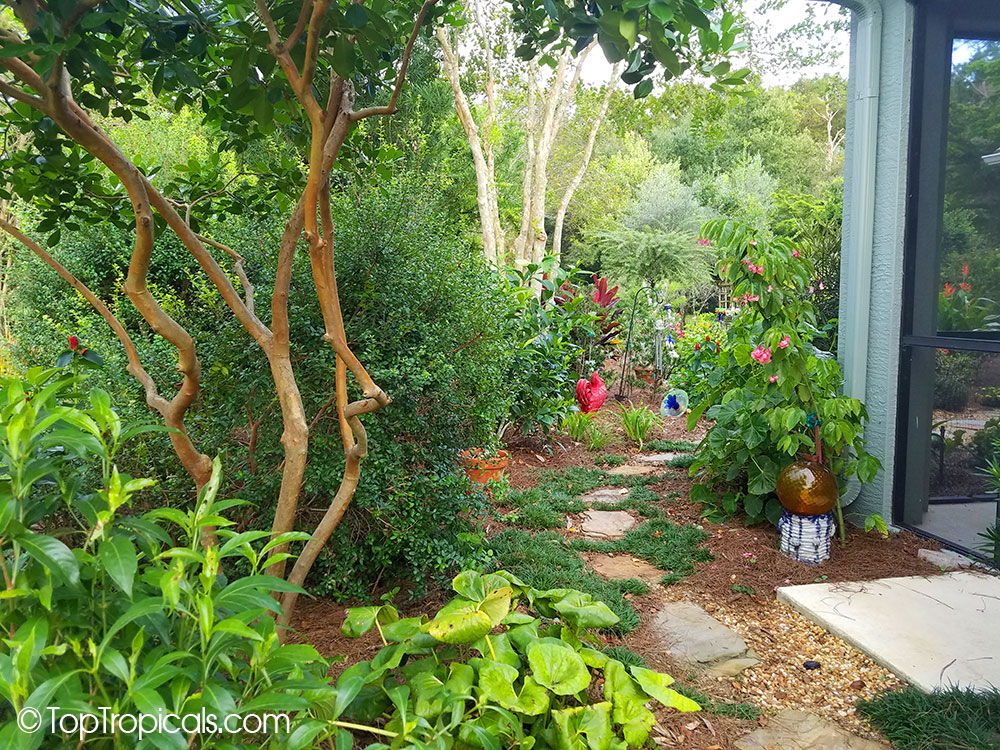
A: Companion planting is a gardening technique that involves planting different crops or types of plants together in a way that benefits all plants. This practice has been used for centuries, and it can be especially useful in tropical gardens where there is a diversity of plant life: trees, shrubs, vines and climbers, ground covers, fruit and edibles, and different flowering ornamentals. It is a great way to improve the health and yield of fruit tree crops while reducing the need for fertilizers and pesticides. By choosing the right companion plants and planning your garden layout carefully, you can create a vibrant and diverse ecosystem that will benefit both your plants and the environment.
Companion planting involves:
Planting different crops together to repel insects: adding such plants as Lemon grass, Patchouli leaf, or Moujean Tea near your vegetables can deter aphids and other pests.
Attracting pollinators - Butterfly plants. Many tropical crops, such as passion fruit, papaya, mango, and avocado, rely on pollinators to produce fruit. Companion planting can help to attract pollinators such as bees, butterflies, and hummingbirds to your garden.
Providing nutrients to the soil, adding mulch and low growing plants (ground covers) to preserve moisture.
Planting a variety of different types of plants together in order to create a more resilient ecosystem that is less susceptible to pests and diseases.
To get started, plan your garden layout and choose companion plants with
similar water and light requirements.
For example, plant in the same group lush foliage plants, gingers, and flowering brunfelsias in shady areas; plant jasmines and gardenias in full sun and very well-drained spots.
Rotate annual crops regularly and experiment with combinations to find what
works best. By doing this, you can create a thriving ecosystem that benefits
both your plants and the environment, reducing the need for harmful
chemicals.

Date: 23 Oct 2022
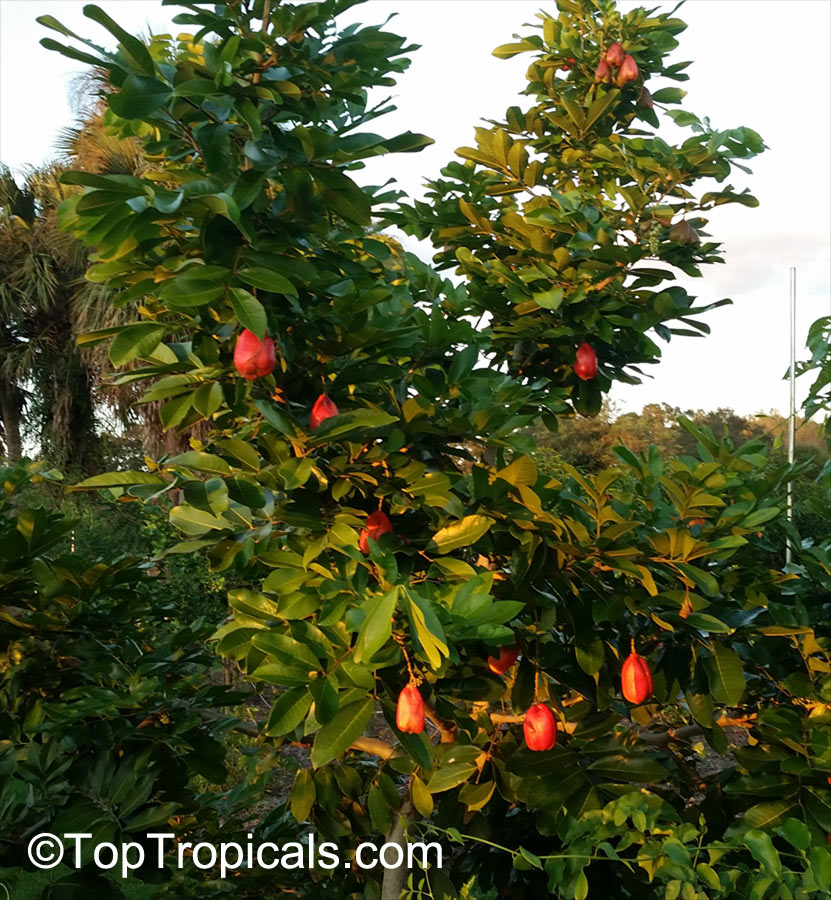
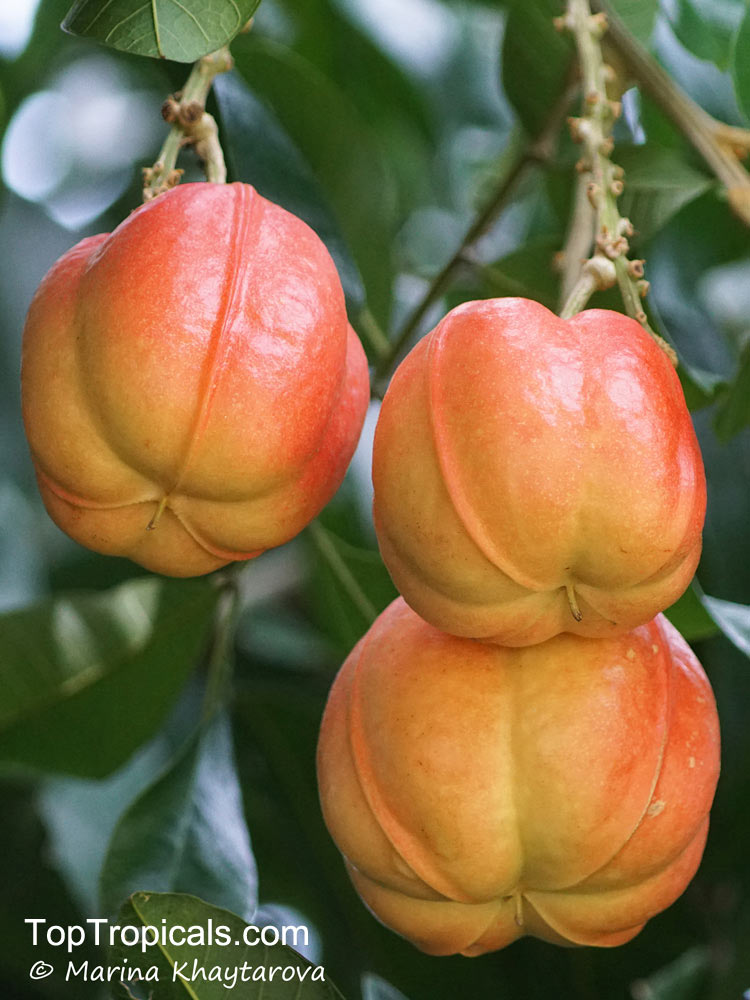
What is Akee fruit?
One of the most bizarre looking, yet useful...
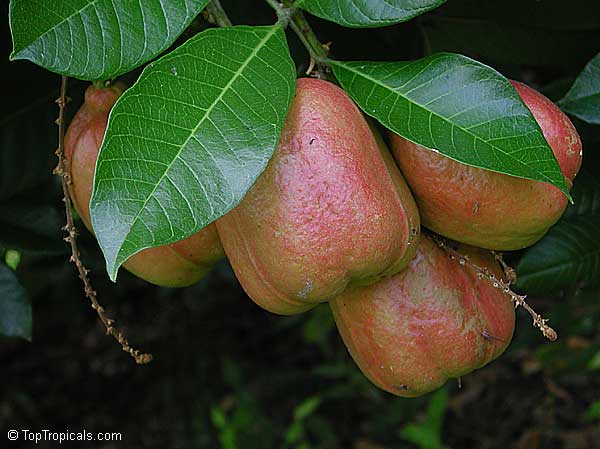
Email from our Florida customer:
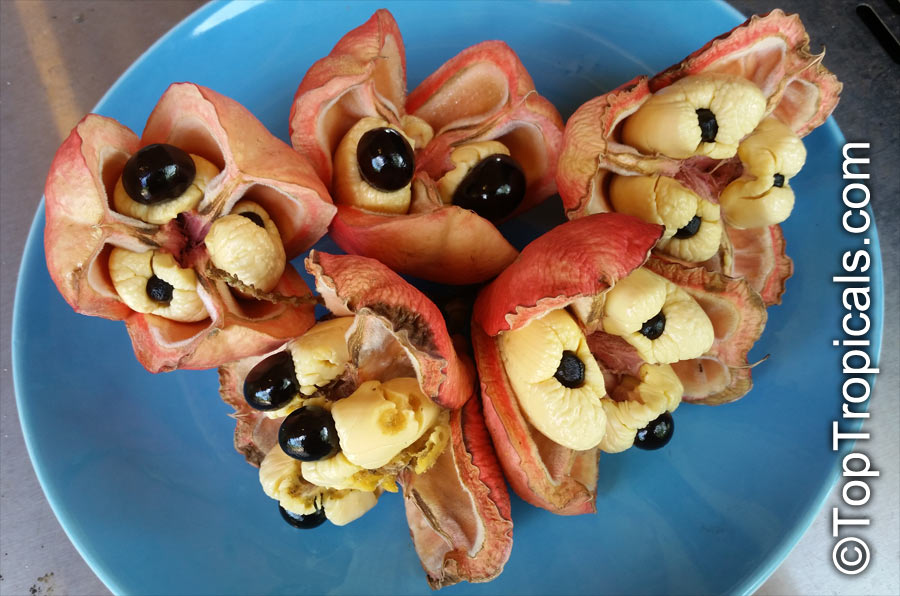
I got an Akee tree from you last year for my tropical fruit garden collection and honestly didn't know much about what it was. This year it started growing real fast and branched out. In spring it was flowering like crazy and now I have about 20 bright coral fruit hanging off the tree that look like Christmas decorations. They are extremely showy and can be seen from far away, I have neighbors stopping by asking what kind of tree it is. I finally did more research on it and found a recipe how to cook the fruit. Only a few had ripened and opened so far, but I already had a chance to try the meal. Cooked the arils and fried in a pan with some butter. What a delicious surprise! To my taste, it is like a mix of potatoes and eggs. Just through in some bacon and it will make a complete breakfast! One of the coolest fruit I've tasted. Just wanted to share this with you.
About Akee (Blighia sapida)
This showy fruit, a close relative of Lychee, Longan, and Rambutan, is a
National fruit of Jamaica. It is indeed very exciting one, and what is also
important, the tree is easy in cultivation, fast growing and can be maintained compact. I it is
not bugsy or picky about soil/water conditions, and is relatively cold tolerant for
being a tropical tree. You can find delicious akee meals only in Jamaican restaurants. But no
need to search for it - grow your own tree, it can't be easier. It will start
fruiting for you the next season, you don't have to wait long. Sometimes it
fruits twice a year! However, remember, the fruit is used as a vegetable, and is not eaten raw. It must be
picked after the fruit has opened naturally so the flesh is fully exposed to
light. When the fruit has "yawned", discard the seeds (or better plant them to
grow more trees - to share with your friends!). The arils, while still fresh
and firm, are best parboiled in salted water or milk and then lightly fried in
butter. Then they are really delicious!
Read
more about this tree...
Date: 13 Jun 2022
New Video:
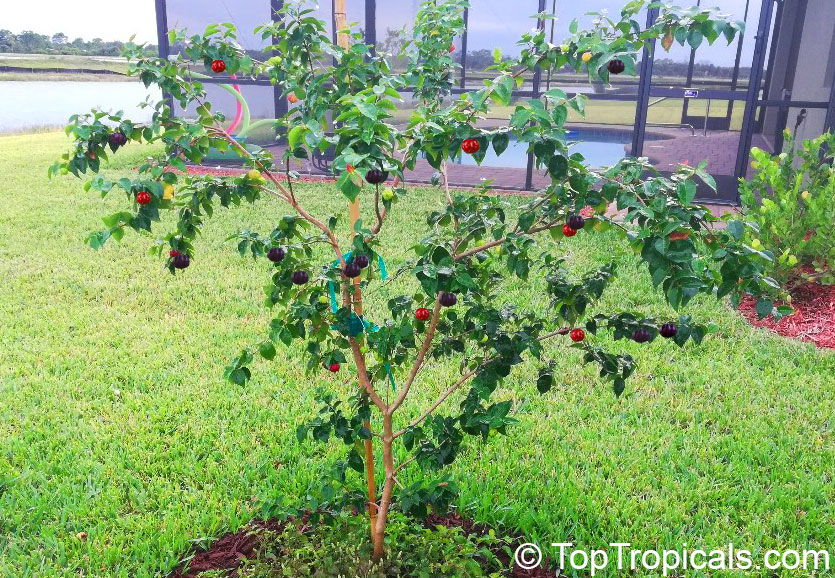
Black Surinam Cherry Lolita
...Black Surinam Cherry - tropical cherry variety Lolita, very hard-to-find. The fruit starts as red and turns black as it ripens. It has an exceptional flavor. The fruit is very sweet, without aftertaste, large 1-1.2 inch, very juicy. Reliable producer. The tree is upright, freely branching. Seedlings come true to seed. These cherry trees are relatively cold hardy and can take light frost. Once established, the plant can withstand upper 20's without damage....
Subscribe to our Channel:
Stay updated with TopTropicals Videos by subscribing to our channel at YouTube.com/TopTropicals and get our latest video news of what is fruiting and blooming!
Revised video:
Garden in Trenches
We apologize for the broken link in our last newsletter and repeat Garden in Trenches per our subscribers request: