Date: 20 Aug 2020
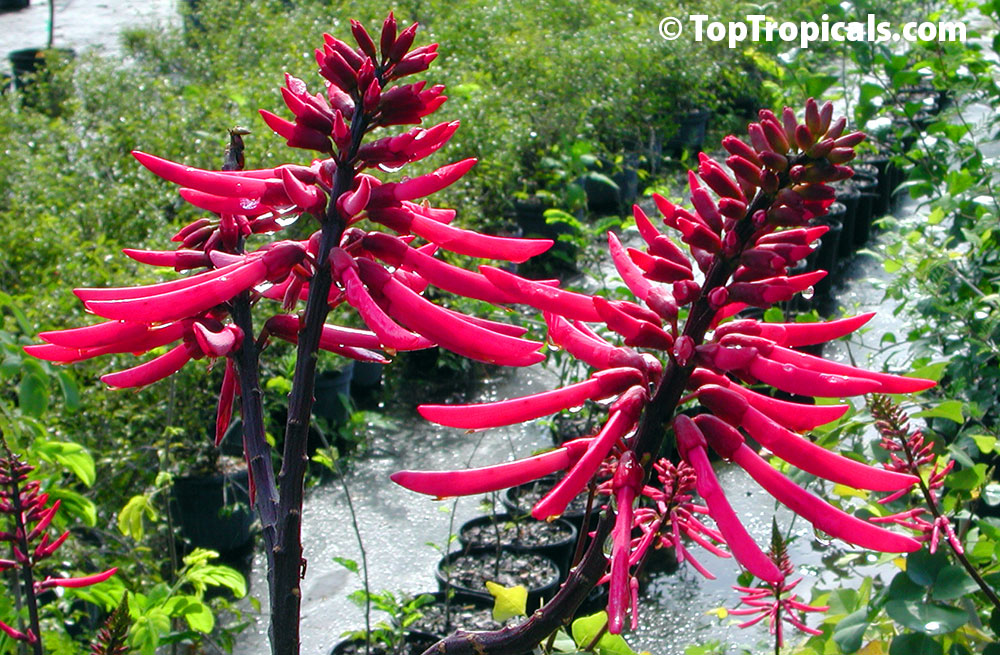
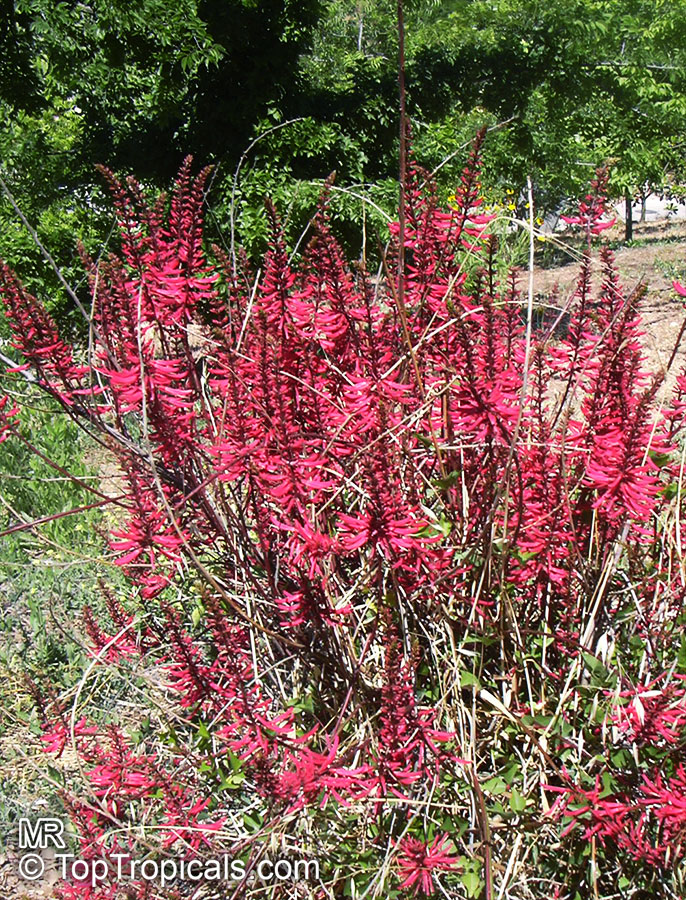
Coral Bean - Hummingbird Delight
Erythrina herbacea
by Onika Amell, tropical plant expert
Q: I am creating a natural, native garden on the southwest coast of Florida. In some of the far corners of my landscape, my soil unfortunately is poor and my irrigation does not reach these areas. I am hoping to find something unusual and native to grow in these challenging areas of my garden. Any luck of finding something tough that will also attract hummingbirds and/or butterflies?
A: Most of us have these areas in our gardens where the soil is sandy or where irrigation simply does not reach. It is always wise to choose tough, native plants that will grow in these areas with minimum care, fertilizer or the luxury of being watered regularly.
One plant to consider is the Coral bean or Erythrina herbacea. This legume, native to the southern portions of the United States, is Florida-friendly, unusual and a great choice for natural and informal planting. It will add interest to these challenging area(s) of your landscape from spring to fall...
CONTINUE READING >>


Date: 12 Jul 2020
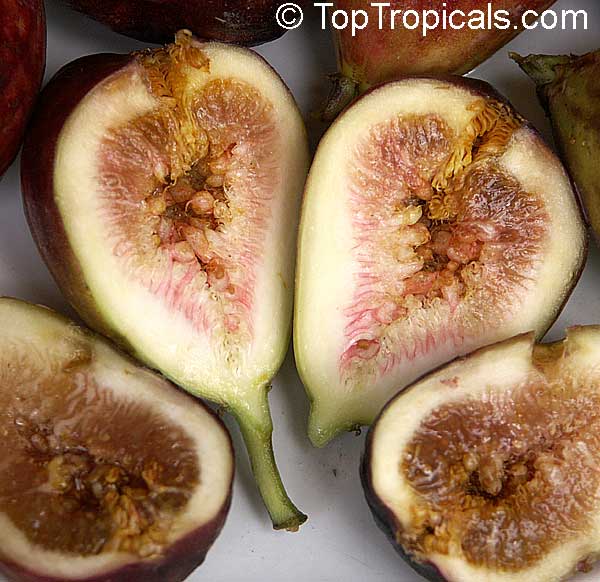
Delicious Turkish Brown Fig
by Onika Amell, tropical plant expert
...Did you know that figs were among the very first plants grown in the
hot and arid Middle East? Fast growing and utterly delicious, they soon made
their way all over the Mediterranean, transported aboard ships and on the
backs of camels...
If you are a fig lover, you may be tempted to grow your own. Market-bought
figs are never as good and tasty as your own, homegrown figs. They just
simply do not keep well in supermarkets. Fast growing, undemanding and low
maintenance, figs will bear fruit in just two years, often bearing two crops in a
year. Another plus is that they are not bothered by too many pests and are
self-fertile. Apart from the delicious fruit, any fig tree will add beauty and
shade to a garden...
CONTINUE READING >>
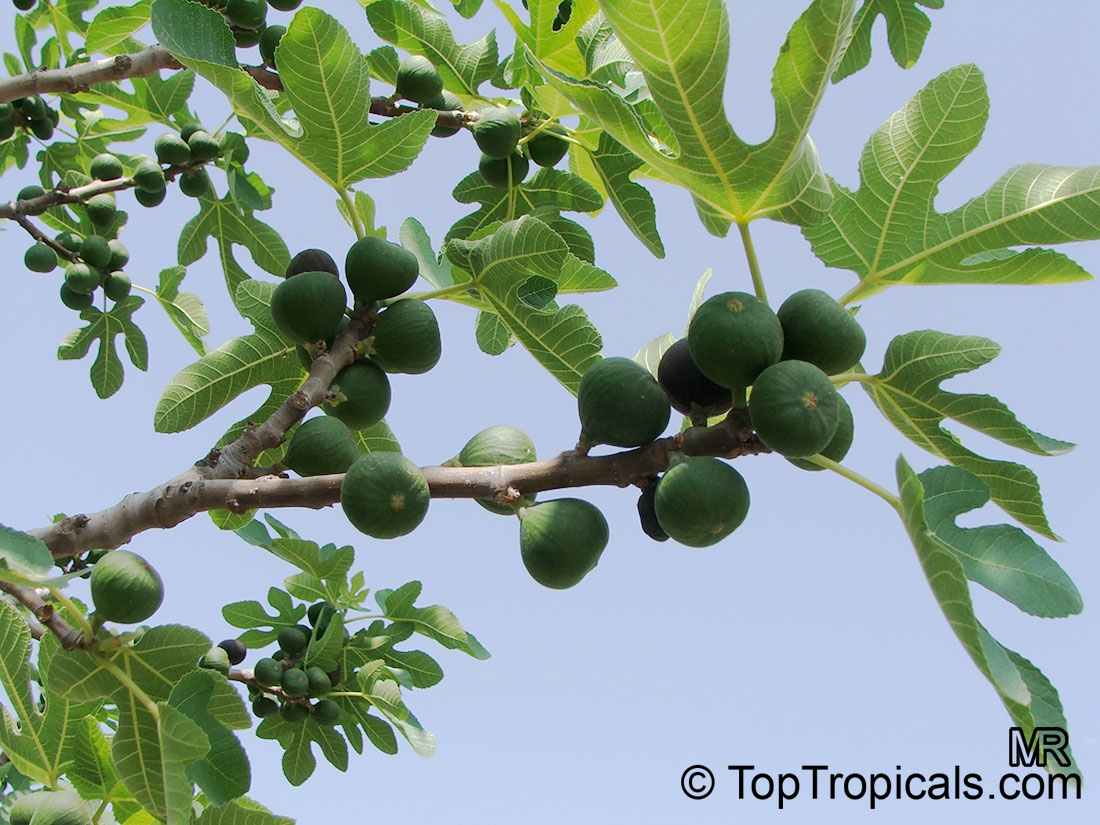
Read more about fig trees:
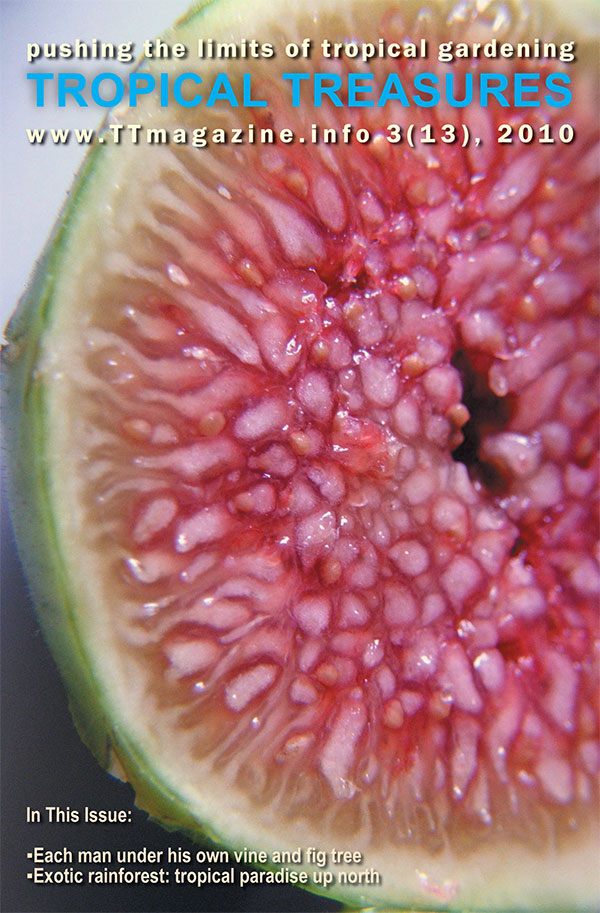
Tropical Treasure magazine # 13 (3) 2010:
- Hard
copy
- PDF
Download
Date: 4 Jun 2020
Plant of the Month: Tecomaria capensis Apricot
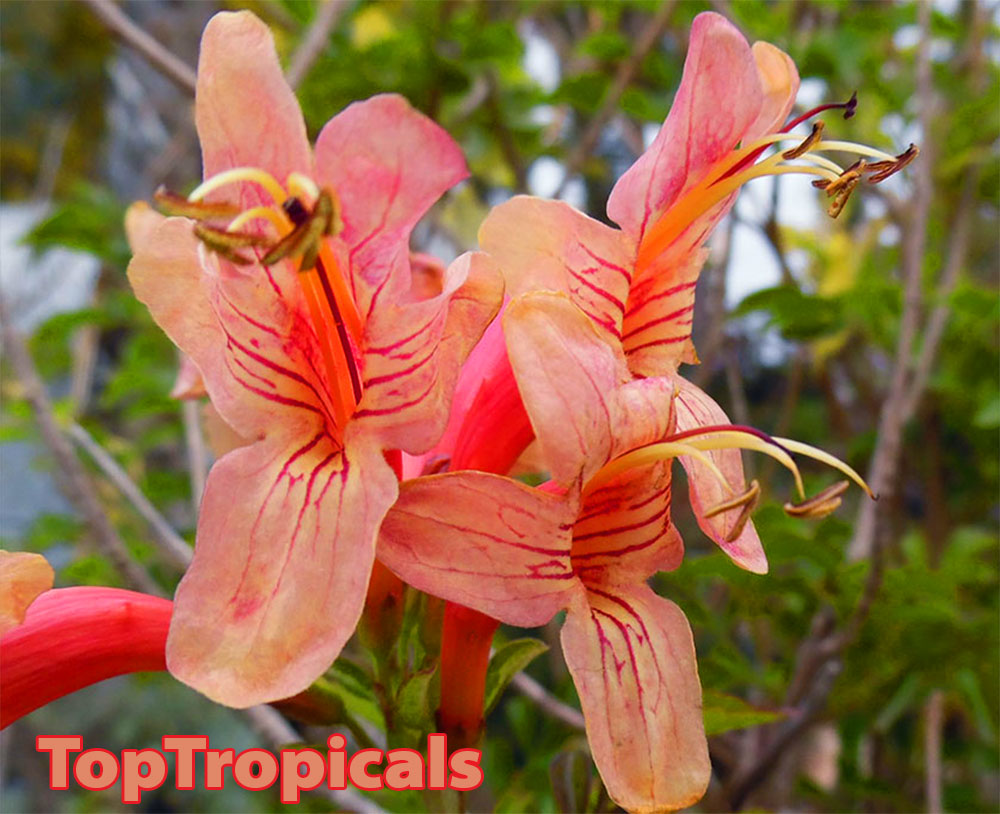
Stevie's Pick: what's in bloom?
Today we are starting a new column about the most spectacular specials that are in bloom or in fruit today. Our exotic plant grower Steven Gowdy will spotlight the most interesting plants he discovers and recommends today while working in TopTropicals greenhouses.
Summer is in full bloom and everyone is wanting dirt under there nails
after being quarantined for two months! Enjoy warm tropical breezes with
Apricot flowers of this showy African Tecomaria in your garden.
Tecomas and Tecomarias make a wonderful splash of color in any garden,
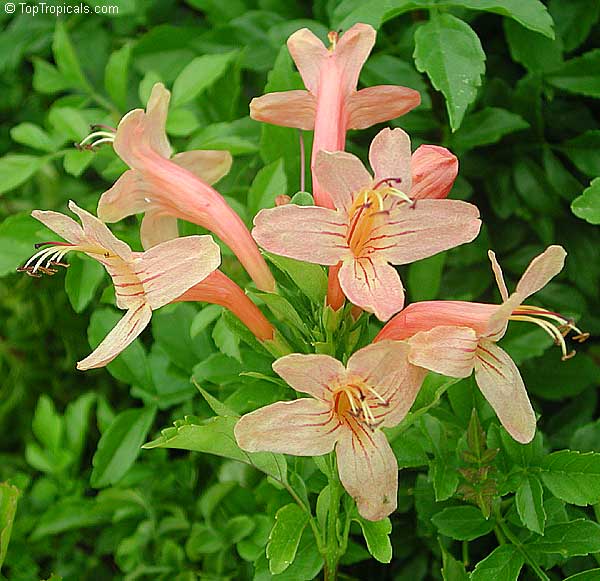
and apricot is no exception. Tecomaria Apricot has pretty unusual color of
flowers, ranging from bright apricot color to light-salmon. Ever blooming in
warmer climates, it can grow 3-4 feet high and a whopping 4-5 feet wide. In
addition to its beautiful flowers, this plant has many medicinal benefits. An
easy fast growing addition to any landscape, it is a great hummingbird and
butterfly attractor. It is pretty cold hardy and can tolerate light frost which
is a great benefit for gardeners living in subtropical climates with cooler
winters.
Date: 23 May 2020
Perfumed Milky Way Tree
by Onika Amell, tropical plant expert
What is a garden without fragrance? Unknown to so many gardeners because
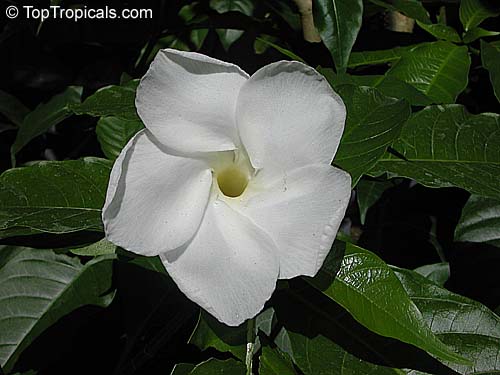
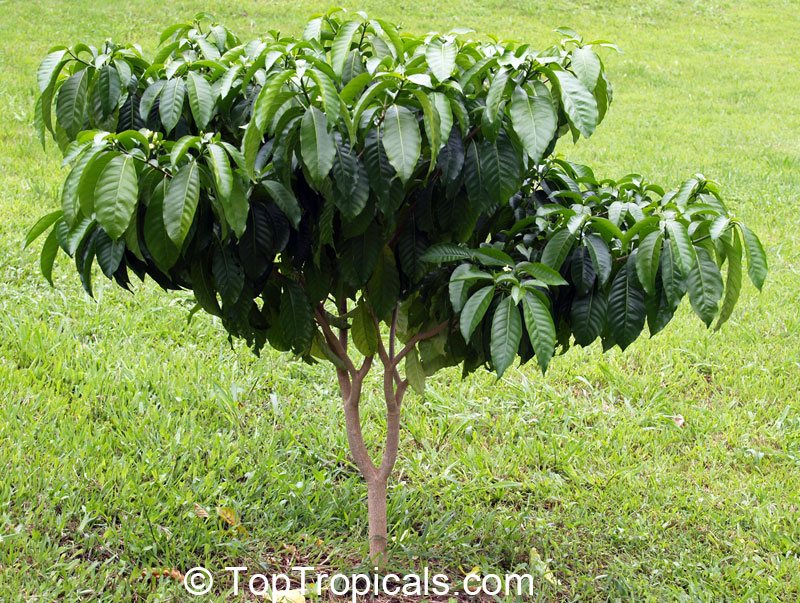
of its rarity, the Milky Way tree or Stemmadenia litoralis is one of those trees that are simply
unforgettable. This is without a doubt one of the most fragrant flowering trees you can
plant in the tropics or warm greenhouse conditions...
When this tree is in full bloom, masses of large, white, tornado-shaped
flowers cover the branches. The fragrance is something to behold… soft,
vanilla sweet and musky. Leaves are dark green and sparkly and a striking contrast
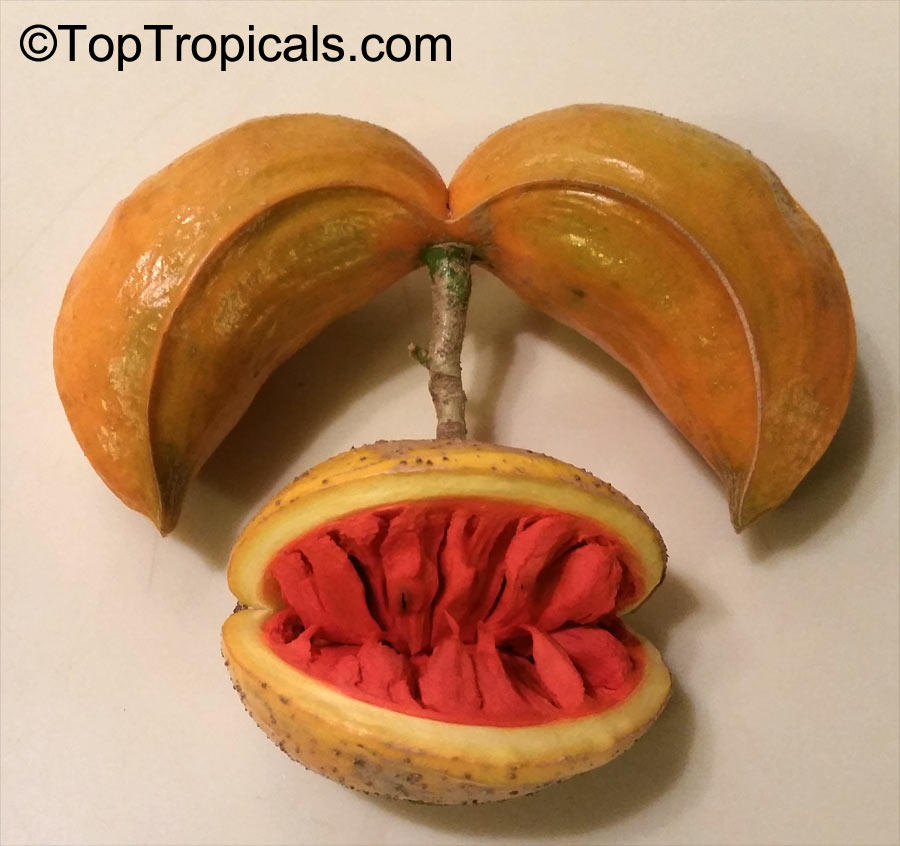
against the large, white flowers. Even the seed pods are pretty,
double-horned and orange-gold, born in pairs and hanging from the tree. This tree is so
ornamental!..
CONTINUE READING >>
Date: 20 May 2020
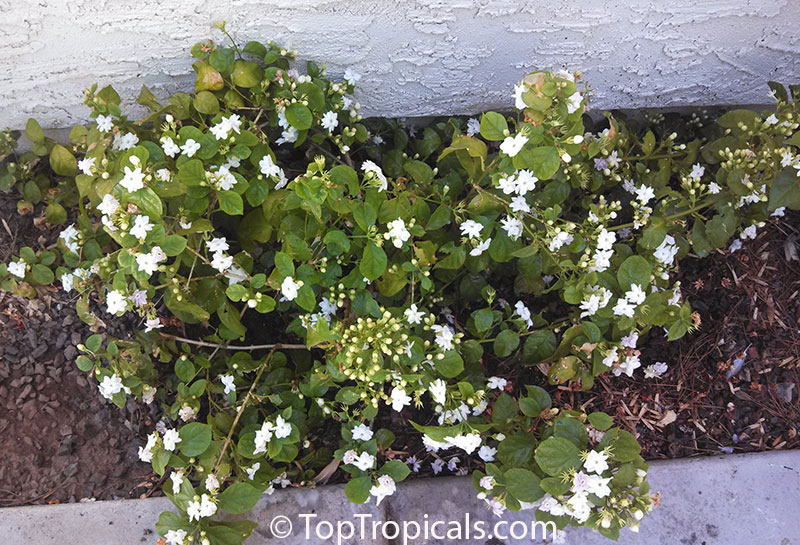
How to prevent Jasmine flower drop
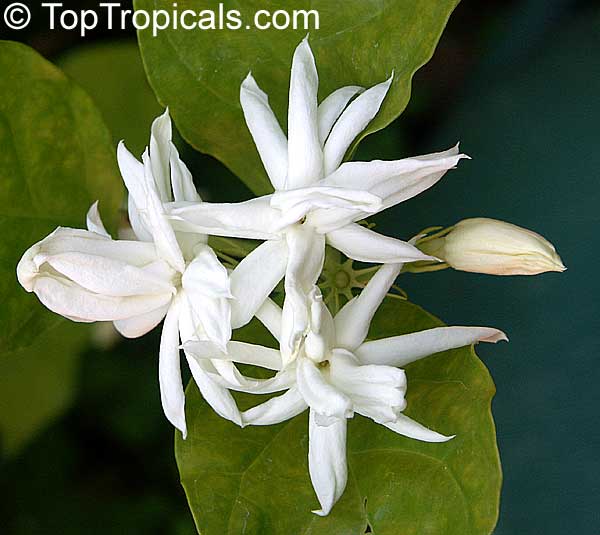
Q: My jasmine buds turn purple to brown and drop before it blooms. What should I do to get the jasmines to bloom fully. Appreciate your help & suggestions.
A: At this time of the year in Florida, jasmines may drop flowers because of the sudden hot weather. The plants
didn't have a chance yet to change their metabolism to summer type. The high
temperatures promoted early bloom, but the plant is not strong enough to
support the flowers. It needs extra food. To improve flower quality and reduce
bud drop, we recommend these supplements:
SUNSHINE Pikake - Fragrant Plant Booster
Sunshine Honey
and Sunshine Superfood