Blue butterfly pea lemonade: quick-n-fun exotic recipes
Blue butterfly pea lemonade
🍴 Blue butterfly pea lemonade: quick-n-fun exotic recipes
🔵Blue butterfly pea flowers (Clitoria ternatea) make an excellent lemonade! 🔵Brew the flowers into a blue tea, add a bit of lemon juice. 🔵Watch the color turn purple like magic!
🥭 Yes, you can grow a tropical fruit tree in a pot!
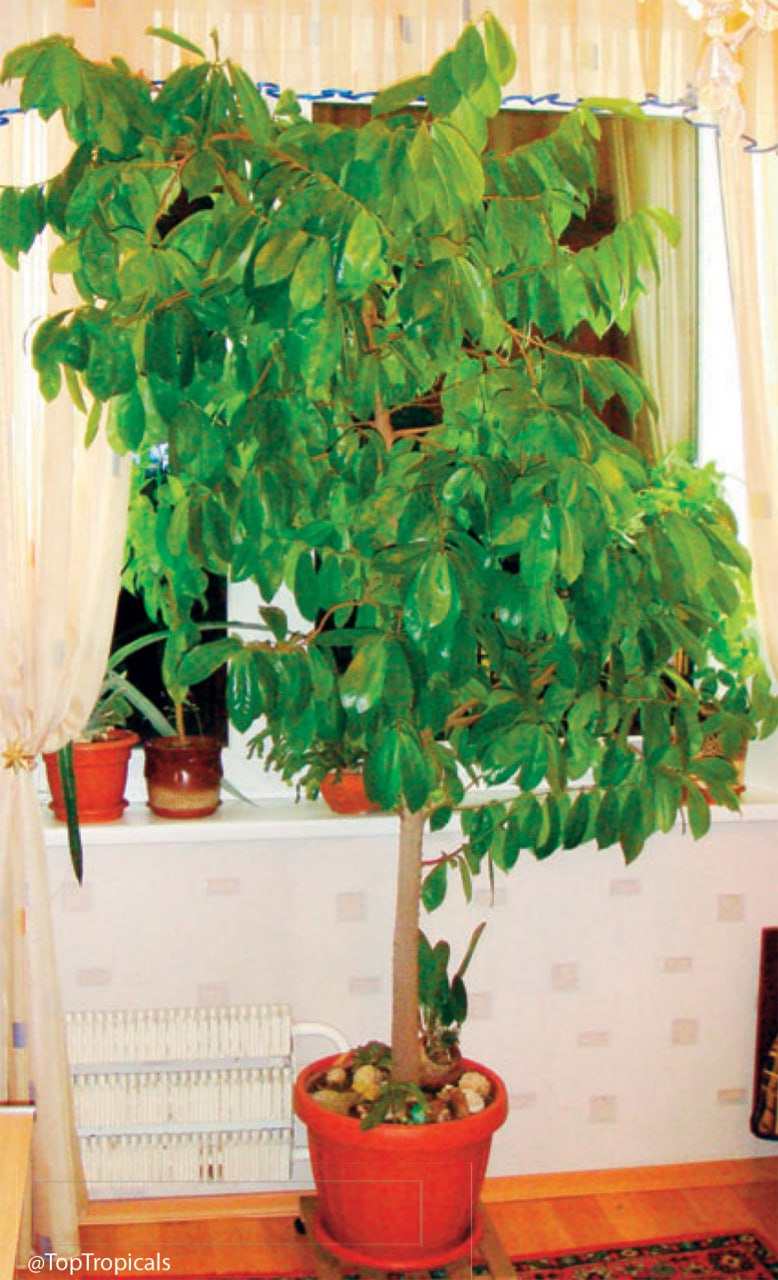
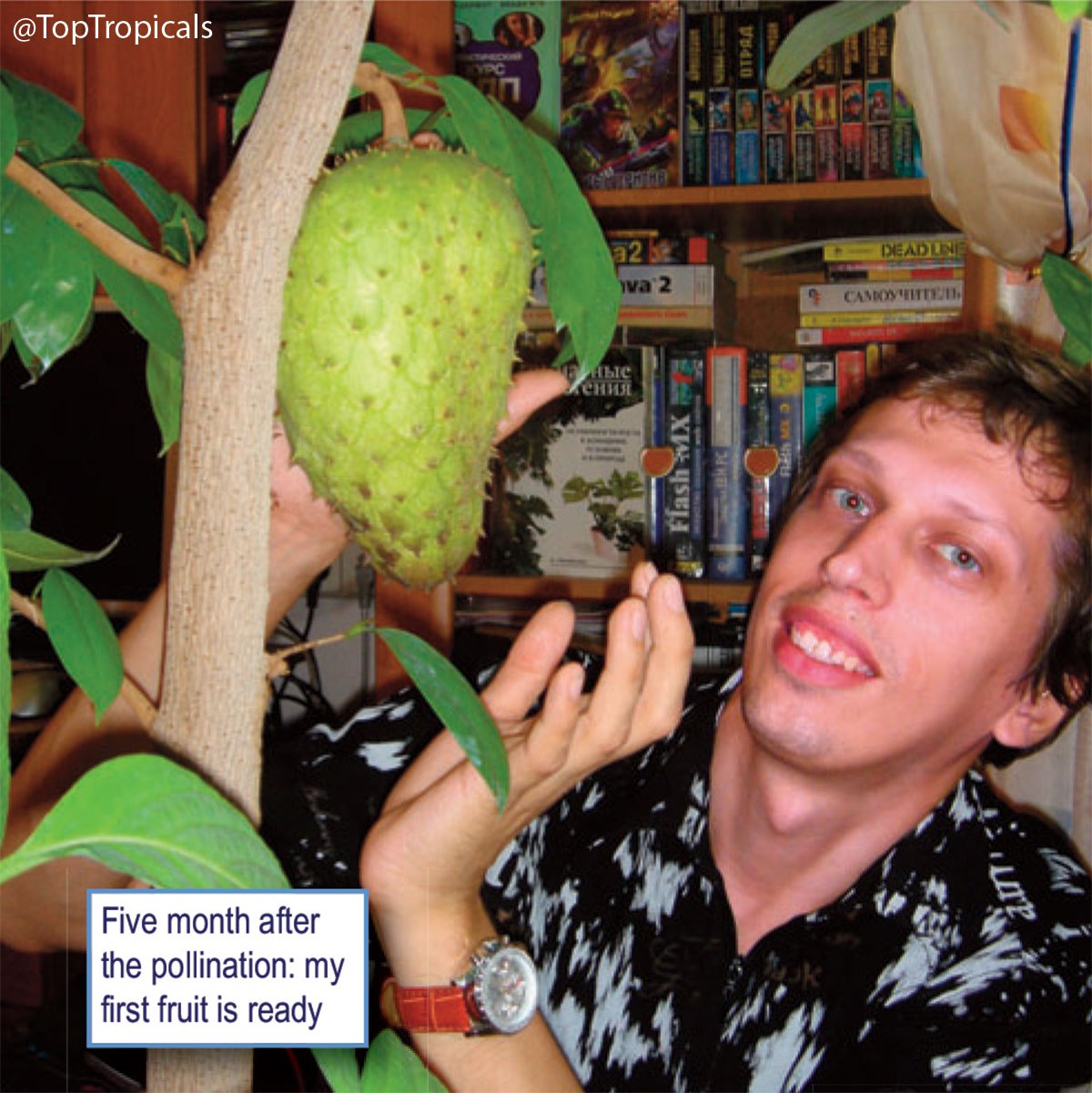
🍒 If you dream of picking fresh tropical fruit - Mango, Avocado, exotiс Annona and more - but only have a patio, balcony, or small yard, you’re not out of luck. Many tropical fruit trees grow perfectly well in large containers. The key is choosing the right variety, pot, and care routine.
🍒 Pick a compact tree type Start with a dwarf or semi-dwarf variety. Regular tropical trees can grow huge, but container-sized cultivars stay under 8–10 feet and are much easier to manage. For example, Condo varieties of Mango like Pickering or Ice Cream stay small and still produce full-sized fruit. The same goes for Dwarf Avocados like Wurtz (also called Little Cado) and Sugar apples. Blackberry Jam fruit tree (Randia formosa) and Peanut Butter Fruit tree (Bunchosia argentea) are also excellent choices.
🍒 Choose the right pot Begin with a 5-gallon container and move up as the tree grows. A mature plant will be happy in a 20–25-gallon pot. Drainage is critical - roots will rot if the pot stays soggy. Use a sturdy plastic, ceramic, or wooden container with multiple holes in the bottom.
🍒 Soil and watering These trees all like loose, well-draining soil. Mix potting soil with perlite or pine bark for better aeration. Water deeply but not too often - let the top few inches dry before watering again. Overwatering is the quickest way to kill a potted tropical.
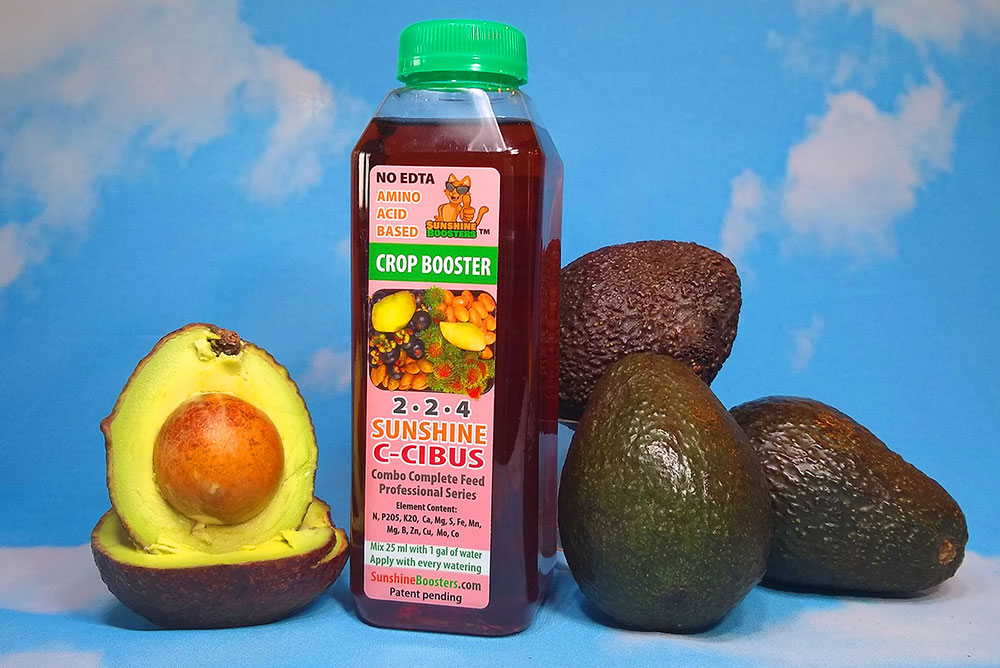
🍒 Light and feeding Full sun is a must - aim for at least 6 hours daily. Fertilize during the growing season with a balanced fruit tree or slow-release fertilizer like Green Magic or liquid Sunshine Boosters. Many tropicals appreciate an extra boost of micronutrients like iron and magnesium to keep their leaves green.
🍒 Cold protection and pruning If you live where winters get chilly, move the pot indoors or into a greenhouse before frost. Prune lightly in spring to keep shape and airflow. Container trees can fruit heavily if given light, warmth, and consistent care.
At the end of the day, container culture lets you grow the tropics anywhere - from a city balcony to a backyard deck.
Healthy Plants - Q&A from Mr Booster: Feeding Avocado Tree
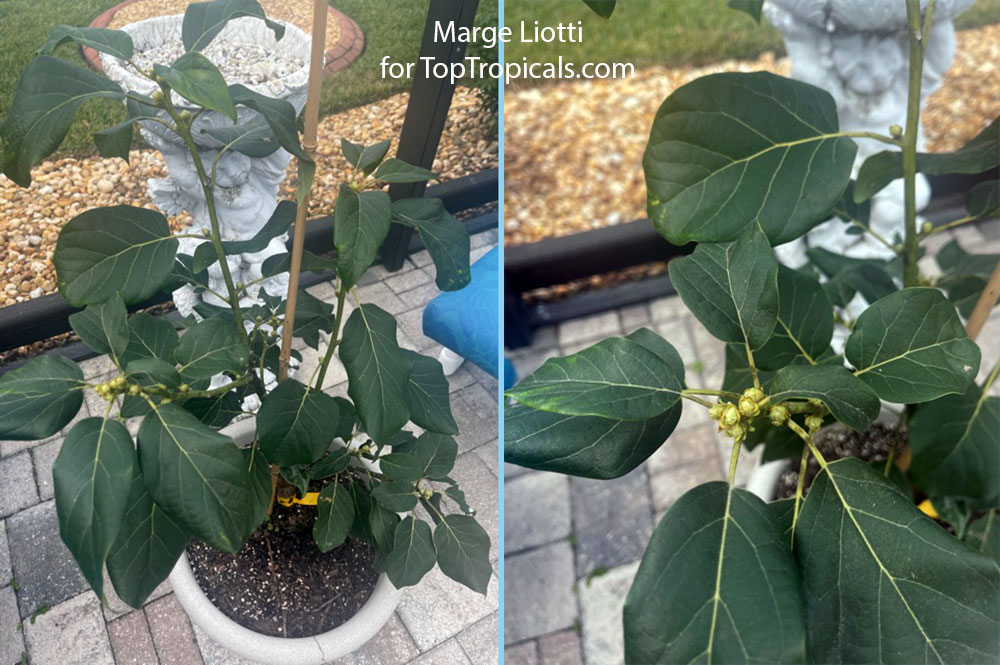
Q:We bought one of your avocado grafts and it's doing great, lots
of buds for fruit. It's still in a pot and fertilizing with the Sunshine Boosters. Should we continue with this product? We'll plant
it in the ground in March. Thought you'd enjoy pictures of our wonderful
tree. No freezing temperatures in Riverview, but when it got down into the 30s,
the plant came in. One good thing about growing in the pot. I'll be buying
some more Sunshine Boosters. This stuff is working great on all our plants.
A: Congratulations with a good job on growing avocado over
winter. Avocado trees are not easy, we are happy to hear that your plant is ready
for production, this is amazing! We've noticed that Sunshine Boosters perform
miracles. Here are some suggestions for you:
1) Continue fertilizing with Sunshine Boosters according to the feeding chart
2) When ready to plant, dig a large hole and fill it with good soil full of
organic matter (compost mixed with existing sandy soil will be good). Make
sure to plant the tree on 3-4"high elevation, like on a little hill. Avocados
need perfect drainage and can't tolerate wet feet. See more info on planting and planting instructions (pdf).
3) Water daily with a hose, do not rely on sprinklers. Avocados like water
(considering perfect drainage)
4) Continue applications of Sunshine Boosters at least until the tree is established and starts
growing new branches with lots of leaves. After that, you can switch to
slow-release fertilizers once a month if it makes it easier, but if you can, continue
Sunshine Boosters at least on weekly basis - they really boost plant growth!
Date: 21 May 2019
Colors of Cannas
By Onika Amell, tropical flower specialist
Q: I'm a beginner gardener and looking for something easy to
grow that will add a lot of color to my garden fast.
A: Try growing Canna lilies. They are a favorite of many
gardeners as they are so easy to grow and always provide a reliable, beautiful show
of flowers. In fact, Cannas are one of those plants that are spectacular even
if they never bloomed. The leaves are tropical-looking, banana-like and huge!
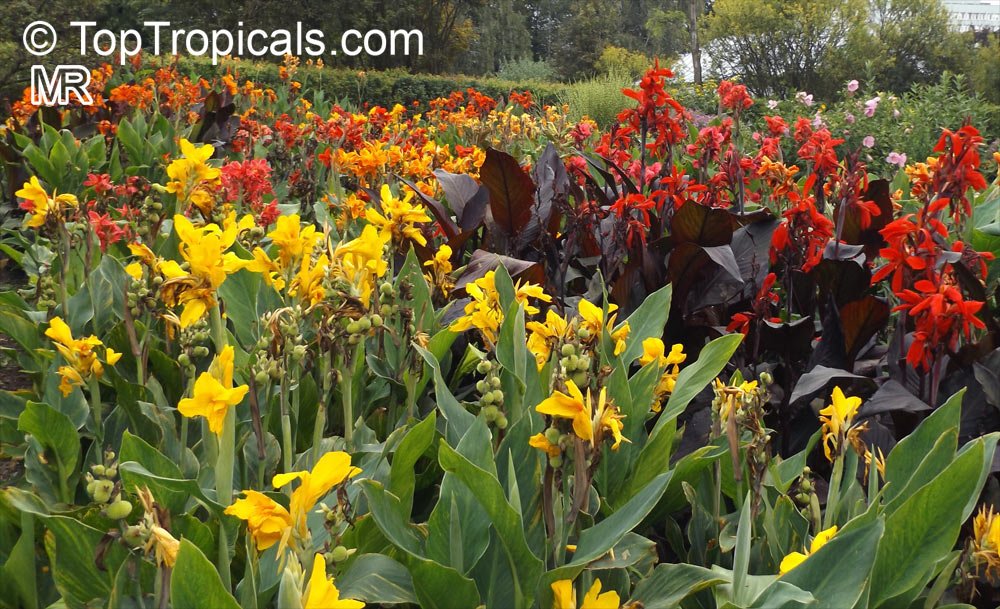
They range in a wide variety of shades and colors, always accentuating the
large showy flowers on top.
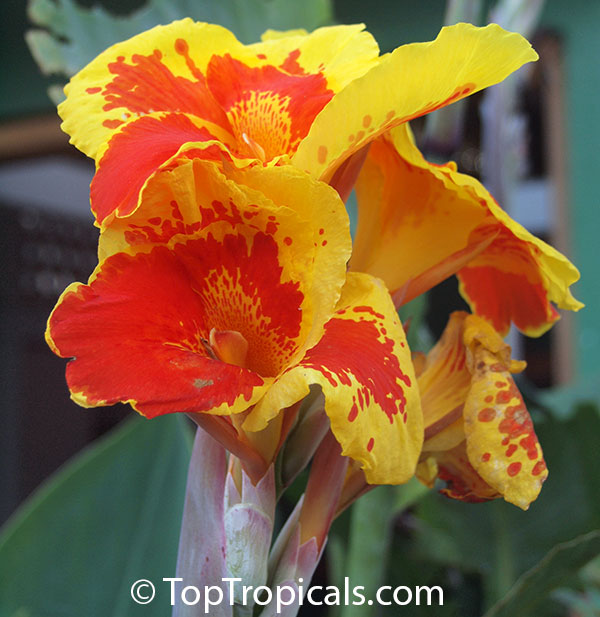
One of our favorite cannas right now is Canna Cleopatra - very striking and most unique. Large yellow flowers
speckled with red spots, or red flowers and even flowers with a little bit of
both. Foliage is exotic and very beautiful, often dark green,
dark chocolate or a combination of both. This is a canna that will
definitely illuminate
your garden!
Caring for Cannas
Cannas like a lot of water, full sun and high heat. They are also heavy
feeders and prefer soils that are well drained, organically rich and moist.
The leaves will quickly tell you when the plant is hungry. Feed your cannas
weekly with a water-soluble 20-20-20 fertilizer Broad Leaf Plus, and they will quickly respond with
beautiful, lush growth. Deadhead often to encourage continued flowering.
Cannas are winter hardy in US hardiness zones 7 and warmer. If you live in
colder areas, the rhizomes need to be lifted in the fall, and stored indoors in a
dark, warm spot until spring arrives. Be sure to divide clumps every three or
four years. Give them lots of room as they grow into large plants, forming
spreading colonies up to 7 feet high and 4 feet wide. Show them off in mass
plantings, in large containers or in mixed flower borders. Lure in hummingbirds
with these beauties!
Date: 9 Apr 2024
How
to start a tropical garden?
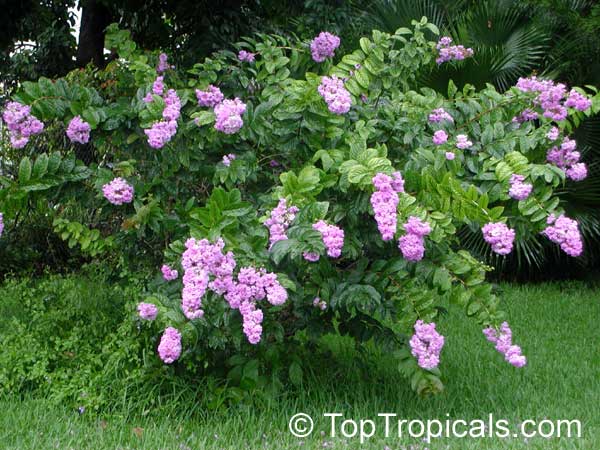
Photo above:
Lagerstroemia speciosa - Queen Crape Myrtle. Gorgeous flowering tree with
cascades of lilac flowers. One of the most popular trees in Southern
gardens.
Q: It's spring, finally! I can't wait to plant my
paradise garden with lots of tropical flowers. We moved into a nice new
house but the yard has nothing but grass. Where do I start?
A: When you start your garden from scratch, you
need to plant your trees first. It's a perfect timing!
Getting tropical
flowering trees now is really important for making your garden strong and
beautiful. Trees are like the bones of your garden, giving it shape and shade.
If you plant them in spring, they have enough time to grow strong roots
before winter. This helps them survive better.
Trees also give shade to other plants so they can grow well too. It's like
building a house - you need to start with the frame before adding other
parts. So, it's a good idea to get those trees now before moving on to shrubs and
vines.
Remember to provide regular fertilizing program which is the most important
during season of active growth. The more food your tree gets, the stronger
and faster it grows! For flowering trees, we recommend Sunshine Boosters Megaflor formula.
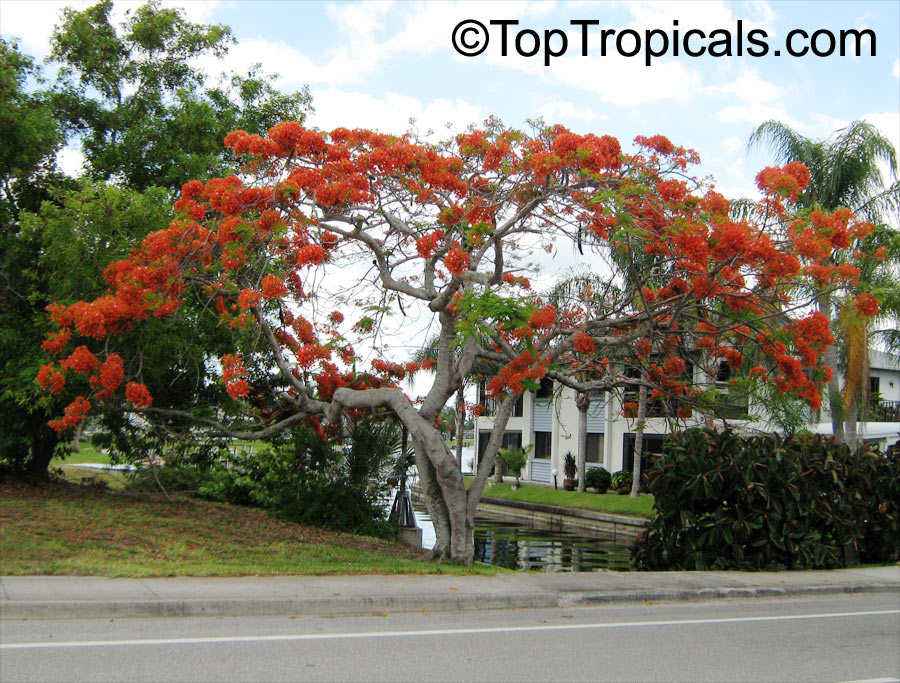
Photo above:
Royal poinciana, Flamboyant tree - Delonix regia."The Royal Poinciana
is one of the most spectacular flowering trees in the USA, and probably
among the top 10 on this planet. In full bloom, it is like a regal elephant
caparisoned in red and yellow brilliance."(Larry M. Schokman, The Kampong,
National Tropical Botanic Garden)