Garden Blog - Top Tropicals

Date: 11 Oct 2019

Fun of growing your own Pepper
By Onika Amell, tropical plant specialist

Q: Can you grow your own black pepper plants in the USA?

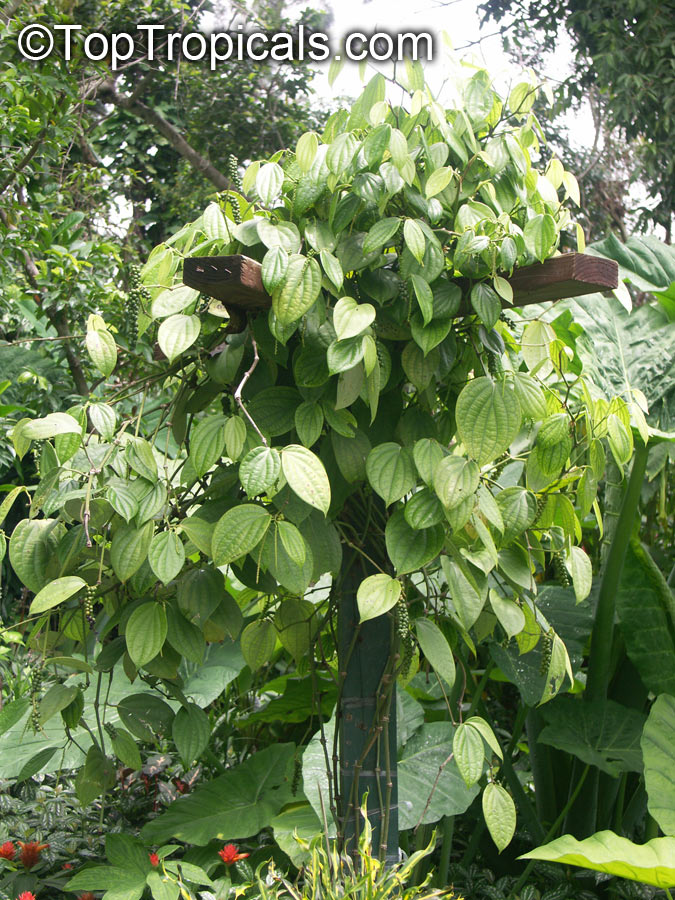
A: Who does not love the smell of freshly ground pepper, especially that lovely combination of white, green, black and red peppercorns, which are so much more interesting than just plain black corns. Yes, you can absolutely grow your own pepper! Peppercorns come from the plant Piper nigrum.

Growing Pepper Plant

Black pepper plants are actually vigorous vines, although they are pretty slow growing and can be kept in a pot as a compact plant. But they will need a strong support to climb over. Indoors, you can provide this support by installing a trellis in a large pot. Some gardeners prefer to grow them as a hanging plant instead. In warm climates, you can plant them directly outdoors in a protected location with partial shade. These plants need rich, moist, well-draining soil and warm, humid conditions. Peppers do not like temperatures below sixty degrees, although they can survive some cold spells. It is very important to bring these plants indoors or wrap them in a blanket if colder weather arrives.
If you live in colder parts of the country, you can certainly grow peppercorns in large pots. Grow them outdoors during the summer and move them indoors during the winter, or grow them year-round in your greenhouse. Houseplants will need bright light and consistent moisture. Spray the leaves regularly with a bottle of water to increase humidity. Do not allow room temperatures to fall below sixty degrees.
Besides the benefit of being able to grow your own gourmet pepper corns, the foliage, as well as the flowers on this plant, are beautiful in its own right. Off-white flowers appear from spring through summer, followed by slow fruit production. The berries will appear on spikes, with 50 to 60 berries per spike.

Fertilize this vine in the spring before new vigorous growth emerges. We recommend:
Tropical Greenhouse Plus - Plant Booster
Tropical Allure - Smart-Release Booster

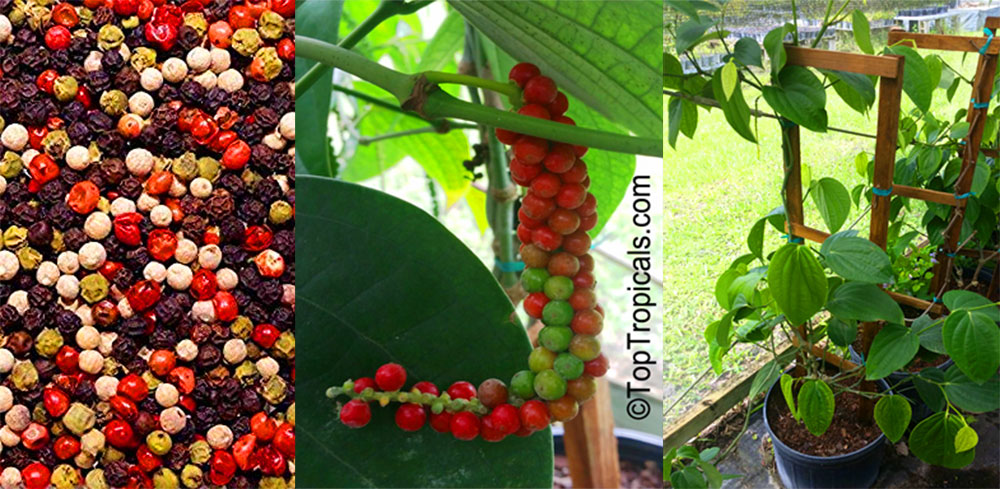
You may be surprised to learn that black, white, green and red peppercorns are all the same seed on the same plant in the various stages of development and processing.

Black peppercorns are the most familiar and come from the corns that have reached their full size but are still green and not quite ripe. They are picked and allowed to dry in the sun. Enzymes in the berries cause the skin to turn black during the drying process. They are the strongest in flavor.

White peppercorns are the mature berries that ripen to a red color before being picked. After harvesting, they are soaked and rubbed free of the outer skin down to the smooth white underlayer, then dried and bleached by the sun. They are slightly milder than black pepper.

Green peppercorns are the unripe peppercorns picked at the same stage of ripeness as black peppercorns, but not allowed to dry. They can be pickled in vinegar or brine. They are the least pungent.

Red peppercorns are the mature, but unshelled version of the peppercorn. One can usually find them in some gourmet and health food stores. They can be quite expensive.

Ground pepper will only stay fresh for about three months, but peppercorns will last indefinitely. To make the most of your pepper harvest, store the peppercorns in an airtight container in a cool, dark location. Grind them immediately before use for the best flavor.
There is nothing like freshly ground black pepper simply combined with a good quality olive oil and a splash of balsamic vinegar. This makes a wonderful dipping sauce for fresh bread. Simple, yet elegant. All the better if the pepper was grown in your very own garden!

Date: 30 Aug 2019

LadyBugs guarding your plants!

Q: I have a bunch of Ladybugs in my garden, I wonder if they eating my plants? Do I need to get rid of them?

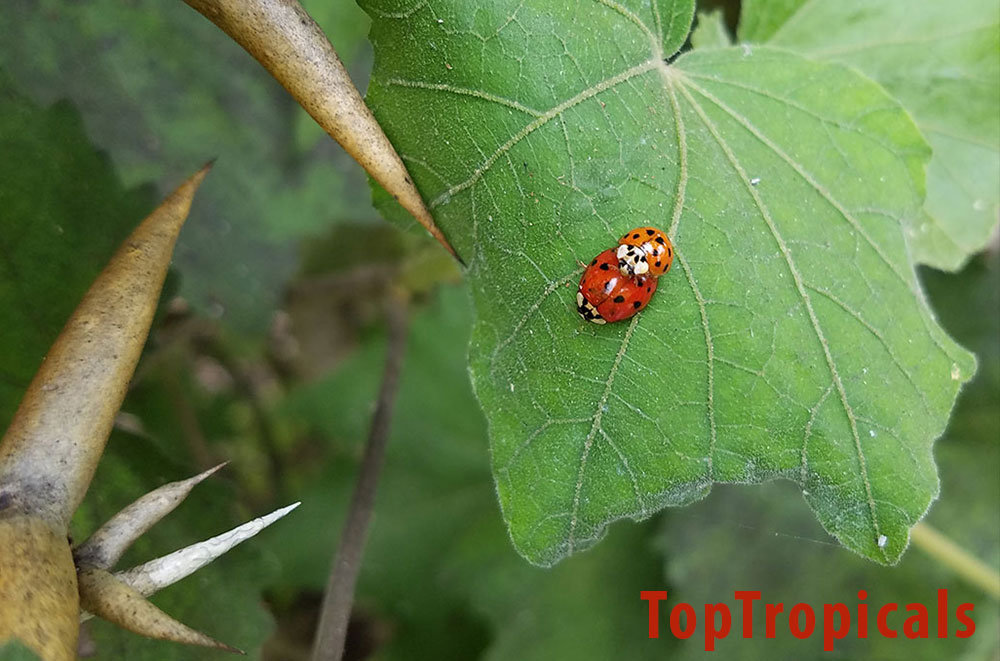
A: Ladybug (Harmonia axyridis) is, in fact, one of the best insects you can find in your garden, it is a natural predator that takes care of many bad bugs, including aphids. Keep them happy and bring them to your garden. Ladybugs actually are cultivated as natural pest control, and you can even buy them for your yard, instead of chemicals!

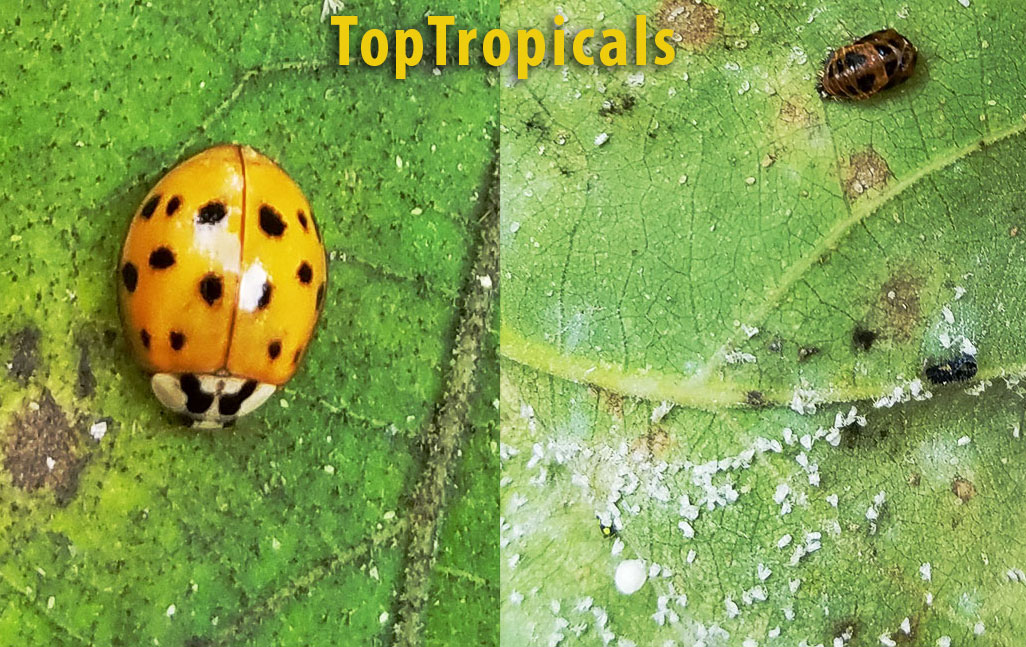
Ladybug larvae eating aphids:

The wonderful insects that dine only on landscape pests and don't harm good bugs or plants are called 'beneficials', and ladybugs definitely fall into this category, but not the way many people think. It's the ladybug's larvae that are voracious predators of soft-bodied problem insects, especially aphids.

Photo below:

One of our PeopleCats, "Innocent" Ladybug (a.k.a. Bug) is wondering who else she can bug next...

Date: 19 Aug 2019

When is the time to repot?

Q: According to your instructions, I understand that plants need to be placed in bigger pots. But my question is, say I plant each plant in 18in x 18 in x 18 inch square pots, how many weeks, months or years can the soil be good for these plants? When will it be time to change soil? Any specific soil recommendations?

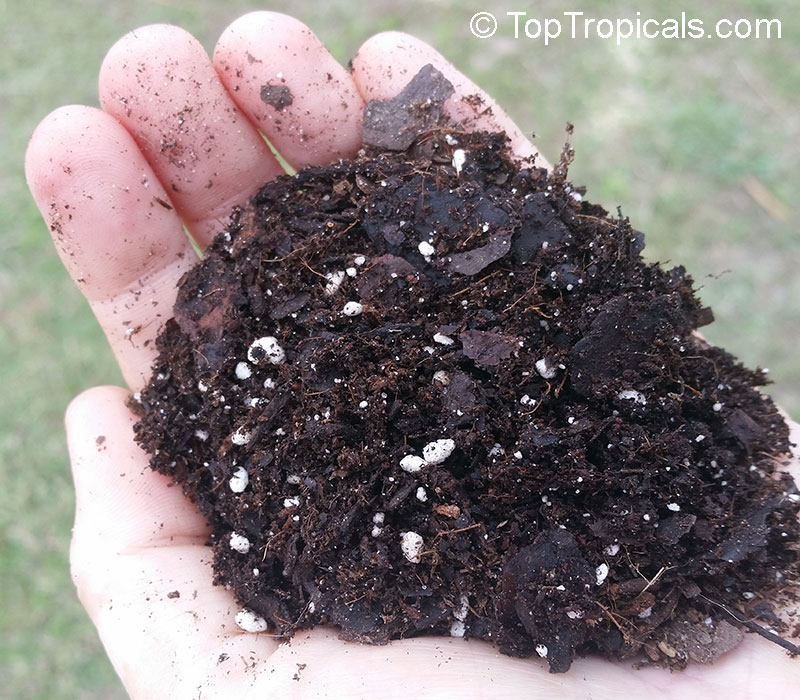
A: Repotting is required usually once a year. It depends on the plant and growth rate of course. The best way to check if a plant needs stepping up is to check its root system. Carefully turn the pot upside down and pull the pot off the roots (make sure to support the plant from the bottom). If a root system is very dense, it is time to repot. It is an easy check with smaller plants; if a plant is large and hard to turn "upside-down", check drainage holes: if roots start growing through the holes, it is definitely time to step up. Make sure to use pot size only a few inches bigger in diameter than the existing one: just enough for the root system plus 2-3 inches extra space; do not use oversized pots to avoid root rot. Use only new quality potting soil and make sure it has perfect drainage characteristics. We recommend Professional Soilless Mix that contains soil conditioners such as aged pine bark and perlite, and contains a large percentage of coconut fiber that plants love the best. Coconut fiber is a perfect growing mix and considered a hydroponics media, you will never have problems with root rot.

Date: 16 Feb 2019

Deciduous plants soon sprouting

TopTropicals.com

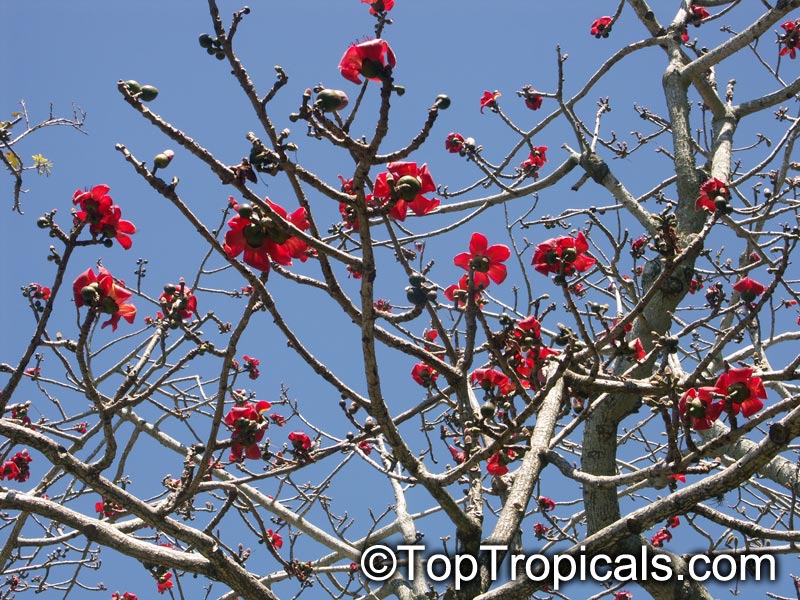
Many people believe that living in a warm climate will dissuade a plant from its deciduous nature. However, deciduous plants react to not only temperate but also shortened hours of daylight and changes in precipitation. Additionally, some plants will drop foliage in phases between new growth, and others use abscission to aid in pollination; blooming without wind-blocking leaves and making flowers more visible for insects.

When pruning a deciduous tree or shrub, it's generally best to wait until late winter or early spring, before the plant begins to leaf out. Avoid pruning during periods of new growth; during this time, the plant is weakened by the struggle to reestablish its growth process. Before pruning your deciduous plant, first research the specific plant, as there will always be exceptions to general instruction. For example, many Rubus varieties desire to prune in late fall, as their buds are developed during the dormant winter season. Some trees may have flower or fruit during winter while having no leaves, give them a chance to flower before pruning.

On the photo: Winter flowering Bombax ceiba in full bloom.

Date: 14 Oct 2024

Let's grow green again - together!
20% OFF post-hurricane discount

Cat  in  a  tree

"We rise by lifting others." - Robert Ingersoll

Dear Valued Customers,

We're reaching out to let you know that Top Tropicals made it through Hurricanes Helene and Milton, and we are fully back up and running. While these storms caused some damages to our facilities and brought down trees, we were fortunate that our plants and inventory remained safe and beautiful. After a lot of cleanup and repairs, we are excited to resume shipping your orders as scheduled!

Thank you for your kind messages and continued support during this time. If you were unaffected by these hurricanes, we invite you to support us as we restore our nursery and raise fallen trees.

Every order, no matter the size, makes a difference in our recovery.

For those who lost plants and trees to the storms, we've included a 20% discount code below to help you start fresh. Let's grow green again - together!

Thank you for being part of our community! Use the code:

SUPPORT

This code saves 20% off all orders over $150 (excluding S/H).
Exp. 10-31-24

Additional deals:

Koelreuteria  paniculata  -  Golden  Rain  Tree

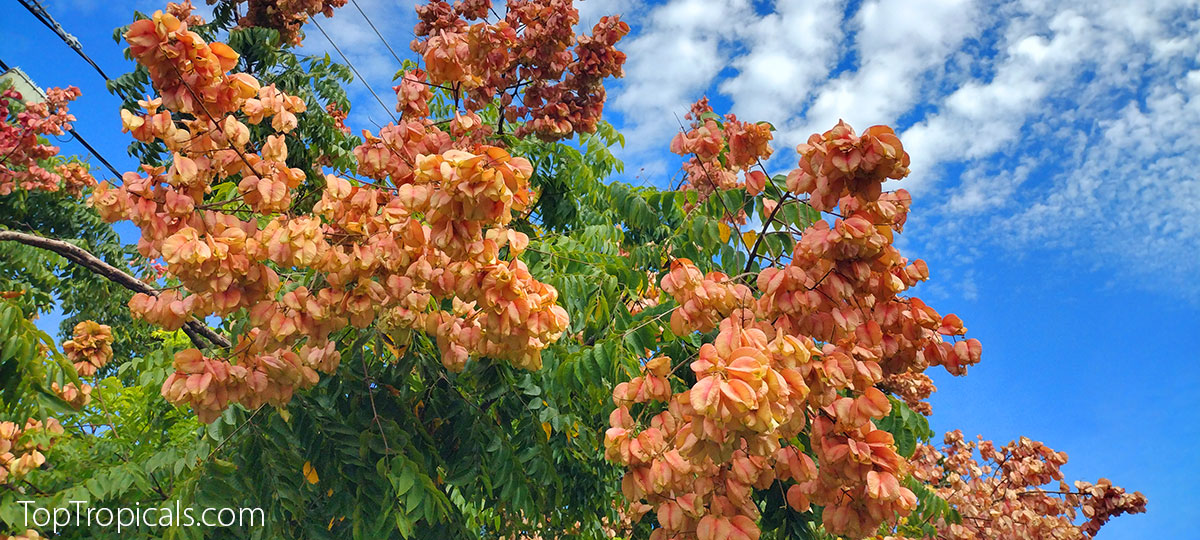
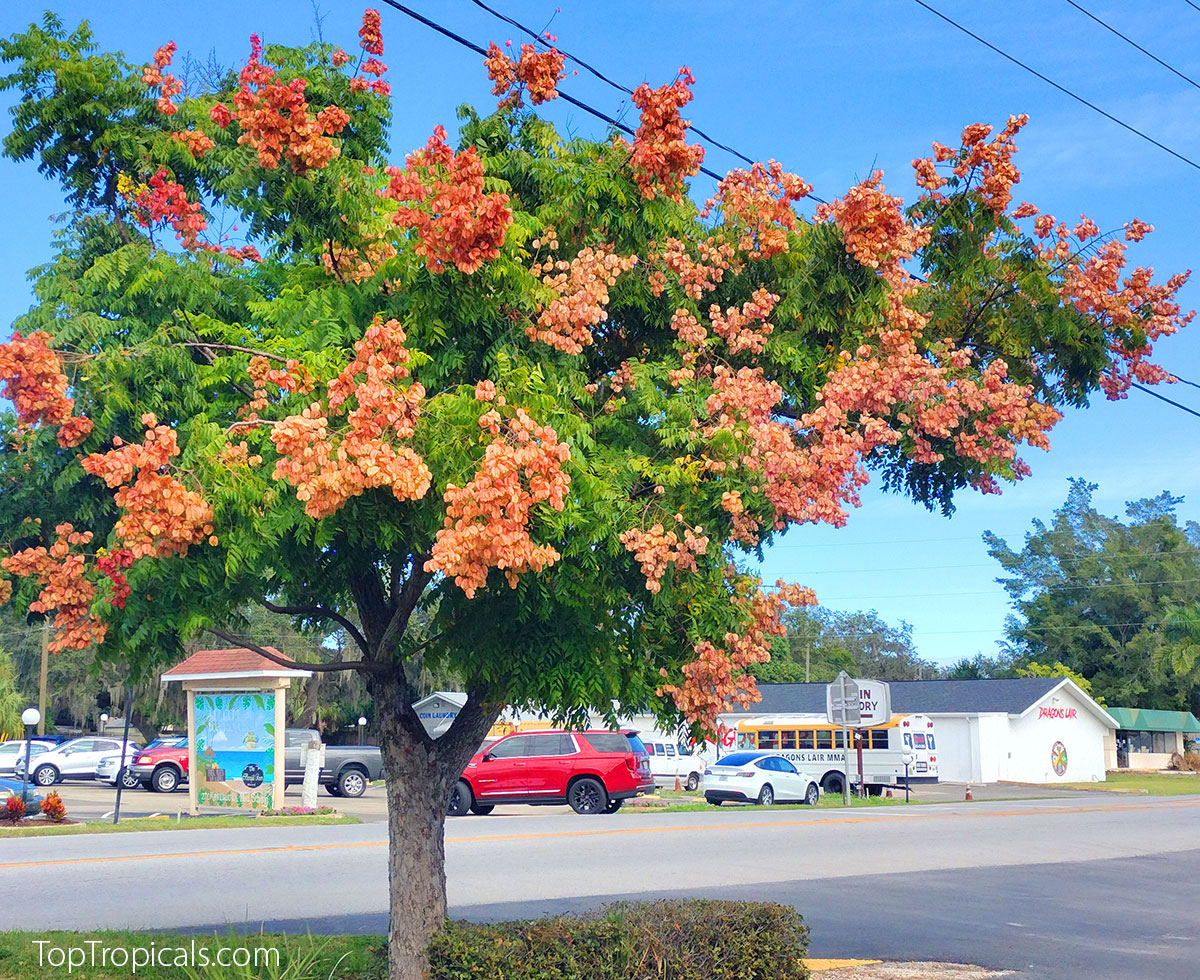
In the photos: Koelreuteria paniculata - Golden Rain Tree, is a winter bloomer that is starting flowering now and throughout the winter. It one of the most spectacular trees of subtopics that is actually very cold hardy, drought resistant, wind-resistant and fast growing - nice solution for a shade tree. According to ancient Chinese manuscripts, the Golden Rain Tree is crucial for Dragons, as it is believed to be connected to their existence, guarding and complementing each other. Growing these plants is considered auspicious and is believed to safeguard the Dragon family. 2024 is a year of Dragon... Let's please the Dragon and plant this tree this year so it will protect us from hurricanes in the future!

Koelreuteria  paniculata  -  Golden  Rain  Tree