Garden Blog - Top Tropicals

Date: 24 Mar 2024

Bauhinias: trees with Orchid Flowers
and Butterfly Wings...
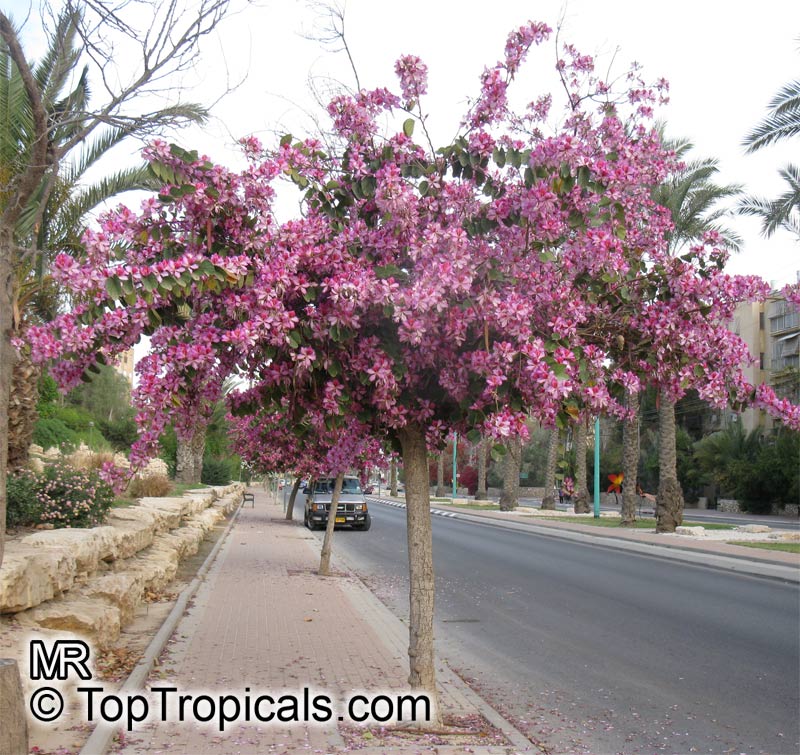
Bauhinia  variegata  -  Purple  Orchid  Tree

Photo above: Bauhinia variegata - Purple Orchid Tree, one of the most spectacular varieties.

Q: We just moved to Florida and I see these beautiful trees with large purple flowers. I was told these are Orchid trees, do you have them?

A: Bauhinias, commonly known as Orchid trees, are renowned for their captivating flowers and unique foliage. These trees typically grow to a moderate height of 15-25 feet with a spread of 10-15 feet, showcasing a rounded to vase-like shape. Thriving in hardiness zones 9-11, they exhibit resilience to heat and can withstand mild frost. There are over 300 species of Bauhinia, which are distributed in tropical and subtropical areas. These species vary in characteristics such as size, foliage, and flower color, contributing to the diversity and appeal of this genus. You can find them as trees, shrubs, and even vines.

Bauhinias are evergreen (in tropics) to semi-deciduous (in cooler climates), offering year-round beauty with intermittent blooming cycles. The peak bloom time varies depending on the species and location, often occurring in late winter to early spring, bedecking the tree with striking orchid-like flowers in hues ranging from white and pink to purple and red. The flowers boast delicate petals with intricate patterns, resembling the elegance of true orchids.

One of the distinguishing features of Bauhinia leaves is their unique bi-lobed or bilobed structure, which gives them a distinct appearance. The leaves are deeply divided, typically into two lobes or halves, hence the common name "Butterfly tree" due to their resemblance to butterfly wings. This characteristic is often used as an identifying trait for Bauhinia species. The bilobed leaves add to the visual appeal of the tree, contributing to its ornamental value in addition to its beautiful flowers.
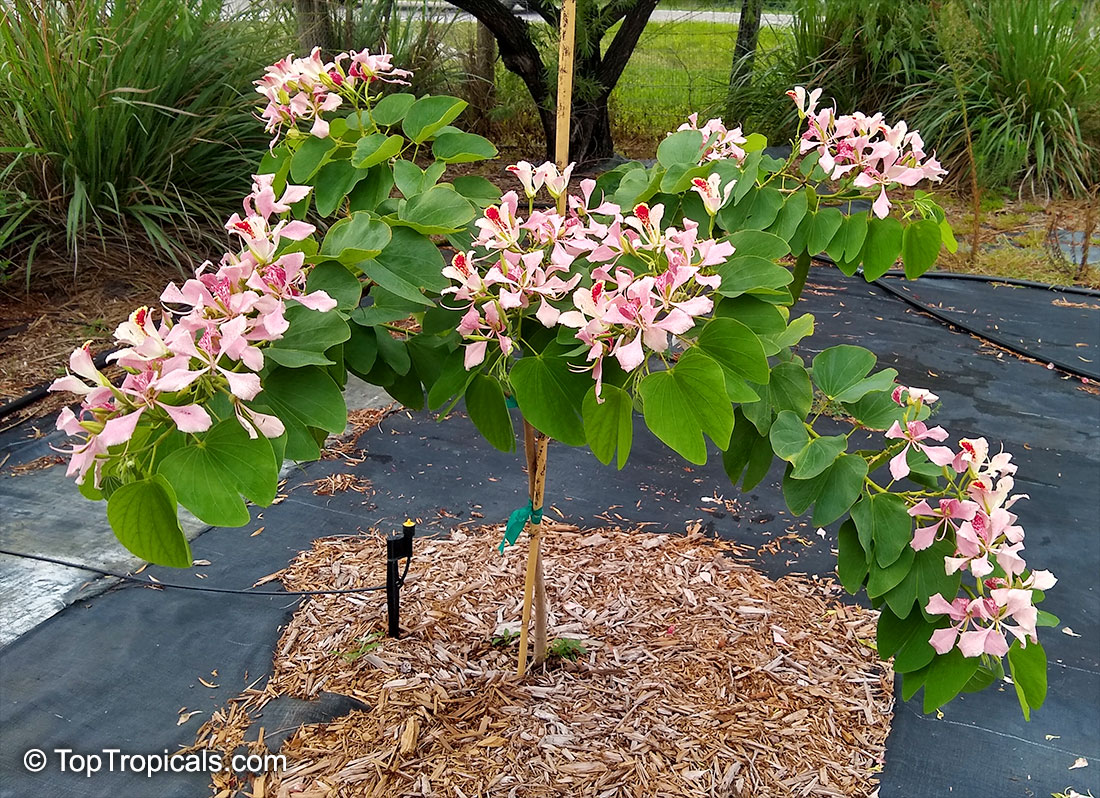
Bauhinia  monandra  -  Napoleons  plume

Photo above: Bauhinia monandra - Napoleons Plume, starts flowering in small size. This one is very beautiful but the most cold sensitive and should be grown in pots in areas with winter freeze. It will happily bloom in container!

Low-maintenance by nature, Bauhinias require minimal upkeep. Annual feeding with a balanced fertilizer enhances growth and flowering. Pruning is generally optional but can be done in late winter or spring, after flowering, to maintain shape or remove dead or damaged branches. These trees thrive in full sun, preferring well-drained soil. With their enchanting blooms and easy care requirements, Bauhinia orchid trees are a delightful addition to any landscape, and a colorful specimen for tropical winter gardens.

In addition, Orchid trees grow fast and provide excellent shade. They can make a shady spot in your garden in no time, giving relief from the hot sun. This is really valuable, especially in places where it gets very hot. So, not only are Orchid trees pretty to look at with their lovely flowers, but they're also great for keeping you cool!

Read more about Bauninias:
Bauihnias: Orchid trees with Butterfly flowers... and leaves
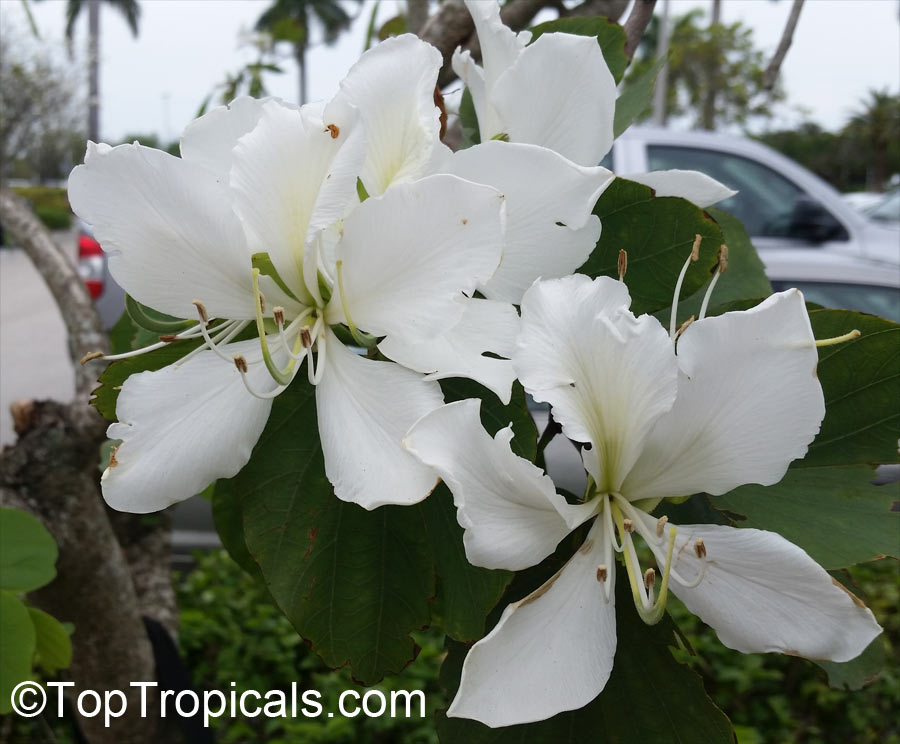
Bauhinia  x  alba  (candida)  -  White  orchid  tree

Photo above: Bauhinia x alba (candida) - White orchid tree, the most cold hardy variety that can take light freeze once established.
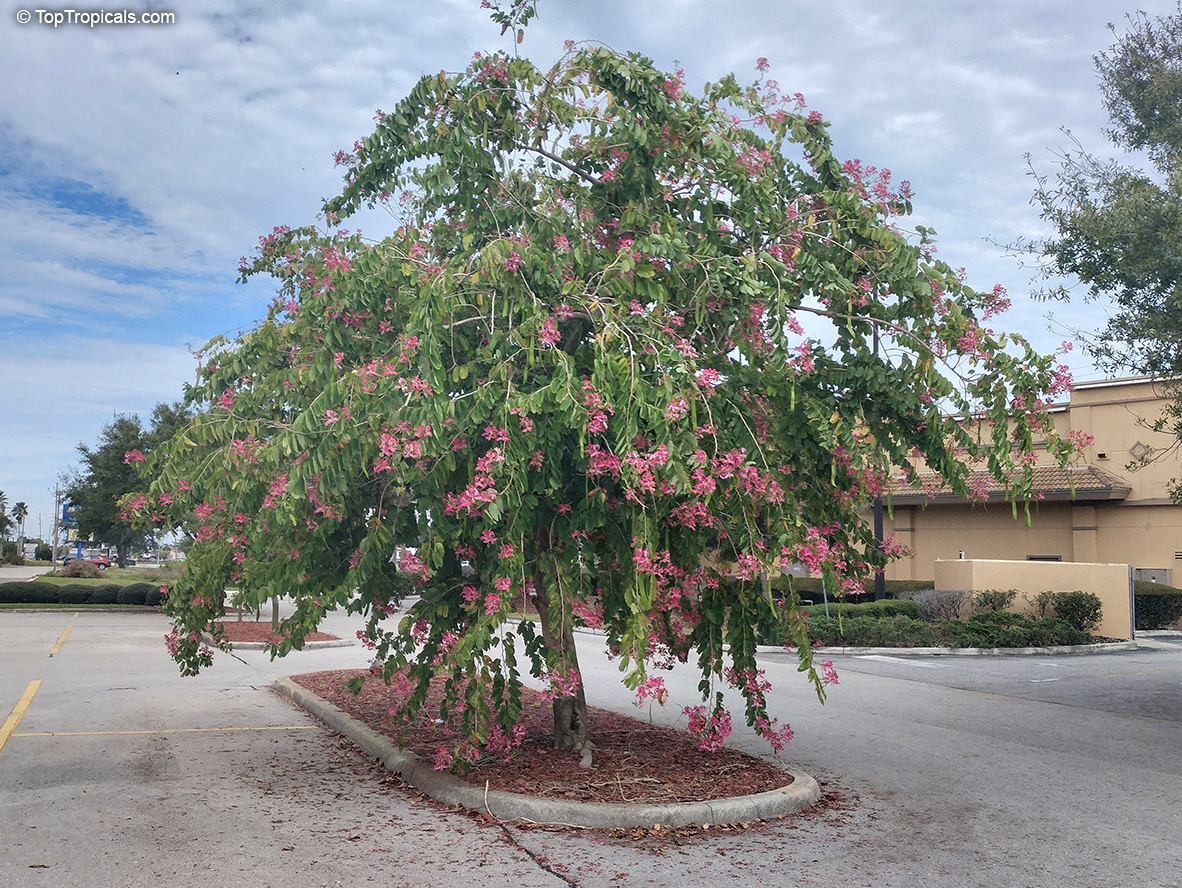
Bauhinia  purpurea  -  Purple  Orchid  Tree

Photo above: Bauhinia purpurea - Purple Orchid Tree, one of the most popular and easy trees in Southern landscapes.
Date: 15 Oct 2023

Growing Barbados Cherry in container

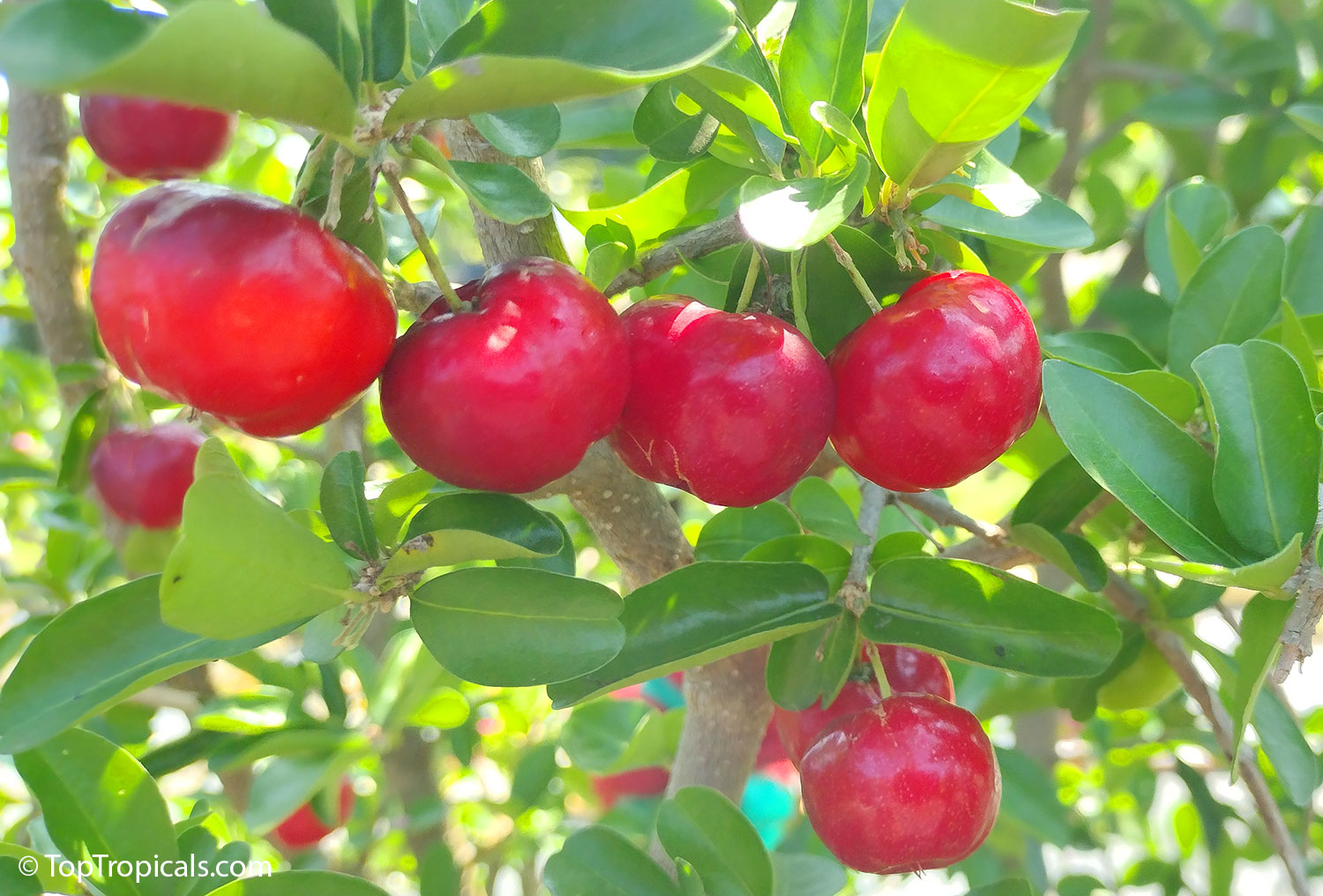
Barbados  Cherry  fruit  on  the  branch

Q: I am interested in buying some Barbados cherry plants. Could you please advise if these can be grown in containers indefinitely or it's still better for them to be planted in ground for nutrients etc?

A: The Barbados cherry, like other tropical cherry varieties, is exceptionally well-suited for cultivation in containers.

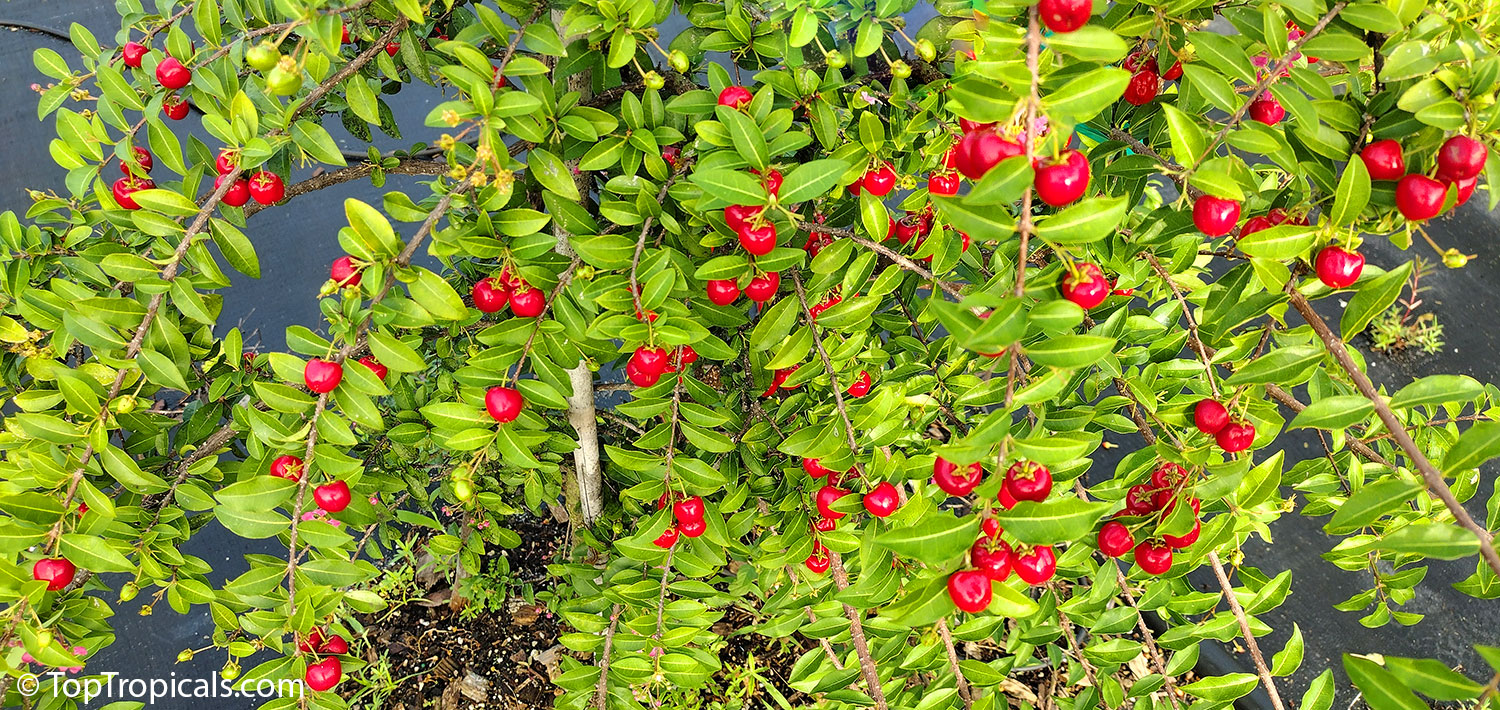
Barbados cherry grows into a dense bush, demands minimal pruning, and begins bearing fruit at a young age. Our plants, which are propagated from cuttings, initiate the flowering and fruiting process in the very same year. They produce fruit almost year around. This year we've had three big crops: April, July and October (still fruiting now!) besides sporadic fruiting throughout the warm season.

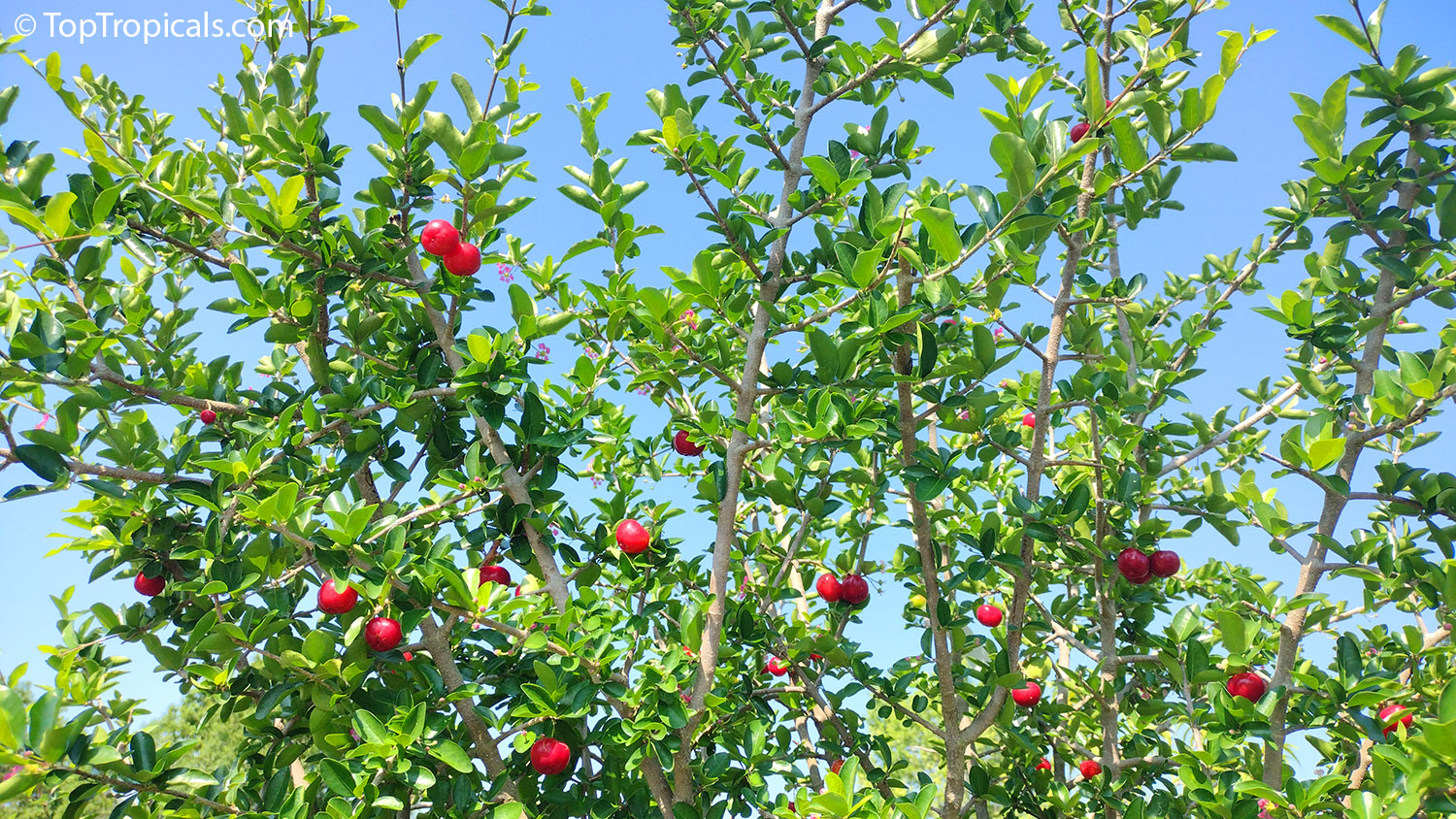
Barbados  Cherry  branches  with  fruit

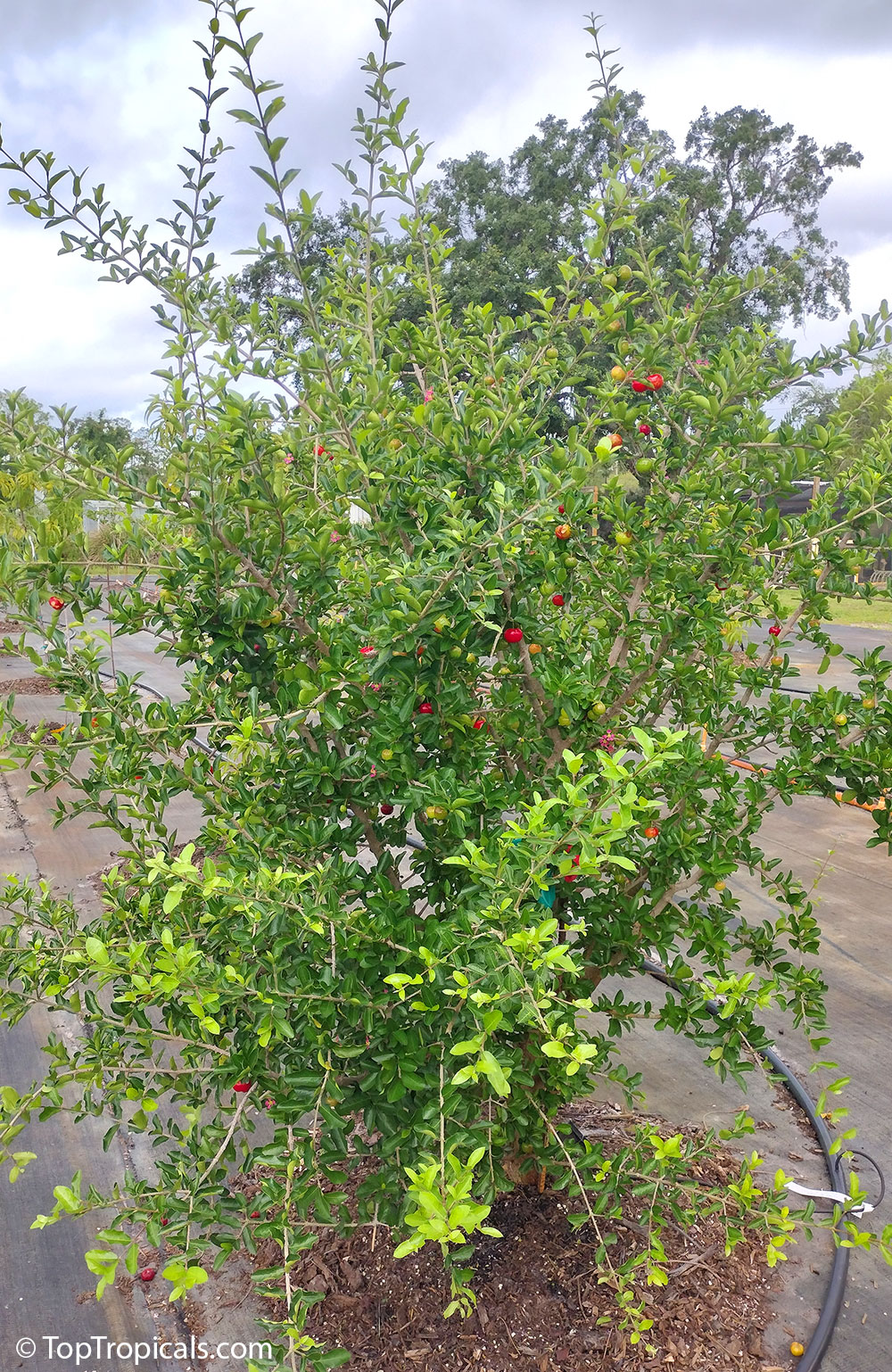
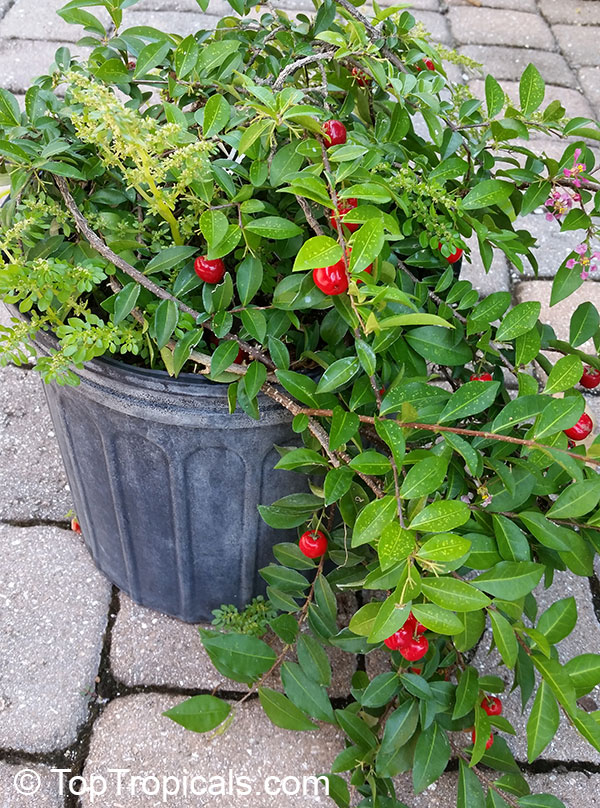
You can cultivate Barbados cherry in a pot, commencing with a 1-3 gallon container and gradually increasing the size each year. Below is a photo of a fully developed tree in the ground, for reference. This tree is approaching its third year of growth. When grown in a container, it maintains a more compact size, with the largest container needed likely being between 7 to 15 gallons. Regular pruning can be employed to keep it smaller.

Barbados  Cherry  bush  in  the  ground

Photo above: Barbados Cherry bush in the ground

Barbados cherry (Malpighia) possesses a distinct growth pattern that sets it apart from other tropical cherry varieties - Eugenias. Malpighia's branches can assume peculiar shapes, even at angles of up to 90 degrees. Therefore, pruning to achieve the desired shape is advantageous.

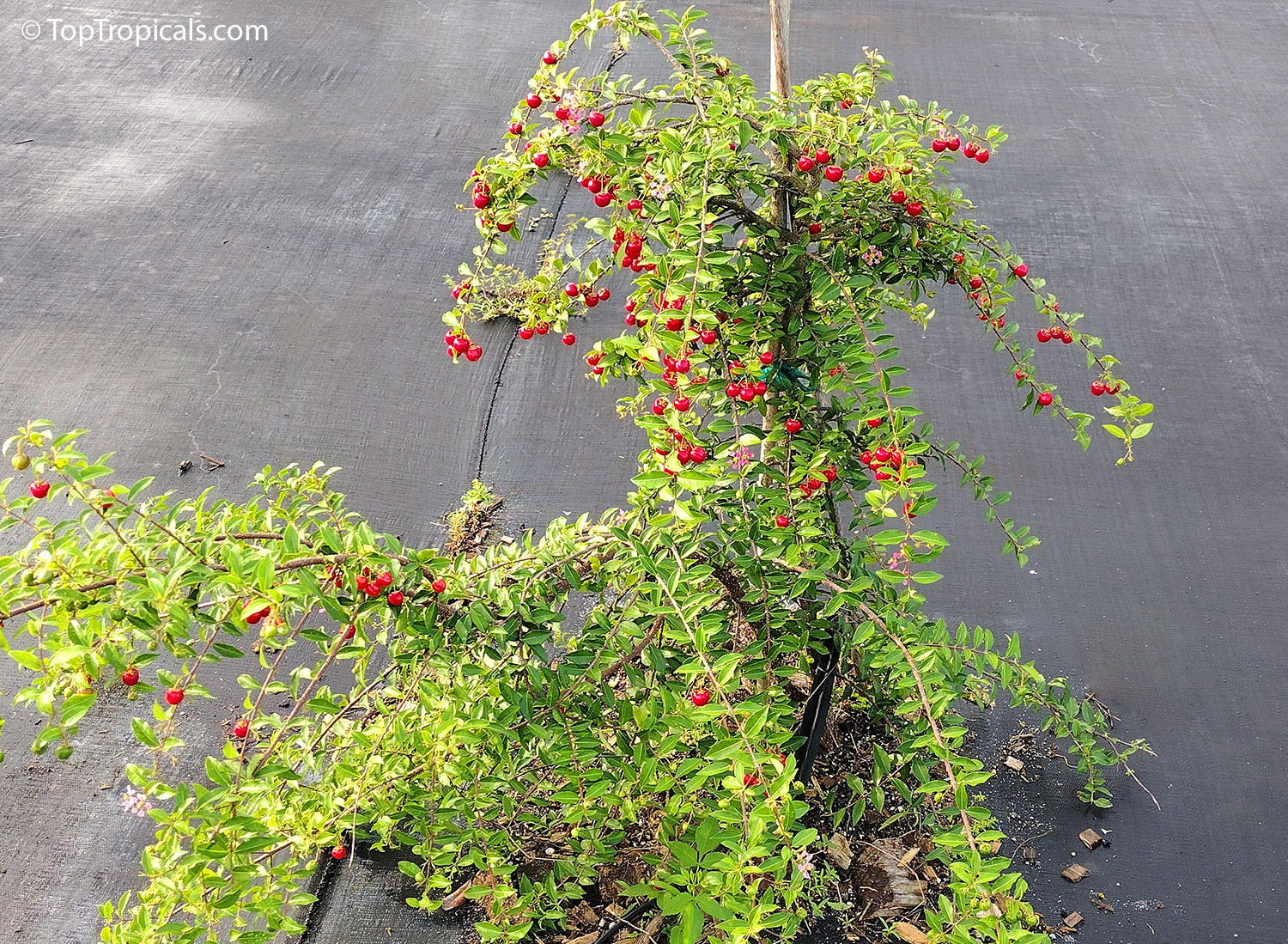
Additionally, you may want to explore the Dwarf Barbados cherry, a miniature cherry variety ideal for container cultivation, with cascading growth habit. Although its fruits are slightly smaller than those of the regular variety, they are notably sweeter.

Dwarf  Barbados  Cherry  branches  with  fruit

Photo above: Dwarf Barbados Cherry fruit

When it comes to ensuring the health and vitality of your potted Barbados cherry plants, maintaining a consistent nutrient supply is crucial. Implementing a regular fertilization regimen is essential to promote robust growth, consistent flowering, and bountiful fruit production. For optimal results, we recommend using Sunshine Boosters, which are specially formulated to enhance the development of fruits and edibles. These boosters are derived from organic amino acids, making them environmentally friendly and safe for year-round use. By incorporating Sunshine Boosters C-Cibus into your plant care routine, you can ensure that your container-grown Barbados cherry plants receive the essential nutrients they need to thrive and flourish.

Barbados  Cherry  in  the  ground

Photo above: Dwarf Barbados Cherry in the ground

Barbados  Cherry  in  a  pot

Date: 24 Sep 2023

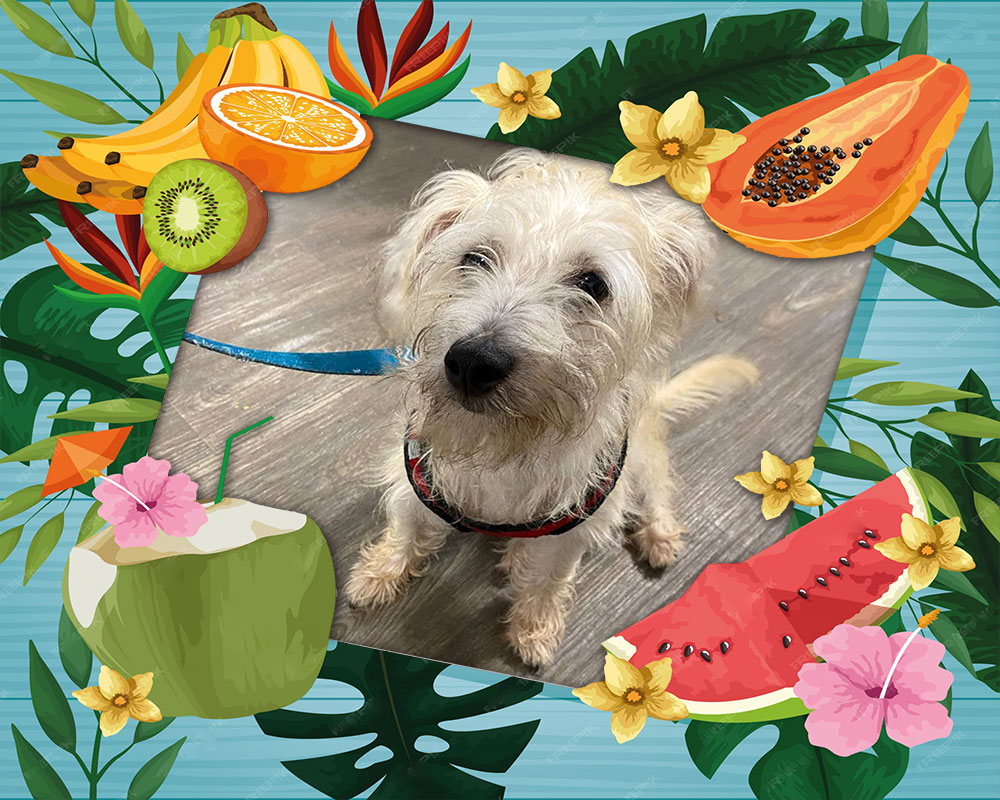
Paws of the week: Clifford, the Watch Dog

Clifford  dog  with  tropical  fruit

Introducing Clifford, the freshest face on the Top Tropicals team at the Garden Center and an honorary partner of the PeopleCats (or should we say, PeoplePaws). This dynamo has been appointed as the chief of our Security Crew, much to everyone's surprise and delight.
Now, the story goes like this: Clifford strolled in from who-knows-where and, with the charm only a puppy can muster, looked up at Chiane with those soulful eyes as if to say, "Hey, can I crash here?" Well, what else could she do? She gave him a warm bath, and lo and behold, beneath all that stray dust, Clifford turned out to be white!
Clifford is a little ball of sunshine. He's got a heart of gold and a zest for life that's absolutely contagious. When it comes to shipping activities, he's the first one to volunteer. And the best part? Clifford is the epitome of punctuality. You can set your watch by him. He shows up for work every day with his tail wagging and ready to conquer the world.
Clifford is not just our head of Security Crew; he's our daily dose of happiness and a reminder that sometimes, the best things in life simply wander in when you least expect them!

Fruit image by jemastock on Freepik

Date: 14 Sep 2023

Time to plant some Winter Bloomers!

Orange  Cat  at  the  edge

Winter is upon us, but for tropical gardeners, it's the perfect time to enjoy. As the days grow shorter and the heat of summer subsides, Fall planting brings its own advantages. It's not so hot now, making it the ideal moment to dive into the enchanting realm of winter flowering plants. Don't miss out on the opportunity to add some tropical gems to your plant collection and keep the spirit of summer alive all winter long.

Plant them now to enjoy winter flowers!

Orange  Cat  at  the  edge

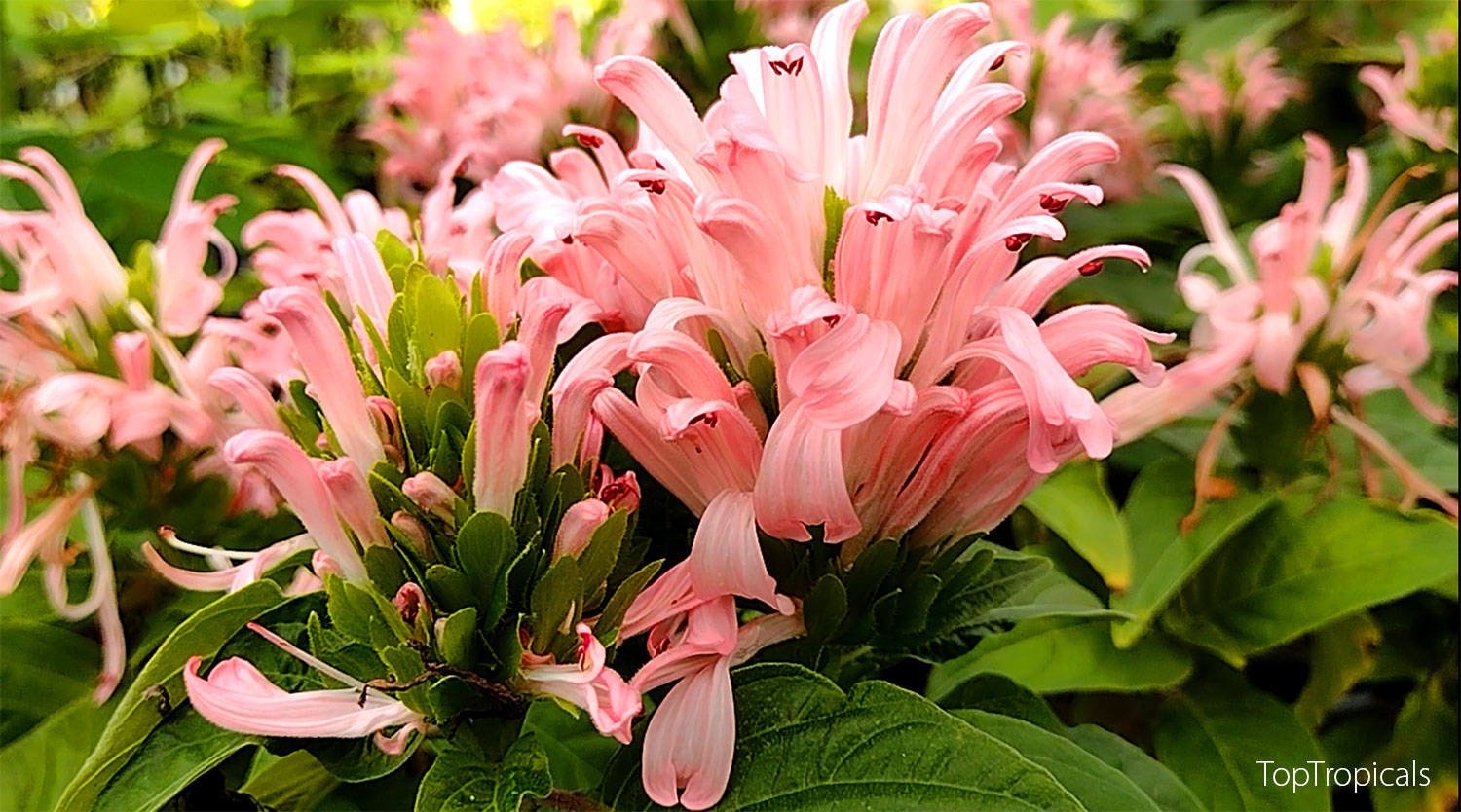
In the photo: in full bloom now - Justicia carnea - Pink Brazilian Plume, Jacobinia. Spectacular pink flowers, butterfly and hummingbird attractor. The plant is relatively cold hardy to light freeze and grows back from roots even if leaves are damaged.

Date: 18 Jul 2023

Australian Tree Fern - a botanical marvel

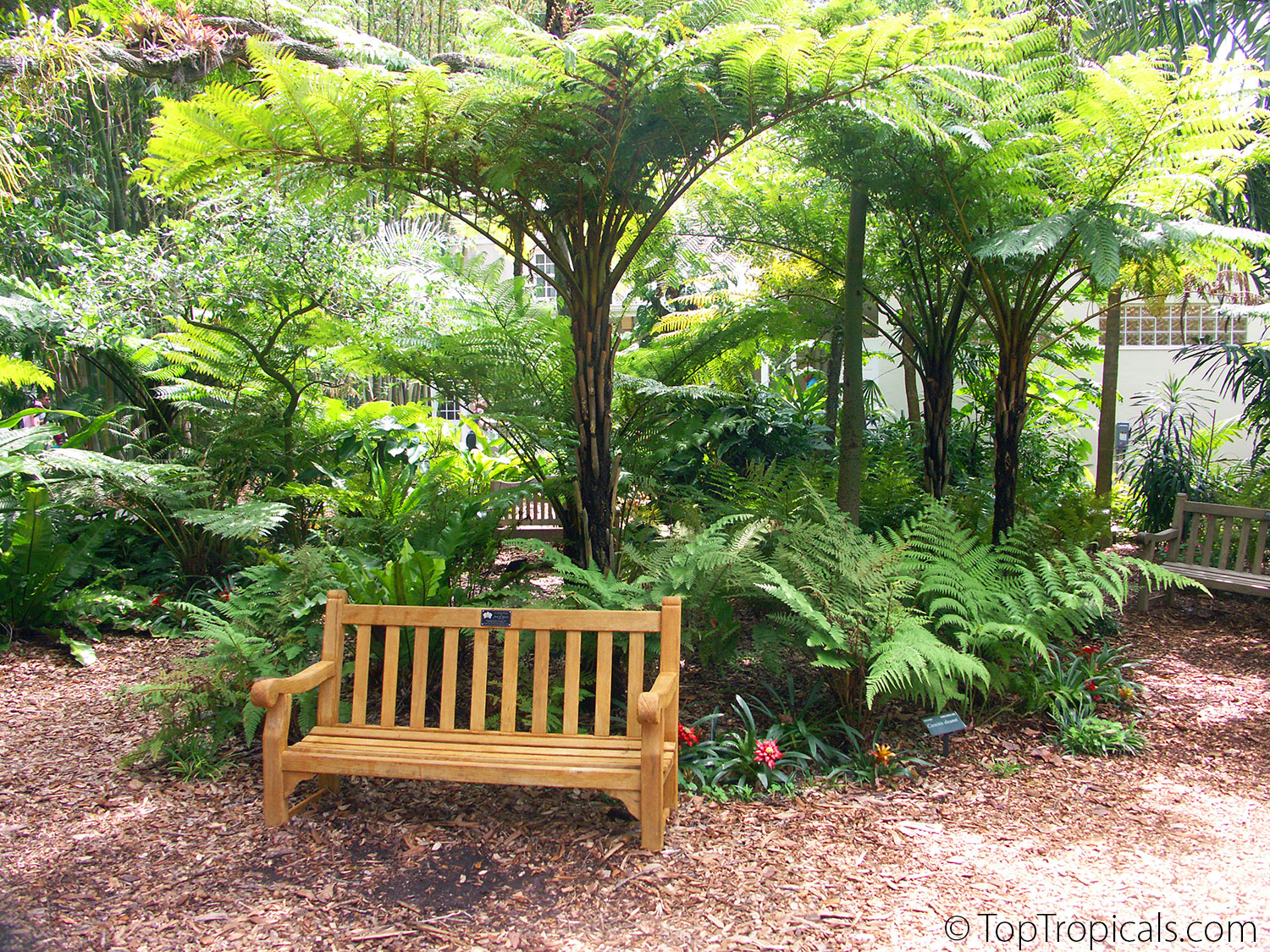
Cyathea  cooperi,  Australian  Tree  Fern

Q: I need an exotic looking, easy to grow tropical tree that can grow in semi-shade, create a character in my small Florida garden and a shelter for small wildlife. Any suggestions?

A: The Cyathea cooperi, known as the Australian Tree Fern... Deep within the enchanting rainforests of Australia, this botanical marvel flourishes, captivating all who lay eyes upon it. Its true magnificence lies in its intricate fronds, delicate yet resilient. Unfurling like the wings of a mythical creature, they gracefully arch outward, showcasing a mesmerizing symphony of emerald green.

As sunlight filters through the dense canopy above, its fronds become a living canvas for nature's creativity. But this tree fern is more than just a visual marvel. Its significance stretches far beyond its aesthetic appeal. The Australian Tree Fern is a vital component of its ecosystem, providing shelter and sustenance for a myriad of creatures. Its high-reaching canopy offers refuge to an array of birds, insects, and small mammals, creating a microcosm of life within its majestic embrace.

For centuries, the indigenous peoples of Australia have revered the Cyathea cooperi for its medicinal properties and cultural significance.

As the seasons unfold, the tree stands as a testament to resilience. It withstands the downpour of tropical rain, enduring the wrath of winds, and gracefully survives the scorching heat of summer. Through it all, it remains a symbol of endurance, an emblem of nature's ability to adapt and flourish.

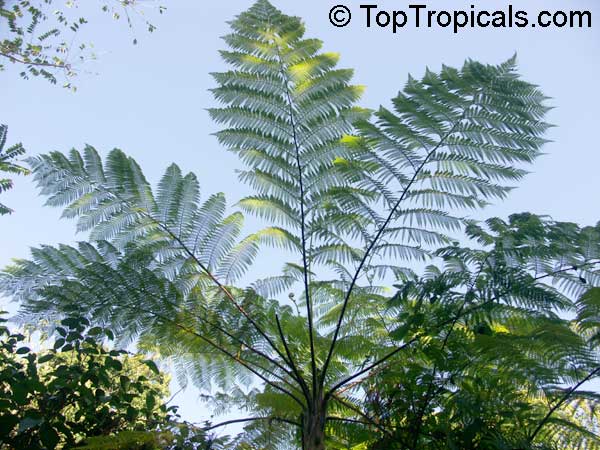
Cyathea  cooperi  Australian  Tree  Fern  -  leaves

Cyathea  cooperi  Australian  Tree  Fern  -  baby  leaves

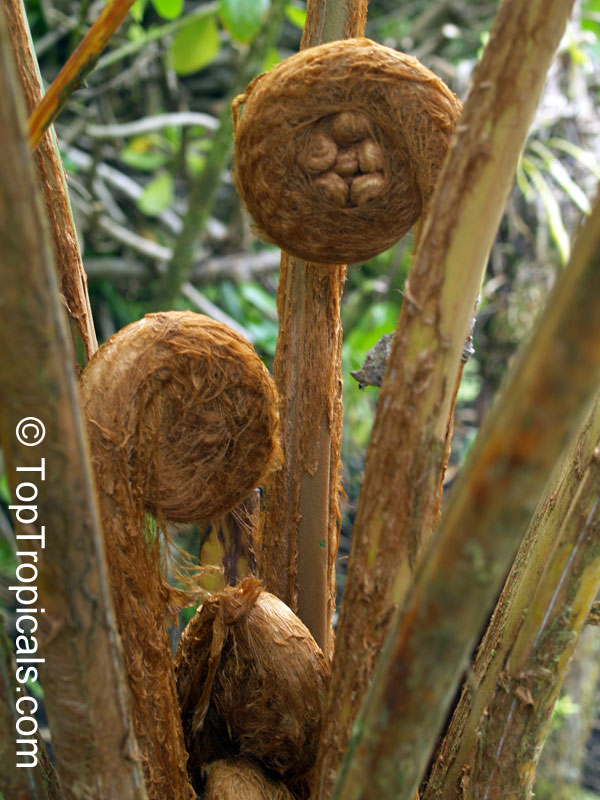
Young leaves of Australian Tree Fern are very exotic looking...

Cyathea  cooperi  Australian  Tree  Fern  -  young  plant  in  the  ground

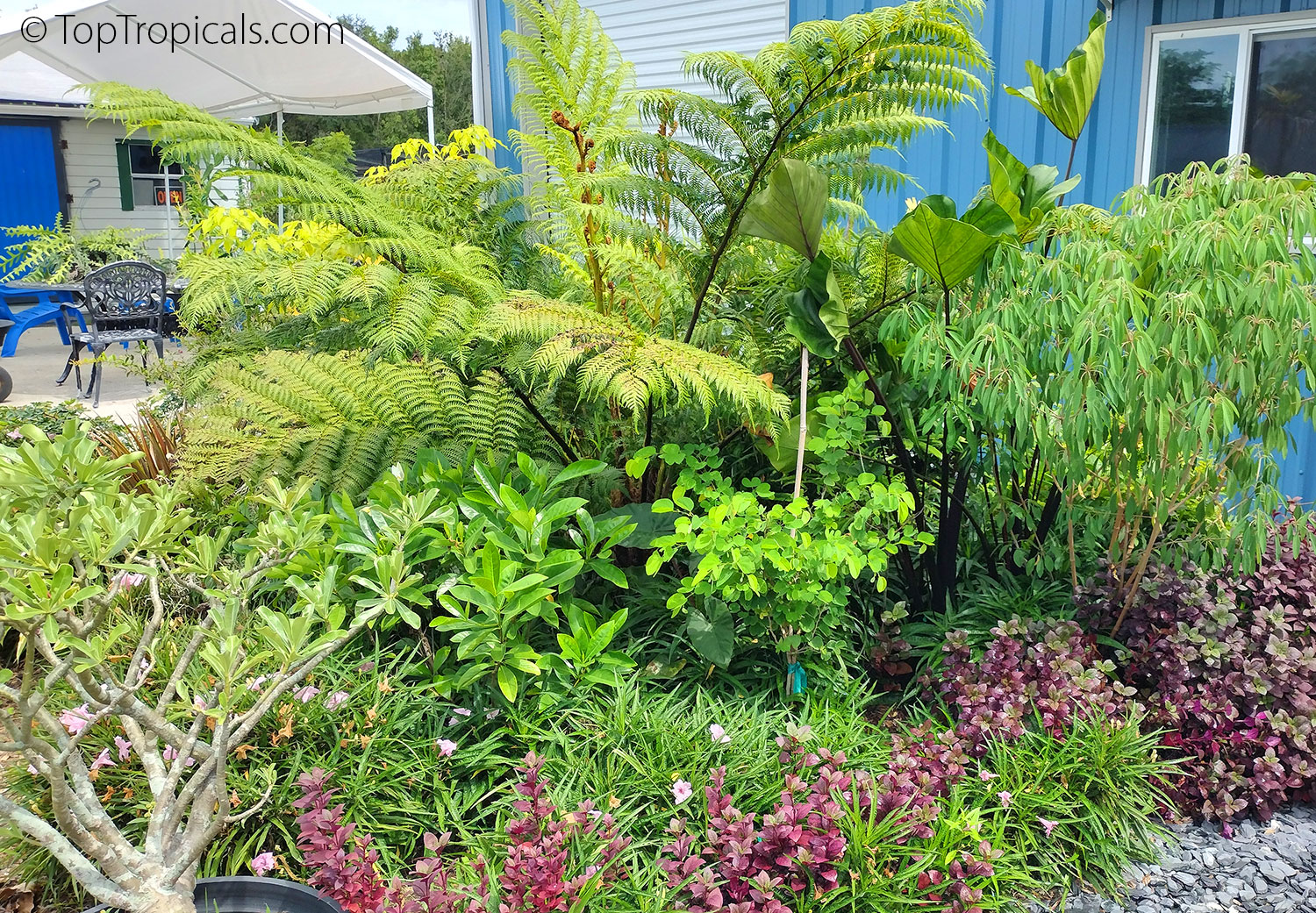
Australian Tree Fern recently planted in front of the office of our Bfarm is getting the best Sunshine Boosters plant food - Robusta - from the Robuster injector; it grows super fast, we should see it in its full beauty soon!