Garden Blog - Top Tropicals

Date: 6 Dec 2025

🌿 Bring the Jungle Inside: Winter Survival Guide Part 1: Lighting ❄️

Smokey  the  taxedo  cat  adjusts  an  indoor  grow  light  while  Sunshine  the 
 ginger  tabby  sits  holding  a  hygrometer  he  does  not 
 understand.

Smokey: "Winter lighting must be precise. I need this light exactly at 14 inches."
Sunshine: "Sure. I am holding this… little number thing."
Smokey: "It reads humidity. Your main job is to look cute."

🌞 LIGHT, TEMPERATURE, PLACEMENT

Winter indoors is a different kind of battlefield. Dark rooms. Dry air. Cold windows. Random drafts. Weak light. Sad plants. We've been talking about keeping your tropicals alive outdoors previously. But some of you have no choice this time of year. You have to bring the jungle inside.

If that is you, then this is your plant survival guide.
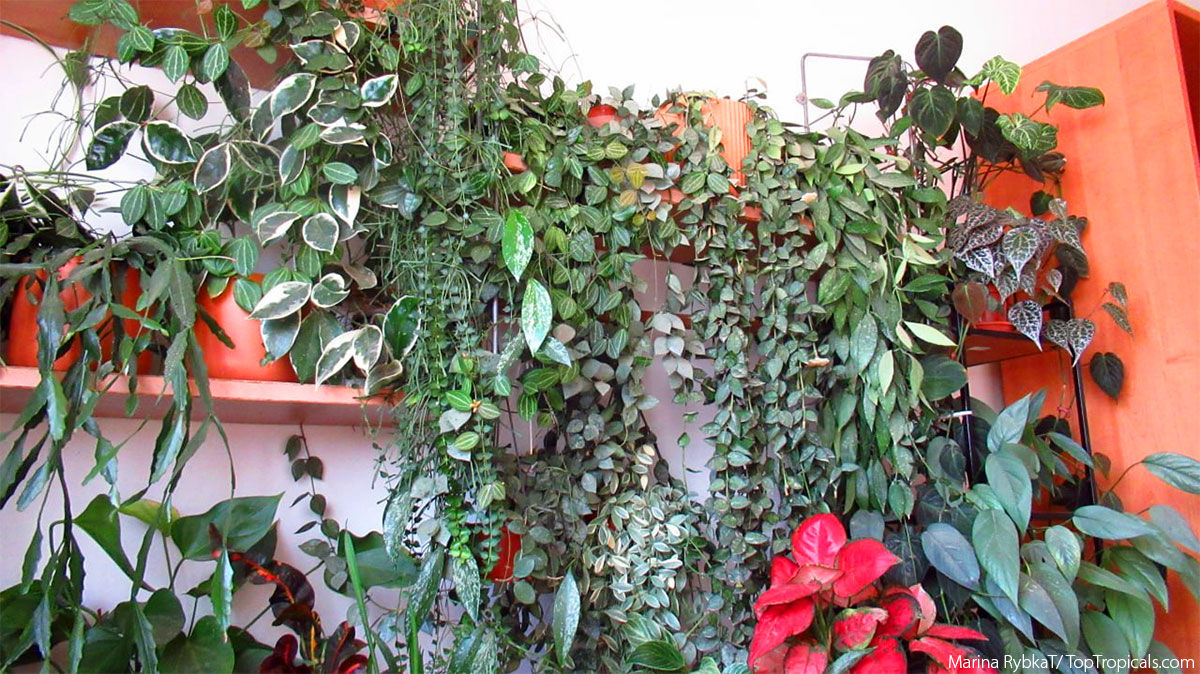
Indoor  wall  of  tropical  houseplants,  including  cascading  vines,  variegated  foliage,  and  mixed  aroids  arranged  on  shelves.

☀️ LIGHT: THE WINTER LIFELINE

Light advice here comes straight from our in-house expert, Michael Dubinovsky, a high-tech lighting engineer with over 30 years of hands-on experience. If he says brightness beats hours, trust him.

Here is the truth: Indoor light in winter is 10 to 50 times weaker than outdoors. Short days. Low-angle sun. Windows filtering half the useful light. It all adds up.

Tropicals need 10 to 12 hours of real brightness. Winter sun cannot do that on its own. Not even in a big window. So we help them.

Use bright LED shop lights or utility lights. 5000K to 6500K CCT. High lumen output. Skip decorative bulbs. Skip purple grow fancy toy lights. If you want a single plant light, even a clamp lamp is fine if you screw in a bright daylight LED bulb.

Panels work best for plant clusters. Bars for shelves. Bulbs for single plants. And grouping plants under one bright panel always beats spreading them out.

Distance matters: keep LEDs about 12 to 18 inches above the leaves. Too close: leaf burn. Too far: stretching, weak stems.

Leaves reaching up? Light is too high or too weak. Leaves curling down? Light is too close.

If you want a reality check, download any smartphone lux meter app. Most indoor corners are 50 to 200 lux without supplemental light. Tropicals want much more

And a quick tip about windows: winter sun comes in sideways. A spot that looks bright at noon can go dull by 2 PM. Don't count of window light
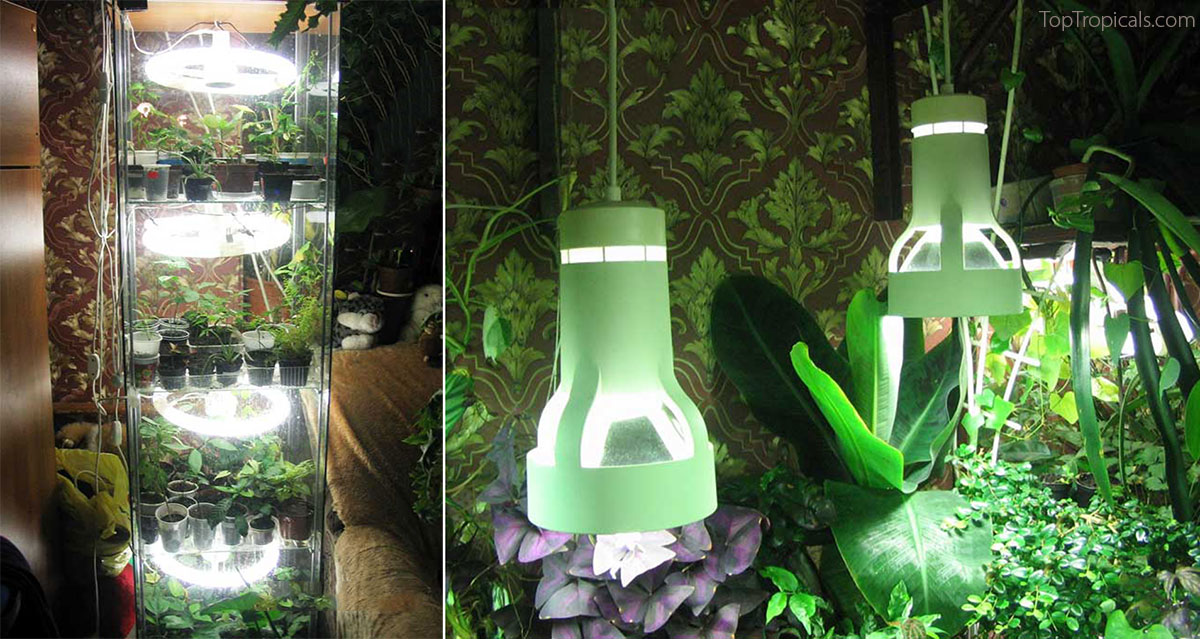
Indoor  grow  setup  with  bright  LED  lights  illuminating  shelves  of  tropical  plants.

Bright light or long hours

People try to fix weak light by running it for 16 or 18 hours. That does not work. Plants care more about light intensity. A few hours of strong light beats all-day dim light. If the light is weak, adding more hours will not change anything except your electric bill.

Simple rule: Short duration but bright is always better than long duration but weak. - by Michael, Top Tropicals lighting expert

No need for fancy horticultural panels

You do not need purple grow lights. You do not need special horticultural fixtures. You do not need expensive panels unless you want real winter growth.

For winter plant holding till spring, the inexpensive solution works great:

  • Bright LED daylight bulbs (5000K to 6500K) from hardware store
  • High lumen output
  • Inexpensive clamp lamps
  • Aim directly at the plant from 12 to 18 inches

This setup keeps tropicals happy until spring without buying anything fancy. Save the money for soil, pots, or your next plant.

Indoor plant lighting safety note:

  • Use timers. Keep cords dry. Do not overload outlets.
  • Do not hang lights over humidifiers.
  • And do not put fixtures on piles of books to raise them. People do this.
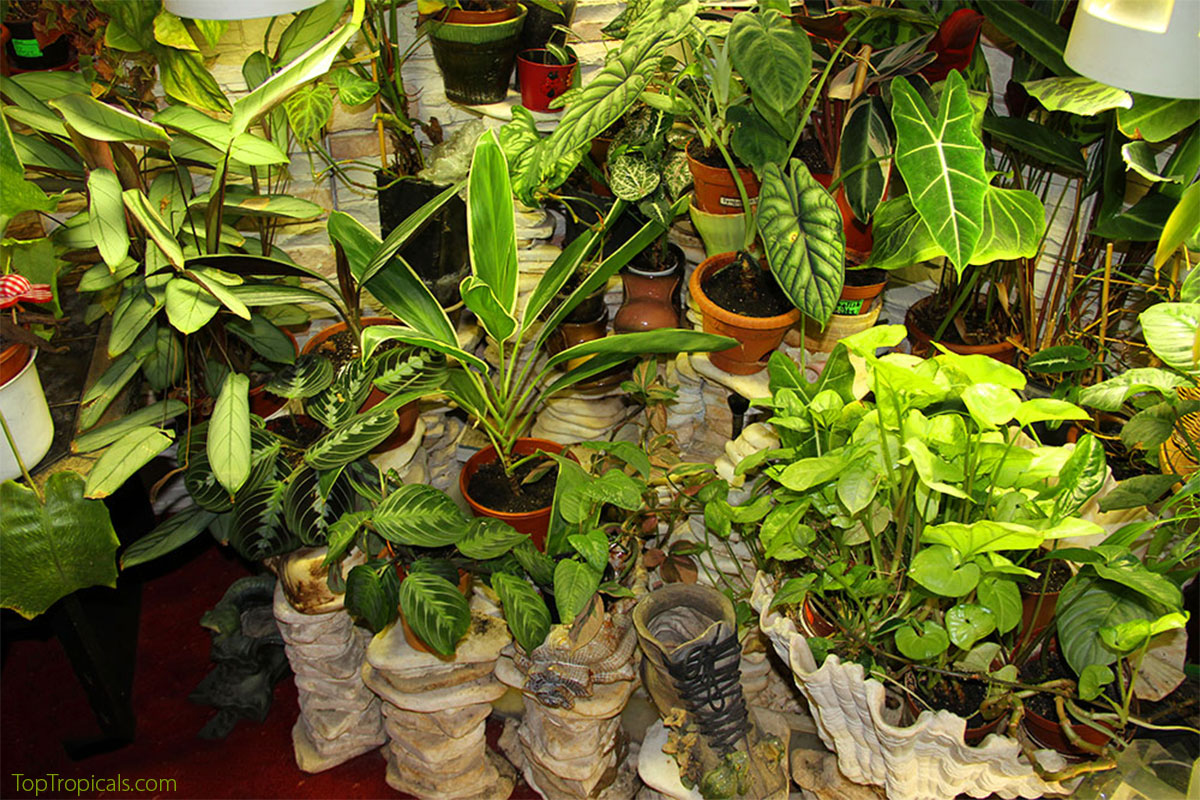
Indoor  plants


✔️ WINTER INDOOR FAQ: TEMPERATURE AND PLACEMENT

Q: I am in Home Depot. Which light do I buy?
A: LED shop light, daylight color (5000K to 6500K), high lumens. Skip fancy plant bulbs.

Q: Can I use clamp lamps or floor lamps for plants?
A: Yes. Clamp lamps with a bright daylight LED bulb work great for winter holding.

Q: Do I need special horticultural grow lights?
A: No. A bright LED daylight bulb works fine for winter. Save the fancy lights for real growth projects.

Q: How far should the light be from the plant?
A: About 12 to 18 inches above the leaves. Too close burns. Too far stretches.

Q: Can I run weak lights for 18 hours to compensate?
A: No. Weak light plus long hours still equals a weak plant. Brightness matters more than hours.

Q: How do I know if a spot is bright enough?
A: Use a free phone lux app. Most indoor corners are much too dim for tropicals.

Q: I have a huge window. Why do I still need LEDs?
A: Indoor winter light is weak, short, and filtered by glass. Plants want intensity, not just a big window.

Q: My window faces north. Now what?
A: North windows are decorative only. Use supplemental lighting or move the plant.

📚 Learn more:


Date: 26 May 2021

Jasmine for a fence

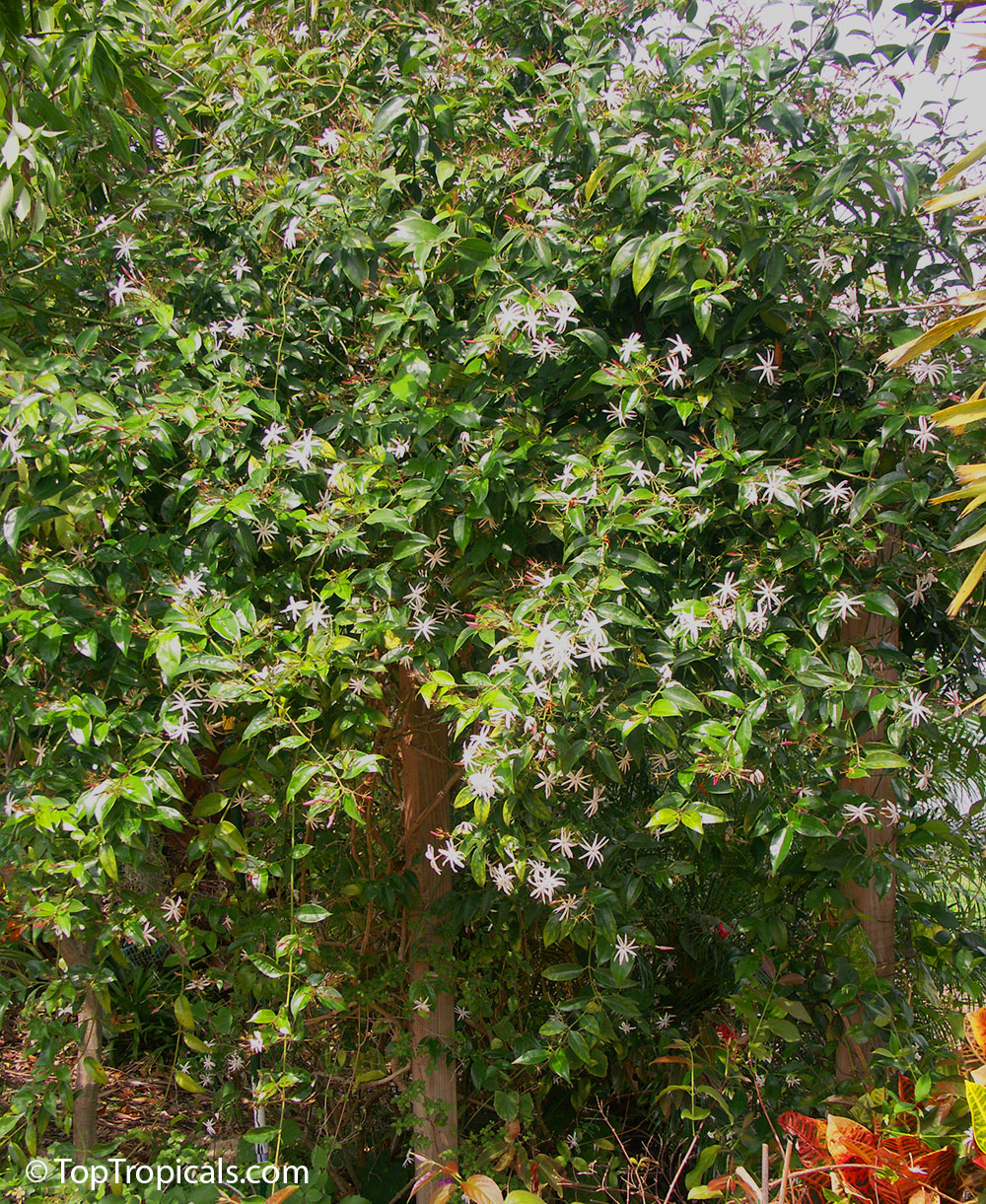
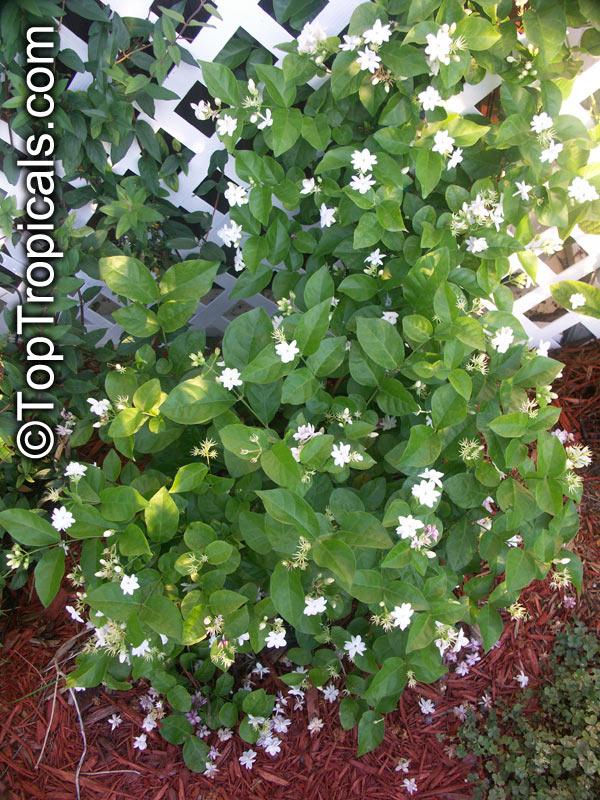
In the photo: Jasmine Maid of Orleans

Q:We are looking for a jasmine variety without thorns that we can grow on a wire fence...

A: All true jasmines (Jasminum spp.) are thornless. So you are safe to get anyone you like. The most vigorous, fast growing jasmines that grow into a vine, are:
Jasminum dichotomum
Jasminum pubescens
Jasminum nitidum
Jasminum officinale
Jasminum sambac Maid of Orleans - the most fragrant!

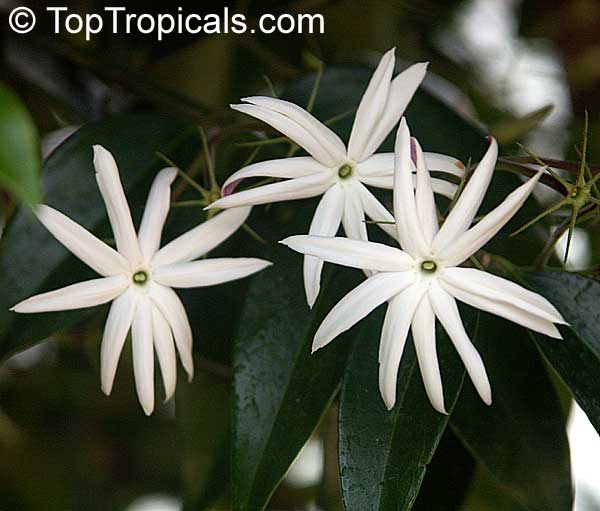
In the photos: Jasminum nitidum (Star Jasmine)

Date: 30 Aug 2020

Healthy Plant Food

Q&A from Mr Booster

How to make Mango tree fruit

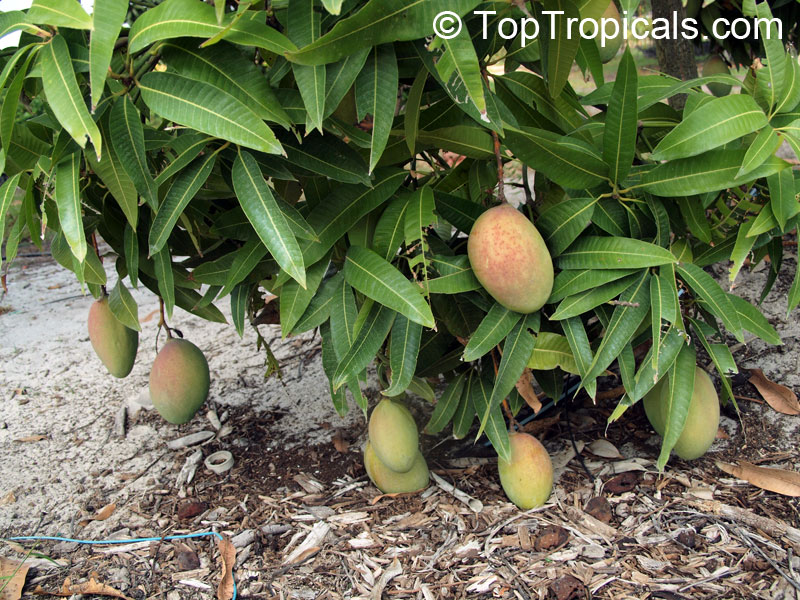
Q: Hello, I have a five-year-old Lemon Meringue tree that has only given me fruit one year. It put out about 50 mangoes and has done nothing for the past three years. Do you recommend any vitamins or any of the nutrients that you guys sell to help with this for next season?

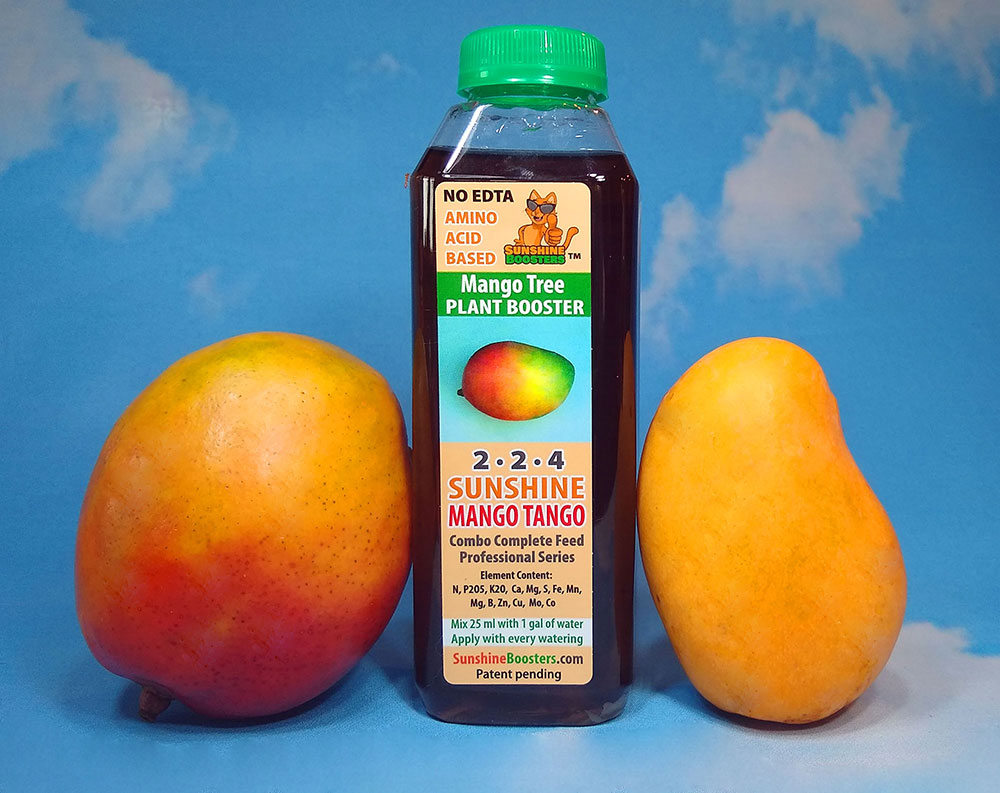
A: We've had very similar problem with our Nam Doc Mai Mango tree, fruited once and no more next year. Usually the reason is nutrients deficiency, here in Florida we have poor soils. We applied Mango-Tango tree booster and it started flowering within a couple of weeks.
Generally, Mango flowering season is over by now, however, we recommend to feed the tree starting now, during active growth season. This way it will get better established before winter and also will store away all elements necessary for triggering flowering and fruiting. So by late Fall through Winter it will be ready to flower.
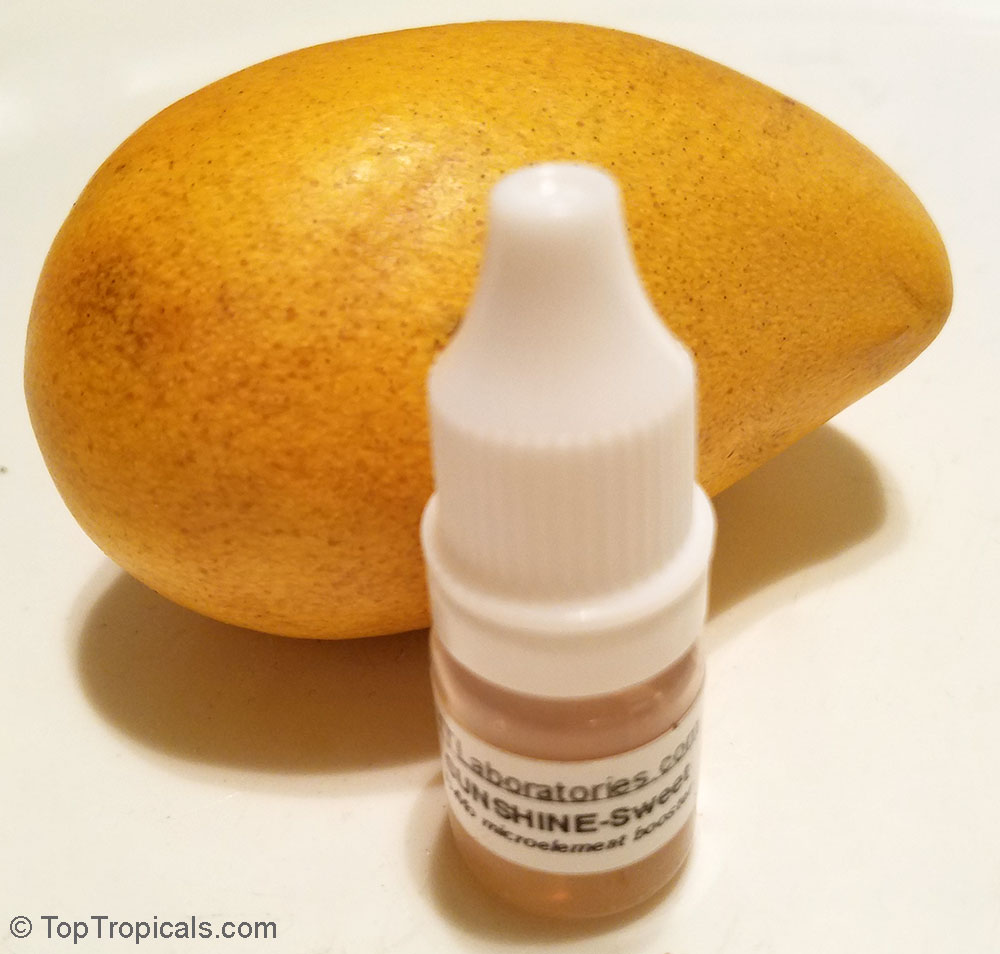
Along with the fertilizer, additional micro-element supplements will be beneficial. For improving fruit quality and increasing number of flowers, we also recommend to use SUNSHINE-Honey - sugar booster

SUNSHINE Mango Tango - Mango Tree Booster, for healthy mango trees and profuse fruit production.

SUNSHINE Honey - a natural supplements that makes fruit sweeter, and increases fruit quantity and quality.

Date: 18 Oct 2019

Using SUNSHINE Complete Nutrition System

For hydroponics and potted plants

Q: I recently bought both the 5ml of the sunshine epi and the 100 ml advanced nutrition kit. I read on the paper for the Epi not to use any other strong fertilizers along with this but I was wondering if it'd be alright to use both this foliar spray and nutrition watering together?

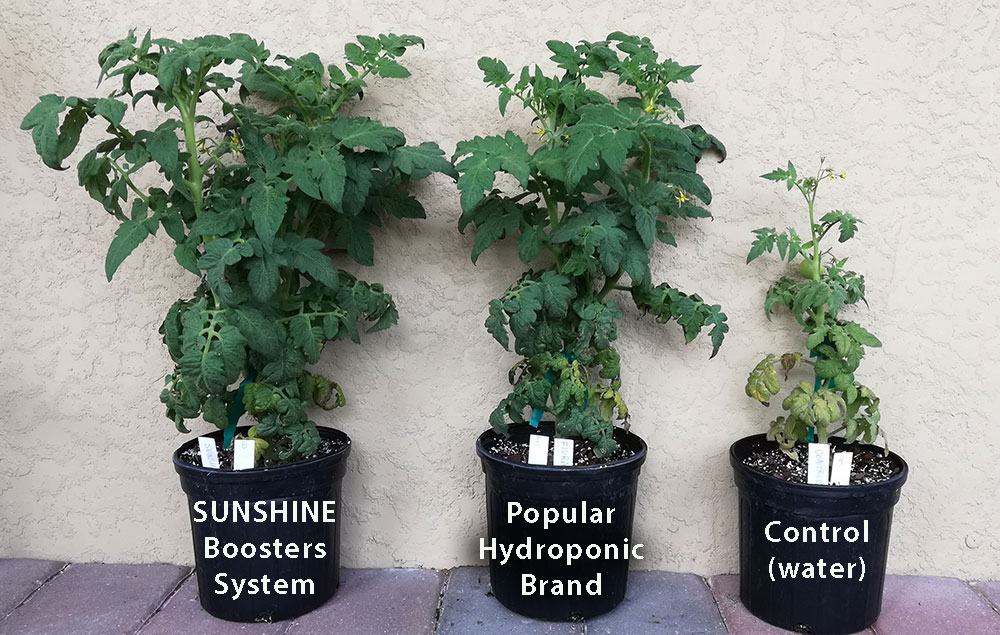
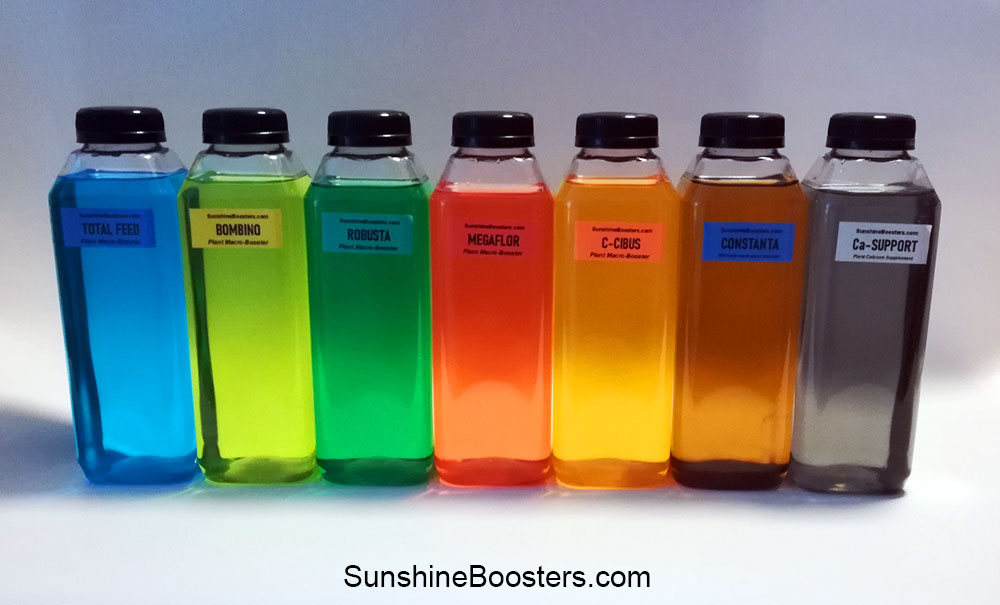
A: All solutions in SUNSHINE Booster Nutrition System (NPK-macro and micro-boosters) are compatible.
The only exception is Sunshine-Epi - brassinosteroid bio-stimulant. Epi should be mixed with distilled water separately from other boosters. The reason is, it is very bio-active, and if mixed with other compounds, oxidizes quickly which may affect its performance.

Sunshine-Epi solution must be prepared using distilled water and applied as foliar spray only (it only works on contact with leaves and not through the root system). Epi shows extremely impressive results when you apply it before the application of other nutrients because it increases plant metabolism; so all boosters become even more effective if you spray Epi the day before.

When using Micro- and Macro-boosters, you may mix all components in one watering can/tank (except for Epi), using regular tap water. Besides watering root ball, the macro-micro solution can be also used for foliar spray. It is optional, as in some circumstances growers prefer to keep leaves dry at all times: to stay away from mold, fungus and other issues caused by the wet environment.

Here is an example of Sunshine Boosters Nutrition System application:
1. Daily watering in one can: NPK 25 ml/gal (one of 5, depending on growth stage) + Constanta 5 ml/gal + Ca-Support 5 ml/gal, mixed in tap water
2. Every 2 weeks: spray Sunshine-Epi 2.5 ml/gal - to boost the immune system and growth rate, mixed in distilled water
3. From daily to every 2 weeks: Sunshine-Power-Si 25 ml/gal to protect from diseases and keep pH at 5.5-6.5. Can be used as often as daily and mixed with a daily watering solution (1)
4. As needed: Sunshine SuperFood and GreenLeaf - for correcting deficiencies. Can be also mixed with the daily solution (1)

Make sure to prepare a solution right before use and do not store solution for more than 1 day. Keep concentrates and solutions protected from bright sunlight.

Here is also advanced information on Sunshine Boosters compatibility.

READ MORE >>>

Date: 9 Nov 2018

Taste of Mango

TopTropicals.com

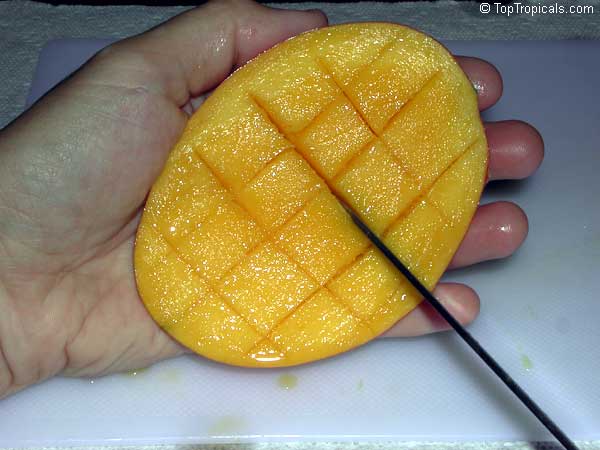
Mango harvest season is over, and now it's the time to plant young Mango trees for the next year season of flowering and fruiting. When choosing a mango tree, researching your location for proper growing conditions is relatively easy. But refining your decision-making process based on the taste of mango is both easy and fun (and filling)! However, since it is often difficult to find a convenient source for sampling a wide variety of mango fruits; we at Top Tropicals sat down and tasted a handful of varieties for you... Just another opinion on taste!

Pickering - Sweet, juicy, fiberless, with a hint of an apricot fragrance. (A universal favorite amongst the group.)

Nam Doc Mai - A slightly fibrous marmalade-like texture, with a sweet and floral flavor.

Cogshall - Very little fiber with a slightly tart and piney flavor.

Florigon - A mild, even flavor. Not too sweet, not too tart, and fiberless.

Mallika - A fiberless cantaloupe-like consistency. Slightly tart, with some semblance to non-acidic orange juice.

Valencia Pride - Slightly fibrous, with a tangy near citrus flavor.

Glenn - Very mild flavor, less sweet compared to other varieties, but very refreshing.

Read more about Mango varieties...