Garden Blog - Top Tropicals

Date: 11 Oct 2019

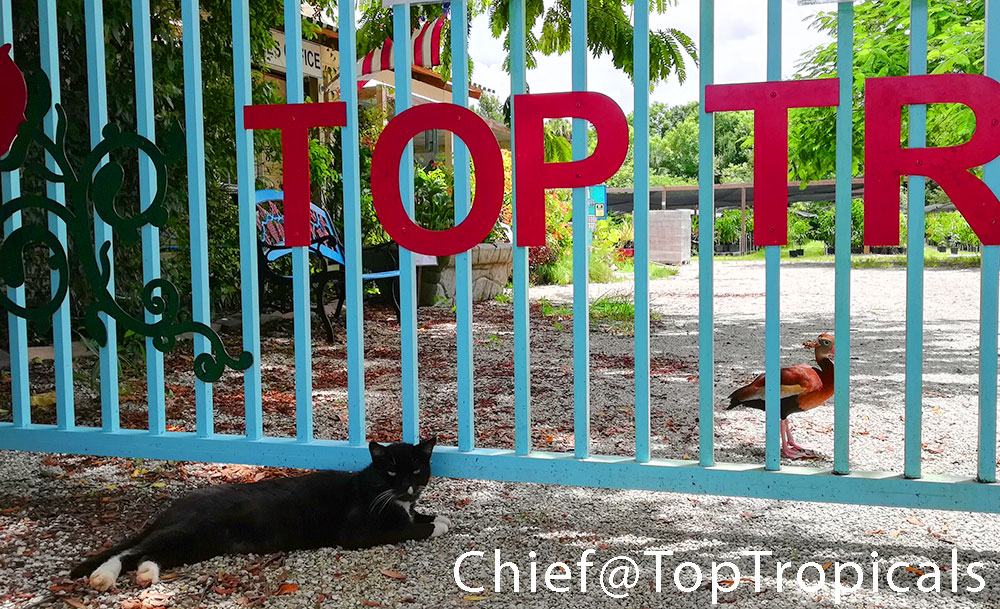
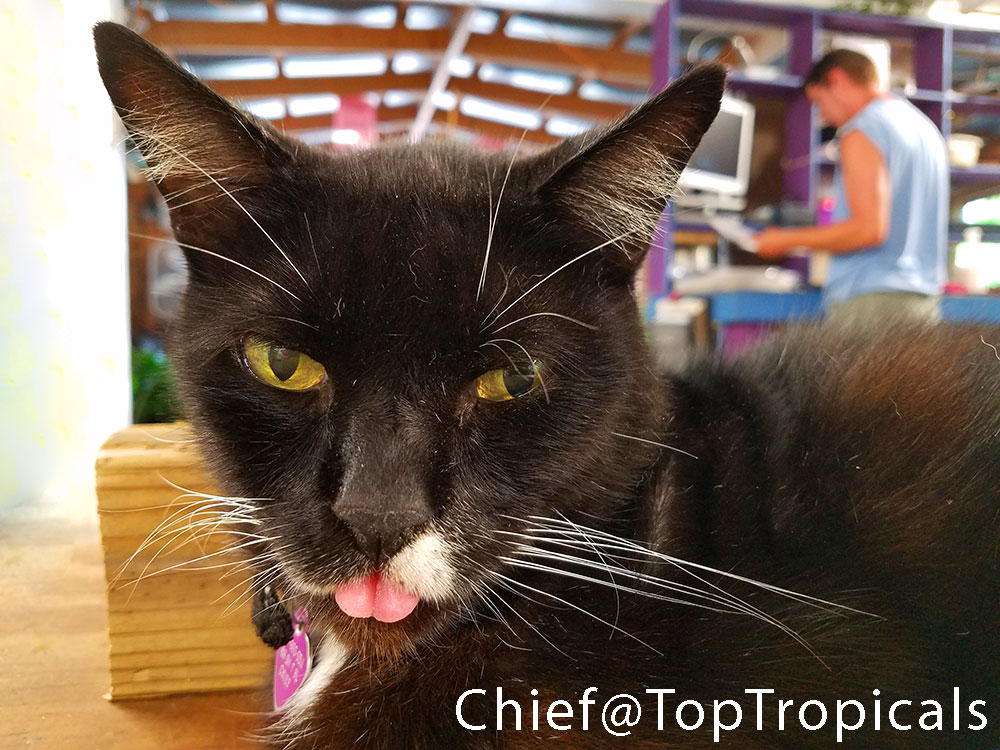
Meet PeopleCats of TopTropicals. Cat of the Day: Chief

Shipping Department Supervisor

Chief is one of the oldest PeopleCats at TopTropicals. And of course the most experienced one. So he is in charge of the Shipping Department.
Chief likes to chill out in front of the nursery gate together with Marco, Lil S*t and Dobi Duck.
Chief doesn't like car rides to his vet and when it happens, he is very loud. The sound he makes is "Oy-yo-yo-yooooy!!!"
Chief likes milk. He has a white spot on his black face - from drinking so much milk! No matter how much milk we buy for him, there never seems to be enough. Chief even has a refrigerator for his milk. If you come to visit Chief at TopTropicals Garden Center, you may bring him a small bottle of fresh milk!
Thank you for your purrrrrrchase for Chief!

Date: 20 Apr 2019

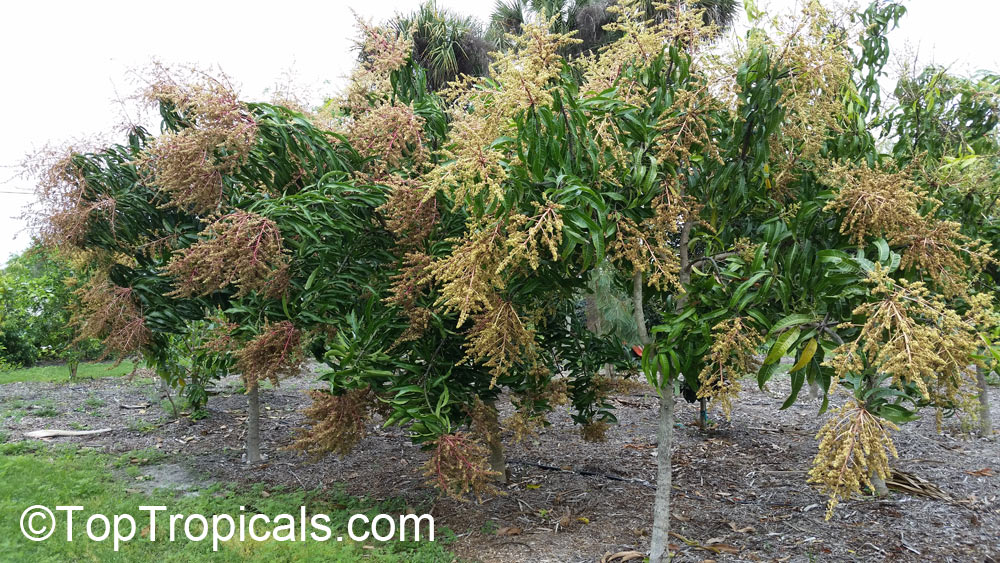
Growing mango tree in California

TopTropicals.com

Q: I just ordered a mango tree. I live in Southern California and was wondering if you have any tips on how to acclimate the mango to our climate. I know it is coming from hot and humid Florida to hot and dry Southern California and don't want to kill it because of the differences in climate.

A: Mangos in fact prefer dry conditions rather then humid. It may be perfect conditions for a mango tree at your place. Plant your tree in a pot size of the root ball; give it ample water and then let the soil surface slightly dry before watering again. Keep the plant in bright shade and gradually move into full sun. Once the tree is recovered from shipping stress, you may plant it in the ground and make sure to protect from freezing temperatures in winter. Use Mango Food for quick establishing and better fruit production. More to read:
Mango boosters
How to grow Mango in hot climates
Growing Mango in Arizona.

Date: 12 Jul 2025

Whats inside the Napoleons Hat?

Napoleon's Hat - Napoleonaea imperialis

🎩 What's inside the Napoleons Hat? False Kola experience!

  • 🎩 Napoleon's Hat (Napoleonaea imperialis), lives up to its name with large, saucer-shaped flowers that bloom straight from the leaf axils or even directly from the trunk!
  • 🎩 The hat-shaped, brightly colored flowers smell like butterscotch!
  • 🎩 The reddish seeds resemble kola nuts and even have a similar taste, giving you a fun, "false kola" experience.
  • 🎩 An instant conversation starter, Napoleon's Hat is a quirky, fragrant addition to your garden - perfect for those looking for something a little different.


🛒 Experience Napoleon's Hat - the most bizarre flower with benefits!

📚 Learn more:


A French Emperor's Hat Blooming in Your Garden
Napoleons Hat - Endangered species from the outgone era of the Napoleon's War

#Fun_facts #Trees #Nature_Wonders

🟢 Join 👉 TopTropicals

Date: 23 Dec 2023

Butterfly Bush: Fast, Pretty, Low Maintenance...

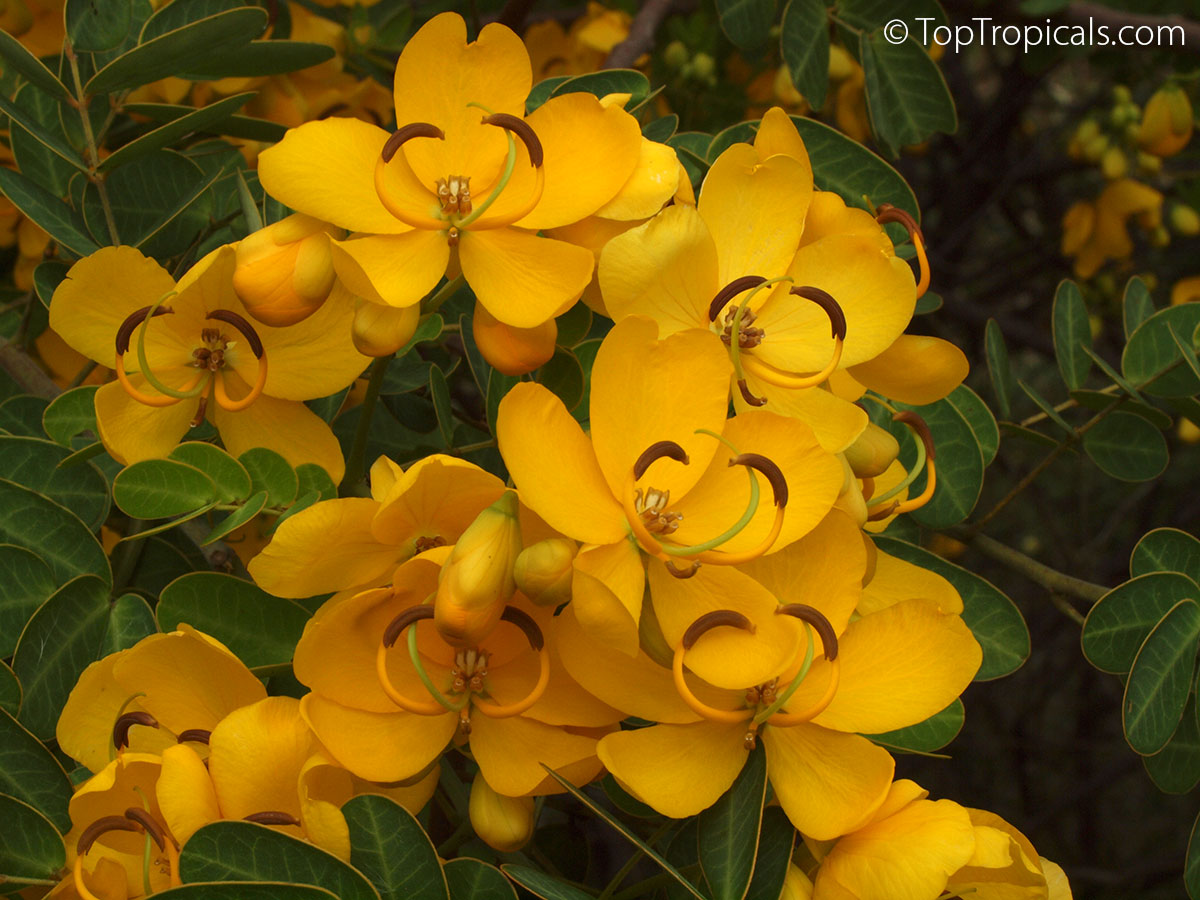
Cassia  (Senna)  bicapsularis  -  Butterfly  Bush

Five unbeatable reasons to plant Butterfly Cassia

Q: I am trying to find some easy flowering shrub to screen the ugly corner of my neighbor's yard, can you suggest something fast growing and pretty?

A: One of our favorite flowering shrubs in Florida is the Cassia bicapsularis, commonly known as Scrambled Egg Bush or Butterfly Bush. It is one of the most desirable plants for the southern landscape. It has all the benefits any gardener may dream of, whether a beginner or an expert:

1. Very fast growing, can screen unwanted views and create a beautiful flowering hedge. Cassia bicapsularis is known for its rapid growth, making it an excellent choice for quickly transforming an unsightly corner into a vibrant and lush area. Its dense foliage and attractive yellow blooms add both beauty and privacy to your outdoor space.

2. Easy to grow, not fussy about soil or water, drought and flood tolerant, cold tolerant. Butterfly Bush is incredibly adaptable and resilient. It thrives in a variety of soil types, is not demanding when it comes to water, and can withstand both drought and occasional flooding. Additionally, it is cold tolerant and can withstand occasional frosts once established.

3. Blooms for many months, featuring especially in winter flowers from Fall to spring. Very pretty, large "sunny" flowers resembling bright yellow butterflies, hence the name. It is a generous bloomer, gracing your garden with vibrant yellow flowers for an extended period, particularly from fall to spring. The large, sunny blooms not only add visual appeal but also attract pollinators, enhancing the ecological balance of your garden.

4. Attracts lots of butterflies. As the common name suggests, the Butterfly Bush is a magnet for butterflies. If you enjoy the presence of these beautiful winged creatures in your garden, planting Cassia bicapsularis is an excellent way to encourage and support butterfly populations.

5. Low maintenance. Butterfly Bush can be trimmed and controlled at the desired shape if needed, but if you have room for a big bush in a full sun area - just let it go and it will form a nice dense bush without any pruning: this shrub is a low-maintenance delight. While it can be pruned and shaped according to your preferences, it also flourishes when left to grow naturally. Its ability to form a dense and attractive bush without constant pruning makes it an ideal choice for those seeking a fuss-free gardening experience.

If you're looking for a fast-growing, low-maintenance, and aesthetically pleasing solution to screen an unsightly corner, Cassia bicapsularis is an unbeatable choice. It ticks all the boxes for a beautiful and resilient flowering shrub in the southern landscape.
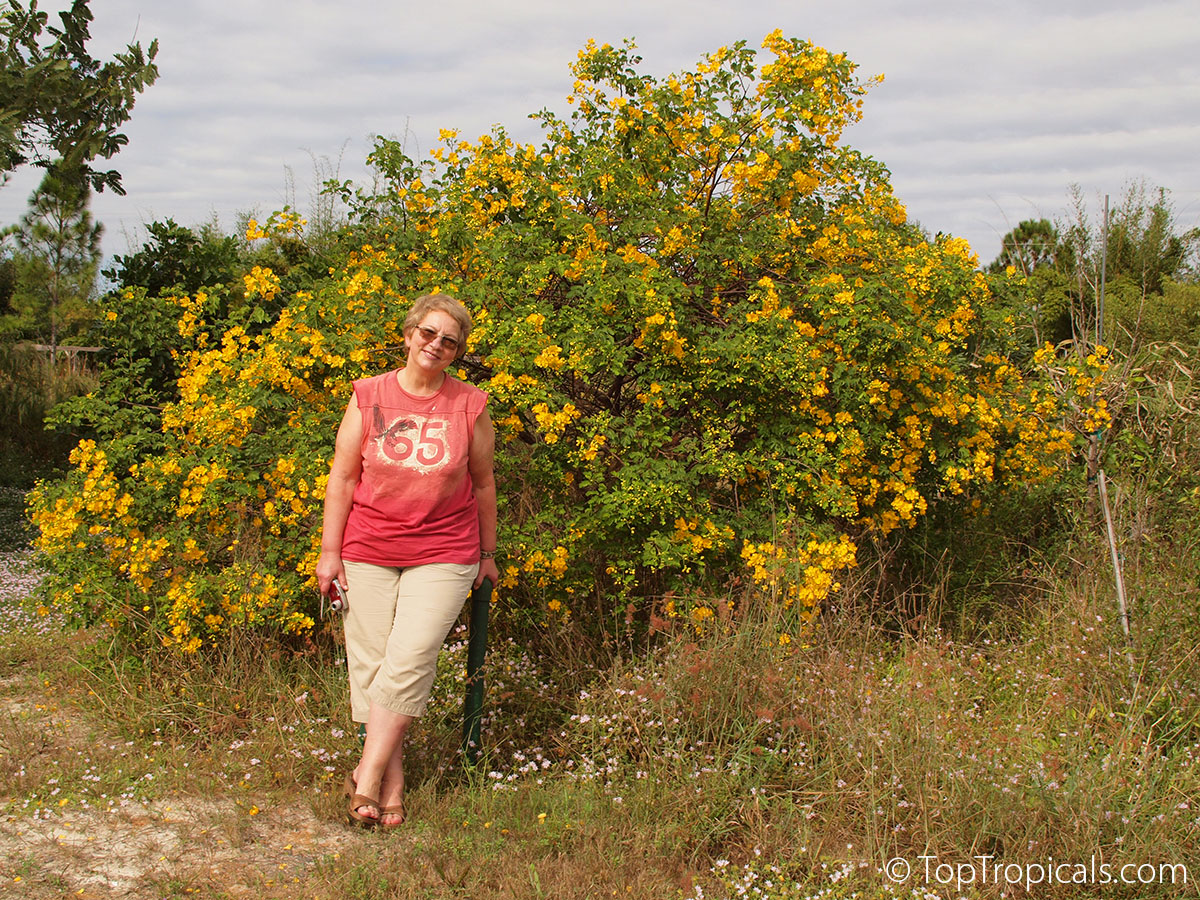
A  lady  standing  next  to  Cassia  (Senna)  bicapsularis  -  Butterfly  Bush

"...Without a doubt, Butterfly Cassia became one of my favorite plants during my visit to Florida for Christmas a few years ago. I only wish I could have taken it back home with me to Latvia. If only my windowsill hadn't already reached its greenhouse capacity!.." - Alex Butova.

To see more options for flowering shrubs, check out the reference chart Hedges with Benefits Chart.
Date: 9 Jul 2019

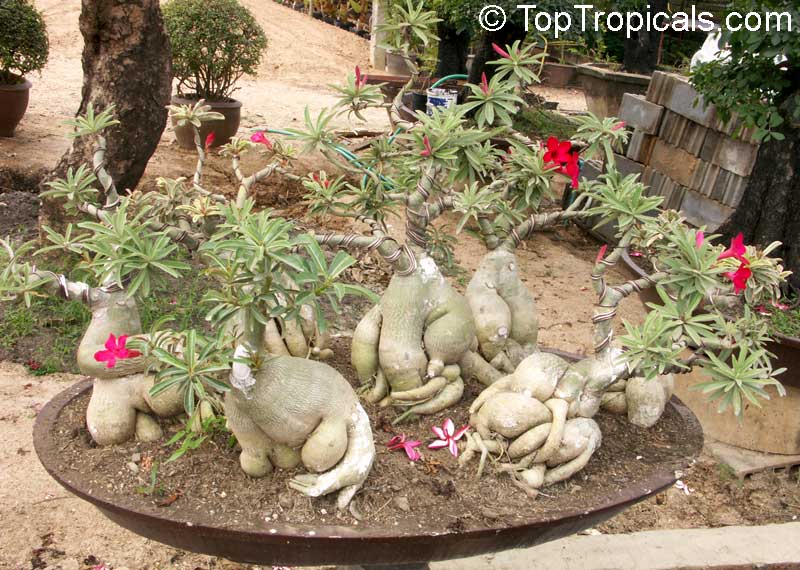
Growing desert roses

Q: I purchased a Desert Rose and planted it in Adenium mix. I keep it in full sun with once a week watering assuming this is a desert plant that likes lots of sun. Some leaves turned yellow and now I am not sure should I move it into shade or need to water more? Or maybe fertilize with something?

A: Desert Rose - Adenium, unlike cacti and other succulents, prefers filtered light. It can grow in full sun but leaves look healthier in light shade. Watering must be very moderate, however don't let soil harden like a rock: water again right after the soil gets dry. We suggest to use special Adenium Mix. Cactus mix may work well, as well as regular potting mix, in which case it is recommended to add a bit of limestone (we simply put sea shells on top of the pot - it looks very pretty!) - because adeniums prefer slightly alkaline soil (while most of tropical plants like acidic soils). If leaves turn yellow, this may be a sign of underwatering. Use water soluable fertilizer with high phosphate as foliage spray, and only on healthy plants, according to label dosage. It helps both caudex growth and flowering. Make sure to avoid fertilizer contact with a caudex.

RECOMMENDED SUPPLIES:
Adenium Plant Food - Flower and Caudex Booster
SUNSHINE-BC - Caudex booster
Adenium Soilless Mix

Read more about growing Adeniums:
What you need for successful growing Adeniums
Growing Exotic Adeniums