Spring is coming, plants need food!
Time to fertilize...
Last winter was long and snowy in the most part of our
country. Hold on fellow gardeners up North, it is almost
over!
Here in Florida we have been blessed again with a mild
winter without serious cold snaps. Early Spring that is
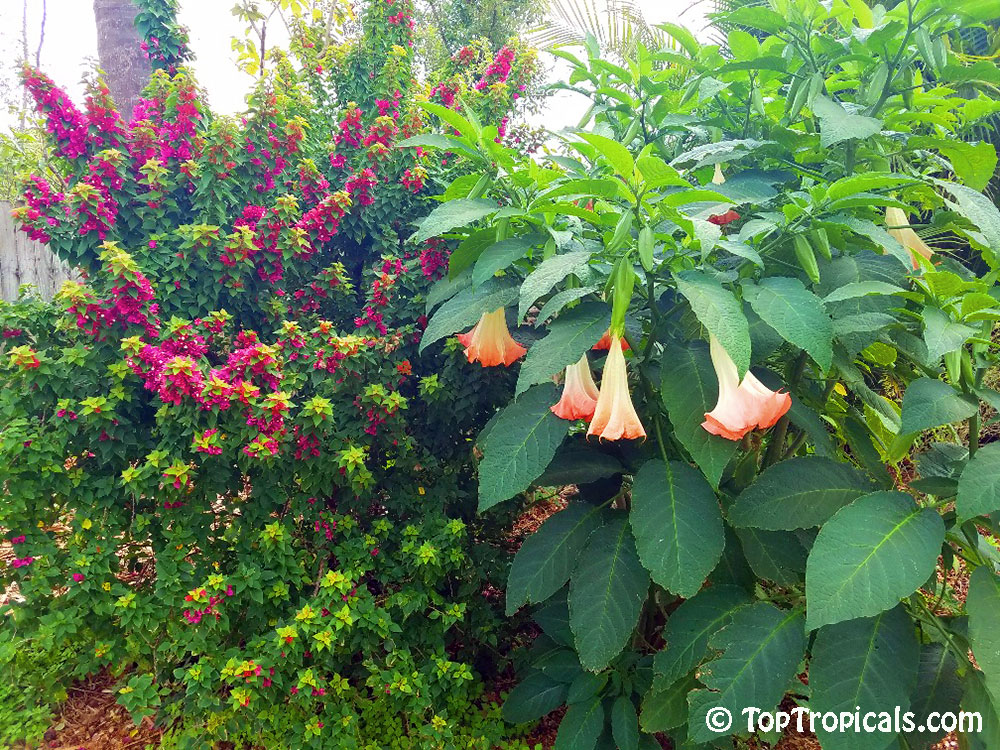
already in the air. Look at this picture of flowers in our
front yard now.
If the weather is already warm in your area (low
temperatures above 55), it is time to start fertilizing.
We are sending our love and support to tropical Puerto
Rico suffered from hurricane last year, and will be happy
to help you guys to restore your lost gardens!
CHECK LIST
what
to do to give your garden a good kick start:
1. Slow release granulated food. Apply Slow Release Fertilizer and
continue once a month. 1 tsp per gallon of pot, or a
handful for in-ground plants. This will provide essential
macro elements (NPK) required for a plant growth.
2. Water soluble micro-elements. Besides
macro-elements, plants need many other elements that most
of the time missing in soil. A lack of micro-elements
causes different deficiencies, resulting in weak root
systems, slow growth, deformed leaves, leaves yellowing,
lack or no flowers/fruit. Apply these supplements as a
foliar spray once a month to induce healthy growth and
flower/fruit development. We recommend the following
micro-element products to keep your plants healthy and
vigorous year round:
a) SUNSHINE SuperFood - plant
health booster. This revolutionary new liquid complex
contains ALL microelements needed and can fix all possible
problems occuring to your tropical plants - from roots to
flowers and fruit. We have convenient dropper bottles of 5 ml for small plant
collections, 50 ml for larger gardens, and
100 ml for professional
landscape applications.
b) SUNSHINE-Micro - Microelement
booster - for common iron deficiency (pale leaves)
c) SUNSHINE-Super-Iron -
Microelement booster - for severe iron deficiency
(severe yellowing leaves)
3. SUNSHINE plant boosters -
SUNSHINE-E, -BC (caudex plants and bonsai), -H (house
plants). Apply these natural plant stimulants to
help plants recover from cold, dormancy, increase plant's
metabolism and make a plant more readily absorb both
Macro- and Micro-elements. SUNSHINE boosters also will
help plants grow vigorously, withstand Summer heat and
drought, and produce bigger and better flowers and fruit.
4. Kickstart a sweeter fruit. To get a better and
sweeter crop in Summer and Fall, you need to start first
application now. SUNSHINE Honey - is natural,
Amber-colored, honey-like liquid microelement product for
fruiting and edible plants that will make them sweeter,
tastier and more flavorful! Very effective for tropical
fruits, tubers, vegetables. Great for tropical fruit
trees: Mango, June Plum, Annonas, Tropical Cherries,
Carambola, Citrus; subtropical fruit trees: Peaches,
Apricots, Loquat and berry plants (blackberry, mulberry,
etc.)
5. SUNSHINE-S. Don't
forget to plant seeds! It's a perfect timing
now to start your tropical garden indoors even if it is
still cold outside. Soak them in SUNSHINE-S solution to
increase germination rate.
See full list of SUNSHINE boosters.
All these products are essential plant elements. They are
not toxic and can be used safely for edible landscapes.