Garden Blog - Top Tropicals

Date: 24 Oct 2023

Calathea Zebrina: Nature's Zebra Striped Star
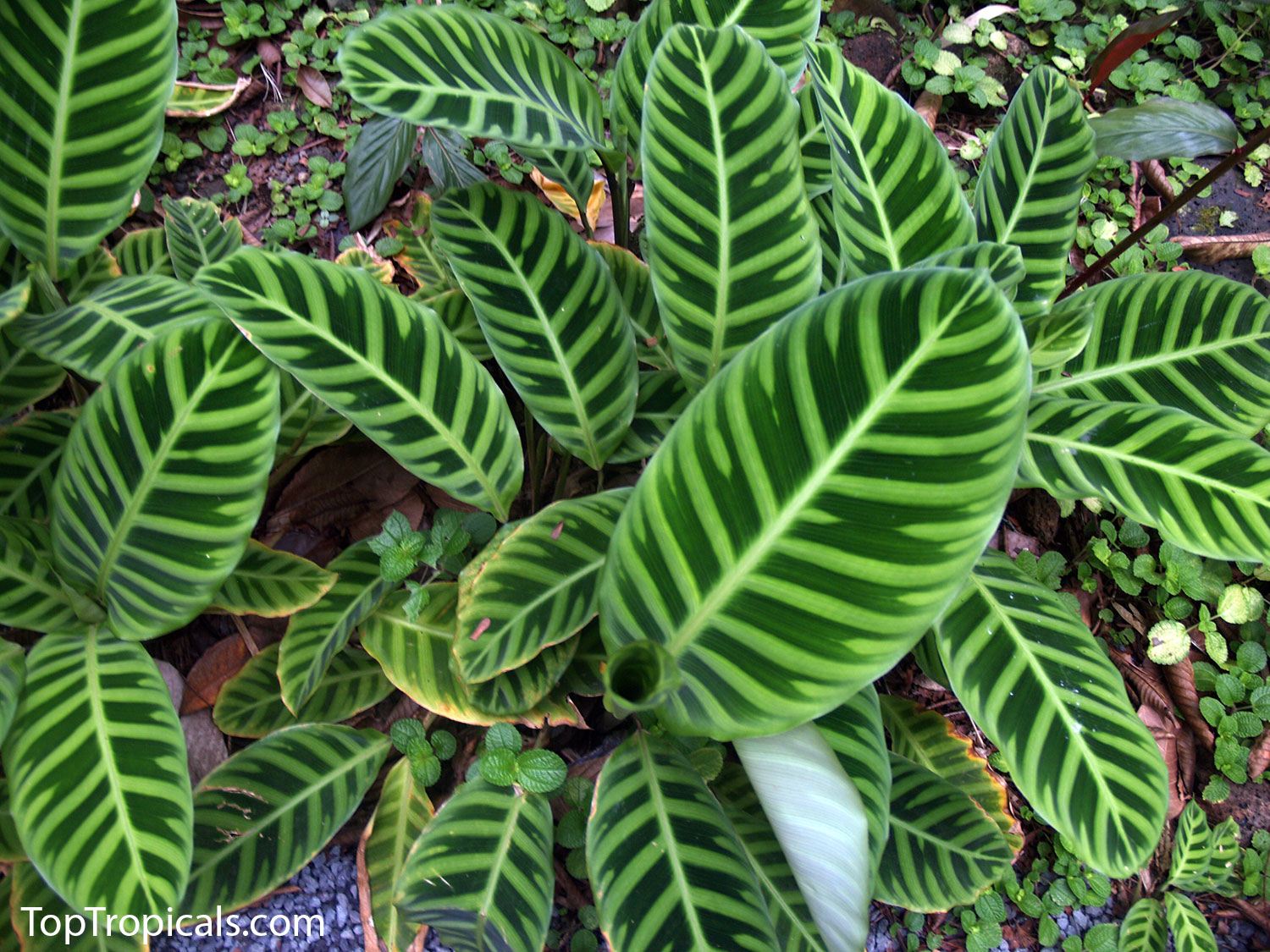
Calathea  Zebrina  -  Zebra  Plant

Q: Can you recommend a showy houseplant for a living room that doesn't need much care?

A: Meet the Calathea Zebrina - Zebra Plant, the zebra-striped sensation straight from the Brazilian rainforests. This charismatic plant is like a piece of living art for your home! The Calathea Zebrina isn't just a houseplant; it's a conversation starter and a slice of jungle magic right in your living room. Get ready to embrace the zebra-stripes and let your home's wild side shine!
Calathea  Zebrina  -  Zebra  Plant

Zebra Stripes with a Twist:
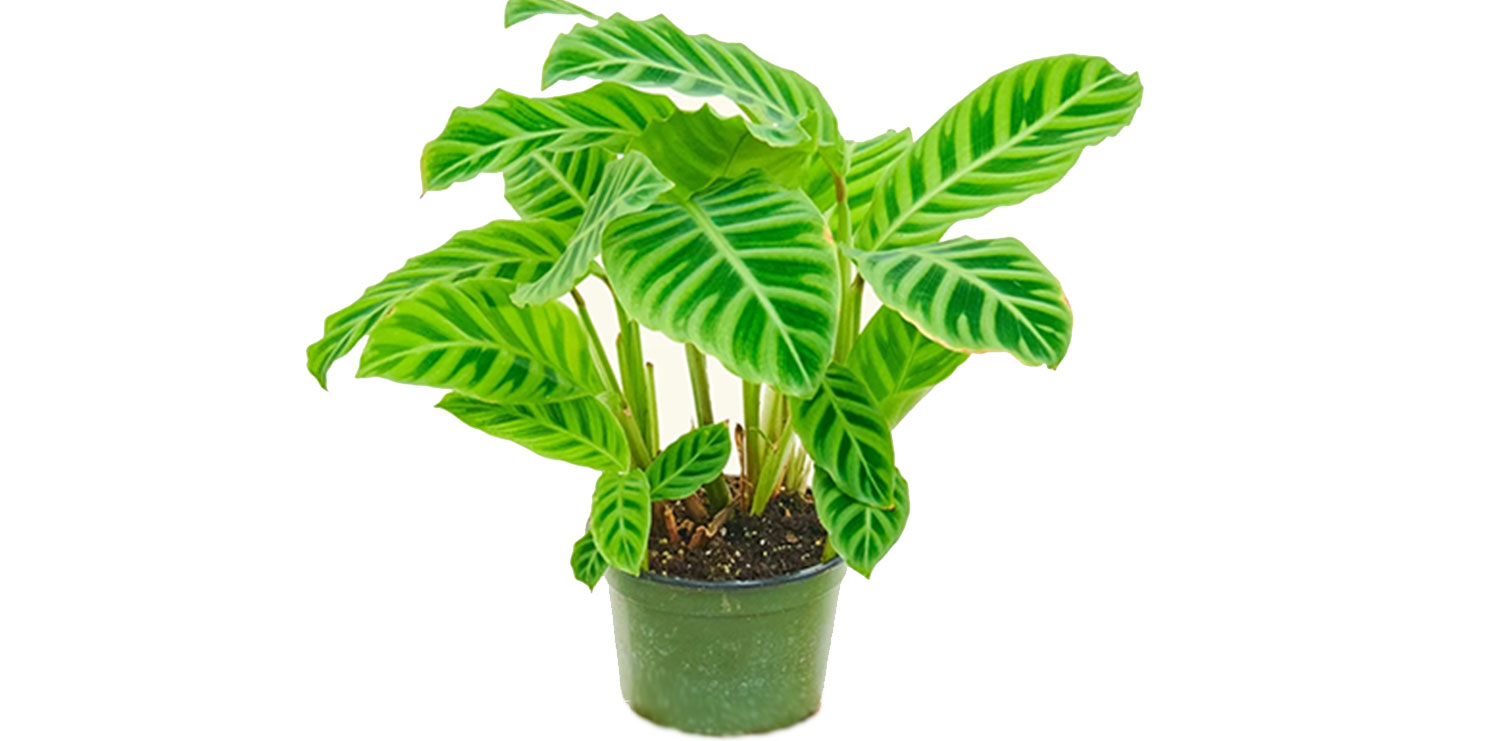
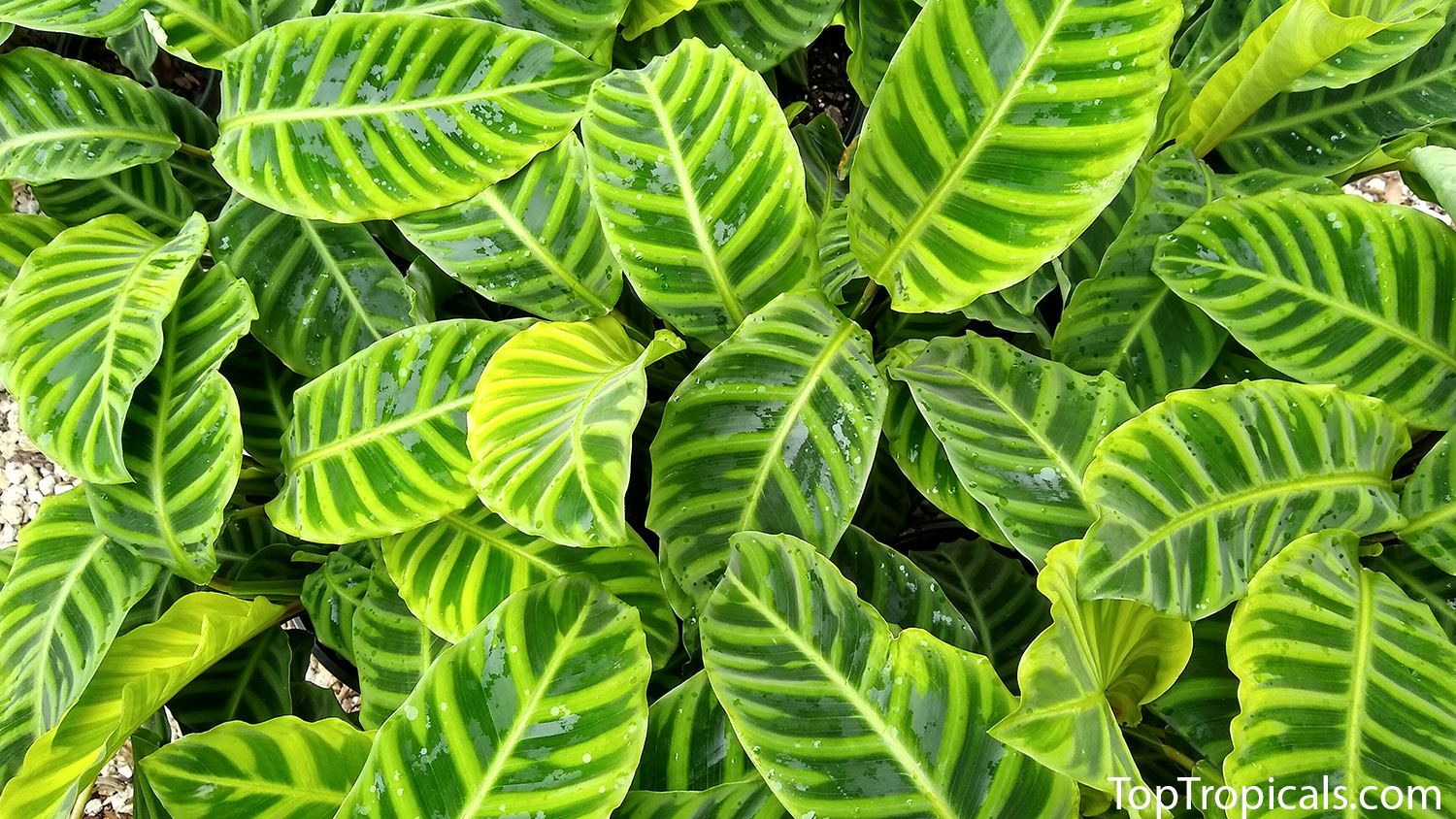
With its bold dark green stripes on a velvety light green canvas, the Zebra Plant adds a touch of nature's whimsy to any room. It's like having a zebra with a green thumb as your housemate. The underside of the leaves are purple and not always visible because leaves grow horizontally (although some will curve or grow more upright).

Low-Light Lover:
Not only is it easy on the eyes, but it's also easy to care for. The Zebra Plant thrives in low light conditions, so you don't need to rearrange your whole house just to keep it happy. It even tolerates a little over-watering which all of us tend to do with house plants.

Green with Envy:
This plant may make your other houseplants a bit envious with its captivating appearance. Its zebra stripes aren't just a fashion statement; they're a botanical masterpiece. Keep it even greener with Sunshine Robusta plant food - safe to use year around!

A Slice of Serenity:
In a world that's always in a hurry, the Zebra Plant is a gentle reminder to slow down, appreciate nature's beauty, and bring a touch of tranquility to your space.
Calathea  Zebrina  -  Zebra  Plant

Date: 15 Oct 2023

Growing Barbados Cherry in container

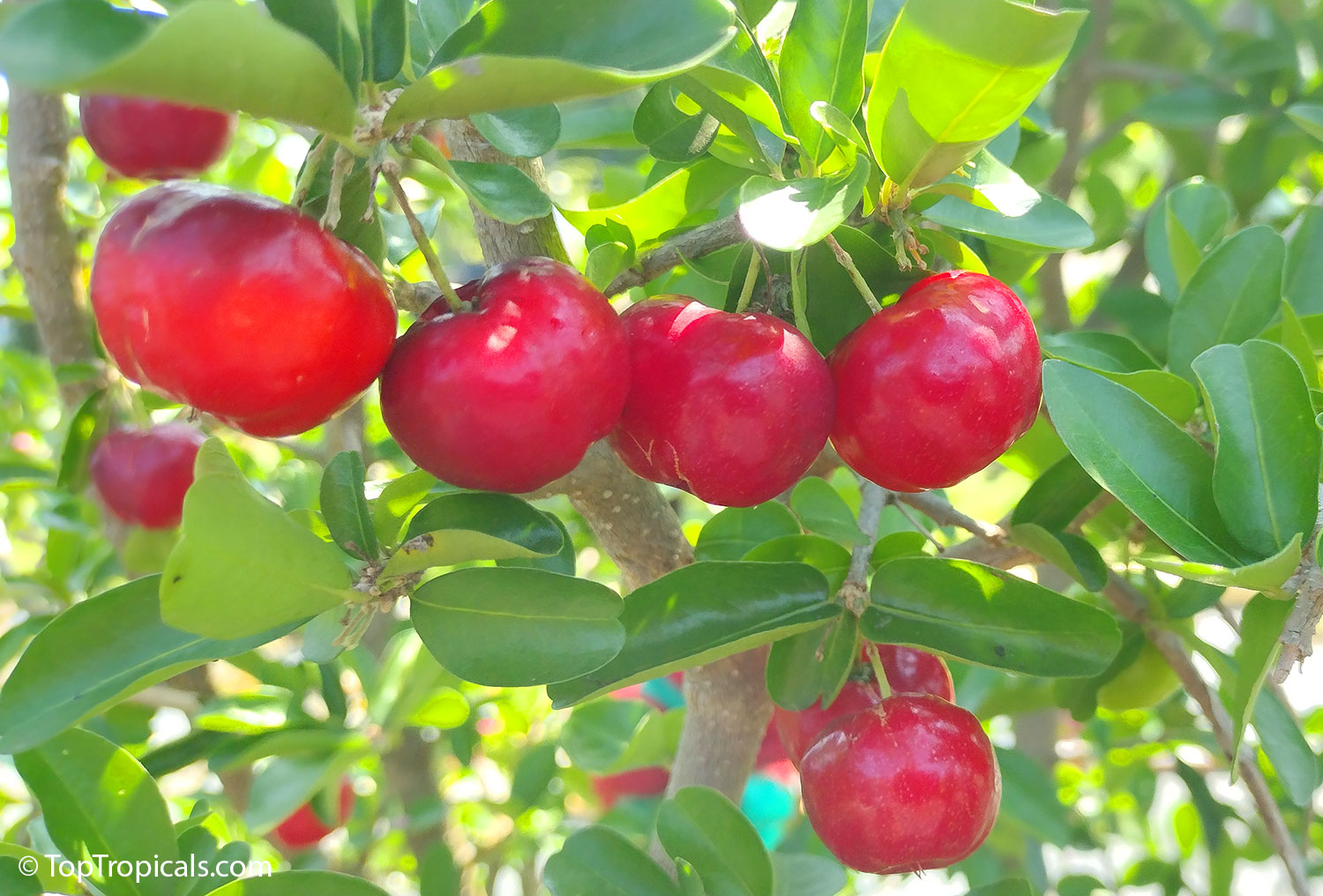
Barbados  Cherry  fruit  on  the  branch

Q: I am interested in buying some Barbados cherry plants. Could you please advise if these can be grown in containers indefinitely or it's still better for them to be planted in ground for nutrients etc?

A: The Barbados cherry, like other tropical cherry varieties, is exceptionally well-suited for cultivation in containers.

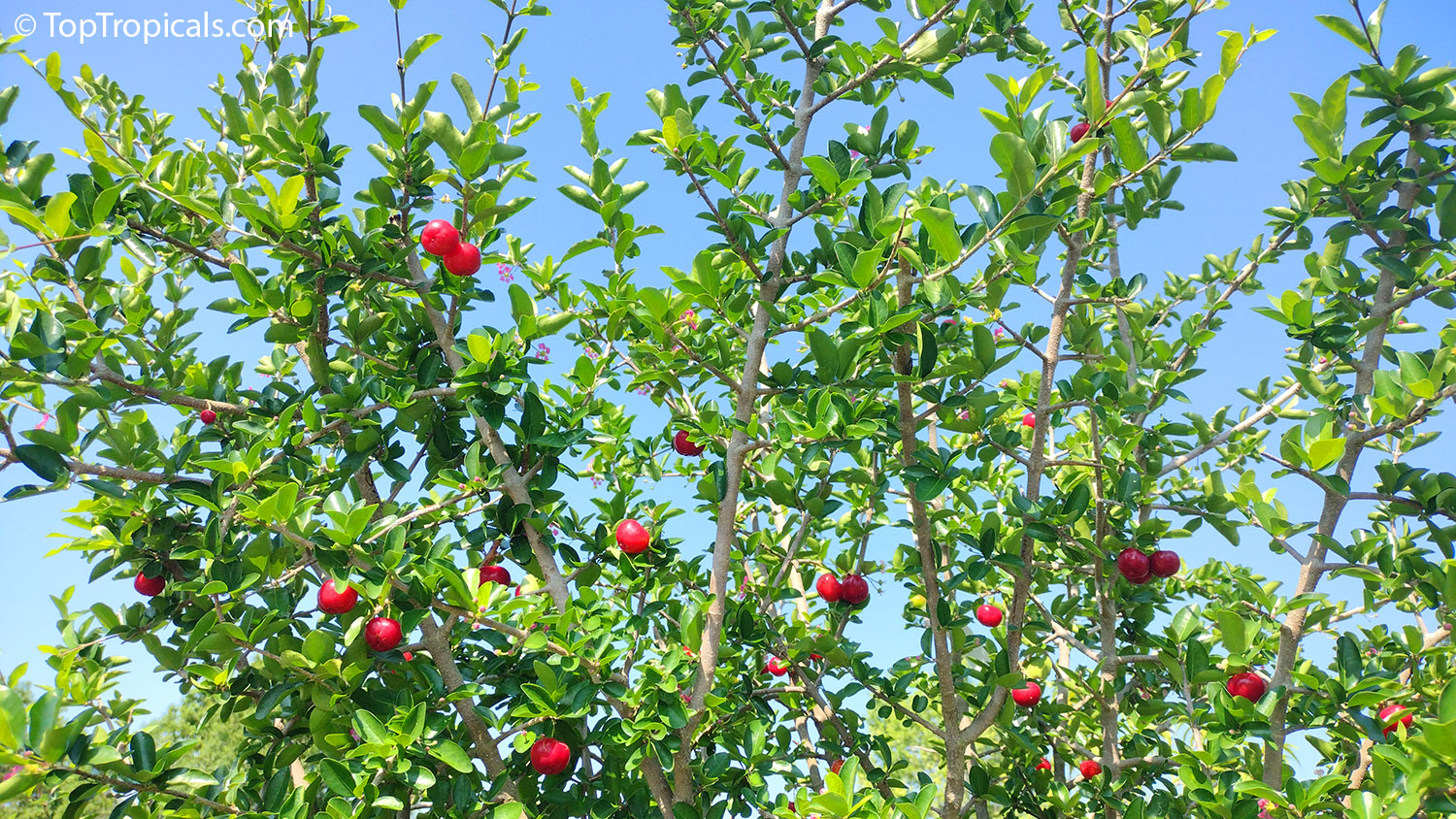
Barbados cherry grows into a dense bush, demands minimal pruning, and begins bearing fruit at a young age. Our plants, which are propagated from cuttings, initiate the flowering and fruiting process in the very same year. They produce fruit almost year around. This year we've had three big crops: April, July and October (still fruiting now!) besides sporadic fruiting throughout the warm season.

Barbados  Cherry  branches  with  fruit

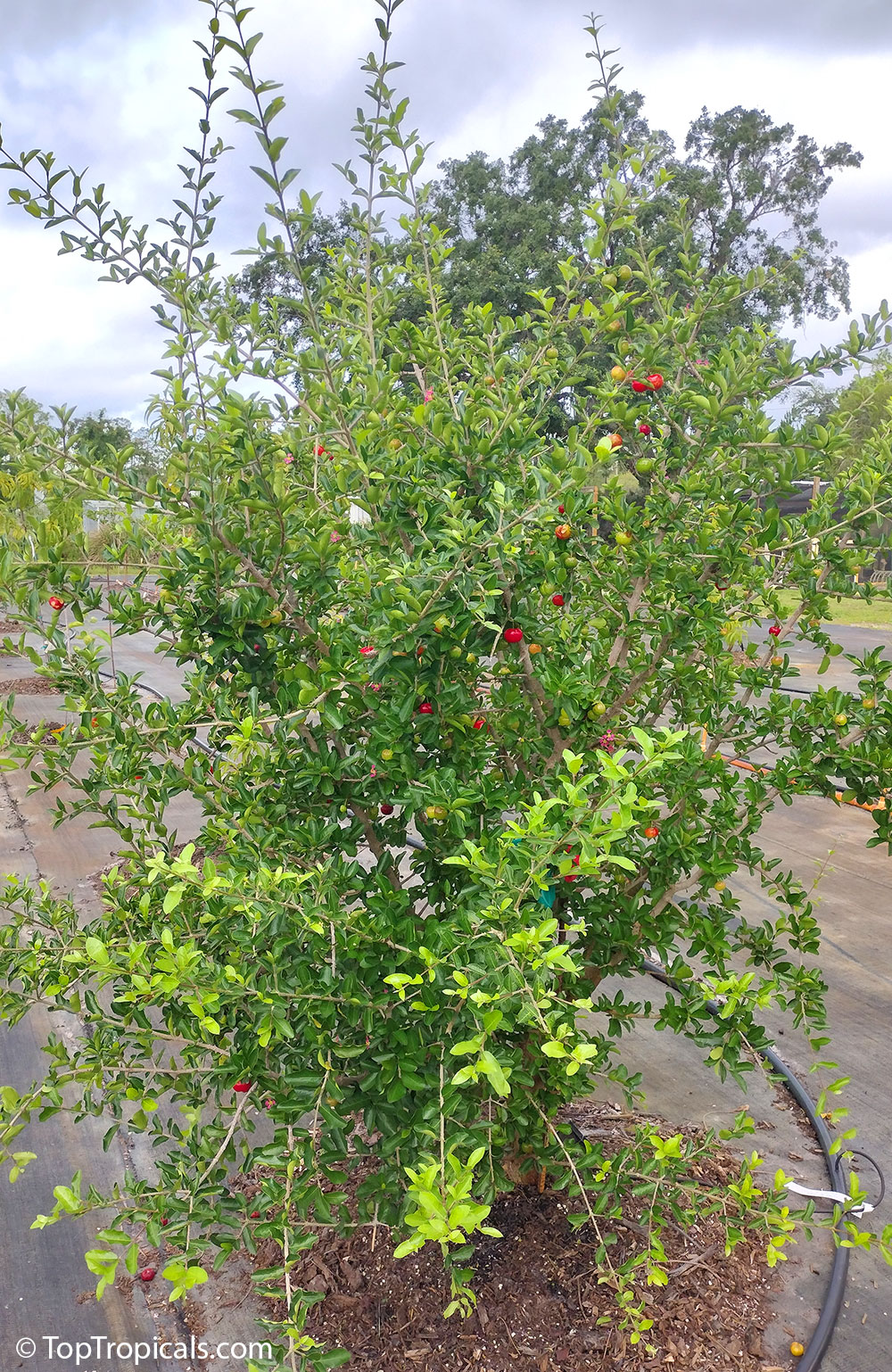
You can cultivate Barbados cherry in a pot, commencing with a 1-3 gallon container and gradually increasing the size each year. Below is a photo of a fully developed tree in the ground, for reference. This tree is approaching its third year of growth. When grown in a container, it maintains a more compact size, with the largest container needed likely being between 7 to 15 gallons. Regular pruning can be employed to keep it smaller.

Barbados  Cherry  bush  in  the  ground

Photo above: Barbados Cherry bush in the ground

Barbados cherry (Malpighia) possesses a distinct growth pattern that sets it apart from other tropical cherry varieties - Eugenias. Malpighia's branches can assume peculiar shapes, even at angles of up to 90 degrees. Therefore, pruning to achieve the desired shape is advantageous.

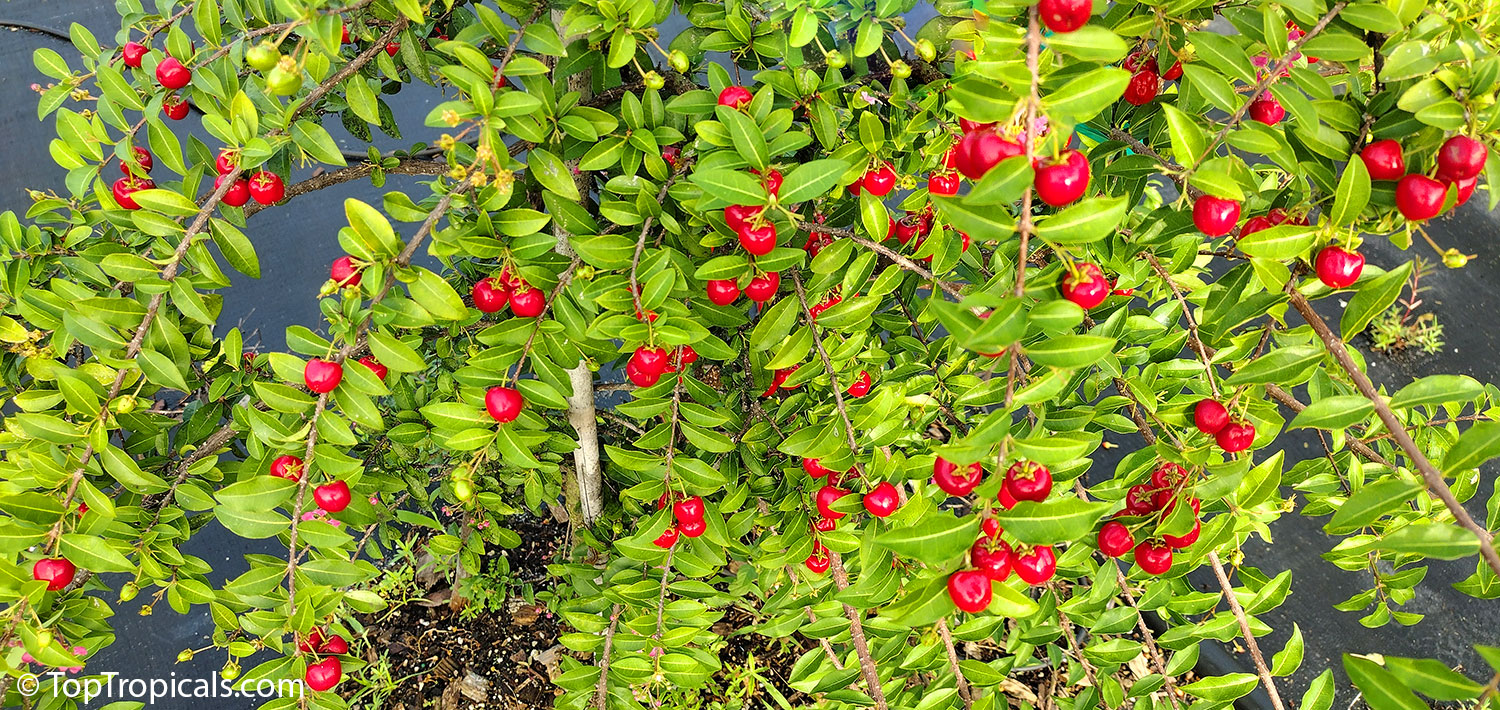
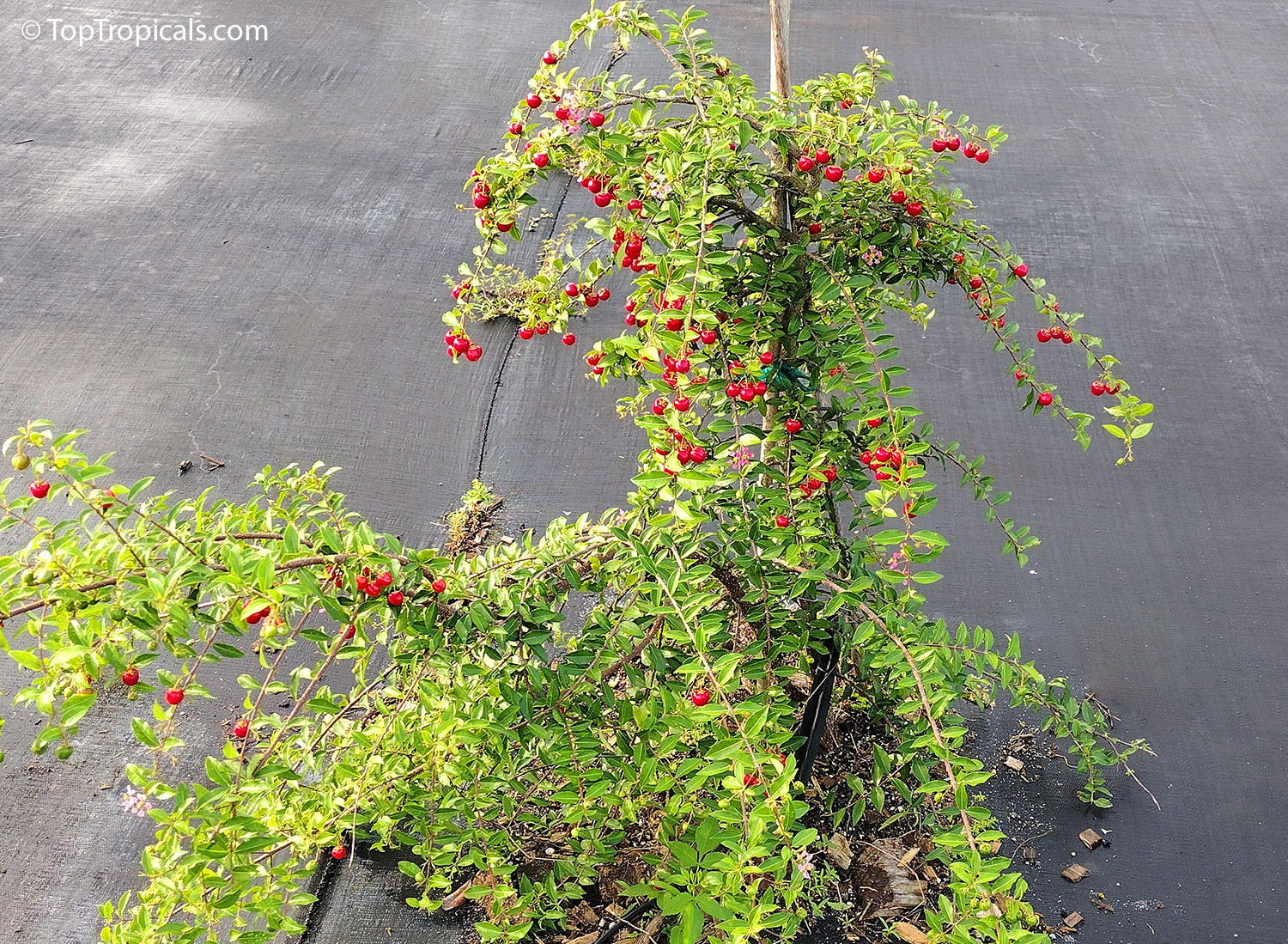
Additionally, you may want to explore the Dwarf Barbados cherry, a miniature cherry variety ideal for container cultivation, with cascading growth habit. Although its fruits are slightly smaller than those of the regular variety, they are notably sweeter.

Dwarf  Barbados  Cherry  branches  with  fruit

Photo above: Dwarf Barbados Cherry fruit

When it comes to ensuring the health and vitality of your potted Barbados cherry plants, maintaining a consistent nutrient supply is crucial. Implementing a regular fertilization regimen is essential to promote robust growth, consistent flowering, and bountiful fruit production. For optimal results, we recommend using Sunshine Boosters, which are specially formulated to enhance the development of fruits and edibles. These boosters are derived from organic amino acids, making them environmentally friendly and safe for year-round use. By incorporating Sunshine Boosters C-Cibus into your plant care routine, you can ensure that your container-grown Barbados cherry plants receive the essential nutrients they need to thrive and flourish.

Barbados  Cherry  in  the  ground

Photo above: Dwarf Barbados Cherry in the ground

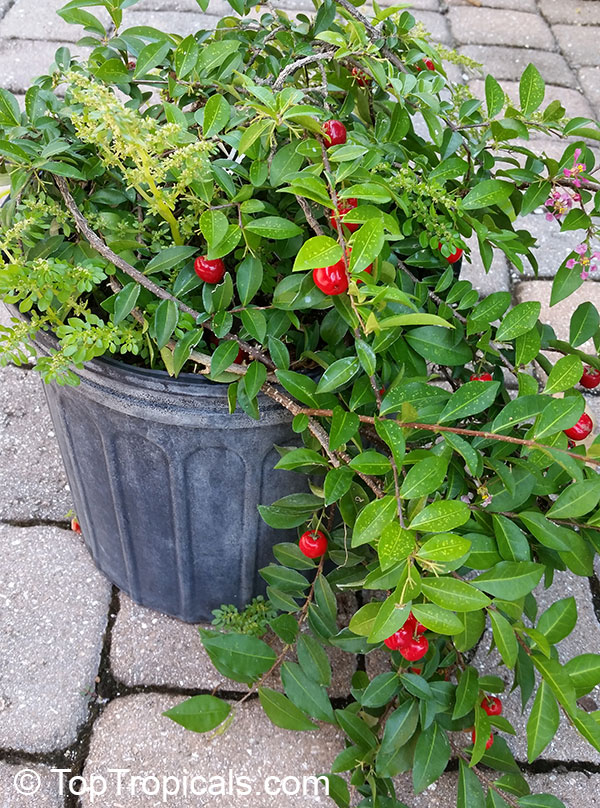
Barbados  Cherry  in  a  pot

Date: 18 Jul 2023

Australian Tree Fern - a botanical marvel

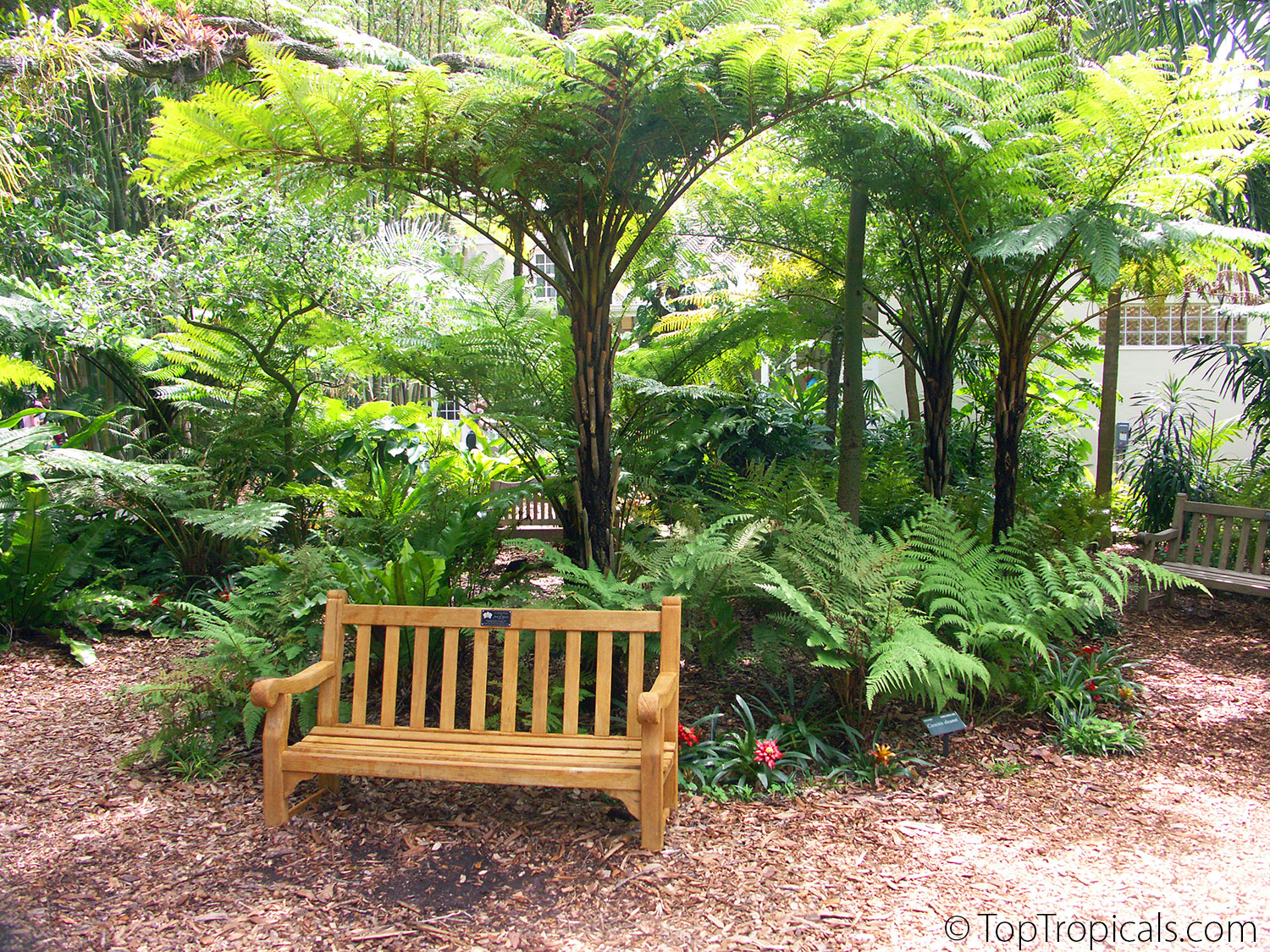
Cyathea  cooperi,  Australian  Tree  Fern

Q: I need an exotic looking, easy to grow tropical tree that can grow in semi-shade, create a character in my small Florida garden and a shelter for small wildlife. Any suggestions?

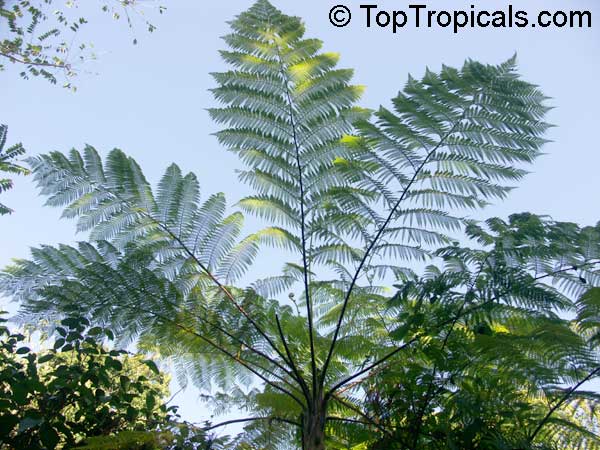
A: The Cyathea cooperi, known as the Australian Tree Fern... Deep within the enchanting rainforests of Australia, this botanical marvel flourishes, captivating all who lay eyes upon it. Its true magnificence lies in its intricate fronds, delicate yet resilient. Unfurling like the wings of a mythical creature, they gracefully arch outward, showcasing a mesmerizing symphony of emerald green.

As sunlight filters through the dense canopy above, its fronds become a living canvas for nature's creativity. But this tree fern is more than just a visual marvel. Its significance stretches far beyond its aesthetic appeal. The Australian Tree Fern is a vital component of its ecosystem, providing shelter and sustenance for a myriad of creatures. Its high-reaching canopy offers refuge to an array of birds, insects, and small mammals, creating a microcosm of life within its majestic embrace.

For centuries, the indigenous peoples of Australia have revered the Cyathea cooperi for its medicinal properties and cultural significance.

As the seasons unfold, the tree stands as a testament to resilience. It withstands the downpour of tropical rain, enduring the wrath of winds, and gracefully survives the scorching heat of summer. Through it all, it remains a symbol of endurance, an emblem of nature's ability to adapt and flourish.

Cyathea  cooperi  Australian  Tree  Fern  -  leaves

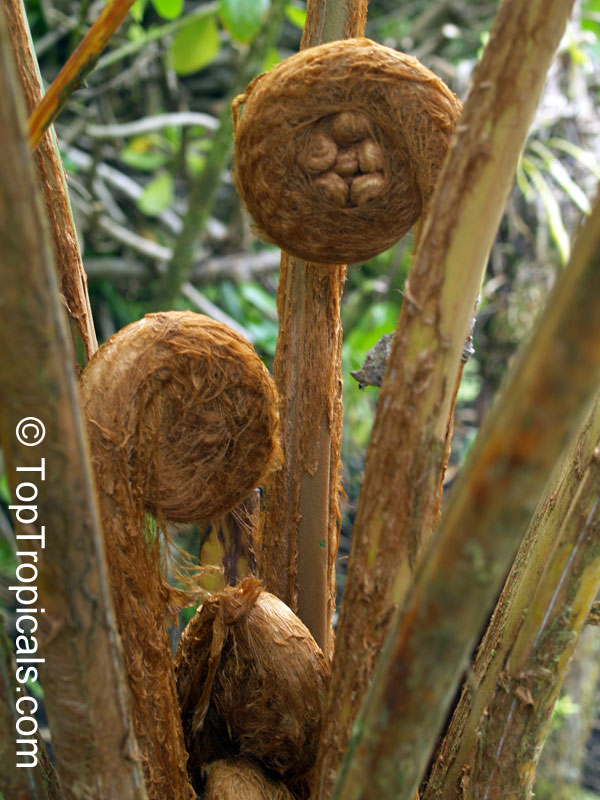
Cyathea  cooperi  Australian  Tree  Fern  -  baby  leaves

Young leaves of Australian Tree Fern are very exotic looking...

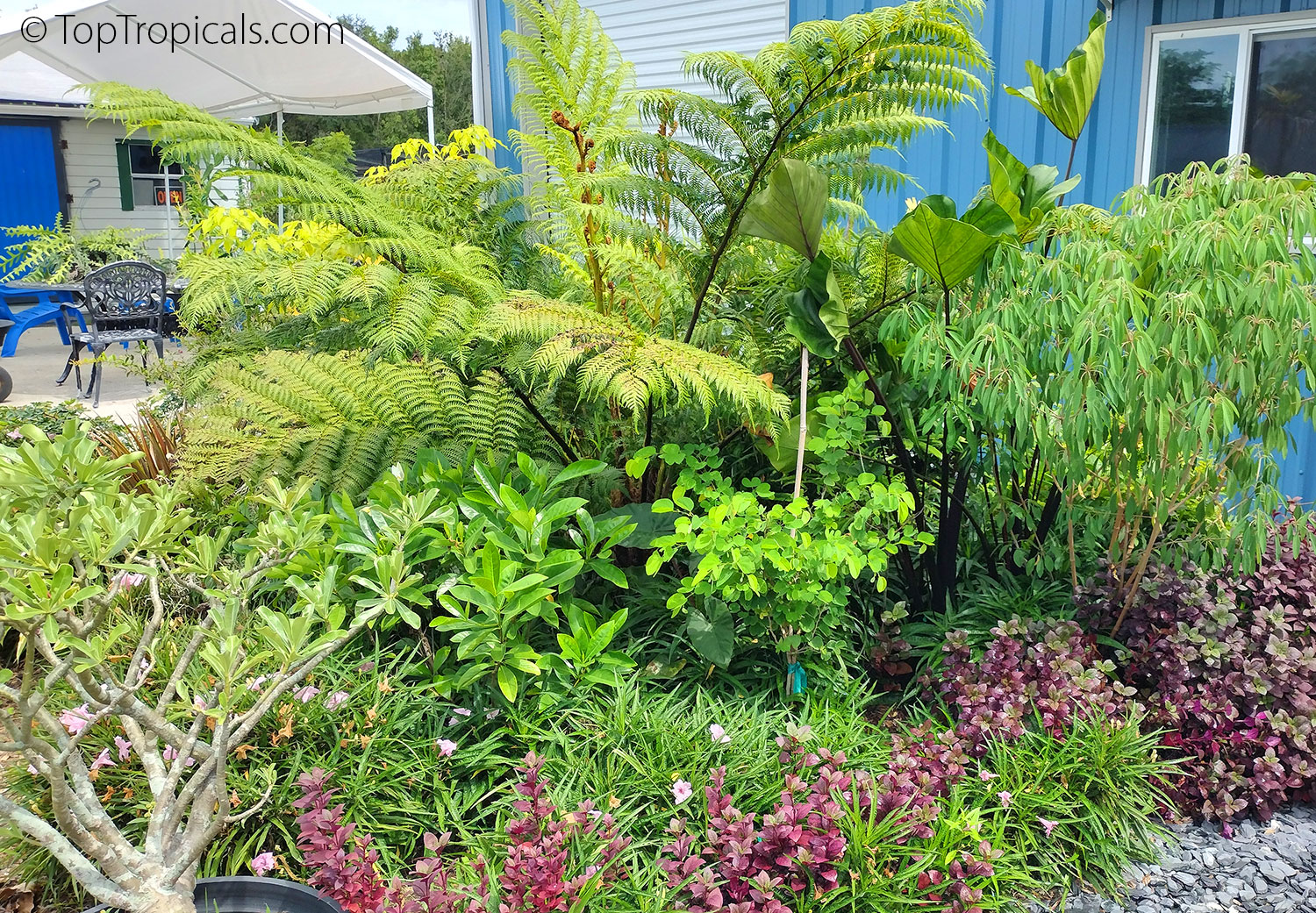
Cyathea  cooperi  Australian  Tree  Fern  -  young  plant  in  the  ground

Australian Tree Fern recently planted in front of the office of our Bfarm is getting the best Sunshine Boosters plant food - Robusta - from the Robuster injector; it grows super fast, we should see it in its full beauty soon!

Date: 25 Dec 2019

EASY GROW-BOX

How to quickly germinate tropical seeds in winter

By Mark Hooten, the Garden Doc

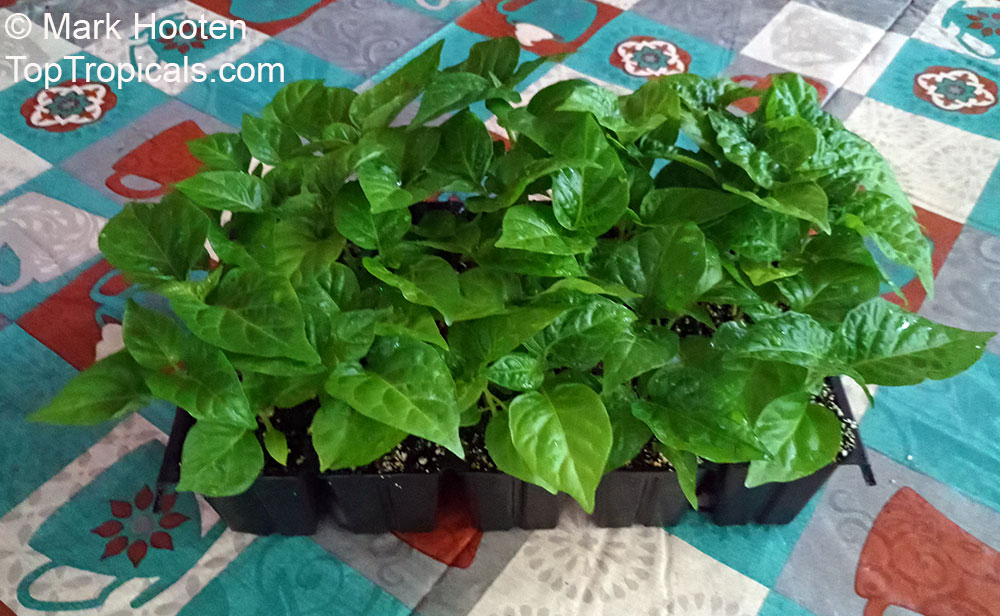
Q: I live in the New England area where the winters are very long and dreary. I plant both a veggie and flower garden during the warmer seasons and am especially fond of growing chili-peppers. On account of most chili's longer growing seasons, I need to get already established plants in the ground as soon as the weather is warm enough. My problem is that despite my best attempts to germinate and grow seedlings ahead of time - even in my sunniest window - I just can't seem to keep the soil evenly warm enough to get them to germinate, no matter how warm the room is kept. And on the occasion they do come up, the seedlings always seem to remain weak and stunted, likely owing to the especially low humidity of winter. I also tried using an electric seed-starting heating pad, and the results were only a little better. Are there any tips you could give me?

A: Yes, I understand your issues and can sympathize! While it might be surprising to some, even here in sunny S.W. Florida, there are long stretches of winter weather where the ambient temperatures are simply too cold for germinating many of the more tropical seeds, such as the notoriously warm-weather chili-peppers. Also, I am likewise a fan of chilis, and always have at least a few different kinds growing at any given time. I have two great suggestions...

CONTINUE READING >>

Date: 12 Sep 2019

Shipping live plants

Q: I am a rare plant collector and very impressed with your plants selection that I can not find in our local nurseries in California. I have never ordered plants online before and wonder how they make it through the trip and do you suggest any special care to help plants with recovery?

A: Shipping live plant in a box for several days is definitely a challenge both for a plant and for a grower. After many years of experience packing/shipping plants we learned how to make that trip a success. Thanks to our special packing techniques, breaking during shipping happens very rarely. However, in order for the plant to recover well from normal shipping stress, some special attention required from a customer too. You will receive care instructions with your order. Make sure to follow them thoroughly, otherwise you may put your plants at risk. These are a few factors to consider that affect your plant during transit. They may cause the following symptoms of shipping stress:

1. Lack of light. Complete darkness in a box is opposite to a bright light that the plant was used to. After 2-3 days it may cause leaf drop. If this happens, make sure to reduce watering. Less leaves means less evaporation, and a plant can't use excessive water which may cause root rot.

2. Extreme temperature. Hot summer or cold winter temperatures may put a tender tropical plant into serious shock. Usually the only time when temperature may affect the package is when it is left outside on your doorstep. Watch out for delivery by tracking the package with a number we provide in shipping confirmation email.

3. Dry air and lack of water. When packing plants, we saturate root ball and then wrap it tightly in plastic so normally your plant will have enough water supply for a 3-4 day trip unless there are unexpected delays. In a special package, the plant usually has enough of humid environment around the leaves, especially if there are several plants together. However if the box was exposed to heat it may dry out, and this will cause yellowing and/or drying leaves. In most cases this is not critical; cut damaged leaves and new growth will appear soon.

The shipping stress symptoms are normal and once you apply some extra attention and love, your plants will recover sooner than you think. Be patient, don't push with too much water or light, keep warm, in bright shade, and do not fertilize until the plant shows new growth.

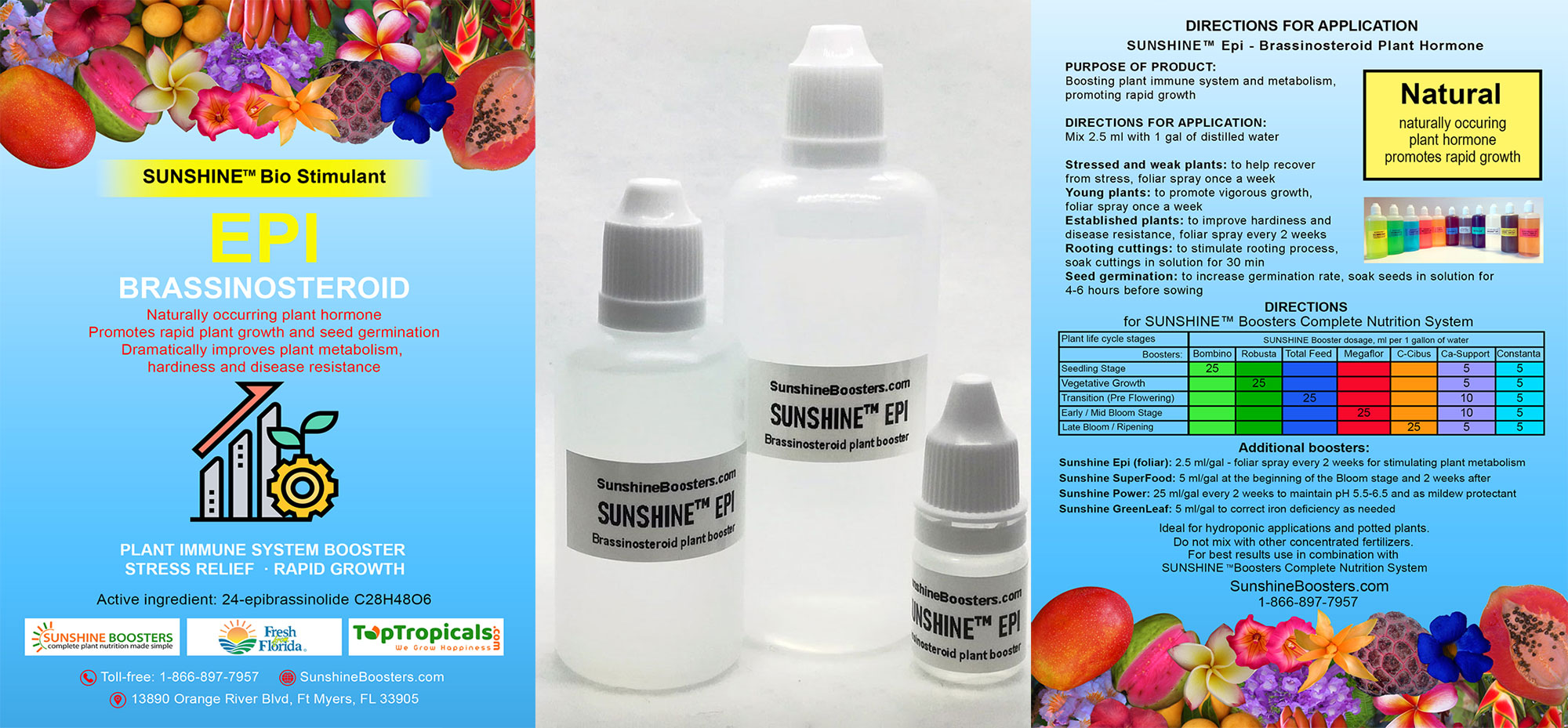
Remember to always use SUNSHINE Epi - a natural bio-stimulant that helps stressed plants to recover quickly!