Date: 23 Dec 2023
Butterfly Bush: Fast, Pretty, Low Maintenance...
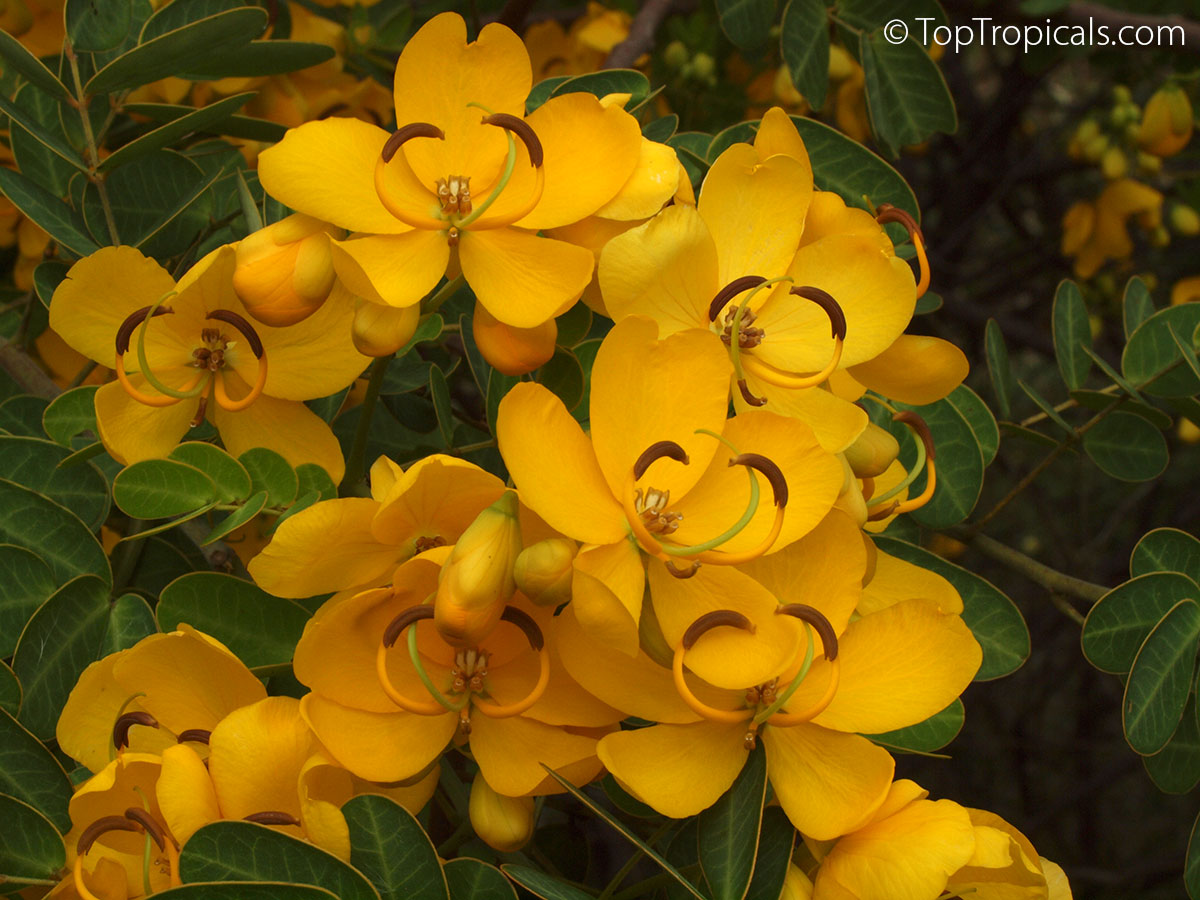
Five unbeatable reasons to plant Butterfly Cassia
Q: I am trying to find some easy flowering shrub to screen the ugly corner of my neighbor's yard, can you suggest something fast growing and pretty?
A: One of our favorite flowering shrubs in Florida is the Cassia bicapsularis, commonly known as Scrambled Egg Bush or Butterfly Bush. It is one of the most desirable plants for the southern landscape. It has all the benefits any gardener may dream of, whether a beginner or an expert:
1. Very fast growing, can screen unwanted views and create a beautiful flowering hedge. Cassia bicapsularis is known for its rapid growth, making it an excellent choice for quickly transforming an unsightly corner into a vibrant and lush area. Its dense foliage and attractive yellow blooms add both beauty and privacy to your outdoor space.
2. Easy to grow, not fussy about soil or water, drought and flood tolerant, cold tolerant. Butterfly Bush is incredibly adaptable and resilient. It thrives in a variety of soil types, is not demanding when it comes to water, and can withstand both drought and occasional flooding. Additionally, it is cold tolerant and can withstand occasional frosts once established.
3. Blooms for many months, featuring especially in winter flowers from Fall to spring. Very pretty, large "sunny" flowers resembling bright yellow butterflies, hence the name. It is a generous bloomer, gracing your garden with vibrant yellow flowers for an extended period, particularly from fall to spring. The large, sunny blooms not only add visual appeal but also attract pollinators, enhancing the ecological balance of your garden.
4. Attracts lots of butterflies. As the common name suggests, the Butterfly Bush is a magnet for butterflies. If you enjoy the presence of these beautiful winged creatures in your garden, planting Cassia bicapsularis is an excellent way to encourage and support butterfly populations.
5. Low maintenance. Butterfly Bush can be trimmed and controlled at the desired shape if needed, but if you have room for a big bush in a full sun area - just let it go and it will form a nice dense bush without any pruning: this shrub is a low-maintenance delight. While it can be pruned and shaped according to your preferences, it also flourishes when left to grow naturally. Its ability to form a dense and attractive bush without constant pruning makes it an ideal choice for those seeking a fuss-free gardening experience.
If you're looking for a fast-growing, low-maintenance, and aesthetically pleasing solution to screen an unsightly corner, Cassia bicapsularis is an unbeatable choice. It ticks all the boxes for a beautiful and resilient flowering shrub in the southern landscape.
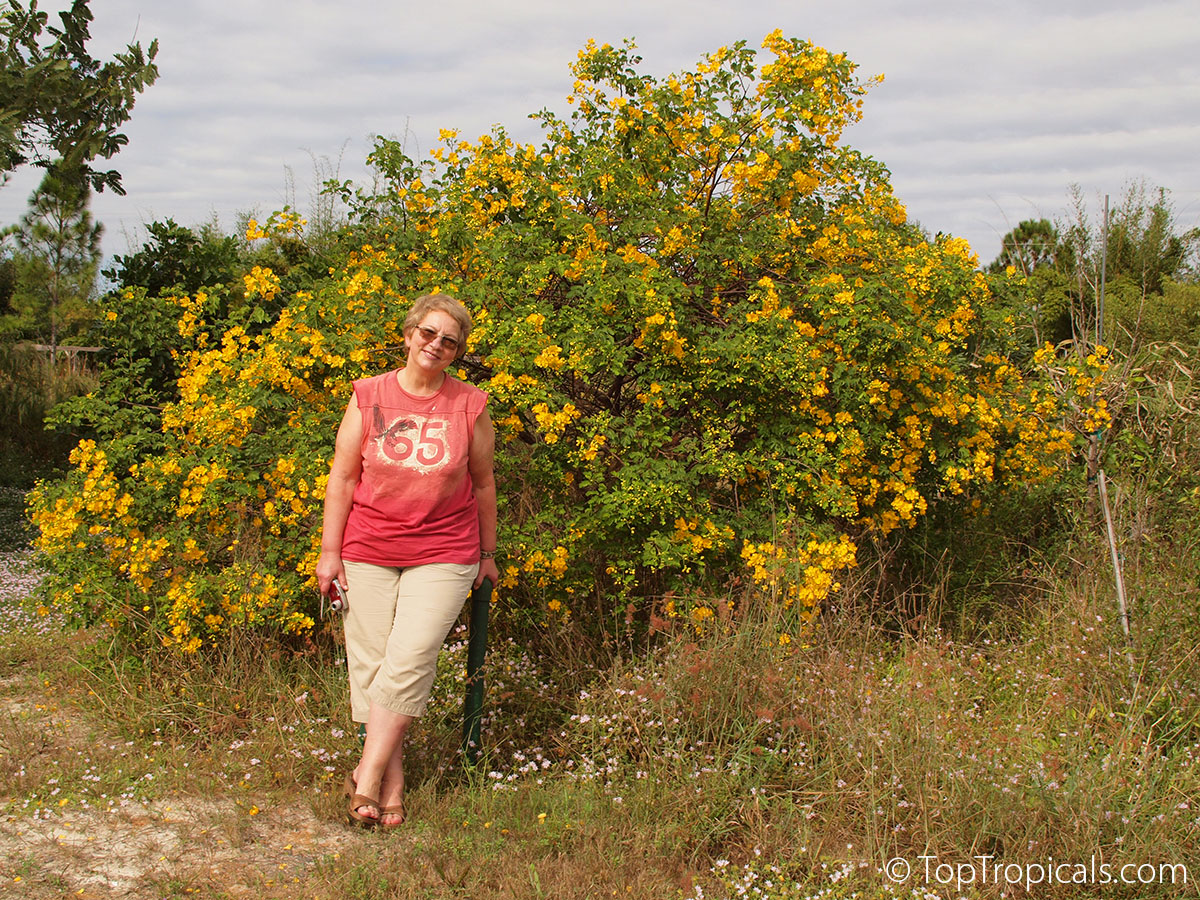
"...Without a doubt, Butterfly Cassia became one of my favorite plants during my visit to Florida for Christmas a few years ago. I only wish I could have taken it back home with me to Latvia. If only my windowsill hadn't already reached its greenhouse capacity!.." - Alex Butova.
To see more options for flowering shrubs, check out the reference chart Hedges with Benefits Chart.
Date: 6 Sep 2023
Event Mementos (September 2)
Thank you all for making this happen!
We would like to express our heartfelt gratitude to each and every one of you for making our garden event in celebration of our manager Kristi's birthday such a resounding success!
To our wonderful guests, thank you for joining us on that beautiful Saturday and making the day special for Kristi and all of us at Top Tropicals. We hope you enjoyed reconnecting with nature and finding the perfect plants to adorn your gardens. Your presence and the efforts of our amazing Team combined to create a memorable day filled with tropical beauty and inspiration for all.
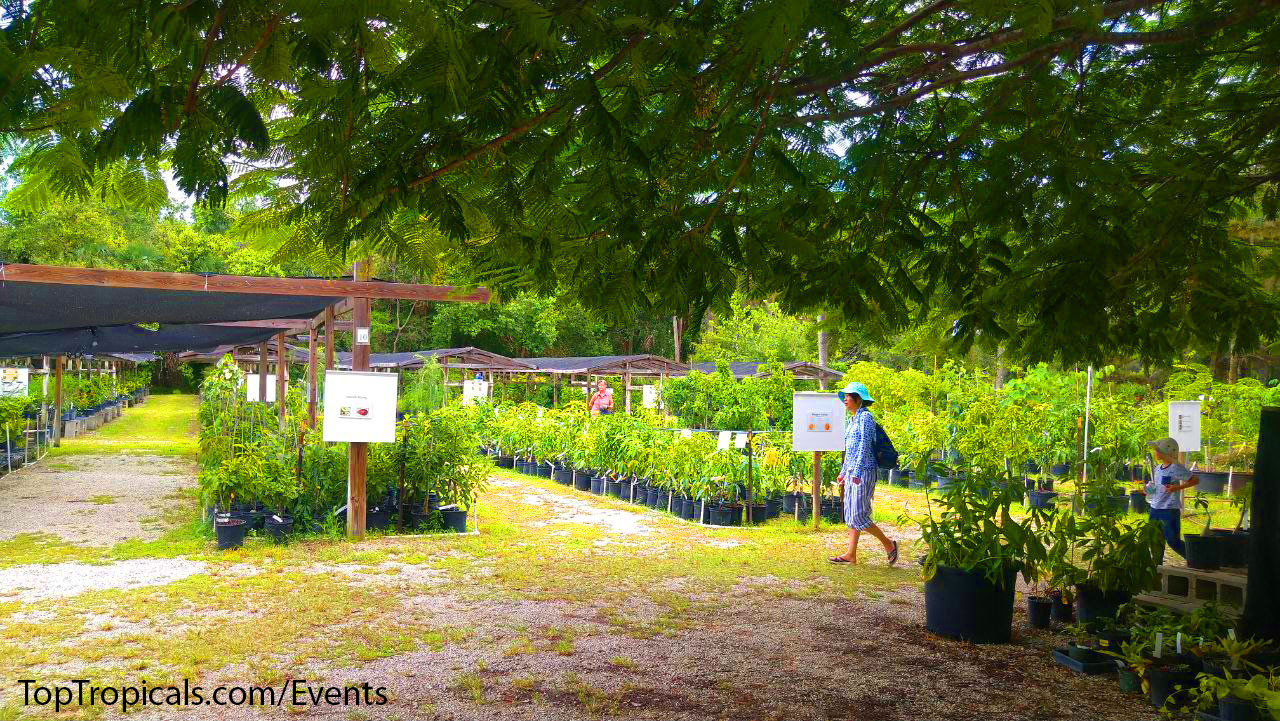
A heartfelt shout-out goes to our exceptional Top Tropicals Team, the
true heroes behind the scenes. Our dedicated People and PeopleCats
, who generously shared their knowledge and passion, guided you through the
nursery, and helped you select the perfect plants. They are the ones who work
tirelessly to ensure every plant thrives, nurturing our garden with love and
care. Their unwavering dedication was particularly evident in the incredible
recovery of our garden after Hurricane Ian last year. Today, you witness its
beauty once again, renewed and flourishing, thanks to their hard work and
commitment.
These People are: Kristi, Jamie, Onika, Tony, Chiane, Mark H, Mark
M, Ed, Beatriz, Aurelio, Mick... (see Our Team).
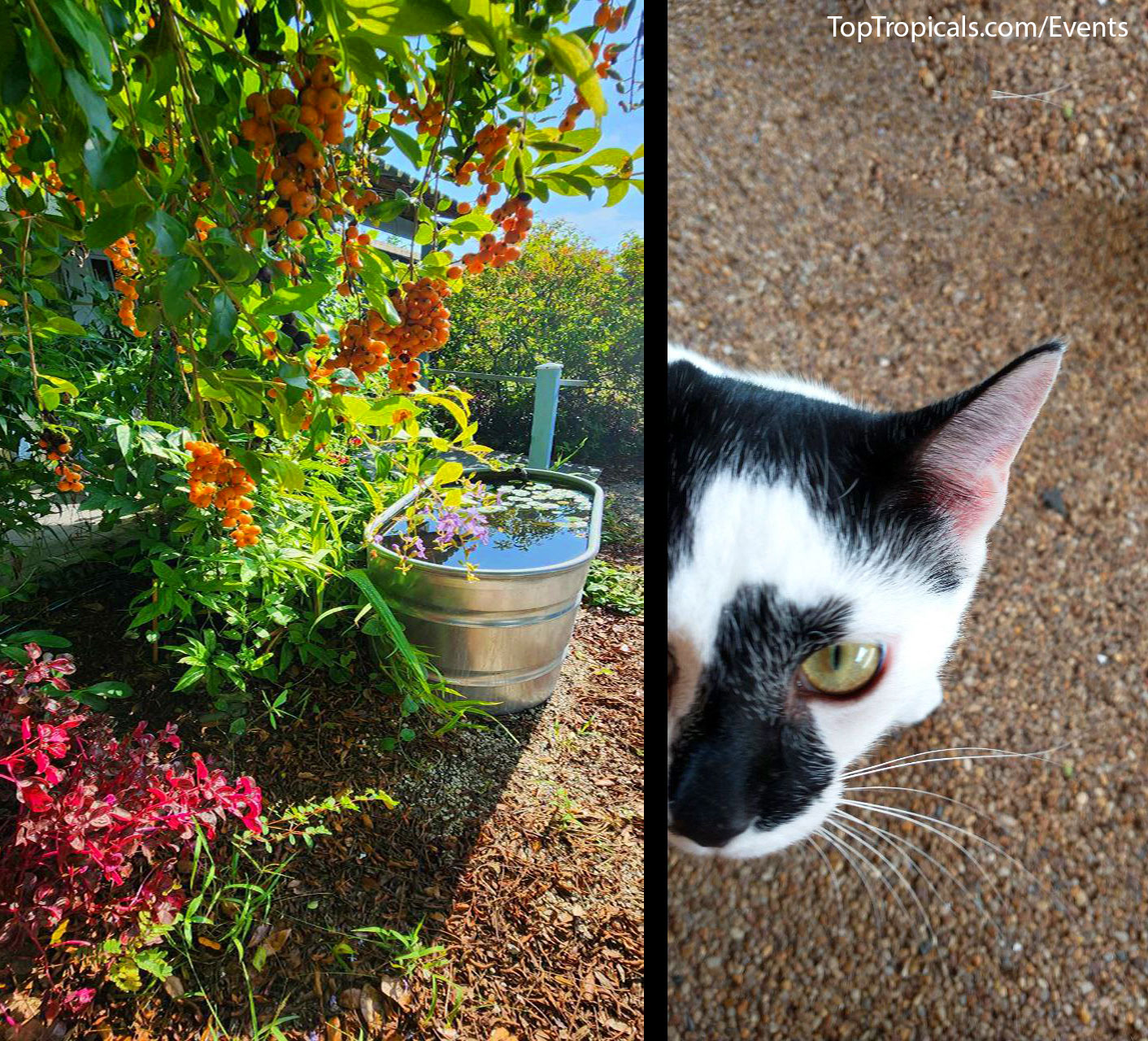
The PeopleCats are: King, Snitch, Sushi, Loki, Paisley, Josephine...
(+10 more at Garden Center and 9 more at B-Farm! See all PeopleCats)
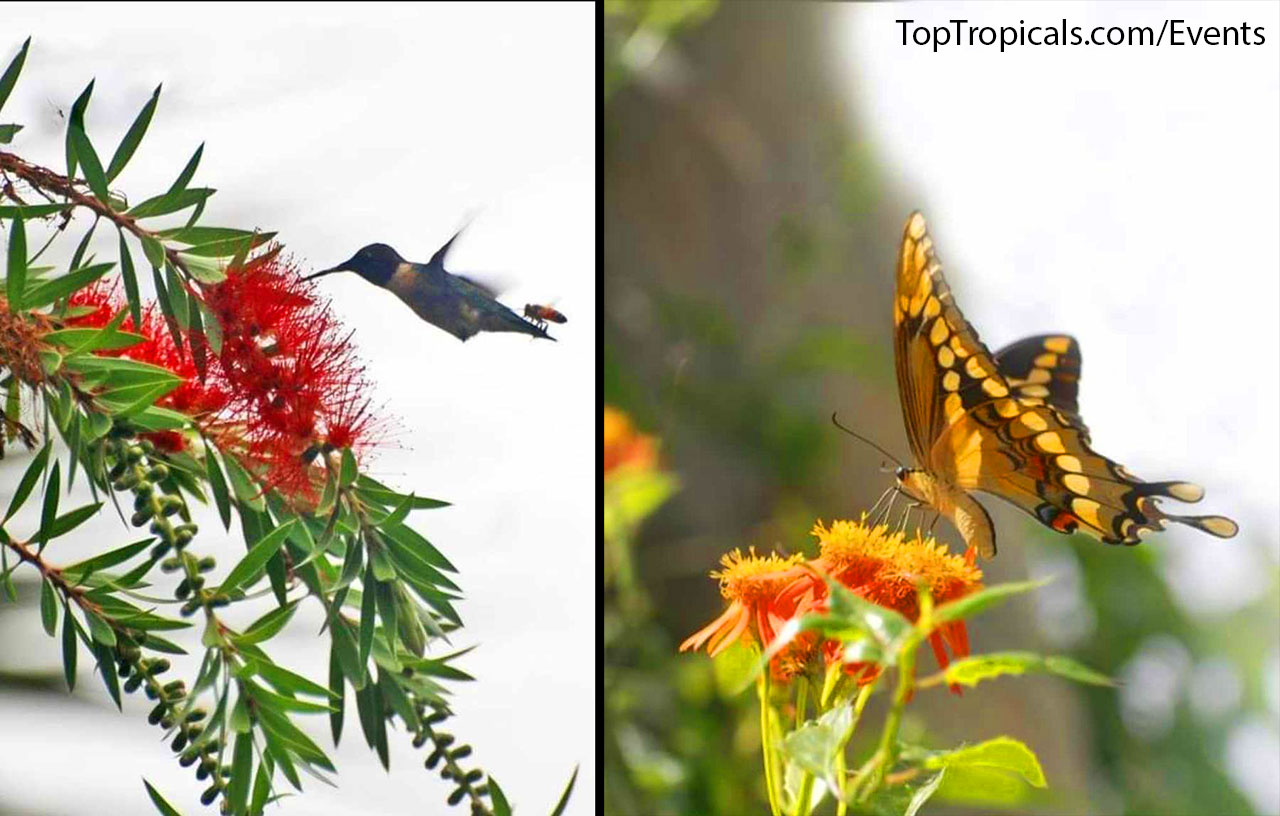
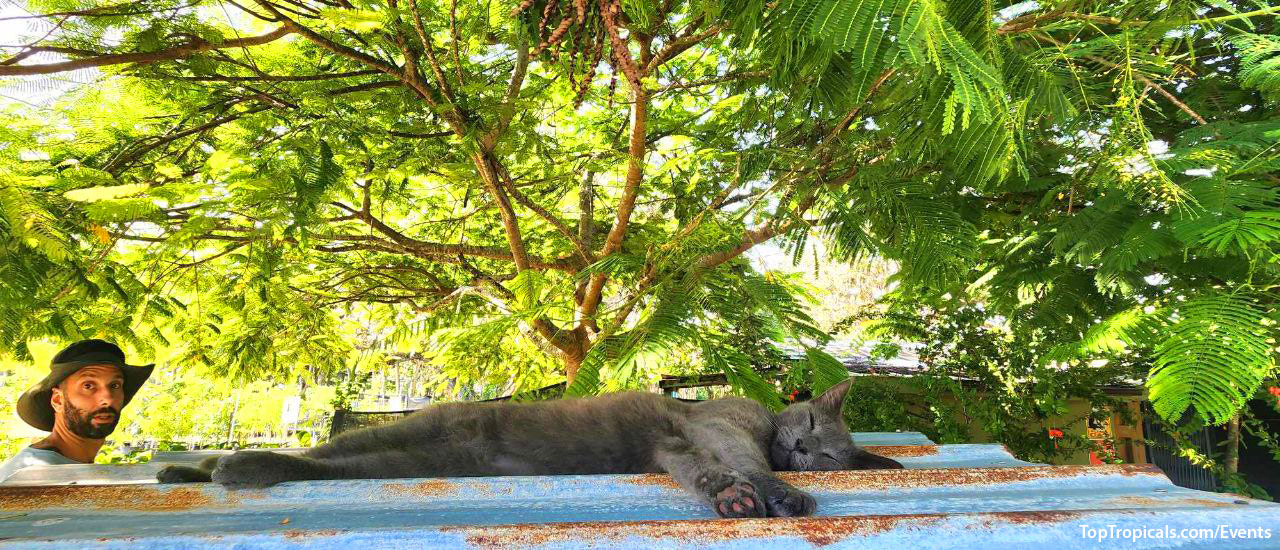
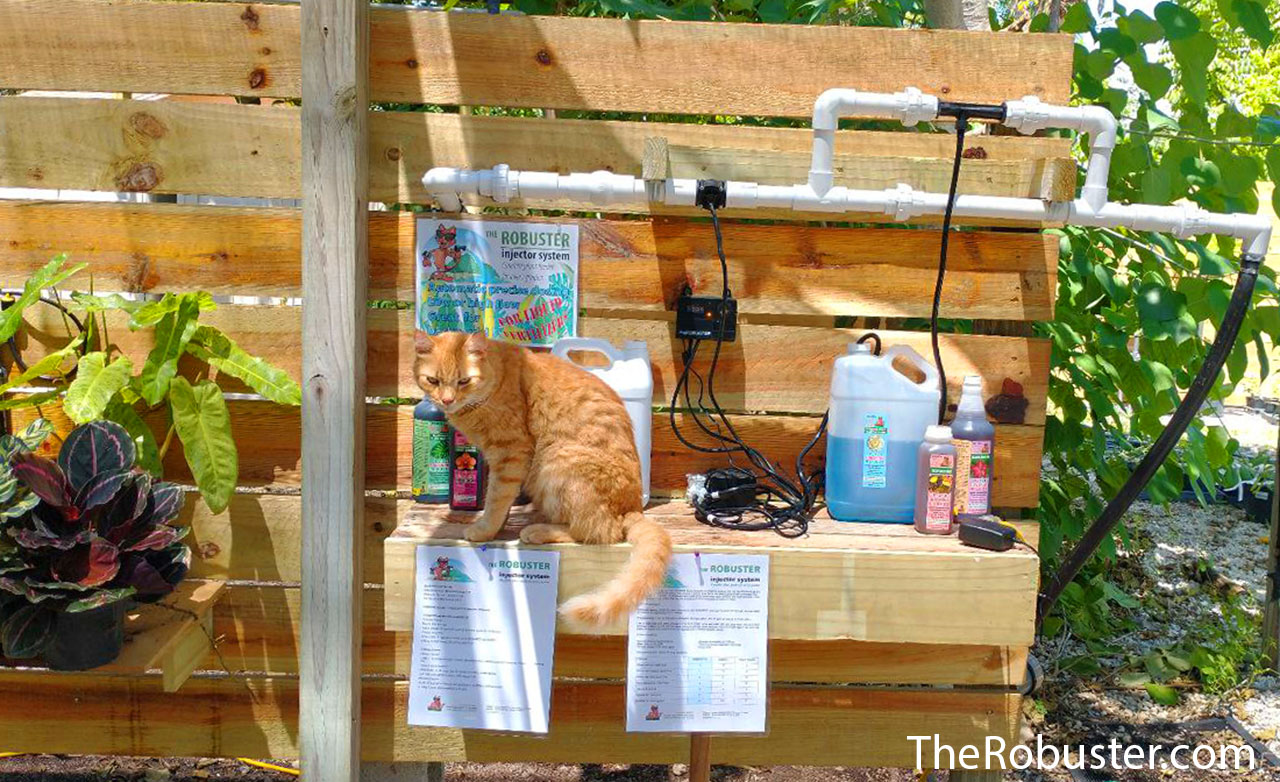
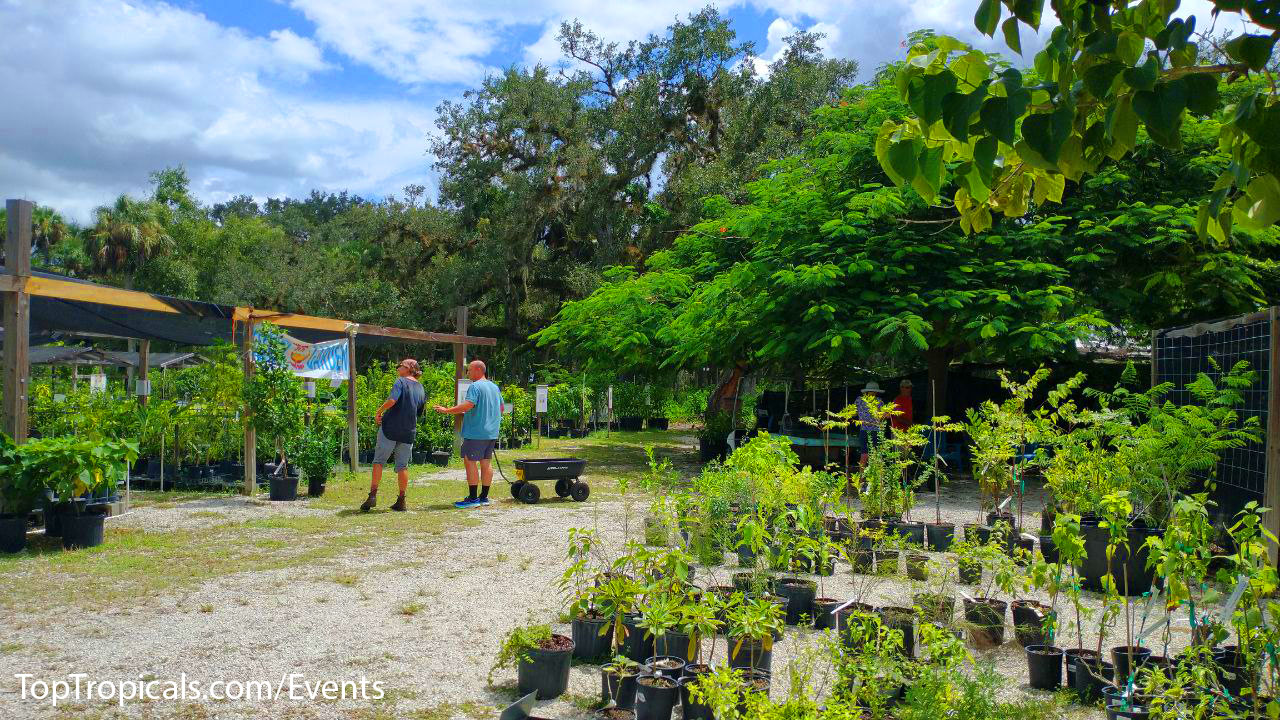
Here are a few pictures from the past event, and please visit Event Mementos page to see all of them!
Date: 13 May 2023
NEW
VIDEO:
ABC7 Fort Myers News:
Butterfly plants at Top Tropicals
Butterfly plants... what can be more romantic and sweet in your garden!
Watch the news segment by Rachel Anderson for ABC-7: Butterfly plants at Top Tropicals.
"...Spring has sprung, and if you're looking to spruce up your
garden, Top Tropicals in Fort Myers has you covered! They have hundreds of exotic
plants, fruit trees, fragrant flowers and plants that will attract
butterflies to your garden!
If you're looking for a Mother's Day gift, plants are gifts that keep
on giving!.."
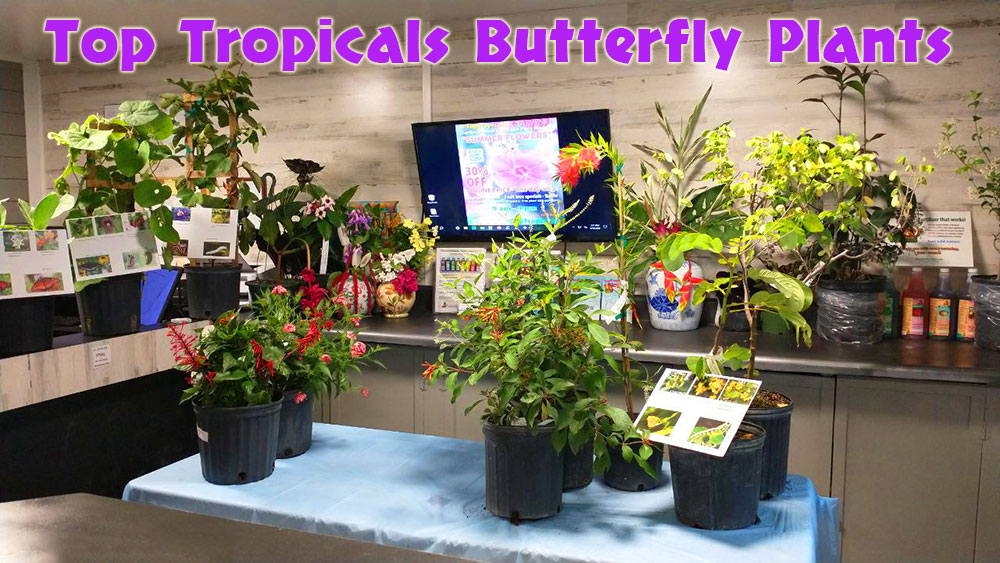
In the photo: Butterfly plants display in Top Tropicals office. Come and see our large selection of butterfly attractors in the nursery!
Subscribe to our Channel:
Stay updated with TopTropicals Videos by subscribing to our channel at YouTube.com/TopTropicals and get our latest video news of what is fruiting and blooming!
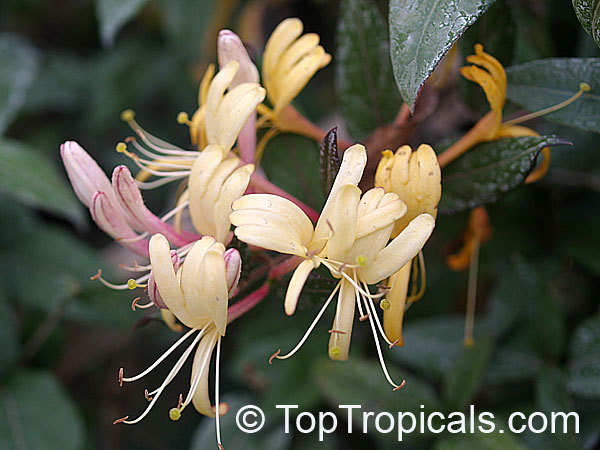
In the photo: Lonicera japonica - Japanese Honeysuckle - a garden favorite, hardy, fast growing vine. Jasmine-sweet scented flowers attract butterflies, and hummingbirds, and berries attract birds!
Date: 30 Apr 2023
Attracting butterflies
Q: How to attract more butterflies to my garden?
A: Attracting butterflies to your garden can be a fun and rewarding experience. Here are some tips to help you create a butterfly-friendly environment.
1. Choose the right plants: Butterflies are attracted to nectar-producing flowers such as milkweeds, butterfly bushes. Plant lots of bright flowers, especially of yellow and pink colors like some cassias which seem to be the pleasant to butterfly's eye. Use a variety of flowers to attract different species of butterflies. This is a full list of butterfly-attracting plants.
2. Provide food for caterpillars: Butterflies lay their eggs on specific host plants that caterpillars will eat. For example, monarch butterflies lay their eggs on milkweed. Passion flower is also a great butterfly host, but be prepared to sacrifice some leaves!
3. Provide a water source: Butterflies need a source of water to drink from. A shallow dish or birdbath with rocks in it will provide a place for butterflies to rest and drink.
4. Avoid using pesticides: Pesticides can harm butterflies and other beneficial insects. Try using natural methods to control pests in your garden, such as companion planting and hand-picking.
5. Create a sunny spot: Butterflies love warm, sunny spots. Plant your butterfly garden in an area that receives at least six hours of direct sunlight each day.
6. Add a butterfly house: A butterfly house can provide shelter for butterflies during bad weather and at night.
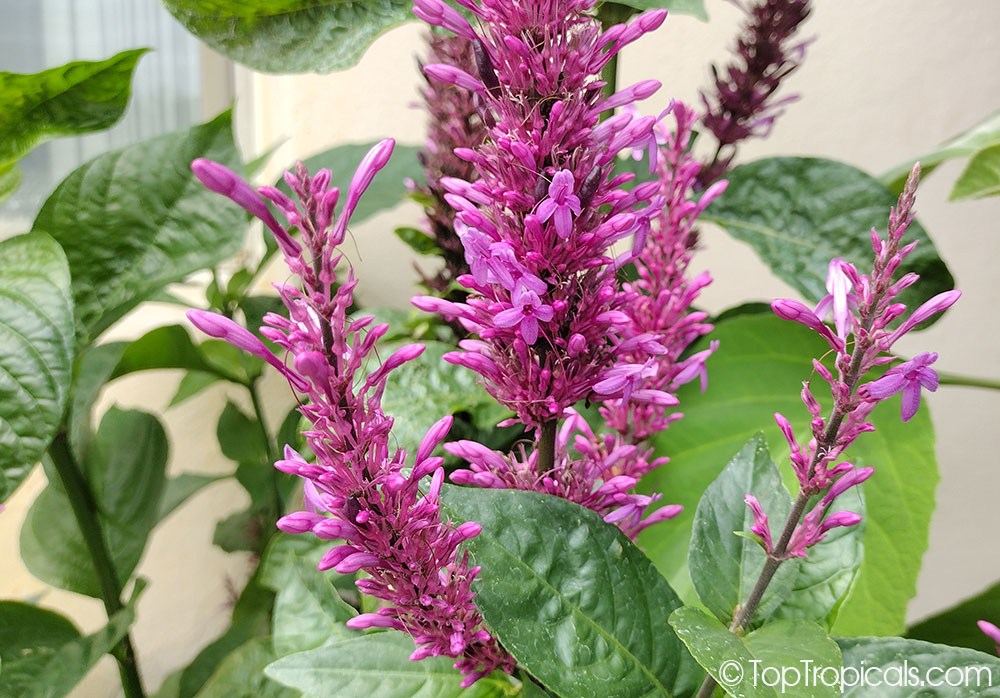
In the photo: Odontonema callistachyum - Lavender Butterfly Bush. Showy bright lavender flowers, butterfly attractor. Blooms in both sun or shade.
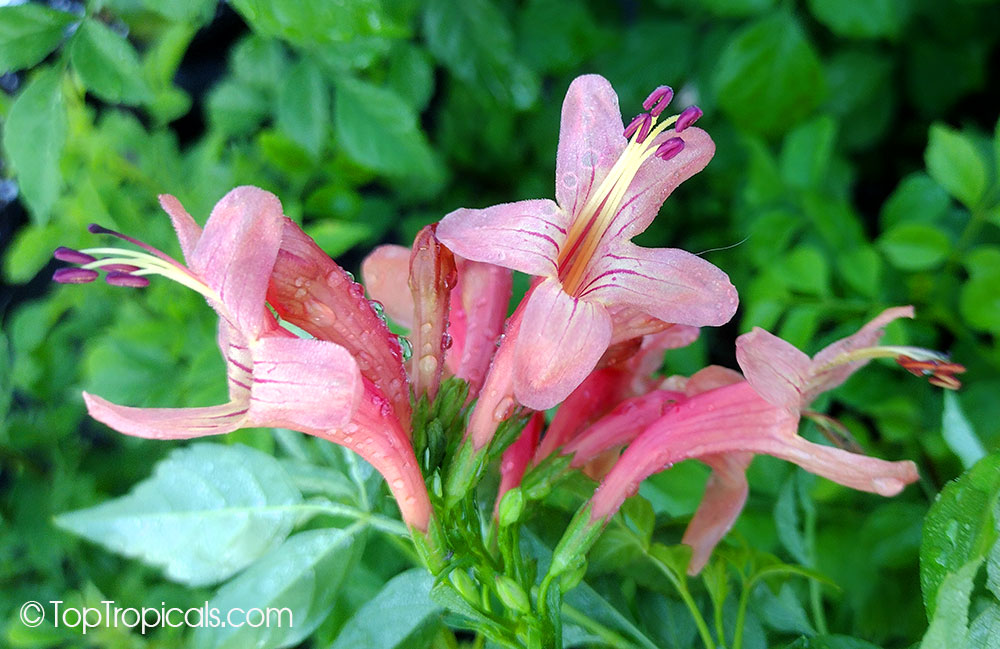
In the photo: Tecomaria capensis Apricot
Date: 26 Apr 2023
The Benefits of Companion Planting
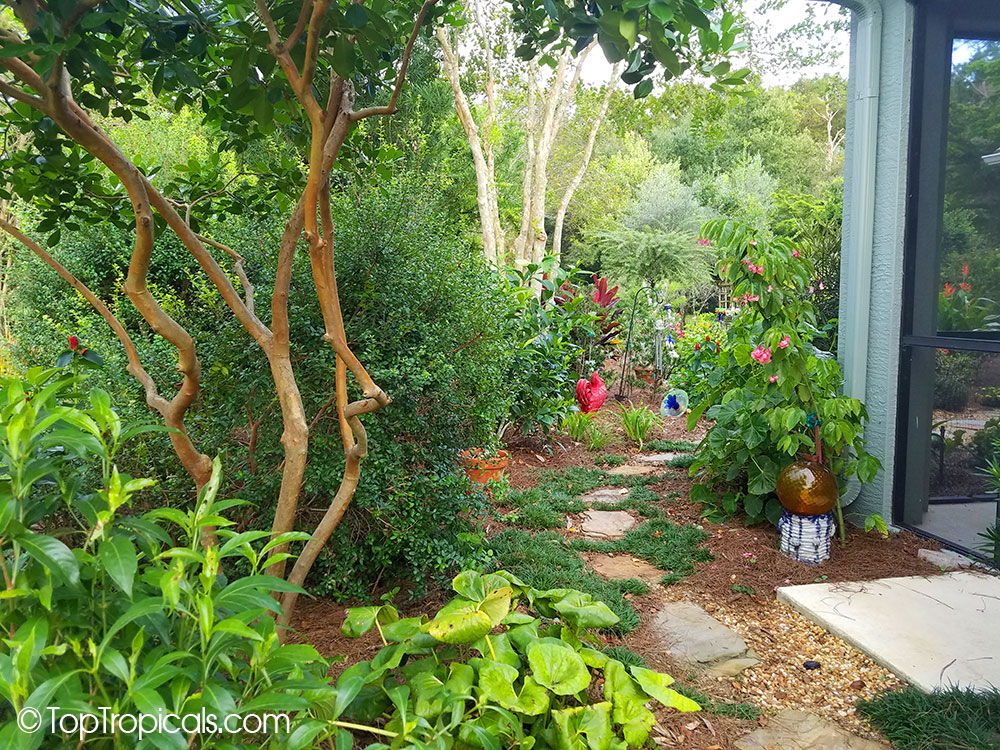
Q: What is companion planting?
A: Companion planting is a gardening technique that involves planting different crops or types of plants together in a way that benefits all plants. This practice has been used for centuries, and it can be especially useful in tropical gardens where there is a diversity of plant life: trees, shrubs, vines and climbers, ground covers, fruit and edibles, and different flowering ornamentals. It is a great way to improve the health and yield of fruit tree crops while reducing the need for fertilizers and pesticides. By choosing the right companion plants and planning your garden layout carefully, you can create a vibrant and diverse ecosystem that will benefit both your plants and the environment.
Companion planting involves:
Planting different crops together to repel insects: adding such plants as Lemon grass, Patchouli leaf, or Moujean Tea near your vegetables can deter aphids and other pests.
Attracting pollinators - Butterfly plants. Many tropical crops, such as passion fruit, papaya, mango, and avocado, rely on pollinators to produce fruit. Companion planting can help to attract pollinators such as bees, butterflies, and hummingbirds to your garden.
Providing nutrients to the soil, adding mulch and low growing plants (ground covers) to preserve moisture.
Planting a variety of different types of plants together in order to create a more resilient ecosystem that is less susceptible to pests and diseases.
To get started, plan your garden layout and choose companion plants with
similar water and light requirements.
For example, plant in the same group lush foliage plants, gingers, and flowering brunfelsias in shady areas; plant jasmines and gardenias in full sun and very well-drained spots.
Rotate annual crops regularly and experiment with combinations to find what
works best. By doing this, you can create a thriving ecosystem that benefits
both your plants and the environment, reducing the need for harmful
chemicals.