Garden Blog - Top Tropicals

Date: 30 Jun 2020

Plants like to snack!
How to feed Poinciana tree

(and other tropical flowering trees)
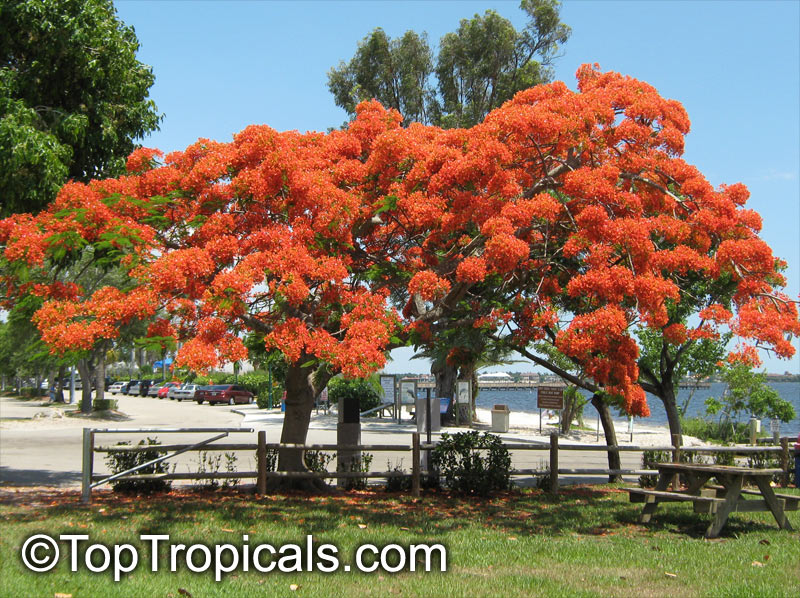
Q: We purchased a Royal Poinciana tree from TopTropicals not too long ago and we gradually gave it more sun until finally we were able to plant it in direct sunlight where it's been for a week or so. Rain has been sporadic lately so I'm giving it a little bit of water every day. It seems to be doing fine. I do have a question about whether the leaves are as green as they should be? I read online that I should fertilize it with gardenia / ixoria fertilizer in March, June, and October. I looked on homedepot.com but didn't really find anything that goes by that name. Would fertilizer help? Can you suggest a fertilizer?

A: Your Poinciana tree looks pretty healthy and happy, congratulations with a great job!
Traditional (old-school) fertilizer recommendations usually suggest feeding a plant 2-3 times a year with a slow-release fertilizer. And although a plant will benefit from any fertilizer application (extra food is always good), however, for the best results, faster growth, sooner and more profuse blooming, your should use complete plant nutrition products - liquid fertilizers (see why liquid fertilizers are better than dry).
Here is an example. Some people eat a big heavy meal once a day which we all know, is not very healthy. Other people eat balanced food more frequently but in smaller portions - this is always the best way to go.
From this point, plants prefer SNACKING - frequent feeding, but with less concentrated, mild and balanced nutrients.
For your beautiful Poinciana tree (and other flowering plants), we suggest the following nutrition program:

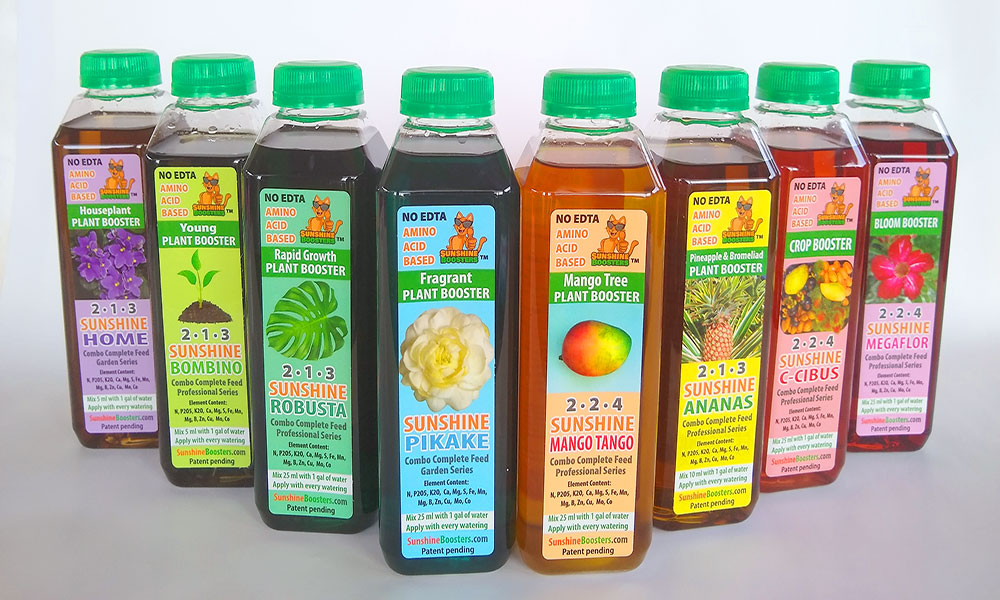
1) SUNSHINE Megaflor - Bloom Nutrition Booster - you may use this fertilizer as frequent as with every watering, it won't burn the roots, and will provide a complete nutrition for all plant needs throughout the year. You can continue fertilizing with Megaflor even during winter time. Sunshine Megaflor will help you to keep the plant healthy, vigorous, and resistant to stress and diseases. It turns leaves green and makes the plant strong so it will start flowering sooner for you.

2) Tropical Allure - Smart-Release Booster. Apply it once a month during hot season only (in Florida - from March to November).

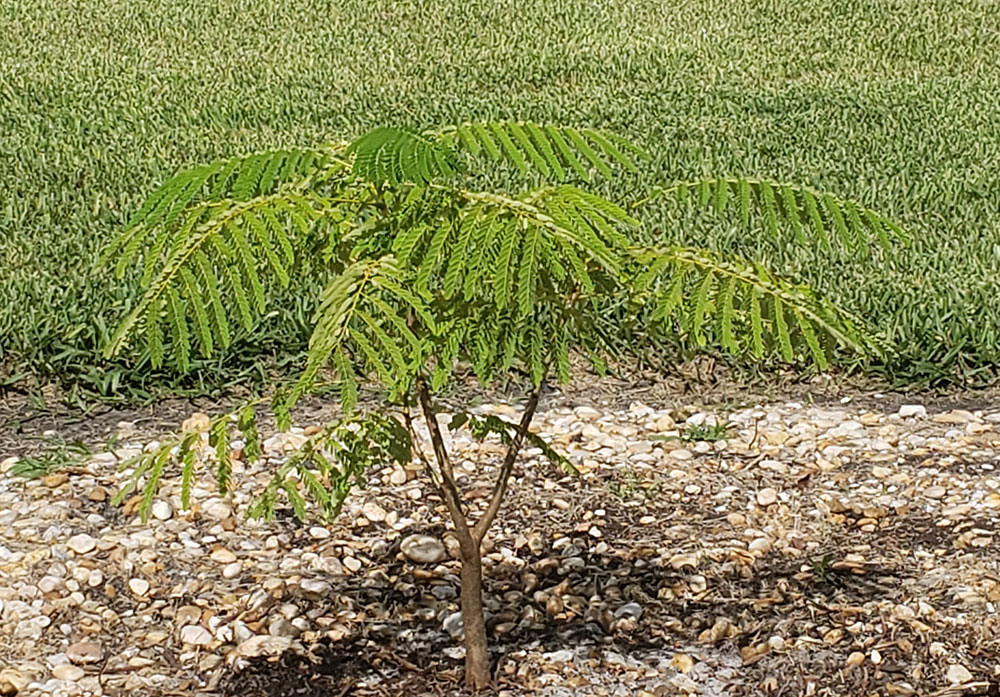
Date: 25 Jun 2020

Plant of the Month: Golden Dewdrop - Duranta erecta

Stevie's Pick: what's in bloom?

Our exotic plant grower Steven Gowdy is featuring the most interesting plants he discovers and recommends today while working in TopTropicals greenhouses.

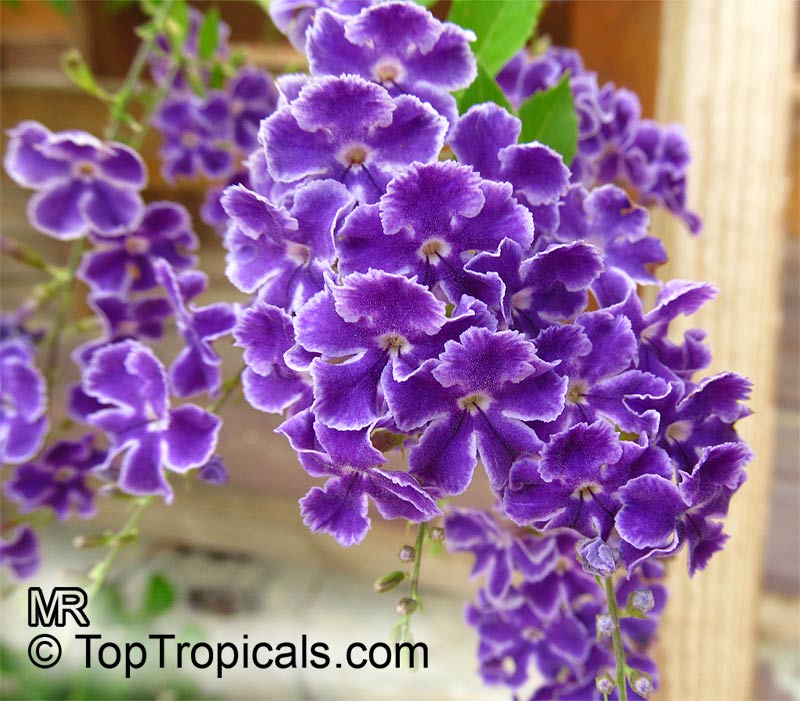
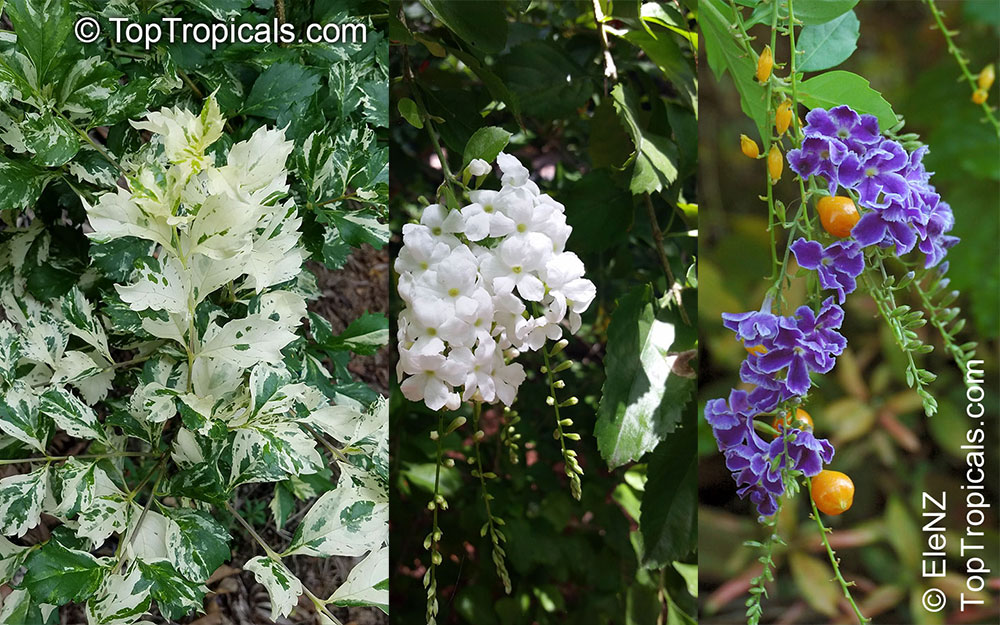
Duranta - Golden Dewdrop - is simply stunning with cascading flowers in abundance. Either it has lavender, blue, or solid white flowers, it is a sight to behold. The popular name Golden Dewdrop is inspired by the clusters of bright orange-yellow berries that follow the flowers, in such quantities that they often cause the slender branches to droop gracefully.
Duranta erecta blooms off and on all year and can be pruned to size as a bush or a standard tree. If let go, it can grow up to 20 feet tall and wide.
Durantas are excellent butterfly and hummingbird attractors. They will complement your tropical garden or a stand alone in your Southern landscape. Great for providing a color contrast in the landscape, they are especially well-suited as a bright-colored background or screening.
White Golden Dewdrop has pure white flowers that appear in loose clusters, and both berries and blossoms are often seen on a plant. This evergreen fast growing shrub spreads and arches to 10 feet tall and wide and is great for live hedges and covering fences and corners.
Variegated variety, also called Variegated Sky Flower, is grown for its summer flowers, and very showy leaves that are dark green with bright white variegation and creamy-yellow margins around the one inch long serrated leaves.. In the summer, cascading clusters of blue tubular flowers appear followed by wonderfully contrasting orange-yellow berries.
In mild climates, Durantas can be in flower nearly year round with flowers and fruit appearing at the same time. It does best in full sun with frequent deep watering and is pretty hardy, to about 20-25F. It is a good choice for espaliers, as a small tree or large bush; all forms benefit from frequent selective pruning. Prune back in late-winter to encourage a more compact shape and strong flush of fresh spring foliage. Requires moderate watering in a well-drained soil.

Date: 18 Apr 2020

Fast-fruiting trees

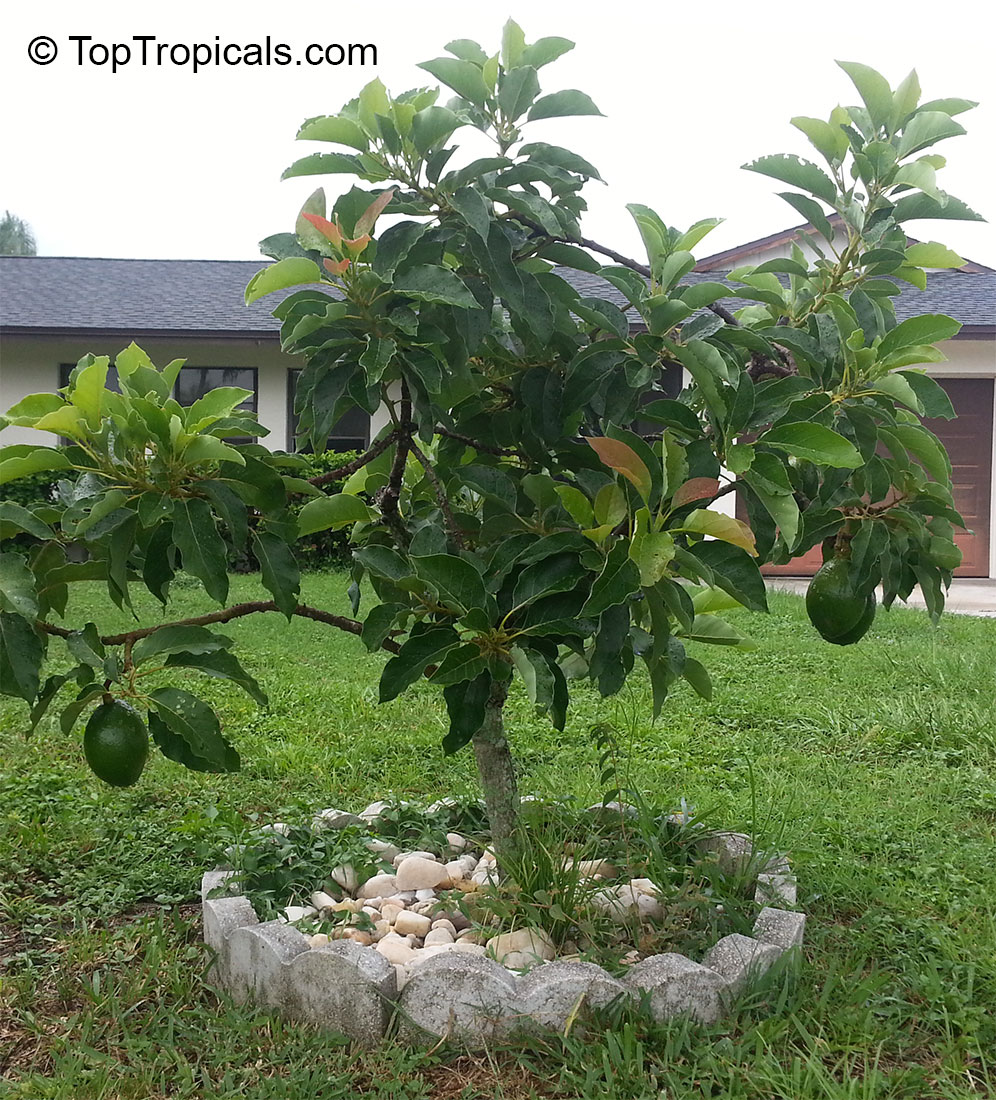
Grafted trees, including Mango and Avocado, will start flowering and fruiting right away

Q: It would be easier for us buyers, if we could search for plants that produce fruit in 2 years or less... I don't have the patience to wait longer than that for fruit. I'm trying to buy for a fairly good sized garden but want some fast growers and fruit produced in 2 yrs. Can you help me out?

A: Fruiting time depends on many factors (growing conditions, fertilizing, and even specific variety), this is why we can not just put a simple icon "will fruit within 2 years". However, most grafted and air-layered fruit trees, including all Mango, Avocado, Loquat, Sapote, Sapodilla, Longan, Peaches and Nectarines - will fruit right away.
If you see in our store "grafted" or "air-layered" in plant description - these trees will fruit soon. Some of them are already flowering and fruiting!

Some non-grafted trees will fruit within a couple of years or even sooner (those from cuttings, root division or even seedlings) - such as: Annona, Artocarpus (Jackfruit), Eugenia, Guava, Banana, Dragon fruit, Mulberry, Blackberry/Raspberry. Banana, Mulberry, Dragon fruit, Blackberry-Raspberry - usually fruit within a year. You may refer to our store directory page for fruit specials.

Also, all spice trees like Bay Leaf, Bay Rum, Allspice and many more - will produce spice for you right away, so you don't need to wait at all!

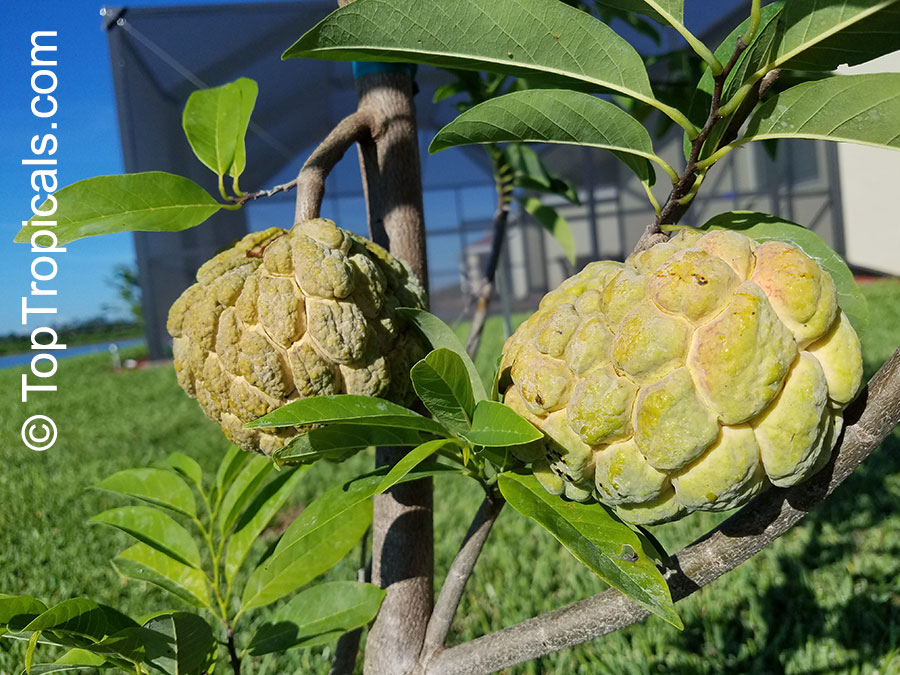
Annonas start fruiting within 3 years from seed and are the most popular fruit trees for both container culture and small gardens.

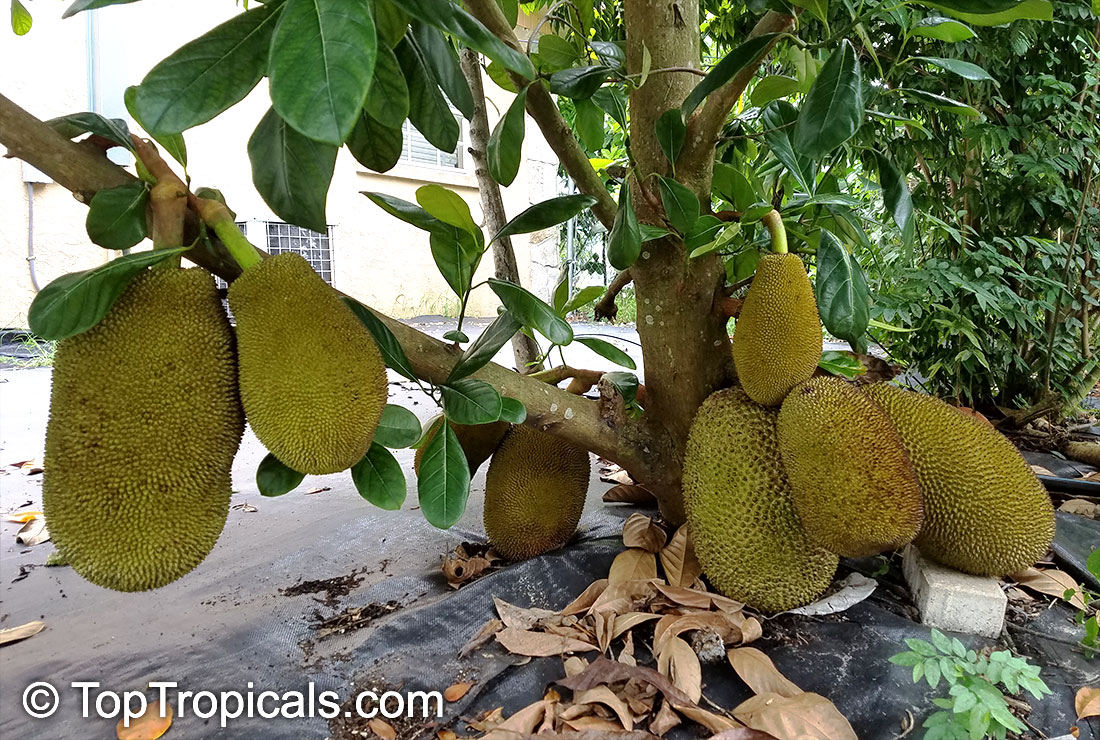
This Jackfruit started fruiting on the second year after planting in the ground.

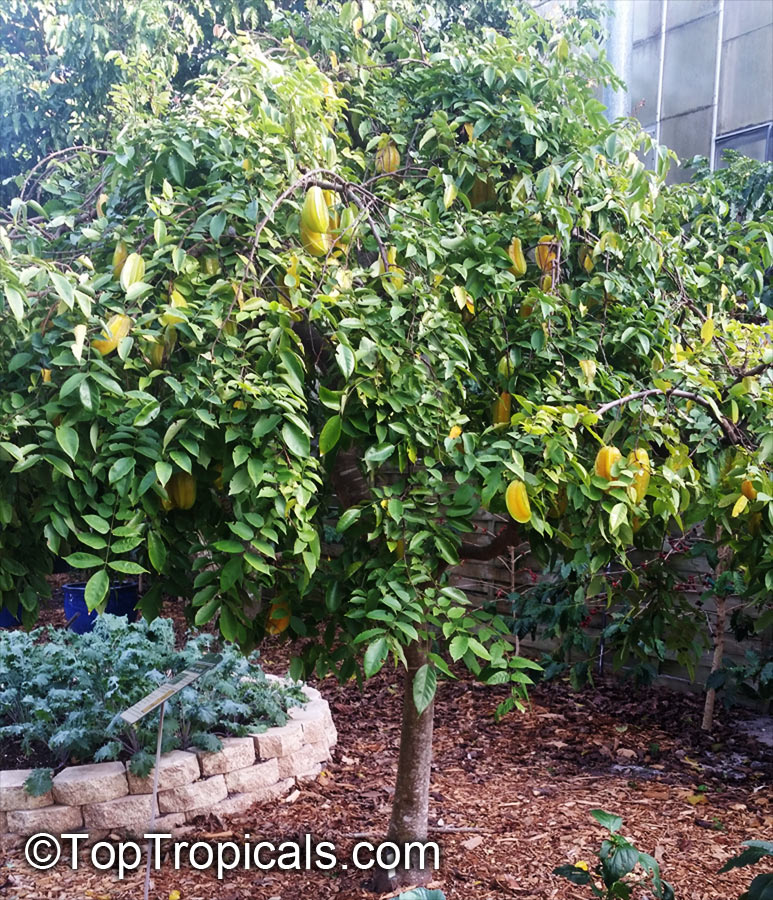
Carambola - Start Fruit - will start producing fruit the same year or next year. We have them fruiting in pots, sometimes as small as 1 gal pots!

Date: 23 Mar 2020

Garden Sustainability Tips: Live your Life. Dig your Garden.

You can grow herbs and vegetables that can be easy incorporated into your home landscape. You don't need a raised bed for a few little things that will come really handy for your kitchen.

1. Parsley. Get a small 4"pot parsley plant from a local garden center. It grows super fast and just one plant can provide great healthy addition for your cooking for a few months. Plant in in full sun, under a tree or shrub, where it gets hit by a sprinkler.
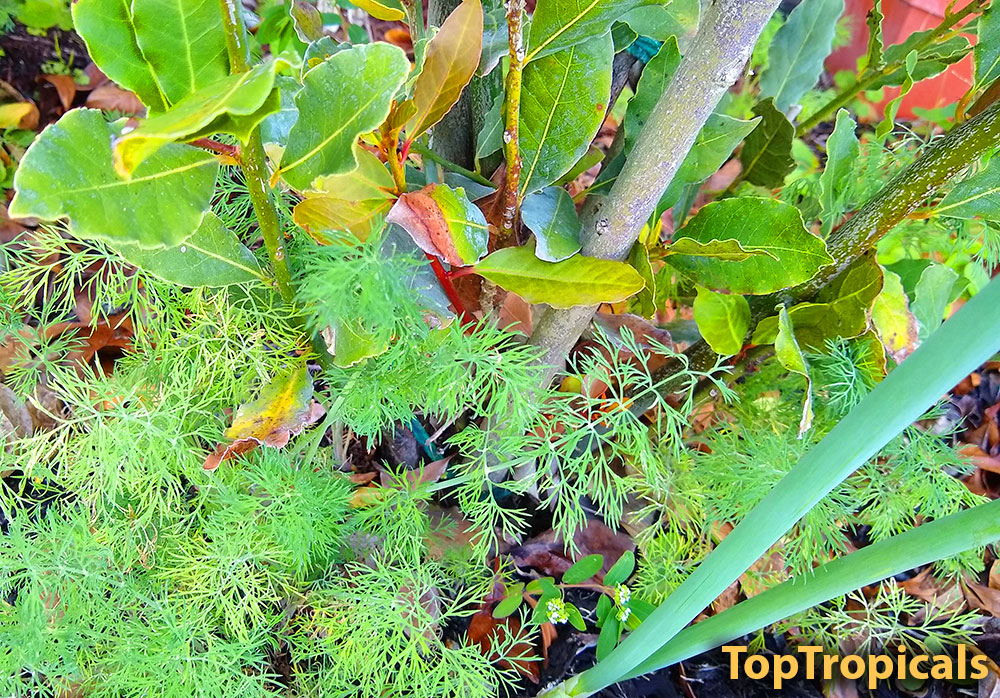
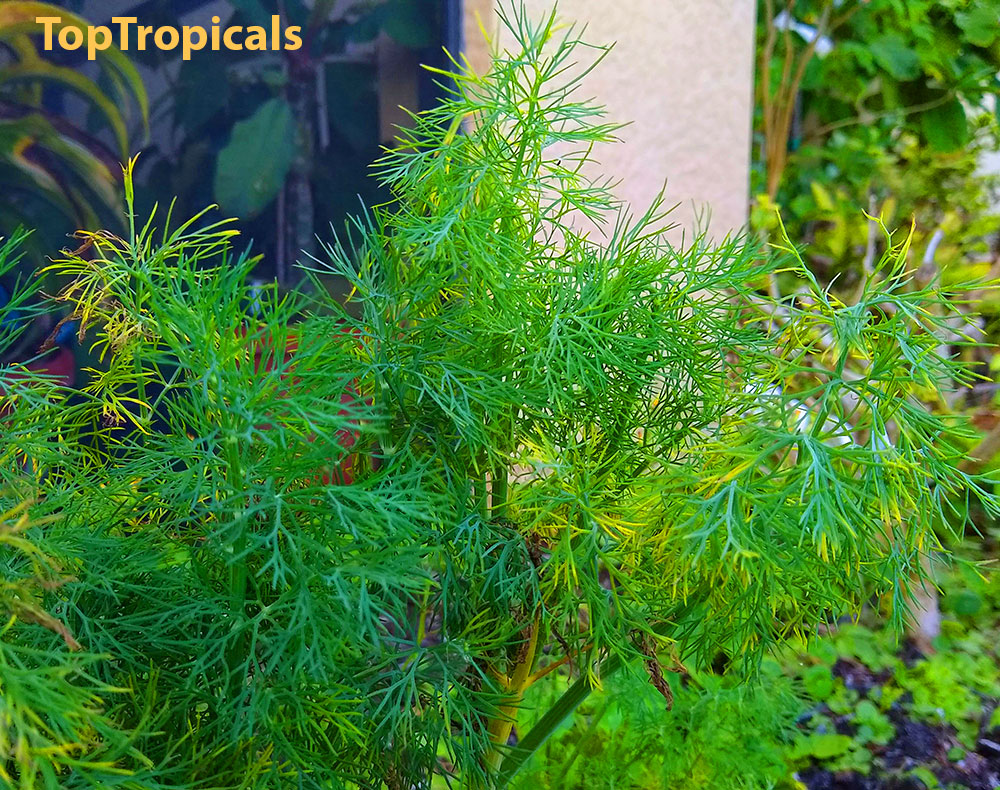
2. Dill. This one grows from seeds quickly and easily. It also needs full sun and regular water.
3. Chives, or Green Onion. Don't through away"bulbs"from chives you got from the store. Stick them in the ground, pretty much anywhere in your garden. You will have supply of fresh chives loaded with vitamins right away (withing a few days!) and for many months. You can also plant an onion bulb (root-end down... duh) - this one will produce greens even faster!
4. Bay Leaf. If you live in a mild climate, plant a Bay Leaf in your yard (closer to the door - closer to the kitchen!). It is a wonderful healthy spice for soups and stews that makes them super flavorful. If your winters are cold, keep the plant in a pot. Bay Leaf makes a great undemanding houseplant that needs bright light, but very little water.
5. Cherry tomatoes are easy to grow, heat tolerant and even grow in lower light, so they are easy to incorporate into any existing landscape. Get Sunshine Boosters to double your crop: see how it works.
6. More herbs and spices. Check out our large selection of herbs and spices - they are on sale today!
7. Garden work is a great exercise. While the gym is closed - get to gardening. Read about Fun workout and Calories Burning Gardening.
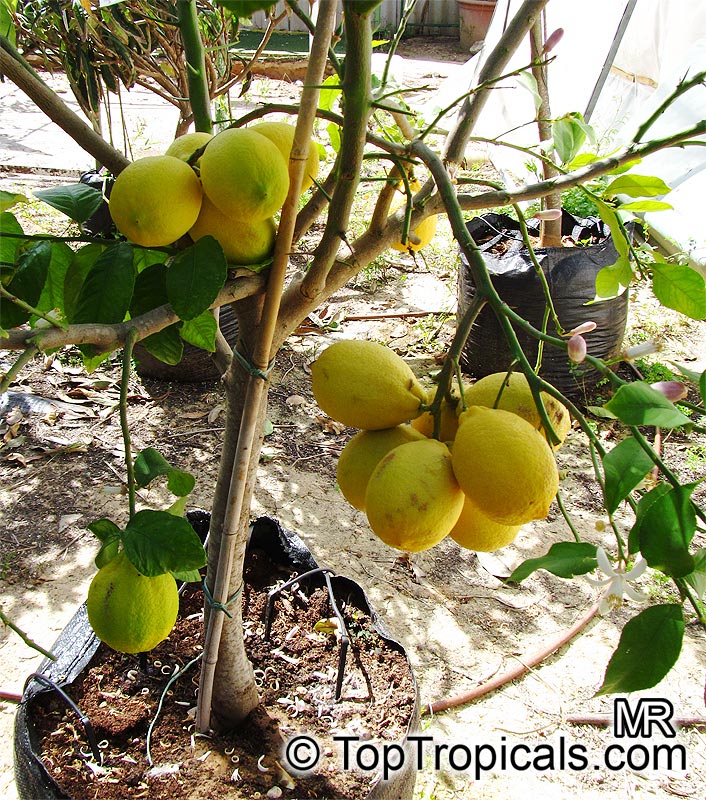
8. Lemons. Vitamin C is your best friend for boosting immune system, and Lemons have tons of it! In areas where citrus can grow outside, Lemon tree is a must-have for your garden, or at least find a friend who has one! Citrus also makes a great house plant, so you can keep it in a pot, too. Just make sure to have a grafted tree that will produce right away.

Lemon Juice Health Booster Recipe

1. Squeeze juice from 1 lemon and mix it with 1 cup of water.
2. Add ice cubes and 1-2 tbsp of any flavored syrup (optional). You may add some fresh mint for Mojito flavor.
3. Enjoy this drink at least once a day.
4. Get a bunch of lemons, squeeze fresh juice into ice cube trays and freeze. 1 lemon = makes 1 ice cube. Store in freezer and use 1-2 cubes to make the above drink, daily.

Besides being rich in vitamin C that will boost your immune system, Lemon juice is a Natural medicine that helps to treat:
- cold and flu
- headaches and high blood pressure
- stomach problems
- insomnia
- and much more
Drinking lemon juice on regular basis will make your body stronger and more resistant to infections and many illnesses.

Please take good care of yourself and your loved ones. Stay healthy.

Date: 7 Feb 2020

Jasmine Rex - the hero of all jasmines

Q: I was getting ready to place my order and I saw this plant and it's beautiful. I would love to have it. What does it need to thrive? As far as light, temperature, humidity.

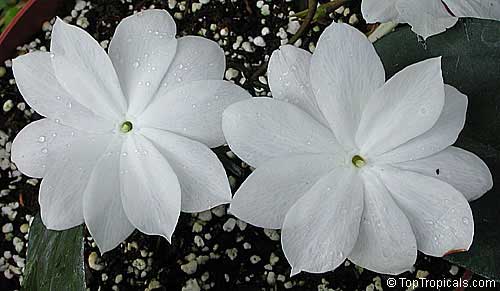
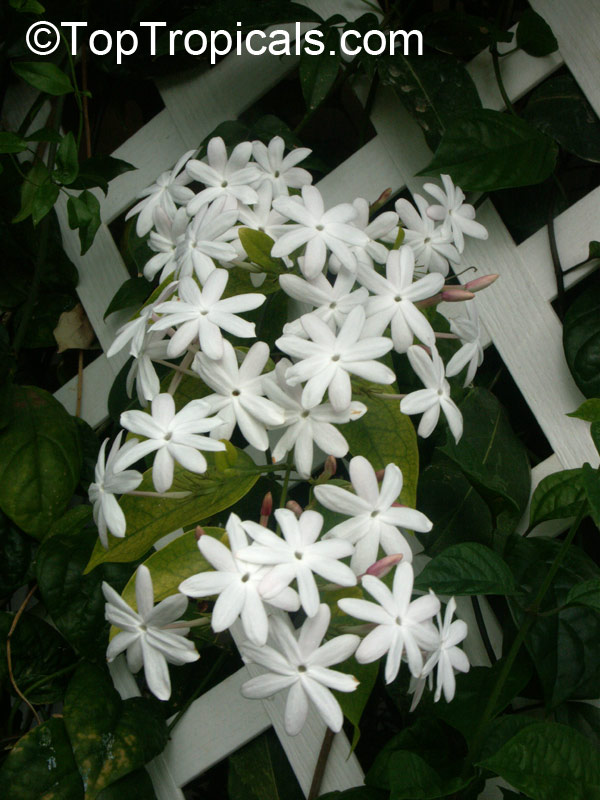
A: Jasminum rex indeed is a very unusual, spectacular jasmine. Unlike other jasmines, this one has almost no fragrance, however the blooms look so amazing that it became one of our favorite plants. Flowers are 2-3 inches across! It blooms profusely, covered with dozens of flowers for many days to a few weeks.
Jasmine Rex is not the easiest jasmine to grow, however it is not difficult either as long as you know its needs. The main critical factor is excellent drainage. It doesn't like soggy soil or wet feet. At the same time it needs regular watering. Full sun is also a must for flowering. Humidity is not a critical factor. Remember it is a tropical plant that needs frost-free environment. It is more cold sensitive than other jasmines although it may survive a few hours of light frost.
Once established, it grows vigorously. Make sure to apply fertilizer during active growth (when temperatures stay above 65F). We recommend Sunshine nutrition system through the whole year. Additionally, you can apply flowering fertilizer Megaflor during summer.
Make sure to plant it in a sunny spot using very good quality soil, and do not overwater.

Check out all Jasmines