Date: 10 May 2026
🍑 Tree-Ripened Peaches Change Everything
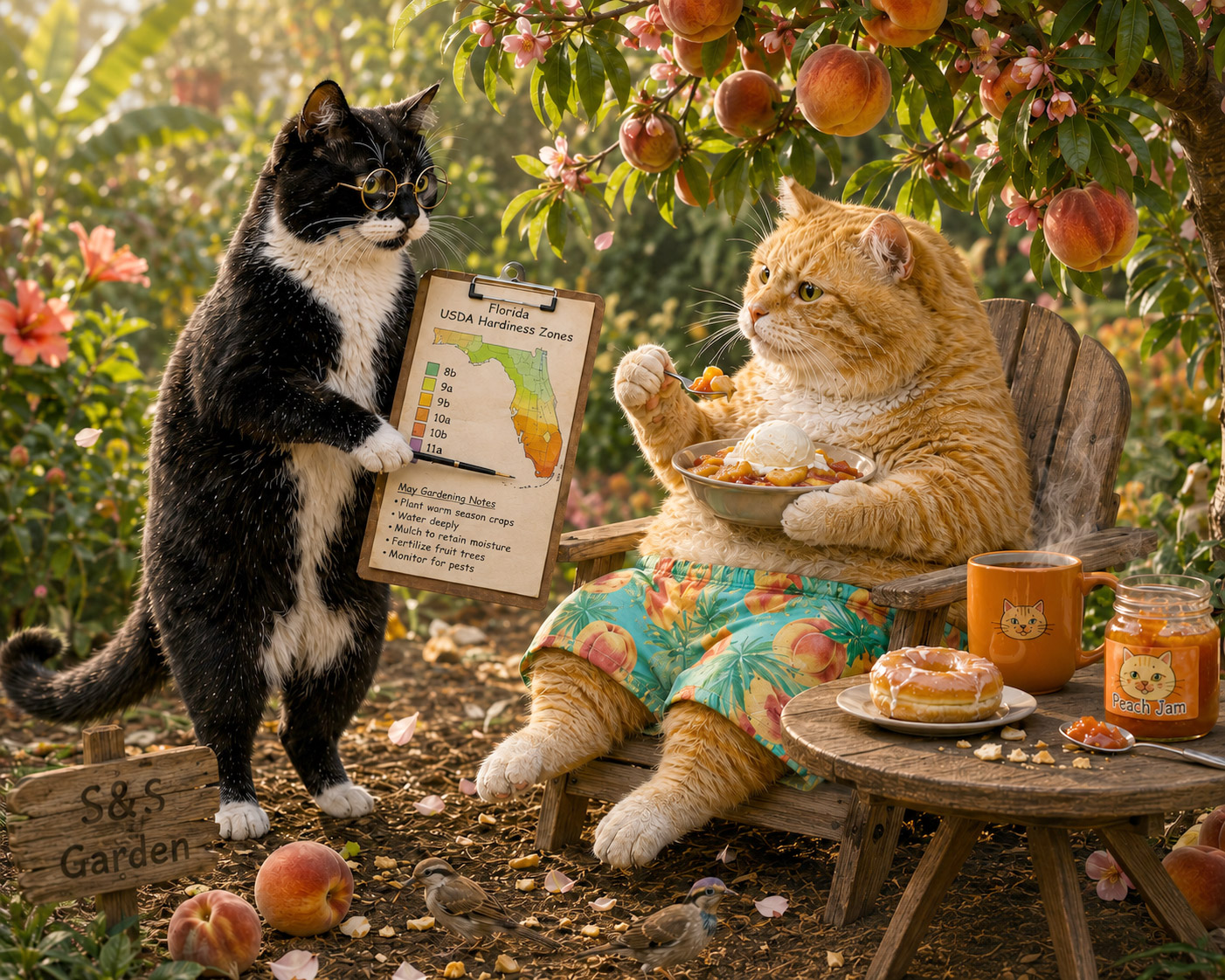
Smokey: Low-chill peach varieties for Florida. They ripen much sooner.
Sunshine: I thought peaches were for Georgia.
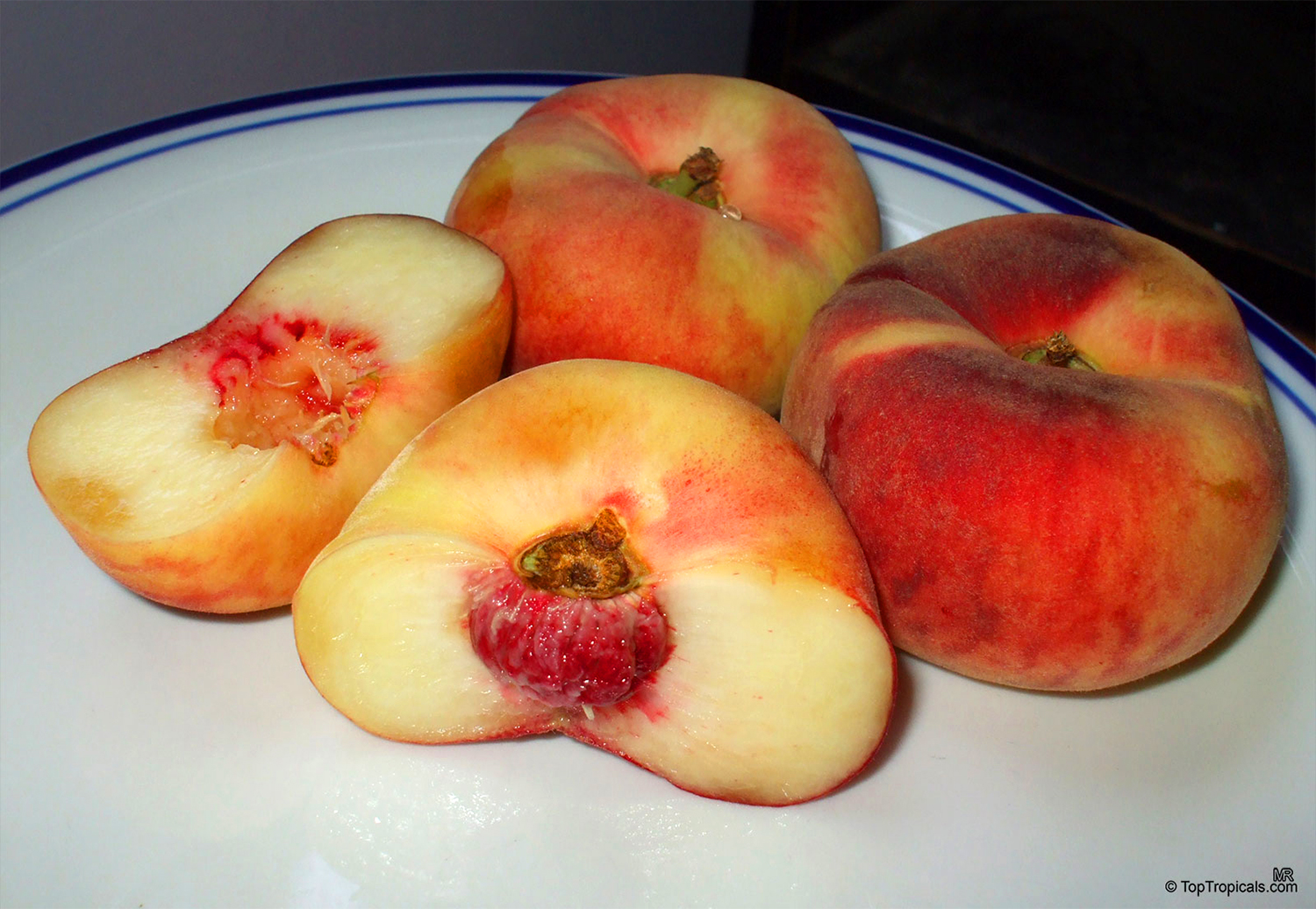
Smokey: Not if you plant low-chill peaches. And speaking of peaches, do you know about donut peaches?
Sunshine: Donut peaches? Finally, horticulture I can understand.
Some fruits carry memories before you've even tasted them.
There's something about a peach still warm from the tree - the way it gives a little when you pick it, the smell that hits you before you even take a bite. It makes you slow down. It makes summer feel like it actually meant to show up.
For Florida gardeners, that moment used to feel borrowed. Peaches were a Georgia thing, a Carolina thing. You'd admire someone else's harvest and quietly file it under not for us.
Low-chill peaches rewrote that story.
Here's the thing about regular peaches - they need cold. Not just a cool night or two, but a real winter. We're talking 600 to 1,000 hours below 45F. That's how they know to wake up in spring and actually fruit. South Florida just doesn't deliver that. The trees will grow fine, look healthy even, and then give you almost nothing come harvest time. Frustrating doesn't cover it.
Low-chill varieties are different. They were bred specifically for places like ours - warm winters, mild springs. Some only need 100 hours of chill. A hundred. That's a few cold fronts, not a season. And because they're working with our climate instead of against it, they fruit reliably. Every year.
They're not just a Florida trick either. Gardeners in coastal Texas, southern Louisiana, southern California - anywhere in that Zone 8b to 10 range - have been growing these successfully. If you've got warm winters and thought peaches weren't for you, they probably just weren't the right peaches.