Date: 19 Jul 2019
Growing Coconuts from seeds
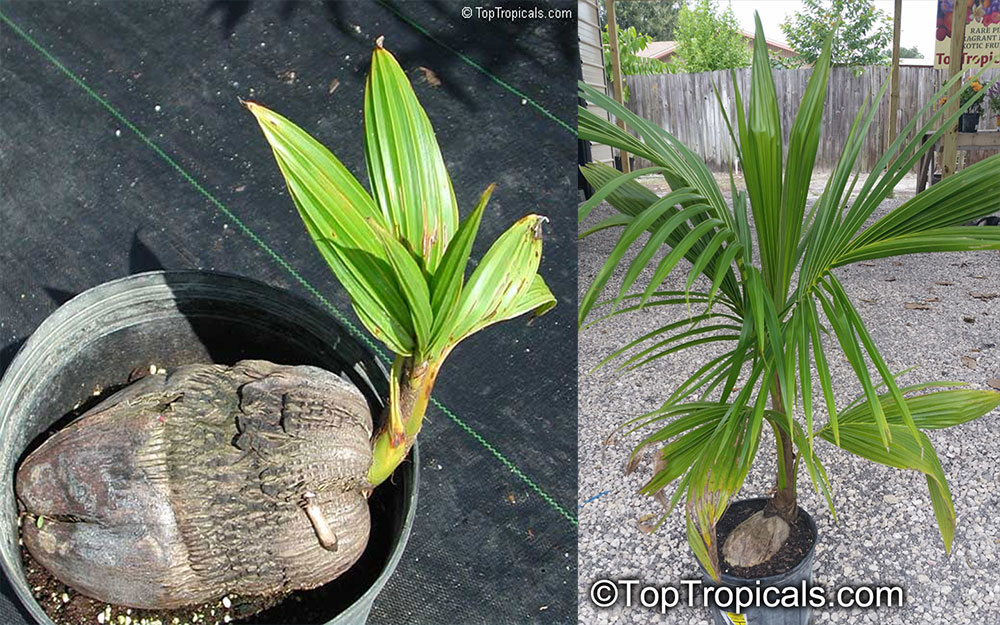
Q: Good afternoon Anna, hope all is well. I have a question regarding Coconut growth. When I planted my coconuts seeds I notice they had water in it, after checking 6 months later I took one out from the pot and shock to see if still had water but notice no water shaken inside, still, no plant growing on all 6 seeds but no water noise inside of them. Can you indicate if I should discard them or are they still have a chance they will germinate?
A: Coconut seeds normally germinate within a month from planting.
If there is no growth within 6 month, chances are the seed was not ripe
enough, or didn't have proper conditions for germination.
To grow a coconut palm from seed, place the nut on top of the soil (if
in a pot, must be at least 3 gal pot) on its side, and bury it in soil
half-way. Keep it warm (75F or higher, the warmer the better), in full sun, and
soil must stay moist. Start fertilizing when the seed sprouts.
RECOMMENDED FERTILIZER:
Purple Palm Food - Smart Release Palm Booster
Photo below:
James Coconuts, one of our customer service reps, will be happy to answer all your questions! (Anna Banana, Stevie, or Onika can help when Coconuts is out of the office).


Date: 10 Jul 2025
🐲 FREE Dragon fruit cutting with every order!
Limited Time Offer - While Supply Lasts
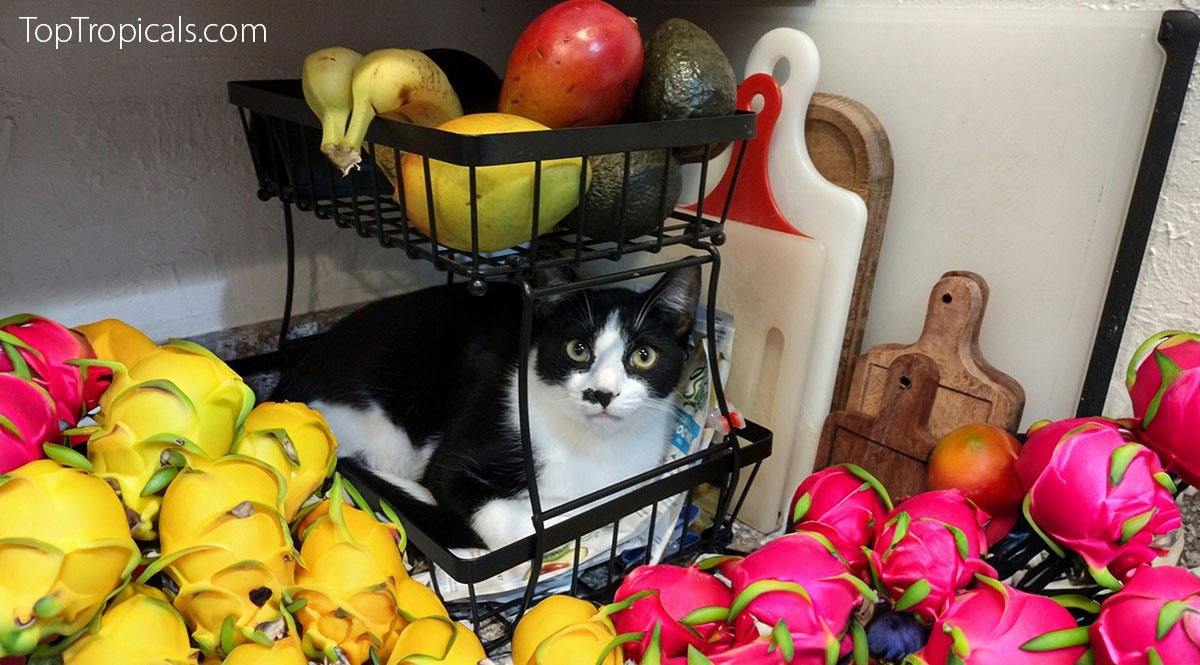
Yes, it's absolutely FREE - because we love you. This month only, get a FREE Dragon Fruit cutting with every plant purchase over $50 (excluding seeds and garden supplies).
Available varieties - the most popular cultivars:
Palora (yellow,
the sweetest), or
Seouls Kitchen
(red-and-white)
you may note your preference in order comments.
These large, cured cuttings are ready to plant, and we've got this quick 30-sec video to show you how. No replacements. One cutting per order. We cannot guarantee variety due to limited supplies. Supplies are limited, so don't wait!
Plus, take 20% off your $200+ order with coupon PRIMEDAY (excludes S/H, ends 7-12-25). Learn more about Dragon Fruit on our blog.
Learn more about Dragon Fruit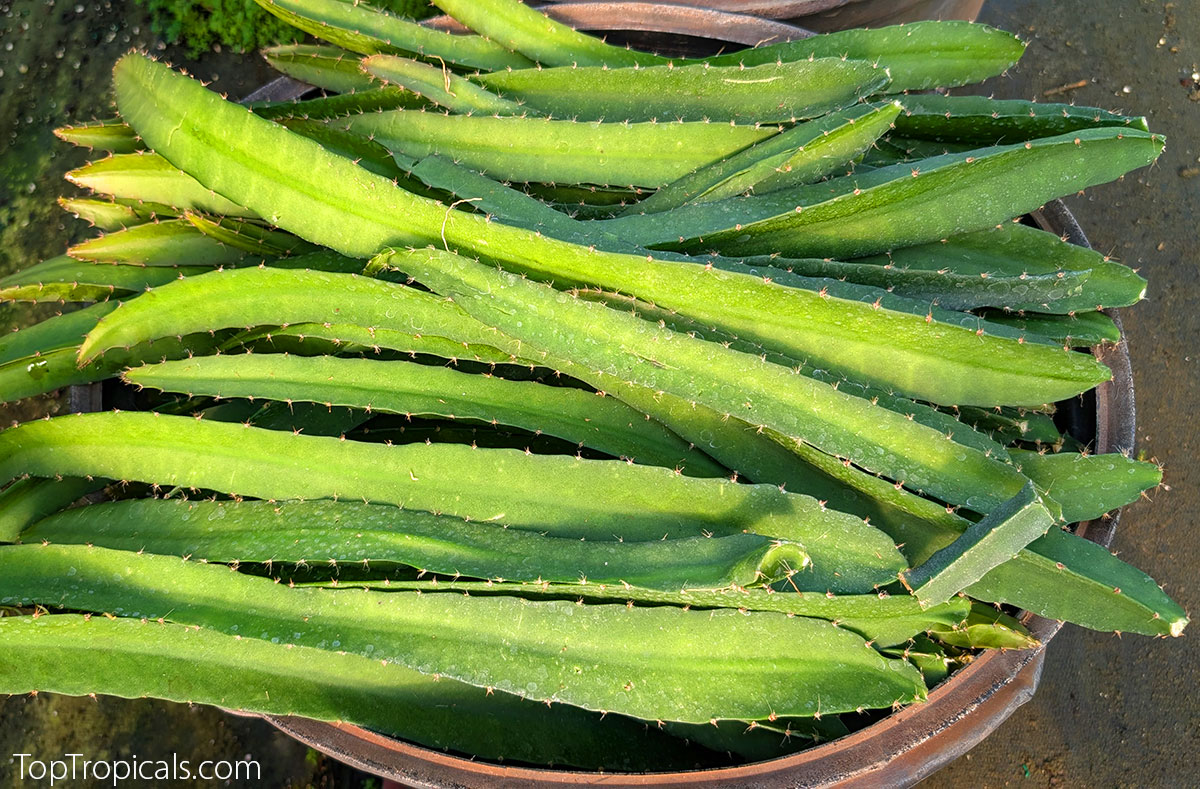
Date: 6 Dec 2018
Why starting tropicals from seed indoors is better than outside?
Q: I am in Texas, it is getting cold, but I bought these seeds the last two packs, as I didn't want to miss them, was looking for a long time and found you had them. Should I wait until spring to plant them?
A: You can
grow tropical plants from seed year round and don't have to wait until warm
weather outside. It is, in fact, beneficial to start tropicals indoors in a
controlled temperature, moisture and humidity. Seeds of some species are very
sensitive to excess water and/or require a certain range of temperature for
germination... Besides, it's so much fun!
First, read the basics: Happy Hobby: growing tropicals from seeds
Advantages of indoor growing from seed
It is easier to keep under control indoors:
1) Temperature and Light. Although many tropical seeds require
higher temperature and bright light for germination (hot sun may help), it may
be hard to avoid overheating and drying out when you put trays in full sun.
Using heat pads and additional lighting indoors makes germination smooth, even
may take a little longer than in hot sun.
2) Soil moisture. If you ever lost your seeds or tiny seedlings
to a heavy summer rain, you sure will appreciate your own moisture-controlled
environment! Just make sure to use the right soil mix.
3) Air humidity. Indoor air is drier than outside. It may not be
best for some tropical plants, but definitely perfect for seed health - they
will never get moldy considering you keep your eye on the plantings.
4) Pre-treatment. Some seeds require scarification (sanding down
hard shell), others stratification (cold treatment), but all seeds will
benefit from
SUNSHINE-S soak before planting. It is easier to do in your home lab.
Based on our experience, using Sunshine pre-treatment reduces the risk of
fungal damage and improves germination from 30 to 65%.
5) After germination culture. Watching seedlings closely in your
home environment and giving them all that is needed for healthy, fast growth
- miscroelements and first fertilizer - will help to establish young plants just in time before
planting them out in Spring-Summer.
Read more: From Kristi - how to grow tropicals from seed.
Check out our seeds selection...

Date: 20 Oct 2018
Featured Plant. Bilimbi, Cucumber tree, Tree Sorrel
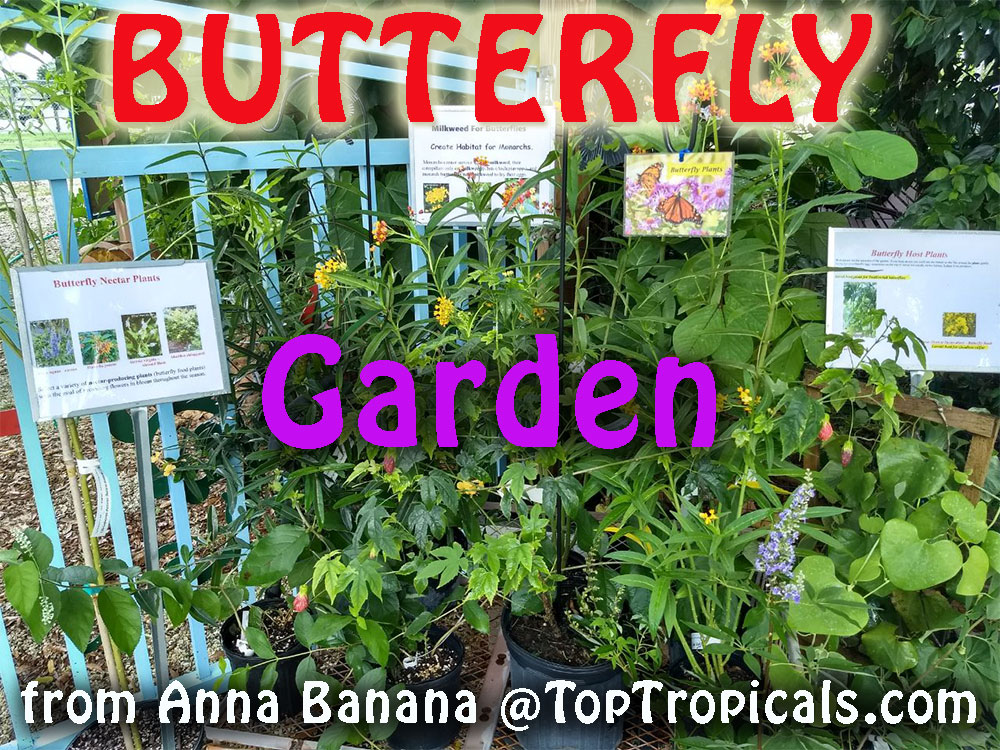
Bilimbi, Cucumber tree, Tree Sorrel
Ethnic names are: Kamias, Belimbing Asam, Belimbing
Buloh, Bimbiri. This rare exotic fruit is very popular
in Thailand, Malaya and Singapore. In India, where it is
usually found in gardens, the bilimbi has gone wild in
the warmest regions of the country. Outside native
habitat, Bilimbi is hard to find plant, very few growers
produce them, although it is not so hard in cultivation.
The bilimbi is closely allied to the carambola but quite
different in appearance, manner of fruiting, flavor and
uses. The only strictly English names are"cucumber
tree"and"tree sorrel"."Bilimbi"is the common name in
India and has become widely used. Many people are more
familiar with the close ralative - Averrhoa carambola - Star
Fruit, which foliage looks very similar to bilimbi. The
bilimbi leaves and taste of fruit are quite similar to
those of the
Phyllanthus acidus - Otaheite Gooseberry),
although these plants are not related.
Continue reading...
Date: 12 Oct 2018
Portlandia - rich hot chocolate with vanilla
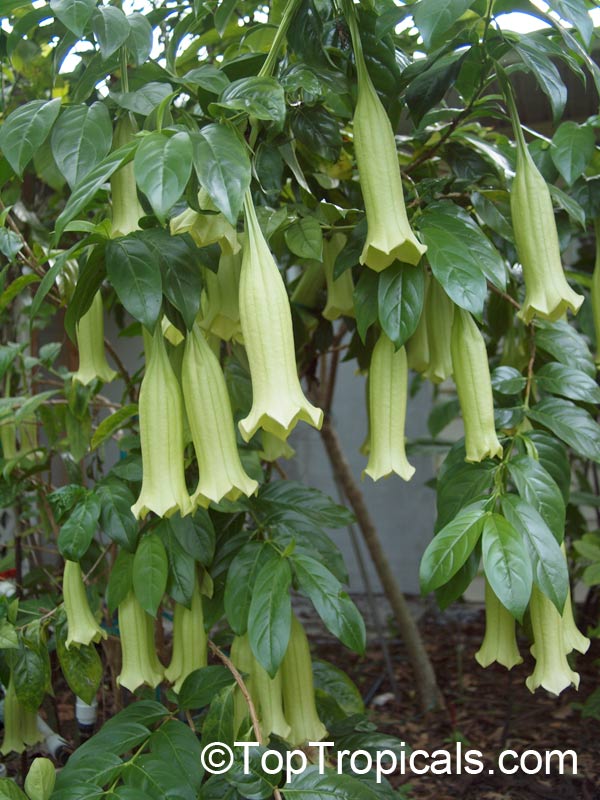
From Mark, the Garden Whiz. Since working in the horticultural field for nearly 50 years, at either nurseries or botanical gardens both in Florida and southern California, I have come into contact with a LOT of very cool plants. So many of them in-fact, that it's becoming increasingly difficult to run across new ones that really make me take special notice. Since being at Top Tropicals for a while now, there are a few species I had not met before which really stand out. Among them are a couple of kinds of Portlandia. Continue reading...
See our selection of Portlandias...