Date: 23 May 2024
The Magic of 3
top tropical trees
from the legends of Caribbean
Yellow Poinciana, Jacaranda, and Royal Poinciana:
Three happy colors of the Tropics
While traveling through the vibrant and diverse Caribbean, we acquired three exquisite local paintings. Two of these are masterfully rendered on jacaranda wood plates, and the third is beautifully crafted on a calabash. These stunning pieces of art celebrate the three most spectacular and revered flowering trees of the Tropics: Yellow Poinciana, Jacaranda, and Royal Poinciana.
These trees are not only visually stunning but also deeply embedded in Caribbean culture, legends, and folk remedies.
The Yellow
Poinciana, with its bright golden blossoms, is often associated with joy and
sunlight, symbolizing the warmth of the Caribbean spirit.
The Jacaranda,
known for its striking lavender-blue flowers, is a symbol of wisdom and
rebirth, often blooming in a breathtaking display that signals the change of
seasons.
The Royal
Poinciana, with its fiery red and orange flowers, is a symbol of passion and
energy, often referred to as the "Flamboyant" tree due to its bold and dramatic
appearance.
These trees hold a special place in the hearts of the Caribbean people. They are featured in numerous local stories and songs, and their flowers and leaves are used in traditional remedies and rituals. Owning these paintings feels like possessing a piece of the Caribbean's soul and its natural beauty.
Now, we are fortunate to have not only the paintings but also the actual trees. Watching them grow and bloom in our garden brings a piece of the Caribbean to our home, a constant reminder of our travels and the vibrant culture we experienced. These trees and their representations in art are a testament to the region's rich heritage and its enduring connection to nature.
Get them now while we have them. No need to go too far into Caribbean!
Peltophorum africanum - Golden Flamboyant, Yellow Poinciana. An excellent garden shade tree, beautiful in flower. This variety starts flowering at young age, in 3 gal pot.
Jacaranda mimosifolia - Hypnotizing bluish-purple, trumpet-like flowers create the magical image of the tree. Incredible, long-lasting purple blooms. When the trumpet-shaped blooms finally fall, they form a lilac carpet beneath the awe-inspiring Jacaranda for luxuriant curb appeal...
Royal poinciana, Flamboyant tree, Delonix regia - "One of the most spectacular flowering trees in the USA, and probably among the top 10 on this planet. In full bloom, it is like a regal elephant caparisoned in red and yellow brilliance." (Larry M. Schokman, The Kampong, National Tropical Botanic Garden)
Date: 2 Jun 2024
How to attract more butterflies to your garden?
Attracting butterflies to your garden can be a fun and rewarding experience. Here are some tips to help you create a butterfly-friendly environment.
- 💐 Choose the right plants: butterflies are attracted to nectar-producing flowers such as odontonemas.
- 💐 Plant lots of bright flowers, especially of yellow and pink colors like some cassias which seem to be the pleasant to butterfly's eye.
- 💐 Use a variety of flowers to attract different species of butterflies. Check the list of butterfly-attracting tropical plants.
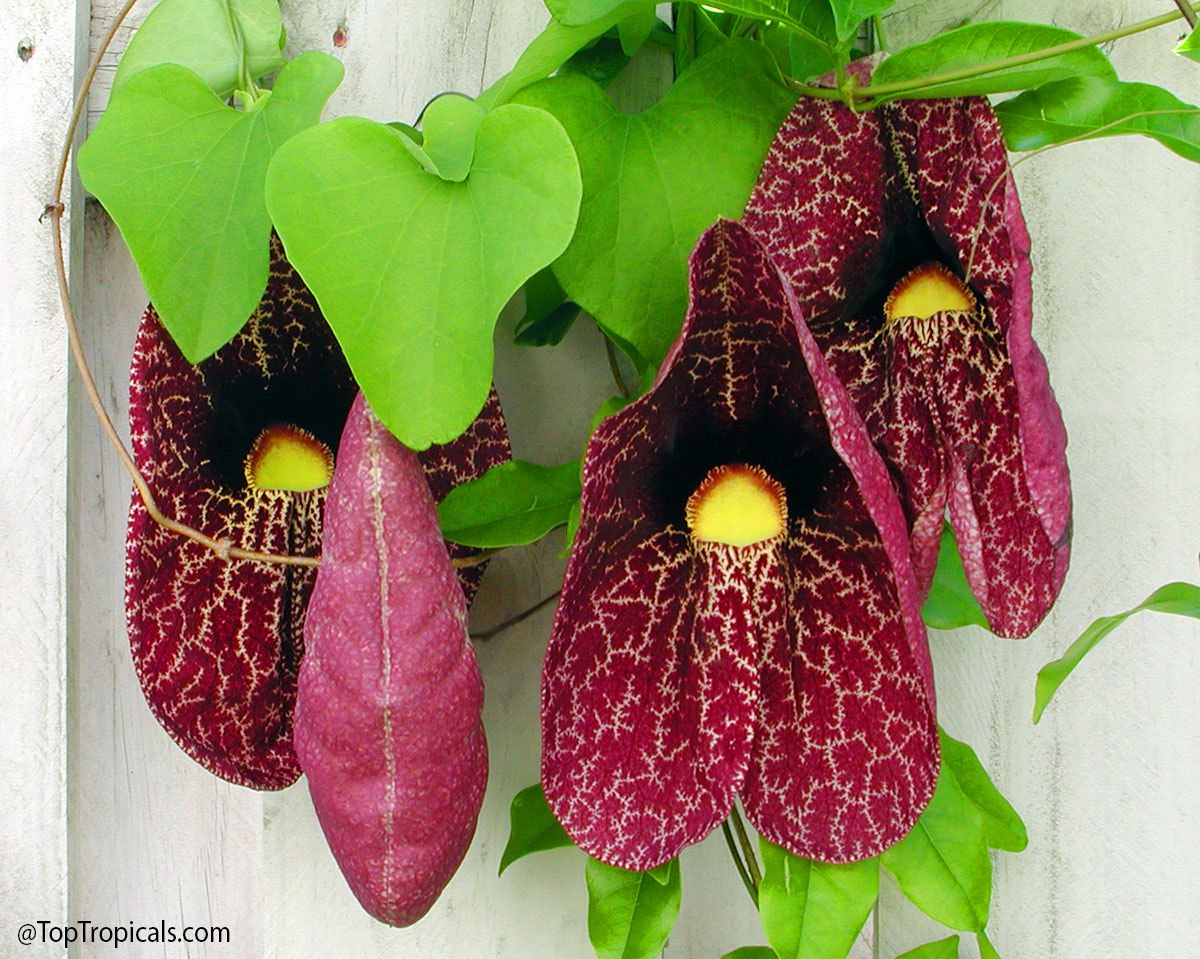
- 💐 Provide food for caterpillars: butterflies lay their eggs on specific host plants that caterpillars will eat. For example, monarch butterflies lay their eggs on milkweed. Passion flower (Passiflora) and Aristolochia that we introduced earlier, are also great butterfly hosts, but be prepared to sacrifice some leaves!
- 💐 Provide a water source: butterflies need a source of water to drink from. A shallow dish or birdbath with rocks in it will provide a place for butterflies to rest and drink.
- 💐 Avoid using pesticides: they can harm butterflies and other beneficial insects. Try using natural methods to control pests in your garden.
- 💐 Create a sunny spot: butterflies love warm, sunny spots. Plant your butterfly garden in an area that receives at least six hours of direct sunlight each day.
- 💐 Add a butterfly house to provide shelter for butterflies during bad weather and at night.
📸 Milkweed, Odontonema, Giant Milkweed
🛒 Shop Butterfly Garden
#Butterfly_Plants
🏵 TopTropicals
Date: 21 May 2019
Colors of Cannas
By Onika Amell, tropical flower specialist
Q: I'm a beginner gardener and looking for something easy to grow that will add a lot of color to my garden fast.
A: Try growing Canna lilies. They are a favorite of many
gardeners as they are so easy to grow and always provide a reliable, beautiful show
of flowers. In fact, Cannas are one of those plants that are spectacular even
if they never bloomed. The leaves are tropical-looking, banana-like and huge!
They range in a wide variety of shades and colors, always accentuating the
large showy flowers on top.
One of our favorite cannas right now is Canna Cleopatra - very striking and most unique. Large yellow flowers
speckled with red spots, or red flowers and even flowers with a little bit of
both. Foliage is exotic and very beautiful, often dark green,
dark chocolate or a combination of both. This is a canna that will
definitely illuminate
your garden!
Caring for Cannas
Cannas like a lot of water, full sun and high heat. They are also heavy feeders and prefer soils that are well drained, organically rich and moist. The leaves will quickly tell you when the plant is hungry. Feed your cannas weekly with a water-soluble 20-20-20 fertilizer Broad Leaf Plus, and they will quickly respond with beautiful, lush growth. Deadhead often to encourage continued flowering. Cannas are winter hardy in US hardiness zones 7 and warmer. If you live in colder areas, the rhizomes need to be lifted in the fall, and stored indoors in a dark, warm spot until spring arrives. Be sure to divide clumps every three or four years. Give them lots of room as they grow into large plants, forming spreading colonies up to 7 feet high and 4 feet wide. Show them off in mass plantings, in large containers or in mixed flower borders. Lure in hummingbirds with these beauties!
Date: 17 Nov 2023
Privacy Hedges with Benefits
What's the numero uno question we get bombarded with at Top Tropicals Nursery? Well, it's a real head-scratcher:
Q: "...Can you recommend me a flowering privacy hedge to spice up my yard's life? My current hedge is just a green wall and I'm tired of the monthly trim routine. I need something lively, fast-growing, and unusual if possible. No plain old ixora, please!.."
A: After over two decades of being the go-to advice-givers, we thought, "Why not spill the floral beans and share our tropical wisdom?" But where to begin? The jungle of flowering ornamentals is vast, and picking the perfect shrub is like finding the missing piece of a gardening puzzle. So, in our new column "Hedges with Benefits" we're dishing on those not-so-average shrubs that'll not only prettify your patch but also bring some serious practicality. Today's lineup is -
Top Ten Winners:
Fast growing flowering shrubs
Below is the top selection of spectacular flowering shrubs that can create a nice hedge or a natural screen within just a couple of seasons.
Tithonia diversifolia - Sunflower tree.
Grows super fast to a very tall dense hedge, and starts flowering right away. Full sun, very easy, not
fussy about soil or water. Winter bloomer.
Calliandra surinamensis - Powderpuff.
Pretty pink powderpuffs almost year around! Easy to prune.
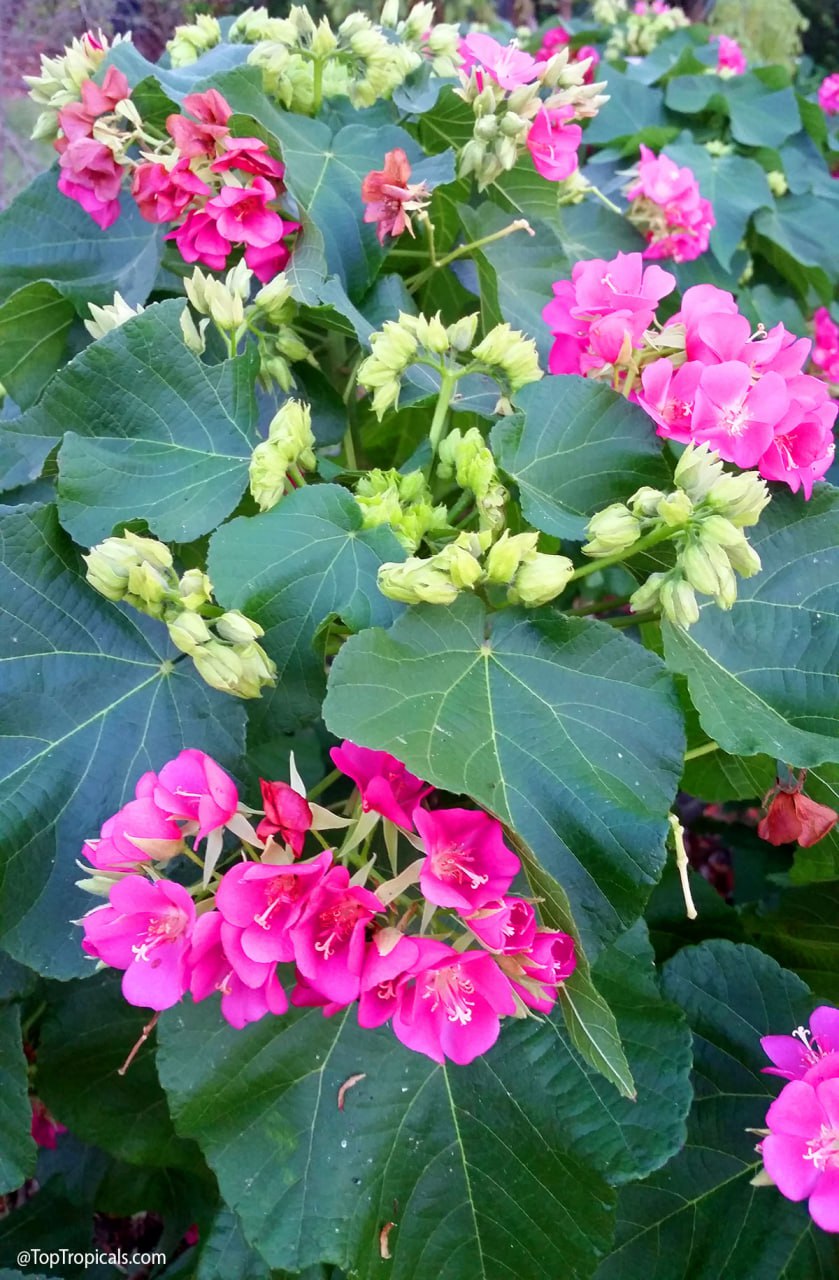
Dombeya x wallichii - Tropical Hydrangea.
You can see this beautiful bush right at Top Tropicals gate. Winter bloomer, large lush leaves and huge, pink hydrangea-like blooms. Very large and fast growing, likes water, tolerates shade.
Acalypha hispida - Cat tail, Chenille plant.
All time favorite, everblooming with red cat tails! Full sun. Easy to control.
Hibiscus variegated Snow Queen.
Popular landscape bush with unusual look, red flowers over snow white variegation, very showy! Responds well to
pruning. Full sun.
Leonotis leonurus - Lions Ears.
Winter bloomer, great for low hedges. Covered with bright orange curious flowers,
medium sized, easy to control at 3-4 ft. Full sun.
Plumbago auriculata Imperial Blue
One of the most popular Southern hedge plants, everblooming with bright blue flowers, tolerant to drought, heat, and poor soils. Can be maintained short or tall (2-6 ft).
Eranthemum pulchellum - Blue Sage, Lead Flower.
Great for shady spots, winter bloomer with dark green leaves and unusual sky-blue flowers. Can be trimmed if needed. Nice and dense.
Clerodendrum paniculatum - Pagoda Flower. Happy in the sun or shade, easy plant. Loves water.
Tibouchina lepidota - Ecuador Princess, Jules Dwarf.
Sun or shade, blooms on and off throughout the year. Beautiful Purple
Princess!
Date: 6 Nov 2023
How to grow a happy Moringa Tree
Q: We purchased some tropical edible and medicinal plants from you in August this year. I have a question pertaining to our Moringa tree. When we purchased it, it was about two foot tall. It has put on tremendous growth and is now a little under ten foot tall. My question is, should a Moringa be losing lower leaves at this point? The bare limbs are still green and the top looks to have healthy green leaves.
A: Thank you for choosing our Moringa tree, and sharing the picture. It's great to see that your tree appears healthy and happy - it's a resilient plant. Given the relatively dry Fall we've experienced this year, a little extra water can make a significant difference.
Here are some suggestions to ensure your Moringa thrives:
Watering: While Moringa is generally drought-tolerant, during dry periods, in addition to relying on your lawn sprinkler system, add some extra water with a hose. Adequate moisture is crucial for maintaining healthy foliage.
Pest Control: Moringa is not only a nutritious plant for humans but also attracts pests that appreciate its medicinal properties :) If you notice insect damage on the leaves, consider spraying with Neem oil or using an over-the-counter systemic insecticide containing imidacloprid or a similar ingredient.
Seasonal Behavior: Moringa trees are semi-deciduous to deciduous, and their leaf-shedding behavior can vary depending on the climate. In Florida, for instance, it's common for Moringa trees to shed leaves in the Fall. However, this is a natural process, and you can expect new growth in the Spring.
Fertilizing for Vigorous Growth: To promote the most vigorous growth of your Moringa tree and other plants in your garden, consider implementing a fertilizing program. If using dry, slow-release fertilizers, apply them only during the active growth season: from March through November. If you're looking for a year-round solution, liquid amino acid-based formulas like Sunshine Boosters can be a great option. You can easily add them to your watering routine or use injectors like The Robuster for convenient and consistent feeding. If you're planning to expand your garden with other medicinal plants or an edible forest, The Robuster smart fertilizing system is an excellent choice, offering the most efficient, care-free way to nourish your plants with natural nutrients throughout the year.
This garden doubled the size during just one season under the Robuster