Garden Blog - Top Tropicals

Date: 24 Jun 2024

How to grow your own Carambola
How to grow your own Carambola How to grow your own Carambola
⭐️ How to grow your own Carambola

Star Fruit
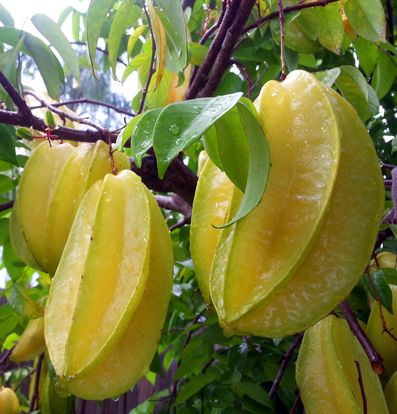
- Carambola Tree (Averrhoa carambola). Growing this tree is a fun and rewarding way to enjoy this unique and delicious fruit right at home.
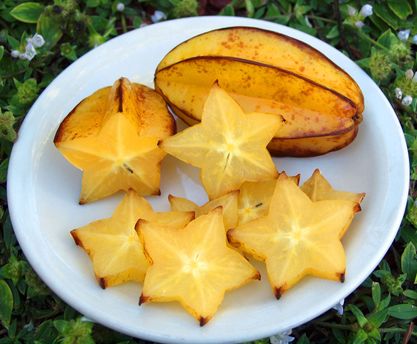
  • 🌟 Star power: slice it, and you get perfect star-shaped pieces for impressing guests or adding some sparkle to your fruit salad. Bright yellow and shiny, the fruit adds a pop of color to any dish. Great in salads, smoothies, desserts, or even as a garnish. Endless possibilities!
  • 🌟 Nature's candy and low-calorie treat: a delightful mix of sweet and tangy flavors packed with juicy goodness, a refreshing way to stay hydrated. Guilt-free snacking with hardly any calories. Snack away!
  • 🌟 Health benefits: Star fruit is loaded with Vitamin C. Good source of dietary fiber, keeps things moving smoothly. Packed with antioxidants to help fight off those pesky free radicals.
  • 🌟 Cultivation of the tree is easy:


▪️ Loves full sun. Plant it in a sunny spot for the best fruit.
▪️Keep warm and protect from winds. Thrives in warm, tropical climates, but can take some light frost winters as long as protected from winds, wind-free is the key!
▪️Prefers well-drained soil. Keep it happy with good drainage.
▪️Regular watering but doesn't like soggy feet.
▪️Space saver: compact tree that doesn't take up much space. Perfect for smaller gardens. Dwarf varieties available, good for containers.
▪️Fast grower: grows quickly. You'll be harvesting star fruit in no time!
▪️Pretty blooms: produces lovely pink flowers. Adds beauty to your garden even before the fruit comes.
▪️Home harvest: enjoy fresh, home-grown star fruit. Pick them right off the tree!
▪️Fast-fruiting: seedlings start fruiting within 3 years from seed. Grafted or air-layered trees fruit right away.

📚 Learn more: Carambola tree is the Star of the orchard

🛒 Shop Start Fruit varieties

#Food_Forest

🏵 TopTropicals

Date: 10 Aug 2025

Tuxedo  cat  planting  tropical  tree  with  Sunshine  Boosters  bag,  orange  cat  waving  to  kitten  with  backpack  by  school  bus  in  sunny  garden 
 scene.

🌺 Back to School and Back to Planting – Cats in the Garden

Back to School, Back to Planting – Why August Works for Tropicals

Planting Season Isn't Over Yet

August is still a good month for planting tropicals in warm climates. The soil stays warm enough to push root growth, and late-summer weather gives plants time to settle in before winter. In drier areas, regular watering will keep them moving along just fine.

Tropicals in warm climates aren't usually harmed by cooler Winter weather, but as days get shorter, growth may slow down. This is why planting in late Summer-Fall lets roots grow during this last warm stretch, so the plant enters winter already established.

By spring, those roots are ready to drive new shoots, flowers, and fruit. There's no lost time to transplant shock - plants can get straight to blooming and fruiting earlier in the season.

August Planting FAQ

How can heat be prevented from harming new tropicals?

Water in the morning so plants start the day hydrated. Warm soil is good for root growth, but don't let it dry out.

How should new plants be protected from strong sun?

For the first couple of weeks, use a shade cloth or even a white bed sheet to soften midday sun and prevent leaf scorch.

What fertilizer works best for planting in summer heat?

Controlled-release types are best. We use professional grade Green Magic. You may pair it with Sunshine Boosters for steady, gentle feeding through the warm months.

Which tropicals grow best when planted in August?

Most tropical plants do well when planted in warm end-of-summer conditions, including Mango, Avocado, Guava, Jackfruit, Annona, Bananas, Orchid Trees, Jasmines, Allamanda and most of flowering trees, shrubs and vines.

Can tropical trees planted in August produce fruit next year?

Many can, especially fast growers, since they have established roots by the time spring growth begins.

How can tropicals be kept healthy when planting in August?

Mulch around the base to help prevent soil from drying out too quickly. Water deeply in the morning to help plants handle the heat.

Shop Flowering trees

Shop Fruit trees and edibles

Date: 7 Mar 2017

Taking care of Guanabana (Soursop) after shipping

Q: Since I have never grown a soursop tree before I need some pro help. My tree was delivered absolutely beautiful, leaves were a pretty green. I potted it and gave it a good drink of water and put it in a shaded area outside. Then the weather here became cool so I brought it in for a few days until the weather warmed, and it lost all the leaves. Is it in shock and will come around eventually? Will I be able to grow this tree indoors during winter?

A: Soursop - Annona muricata trees are very sensitive to temperature drops. This always causes leaf loss. You seem to be doing everything right. Do not water until soil gets slightly dry; keep it in bright shade. The weather should be good now with high temperatures and humidity rising. No fertilizer until the plant shows active new growth. Be patient with your plant, it should recover soon.

Soursop is an ultra-tropical tree and doesn't take any freeze. If you live in cooler climate, keep the plant in a pot (the good news is, Annonas in general have compact nature and are perfect for container culture). Bring the tree indoors during cold period, providing bright light.

Remember that grafted trees start flowering and producing fruit right away, unlike seedlings of Soursop that may take a few years till fruiting.

We have very interesting article about growing and fruiting Soursop in apartment. Check out Tropical Treasures Magazine #7.

Date: 8 Aug 2016

Growing mango in hot Arizona

By Mike D, Mesa, AZ. Despite to what you may think, mango can be successfully grown in desert Arizona climate. It has good heat and drought tolerance. It's possible providing the following:
1) Winter protection of a young plant when temperature goes around or below freezing. Try to plant trees in locations where they're protected from cold wind. Minimal temperatures vary widely. Areas which are closer to downtown are few degrees warmer, while outskirts can be very cold.
2) Some people are lucky enough to live in areas with good soil. However, most of us will have a so-called hardpan (extremely compacted desert) or caliche (layers of soil cemented together by calcium carbonate). Check with your local county extension office to determine how to deal with such conditions. Gypsum is usually used to loosen compacted soil.
3) When planting, dig a large hole making sure it has good drainage. Plant tree as usual, add mulch around it. It helps to conserve moisture.
4) Best time to plant is late Fall or early Spring, so mango can get established before Summer heat.
5) Plant where tree gets few hours of sun.
5) Water a lot until established. Once established, water when soil is dry.
6) Small plant may need protection from summer heat. Use shade cloth.
7) Mango requires very little nitrogen fertilizer. In hot climate, overdosing nitrogen may result in quick plant decline. Use balanced low nitrogen slow release fertilizer or avoid nitrogen completely. If you use mulch, then decomposing mulch provides enough nitrogen. Foliar spray of micronutrient solution is recommended during active growing period. Read more...

Date: 6 May 2016

Taking care of Soursop after shipping

Q: Since I have never grown a soursop tree before I need some pro help. My tree was delivered absolutely beautiful, leaves were a pretty green. I potted it and gave it a good drink of water and put it in a shaded area outside. Then the weather here became cool so I brought it in for a few days until the weather warmed, and it lost all the leaves. Is it in shock and will come around eventually? Will I be able to grow this tree indoors during winter?

A: Soursop - Annona muricata trees are very sensitive to temperature drops. This always causes leaf loss. You seem to be doing everything right. Do not water until soil gets slightly dry; keep it in bright shade. The weather should be good now with high temperatures and humidity rising. No fertilizer until the plant shows active new growth. Be patient with your plant, it should recover soon.

Soursop is an ultra-tropical tree and doesn't take any freeze. If you live in cooler climate, keep the plant in a pot (the good news is, Annonas in general have compact nature and are perfect for container culture). Bring the tree indoors during cold period, providing bright light.

We have very interesting article about growing and fruiting Soursop in apartment. Check out 4534 Tropical Treasures Magazine # 7.