Date: 19 Jan 2021
Healthy Plants: Q&A from Mr Booster
Fertilizing in Winter
Q: I have many tropical plants in my garden, both in the ground and in pots. I realize it is wintertime and some of them, the Hydrangea, Hibiscuses, and roses are in bloom but the rest of them seem wilty and droopy. Is it alright to fertilize them now, or should I wait for a few days? I have an all purpose tropical fertilizer and a 20-20-20 also. Please advise what to do.
A: During wintertime, tropicals may suffer from low temperatures
and lack of sunshine which causes droopy leaves, and leaf loss.
Regardless of the cause and plant condition, you should NEVER apply
traditional dry fertilizers during cool months. When cold, dry fertilizers
(EDTA-chelated) may create nutrient lock up in soil and damage the roots. Dry
fertilizers (both granulated and water-soluble) can be used only during hot season -
when min temperatures stay above 65F for at least a week in a row, and
daytime temperatures are over 75-80F. During hot, active growth season plant
metabolism increases. This provides less chance for a chemical root burn, as the
nutrients are used up quickly.
However, liquid fertilizers, as long as they are amino-acid based, can
be used year round. From our own experience last winter, we discovered that
fertilizing sickly looking plants (with signs of cold damage and root issues)
with Sunshine Boosters actually revived those plants. Sunshine Boosters even
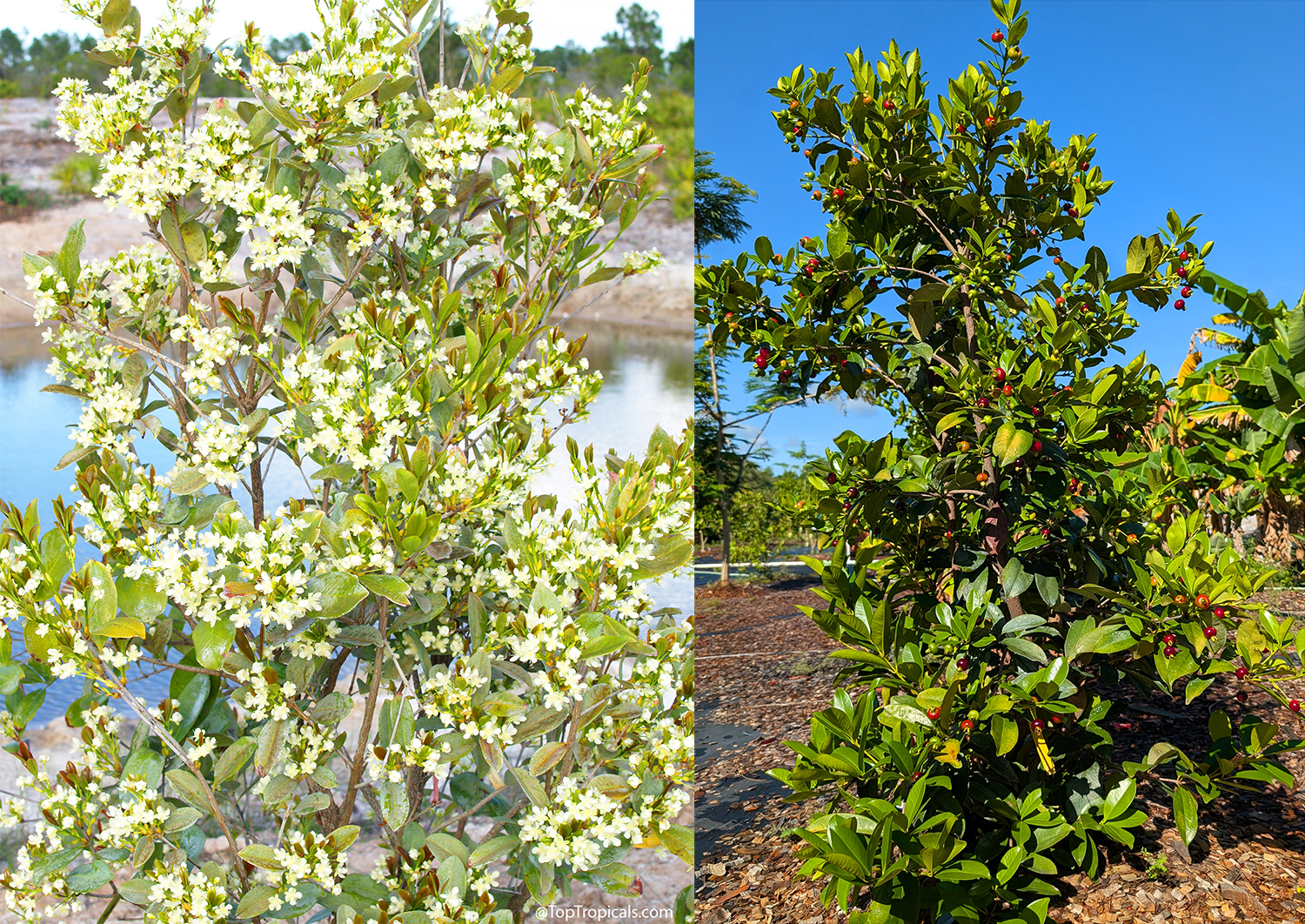
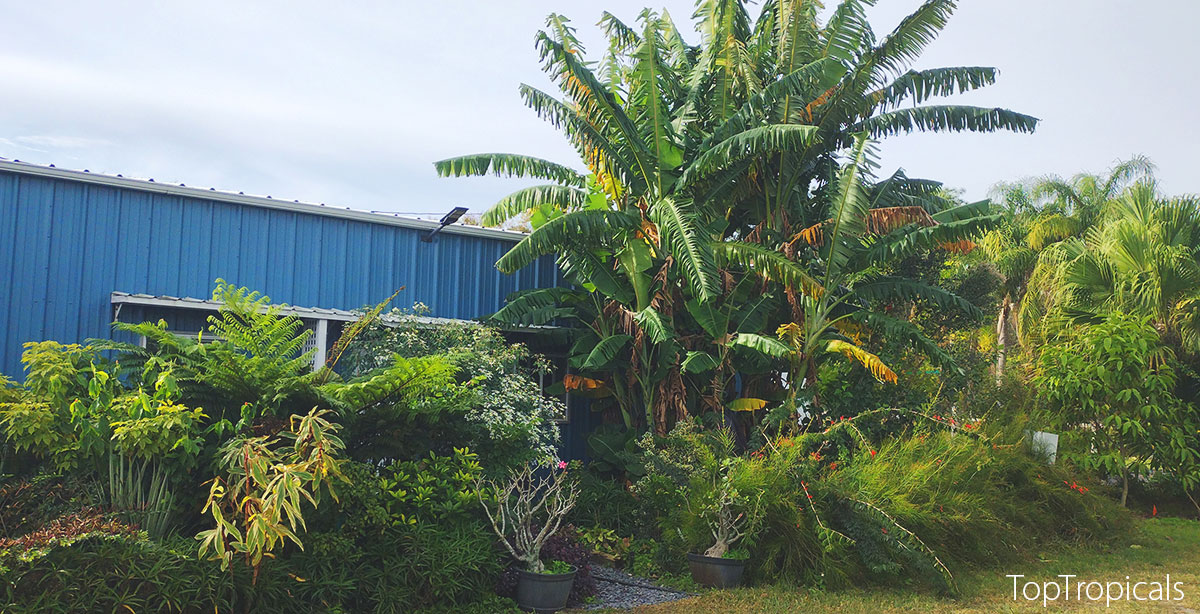
brought back to life some hopeless specimens. Take a look at this gardenia
that grows in our garden (picture above). See full article.
In your case, it would be beneficial to use a mild formula of liquid
boosters in combination with Sunshine Epi -a natural plant hormone that boost their growth and helps
to cope with cold-, temperature- and low-light-related stress.
These are the products we recommend:
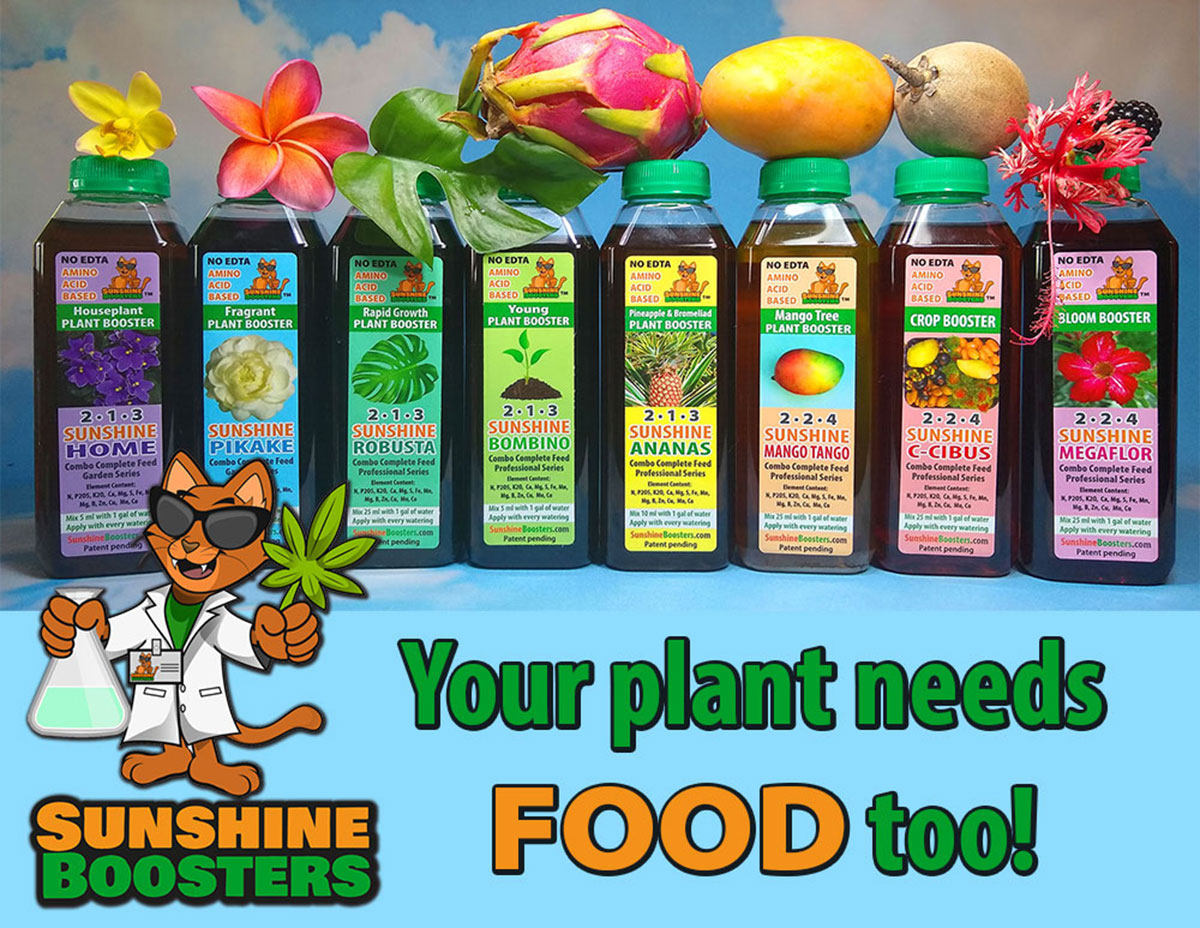
- Sunshine Bombino - add to every watering
- Sunshine Epi - twice a month as foliage spray
Since you grow plants in pots, feeding program is especially essential,
because plants are limited with a container size where roots can't reach out to more food in the outer soil.
In professional nursery set up with injector irrigation systems, container plants are fed daily (depending on season, more than once a day) with every watering. This is why greenhouse plants are so healthy looking.
So feel free to give your plants Sunshine boosters with every watering,
dozing according to the label. During cold period, plants need less frequent
watering, so fertilizer input will be balanced accordingly, it will depend on
temperature and plant metabolism.
Sunshine Bombino - mild, "pampering" formula for young and tender plants, as well as plants recovering from stress and/or winter damage.
Date: 13 Jul 2023
Fertilizing during rainy season
Q: I have installed your Robuster unit to fertilize my fruit trees, but here in Florida, it is the rainy season and most of the time I do not need to irrigate during the summer. What do you recommend to keep up with fertilizing program?
For in the ground plants
If there are frequent rains, it's not necessary to use any fertilizers except for slowly soluble ones. During rainy periods, use a slow release fertilizer. Simply scatter 3 oz per 100 square ft. You can adjust the amount based on your specific area and number of plants.
Additionally, for foliar treatments, use Sunshine SuperFood microelement supplement and Sunshine Epi biostimulator.
When you water next time, regardless of whether it rained or not, resume
using liquid Sunshine Boosters.
For potted plants
When you water your potted plants, use liquid Sunshine Boosters. Every 1 or 2 weeks (we recommend weekly), apply Sunshine Garden Series (the same type you are using when watering) for foliar treatment. Use the same dosage as you would for watering. By following these recommendations, you can ensure that your plants receive the appropriate nutrients during the rainy season.
Date: 16 Dec 2021
Why should you use Sunshine Boosters?
by Ed Jones, the Booster guy
...You have heard it before, but I will tell you again. Sunshine Boosters are safe to use with every watering. It means that you can use Sunshine Boosters amino acid based fertilizers whenever you water your plants, even in the winter. Why is that so important?..
...We normally stop using dry, timed release, fertilizers around the first of November and not resume using them until the first part of March. This is true in many areas of the deep south where the ground stays above freezing year round...
However, it is safe to use Sunshine Boosters during these cooler months... Temperature does not play a role in the absorption of nutrients when using Sunshine Boosters...
To find out how it works, see Ed's new Article Why should you use Sunshine Boosters. If you want to learn even more in depth, check out his blog: Micronutrients Delivery Systems.
As of this writing, all Sunshine Boosters are on Holiday Sale. There are boosters for all different types of plants. Check them out and -
Give your plants a little something extra for Christmas!
CONTINUE READING >>
Date: 28 Dec 2025
🎉 2026 Gardening Resolution That Actually Works
According to our experts: Smokey and Sunshine. When we say experts, we do not mean consultants or trend writers. We mean two real gardeners. Smokey watches patterns. Sunshine notices when people rush. Together, they explain what actually works.
Smokey: I am making the plans for 2026. Planning makes gardening successful.
Sunshine: Coffee and donuts help too, so please include them in your plan.
Smokey: Hello gardeners. 2026 is the Year of the Horse.
Sunshine: Horses do not garden.
Smokey: Please do not interrupt me. No, they do not. That is just the
calendar. What matters is what gardeners do at the start of every new year.
They often rush and repeat the same mistakes.
Sunshine: The biggest one is rushing the garden before morning
coffee.
Smokey: Correct. Rushing looks like effort, but it is usually just
impatience. Gardens punish impatience very reliably.
Most early-season problems come from doing things too soon:
- watering before roots are active
- fertilizing before growth begins
- planting before conditions settle
- poking plants daily to check how the roots are growing
Sunshine: If you are poking the roots, the plant was fine until you
started poking it.
Smokey: Good gardening is not constant action. It is knowing when to
act and when to stop interfering.
- Plant when the timing is right.
- Let roots work quietly.
- Leave resting plants alone.
Sunshine: Coffee first. Donuts optional, but highly
recommended.
Smokey: One last thing, while you are not rushing.
Our gift cards are still on promotion. They do not need planting, watering,
or timing decisions today.
A gift card is a symbol of patience. Buy it now. Use it when the moment is
right.
Smokey and Sunshine:
Our resolution for 2026 is simple: stop
rushing the garden.
Wishing you a calm, steady, coffee-fueled 2026 garden
🐾🌿
Date: 1 May 2025
🌸 Plumeria Power: The Signature Scent of the Tropics
Q: What is the most fragrant variety of Plumeria? Are some colors more fragrant than others? How do you keep Plumeria blooming?
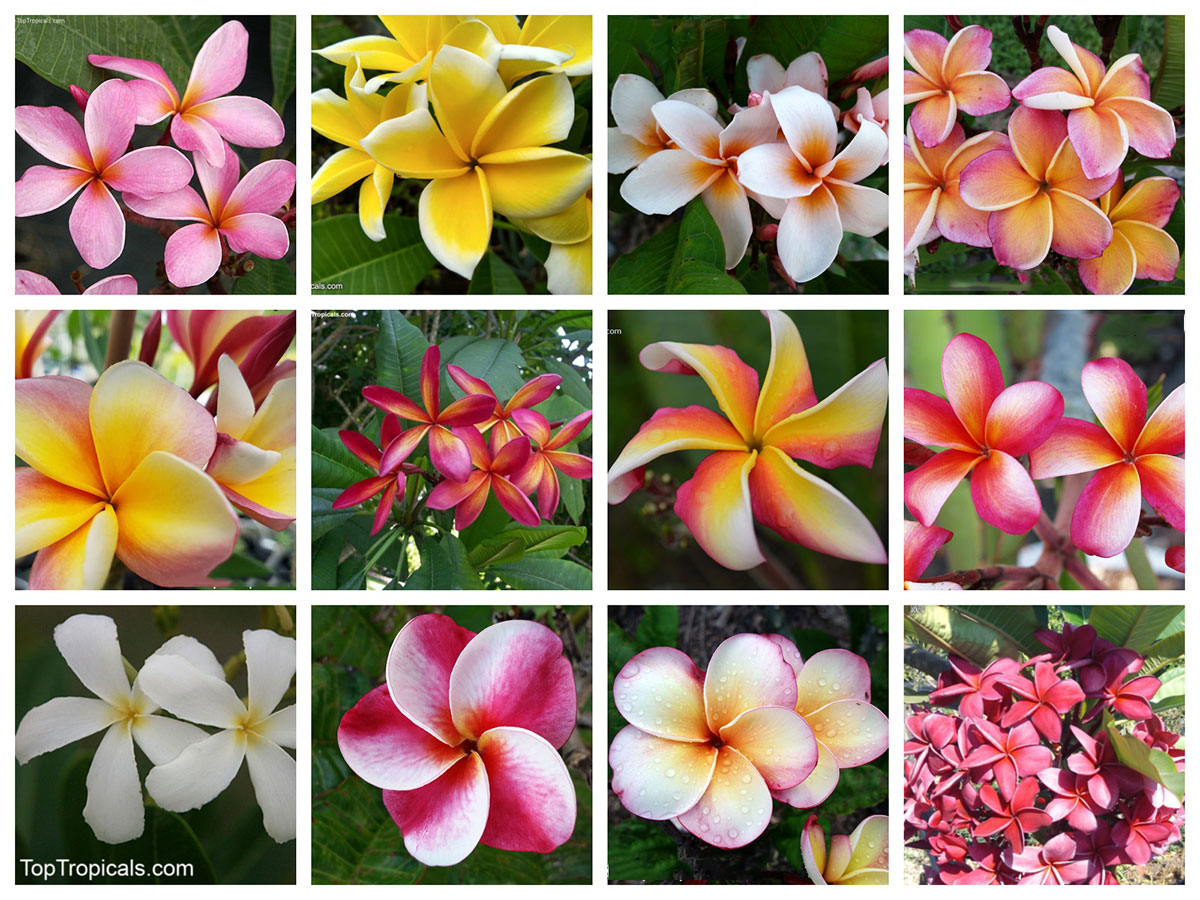
A: From Kristi, TopTropicals Flower Expert: At Top Tropicals, we used to think yellow Plumeria was the most fragrant. That was until we discovered multi-colored hybrids and stunning "rainbow" varieties! These rare beauties are prized not just for their sweet, strong fragrance but also for their dazzling mix of tropical colors.
We just received new arrivals of stunning new Plumeria varieties - but quantities are limited, so don't wait! Choose your favorite colors and bring home the irresistible scent of the tropics.
Plumerias are famous for their rich colors and unforgettable fragrance. With just a few simple steps, you can grow your own blooming tree and enjoy flowers just like in the pictures.
5 simple rules how to grow a fragrant Plumeria
1. Use well-drained soil. Choose a potting mix rich in perlite, bark, and coconut fiber. We recommend Sunshine Abundance professional soil mix for best results.
2. Choose the right container. Use a pot just slightly larger than the root ball to prevent water-logging. Plumeria prefers dry conditions - water only when the soil is slightly dry.
3. Give it full sun. Plumeria needs plenty of light to bloom. If grown indoors, place it in the brightest spot and bring it outside for sunbathing whenever possible.
4. Let it rest in winter. Plumeria drops its leaves and goes dormant during the cooler months. When this happens, reduce watering to a minimum and let the plant rest until new growth begins.
5. Feed it to bloom. Plumeria is a heavy feeder and needs fertilizer to flower well. Use a plant food high in phosphorus, like Sunsine Megaflor Bloom Booster liquid fertilizer. It's safe to use with every watering, all year round.
New Video of Exotic Plumeria Hybrids
Check out different varieties of Plumerias in full bloom. Just look at these colors in this short video !