Shade
Tree Discount Program
How to reduce an electric bill and energy costs?
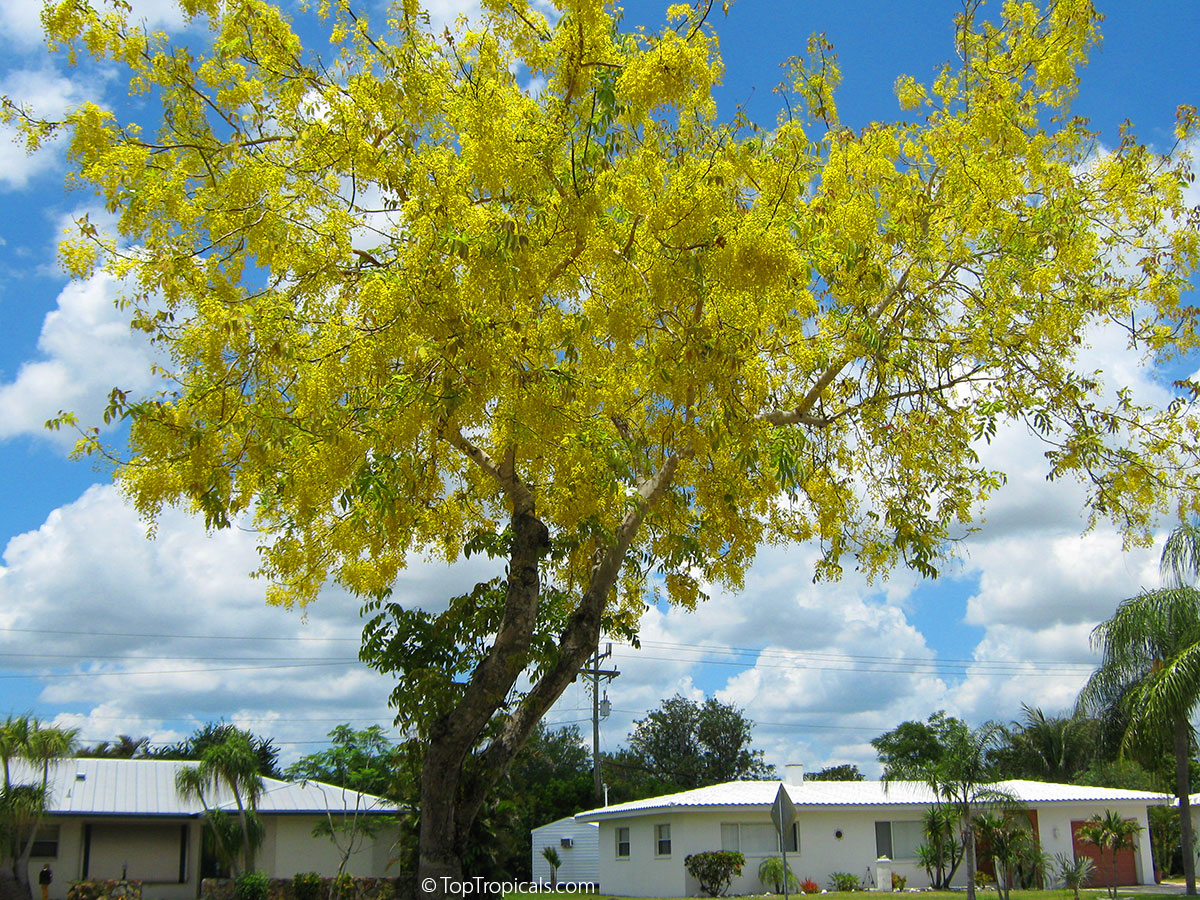
Photo above:
Cassia fistula - Golden Shower Tree - one of the most popular trees. This
all time favorite is fast growing and elegant.
Q: How to reduce an electric bill and energy
costs?
A: This summer is expected to be hot. And the
next summer... and next... Want to reduce your electric bill and energy costs?
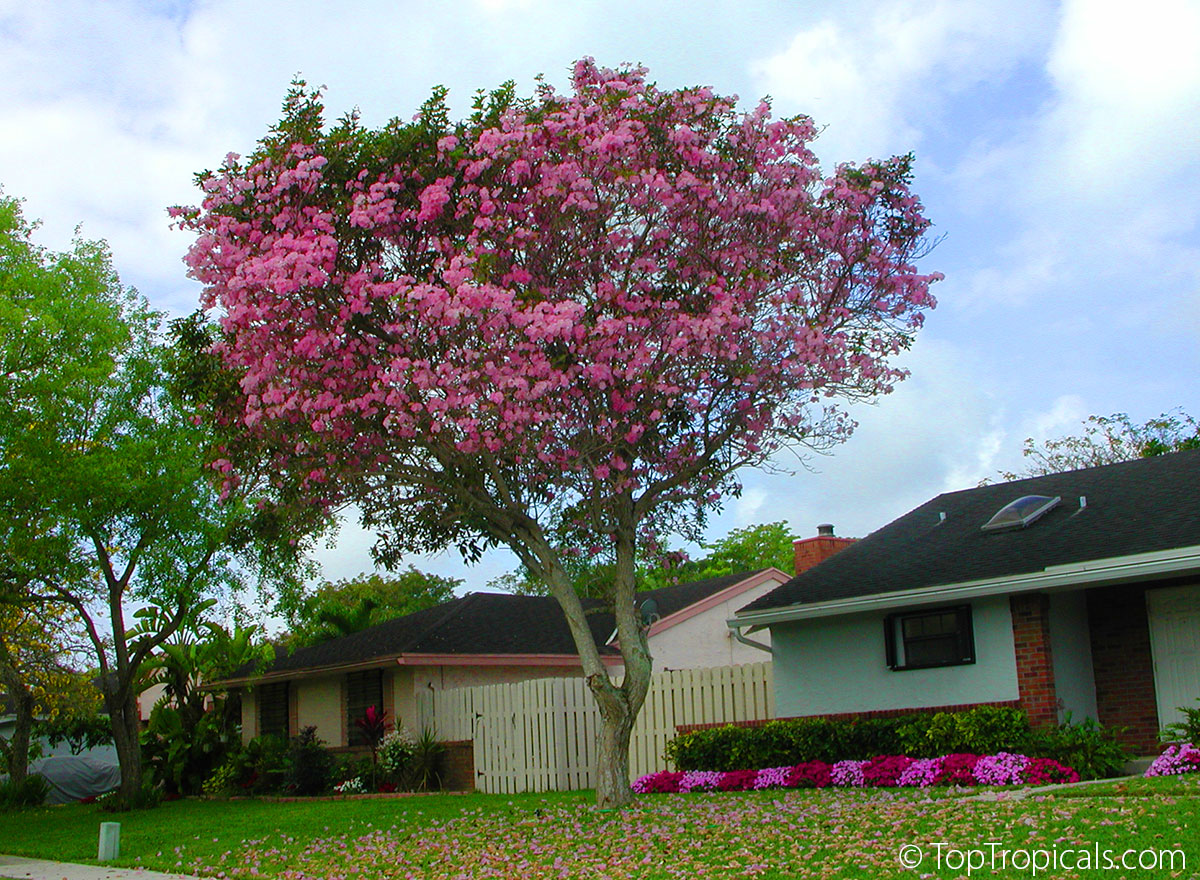
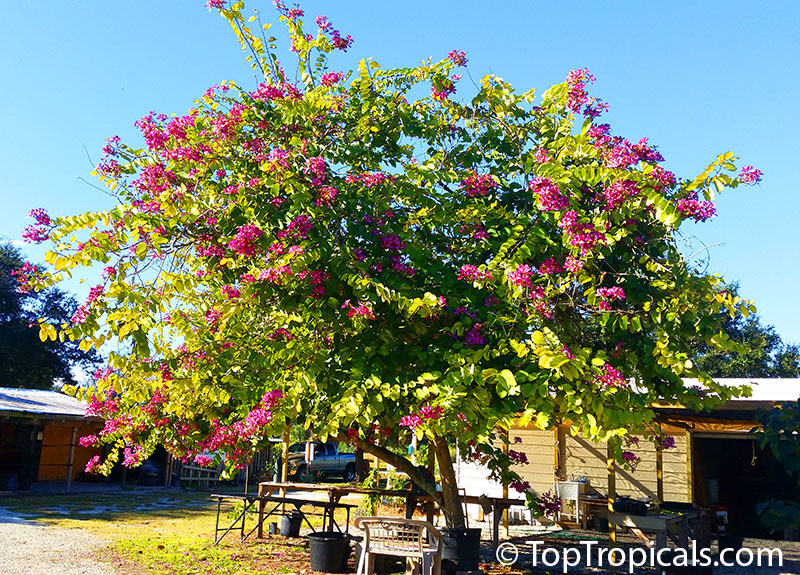
There is an excellent solution: plant a shade tree! Once fully grown, these
trees will help keep your house cooler and lower your energy expenses.
Today we are offering a special discount you can use for purchasing
trees that will keep your homes cooler in Summer and gardens warmer in Winter!
Check out Fast
Growing Shade Trees, as well as other flowering trees and fruit trees and use discount below:
GETSHADE
Your savings with this code: 5% off orders $100+ 15% off orders $150+ 20% off orders $200+
Excluding S/H. Excluding 15 gal material. Exp.
6-12-24
Bauhinia galpinii (punctata) - Pride of De Kaap, Nasturtium Orchid tree
☄️ You won’t believe this red orchid tree exists!
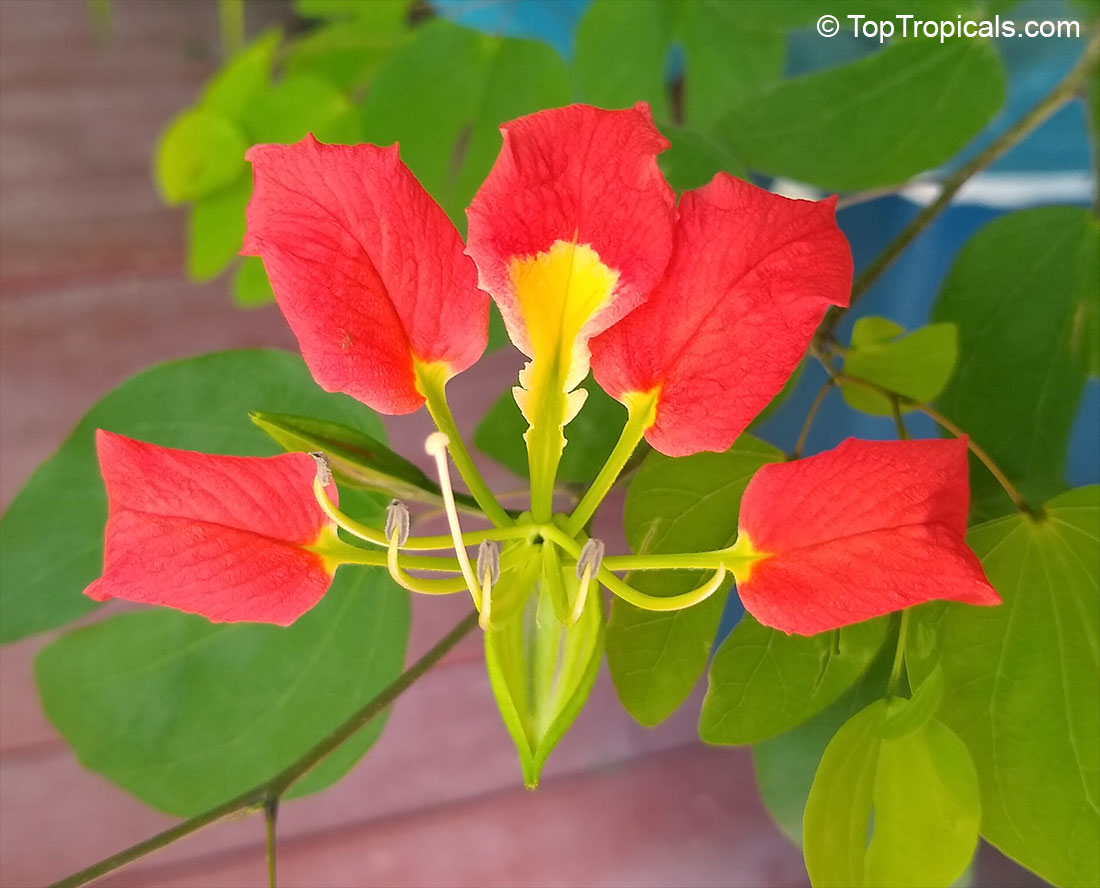
💥Bauhinia galpinii (punctata) - Pride of De Kaap or Nasturtium Orchid tree - has the most unusual color for Bauhinias. It went bold with bright scarlet flowers that look like little flames!
💥Native to South Africa, it’s a woody shrub you can shape into a small tree about 6-10 feet tall.
💥It blooms almost year-round, covering itself with clusters of fiery red blooms that butterflies can't resist. The flowers resembling those of nasturtiums, coming in clusters.
💥 As all orchid trees, it has deep green, bilobed leaves are resembling butterfly wings. Tough, sun-loving, and low-maintenance - this beauty brings a touch of Africa right into your garden.
Happy 4th of July from the tropics! Whether you're staying local or
escaping for the long weekend, it's the perfect time to enjoy your garden, start
something new, or grab that plant you've been eyeing. Red Desert Roses, white fragrant Gardenias and
Jasmines, rare Blue
Ginger - tropical blooms are showing off right now, and we are
celebrating with a hot summer sale: 20% off everything with code HAPPY4TH25,
plus extra savings on combined DEALS and
BOGO! Add some color to your summer and let your garden do the
fireworks!
Use the code below to save 20% on your entire
order:
In the photo above: Bauhinia madagascariensis, Red Butterfly Orchid Tree - dazzles with
bright red flowers striped in gold. A rare, fast-growing tropical that brings
serious color to your garden, it is one of the most striking Orchid trees you
can grow. It thrives in sun and rewards with nonstop color.
Date: 11 Mar 2026
📅 Do Not Miss: March 21
- Spring Equinox Plant Market
🍩 Saturday, March 21, 2026: 9 am - 4 pm
Sunshine: Smokey, look at me! See what I can do on my bike? I'm
practicing to give people what they like: coffee and donuts.
Smokey: You'd be perfect for a Gulf beach cafe. But gardeners don't
come here for donuts.
Sunshine: Really? Then why do they come?
Smokey: Some gardeners lost plants to the freeze. Others want trees
that will handle winter better. Cold-hardy avocados. Macadamia. Grumichama.
And some just come for fun - to see the PeopleCats. Sunshine: And my charm... and my donuts will make it more fun.
🐱King is
back on gate duty - inspecting every vehicle for proper
plant-hauling capacity.
😺Paisley
is rearranging freeze survivors and new arrivals like a design
consultant.
😼Snitch is
supervising recovery efforts from a comfortable chair.
😸Persephone
is checking under tables for "hidden spring energy."
😻Sushi and
Loki are
preparing for guided garden tours - recovery edition.
This is not just a plant market. This is the spring reset.
👍 Why You Should Come
It is finally warm in Florida. After several nights of hard freeze, some
plants survived - and some didn’t. This event is your chance to see
real freeze champions in person.
If you lost plants, you are not alone. If you are ready to plant
smarter, this is your moment.
Walk the gardens.
See proven winter survivors.
Discover cold-hardy fruit trees and resilient ornamentals.
Get practical advice about replanting after freeze. This is rebuilding -
Florida style.
♥️ What Makes This Event Special
We are featuring:
Verified freeze survivors
Cold-hardy fruit trees
Tough flowering trees and shrubs
Replacement plants for damaged landscapes
Smart layering ideas for frost-resilient gardens
You will see which species handled 25F with wind and multiple nights of
freeze - with no protection.
Real-world test. Real results.
Cold hardy fruit favorites include:
Cold-hardy Avocado varieties, including varieties, which are cold hardy
to 15-20°F: Joey, Fantastic, Mexicola, Poncho, Brogdon and more.
Botanical name: Caesalpinia mexicana Also known as: Mexican Bird of Paradise, Dwarf Poinciana
USDA Zone: 9 - 11
Highligths
🎉Event Highlights
30% OFF online prices
FREE plants with purchase
$5-10 specials
Exciting raffle prizes
🌳Don't just mow - grow!
Start your food forest, beat rising prices, and plant a future your
family will thank you for.
🌿 Friendly Reminder
Just a quick reminder before we go: Sunshine Boosters are still
shipping free.
If you were thinking about stocking up for the season, now is a
great time to do it while the offer is still active.
What tropical plants survived Floridas historic freeze without protection
Florida historic freeze
What tropical plants survived Florida's historic freeze without protection
In the first week of February 2026, arctic air pushed deep into Florida. For many areas, this was the coldest event in over a century.
We received one question over and over: How did your gardens do?
Top Tropicals Farm in Sebring, Florida is up and running - and this freeze became a real-world hardiness test for tropical and subtropical plants. Below is our initial field report after inspecting established plantings.
📊 Weather data - February 1-6, 2026
Sebring, Florida - 132 years of recorded observations
This was not a light frost. It was prolonged, windy, penetrating hard freeze.
🌡 Minimum temperature: 25F ❄️ Wind chill: 14F ⏳ Duration: 3 nights of 8-10 hour hard freeze ☀️ Daytime temperatures: around 50F for 7 days 🌀 Wind: sustained 20 mph, gusts 40-50 mph
Cold protection
In-ground trees: selected plants covered with frost cloth, especially
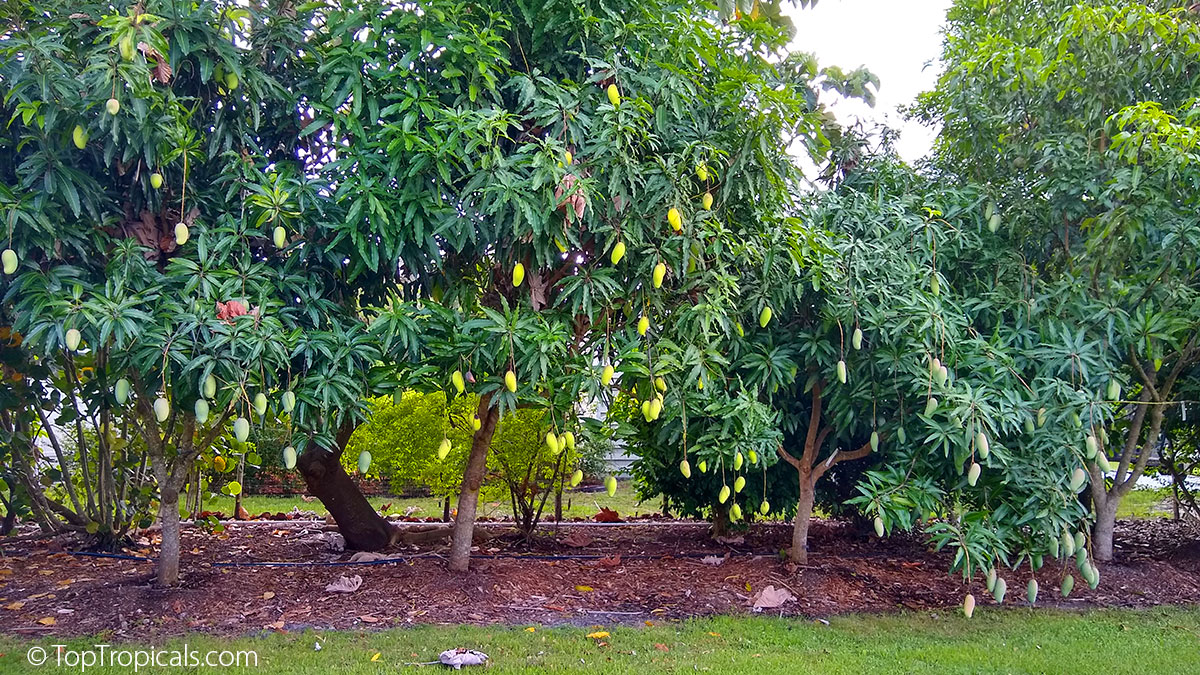
Mango Plant Facts
Botanical name: Mangifera indica Also known as: Mango
USDA Zone: 9 - 11
Highligths
mango and young
Avocado Plant Facts
Botanical name: Persea americana, Persea gratissima Also known as: Avocado, Alligator Pear, Aguacate, Abacate
USDA Zone: 9 - 11
Highligths
avocado trees. Tender container plants: moved into greenhouses with propane heat above 34F. Hardy container plants: frost cloth and wind protection only - no plastic Nutrition support: plants fertilized regularly during the growing season with Green Magic and Sunshine Boosters to maintain vigor and hardiness.
However, the plants listed below had no protection at all.
All were established trees 2-3 years in the ground.
The plants below had NO PROTECTION, established trees 2-3 years old
Botanical name: Psidium cattleyanum, Psidium littorale Also known as: Cattley Guava, Sand Plum, Strawberry Guava
USDA Zone: 9 - 11
Highligths
Eugenias (Grumichama, Rio Grande, Surinam and more)
Olive trees
Bay Leaf (Laurus nobilis)
Fig trees (Ficus carica)
Prunus sp - Peaches, Plums, Nectarines
Persimmons
Rubus (Blackberries) including Tropical Mysore Raspberry
Elderberry (Sambucus)
Yerba Mate - Ilex paraguariensis
Opuntia - Nopal Cactus, Prickly Pear
🌸 Flowering Trees and Shrubs:
Beaucarnea recurvata - Pony Tail
Ponytail Palm Plant Facts
Botanical name: Beaucarnea recurvata, Nolina recurvata Also known as: Ponytail Palm, Pony Tail, Bottle Palm, Nolina, Elephant-foot Tree
USDA Zone: 10 - 11
Highligths
Callistemon - Bottlebrush
Yucca
Tabebuias
Magnolia figo and Little Gem
Banana Magnolia Plant Facts
Botanical name: Magnolia figo, Michelia figo, Magnolia fuscata Also known as: Banana Magnolia, Banana Shrub, Port Wine Magnolia
USDA Zone: 7 - 10
Highligths
Calliandra tweedii - Red Powderpuff
Sophora tomentosa
Yellow Necklace Pod Plant Facts
Botanical name: Sophora tomentosa Also known as: Yellow Necklace Pod, Silverbush
USDA Zone: 8 - 11
Highligths
Galphimia gracillis - Thriallis
Thriallis Plant Facts
Botanical name: Galphimia gracillis, Galphimia gracilis, Galphimia glauca Also known as: Thriallis, Rain of Gold, Spray of Gold
USDA Zone: 9 - 11
Highligths
Acacia trees
Osmanthus fragrans
Tea Olive Plant Facts
Botanical name: Osmanthus fragrans, Olea fragrans, Olea ovalis, Osmanthus longibracteatus, Osmanthus macrocarpus Also known as: Tea Olive, Fragrant Olive, Sweet Olive, Kinmokusei in Japan
USDA Zone: 8 - 11
Highligths
Abutilon trees
Erythrina - several species
Monkey Ear tree - Enterolobium cyclocarpum Bauhinia Orchid Trees - several species
Pseudobombax ellipticum - Shaving Brush Tree
Shaving Brush Tree Plant Facts
Botanical name: Pseudobombax ellipticum, Bombax ellipticum Also known as: Shaving Brush Tree
USDA Zone: 9 - 11
Highligths
Bulnesia arborea- Vera Wood
Vera Plant Facts
Botanical name: Bulnesia arborea Also known as: Vera, Verawood, Vera Wood, Maracaibo Lignum Vitae
USDA Zone: 10 - 12
Highligths
Caesalpinia mexicana, Mexican Bird of Paradise
Mexican Bird of Paradise Plant Facts
Botanical name: Caesalpinia mexicana Also known as: Mexican Bird of Paradise, Dwarf Poinciana
USDA Zone: 9 - 11
Highligths
Sansevieria - Snake Plant
Foxtail fern - Asparagus densiflorus
Lonicera - several varieties
Jacaranda tree
Eucalyptus
Plumbago Imperial Blue
Philodendron bipinnatum
Gardenias
Gingers (dormant rhizomes)
✳️ Minimal leaf damage only:
(These plants showed light cosmetic damage but no structural injury)
🍑 Tropical Fruit Trees and Edibles:
Glycosmis pentaphylla - Gin Berry
Ash sheora Plant Facts
Botanical name: Glycosmis pentaphylla, Limonia pentaphylla Also known as: Ash sheora, Orangeberry, Rum Berry, Gin Berry
USDA Zone: 9 - 10
Highligths
Black sapote tree
Tamarind tree
Syzygiums: Rose Apple and Java Plum
🌸 Flowering Trees and Shrubs:
Pandora vine
Jasminum - several species
Stenocarpus sinuatus - Firewheel Tree
Firewheel Tree Plant Facts
Botanical name: Stenocarpus sinuatus Also known as: Firewheel Tree
USDA Zone: 9 - 11
Highligths
Xanthostemon
Quisqualis indica
Rangoon Creeper Plant Facts
Botanical name: Combretum indicum, Quisqualis indica Also known as: Rangoon Creeper, Burma Creeper, Chinese Honeysuckle
USDA Zone: 10 - 11
Highligths
Schotia tree
Eranthemum pulchellum - Blue Sage
Blue sage Plant Facts
Botanical name: Eranthemum pulchellum, Eranthemum nervosum Also known as: Blue sage, Blue eranthemum, Lead Flower
USDA Zone: 9 - 11
Highligths
Hiptage benghalensis - Helicopter Flower
Hiptage Plant Facts
Botanical name: Hiptage benghalensis, Hyptage bengalensis Also known as: Hiptage, Helicopter Flower
USDA Zone: 9 - 10
Highligths
🏡 What this means for Florida gardeners
This freeze was a stress test few gardens are prepared for. Yet many species handled 25F, wind, and multi-night freeze conditions without protection.
Choosing proven survivors, planting in smart microclimates, and maintaining strong plant health during the growing season makes a measurable difference.
More updates will follow as full recovery continues - but these early results already help define a stronger plant palette for future winters.