Garden Blog - Top Tropicals

Date: 27 Jan 2026

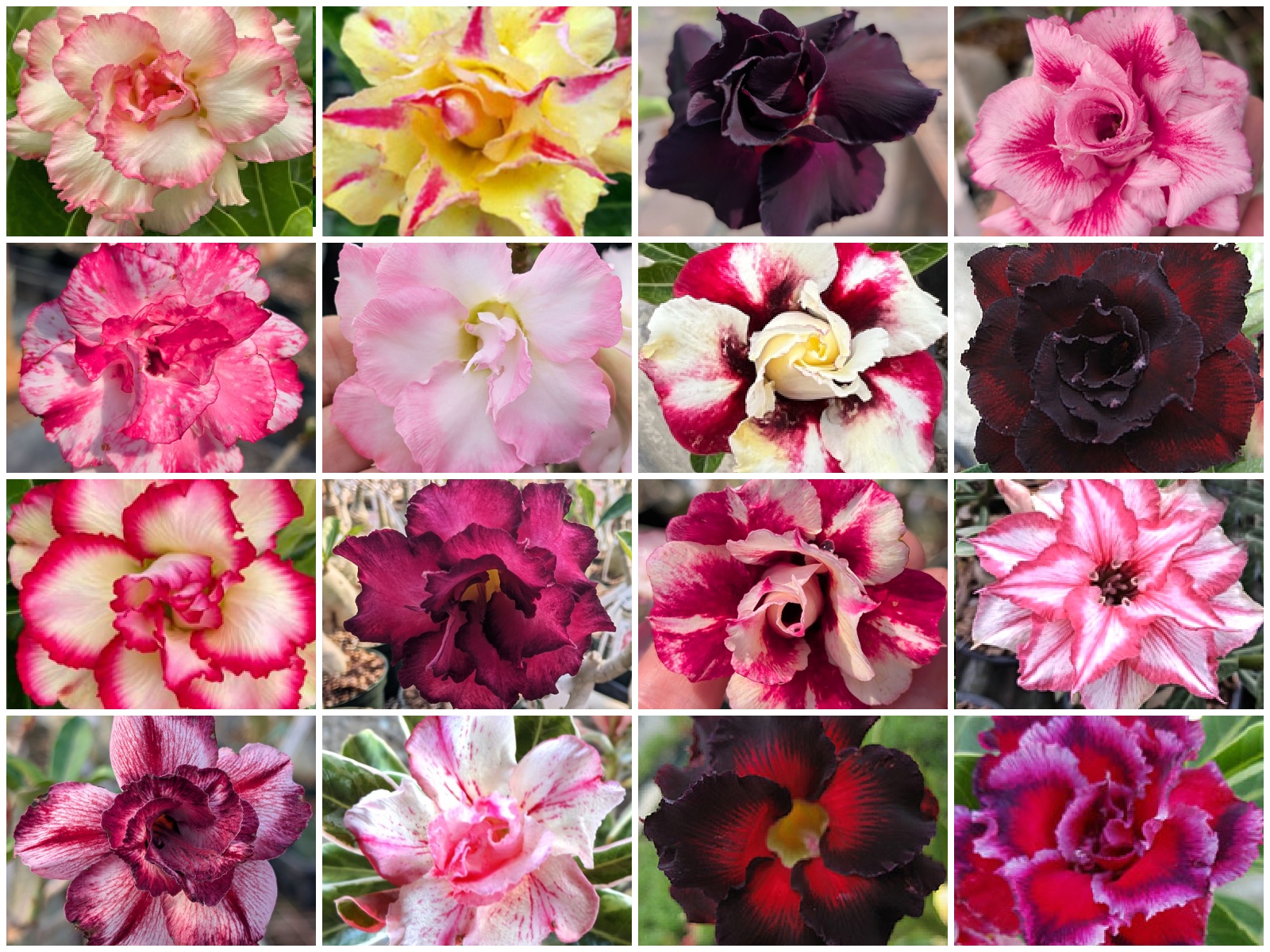
🌸 Why adenium?
  • Easy to grow in containers
  • Thrive in sun or shade, indoors or out
  • Tolerant of low humidity
  • Very low water needs
  • Forgiving plants that tolerate missed watering
  • Long-lived plants that improve with age
  • Compact size, ideal for patios, balconies, and windows
  • Form unique, sculptural caudex shapes
  • Decorative even when not in bloom
  • Produce stunning, long-lasting flowers
  • Often blooming in a few months

🌸 Adenium Care Basics

Adeniums have many spectacular hybrids, and their basic culture is closer to orchids than to typical houseplants. The key is a small pot, excellent drainage, bright light, and careful watering.

Pot and Soil

  • Use a small pot sized to the root system.
  • Excellent drainage is required.
  • Use a very well-drained mix. We recommend specially formulated for Adeniums Desert Rose Soilless Mix

Light and Blooming

  • Give lots of light for heavy flowering.
  • In warm conditions and longer days, most hybrids and species begin blooming in spring.
  • In warmer climates they can keep blooming through fall and winter.

Watering (Most Important)

  • Adeniums dislike both extremes: over-watering and drying out too often.
  • Use neutral to hard water when possible.
  • Acidic water can sour the mix quickly and may cause root rot.
  • Water in the early morning so the plant can drink through the day.
  • Watering frequency can range from daily to every few days, depending on heat, light, and how fast the mix dries.
  • Never let the pot sit in a saucer of water.
  • Do not let the plant dry out too often, or it may go into early dormancy.
  • Do not wet the leaves.

Fertilizer (Caudex + Flowers)

  • To build a large swollen base/trunk (caudex), use a good quality fertilizer.
  • A fertilizer that helps trunk swelling also supports flowering. The best choice for this is Sunshine Megaflor.
  • Avoid fertilizers that are too high in nitrogen; choose a formula where the middle number is the highest.
  • Never apply fertilizer directly on roots.
  • Do not liquid feed a thirsty plant.
  • Always water lightly first, then feed, to avoid root burn and leaf drop.

The Caudex "Secret" (Shaping the Base)

  • At each repotting, lift the plant slightly so the upper roots are a little exposed.
  • This encourages new roots to grow downward and helps create a thicker, more interesting caudex shape.

Multi-Grafted Plants (Important Note)

  • Adenium hybrids can be multi-grafted with several colors/varieties on the same plant.
  • The swollen base forms only when the rootstock plant is grown from seed.

✍️ Adenium FAQ

How much light do Adeniums need?

Adeniums need lots of light for heavy flowering. Most hybrids and species start blooming when conditions are warm and days get longer, and in warmer climates they can keep blooming through fall and winter.

What is the best pot size for Adeniums?

Use a small pot sized to the root system, with excellent drainage. A small pot with excellent drainage is a must.

What kind of soil mix should I use?

Use only a well-drained mix. Adeniums do best in very well-drained soil. A small pot plus excellent drainage is the foundation of success.

How often should I water Adeniums?

Adeniums do not like both over-watering and drying-out too often. Water preferably in the early morning and do not water again until the mix dries on the surface. Watering can range from daily to every few days depending on heat, light, and how fast the mix dries.

Can Adeniums sit in a saucer of water?

No. Never allow your Adenium to sit in a saucer of water.

Should I wet the leaves when watering?

No. Do not wet the leaves.

What kind of water do Adeniums prefer?

Adeniums prefer neutral to hard water. Acidic water tends to sour the soil too fast and may cause root rot.

How do I create a large, swollen caudex?

At each repotting, lift the plant slightly so the upper parts of the roots are a little exposed. This encourages the plant to form more roots that grow downward and helps create a thicker, more interesting caudex.

What fertilizer should I use for caudex growth and blooms?

Use a good quality fertilizer to support both trunk swelling and flowering. Avoid formulas that are too high in nitrogen; the middle number should be the highest. Never apply fertilizer directly on roots, and do not liquid feed when the plant is thirsty. Water lightly first, then feed, to avoid root burn and leaf drop.

Can an Adenium have multiple flower colors on one plant?

Yes. Adenium hybrids can be multi-grafted with several colors or varieties on the same plant. Note that the swollen base forms only when the rootstock plant is grown from seed.

✍️ Learn About Adeniums

🎥 Watch Adenium Videos

🛒 Shop Adeniums
Date: 7 Feb 2026

How to grow an Avocado tree on your patio

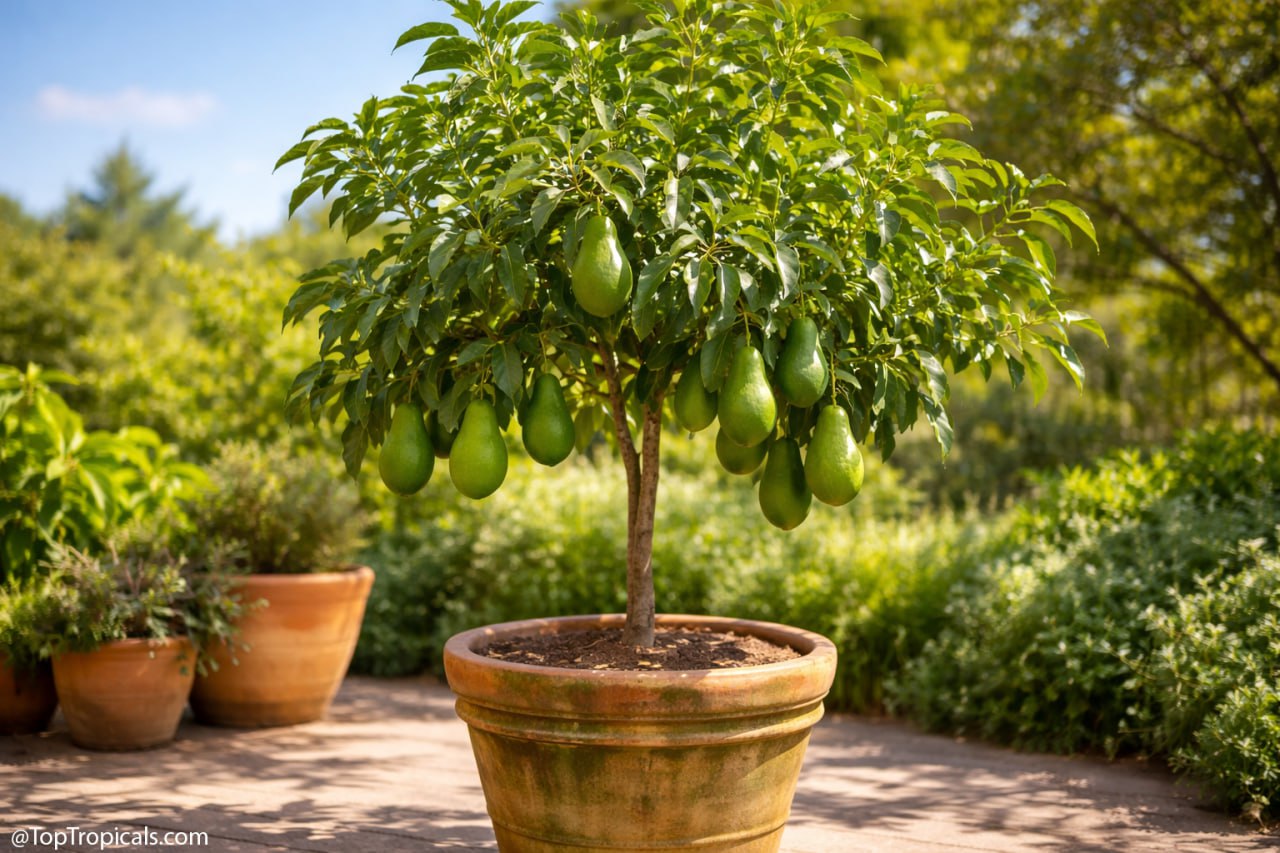
Avocado tree fruiting

Avocado tree fruiting

Yes, you can grow an Avocado tree on your patio - here is how to do it right

  • If you would love to grow your own avocado but don’t have a big yard, good news - avocado trees can grow very well in containers. Compact or dwarf varieties, often called condo avocados, are especially suited for pots, patios, balconies, and even indoor growing near a sunny window.
Growing avocados in pots is also a smart choice in cooler climates, since you can move the tree indoors when temperatures drop. With the right variety and basic care, potted avocado trees are easy to manage.
  • Pick a compact avocado variety


    Choosing the right variety is the most important step. Standard avocado trees grow very large, but condo or compact varieties stay much smaller and adapt well to containers.
    Good choices for pots include:

· Wurtz (Little Cado) - a true dwarf, perfect for containers
  • · Fuerte - a semi-dwarf that stays manageable with pruning
  • · Joey - naturally compact and easy to keep smaller
Dwarf avocado trees usually grow 6 to 10 feet tall. Fruit size is normal, but yields are smaller than on large trees.
  • Choose the right pot


    Start with a pot about 12 inches wide (around 5 gallons). This size is easier to water correctly and helps prevent root rot. Avoid planting a small tree into a very large pot too soon.
    As the tree grows, move up gradually. A mature potted avocado will need an 18- to 24-inch container. Repot every couple of years when roots show through drainage holes.
    Always use a pot with excellent drainage.
  • Use well-draining soil


    Avocados love water but hate wet feet. Use a loose, fast-draining mix, such as Abundance Professional Soilless Mix. You can improve drainage by adding perlite or coarse sand. Avoid heavy garden soil.
    Water deeply, but not too often.
    Water thoroughly, then let the soil dry before watering again. Always check moisture first. In summer, watering may be needed once or twice a week; in cooler weather, much less.
    Overwatering is the fastest way to kill a potted avocado.
  • Give plenty of sun


    Avocado trees need at least 6 to 8 hours of full sun daily. Outdoors is best, but indoors place the tree near a bright south- or west-facing window. Grow lights can help if light is limited.
  • Fertilize and prune


    Feed during the growing season with a balanced fertilizer such as Green Magic (every 6 months) or liquid Sunshine Boosters (safe to use with every watering, year-around). Prune lightly to keep the tree compact and well-shaped.
  • Protect from cold


    Most Avocados are sensitive to hard freeze. When temperatures drop below 35F, move the pot indoors or into a protected space. Reduce watering in winter as growth slows.
    Cold hardy varieties can take cooler temperatures down to 18F once established. For example, Joey is both cold hardy and dwarf - perfect choice.
  • Final thoughts


    Growing an avocado tree in a pot is practical and rewarding. With good drainage, sun, careful watering, and the right variety, you can enjoy homegrown avocados even without a yard.
    Small space? No problem. Just think condo avocado. According to Southern Living, Lemons can be grown in pots - and so can Avocados!


✔️ Check out
Avocado Variety Guide interactive chart. Sort them by flower type A or B, tree habit, fruit shape and quality, cold hardiness, origin, season and more!

🛒 Explore Avocado varieties and Dwarf Avocado

📖 Our Book: Avocado Variety Guide, Snack or Guacamole?

📚 Learn more:

Plant Facts

Persea americana, Persea gratissima
Avocado, Alligator Pear, Aguacate, Abacate
USDA Zone: 9-11
Large tree taller than 20 ftSmall tree 10-20 ftFull sunRegular waterEdible plantSubtropical plant. Mature plant cold hardy at least to 30s F for a short time


🎥 What is a Dwarf Condo Avocado that fruits at 3 ft tall? 📱

#Food_Forest #Avocado

🟢 Join 👉 TopTropicals

Date: 12 Mar 2026

How to learn the secret meanings behind Thai flower names

Cats Smokey and Sunshine in Thai Adenoium garden

Cats Smokey and Sunshine in Thai Adenoium garden

How to learn the secret meanings behind Thai flower names 🔮

If you have ever looked at names of Adeniums or Plumerias from Thailand, you may have noticed something interesting. Many of them sound poetic, mysterious, or even magical. That is not accidental.
Thai plant breeders often give their hybrids meaningful names connected to jewels, wealth, beauty, and mythology. Instead of simple numbers or codes, the plants receive names that sound like something from a legend - Jade Swan, Golden Lotus, Rainbow Diamond.

Once you learn a few common Thai words, these names suddenly start to make sense. It is almost like decoding a secret language of flowers.
Below are some of the most common words you will see in Thai plant names.

🔠 Glossary of common Thai words used in plant names


Gems and precious stones 💎

Anyamanee - precious jewel or rare gem.
Gaew / Kaew - crystal or glass-like jewel.
Manee - jewel or gemstone. A classic word in elegant Thai names.
Noppakao - nine gems, a symbol of royal power and prosperity.
Petch - diamond. Symbol of brilliance and beauty.
Ploy - gem or precious stone. Often used for plants considered rare or jewel-like.
Yok - jade.

Wealth, luck, and prosperity 💰

Boon - merit, blessing, good karma.
Chok - luck or good fortune.
Kanjana / Kanjamapon - golden or noble.
Mongkol - auspicious or lucky.
Paruay / Pa Ruay - to become wealthy or prosperous.
Ramruay - to become rich or prosperous.
Sap / Sab - wealth or treasure.
Sedthee - wealthy person.
Tawee / Taweechok - to increase or multiply.
Thong - gold.
Yod - the best, the peak, or the finest.

Mythology and cultural symbolism 🐉

Bua - lotus.
Chai / Chai Lai - victory or triumph.
Hassadee - derived from the mythical Hatsadiling, an elephant-bird creature in Thai mythology.
Hong - mythical swan or phoenix.
Jai - heart or spirit.
Maha - great or grand.
Moradok - heritage, treasure, or legacy.
Orathai - heart of Thailand or beloved Thai.
Pratum / Pratuma - lotus blossom.
Siam - Thailand, the historic name of the country.

Colors and visual descriptions 🎨

Chompoo - pink color.
Lai - patterned or striped.
Lueng - yellow.
Moung / Muang - purple color.

Nature and poetic imagery

Chaba - hibiscus flower.
Dao - star.
Doung - heart, soul, or central essence.
Fah - sky. Example: Sai Fah - sky-colored.
Nam - water.
Namwhan - sweet water or sweetness.
Natee - river or flowing water.
Sai - thread, line, or ray.
Sairung - rainbow.
Sang Aroon - dawn or sunrise.
Suree - sun or sunlight.

🌸 Examples of plant names built from these words


Once you know the meanings, the names start to read like short poems.

Hong Yok - Jade Swan
Ploy Nappan - Celestial Jewel
Thong Hassadee - Golden Mythical Elephant
Ped Sairung - Rainbow Diamond
Som Paruay - Golden Prosperity
Sai Fah - Sky Blue
Pratum Thong - Golden Lotus
Ramruay - Becoming Rich
Chok Dee - Good Luck
Thong Yod - Peak of Gold

You will see these words frequently in the names of Thai-bred Adeniums, Plumerias, Orchids, and other tropical flowers. Once you recognize them, plant names become much easier - and more fun - to understand.

🛒 Explore Exotic Thai Adeniums

📚 Learn more:


#Container_Garden #Adeniums #Horoscope #How_to #Discover

🟢 Join 👉 TopTropicals

Date: 7 Mar 2017

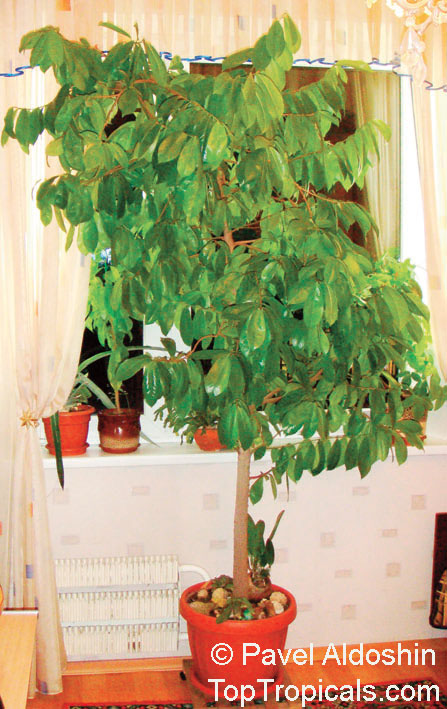
Taking care of Guanabana (Soursop) after shipping

Q: Since I have never grown a soursop tree before I need some pro help. My tree was delivered absolutely beautiful, leaves were a pretty green. I potted it and gave it a good drink of water and put it in a shaded area outside. Then the weather here became cool so I brought it in for a few days until the weather warmed, and it lost all the leaves. Is it in shock and will come around eventually? Will I be able to grow this tree indoors during winter?

A: Soursop - Annona muricata trees are very sensitive to temperature drops. This always causes leaf loss. You seem to be doing everything right. Do not water until soil gets slightly dry; keep it in bright shade. The weather should be good now with high temperatures and humidity rising. No fertilizer until the plant shows active new growth. Be patient with your plant, it should recover soon.

Soursop is an ultra-tropical tree and doesn't take any freeze. If you live in cooler climate, keep the plant in a pot (the good news is, Annonas in general have compact nature and are perfect for container culture). Bring the tree indoors during cold period, providing bright light.

Remember that grafted trees start flowering and producing fruit right away, unlike seedlings of Soursop that may take a few years till fruiting.

We have very interesting article about growing and fruiting Soursop in apartment. Check out Tropical Treasures Magazine #7.

Date: 8 Aug 2016

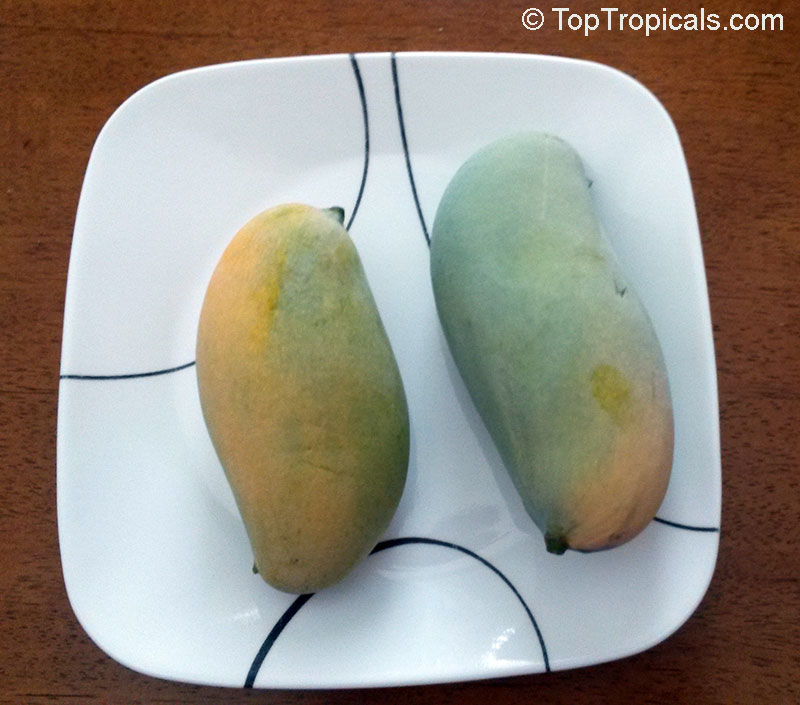
Growing mango in hot Arizona

By Mike D, Mesa, AZ. Despite to what you may think, mango can be successfully grown in desert Arizona climate. It has good heat and drought tolerance. It's possible providing the following:
1) Winter protection of a young plant when temperature goes around or below freezing. Try to plant trees in locations where they're protected from cold wind. Minimal temperatures vary widely. Areas which are closer to downtown are few degrees warmer, while outskirts can be very cold.
2) Some people are lucky enough to live in areas with good soil. However, most of us will have a so-called hardpan (extremely compacted desert) or caliche (layers of soil cemented together by calcium carbonate). Check with your local county extension office to determine how to deal with such conditions. Gypsum is usually used to loosen compacted soil.
3) When planting, dig a large hole making sure it has good drainage. Plant tree as usual, add mulch around it. It helps to conserve moisture.
4) Best time to plant is late Fall or early Spring, so mango can get established before Summer heat.
5) Plant where tree gets few hours of sun.
5) Water a lot until established. Once established, water when soil is dry.
6) Small plant may need protection from summer heat. Use shade cloth.
7) Mango requires very little nitrogen fertilizer. In hot climate, overdosing nitrogen may result in quick plant decline. Use balanced low nitrogen slow release fertilizer or avoid nitrogen completely. If you use mulch, then decomposing mulch provides enough nitrogen. Foliar spray of micronutrient solution is recommended during active growing period. Read more...