Garden Blog - Top Tropicals

Date: 5 Feb 2022

Easy Sunday Morning Deals: Fried Egg Tree and Giant Mafafa
Saving on your favorite plants is Easy.
Easy like Sunday Morning...


It's time for our favorite day and another Easy stroll through Top Tropicals Garden with savings of

up to 50% and MORE!

Fried Egg Tree and Giant Mafafa

How do you like your eggs for Sunday breakfast, sunny side up or over easy? We have an amazing Sunny flower for you that is Easy to get today - with Easy Sunday Morning Deals. And yet another plant that is not only amusing, but also edible and nutritious...

Fried Egg Tree

- Oncoba spinosa -
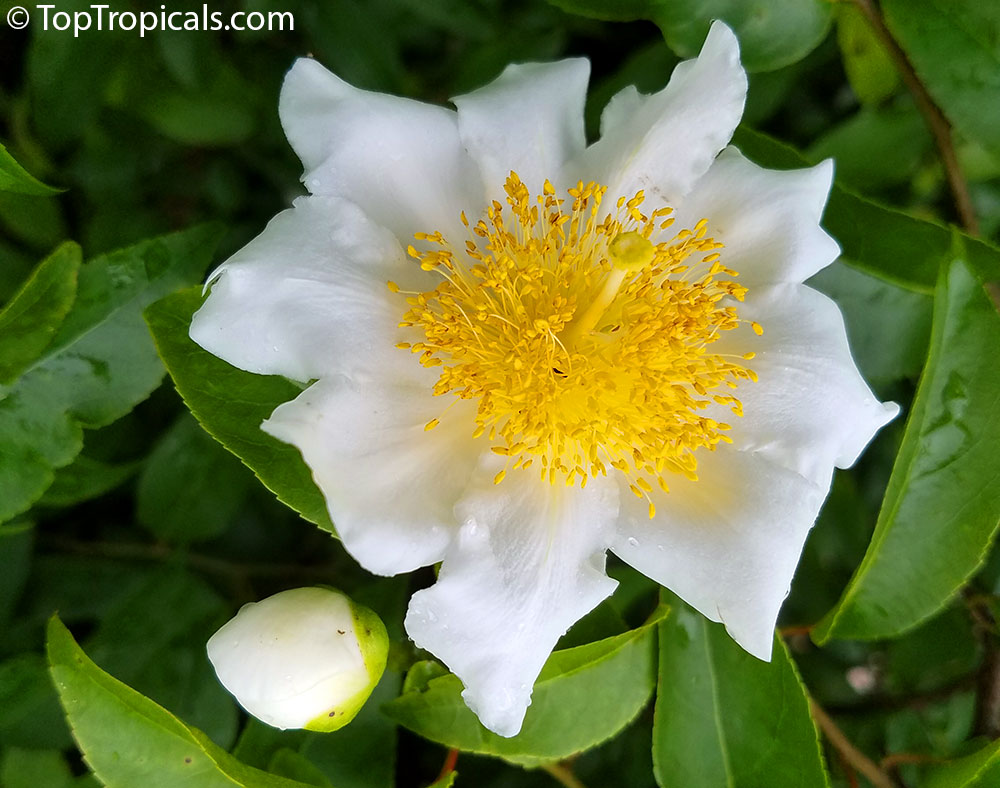
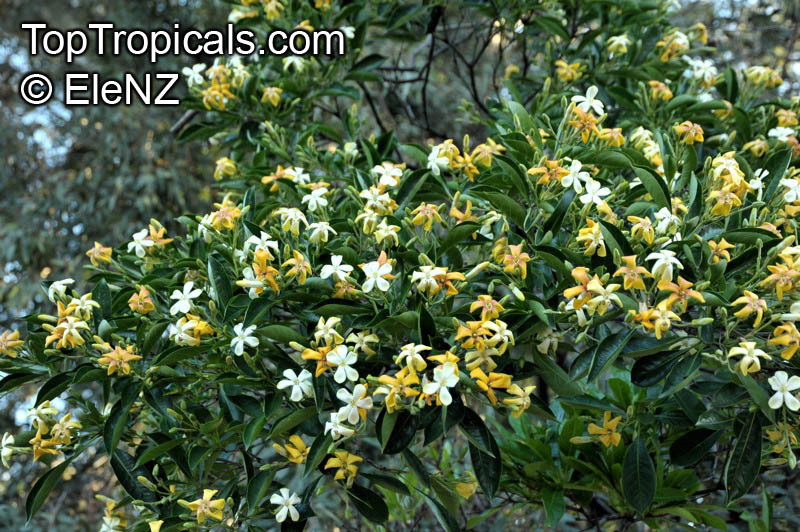
Oncoba spinosa - Fried Egg Tree, has beautiful white and yellow camellia-like flowers look like 'fried eggs'! Flowers are honey-sweet fragrant and attract butterflies and bees. The fruits have a sour, edible pulp.

Taro Root, Mafafa

- Colocasia Thailand Giant -

This Taro has the biggest leaf on planet, it is a conversation piece in every garden. Grown as a root vegetable for its edible starchy corm, and as a leaf vegetable. The corms are roasted, baked or boiled, and the natural sugars give a sweet nutty flavor. The starch is easily digestible, and since the grains are fine and small it is often used for baby food. The leaves are a good source of vitamins A and C and contain more protein than the corms.

Both plants are large and developed, grown in 2-3 gal pots, regularly $42.95 each,
on Easy Sunday sale for only $21.95!

Combine the two and save even more!
2 plants total price: Reg. $85.95 - Easy Sunday Deal: $39.95

Remember, the Easy Sunday Deal expires on Monday February 7th.

Date: 24 Jul 2019

Plants that are not for eating

Q: On the website, it says that the pua keni keni tree is toxic. Do you know how toxic? Is it mild irritation or can someone die from ingesting any part of the plant?

A: Pua Keni Keni, Fagraea - seeds (and especially flesh of the fruit) are toxic, so we recommend to always wash your hands after handling them. Obviously, nobody in our team ever tried to eat them to check how toxic they are and if they are deadly.

In general, one must be careful when using plants for purposes other than ornamental growing, especially for consumption. While some obvious edibles (cultivated fruit, vegetables, herbs) are generally safe, but some individuals may have severe reactions - for example, many people are allergic to mangoes; other people may be sensitive to only mango leaves.

A number of plants that have parts commonly consumed for food, have other parts toxic or poisonous. Example: Potato - Solanum tuberosum - has edible tubers feeding the whole planet population, but this plant's fruit is highly toxic and even deadly if eaten. Fruit from a Potato plant look like tiny little green tomatoes since Potato belongs to the same family as Tomato - Nightshade, but it is super poisonous, while Tomato fruit is perfectly edible. So one must watch out and especially educate little children about not tasting anything directly from the garden.

As far as animals concern, in Nature they know what is poisonous and what is edible. Have you ever seen dead birds around a tree with poisonous fruit/seeds? Animals have their own sense for it. So if your concern is for pets, it is normally safe to have pets around plants with irritating or even poisonous parts. However, if your dog has a bad habit of chewing on stuff, you may use extra caution there.

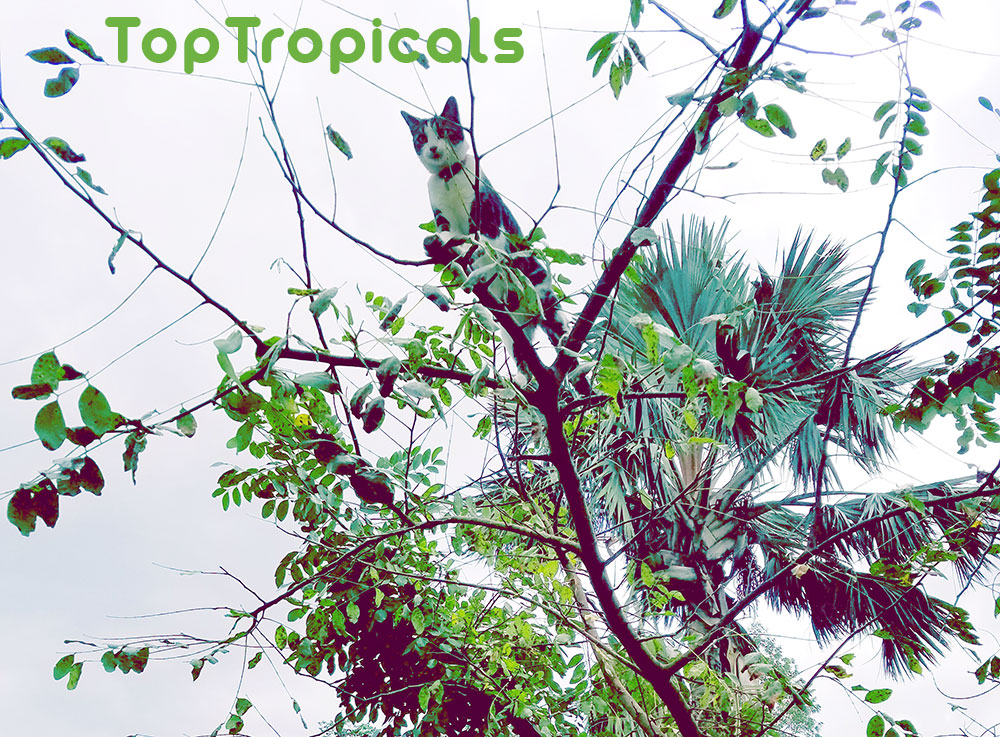
Photo below:

Riki-Tiki-Tavi exploring TopTropicals Gardens.

Date: 9 Nov 2025

Edible cactus with health benefits that your tortoise will love too

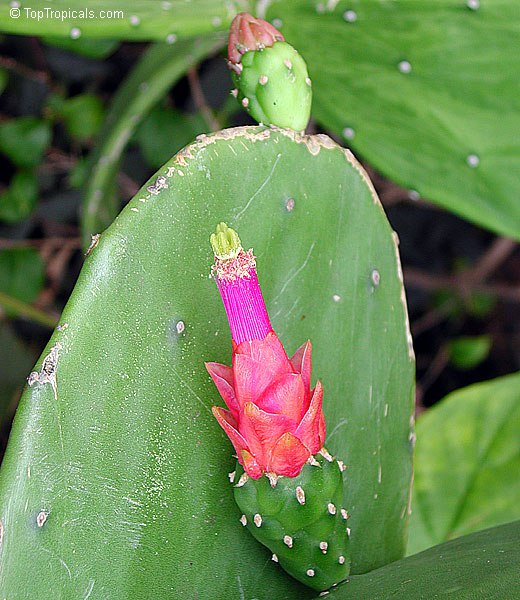
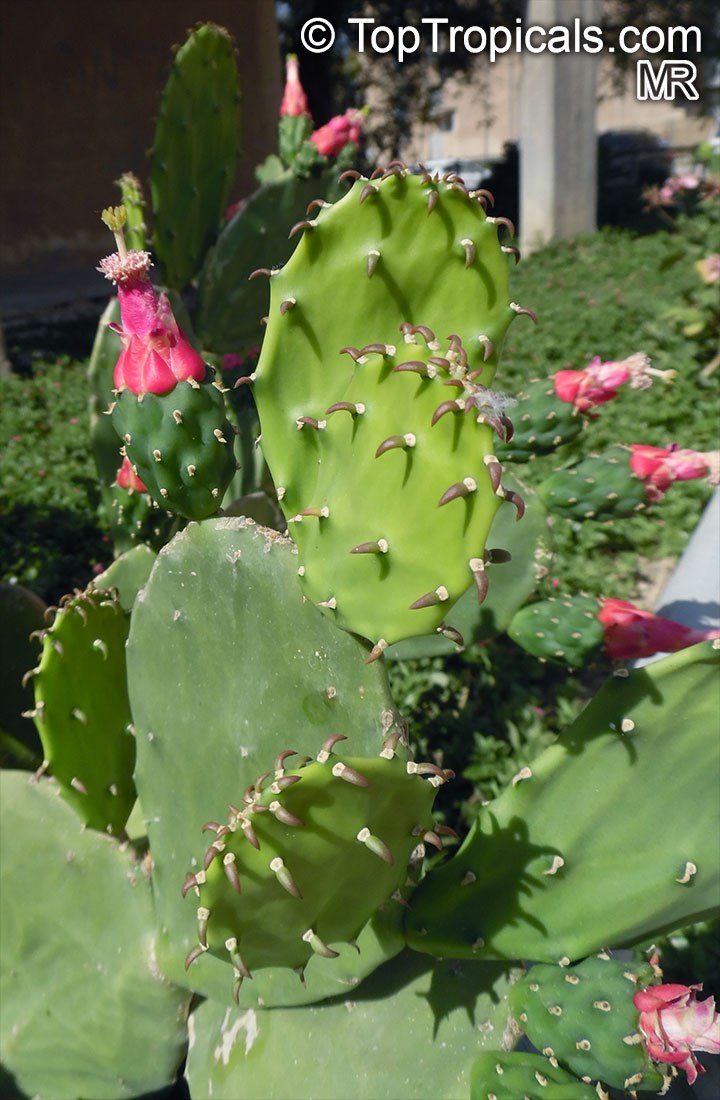
Opuntia cochenillifera - Velvet Nopal Cactus, Nopales, Prickly Pear, leaves and flower

Opuntia cochenillifera - Velvet Nopal Cactus, Nopales, Prickly Pear, leaves and flower

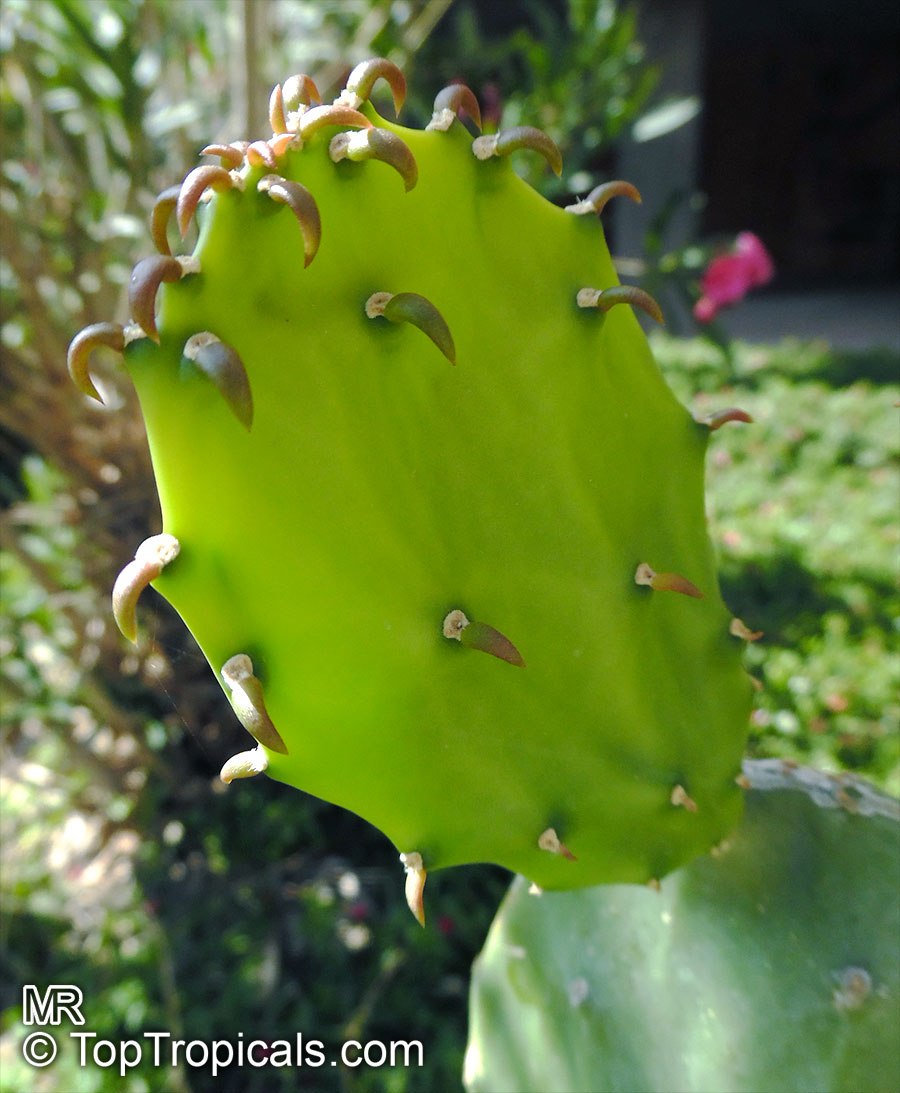
Opuntia cochenillifera - Velvet Nopal Cactus, Nopales, Prickly Pear, leaves

Opuntia cochenillifera - Velvet Nopal Cactus, Nopales, Prickly Pear, leaves

Opuntia cochenillifera - Velvet Nopal Cactus, Nopales, Prickly Pear, leaves and flowers

Opuntia cochenillifera - Velvet Nopal Cactus, Nopales, Prickly Pear, leaves and flowers

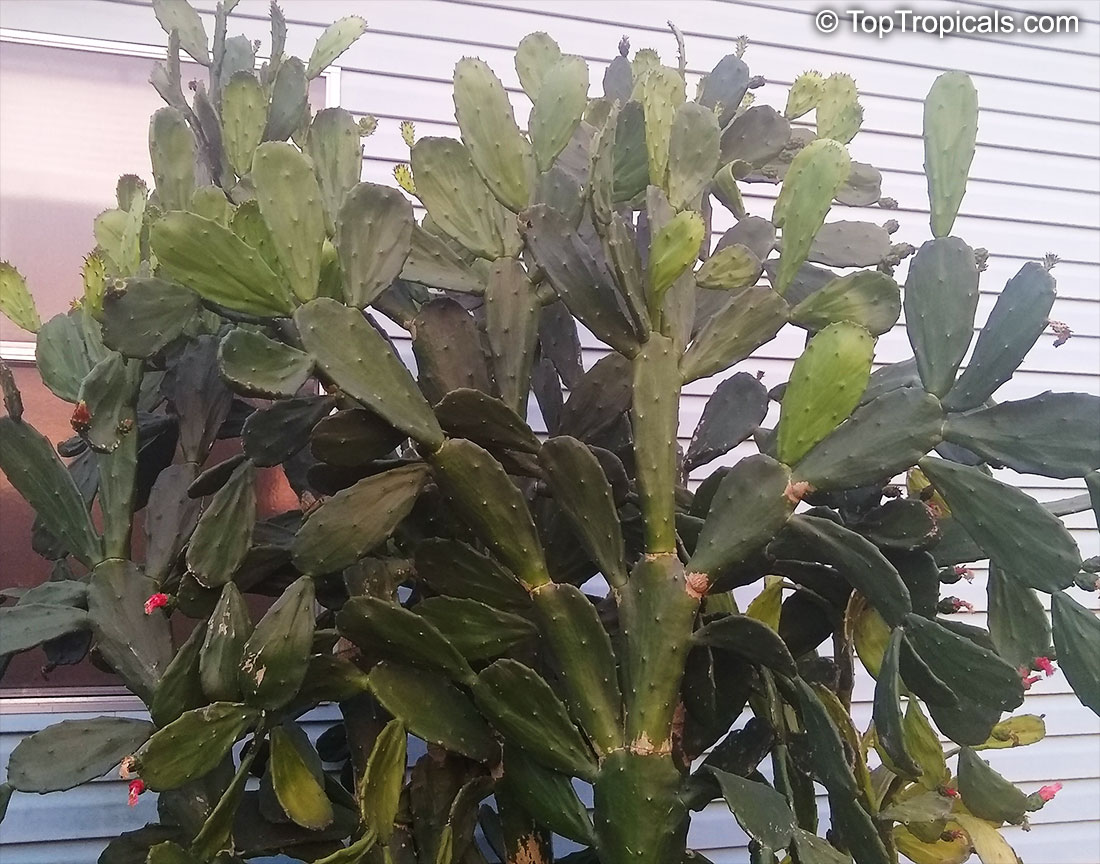
Opuntia cochenillifera - Velvet Nopal Cactus, Nopales, Prickly Pear, large plants

Opuntia cochenillifera - Velvet Nopal Cactus, Nopales, Prickly Pear, large plants

🐢 Edible cactus with health benefits that your tortoise will love too

  • 🌵 Opuntia cochenillifera - Velvet Nopal Cactus, Nopales, Prickly Pear - is one of the most useful and forgiving cactus species you can grow. Unlike most desert cacti, this one thrives even in humid tropical climates like Florida, making it one of the few rain-tolerant cacti that actually loves moisture. Fast-growing and ornamental, it produces bright red flowers and makes a beautiful, low-maintenance landscape plant that thrives in heat, drought, and even neglect.
  • 🌵 Prickly Pear is a very valuable edible, used as a vegetable with impressive medicinal properties. The young pads, called nopales, can be stir-fried or sauteed with onions and garlic for a tangy, nutrient-rich side dish.
  • 🌵 In Hispanic cooking, this plant is known simply as Nopal or Nopales – a traditional ingredient used in dishes like ensalada de nopales (nopal salad), nopales con huevo (eggs with cactus), and nopales asados (grilled cactus).
  • 🌵 Regularly eating Nopales has been linked to improved blood sugar control, and many people who include it in their diet report significant help in managing diabetes.
  • 🌵 Nopales is also a favorite treat for tortoises and other herbivorous pets. Its smooth, spineless pads are packed with hydration and nutrients, making it a safe, natural food source.
  • 🌵 So, this is not just a cactus - it’s a food, medicine, and ornament all in one. Tough, beautiful, and endlessly useful!


🛒 Plant your own food and pharmacy Nopales

#Food_Forest #Remedies

🟢 Join 👉 TopTropicals

Date: 6 Dec 2025

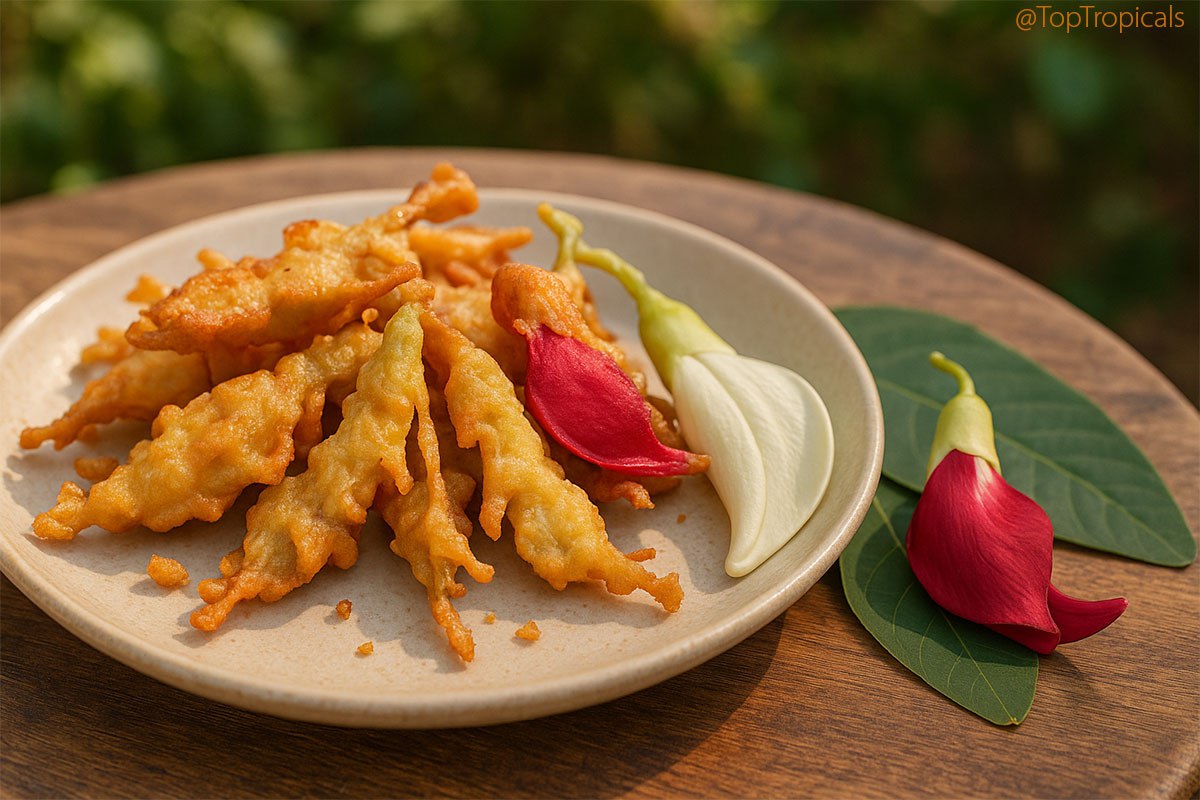
Sesbania flower fritters: quick-n-fun exotic recipes

Sesbania flower fritters: quick-n-fun exotic recipes Sesbania flower fritters: quick-n-fun exotic recipes Sesbania flower fritters: quick-n-fun exotic recipes

🍴 Sesbania flower fritters: quick-n-fun exotic recipes

🔴Delicate, floral, and fun to snack on.

Sesbania Flower Fritters

Ingredients

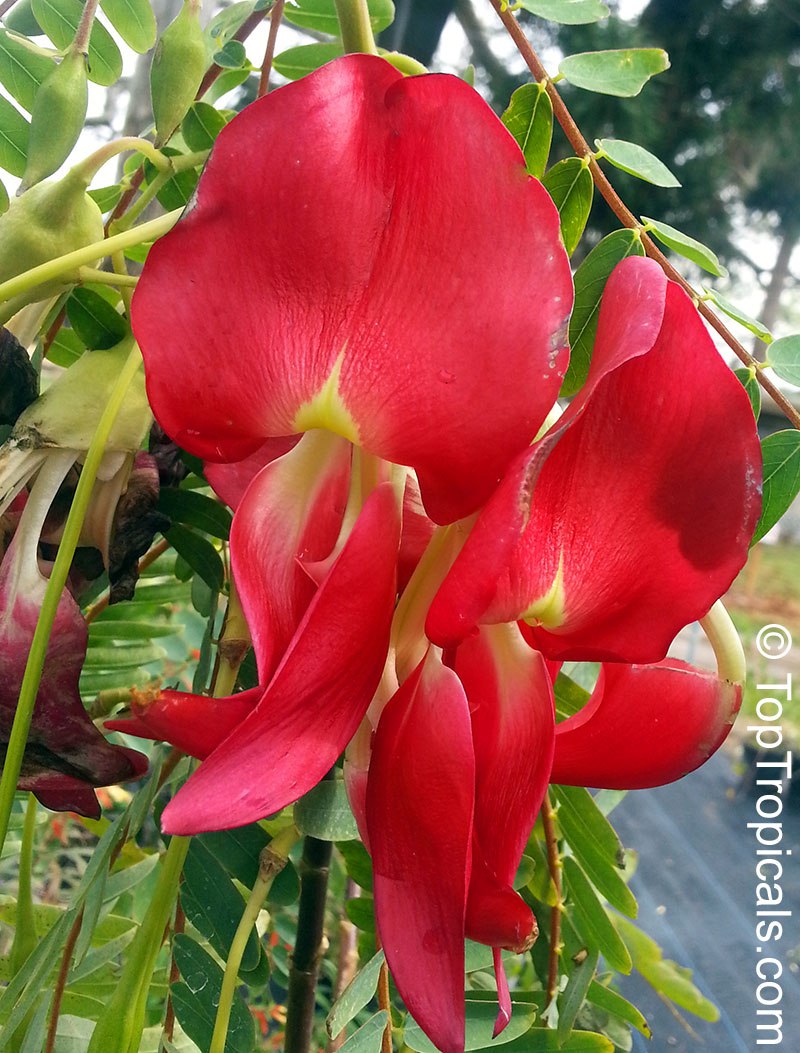
  • 1 cup fresh Sesbania flowers (Sesbania grandiflora), washed and trimmed
  • 1/2 cup all-purpose flour
  • 1/2 cup cold water
  • 1/4 teaspoon salt
  • Oil for frying

Instructions

  1. Rinse Sesbania flowers thoroughly and remove tough stems.
  2. In a bowl, mix flour, salt, and cold water to form a light batter.
  3. Heat oil in a pan over medium heat.
  4. Dip each flower into the batter, letting excess drip off.
  5. Fry until golden and crisp, about 1-2 minutes per side.
  6. Remove and drain on paper towels. Serve warm.

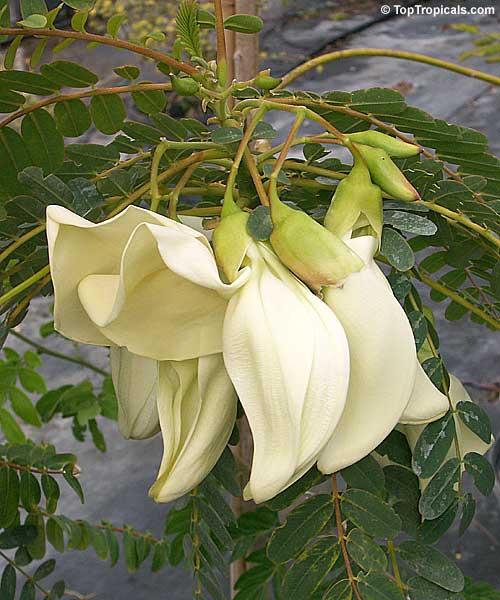
🛒 Add Hummingbird tree edible flowers tree to your garden

📚 Learn more:


#Food_Forest #Recipes

🟢 Join 👉 TopTropicals

Date: 19 Jan 2026

You dont need to buy Gin any more!

Gin Berry, Glycosmis pentaphylla, Orangeberry, Limonia

🍸 You don't need to buy Gin any more!
  • 🍸Guess what is this fruit that tastes like Gin - it's Gin Berry, Glycosmis pentaphylla. It's also called Orangeberry, or Limonia, and is one of those plants that surprises people the moment they touch it. Crush a leaf or rub one of the ripe berries, and the scent is unmistakable - fresh, citrusy, pure gin! Just add tonic.
  • 🍸 Why the berries smell like gin?


    The leaves and berries are packed with aromatic oils rich in citrus terpenes, similar to compounds found in juniper and citrus peel. That shared chemistry is what creates the gin-like fragrance. It smells clean, sharp, and refreshing - more aroma than sweetness.
  • 🍸 A lesser-known citrus cousin


    Gin Berry belongs to the Rutaceae family, the same plant family as oranges, lemons, limes, and Curry leaf. You can see it in the glossy leaves and smell it in the oils, but the growth habit is different. Instead of becoming a tree, Gin Berry stays a compact, evergreen shrub.
  • 🍸 Edible, but fragrance-forward


    The small berries are edible and lightly sweet-tart, though most people notice the aroma before the flavor. In parts of South and Southeast Asia, the fruit is eaten fresh, added to chutneys, or used to scent drinks and infusions. It is subtle and aromatic rather than juicy.
  • 🍸 Traditional uses and health benefits


🔸Gin Berry has a long history in folk medicine, especially in in Hindu medicine.
  • 🔸Leaves used in teas for digestion and fevers
  • 🔸Roots traditionally used for inflammation and pain
  • 🔸Modern studies note antimicrobial and antioxidant activity


🍸 Easy garden and container plant

  • 🔸Evergreen shrub with shiny leaves
  • 🔸Naturally compact and easy to prune
  • 🔸Small white flowers with a light fragrance
  • 🔸Clusters of decorative berries
  • 🔸Excellent for pots, patios, and warm climates
  • 🔸Attracts pollinators, and birds enjoy the berries.


🍸 Why Gin Berry stands out


Gin Berry sits right between ornamental and edible. It has the citrus-family fragrance people love, stays manageable in size, and offers a unique sensory experience that most gardeners have never seen - or smelled - before.

🛒 Add Gin Berry to your rare fruit collection

#Food_Forest #Fun_facts #Remedies

🟢 Join 👉 TopTropicals