Date: 24 Mar 2024
Bauhinias: trees with Orchid Flowers
and Butterfly Wings...
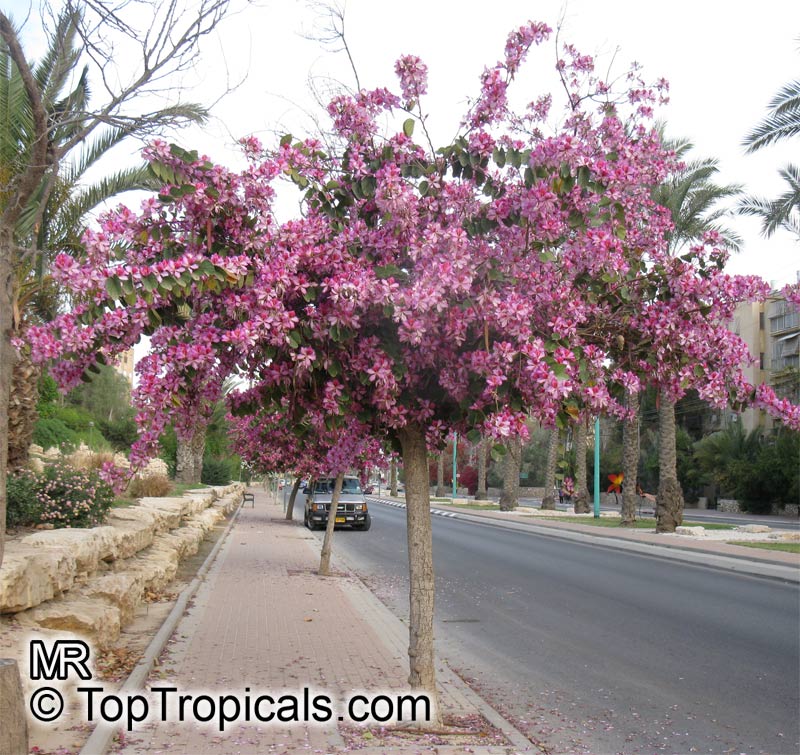
Photo above: Bauhinia variegata - Purple Orchid Tree, one of the most spectacular varieties.
Q: We just moved to Florida and I see these beautiful trees with large purple flowers. I was told these are Orchid trees, do you have them?
A: Bauhinias, commonly known as Orchid trees, are renowned for their captivating flowers and unique foliage. These trees typically grow to a moderate height of 15-25 feet with a spread of 10-15 feet, showcasing a rounded to vase-like shape. Thriving in hardiness zones 9-11, they exhibit resilience to heat and can withstand mild frost. There are over 300 species of Bauhinia, which are distributed in tropical and subtropical areas. These species vary in characteristics such as size, foliage, and flower color, contributing to the diversity and appeal of this genus. You can find them as trees, shrubs, and even vines.
Bauhinias are evergreen (in tropics) to semi-deciduous (in cooler climates), offering year-round beauty with intermittent blooming cycles. The peak bloom time varies depending on the species and location, often occurring in late winter to early spring, bedecking the tree with striking orchid-like flowers in hues ranging from white and pink to purple and red. The flowers boast delicate petals with intricate patterns, resembling the elegance of true orchids.
One of the distinguishing features of Bauhinia leaves is their unique bi-lobed or bilobed structure, which gives them a distinct appearance. The leaves are deeply divided, typically into two lobes or halves, hence the common name "Butterfly tree" due to their resemblance to butterfly wings. This characteristic is often used as an identifying trait for Bauhinia species. The bilobed leaves add to the visual appeal of the tree, contributing to its ornamental value in addition to its beautiful flowers.
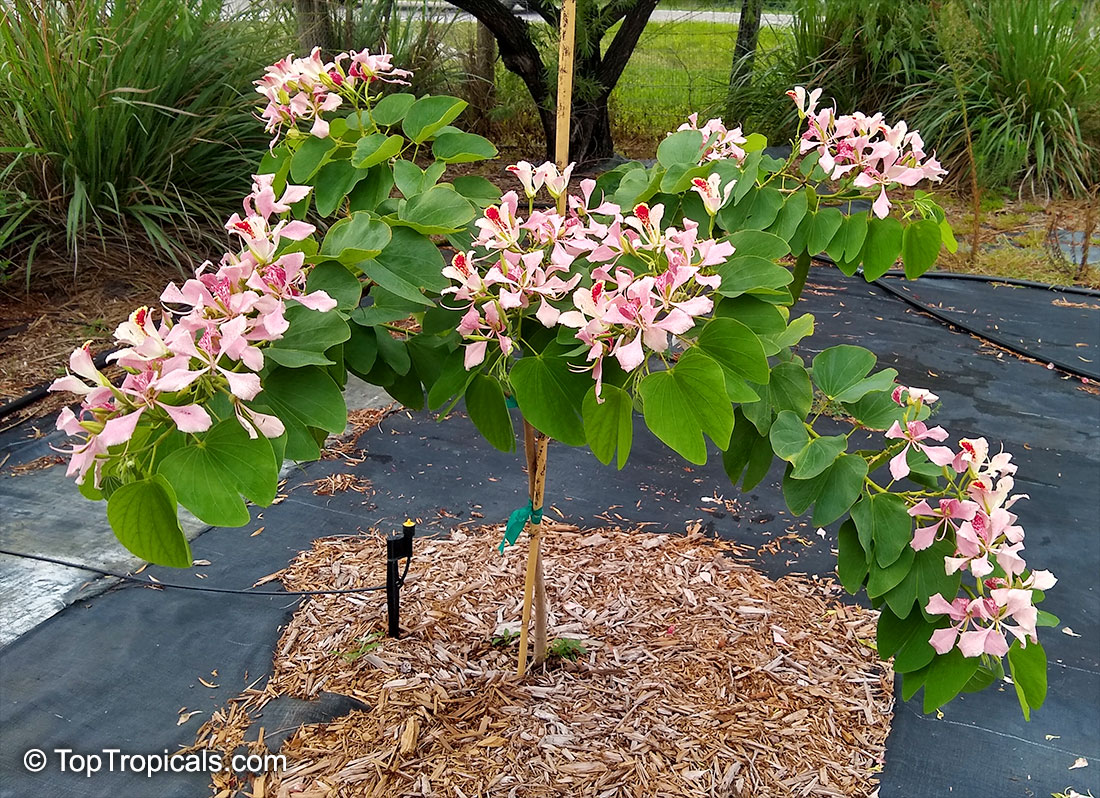
Photo above: Bauhinia monandra - Napoleons Plume, starts flowering in small size. This one is very beautiful but the most cold sensitive and should be grown in pots in areas with winter freeze. It will happily bloom in container!
Low-maintenance by nature, Bauhinias require minimal upkeep. Annual feeding with a balanced fertilizer enhances growth and flowering. Pruning is generally optional but can be done in late winter or spring, after flowering, to maintain shape or remove dead or damaged branches. These trees thrive in full sun, preferring well-drained soil. With their enchanting blooms and easy care requirements, Bauhinia orchid trees are a delightful addition to any landscape, and a colorful specimen for tropical winter gardens.
In addition, Orchid trees grow fast and provide excellent shade. They can make a shady spot in your garden in no time, giving relief from the hot sun. This is really valuable, especially in places where it gets very hot. So, not only are Orchid trees pretty to look at with their lovely flowers, but they're also great for keeping you cool!
Read more about Bauninias:
Bauihnias: Orchid trees with Butterfly flowers... and leaves
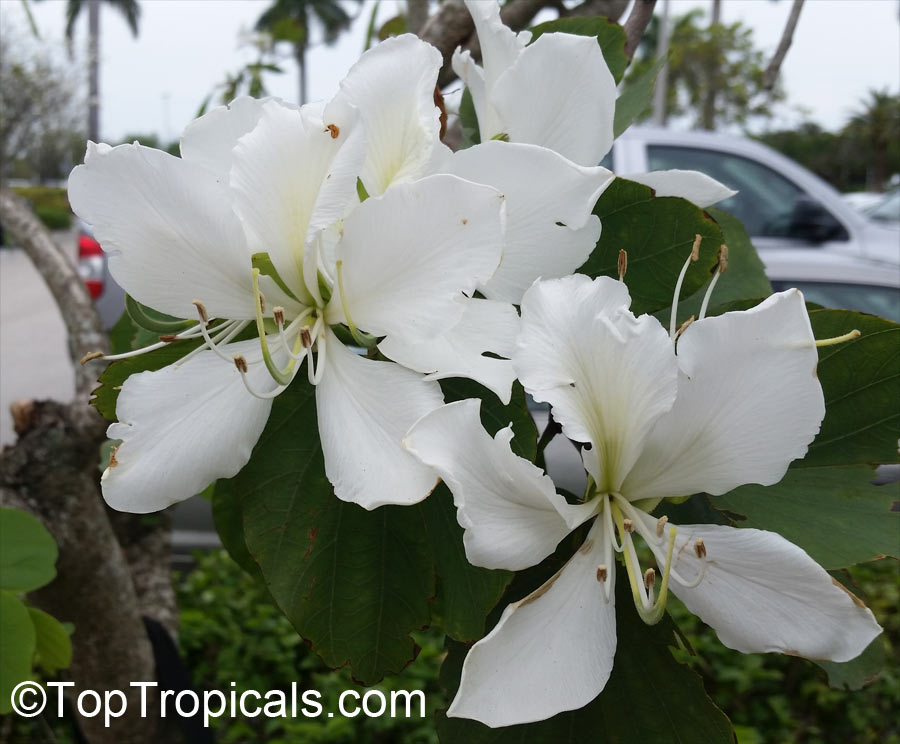
Photo above: Bauhinia x alba (candida) - White orchid tree, the most cold hardy variety that can take light freeze once established.
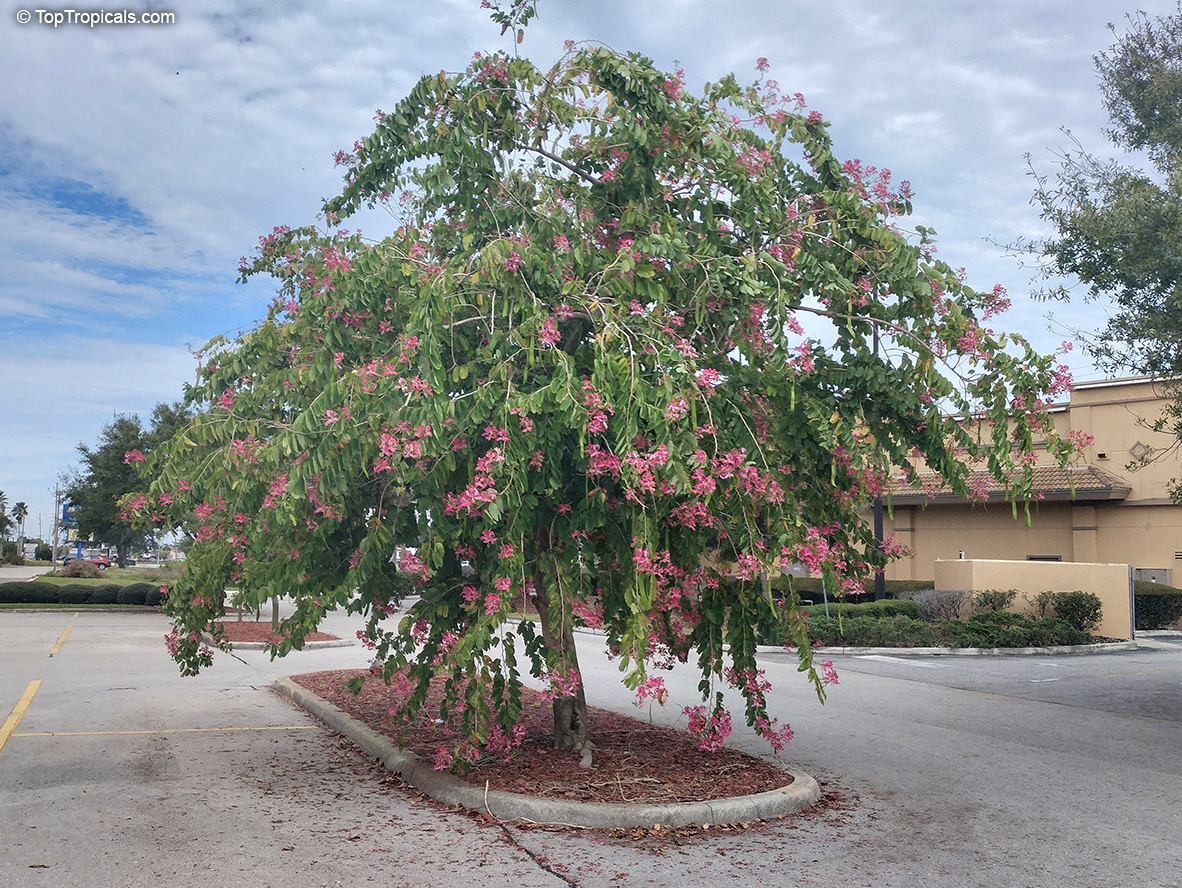
Photo above: Bauhinia purpurea
Date: 26 Apr 2023
The Benefits of Companion Planting
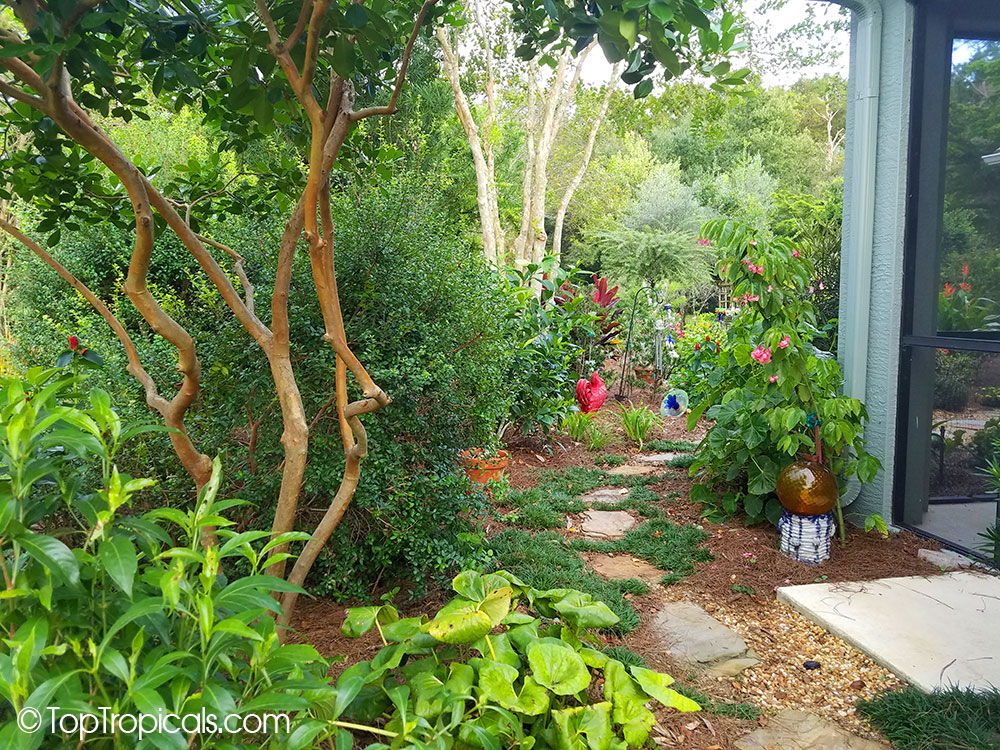
Q: What is companion planting?
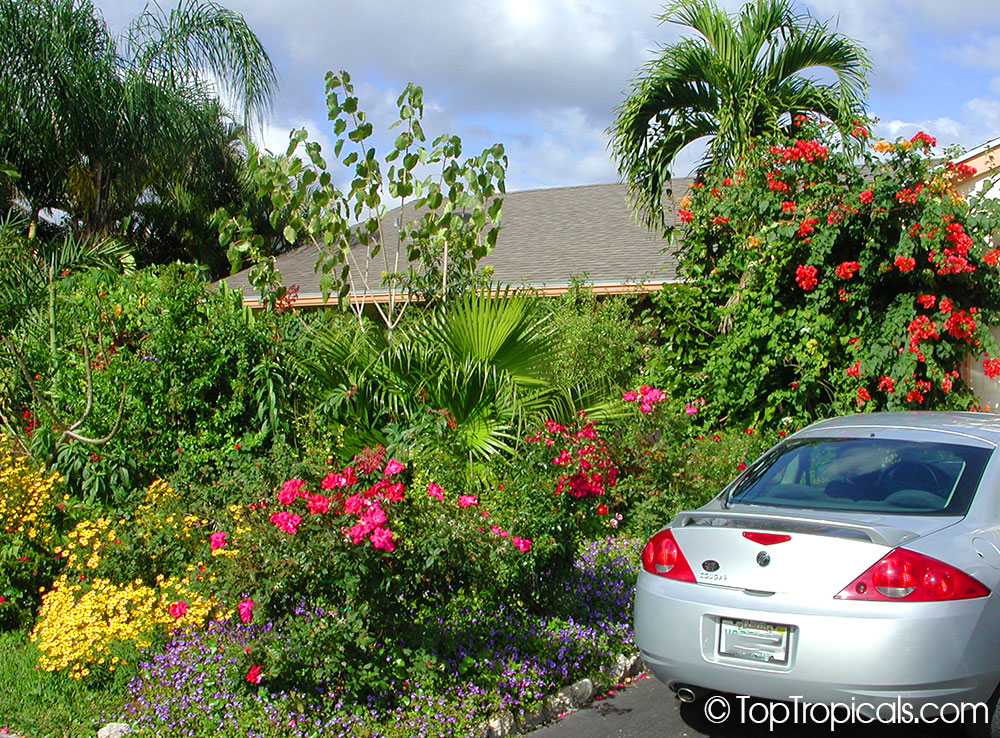
A: Companion planting is a gardening technique that involves planting different crops or types of plants together in a way that benefits all plants. This practice has been used for centuries, and it can be especially useful in tropical gardens where there is a diversity of plant life: trees, shrubs, vines and climbers, ground covers, fruit and edibles, and different flowering ornamentals. It is a great way to improve the health and yield of fruit tree crops while reducing the need for fertilizers and pesticides. By choosing the right companion plants and planning your garden layout carefully, you can create a vibrant and diverse ecosystem that will benefit both your plants and the environment.
Companion planting involves:
Planting different crops together to repel insects: adding such plants as Lemon grass, Patchouli leaf, or Moujean Tea near your vegetables can deter aphids and other pests.
Attracting pollinators - Butterfly plants. Many tropical crops, such as passion fruit, papaya, mango, and avocado, rely on pollinators to produce fruit. Companion planting can help to attract pollinators such as bees, butterflies, and hummingbirds to your garden.
Providing nutrients to the soil, adding mulch and low growing plants (ground covers) to preserve moisture.
Planting a variety of different types of plants together in order to create a more resilient ecosystem that is less susceptible to pests and diseases.
To get started, plan your garden layout and choose companion plants with
similar water and light requirements.
For example, plant in the same group lush foliage plants, gingers, and flowering brunfelsias in shady areas; plant jasmines and gardenias in full sun and very well-drained spots.
Rotate annual crops regularly and experiment with combinations to find what
works best. By doing this, you can create a thriving ecosystem that benefits
both your plants and the environment, reducing the need for harmful
chemicals.
Date: 23 Oct 2022
What is Akee fruit?
One of the most bizarre looking, yet useful...
Email from our Florida customer:
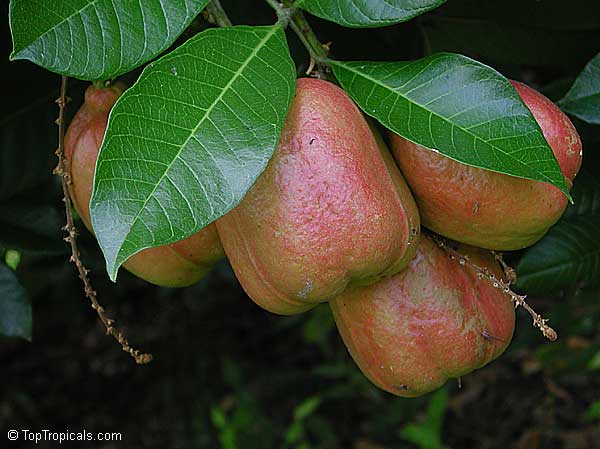
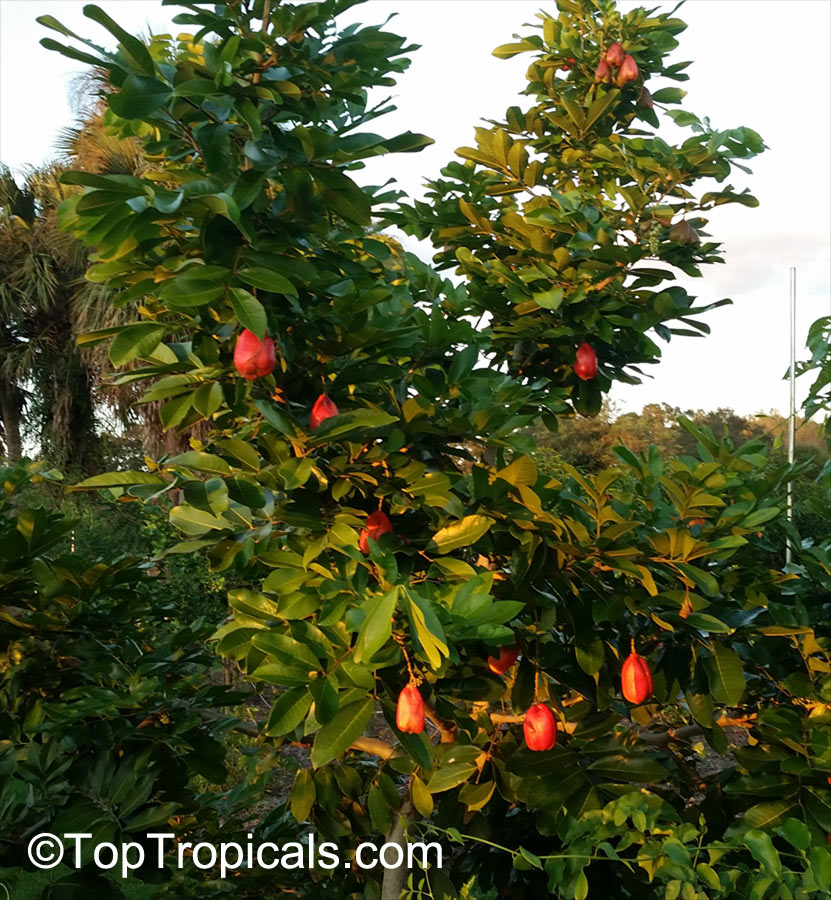
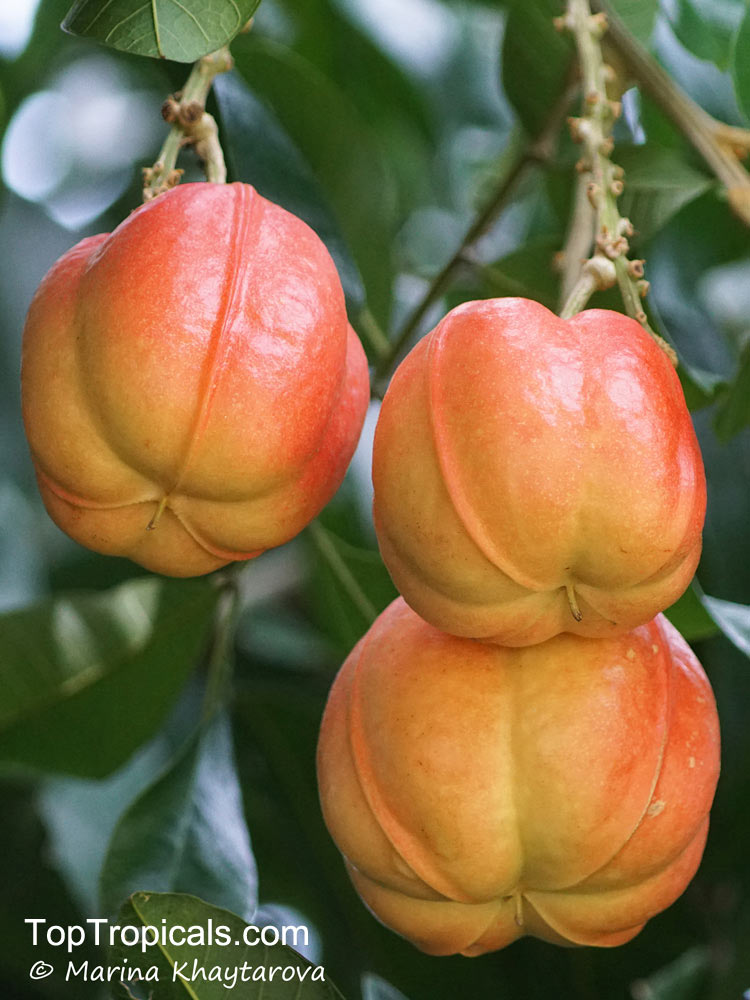
I got an Akee tree from you last year for my tropical fruit garden collection and honestly didn't know much about what it was. This year it started growing real fast and branched out. In spring it was flowering like crazy and now I have about 20 bright coral fruit hanging off the tree that look like Christmas decorations. They are extremely showy and can be seen from far away, I have neighbors stopping by asking what kind of tree it is. I finally did more research on it and found a recipe how to cook the fruit. Only a few had ripened and opened so far, but I already had a chance to try the meal. Cooked the arils and fried in a pan with some butter. What a delicious surprise! To my taste, it is like a mix of potatoes and eggs. Just through in some bacon and it will make a complete breakfast! One of the coolest fruit I've tasted. Just wanted to share this with you.
About Akee (Blighia sapida)
This showy fruit, a close relative of Lychee, Longan, and Rambutan, is a
National fruit of Jamaica. It is indeed very exciting one, and what is also
important, the tree is easy in cultivation, fast growing and can be maintained compact. I it is
not bugsy or picky about soil/water conditions, and is relatively cold tolerant for
being a tropical tree. You can find delicious akee meals only in Jamaican restaurants. But no
need to search for it - grow your own tree, it can't be easier. It will start
fruiting for you the next season, you don't have to wait long. Sometimes it
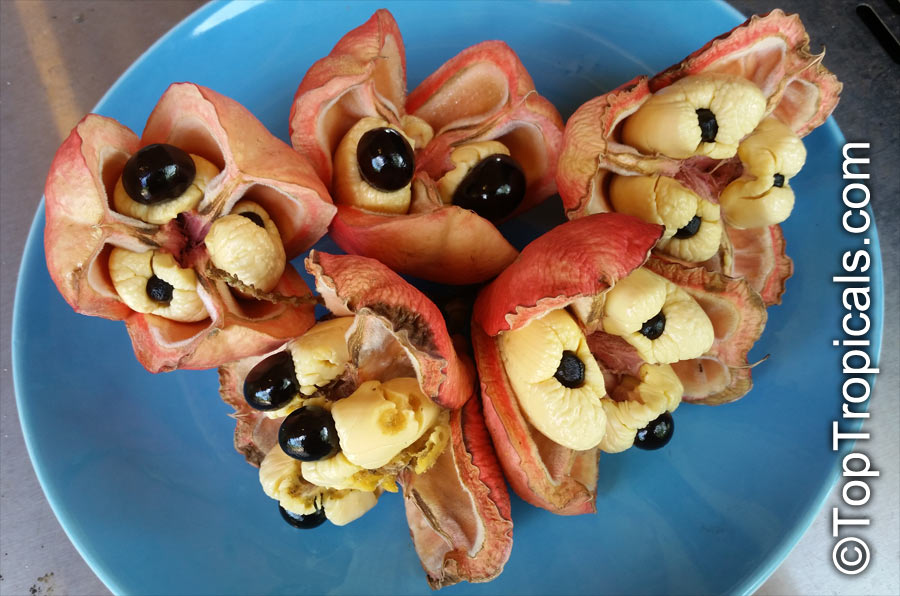
fruits twice a year! However, remember, the fruit is used as a vegetable, and is not eaten raw. It must be
picked after the fruit has opened naturally so the flesh is fully exposed to
light. When the fruit has "yawned", discard the seeds (or better plant them to
grow more trees - to share with your friends!). The arils, while still fresh
and firm, are best parboiled in salted water or milk and then lightly fried in
butter. Then they are really delicious!
Read
more about this tree...
Date: 29 Sep 2020
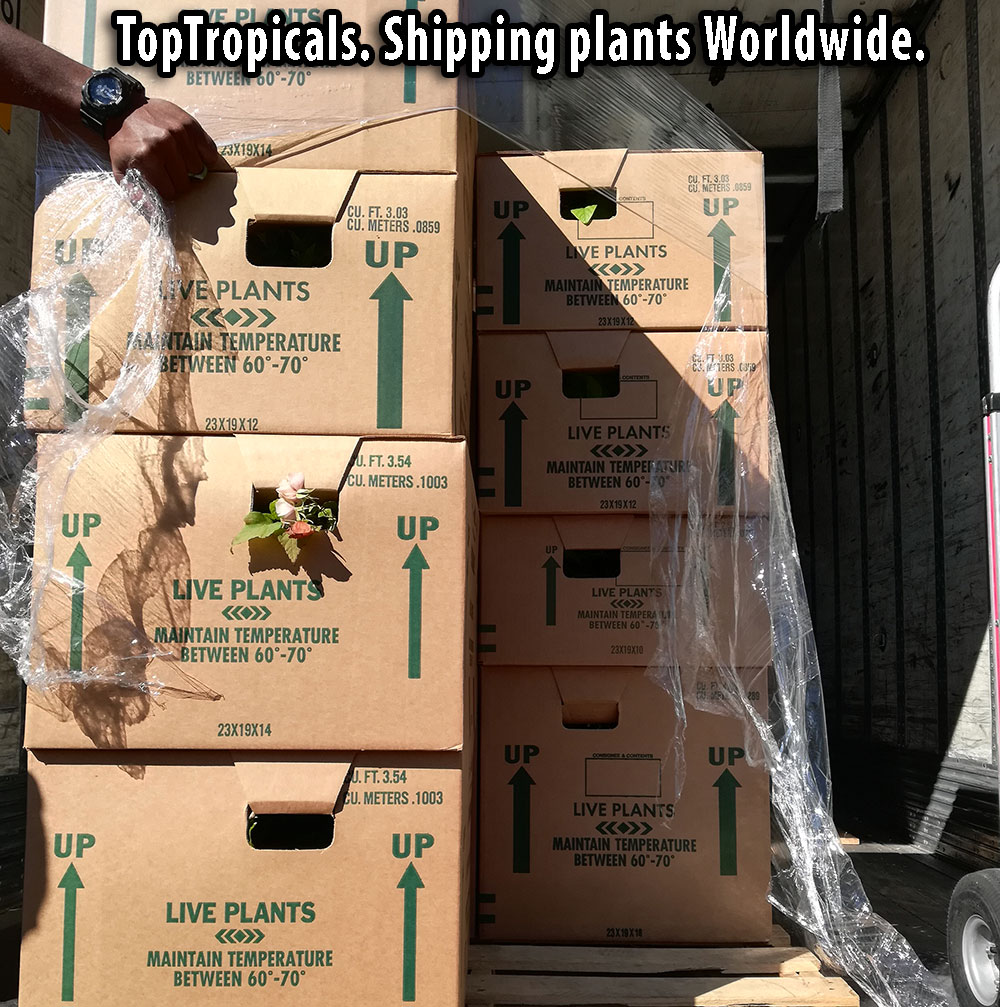
Shipping Tropical Plants Worldwide
Q: We are very interested in introducing frost-hardy avocado varieties into Switzerland. We would really, really like to have our own avocados in our garden. And we believe that the plants have a large sales market here. Do you see a way to send some plants to Switzerland? Which varieties would you recommend, which are the cold-hardiest?
A: Yes, we do ship plants all over the world, including Europe. For basic information on international shipping, please refer to these guidelines. Shipping plants internationally is a bit complex procedure, however we have over 17 years experience with that and you came to the right place. For a quote on shipping cost and to make sure you get all the necessary paperwork, contact our international department direct number 239-771-8082 or email us .
Regarding your questions about Avocado varieties:
First, please take a look at Cold hardy Avocado varieties guide pdf file. The most cold hardy
varieties like Brazos Belle, Fantastic, Joey, Lila, Poncho, Winter Mexican - can
take short period of light freeze as long as they well established. This means,
for the first year or two you need to protect them from freeze. Keep in mind
that if you have hard freeze every night for several weeks, then even
cold-hardy Avocados must be grown with cold protection. It is possible to do by
creating a greenhouse/conservatory around plants in the ground, see example from one of our customers in Virginia. Even better - grow them
in large pots. This way plants will be easier to handle and move around as
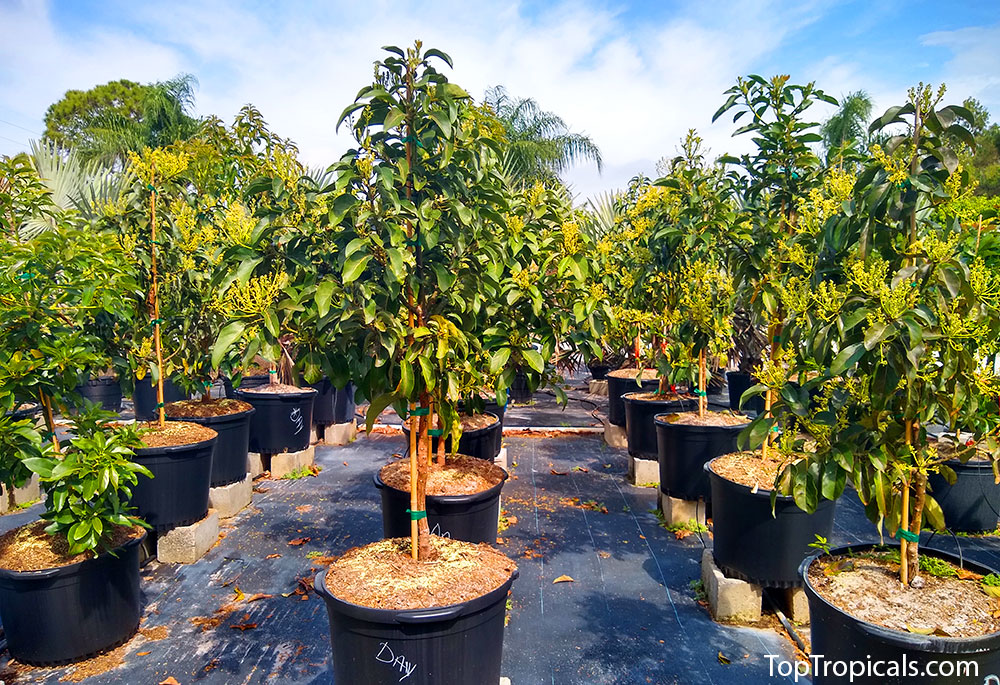
needed. See the photo above of avocado production in pots.

Date: 12 Jul 2020
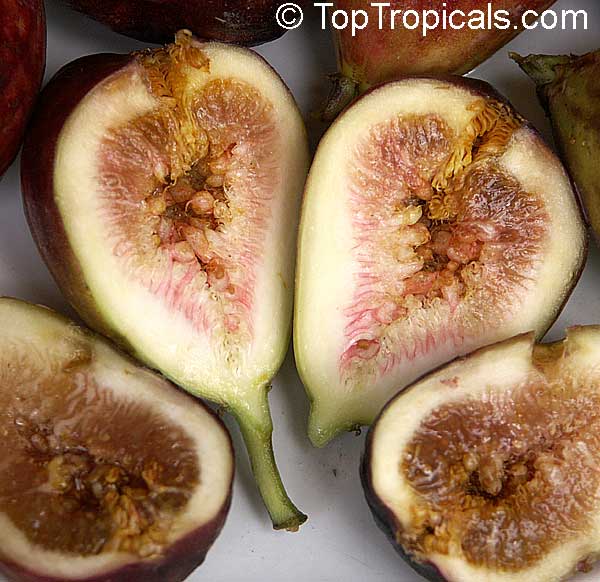
Delicious Turkish Brown Fig
by Onika Amell, tropical plant expert
...Did you know that figs were among the very first plants grown in the
hot and arid Middle East? Fast growing and utterly delicious, they soon made
their way all over the Mediterranean, transported aboard ships and on the
backs of camels...
If you are a fig lover, you may be tempted to grow your own. Market-bought
figs are never as good and tasty as your own, homegrown figs. They just
simply do not keep well in supermarkets. Fast growing, undemanding and low
maintenance, figs will bear fruit in just two years, often bearing two crops in a
year. Another plus is that they are not bothered by too many pests and are
self-fertile. Apart from the delicious fruit, any fig tree will add beauty and
shade to a garden...
CONTINUE READING >>

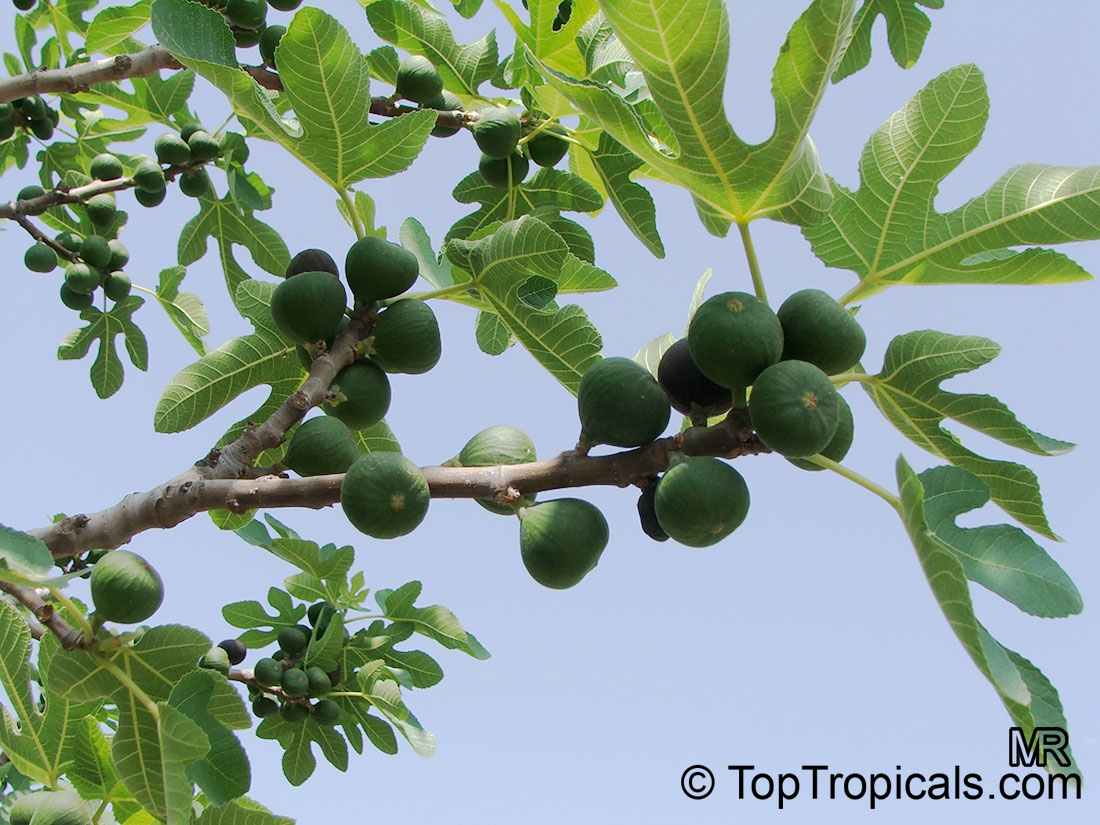
Read more about fig trees:
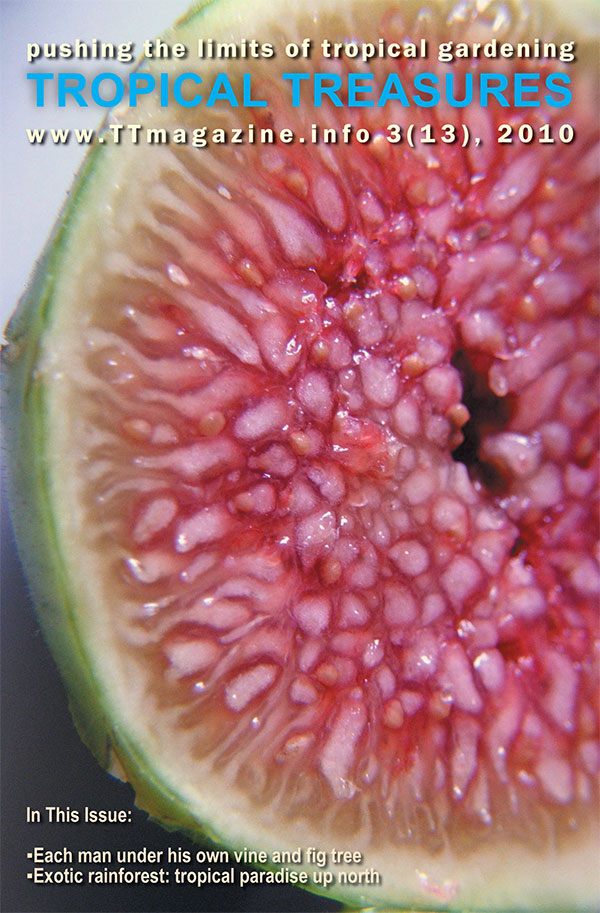
Tropical Treasure magazine # 13 (3) 2010:
- Hard
copy
- PDF
Download