Garden Blog - Top Tropicals

Date: 20 Oct 2023

How to help a weak tree to recover and thrive?
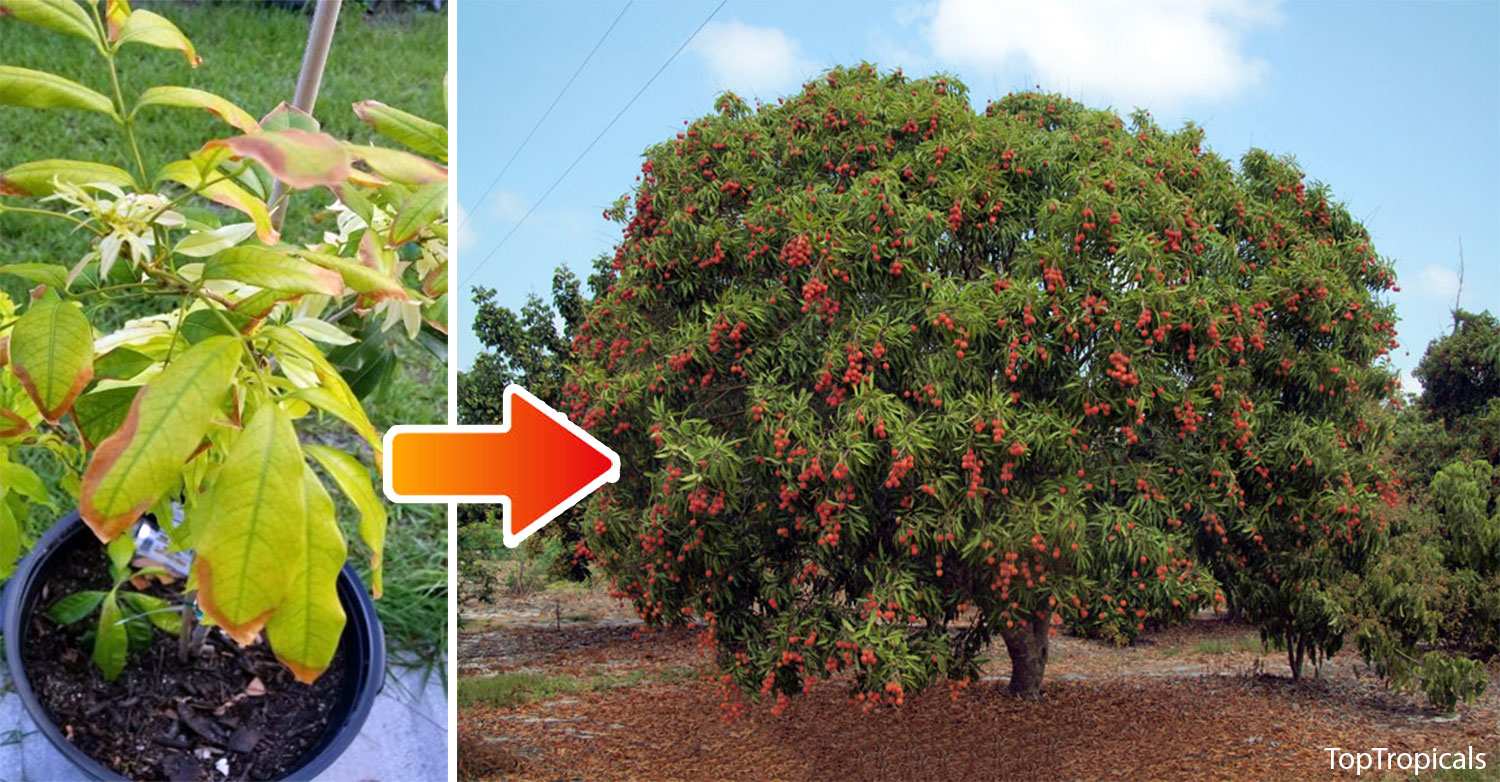
small  and  large  lychee  tree

Q: Look at my sad looking Lychee tree. Can you share with me any ideas about this tree condition?

A: From the photo (left), we see a few potential issues. The problem might be due to a combination of factors such as a heavy potting mix with poor drainage, over-watering, an underdeveloped root system sensitive to these conditions, leaf burn, and a lack of nutrients.

Suggestions for fixing the problem

1. Soil mix. First, assess the quality of the soil. If the plant has been in the same pot for a while, the soil at the bottom may have become compacted, leading to poor drainage. If this is the case, carefully remove the root system from the existing soil (by removing excess soil around the roots without disturbing the roots themselves). Repot the tree into fresh, well-draining potting mix with good drainage characteristics, which typically contains materials like bark and perlite. Ensure that the new pot is exactly the size of the root ball; using a significantly larger pot can lead to soggy conditions that harm the roots.

2. Light. Place the potted tree in an area with filtered light, avoiding direct sunlight throughout the day.

3. Water. Control the watering. During this recovery period, your plant will need very limited water until it shows signs of improvement and new growth. After repotting, water it thoroughly just once, and avoid watering again until the top layer of soil becomes dry. Then, water as needed. Avoid keeping the soil consistently wet, especially during rainy periods. Protect the plant from excessive rain.

4. Supplements. Consider applying Sunshine Superfood micro-elements following the label instructions, once a month. Additionally, using Sunshine Epi bio-stimulant, sprayed every other week, can help the plant recover from stress and encourage growth. You can also use Sunshine C-Cibus at half the recommended concentration with each watering. Hold off on any other fertilizers until the plant has sufficiently recovered and begins to show signs of new growth.

5. Transplanting. If you plan to transplant the tree into the ground, it's advisable to wait until spring when nighttime temperatures consistently stay above 65F for at least two weeks.

6. Temperature. Keep the tree in a warm environment. When temperatures drop below 50F, bring it indoors.

These steps should help the tree recover, grow healthy leaves, and establish a better root system, preparing it for successful transplantation into the ground or a larger container, ensuring a happy and productive life ahead.

Sunshine  Boosters:  C-Cibus,  Superfood,  Epi

Date: 4 Oct 2023

Most useful Hibiscus plants

Grow your edible flower landscape in no time!

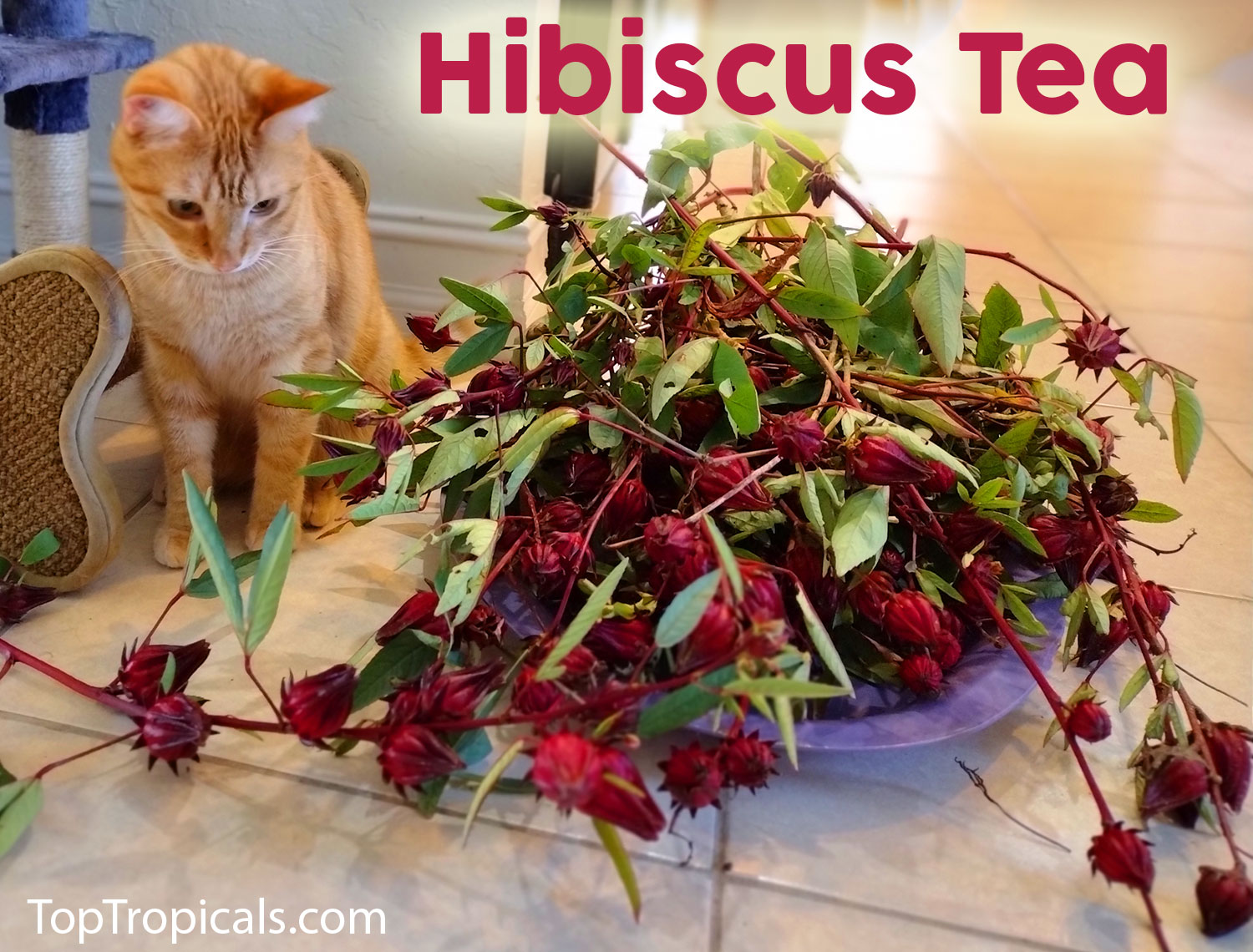
Cat  with  Karkade  hibiscus

Who doesn't adore hibiscus flowers? We usually think of the fancy Hibiscus rosa-sinensis in all its colorful glory or the Exotic Garden Hibiscus. But guess what? There's a whole bunch of other hibiscus species out there that are not only drop-dead gorgeous but also surprisingly practical. They can jazz up your garden and your dinner plate! Today, we're dishing out a sneak peek at a few of these charming hibiscus varieties. These beauties aren't just a treat for your taste buds; they're also a gardener's dream. They practically grow themselves and are always wearing a smile!

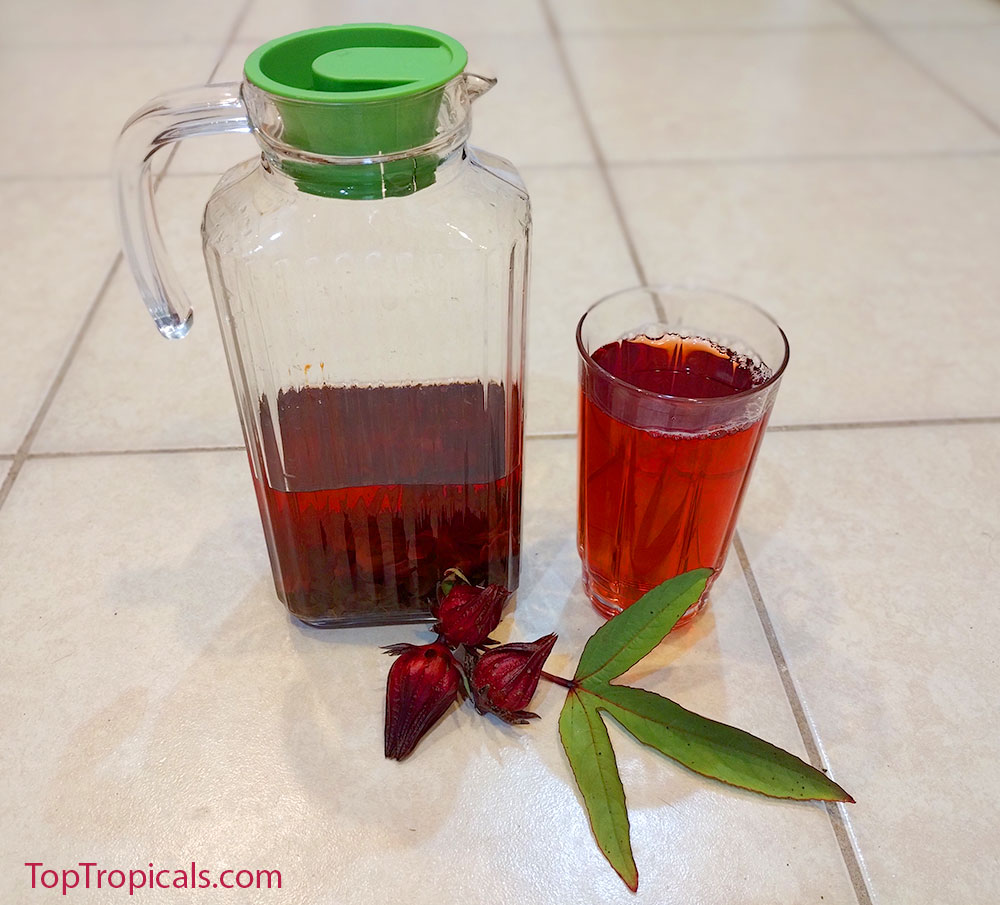
Hibiscus sabdariffa - Flor de Jamaica, Karkade Sorrel
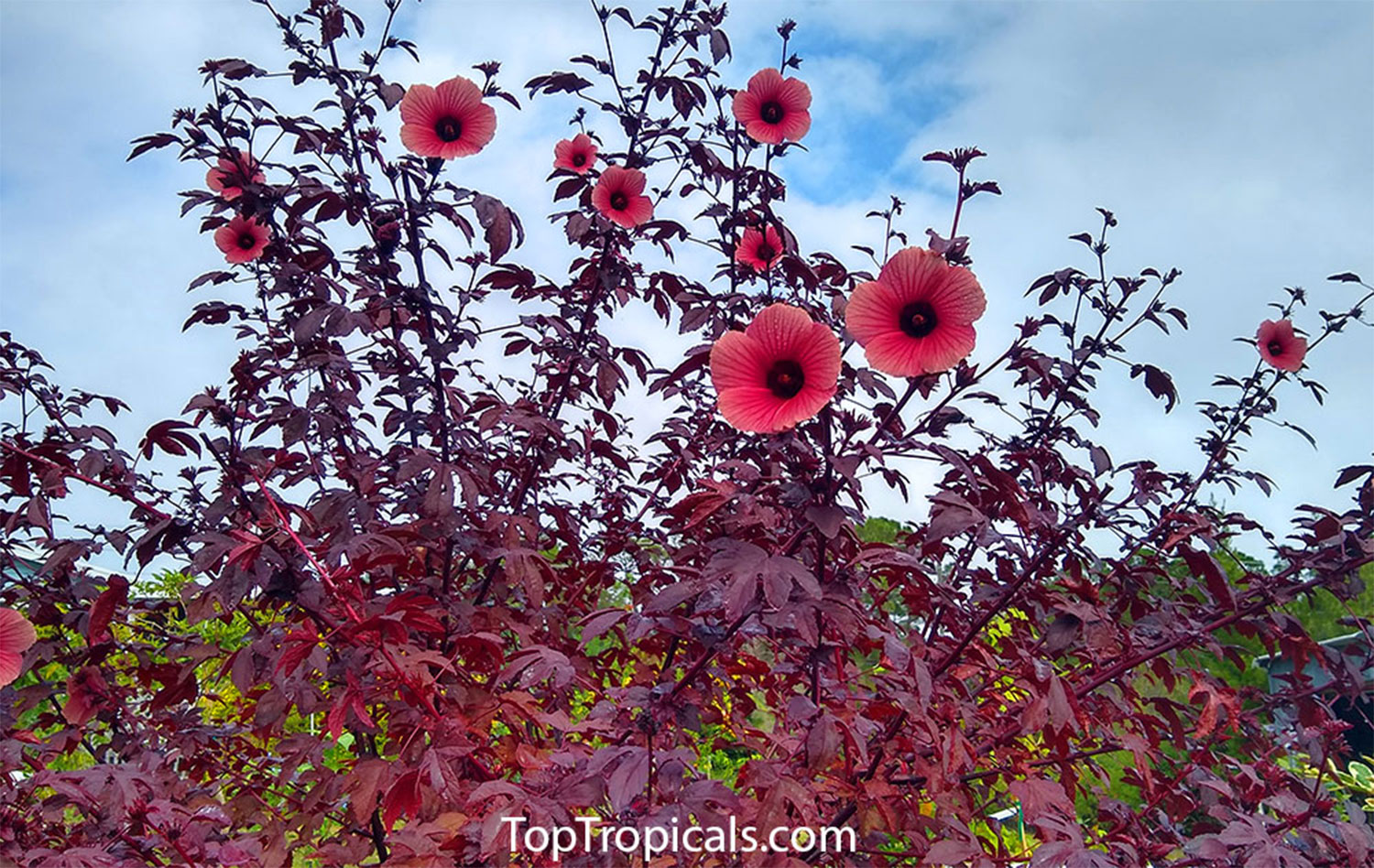
Hibiscus acetosella - African Cranberry Hibiscus
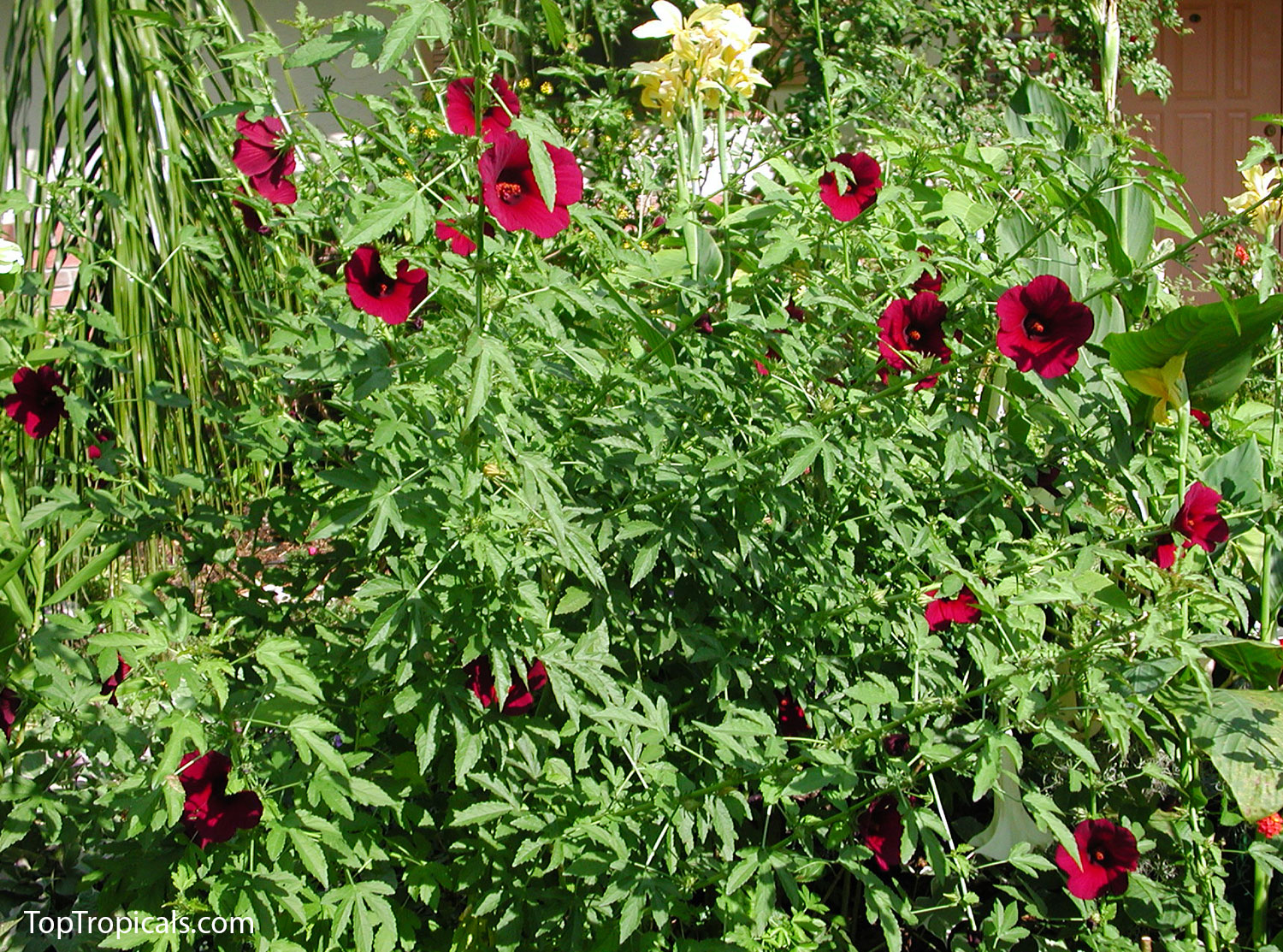
Hibiscus cannabinus (furcellatus) - Salad Hibiscus, Sleepy Hibiscus
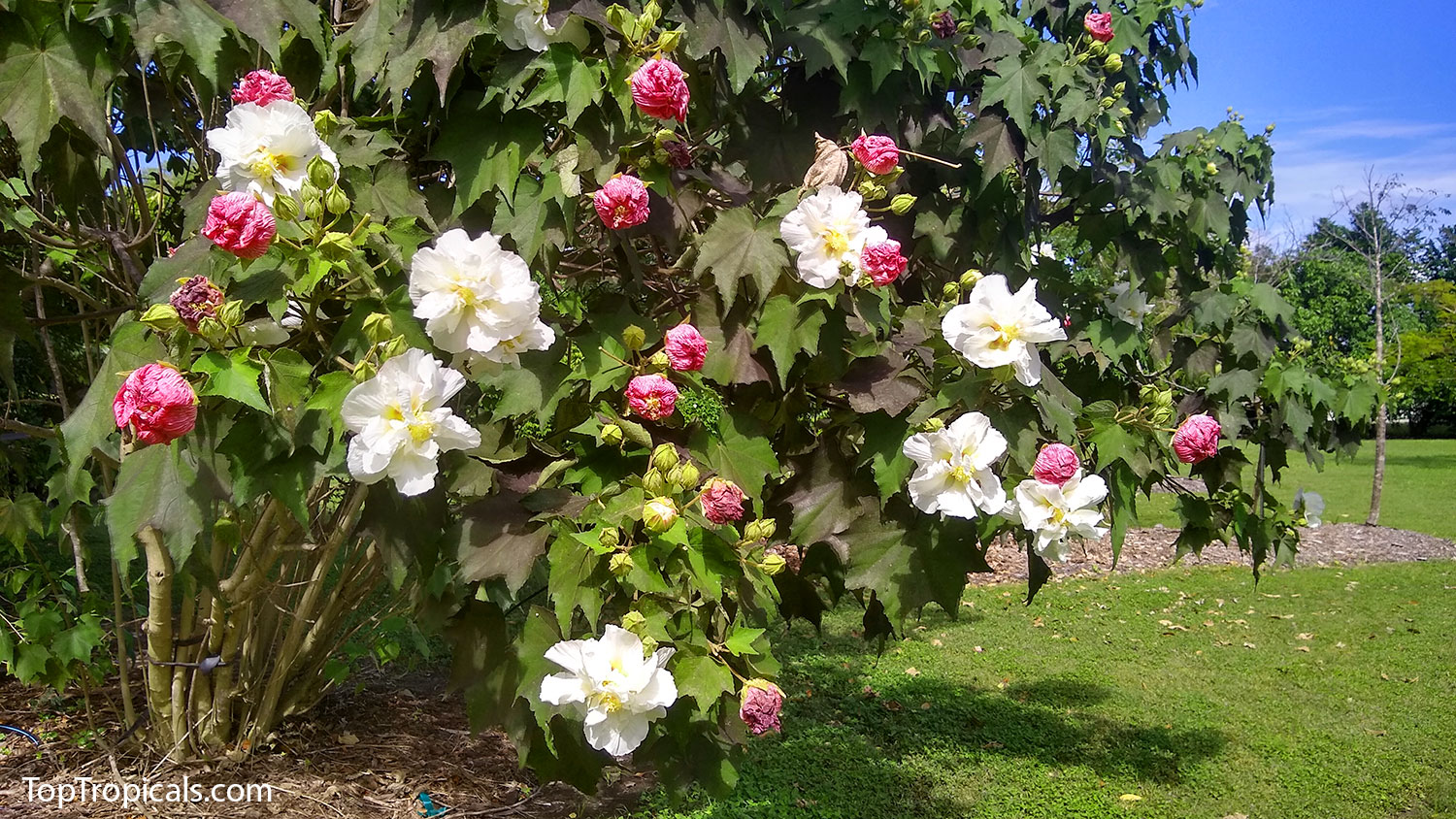
Hibiscus mutabilis Cotton Candy - Mallow Hibiscus
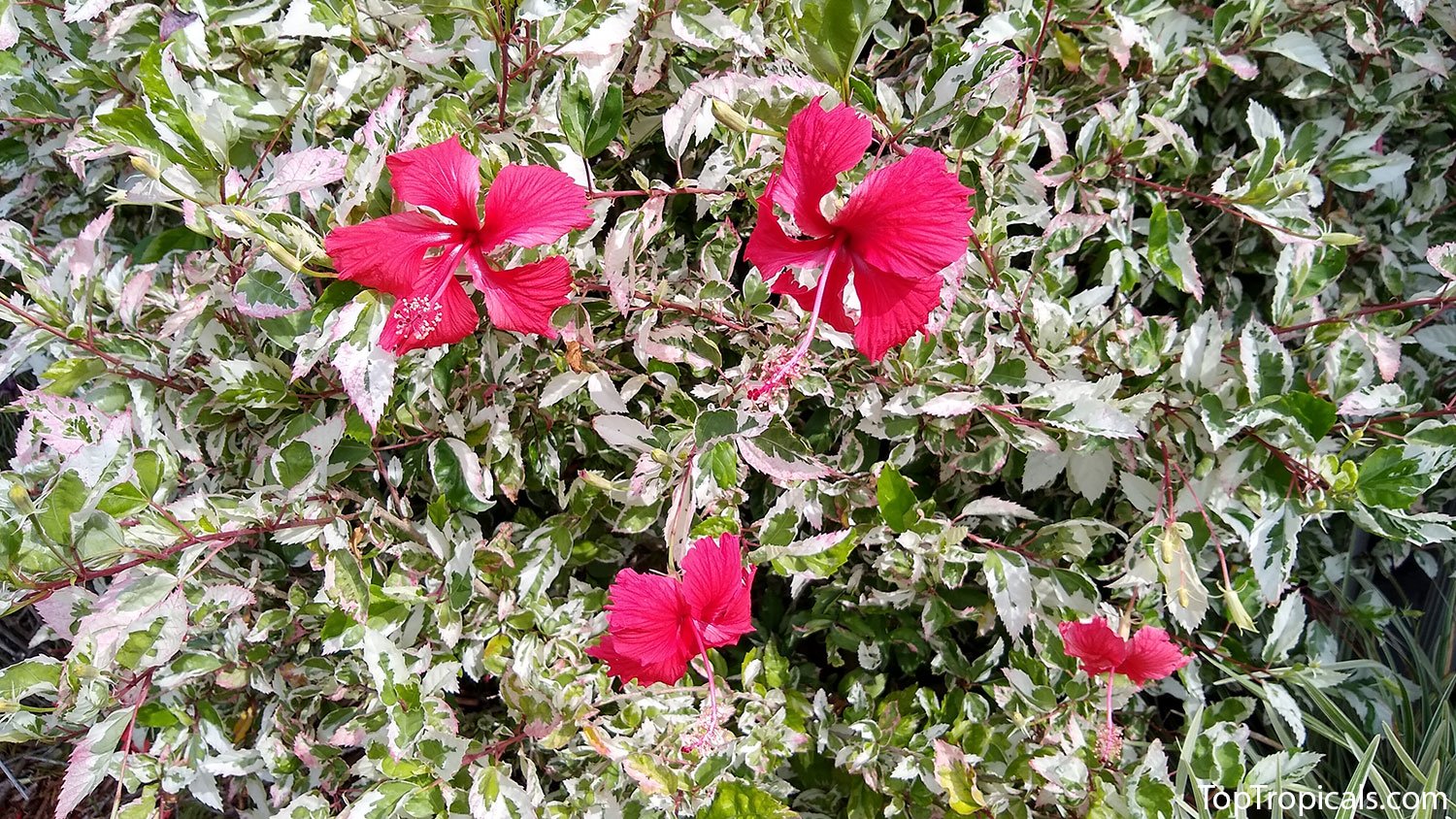
Hibiscus variegated Snow Queen
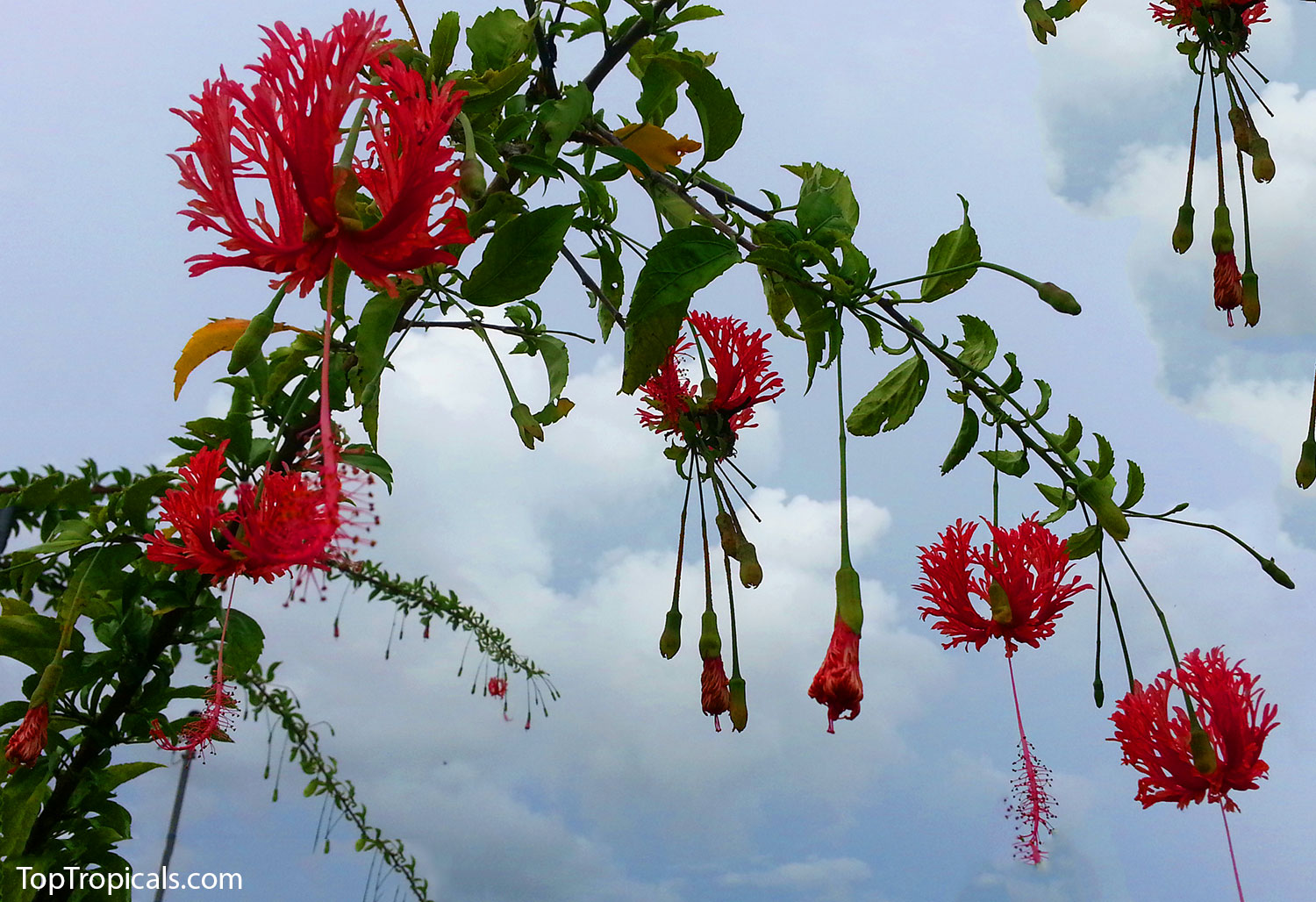
Hibiscus schizopetalus - Coral Hibiscus

Tea or Salad Hibiscus

Hibiscus  acetosella  -  African  Cranberry  Hibiscus

Hibiscus acetosella - African Cranberry Hibiscus. Leaves are acidic, rich of vitamin C, good for salads and teas.

Hibiscus  cannabinus  (furcellatus)  -  Salad  Hibiscus,  Sleepy  Hibiscus

Hibiscus cannabinus (furcellatus) - Salad Hibiscus, Sleepy Hibiscus. Vinous flowers open in the morning, and by 3-4 pm they convolve into a curious fico-like knot. Very similar to acetosella, only with green leaves, this edible hibiscus is great for salads, rich of vitamin C. Seeds, flowers, and leaves are also used for making delicious tea. Very fast growing, forms a large bush.

Hibiscus  tea  Karkade

Hibiscus sabdariffa - Flor de Jamaica, Karkade: the most delicious, fruity Jamaican Hibiscus tea. It makes our favorite Summer drink!

Hibiscus with a smile :)

Hibiscus  variegated  Snow  Queen

Hibiscus variegated Snow Queen. Green foliage is dramatically splashed with bright white which provides striking contrast to the large red flowers. A festival of color!

Hibiscus  mutabilis  Cotton  Candy  -  Mallow  Hibiscus

Hibiscus mutabilis Cotton Candy - Mallow Hibiscus. Flowers open pure white and change color over a three-day period until they are deep pink and then as they die assume a dark "blue-pink" hue. The three distinct colors appear on the bush simultaneously as the blooms color cycle independent of one another. Quite large blossoms are up to 5 inches across!

Hibiscus  schizopetalus  -  Coral  Hibiscus

Hibiscus schizopetalus - Coral Hibiscus. A weeping tree hibiscus, rare and hard to find and every gardener wants it! Grows rapidly and blooms freely. Flowers look like parachutes and can be recognized by the fringed and lacy petals which are bent backward.

Date: 29 Aug 2023

Event Special:
Yuca Root - Cassava - Tapioca - Manihot...

Yuca  Root  -  Cassava  -  Tapioca  -  Manihot,  plant

Reminder: now is the time to plant Cassava - Yuca Root!

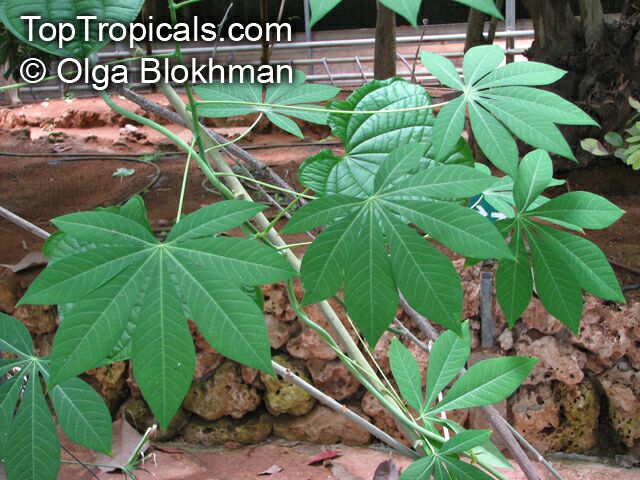
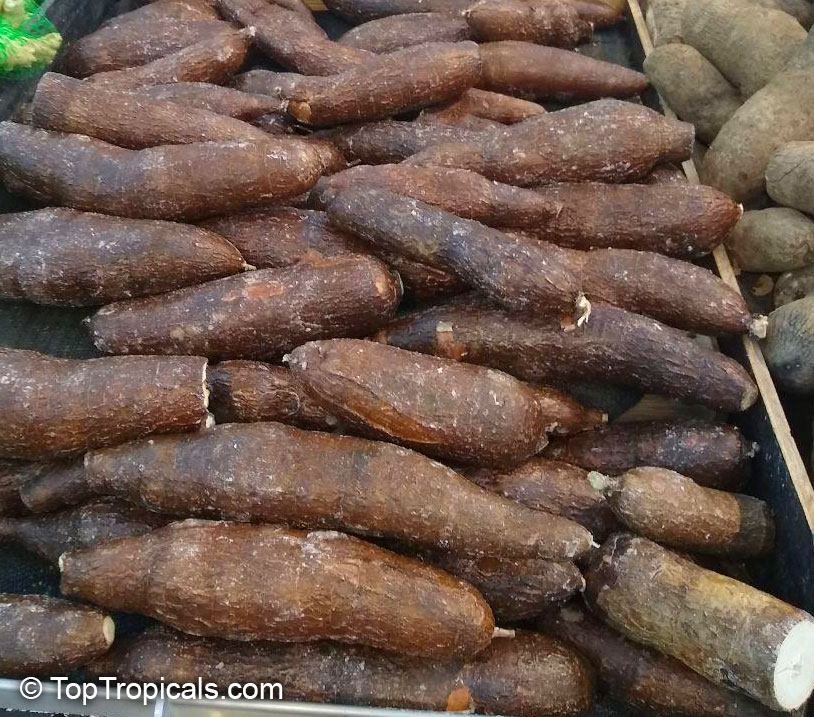
It takes one year to grow a good root crop. This wonderful tropical root vegetable is grown as a handsome shrub and harvested for its root and leaves that are high in starch. The plant contains low levels of protein in the root and high levels in the green leaves. And Cassava fries are both delicious and healthy! Yum! (see the recipe)

Cassava  fries

Yuca  Root  -  Tapioca  -  Manihot,  tubers

Date: 1 Aug 2023

Yuca root, Cassava, Manihot, Tapioca...
Food and Beauty

Manihot  esculenta,  Yuca  Root

Q: Can you recommend a pretty plant for my edible garden? Something that is not only useful but also very ornamental.

A: Introducing the fabulous and flamboyant star of the garden - Manihot esculenta, better known as the Yuca Root! This tropical root vegetable plant is the epitome of botanical fashion, showing off its cheerful and showy foliage like it's walking the runway of a tropical paradise...

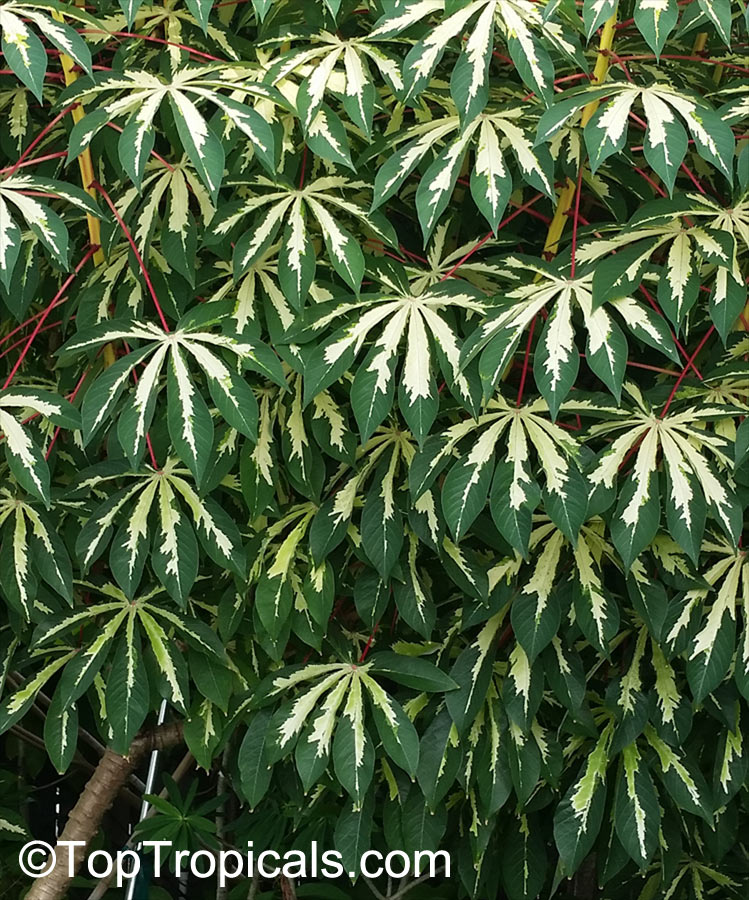
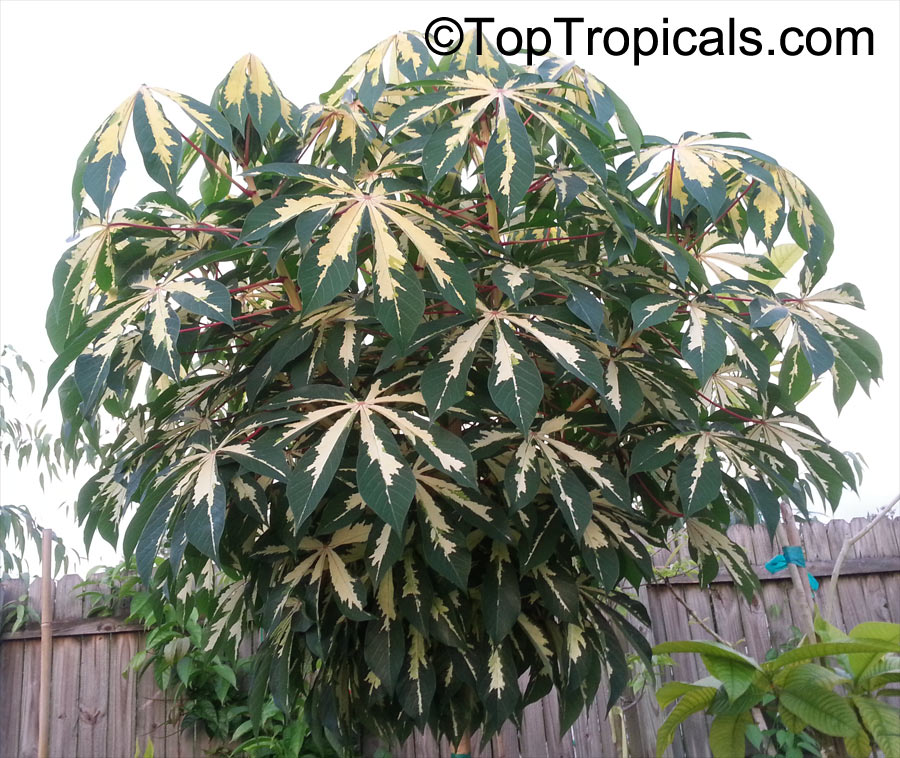
The most stunning variety is Variegated Yuca root. You won't find this rare and remarkable variety of Yuca root just anywhere! It's like the unicorn of the edible plant world, combining practicality with pure visual delight. Not only can you feast on its starchy goodness, but you can also proudly display it as a stunning ornamental piece in your garden.

This tropical root vegetable knows how to put on a show, making its home as a shrub in subtropical zones across Asia, Africa, the Caribbean, and South America. Its roots and leaves are the real stars of the show, packed with all that starchy goodness. But hold on, there's a little twist to this drama! The root contains low levels of protein, while the green leaves are practically gym buffs with high protein levels.

Now, we must address the elephant in the botanical room - the mistaken identity crisis. Some folks confuse our lovely Yuca Root with Yucca, but let's clear things up: Yucca is a no-go in the culinary world. It's a non-edible plant from the Agave family, and you definitely don't want to cook that up for dinner!

So there you have it, folks! The Yuca Root, a true superstar of both the kitchen and the garden. Delicious, eye-catching, and ready to add a dash of tropical charm to your life. Get one for yourself, and let the good times yuca-roll!

Manihot  esculenta,  Yuca  Root,  tree

Date: 2 Jul 2023

Three colors of flowers
for 4th of July

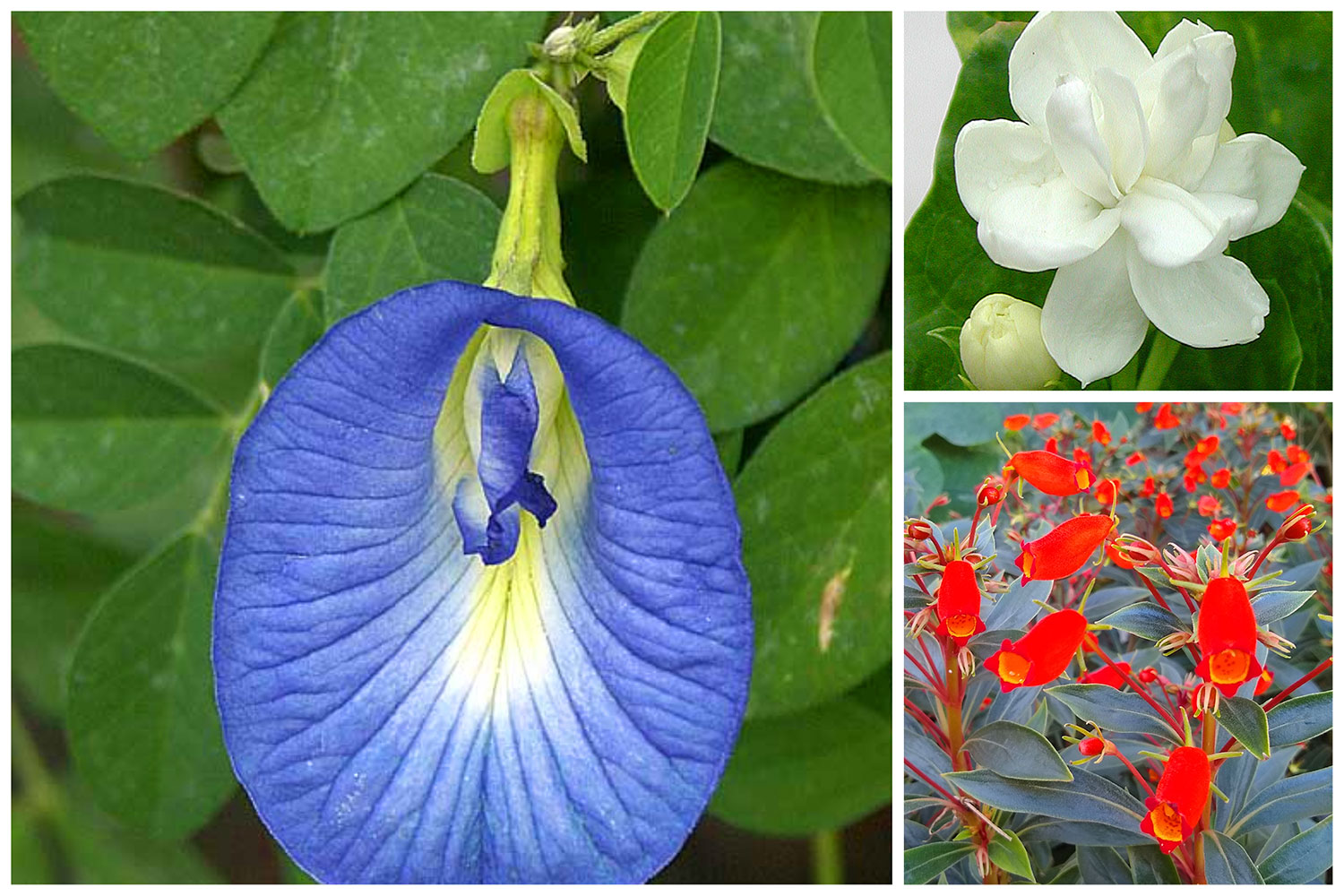
Blue,  Red  and  White  flowers  for  4th  of  July

Q: Our anniversary is on the 4th of July. Do you have anything that might be a good gift? Maybe something flowering that has red, white and blue flowers... I know that is a lot to ask but maybe you have an idea?

A: We appreciate your intriguing question and extend our heartfelt congratulations on your approaching anniversary. Numerous tropical plants lend themselves beautifully to a captivating blend of red, blue, and white hues. Here are our top recommendations for the most delightful combination:

White: Jasmine sambac fragrant bush (var. Arabian Nights is our favorite, it's a free-bloomer and easy to grow)

Blue: Clitoria Vine, it is fast growing controllable vine, everbloomer. There is also a White variety of Clitoria, you can plant them together!

Red: Gloxinia, a smaller perennial that perfectly fits into this combination of three.

More flowers for white-blue-red colors:

White: Gardenias, Jasmines, Almond Bush, Brunfelsia, Clerodendrum Bridal Veil, fragrant Cashmere Bouquet, White Brazilian Plume Flower, Montanoa - Tree Chrysanthemum

Blue: Blue Sage Lead Flower, Blue Butterfly Clerodendrum, Weeping Blue Ginger, Duranta, Thunbergia erecta - Kings Mantle, and its white variety Alba, Blue Sky vine

Red: Cat Tail Acalypha, Dwarf Poinciana, Red Bottlebrush, Pavonia multiflora - Brazilian Candles (it's actually red-and-blue), Red Button Ginger - French Kiss, Brazilian plume, Firespike , Scarlet Flame Passion Flower, Quisqualis (has white and red flowers on the same plant).

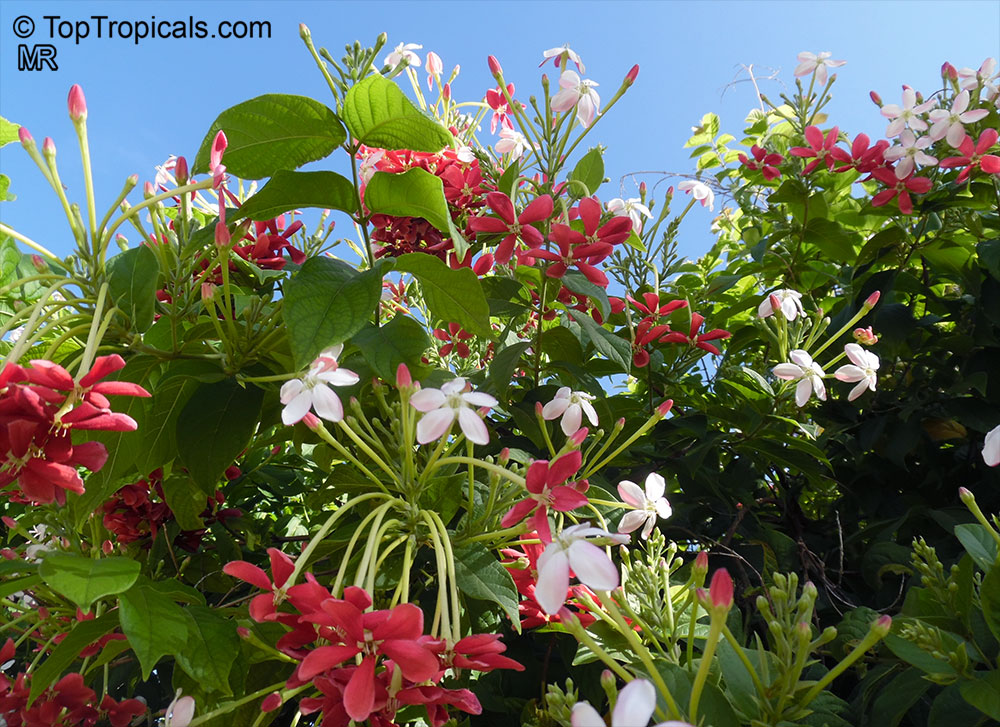
Quisqualis  Indica  -  Rangoon  Creeper

Quisqualis Indica - Rangoon Creeper. Spectacular bloom, flowers change color from white to pink to red. Sweet fragrance. Very fast growing, perfect for covering a fence or pagoda.