Sunshine: Valentine Day soon. We need flowers. Smokey: Nope. Heart-shaped hoya. Flowers fade. Plants stay. Sunshine: Alright. One for my Valentine. One for me, with coffee.
💖 Sweetheart Hoya: a Valentine gift that lasts
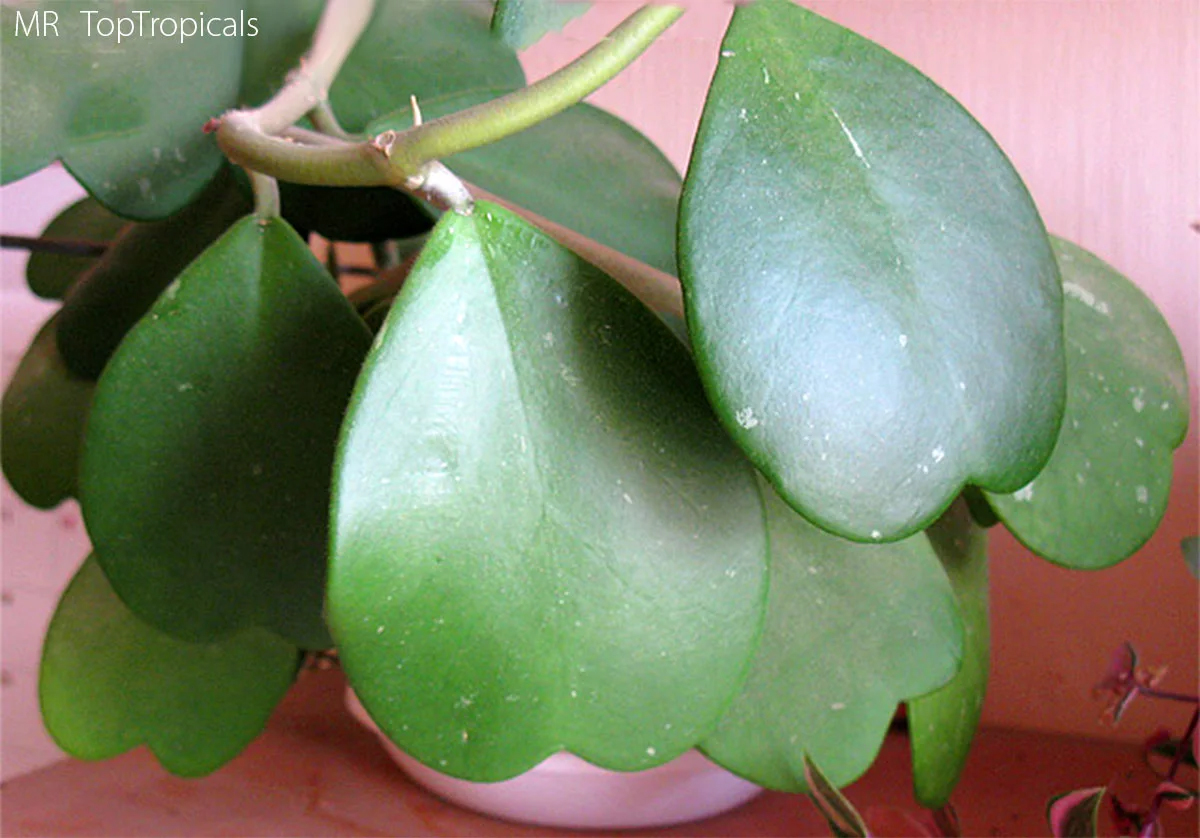
Sweetheart Hoya (Hoya kerrii) has thick, heart-shaped leaves and a
compact form that fits easily on a windowsill, desk, or shelf. It does not
need constant attention, bright sun, or frequent watering. In fact, it
prefers a
lighter touch.
Wax Hearts Plant Facts
Botanical name: Hoya kerrii Also known as: Wax Hearts, Sweetheart Hoya, Valentine Hoya, Heart leaf
USDA Zone: 9 - 11
Highligths
This is a plant that works well indoors, grows slowly, and forgives missed
waterings. It is comfortable in normal home conditions and does not require
special tools or experience. That makes it a good gift not only for plant
lovers, but also for people who have never kept a houseplant before.
Unlike flowers, it does not come with an expiration date. It becomes part
of daily life and stays there quietly, doing its job. Over time, it feels
less
like a purchase and more like something chosen with intention.
For Valentines Day, Sweetheart Hoya is a simple, lasting way to give
something real.
Sweetheart Hoya care: quick how-to
Light: Bright window light is ideal. Avoid harsh, hot direct
sun.
Water: Let the potting mix dry between waterings. When you
water, water thoroughly, then let it drain.
Feeding: Light feeding during active growth helps. A balanced
fertilizer like Sunshine™ Robusta keeps growth steady and leaves healthy.
Pace: Slow-growing and patient. Do not overwater or
overpot.
❓Sweetheart Hoya: quick FAQ
Is it good for beginners? Yes. It is forgiving and does not
need constant attention.
Can it live indoors year-round? Yes, in bright indoor light and
normal home conditions.
Does it need flowers to be special? No. The heart-shaped leaves
are the main feature.
How to get three colors on the same plant: Yesterday, Today, and Tomorrow
Brunfelsia grandiflora - Yesterday, Today, and Tomorrow
🌸 How to get three colors on the same plant: Yesterday, Today, and Tomorrow
💜 Brunfelsia is one of those plants that makes people stop mid-sentence.
It blooms in shade, smells incredible at night, and then does something unexpected - the flowers change color over just three days.
💜 Purple. Lavender. White.
All at the same time, on one plant.
💜 It is easy to grow, loves warm weather and part shade, and turns any garden path or patio into an instant conversation starter. Once it starts blooming, it just keeps going.
💜 These are the most interesting varieties known as Yesterday-Today-Tomorrow for their magical color transformation from purple to lavender to white over three days: B. grandiflora, B. paucifolia, B. australis.
Top nine plants of love, desire, and the senses: aphrodisiacs and sensory connections
Cinnamon (Cinnamomum zeylanicum)
Coffee - Coffea arabica
Fig tree fruit (Ficus carica)
Patchouli - Pogostemon cablin
Pomegranate (Punica granatum)
Cacao - Chocolate Tree (Theobroma cacao)
💖 Top nine plants of love, desire, and the senses: aphrodisiacs and sensory connections
Across cultures, love has also been expressed through taste, scent, warmth, and shared ritual. These tropical plants were valued not just for beauty, but for how they awaken the body and deepen connection.
💘 1. Cacao
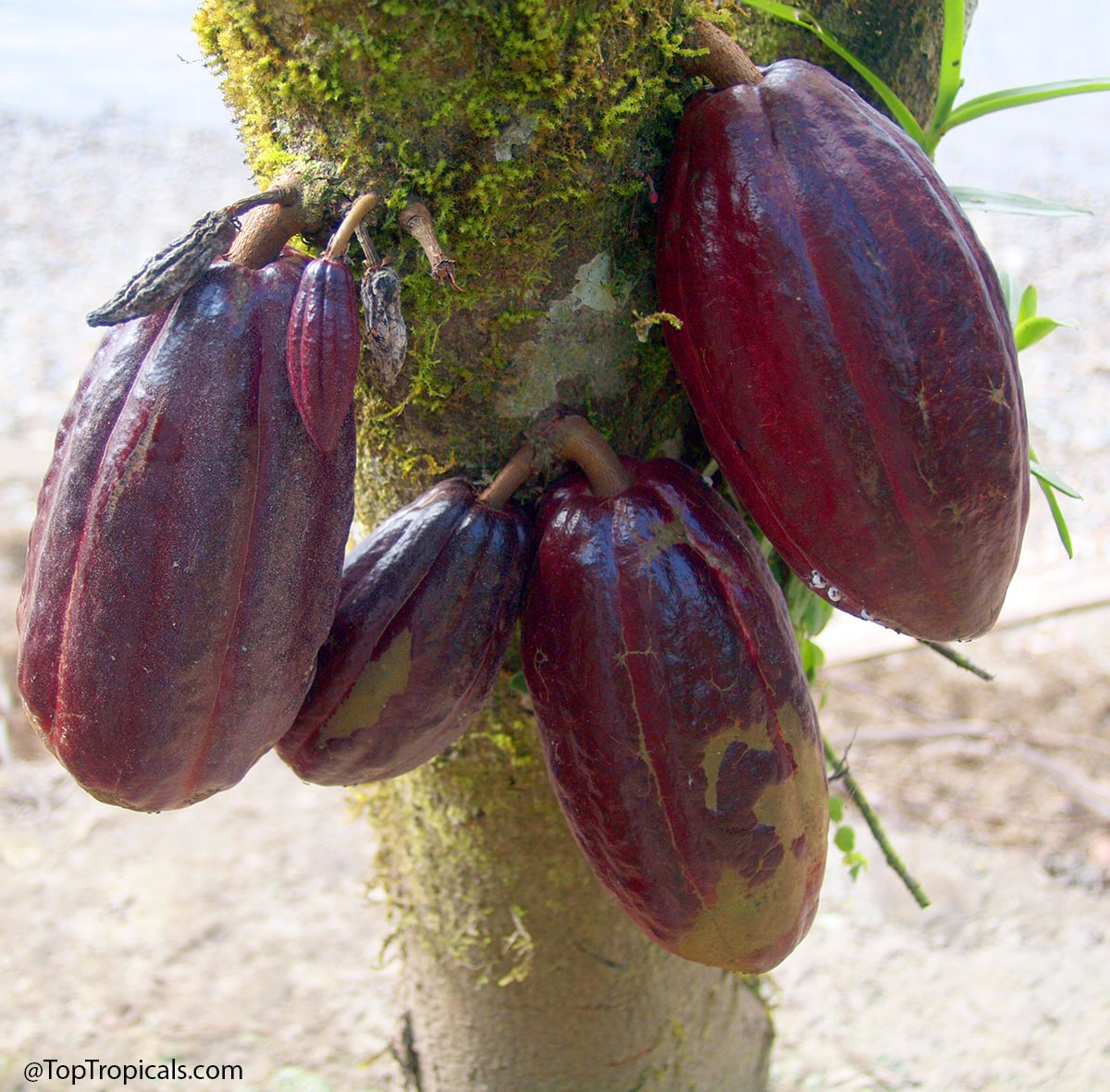
Cacao - Chocolate Tree (Theobroma cacao) - has one of the strongest global associations with love. Revered by the Aztecs as a “food of the gods”, it was consumed to increase desire and emotional bonding. Chocolate contains compounds linked to feelings of pleasure and infatuation, making cacao a natural Valentine symbol.
Chocolate Tree Plant Facts
Botanical name: Theobroma cacao Also known as: Chocolate Tree, Cacao, Cocoa Tree
Vanilla (Vanilla planifolia) is both an orchid and one of the most sensual plant aromas known. Historically paired with cacao in love remedies, vanilla represents intimacy, warmth, and attraction. Its fragrance alone carries powerful emotional associations.
Madagascar Bourbon Vanilla Bean Plant Facts
Botanical name: Vanilla planifolia, Vanilla fragrans Also known as: Madagascar Bourbon Vanilla Bean, French Vanilla, Vanilla Orchid
Ginger symbolizes heat, vitality, and passion. Used worldwide to stimulate circulation and warm the body, it represents spark, chemistry, and physical energy. 👉 Ginger gift
💘 4. Cinnamon
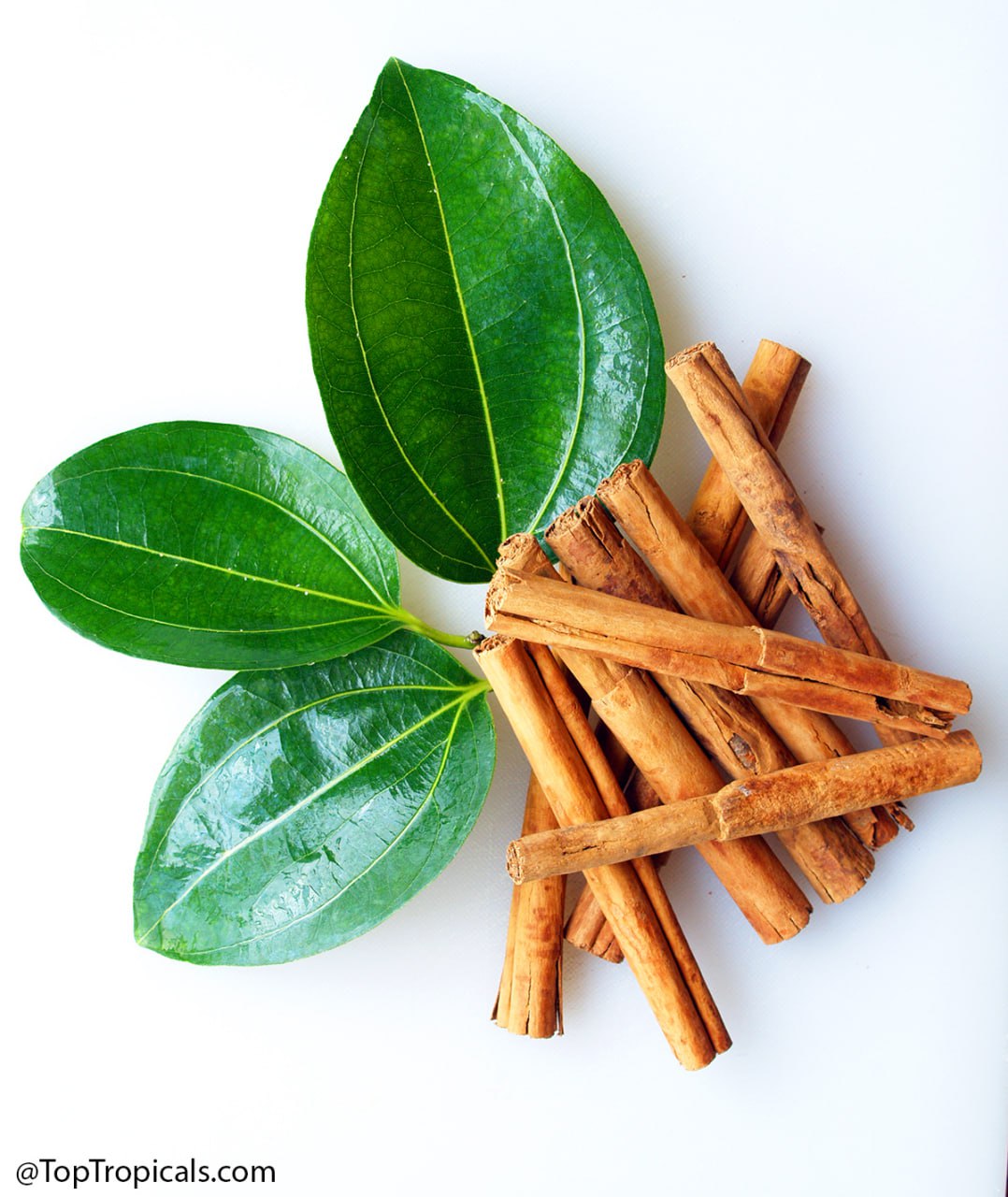
Cinnamon (Cinnamomum zeylanicum) has long been associated with attraction and stimulation. Its warm, lingering aroma makes it a classic plant of desire, comfort, and emotional warmth.
Cinnamon Plant Facts
Botanical name: Cinnamomum zeylanicum, Cinnamomum verum Also known as: Cinnamon
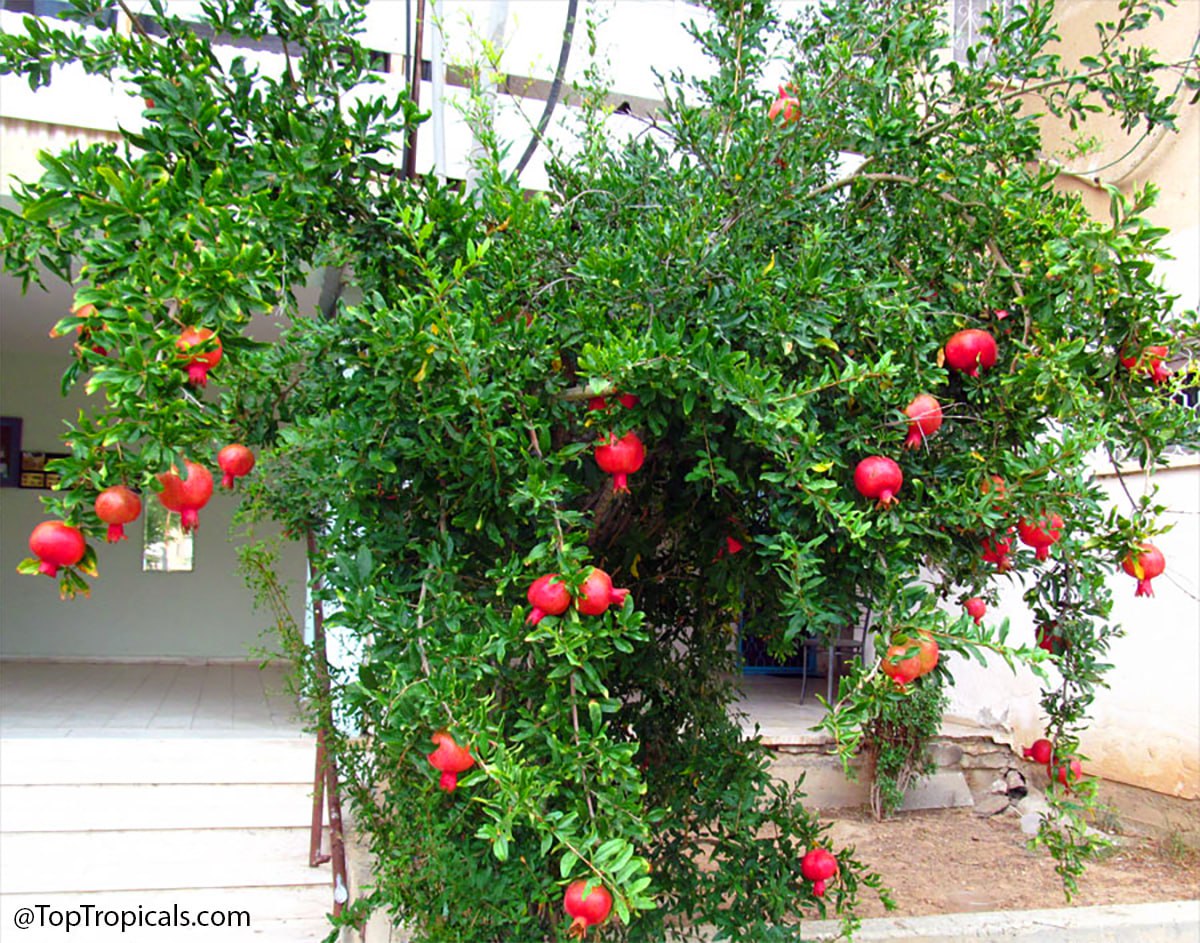
Pomegranate (Punica granatum) has long symbolized love, fertility, and union, with its many ruby-red seeds representing abundance and deep connection. In ancient traditions, it was linked to goddesses of love and marriage and remains a symbol of passion balanced by continuity and commitment.
Pomegranate Plant Facts
Botanical name: Punica granatum Also known as: Pomegranate, Granada, Grenade, Pomegranate, Granada, Anar, Granaatappel, Pomo Granato, Romeira, Melo Grano
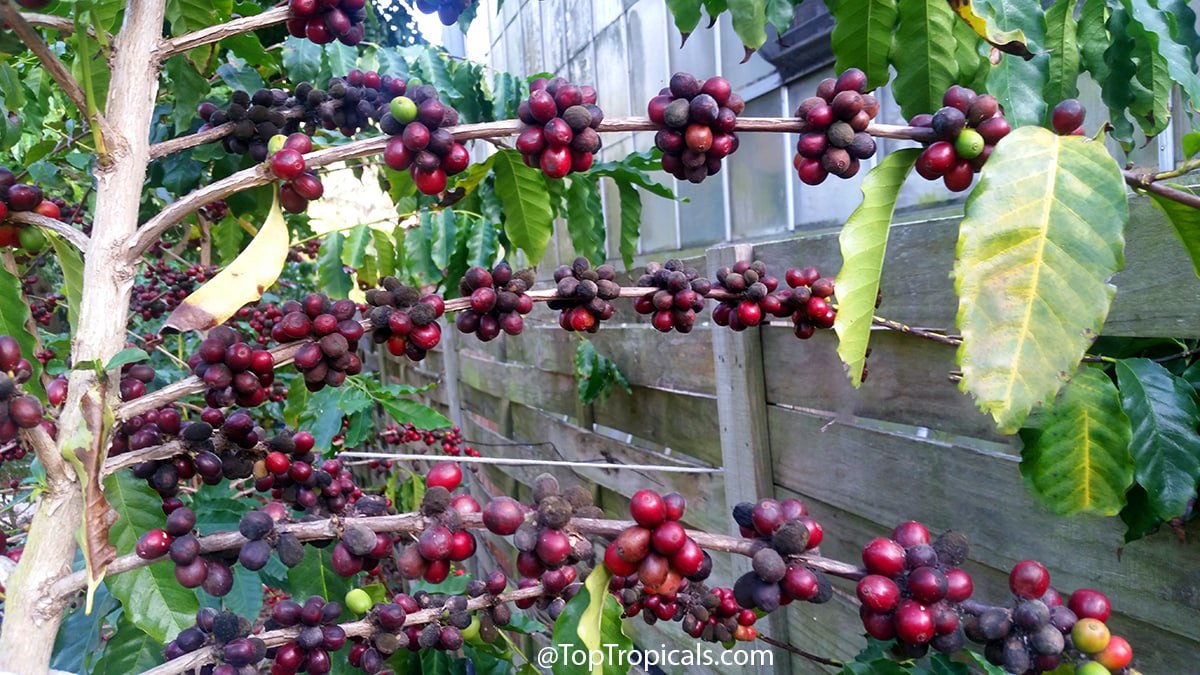
Coffee (Coffea arabica) represents connection through shared ritual. Sacred to African Sufis for its stimulating properties, coffee symbolizes conversation, alertness, and social bonding rather than purely romantic love.
Coffee Plant Facts
Botanical name: Coffea arabica Also known as: Coffee
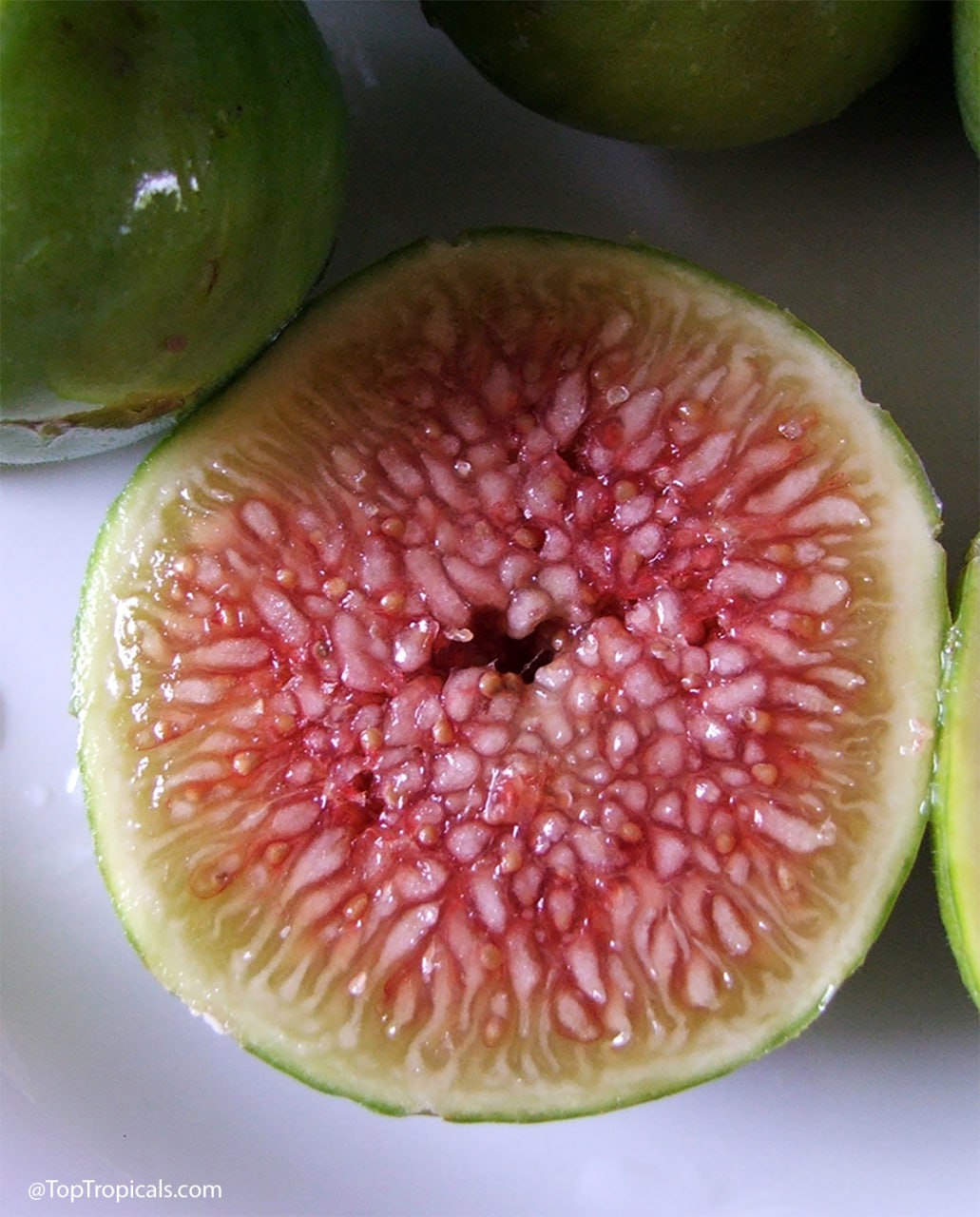
Figs (Ficus carica) have ancient associations with fertility, sensuality, and indulgence. Their voluptuous form, sweet flesh, and rich texture made them symbols of desire and abundance in many cultures.
Fig Tree Plant Facts
Botanical name: Ficus carica Also known as: Fig Tree, Brevo
Betel Leaf (Piper betle) is a powerful symbol of love, respect, and partnership across South and Southeast Asia. It is exchanged in courtship, weddings, and ceremonies, representing acceptance and shared experience. Its heart-shaped leaves reinforce its Valentine symbolism.
Betel nut (Areca catechu) - traditionally used as a stimulant and aphrodisiac, betel nut represents intensity, ritual, and sensory awakening. In this context, it is best presented as a cultural symbol rather than a casual love plant.
Betel Leaf Plant Facts
Botanical name: Piper betle Also known as: Betel Leaf
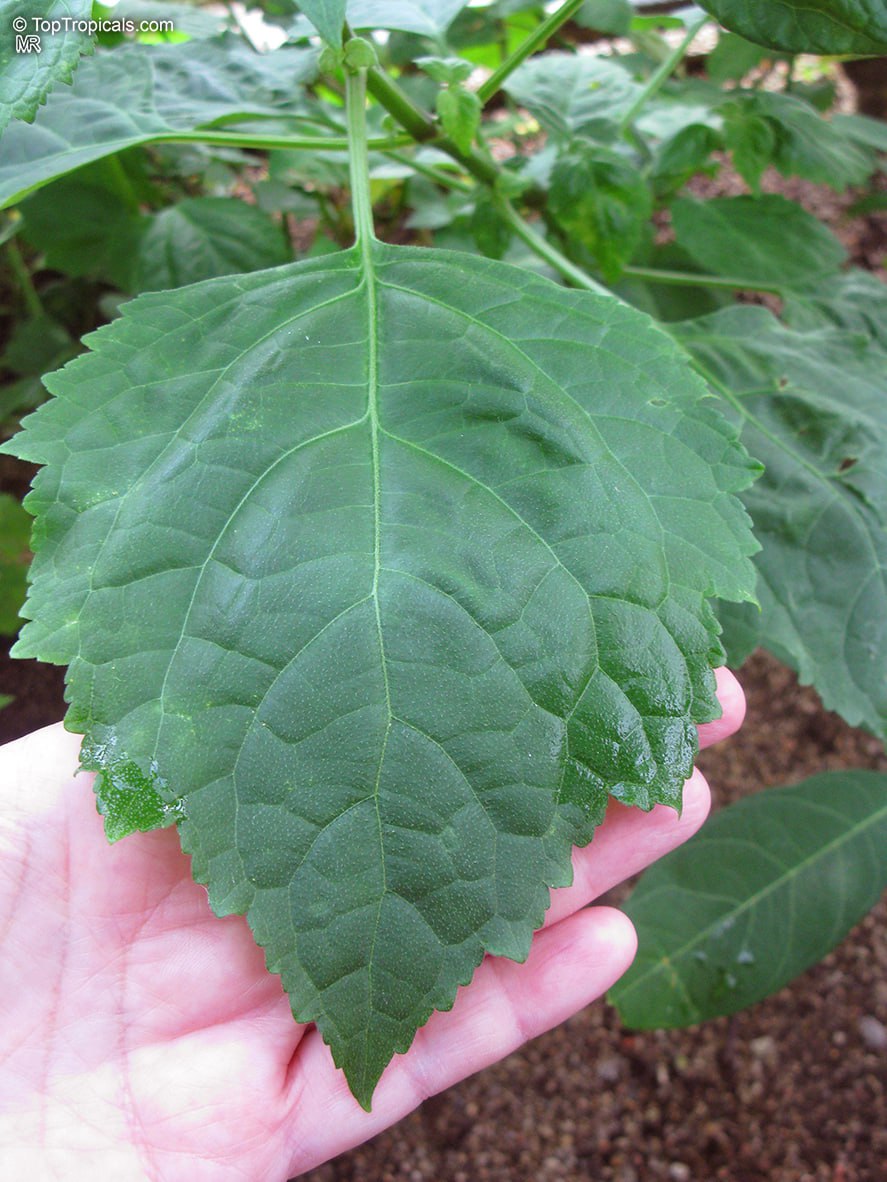
Patchouli (Pogostemon cablin) represents deep attraction and emotional grounding. Its earthy, musky scent has long been associated with intimacy and physical presence. Unlike sweet florals, patchouli symbolizes mature, rooted love that lingers.
Patchouli Plant Facts
Botanical name: Pogostemon cablin, Pogostemon patchouli, Pogostemon heyneanous Also known as: Patchouli, Pucha-pat
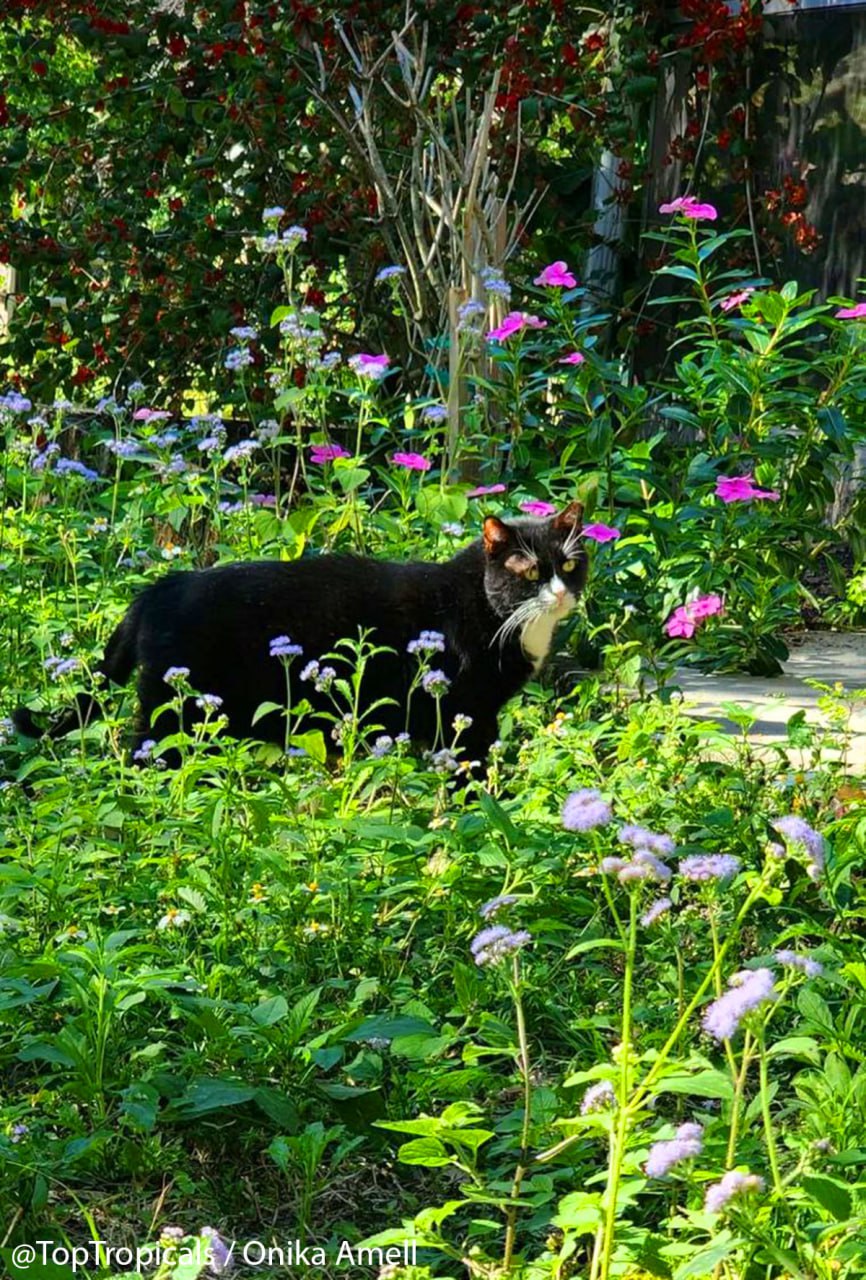
🐈📸 Meet Onika's cats from TopTropicals PeopleCats.Garden:
This is Jaxson. The cat, who loves to sit and meditate amongst the flowers.
"I can sit in the flowers ... for hours and hours!" - Jaxson
Four popular plants of friendship, appreciation, and shared connection
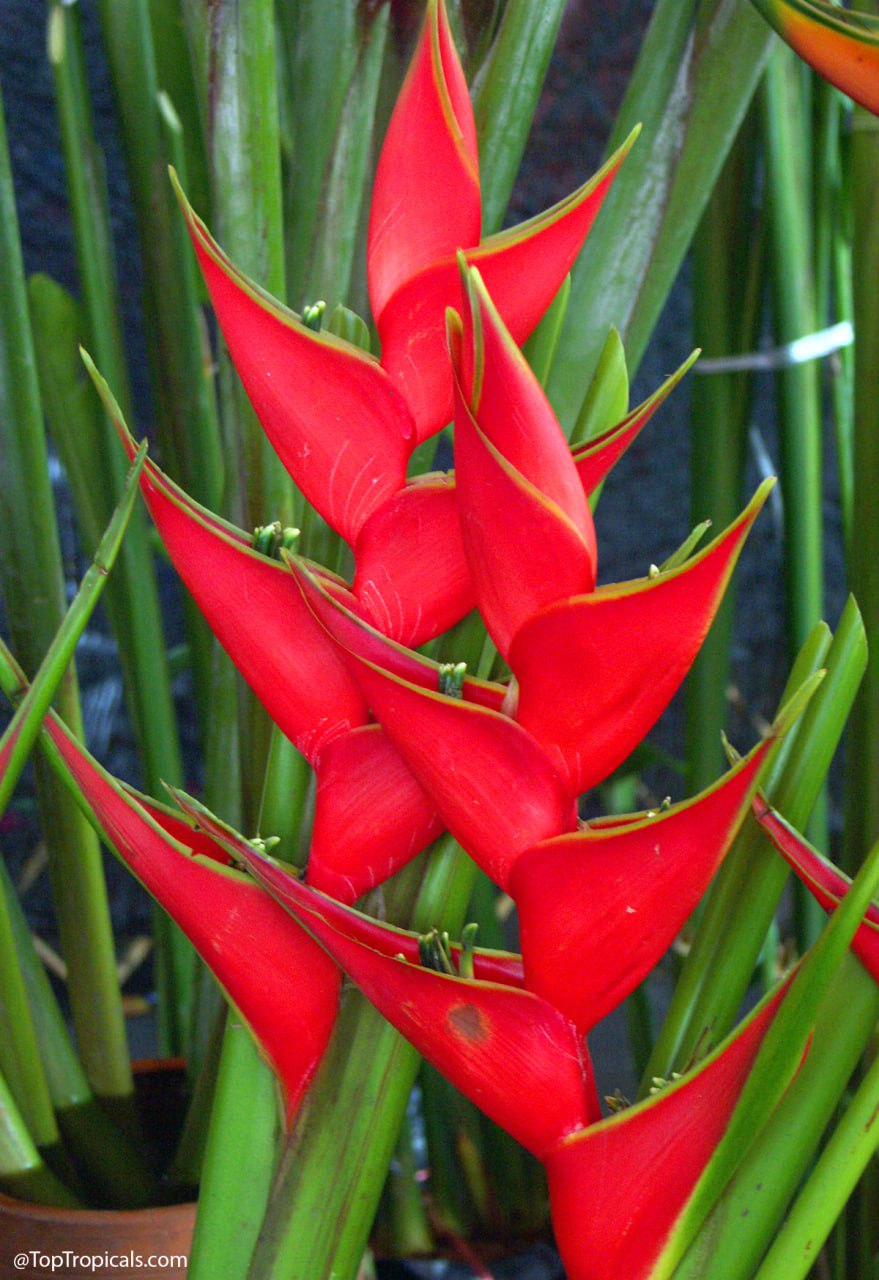
Heliconia flower
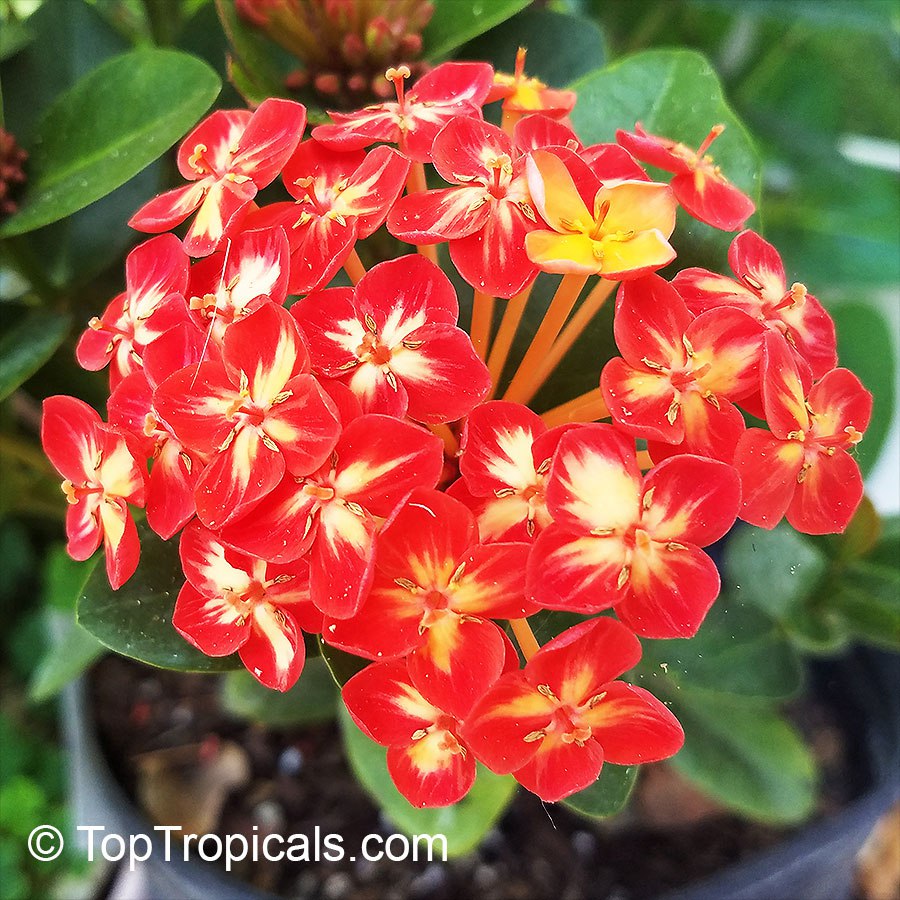
Ixora flower
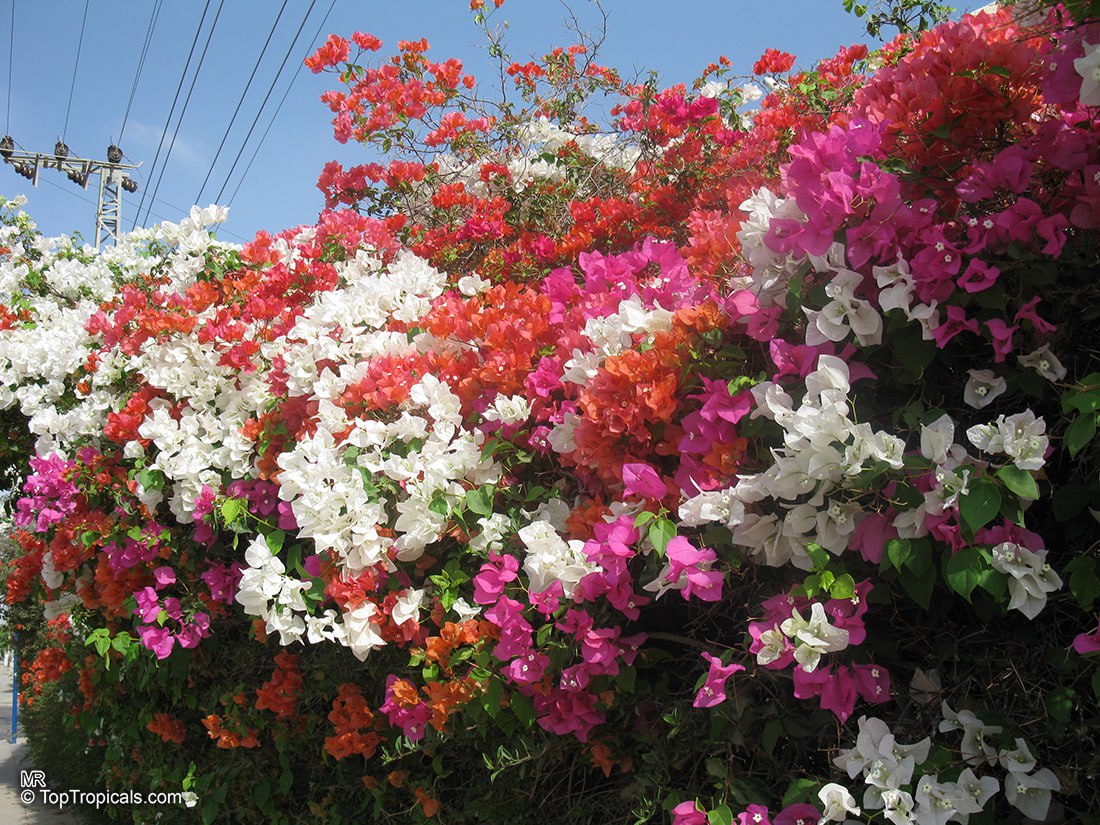
Bougainvillea flower
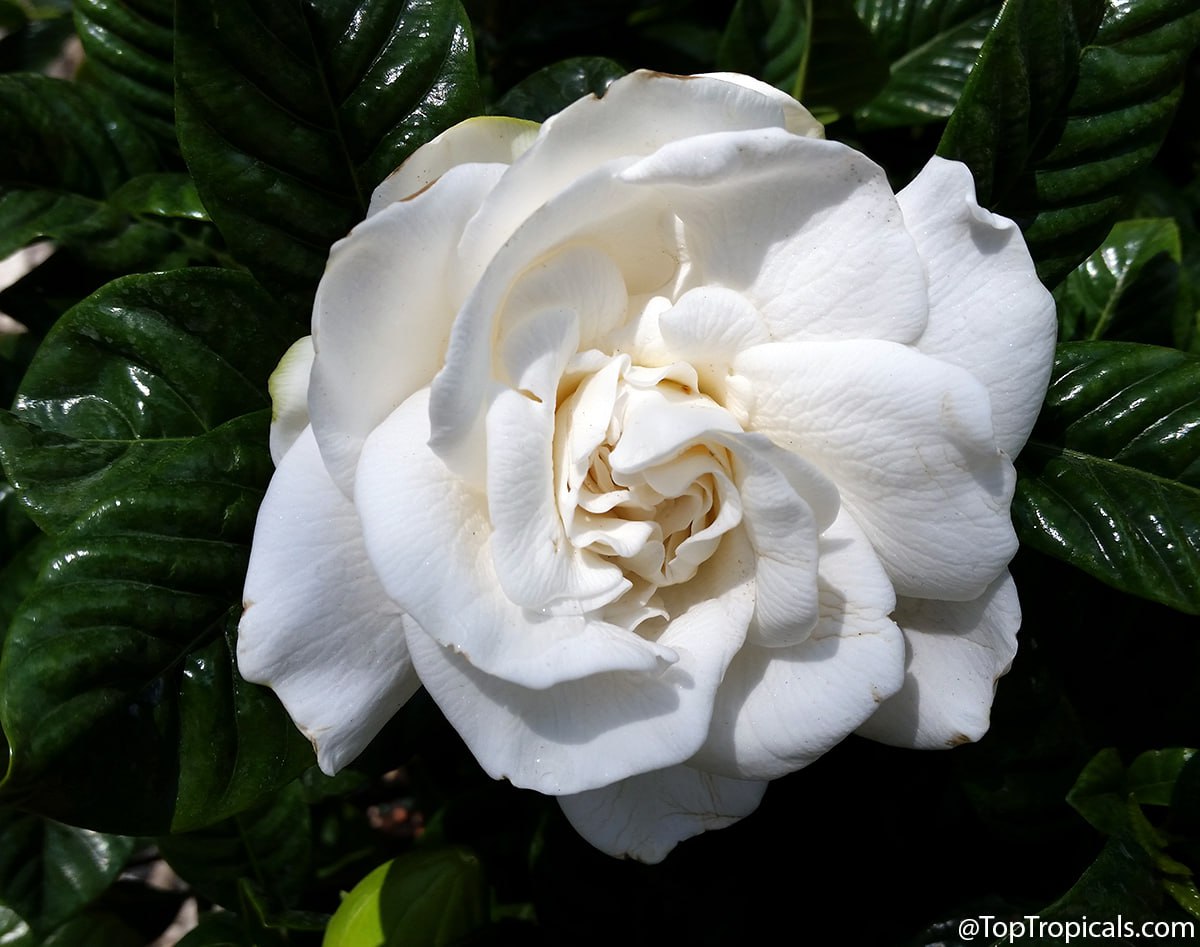
Gardenia flower
💕 Four popular plants of friendship, appreciation, and shared connection
Not all love is romantic. Many tropical plants symbolize warmth, friendship, hospitality, and human connection.
❣️ 1. Gardenia
Gardenia symbolizes quiet devotion, gratitude, and unspoken affection. It is often given to express deep appreciation rather than dramatic romance. 👉 Gardenia gift
❣️ 2. Heliconia
With its interlocking bracts, heliconia represents unity, partnership, and celebration. It is often linked to joyful relationships and togetherness and is widely used as a long-lasting cut flower in tropical arrangements. 👉 Heliconia gift
❣️ 3. Bougainvillea
Bougainvillea symbolizes enduring love and protection - beauty supported by strength. It is often associated with commitment and resilience in relationships. 👉 Bougainvillea gift